Café Victor
Café Victor occupies a corner of Ny Østergade in Copenhagen's inner city, operating at the intersection of the city's brasserie tradition and a broader Scandinavian shift toward more conscientious sourcing. The address places it within walking distance of the Royal Danish Theatre and the city's dense cluster of design-led institutions, making it a natural anchor for the city's considered dining culture.
Pearl is the En Primeur Club membership app — saves, bookings, and concierge access live there. Same editors, same standards.
- Address
- Ny Østergade 8, 1101 København K, Denmark
- Phone
- +45 33 13 36 13
- Website
- cafevictor.dk
- Directions
- Get directions
 Saves & bookings on Pearl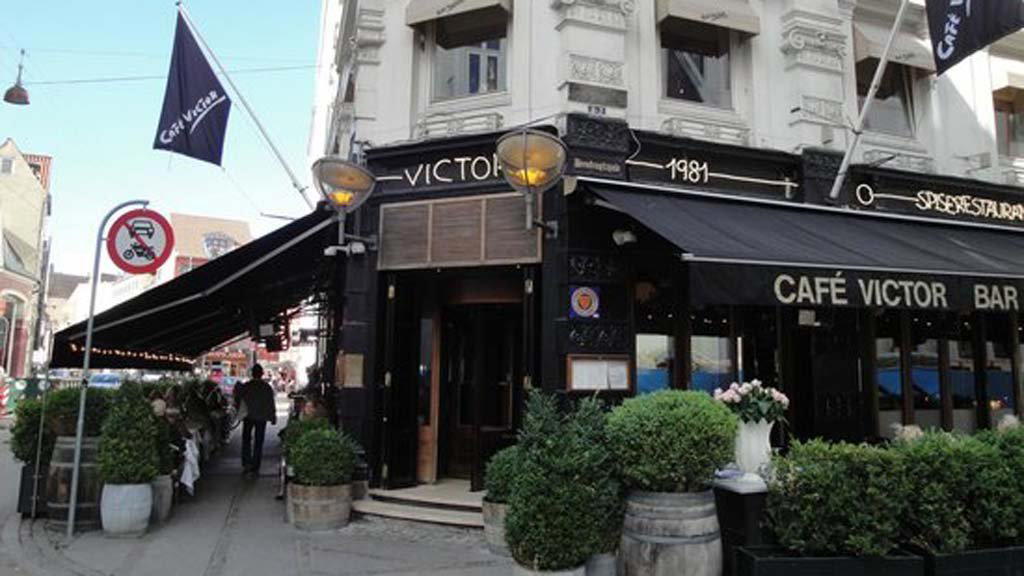
Where Copenhagen's Brasserie Tradition Meets Ethical Sourcing
Running parallel to Strøget but a block removed from its retail noise, it belongs to the older, quieter inner city: stone facades, measured foot traffic, the occasional courier bicycle threading between pedestrians. At number 8, Café Victor has occupied this corner for long enough to become part of the neighbourhood's texture rather than a feature of it. That kind of institutional presence is rarer than it sounds in a city where dining formats cycle with considerable speed.
Copenhagen's café and brasserie culture has undergone a quiet but consequential reorientation over the past decade. Where the city's fine-dining conversation is dominated by the €€€€ tier, houses like Geranium, Noma, and Alchemist, the mid-register has been doing something more interesting: absorbing the influence of New Nordic discipline without the ceremony. The result is a category of Copenhagen dining room where provenance documentation, reduced food waste, and seasonal constraint shape the menu without the tasting-course architecture that defines places like Koan or Kadeau.
The Sustainability Frame: Not a Marketing Position
Across Scandinavia, the relationship between kitchens and environmental accountability has moved from aspiration to operational standard. What began as the philosophical project of a handful of Nordic chefs has filtered down into how everyday kitchens think about supplier relationships, nose-to-tail use, and seasonal menus that genuinely change rather than rotate a fixed set of year-round imports. This shift is visible in how Copenhagen's established brasserie addresses talk about their supply chains, not as a differentiating pitch, but as a baseline expectation from a dining public that has absorbed these values over fifteen years of influential food culture.
Café Victor's address on Ny Østergade places it within the district that has historically served Copenhagen's cultural institutions: the Royal Danish Theatre sits nearby, the design galleries and auction houses of Bredgade are a short walk north. The guests who populate these rooms on a Tuesday afternoon or a Friday evening are not primarily tourists hunting a New Nordic experience. They are Copenhageners with a relatively high threshold for quality and a relatively low tolerance for sourcing theatre. That audience, more than any awards framework, is the real pressure that keeps an established café honest about what it puts on the plate and where it comes from.
Positioning Within the Danish Dining Map
Copenhagen draws significant editorial attention, but the country's serious kitchen culture extends well beyond the capital. Jordnær in Gentofte operates just north of the city with two Michelin stars and a seafood-forward programme that has attracted international notice. Further afield, Frederikshøj in Aarhus, Henne Kirkeby Kro, Frederiksminde in Præstø, Ti Trin Ned in Fredericia, Dragsholm Slot Gourmet in Hørve, LYST in Vejle, Tri in Agger, Pearl by Paul Proffitt in Kruså, and Syttende in Sønderborg all represent a national kitchen culture that takes provenance and craft seriously outside of the capital's competitive glare. What distinguishes Copenhagen's established inner-city addresses from these regional kitchens is not necessarily ambition, it is audience density and the particular pressure that comes from serving a sophisticated local population daily rather than seasonally.
Internationally, the conversation around ethical sourcing in brasserie-format restaurants has produced interesting reference points. Le Bernardin in New York City has demonstrated that rigorous ingredient sourcing and sustainable seafood procurement can operate within a classic French framework without sacrificing precision. On the West Coast, Lazy Bear in San Francisco has approached waste reduction and producer relationships through a different format altogether. The common thread is that environmental accountability in serious kitchens has stopped being an add-on and started being a structural commitment, one that shapes supplier selection, menu architecture, and kitchen practice simultaneously.
The Inner City Address: What It Means Logistically
Ny Østergade 8 is a practical Copenhagen address. The nearest Metro access comes via Kongens Nytorv station, one of the city's central interchange points, making the address reachable from most parts of the city without a taxi. The street itself is walkable from the main hotel cluster around Nyhavn and from the design district north toward Bredgade. For visitors using Copenhagen as a base for broader Danish dining exploration, the regional kitchens listed above range from a short regional rail journey to a two-hour drive, the inner city is a logical staging point for dining in Copenhagen.
A Note on the Brasserie Format's Resilience
There is a tendency in food writing to position tasting-menu restaurants as the apex of serious dining and everything below as a compromise. Copenhagen pushes back against that hierarchy more effectively than most cities. The brasserie format, à la carte, room-temperature service culture, a menu that allows for a glass of wine and one course as readily as a full meal, carries its own discipline. Managing food waste across a broad à la carte menu is in some ways harder than within a fixed tasting programme, because the kitchen cannot predict with precision what will be ordered and must therefore source, prep, and rotate more dynamically. The cafés and brasseries that have survived in Copenhagen's inner city for multiple decades have done so, in part, because they solved that operational problem without resolving it with frozen imports or year-round commodity proteins.
That operational discipline is the understated contribution of addresses like Café Victor to the city's food culture. They are not the rooms that attract the international press passes or the three-star pilgrims. They are the rooms that keep a neighbourhood functioning as a place where people actually eat rather than perform eating.
Planning Your Visit
Café Victor sits at Ny Østergade 8 in Copenhagen's inner city, within easy walking distance of Kongens Nytorv Metro station. Given the venue's long-standing neighbourhood presence, the room tends to operate at a pace set by local regulars rather than tourist patterns, which means midweek lunches and early weekday evenings often represent the considered environment in which to visit. Current hours are Monday through Wednesday 8 AM to 1 AM, Thursday and Friday 8 AM to 2 AM, Saturday 9 AM to 2 AM, and Sunday 11 AM to 12 AM. Reservations are recommended.
- Gillardeau Oysters
- Smoked Salmon
- Tartare
- Crème Brûlée
- Confit de Canard
- Veal Tournedos
- Croque Monsieur
- Lobster Bisque
Cuisine Lens
Comparable venues nearby, for context on price, style, and recognition.
| Venue | Cuisine | Price | Notes |
|---|---|---|---|
| Café VictorThis venue — the venue you are viewing | French Brasserie with Danish Influences | $$$ | Not listed |
| Ripotot | Seasonal French-Inspired Bistro | $$$ | Indre By |
| Arnfeldt | Modern French Farm-to-Table | $$$$ | Østerbro |
| Brasserie Post | French Brasserie | $$$ | Østerbro |
| Sokkelund | French-Inspired Brasserie | $$$ | Frederiksberg |
| Pastis | Classic French Bistro | $$$ | Indre By |
Continue exploring
More in Copenhagen
Restaurants in Copenhagen
Browse all →
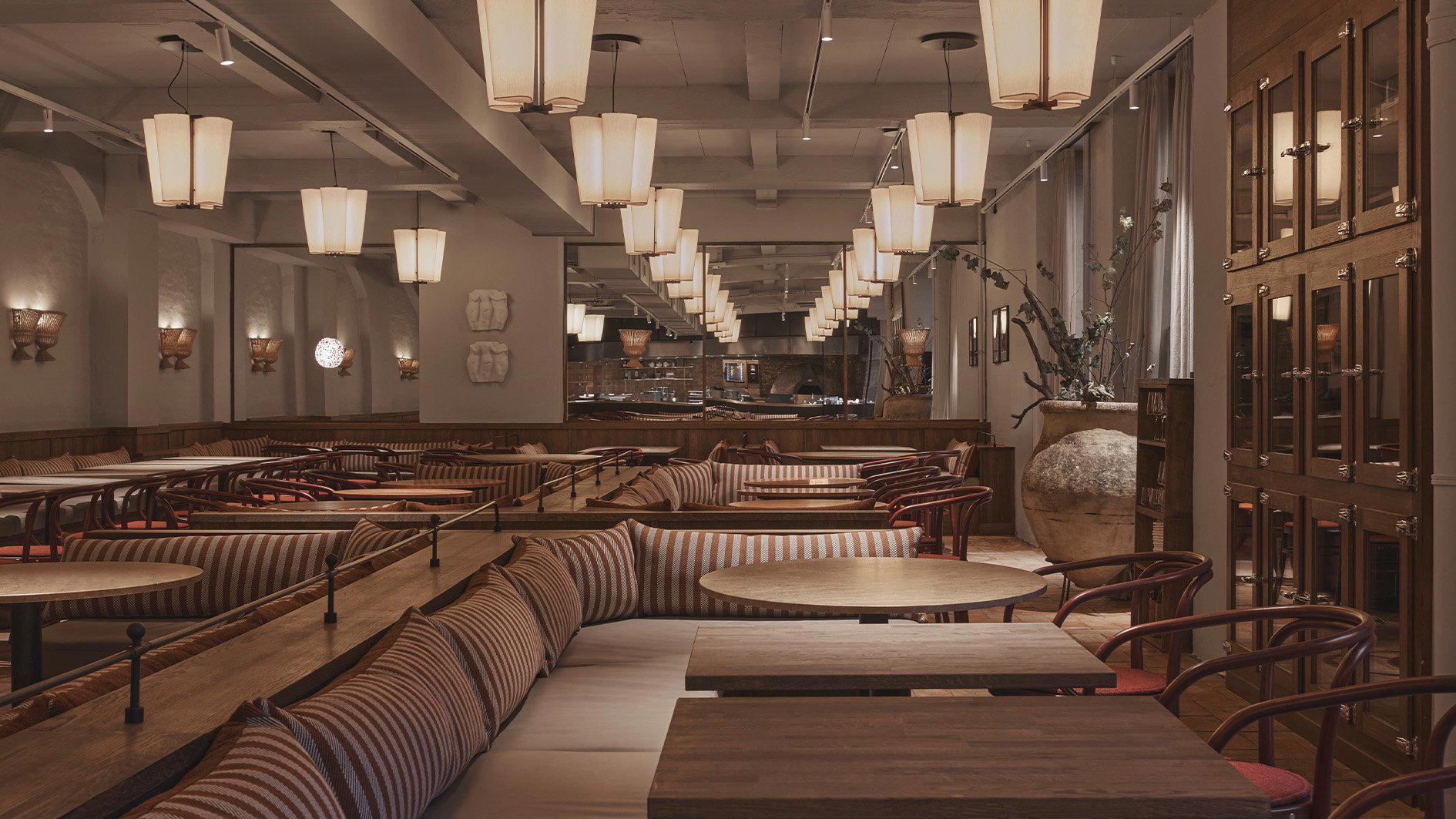
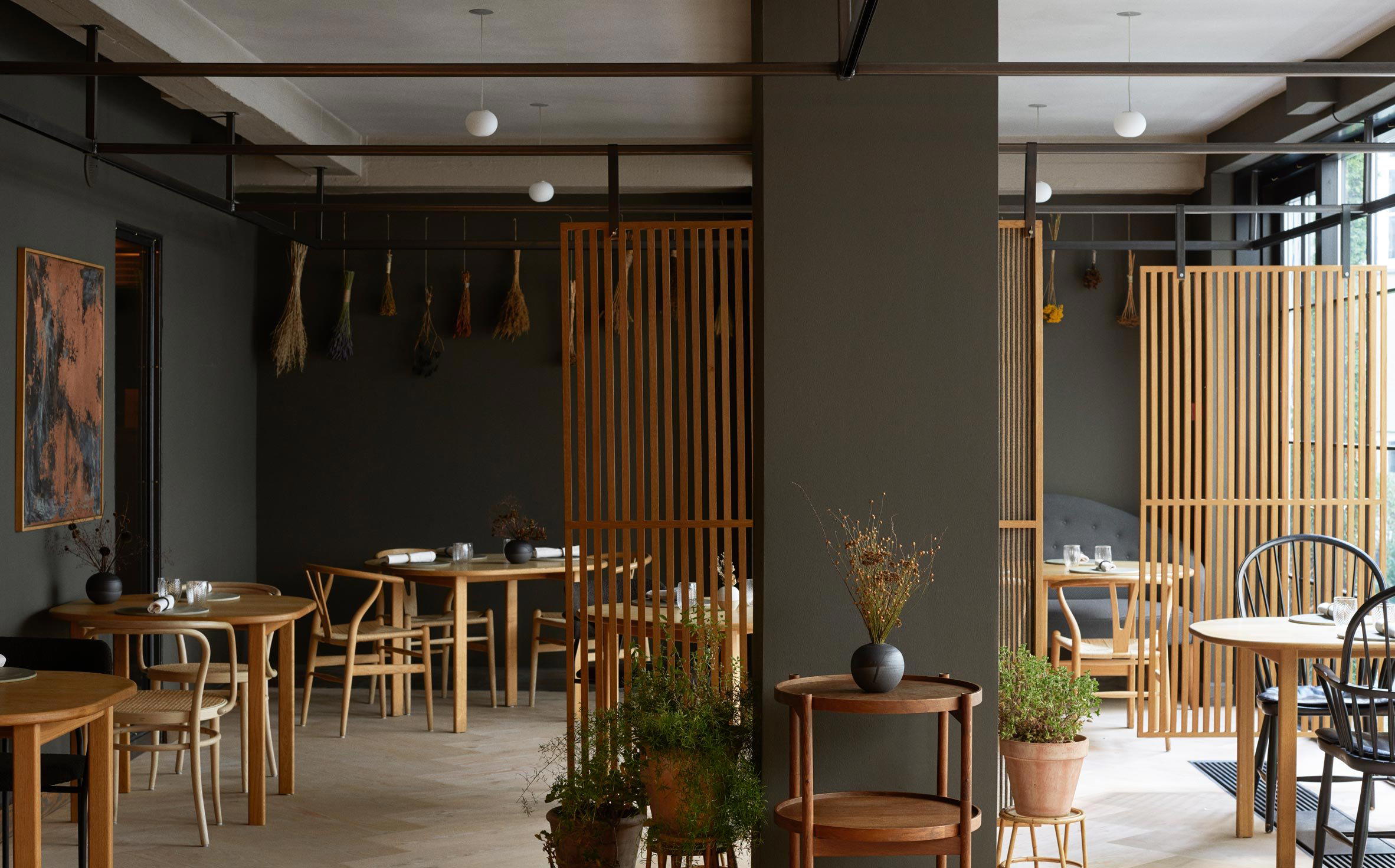
Bars in Copenhagen
Browse all →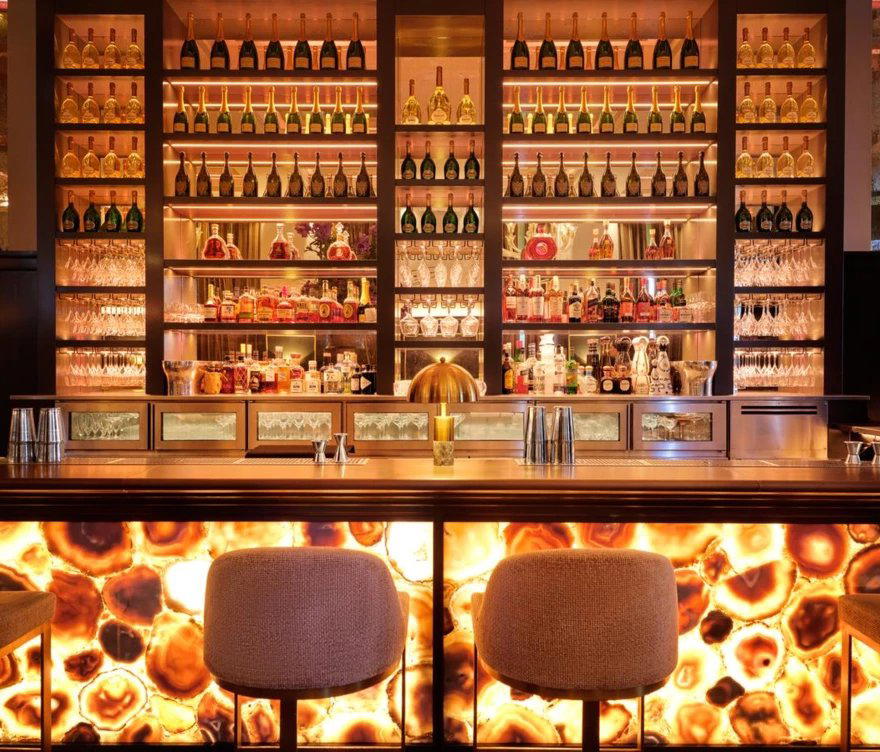
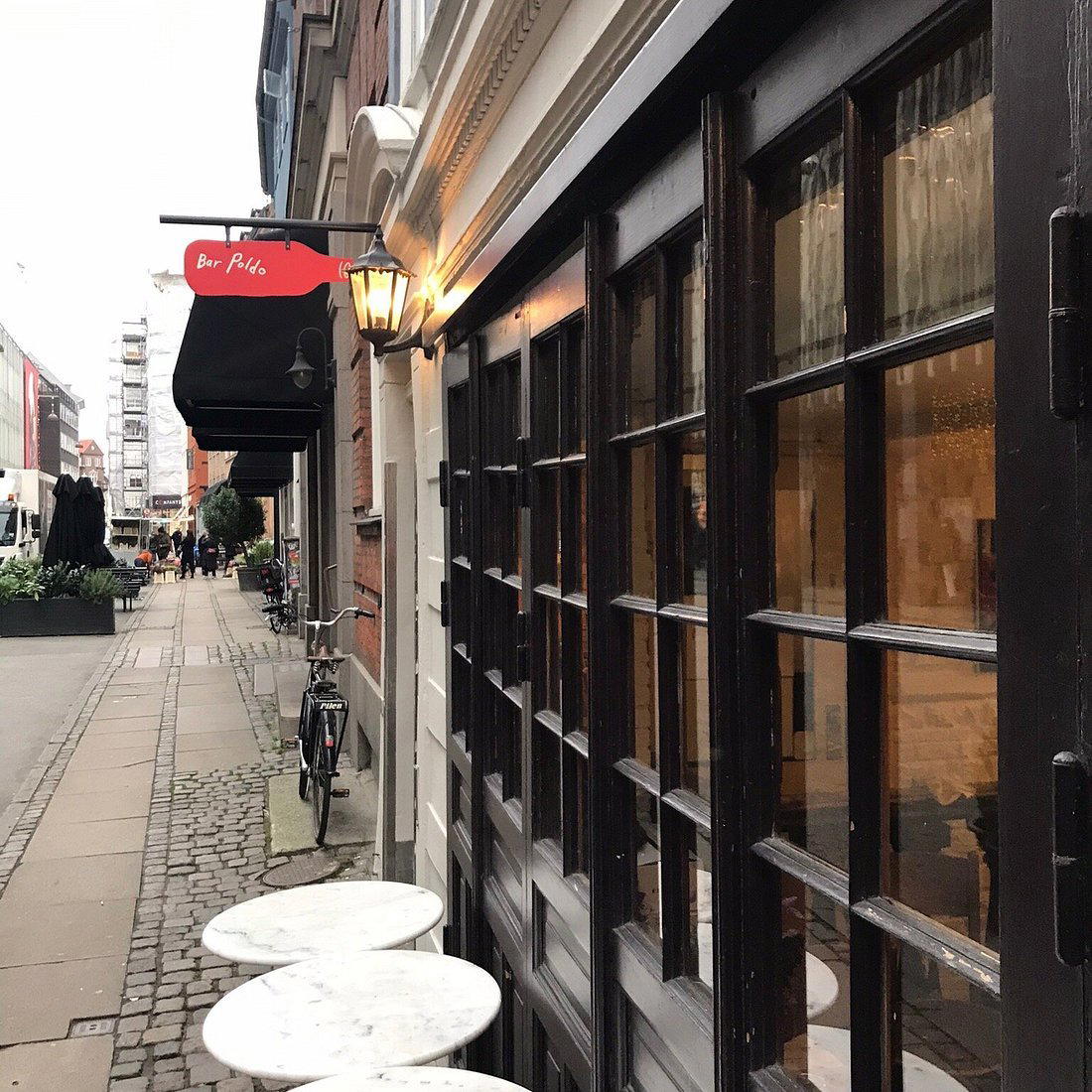
At a Glance
- Well Known
- Elegant
- Sophisticated
- Lively
- Business Dinner
- Date Night
- Casual Hangout
- Brunch
- Late Night
- Group Dining
- Open Kitchen
- Terrace
- Live Music
- Historic Building
- Extensive Wine List
- Beer Program
- Street Scene
Current opening hours
- Monday
- 8 AM–1 AM
- Tuesday
- 8 AM–1 AM
- Wednesday
- 8 AM–1 AM
- Thursday
- 8 AM–2 AM
- Friday
- 8 AM–2 AM
- Saturday
- 9 AM–2 AM
- Sunday
- 11 AM–12 AM
Hours can change for holidays and private events. Last verified .