Pastis

On Gothersgade in Copenhagen's inner city, Pastis occupies a position that rewards those already familiar with the city's French-leaning bistro tradition. The room and its rhythms speak to a dining culture that prizes measured pacing and deliberate cooking over spectacle. For visitors charting a course through Copenhagen's broader restaurant scene, it sits at a distinct remove from the New Nordic tasting-menu circuit.
Pearl is the En Primeur Club membership app — saves, bookings, and concierge access live there. Same editors, same standards.
- Address
- Gothersgade 52, 1304 København, Denmark
- Phone
- +4533934411
- Website
- bistro-pastis.dk
- Directions
- Get directions
 Saves & bookings on Pearl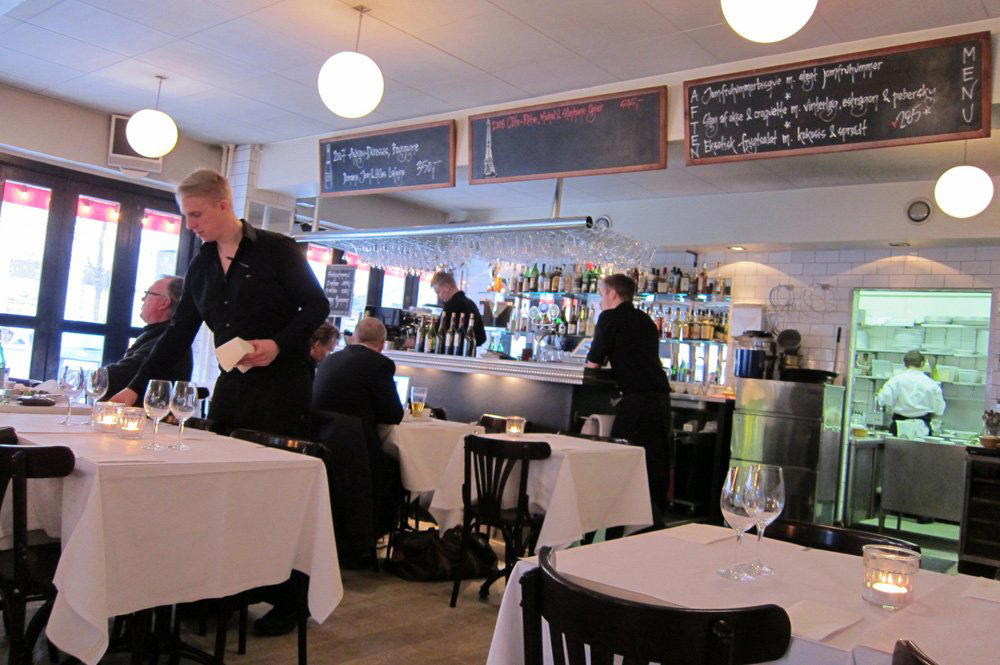
A Different Kind of Copenhagen Table
Copenhagen's restaurant conversation runs heavily toward New Nordic tasting menus, the format that houses like Geranium and Noma helped establish as the city's dominant export. That conversation is worth having. But it leaves a quieter category underexplored: the French-inflected bistro operating on the logic of the regular, the neighbourhood diner who returns not for novelty but for consistency. Pastis, on Gothersgade 52 in Copenhagen's inner city, belongs to that second tradition.
The address places it on one of the older commercial streets in the city's 1304 postal district, a part of Copenhagen that predates the design-hotel boom and holds a texture that the newer dining quarters sometimes lack. Arriving on foot from Kongens Have or the streets around Nørreport, the building presents itself without fanfare. That absence of theatrics is, for this category of restaurant, a credential in itself.
The Ritual of the French Bistro Meal
French bistro dining carries a particular set of expectations around pacing, and the leading iterations of the format in Scandinavia understand that the ritual matters as much as the plate. The meal is structured: something light to start, a main built around protein and sauce, cheese or dessert if the appetite holds. The wine comes early and stays close. Conversation fills the space that a tasting-menu countdown leaves no room for.
This is a dining tradition where the server's memory of your preference from a prior visit carries more weight than a printed tasting note. Where the bread arrives without being requested. Where the check is not hurried to the table once the plates are cleared. Copenhagen has a number of rooms that perform this ritual well, and Pastis has held a place in that cohort for long enough to have acquired the patina that new openings take years to earn.
The contrast with Copenhagen's high-concept end is instructive. At Alchemist or Koan, the meal is a designed sequence: each course arrives with context, the progression is non-negotiable, and the experience is deliberately total. The bistro format inverts that logic. The diner composes the meal. The kitchen's role is to execute each component with precision and restraint, not to orchestrate a narrative. Both models require skill. They require different skills.
Where Pastis Sits in the Copenhagen Picture
Copenhagen's restaurant scene is broad enough now that it sustains multiple distinct tiers and traditions simultaneously. At one end: the Michelin-decorated tasting-menu houses, of which the city has an unusual concentration for its size. Kadeau and others in that bracket operate on advance bookings, set menus, and long evenings by design. Further out, Jordnær in Gentofte and Frederikshøj in Aarhus show that serious cooking is distributed well beyond the city's postal codes. Denmark's dining ambition extends to Henne Kirkeby Kro in Henne, Alimentum in Aalborg, ARO in Odense, Domæne in Herning, Dragsholm Slot Gourmet in Hørve, Frederiksminde in Præstø, LYST in Vejle, and MOTA in Nykøbing Sjælland.
Pastis does not compete in that register. In global terms, the model it most resembles is the kind of room you find at the serious end of the Paris neighbourhood bistro circuit, or in the mid-tier of New York establishments like those that share shelf space with Le Bernardin in terms of classical French technique while operating at a wholly different scale and register. The Korean-accented fine dining of Atomix in New York represents the opposite pole: hyper-composed, concept-driven, designed to be experienced once with full attention. Pastis is built to be returned to.
Approaching the Meal
The seasonal calendar shapes a French bistro kitchen more than it does a tasting-menu operation, which can afford to source exotics year-round at the prices it charges. A bistro lives or dies on what the market offers that week, how the kitchen handles it, and whether the classics on the menu hold their standard across seasons. In Copenhagen, that means leaning into cold-weather proteins and root vegetables through autumn and winter, and shifting toward lighter preparations as the long Scandinavian summer finally arrives. The leading time to eat at this kind of room is the shoulder season: October into November, or late April, when the seasonal pantry is in transition and the kitchen's instincts are tested.
Copenhagen winters are long enough that a warm, well-lit room with a wine list built around Burgundy and the southern Rhône carries genuine comfort value that is easy to underestimate in August. The ritual of a two-hour bistro dinner on a dark Tuesday in February is one of the more civilised uses of a Copenhagen evening, and rooms that execute it well are not as common as the city's broader dining reputation might suggest.
Planning Your Visit
Know Before You Go
- Address: Gothersgade 52, 1304 København, Denmark
- Neighbourhood: Inner Copenhagen, within walking distance of Kongens Have and Nørreport Station
- Format: French-style bistro; à la carte structure, no fixed tasting menu
- Booking: Contact the restaurant directly; walk-in availability varies by day and season
- Leading season: Shoulder seasons (October–November, late April–May) align with peak market produce transitions
- Further reading: See our full Copenhagen restaurants guide for broader context across the city's dining tiers
How Pastis Copenhagen compares with similar nearby venues.
| Venue | Cuisine | Price |
|---|---|---|
| Alouette | Modern Cuisine | €€€€ |
Recognition history
Dated appearances from independent guides and award organizations, with the underlying list record or original source where available.
Star Wine List
Star Wine List
Continue exploring
More in Copenhagen
Restaurants in Copenhagen
Browse all →
Bars in Copenhagen
Browse all →
Hotels in Copenhagen
Browse all →

At a Glance
- Classic
- Cozy
- Elegant
- Date Night
- Casual Hangout
- Special Occasion
- Standalone
- Extensive Wine List
Current opening hours
- Monday
- 11 AM–12 AM
- Tuesday
- 11 AM–12 AM
- Wednesday
- 11 AM–12 AM
- Thursday
- 11 AM–12 AM
- Friday
- 11 AM–1 AM
- Saturday
- 11 AM–1 AM
- Sunday
- 11 AM–11 PM
Hours can change for holidays and private events. Last verified .
Cozy yet sophisticated atmosphere with white-tiled walls, modern decor, and aromas of freshly baked bread and simmering sauces.
Know Before You Go
- Getting there
- Gothersgade 52, 1304 København, Denmark