Esmée


Positioned at Kongens Nytorv in central Copenhagen, Esmée sits within a dining city that has spent two decades rewriting European fine dining conventions. Where peers like Geranium and Alchemist operate at maximum visibility, Esmée occupies a quieter register — the kind of address that rewards those already paying close attention to how Copenhagen's restaurant culture continues to evolve beyond its most celebrated names.
Pearl is the En Primeur Club membership app — saves, bookings, and concierge access live there. Same editors, same standards.
- Address
- Kongens Nytorv 8, 1050 København, Denmark
- Phone
- +4533133713
- Website
- esmee.dk
- Directions
- Get directions
 Saves & bookings on Pearl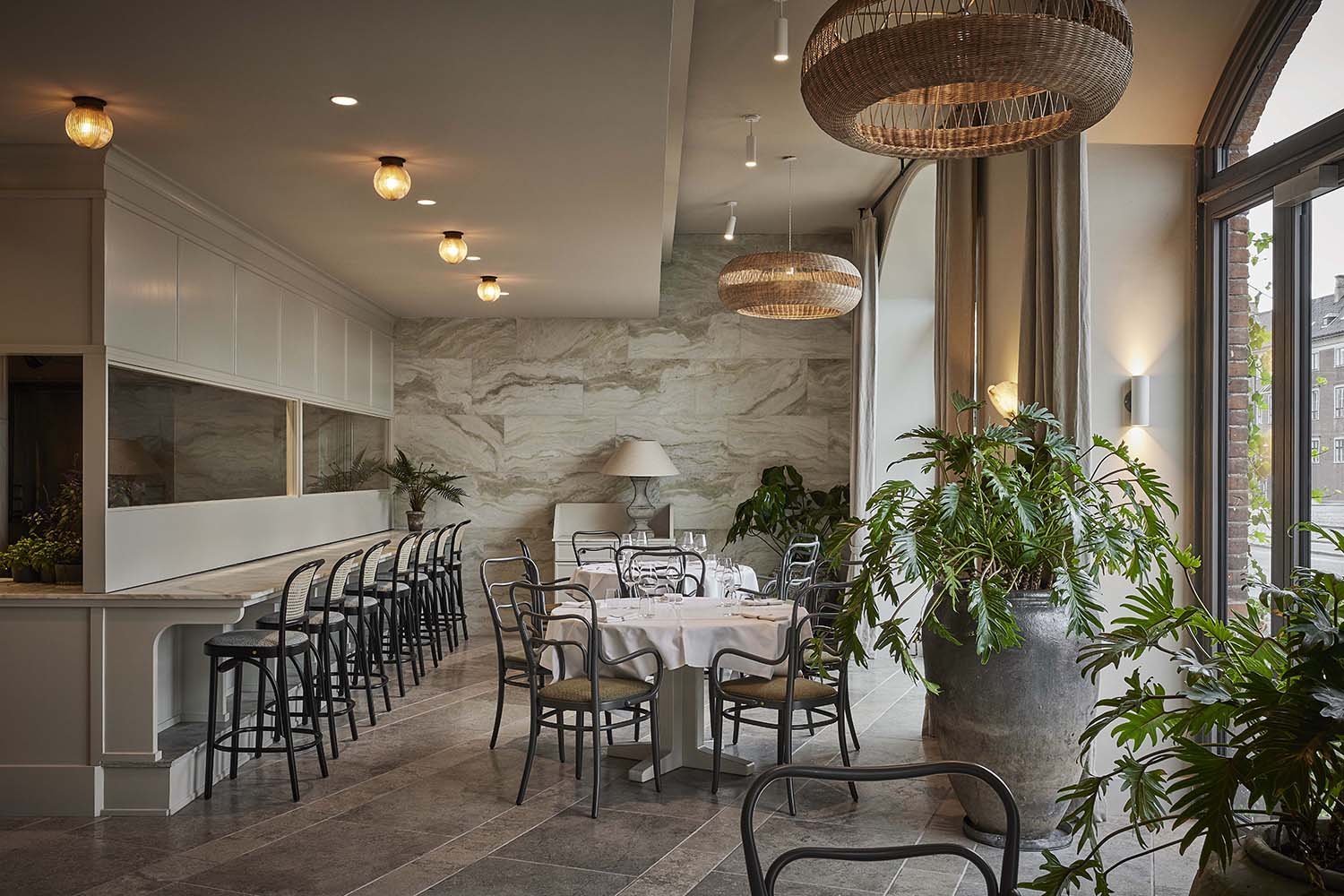
Kongens Nytorv and the Geography of Copenhagen Dining
Copenhagen's restaurant culture has never been evenly distributed. The addresses that matter most tend to cluster around a handful of neighbourhoods: Nørrebro's low-key creative energy, the Inner City's institutional gravitas, and the canal-facing streets around Kongens Nytorv, where the city's oldest money and its most self-assured hospitality have long coexisted. Esmée sits at Kongens Nytorv 8, inside one of the capital's most compositionally serious squares — the kind of address where the architecture does some of the work before you have even reached the door.
That address matters in Copenhagen more than it might in cities where dining destinations scatter freely across postcodes. Here, location signals intent. A restaurant that chooses Kongens Nytorv is placing itself in conversation with the city's longer cultural memory, even as the kitchen may be doing something entirely contemporary. The square itself — flanked by the Royal Danish Theatre and the Magasin du Nord department store, with the equestrian statue of Christian V at its centre, frames a particular kind of expectation: measured, considered, not easily rushed.
Where Esmée Sits in Copenhagen's Fine Dining Tier
To understand Esmée's position, it helps to map the broader competitive field. Copenhagen currently sustains one of the densest concentrations of serious restaurants in northern Europe, anchored at the leading by Geranium, which holds three Michelin stars and regularly appears on global ranking lists, and by Noma, whose influence on ingredient-led Nordic cooking continues to reverberate internationally even after its shift away from daily service. Below that tier, but far from interchangeable, sit restaurants like Alchemist, which operates its multi-act progressive format in a converted warehouse in Refshaleøen, and Kadeau, which imports a Bornholm island sensibility into an urban format. Koan has more recently drawn attention for its convergence of New Nordic and kaiseki disciplines.
Esmée does not position itself as a challenger to those highly visible names. Its Kongens Nytorv address and its apparent orientation toward a quieter kind of seriousness suggest it belongs to a different sub-category: restaurants where the room, the service architecture, and the kitchen work in close register rather than competing for dominance. That balance, where no single element overwhelms the others, is increasingly the signature of Copenhagen's second generation of fine dining addresses, the ones that emerged after the city had already proved its point to the world.
The Team Dynamic: When the Room Is the Argument
In Copenhagen's most discussed restaurants, the kitchen tends to be the public face. Chefs become the editorial hook; the front-of-house is treated as support infrastructure. What has shifted in recent years, across Copenhagen and in comparable cities, is a growing recognition that the most consistent dining experiences are the ones where the sommelier, the kitchen, and the floor team operate as a single interpretive unit rather than separate departments.
At addresses like Esmée, the logic of that collaboration becomes the actual product. Guests at a fine dining counter or in a composed dining room are not only eating food; they are moving through a sequence of decisions made jointly, which glass arrives before which course, how a server frames a dish without over-explaining it, how the pacing of the meal responds to the table's tempo rather than the kitchen's convenience. That level of coordination does not happen through individual brilliance. It happens through sustained, structured collaboration between the people running the floor, the people selecting and pouring wine, and the people plating and dispatching from the pass.
Copenhagen's broader dining culture has long treated the sommelier role as genuinely central rather than decorative. Wine pairing at the city's serious addresses is not an add-on; it is a structural part of how a meal is sequenced and what it argues. The same applies to front-of-house choreography. Restaurants at this level in Copenhagen tend to employ floor staff who understand the kitchen's sourcing logic and can speak to it without turning every dish into a lecture. That balance, informative without being performative, is one of the harder things to calibrate, and one of the clearest markers of a room operating at its intended level.
The Copenhagen Context Beyond the Capital
Any account of Copenhagen's dining scene benefits from acknowledging how thoroughly it has shaped the country beyond the city's boundaries. Denmark's regional restaurant culture is now considerable. Jordnær in Gentofte and Frederikshøj in Aarhus have both earned significant recognition. Further afield, Henne Kirkeby Kro in Henne, Frederiksminde in Præstø, Ti Trin Ned in Fredericia, Dragsholm Slot Gourmet in Hørve, LYST in Vejle, Tri in Agger, Pearl by Paul Proffitt in Kruså, and Syttende in Sønderborg form a national network of serious cooking that no longer needs Copenhagen as a qualifier.
Within the capital itself, that broader strength creates a useful pressure. Copenhagen restaurants can no longer rely on the city's name alone to carry weight. They have to make a specific argument about why they belong in the conversation. For Esmée, the argument begins with its address, Kongens Nytorv carries its own historical authority, and continues with whatever it does inside the room to justify a seat at that particular table.
For international comparison, the collaborative service model Esmée appears to favour finds parallels in formats like Le Bernardin in New York City, where floor and kitchen operate with unusual synchrony around a seafood-focused tasting format, or Lazy Bear in San Francisco, which structures its communal tasting dinners around a deliberately integrated hospitality model. The principle, that the meal's meaning emerges from the coordination of all its parts rather than any single element, is not unique to Copenhagen, but the city's restaurants have pursued it with particular consistency.
For a full picture of where Esmée sits within the capital's dining options, see our full Copenhagen restaurants guide.
Know Before You Go
Address: Kongens Nytorv 8, 1050 København, Denmark
Getting There: Kongens Nytorv is served directly by the Copenhagen Metro (Kongens Nytorv station, lines M1 and M2). The square is also within walking distance of Nørreport and the central hotel district.
Booking: Contact details are not currently listed. Check the restaurant's own channels or dedicated reservation platforms for current availability.
Format: Specific format and menu details are not published at this time.
Price Range: Not confirmed.
How Esmée Copenhagen compares with similar nearby venues.
| Venue | Cuisine | Price |
|---|---|---|
| Restaurant Palægade | Smørrebrød | €€ |
| Barabba | Modern Italian | Not listed |
| Koefoed | Modern Cuisine | € |
Recognition history
Dated appearances from independent guides and award organizations, with the underlying list record or original source where available.
Opinionated About Dining Casual in Europe Ranked #109
Opinionated About Dining
White Guide Denmark Restaurants - Masters Level
White Guide
Continue exploring
More in Copenhagen
Restaurants in Copenhagen
Browse all →
Bars in Copenhagen
Browse all →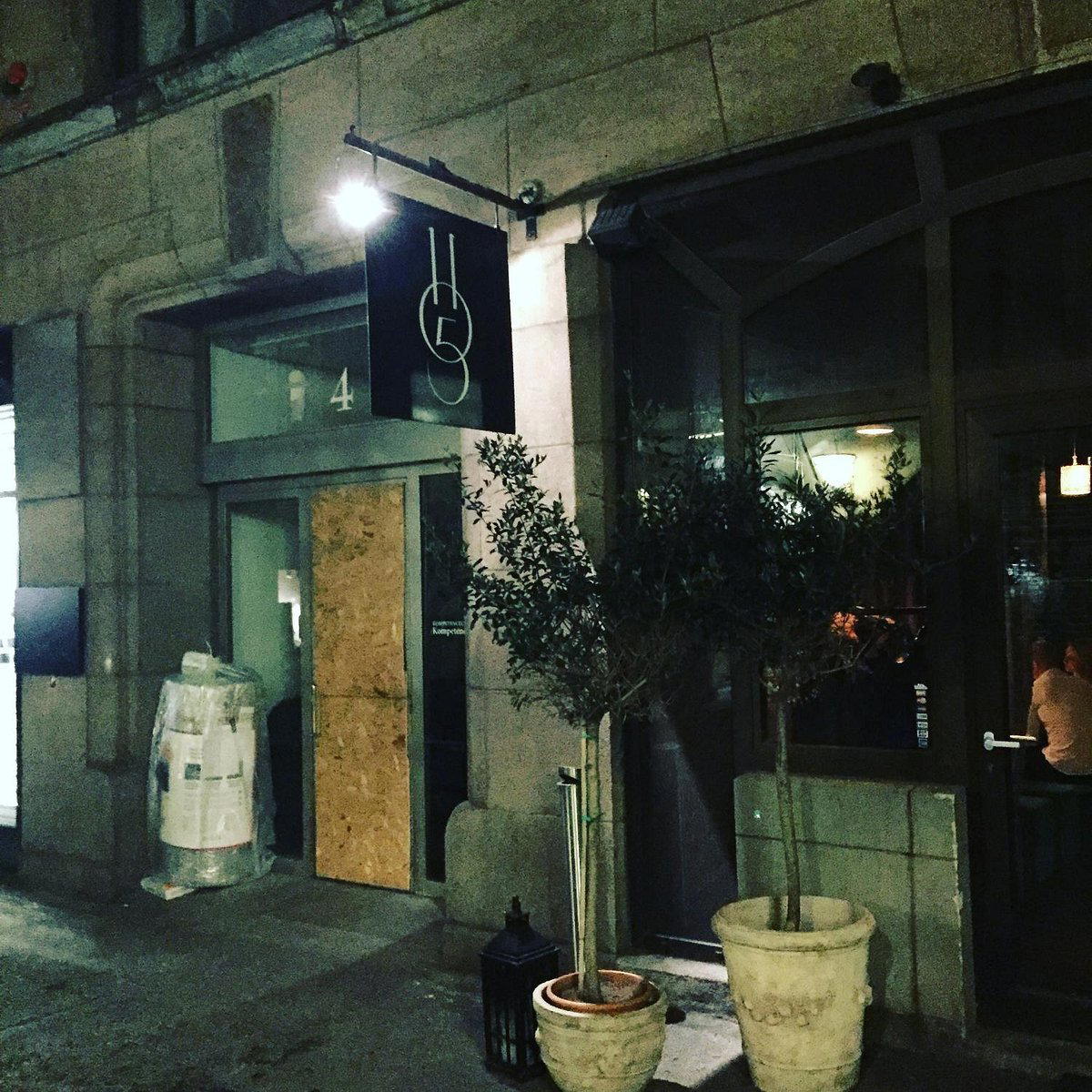
Hotels in Copenhagen
Browse all →

At a Glance
- Elegant
- Modern
- Cozy
- Sophisticated
- Date Night
- Special Occasion
- Open Kitchen
- Street Scene
Current opening hours
- Monday
- 12 PM–12 AM
- Tuesday
- 12 PM–12 AM
- Wednesday
- 12 PM–12 AM
- Thursday
- 12 PM–12 AM
- Friday
- 12 PM–1 AM
- Saturday
- 12 PM–1 AM
- Sunday
- 11 AM–12 AM
Hours can change for holidays and private events. Last verified .
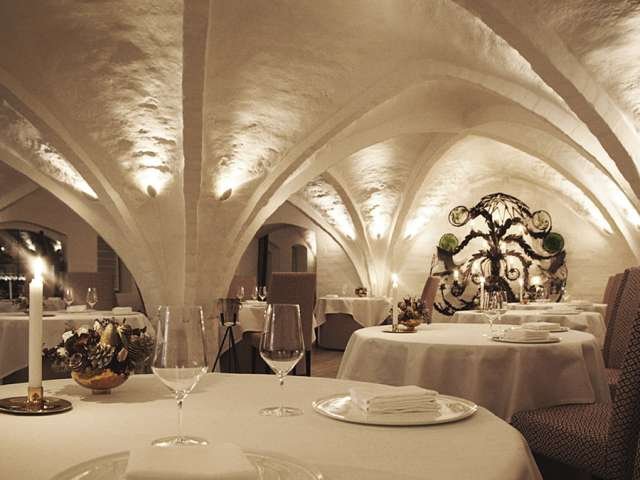
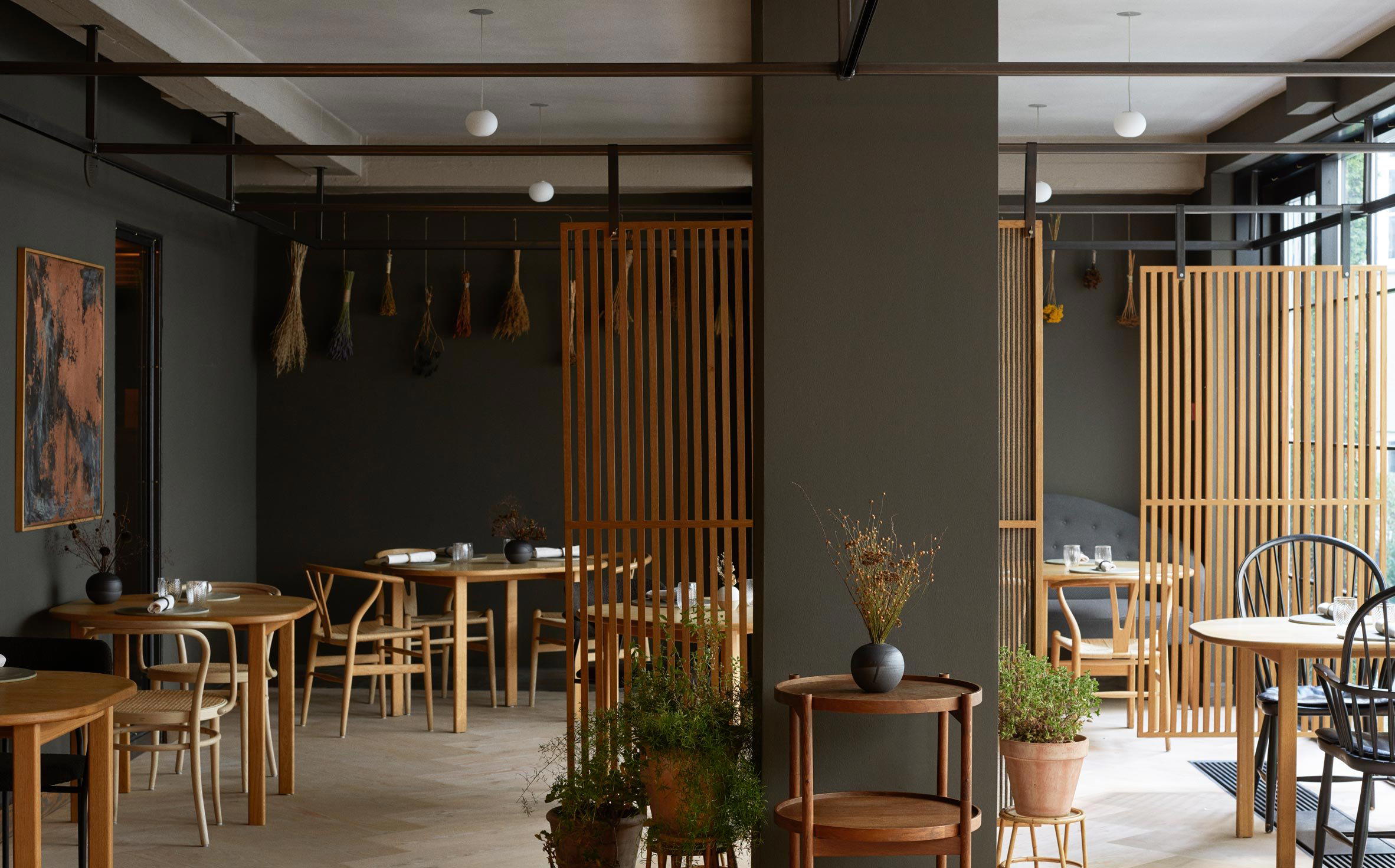
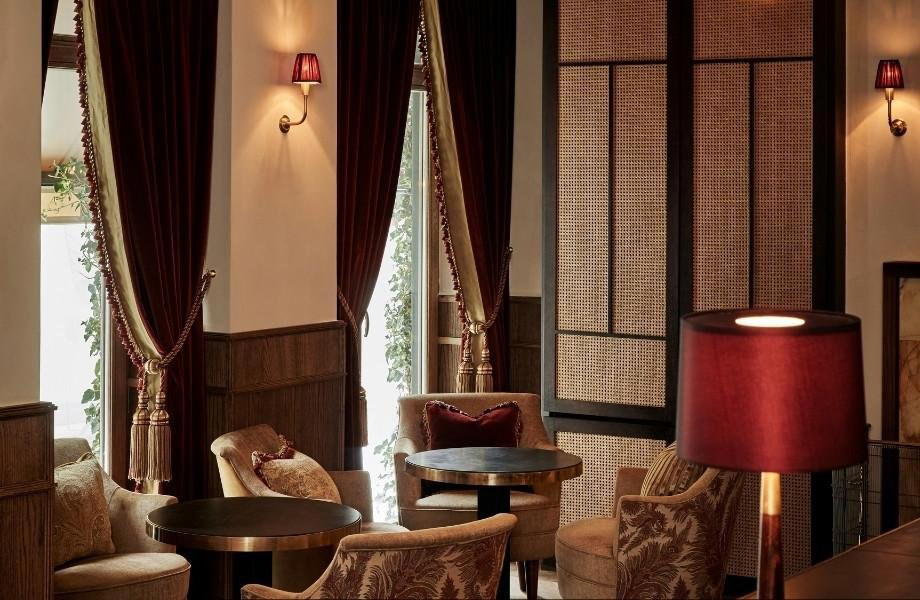
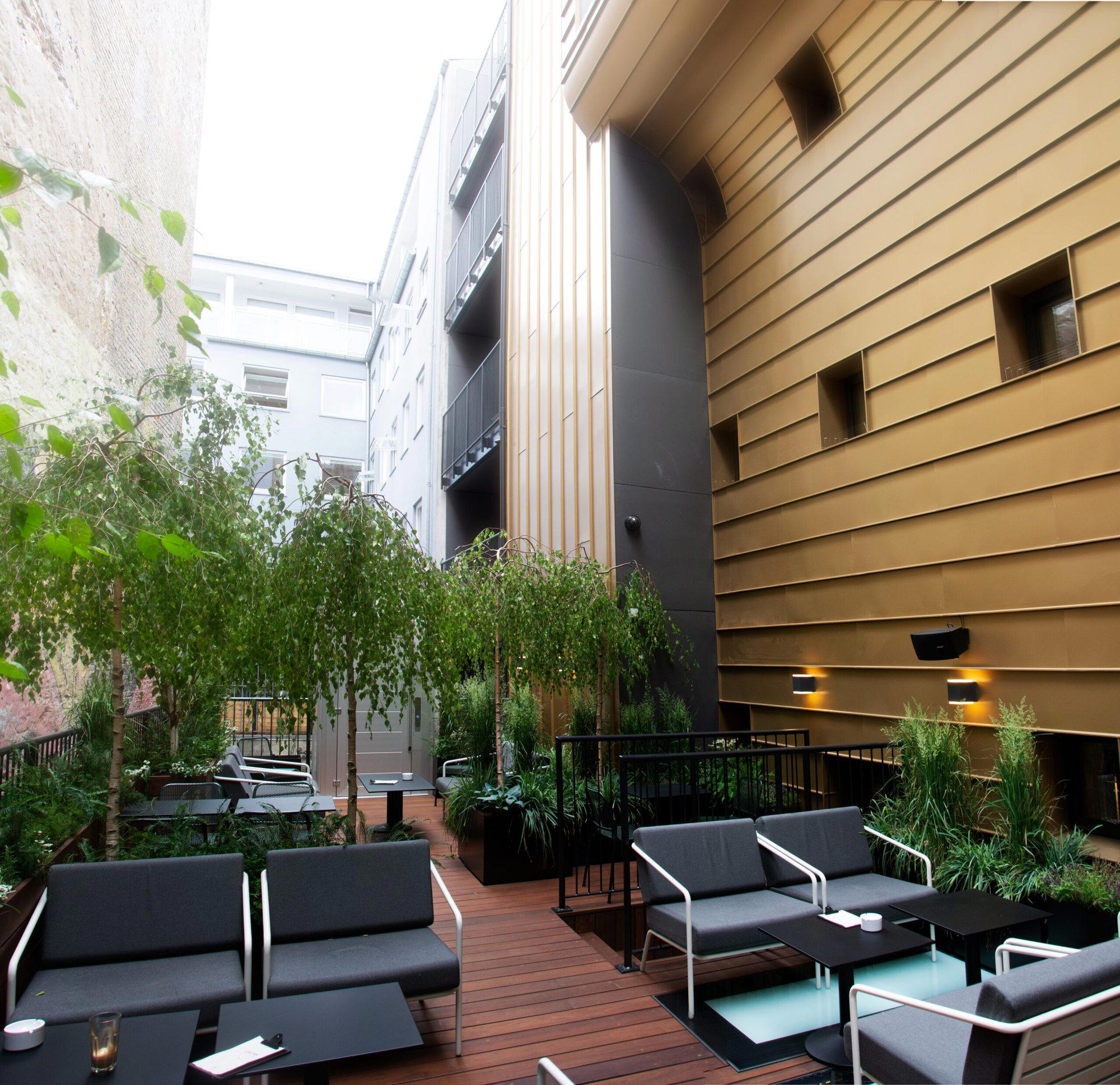
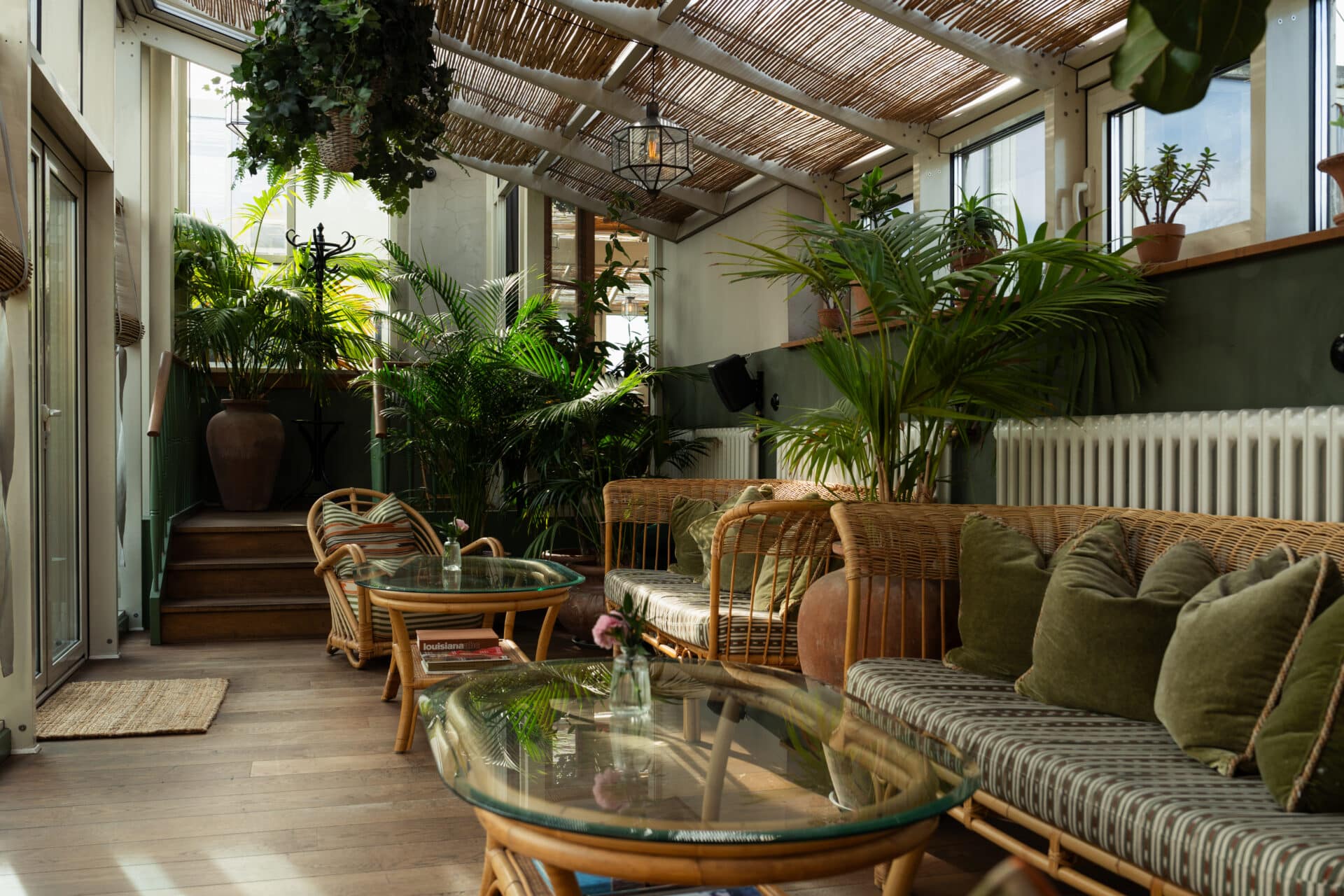
Warm understated luxury with lush greenery, thick curtains, rich marble surfaces, and modern orangery feel.
Know Before You Go
- Getting there
- Kongens Nytorv 8, 1050 København, Denmark