On Kežmarok's main square, Reštaurácia Poézia sits at the intersection of High Tatra geography and Slovak culinary tradition. The town's position at the foothills shapes what ends up on the plate: produce drawn from the surrounding Spiš region, where farming and foraging rhythms still dictate the seasonal menu. For travellers moving between the Tatras and the historic towns of eastern Slovakia, it represents a grounded, locally anchored stop.
Pearl is the En Primeur Club membership app — saves, bookings, and concierge access live there. Same editors, same standards.
- Address
- Hlavné námestie 95, 060 01 Kežmarok, Slovakia
- Phone
- +421527887575
- Website
- hotelhviezdoslav.sk
- Directions
- Get directions
 Saves & bookings on Pearl
A Square That Sets the Terms
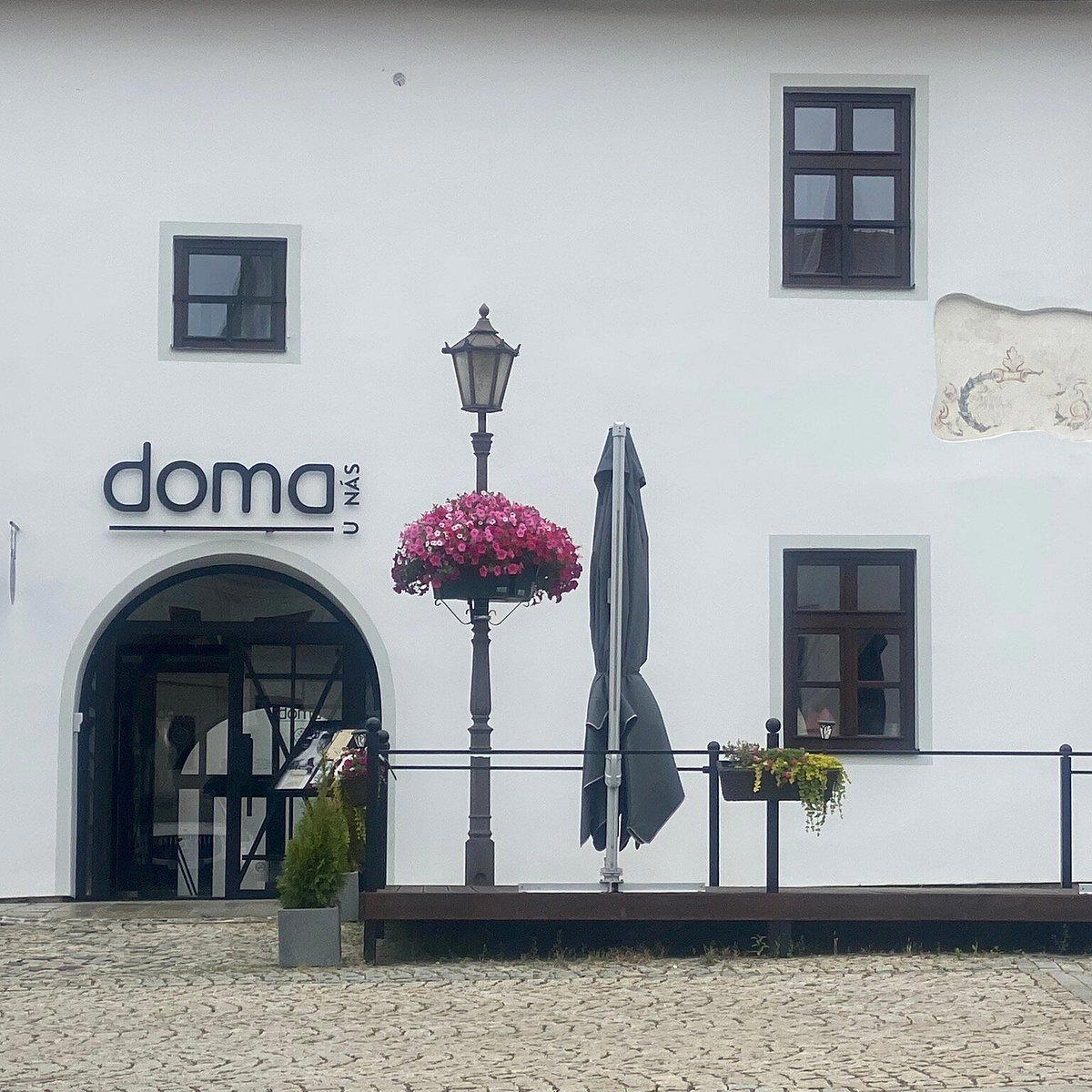
Hlavné námestie, Kežmarok's central square, is one of the more composed historic spaces in northern Slovakia. The Renaissance town hall, the Gothic church, and the surrounding burgher houses form a coherent urban room that has changed relatively little in its proportions since the medieval period. Restaurants on such squares in Slovak provincial towns tend to occupy one of two positions: the tourist-facing operation that trades on location rather than kitchen, or the neighbourhood anchor that locals treat as a reliable extension of domestic cooking. Reštaurácia Poézia, at number 95, sits on this square and draws from both possibilities, though its position in a town with genuine culinary heritage means the context for good cooking here is richer than in many comparable Slovak settlements.
The Spiš Region as a Larder
Understanding what Reštaurácia Poézia can offer means understanding where Kežmarok sits geographically. The town lies at roughly 630 metres above sea level, at the point where the High Tatra foothills flatten into the Poprad basin. To the north, the Tatras rise sharply; to the east and south, the Spiš plateau stretches toward Levoča and Spišská Nová Ves. This geography creates a larder that is, by Slovak standards, unusually well-stocked. Mountain streams feed cold-water fish populations. Upland meadows support sheep farming with a tradition stretching back centuries, bryndza sheep's cheese, the defining dairy product of Slovak highland cooking, originates in exactly this terrain. Foragers working the lower Tatra slopes bring in mushrooms, wild garlic, and berries across spring, summer, and autumn.
For a restaurant on the main square of this town, that geography represents both an opportunity and a standard against which the kitchen is measured. Slovak dining culture in mountain regions has always prized ingredient provenance in practical rather than ideological terms: you used what was close because it was fresher and cheaper, and the tradition of haluški, bryndzové dishes, and roasted meats reflects centuries of working with what the land and altitude permitted. The question any serious restaurant in this position has to answer is whether it maintains that logic or substitutes imported convenience for local character.
Ingredient Sourcing in the Slovak Highland Tradition
The broader Slovak restaurant scene has split in the past decade between operations that lean into regional sourcing as a genuine kitchen discipline and those that invoke locality as marketing language while running largely standardised supply chains. In towns like Kežmarok, away from Bratislava's more scrutinised dining environment, the pressure to maintain authentic sourcing is both more organic (local suppliers are simply closer and more accessible) and less formalised (there are no certification requirements or critical spotlight to enforce standards). This creates conditions where the leading kitchens operate on genuine regional logic, and the weakest ones coast on assumed provenance. For comparison, Fatrabeef in Lubochna has built its identity around traceable Slovak beef, while mountain-adjacent operations like Koliba Patria in Strbske Pleso and KOLIBA na Vršku in Bytca represent the koliba format, the traditional Slovak highland tavern.
Reštaurácia Poézia operates in a town where the supply infrastructure for that kind of cooking genuinely exists. The Spiš region has active dairy farming, arable agriculture in the lower elevations, and the hunting and foraging culture that supplies game and wild produce to local kitchens. A restaurant working seriously with these inputs would have access to seasonal produce cycles that differ meaningfully from what urban Slovak restaurants can source. What the location makes possible is substantive.
Kežmarok in the Slovak Dining Circuit
Kežmarok receives fewer international visitors than the High Tatras resorts to its north, Štrbské Pleso and Smokovec attract the ski and hiking crowd, but it draws a steady stream of travellers interested in the Spiš region's architectural and cultural heritage. The wooden articulated church, a UNESCO World Heritage Site, sits just outside the main square and generates a visitor profile that tends toward culturally engaged travellers rather than pure resort tourism. That visitor type overlaps with the audience for food with genuine regional character.
Within the Slovak restaurant landscape, the town occupies a mid-tier position: more serious dining options than many comparably sized Slovak provincial towns, but without the concentration of ambitious restaurants found in Bratislava or the tourist-volume kitchens of the Tatra resorts. For context, the dining range in Slovakia runs from city operations like Don Saro Cucina Siciliana in Bratislava and Allora Fresh Pasta in Nitra at the urban end, to highland retreats such as Holotéch víška in Kosariska and Kaštieľ Čičmany in Cicmany, which embed their cooking in specific landscape and architectural contexts. Kežmarok restaurants sit between these poles: accessible enough for a town-centre lunch stop, rooted enough in regional tradition to reward a deliberate visit.
Planning a Visit
The restaurant's address on Hlavné námestie 95 makes it one of the easier restaurants in this part of northern Slovakia to locate without a car: the main square is walkable from Kežmarok's train station in under fifteen minutes, and the town sits on the rail line connecting Poprad-Tatry (the main interchange for Tatra-bound visitors) with Plaveč to the north. For those travelling through the Spiš corridor, a route that connects Spišská Nová Ves, Levoča, Kežmarok, and the Tatra foothills, a meal here fits naturally into a multi-stop itinerary. The shoulder seasons of late spring and early autumn tend to offer one favourable conditions in this part of Slovakia: the Tatras are accessible without peak-season crowds, and the produce calendar is at its most active. Reservations are recommended.
In Context: Similar Options
Comparable venues nearby, for context on price, style, and recognition.
| Venue | Cuisine | Price | Notes |
|---|---|---|---|
| Reštaurácia PoéziaThis venue — the venue you are viewing | Seasonal Central European | $$ | Not listed |
| Grand Restaurant | Modern European with Slovak Specialties | $$$ | Strbske Pleso |
| Bakoš Bistro | Modern Slovak Bistro | $$ | Košice-Juh |
| POETIKA bistro, coffee & wine | Modern Central European Bistro | $$ | Hlavná |
| Koliba Patria | Traditional Slovak | $$ | Strbske Pleso |
| Hotel and Restaurant Drak | Modern Central European | $$ | Demanova |
Continue exploring
More in Kežmarok
Restaurants in Kežmarok
Browse all →
At a Glance
- Elegant
- Cozy
- Sophisticated
- Date Night
- Special Occasion
- Hotel Restaurant
- Extensive Wine List
- Local Sourcing
Current opening hours
- Monday
- 11 AM–10 PM
- Tuesday
- 11 AM–10 PM
- Wednesday
- 11 AM–10 PM
- Thursday
- 11 AM–10 PM
- Friday
- 11 AM–10 PM
- Saturday
- 11:30 AM–9 PM
- Sunday
- 11:30 AM–9 PM
Hours can change for holidays and private events. Last verified .
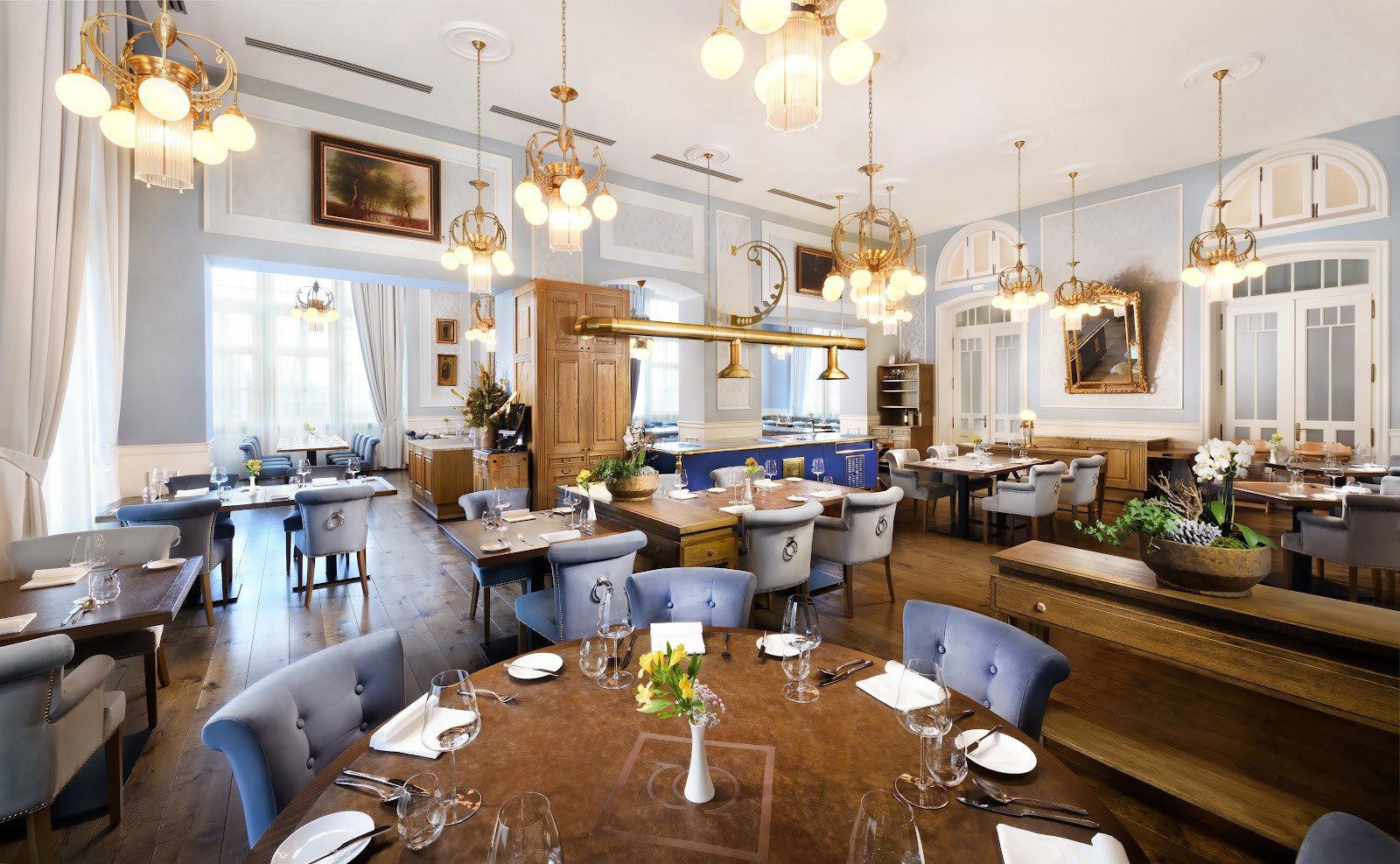
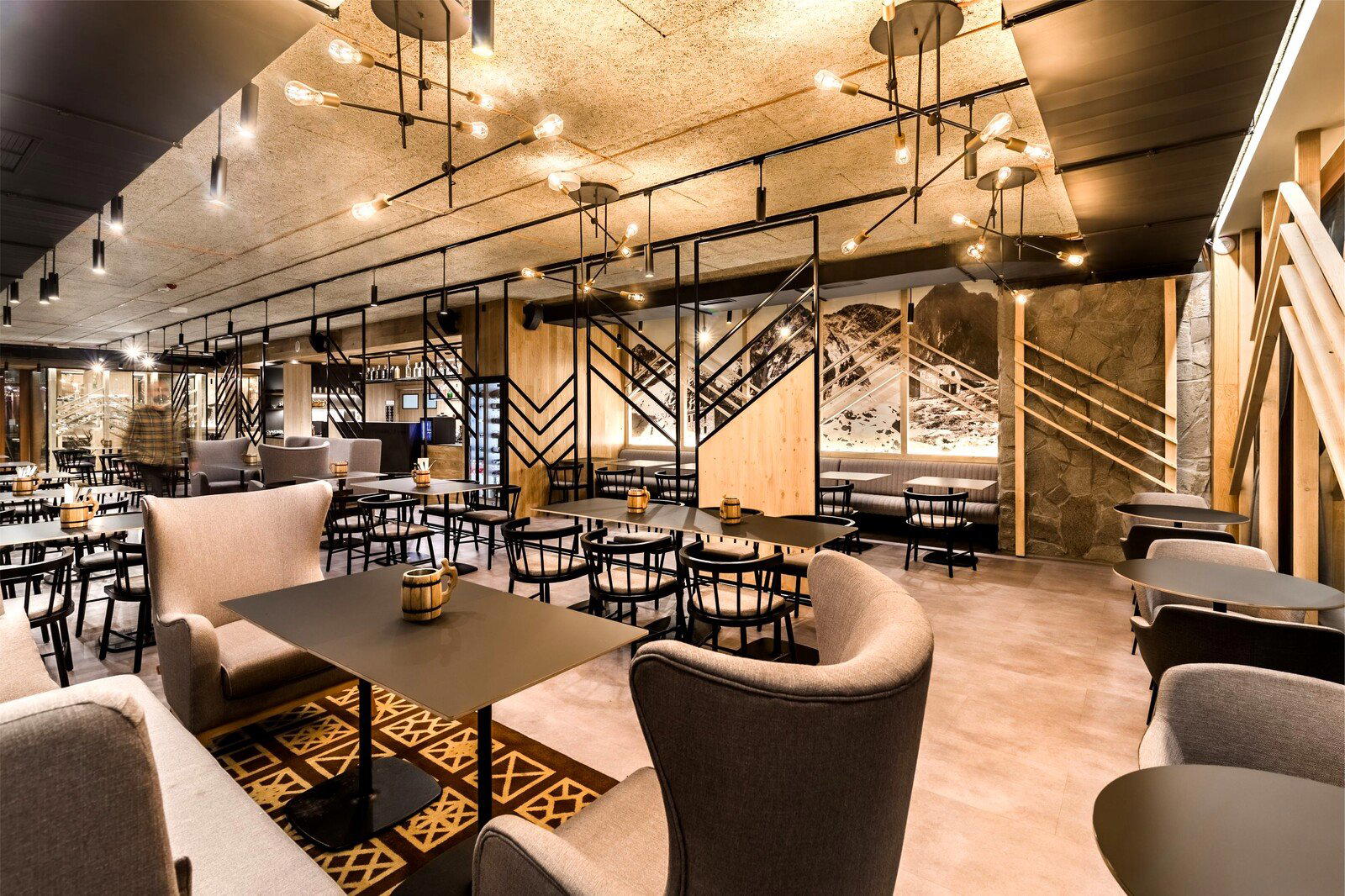
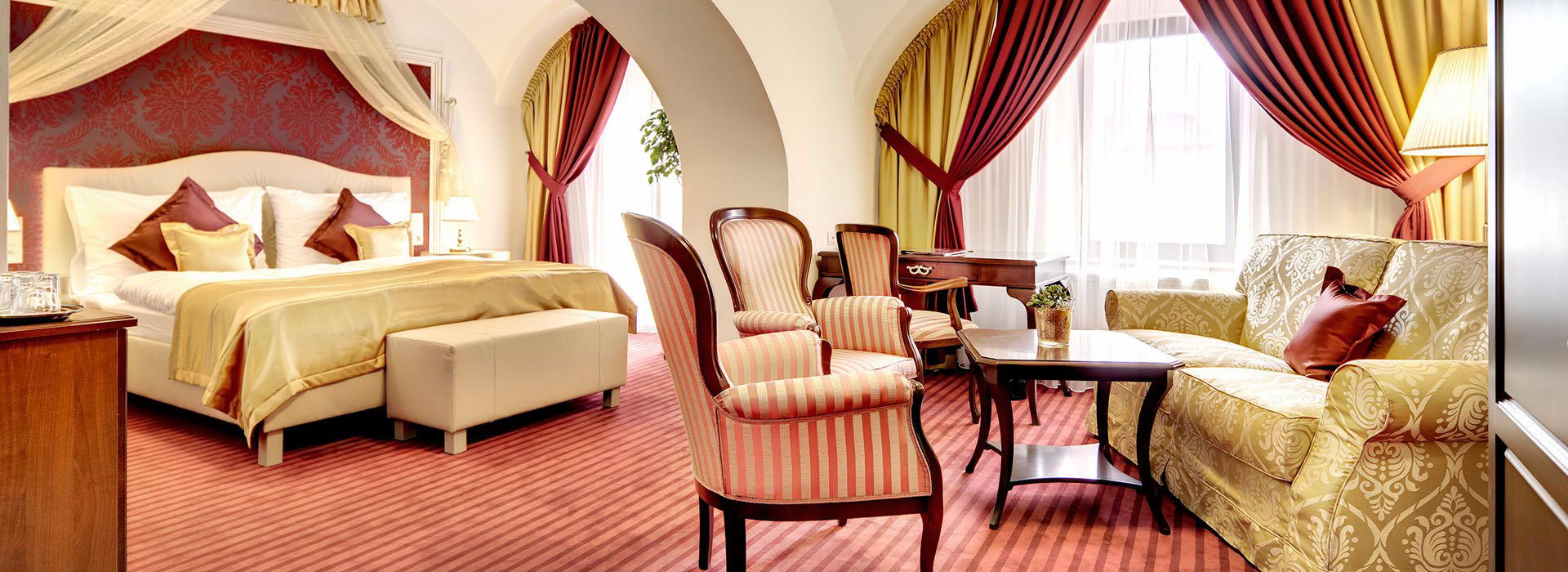
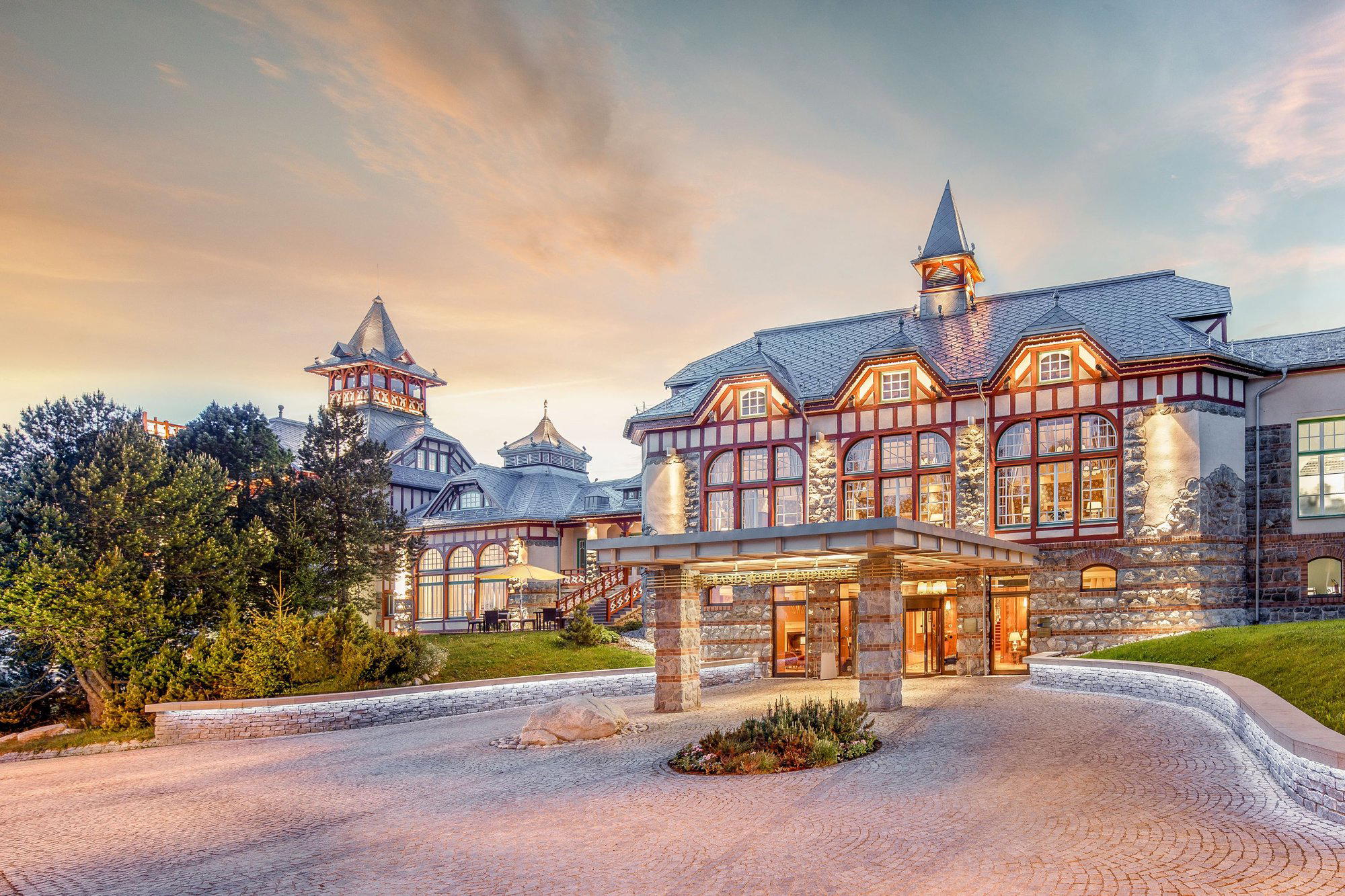
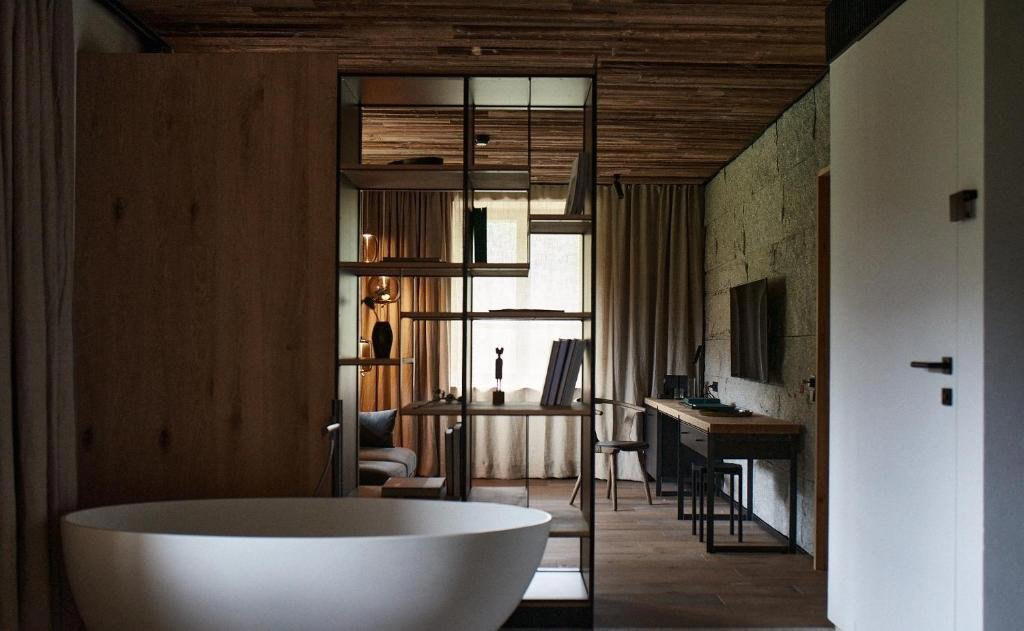
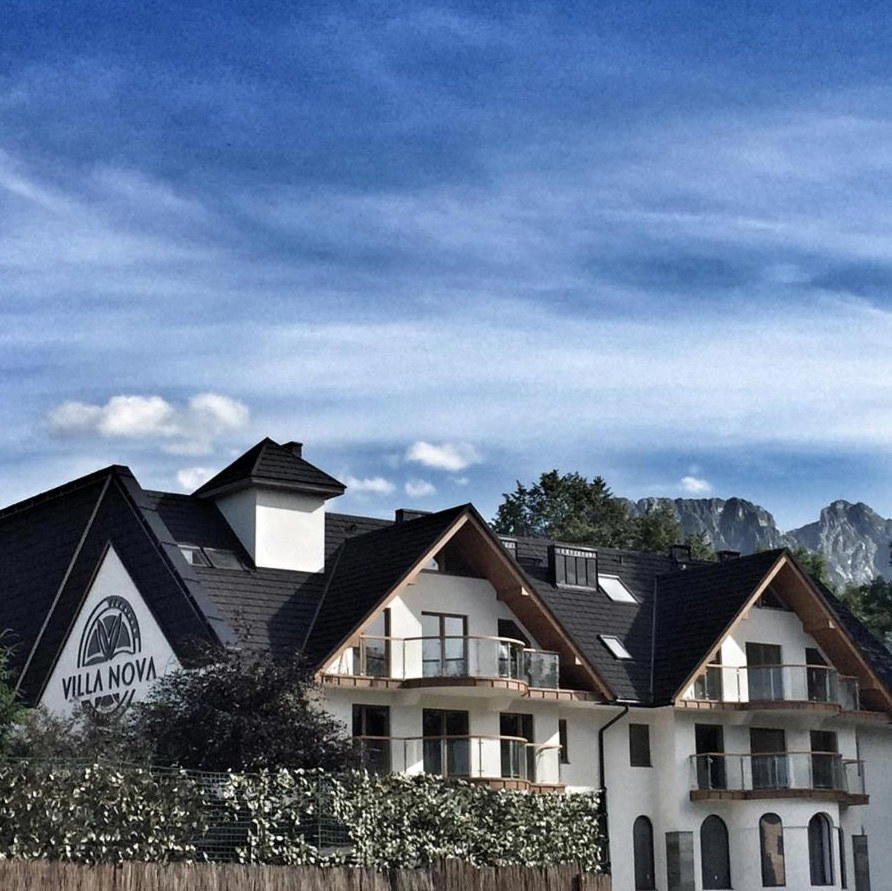
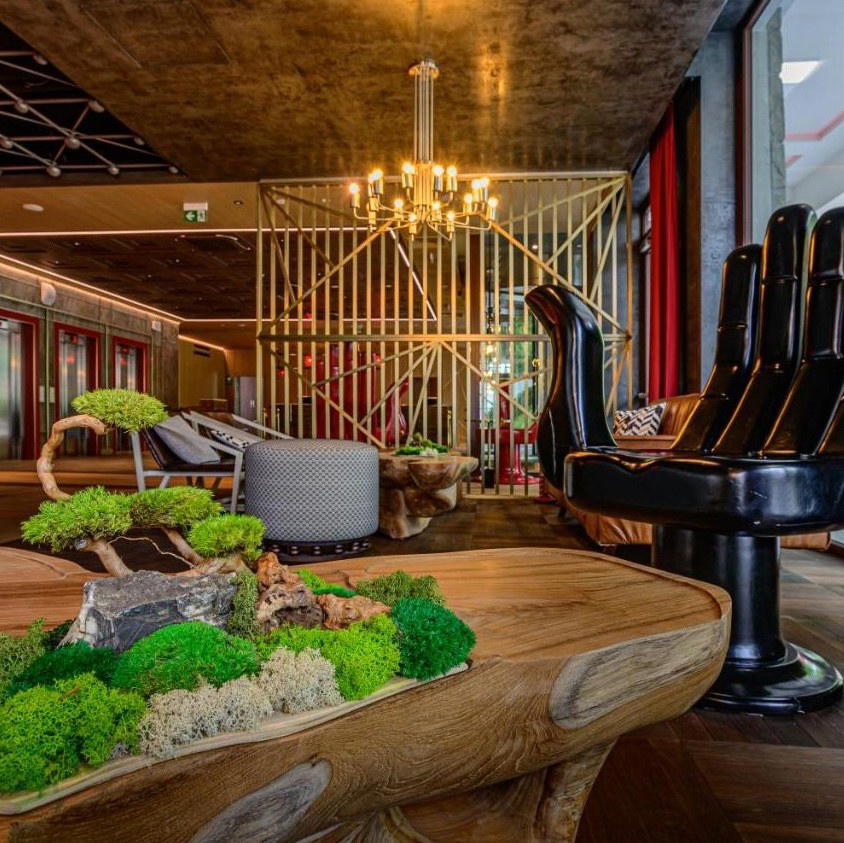
Stylish and elegant atmosphere well-suited for forgetting daily worries while enjoying culinary delicacies.