
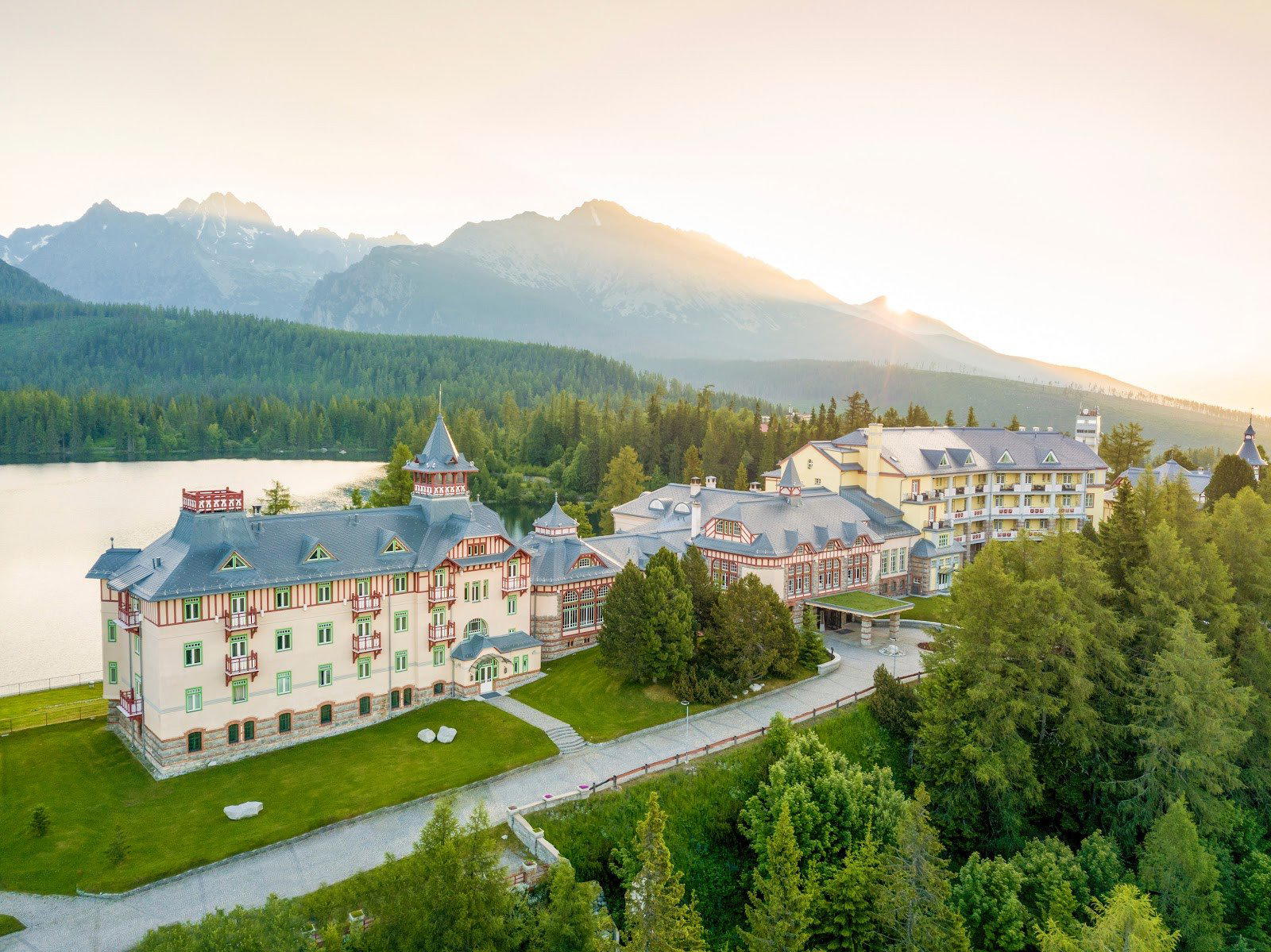
Positioned at the edge of Štrbské Pleso lake in Slovakia's High Tatras, Grand Hotel Kempinski earned 93 points on La Liste's 2026 Top Hotels ranking, placing it among a small cohort of European mountain properties with documented international recognition. The combination of alpine scale, lakeside orientation, and Kempinski group standards makes it the reference address for the region.
Pearl is the En Primeur Club membership app — saves, bookings, and concierge access live there. Same editors, same standards.
- Address
- Kúpeľná 6, Štrbské Pleso, 059 85 Vysoké Tatry
- Website
- kempinski.com
- Directions
- Get directions
 Saves & bookings on Pearl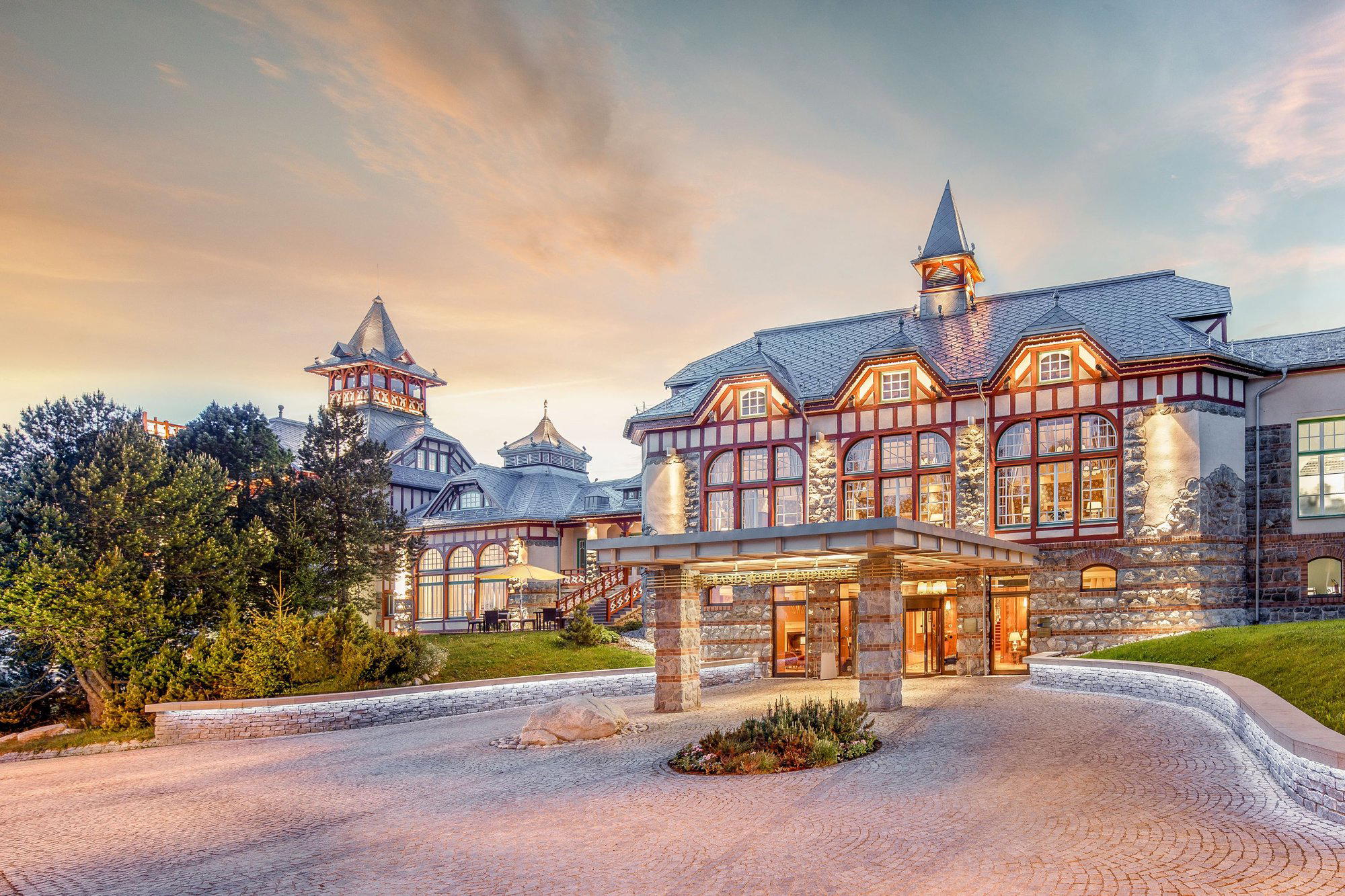
Where the Tatras Meet the Water's Edge
Arriving at Štrbské Pleso in winter, the visual logic of the High Tatras becomes immediately apparent. The granite peaks hold snow well into spring, and the lake below them has a stillness that the surrounding resort infrastructure cannot quite disrupt. Grand Hotel Kempinski High Tatras occupies one deliberate position on that lakeside, its facade oriented to face both the water and the mountains simultaneously. This is not incidental. Alpine grand hotels across Central Europe have long competed on physical placement as much as on interior finish, and the Kempinski property at Štrbské Pleso has the strongest geographic argument in the Slovak Tatras.
The property has received 93 points from La Liste in 2026, placing it in a select bracket of European mountain hotels with cross-border recognition. Among Slovak properties tracked on the same list, this score is rare, placing the Kempinski alongside properties from far larger and better-known alpine markets in Austria, Switzerland, and France.
Architecture at Altitude: Reading the Building
Central European grand hotel architecture carries specific expectations: a certain mass, a certain relationship between public room and facade, a formality of proportion that separates the category from resort hotels built around amenity counts rather than spatial logic. The Kempinski High Tatras fits that tradition while acknowledging its mountain context. The building's scale is deliberate at this elevation, large enough to function as a genuine landmark on the Štrbské Pleso shoreline without collapsing into the self-conscious minimalism that some contemporary alpine properties have adopted.
This design posture matters in the Tatras specifically. The High Tatras have hosted central European elites since the late nineteenth century, when the health benefits of mountain air drew Austro-Hungarian aristocracy and the sanatorium culture that followed. The architecture of that era, characterized by steep pitched roofs, wide verandas, and a weight of stone or dark timber, still defines how guests understand a serious mountain property. The Kempinski building participates in that visual language while incorporating the service infrastructure a modern international hotel group requires: spa access, conference facilities, and dining options that serve both leisure guests and the corporate market that runs alongside it.
For travelers comparing options in the region, this architectural character distinguishes the property from smaller, newer hotels. Hotel Hviezdoslav in Kežmarok represents the more intimate end of the Slovak mountain hospitality spectrum, with a historic town center address rather than a lakeside one. The Kempinski operates in a different register: the grand-hotel model where public spaces carry as much weight as the rooms themselves.
The Slovak Mountain Hotel in Its European comparable set
The international luxury hotel market has sorted itself into recognizable tiers over the past decade. At the apex sit city-center palaces like Le Bristol Paris, Cheval Blanc Paris, and Hotel Plaza Athénée in Paris, or landmark mountain addresses like Badrutt's Palace Hotel in St. Moritz, where history, location, and price point reinforce each other. Below that, a second tier of recognized properties competes on specific geographic or architectural advantages rather than on pure brand prestige.
The Kempinski High Tatras occupies a distinct position in this map. Slovakia does not have St. Moritz's pricing infrastructure or Zermatt's international profile, which means a 93-point La Liste score here carries a different competitive implication than the same score would in the Swiss Alps. The property effectively prices against a Central European comparable set that includes Grand Hotel River Park, a Luxury Collection Hotel, in Bratislava at one end and the more westerly alpine market at the other. For travelers accustomed to the costs of recognized Swiss or Austrian mountain hotels, the Tatras represent meaningful value compression without a corresponding drop in either altitude or scenery.
Comparison set outside Central Europe is instructive. Properties like Amangiri in Canyon Point or Hotel Esencia in Tulum compete primarily on landscape integration and design specificity. The Kempinski model leans on group standards and architectural permanence rather than bespoke minimalism, which appeals to a different type of traveler: one who wants proven service infrastructure alongside the mountain experience.
Štrbské Pleso: The Setting's Own Argument
Village of Štrbské Pleso sits at around 1,350 meters above sea level, within the Tatra National Park boundary, which creates both an asset and a planning constraint. Development in the national park zone is restricted, meaning the lakeside cannot be built out any further than it already is. The Kempinski property therefore benefits from a protected site that will not be flanked by new competitors. In practical terms, the lake is walkable from the hotel, the ski area at Štrbské Pleso is directly accessible, and the cross-country trails that loop around the valley floor operate for most of the winter season.
Summer visitors come for the hiking networks that fan out from Štrbské Pleso toward the higher Tatra peaks. The national park trail system is well-marked and ranges from accessible lakeside walks to serious ridge routes above the treeline. The hotel functions as a base for both categories. Reaching Štrbské Pleso from Poprad, the nearest city with rail and air connections, takes roughly 30 minutes by the rack-and-pinion Tatra Electric Railway, which has operated the mountain route since the early twentieth century and remains one practical approach. Travelers arriving from Bratislava face a longer journey of around three hours by car or rail, making the property most logical for multi-night stays rather than day trips.
Planning Considerations
The High Tatras operate on two distinct seasonal rhythms: the winter ski season, which typically runs from December through March, and the summer hiking season from June through September. Shoulder periods in November and April see reduced services in the area generally, though the hotel maintains operations year-round. Booking well ahead for the core winter weeks and for August, when Central European domestic tourism peaks, is advisable. The property's recognition and its position as the reference address in the area mean that rooms at prime times fill ahead of walk-in availability.
For travelers building a broader Slovak itinerary, pairing the Tatras with Bratislava creates a logical arc: the capital's urban hotel options include Grand Hotel River Park, while the Kempinski provides the mountain counterpoint. Those extending further into Central Europe might compare the alpine hotel tradition here against Hotel Sacher Wien in Vienna or the design-led properties of Italy's north. The Tatras occupy their own niche in that geography: serious mountains, compressed travel distances, and a hotel infrastructure that has moved beyond regional significance.
In Context: Similar Options
Comparable venues nearby, for context on price, style, and recognition.
| Venue | Cuisine | Price | Awards | Notes |
|---|---|---|---|---|
| Grand Hotel Kempinski High TatrasThis venue — the venue you are viewing | Historic luxury palace hotel blending 19th-century heritage architecture with contemporary five-star amenities and services. | $$$$ | 5-Star | Not listed |
| LOFT Hotel & Wilson Palace | Historic palace meets modern industrial loft | $$$ | 4-Star | Old Town |
| Hotel Amade Chateau | Historic château reimagined as a luxury boutique hotel blending heritage architecture with contemporary comfort and bespoke service. | $$$$ | 5-Star | Rye Island (Žitný Ostrov) |
| Marrol's Boutique Hotel | Historic boutique hotel blending 1920s-30s retro style with modern luxury | $$$$ | 5-Star | Staré Mesto |
| Grand Hotel River Park, a Luxury Collection Hotel, Bratislava | Modern luxury hotel with high-end wellness facilities on the Danube promenade | $$$$ | 5-Star | Staré Mesto |
| Arcadia Boutique Hotel | Historic boutique hotel blending medieval architecture with contemporary luxury in a protected 12th-century building. | $$$ | 4-Star | Staré Mesto |
Recognition history
Dated appearances from independent guides and award organizations, with the underlying list record or original source where available.
La Liste Top Hotels
La Liste
Continue exploring
More in Štrba
Hotels in Štrba
Browse all →
At a Glance
- Elegant
- Romantic
- Scenic
- Sophisticated
- Classic
- Honeymoon
- Romantic Getaway
- Family Vacation
- Wellness Retreat
- Anniversary
- Celebration
- Ski In Ski Out
- Destination Spa
- Historic Building
- Panoramic View
- Private Dining
- Terrace
- Garden
- Waterfront
- Wi Fi
- Pool
- Spa
- Fitness Center
- Room Service
- Concierge
- Business Center
- Valet Parking
- EV Charging
- Kids Club
- Restaurant
- Bar
- Mountain
- Waterfront
- Garden
- Wi Fi
- Pool
- Spa
- Fitness Center
- Room Service
- Concierge
- Business Center
- Valet Parking
- EV Charging
- Kids Club
- Restaurant
- Bar
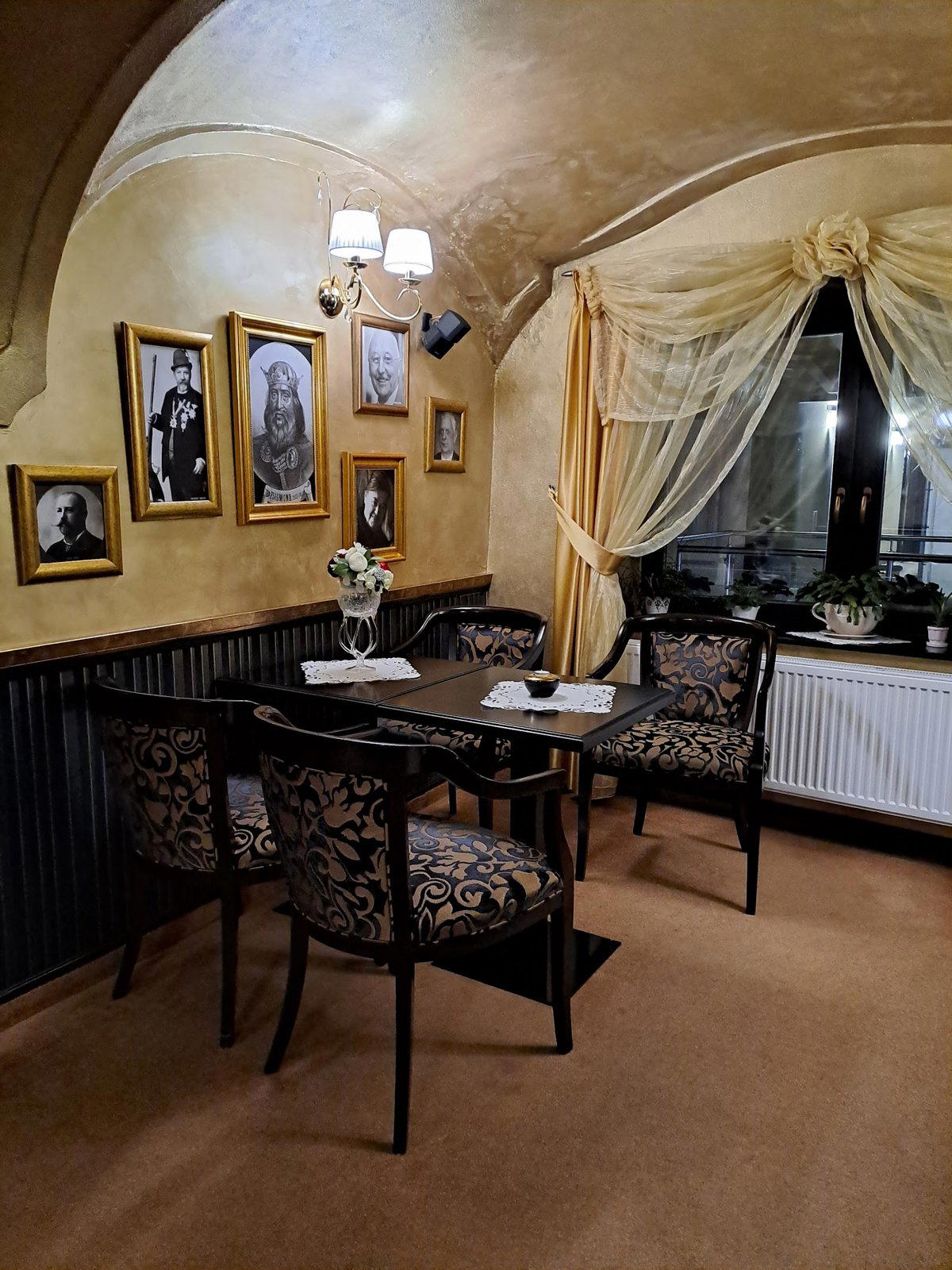
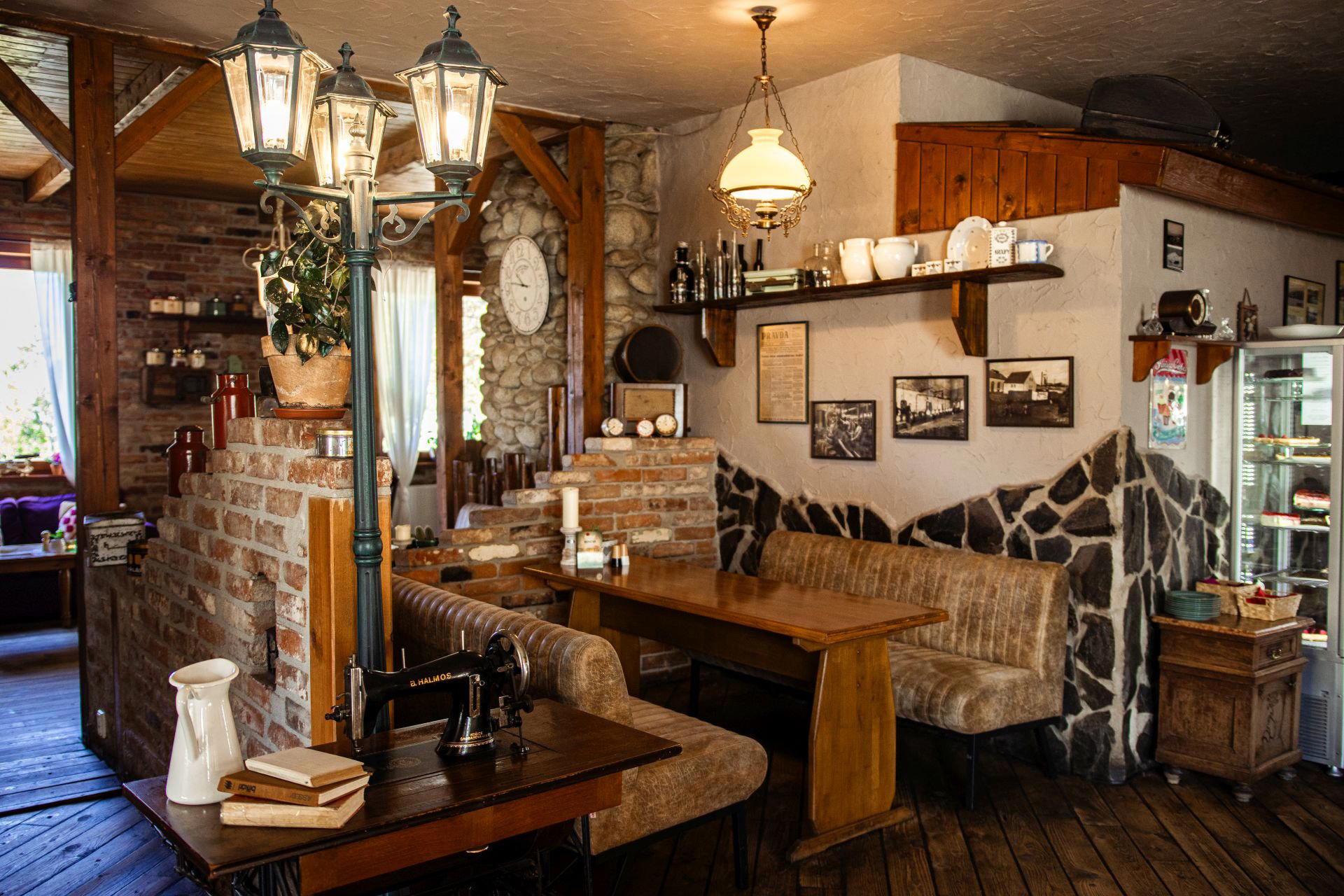
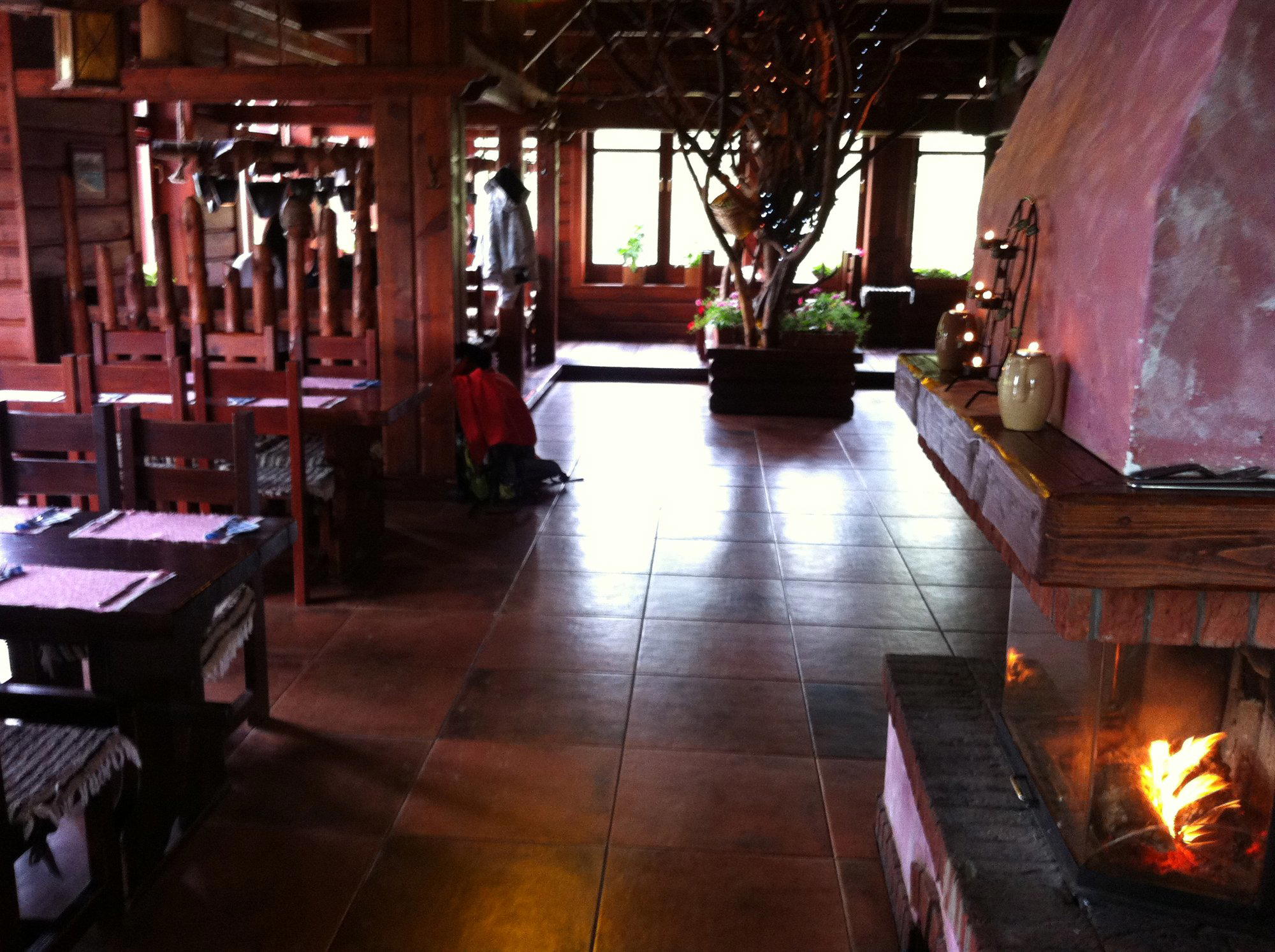
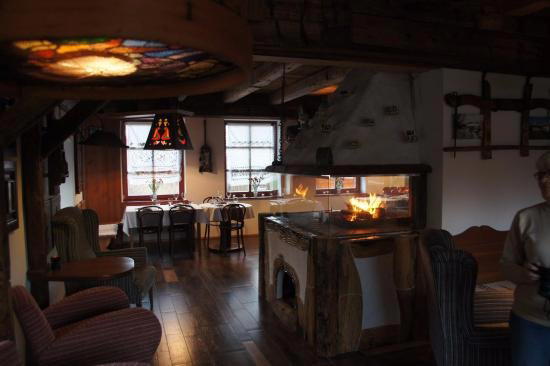
Elegant and refined with tall ceilings, white tablecloths, candlelit dining, roaring fireplaces, and a cozy lobby lounge atmosphere enhanced by chandelier-lit indoor pool and mountain vistas.