Slowenská
Slowenská sits in Starý Smokovec, the historic resort core of Vysoké Tatry, where the Slovak mountain dining tradition runs deeper than the average après-ski stop. Set against the architectural character of this 19th-century resort town, the restaurant occupies a position in a small local scene that draws from both mountain koliba heritage and the expectations of a visiting international crowd.
Pearl is the En Primeur Club membership app — saves, bookings, and concierge access live there. Same editors, same standards.
- Address
- Starý Smokovec 18100, Starý Smokovec, 062 01 Vysoké Tatry, Slovakia
- Phone
- +421527897878
- Website
- slowenska.sk
- Directions
- Get directions
 Saves & bookings on Pearl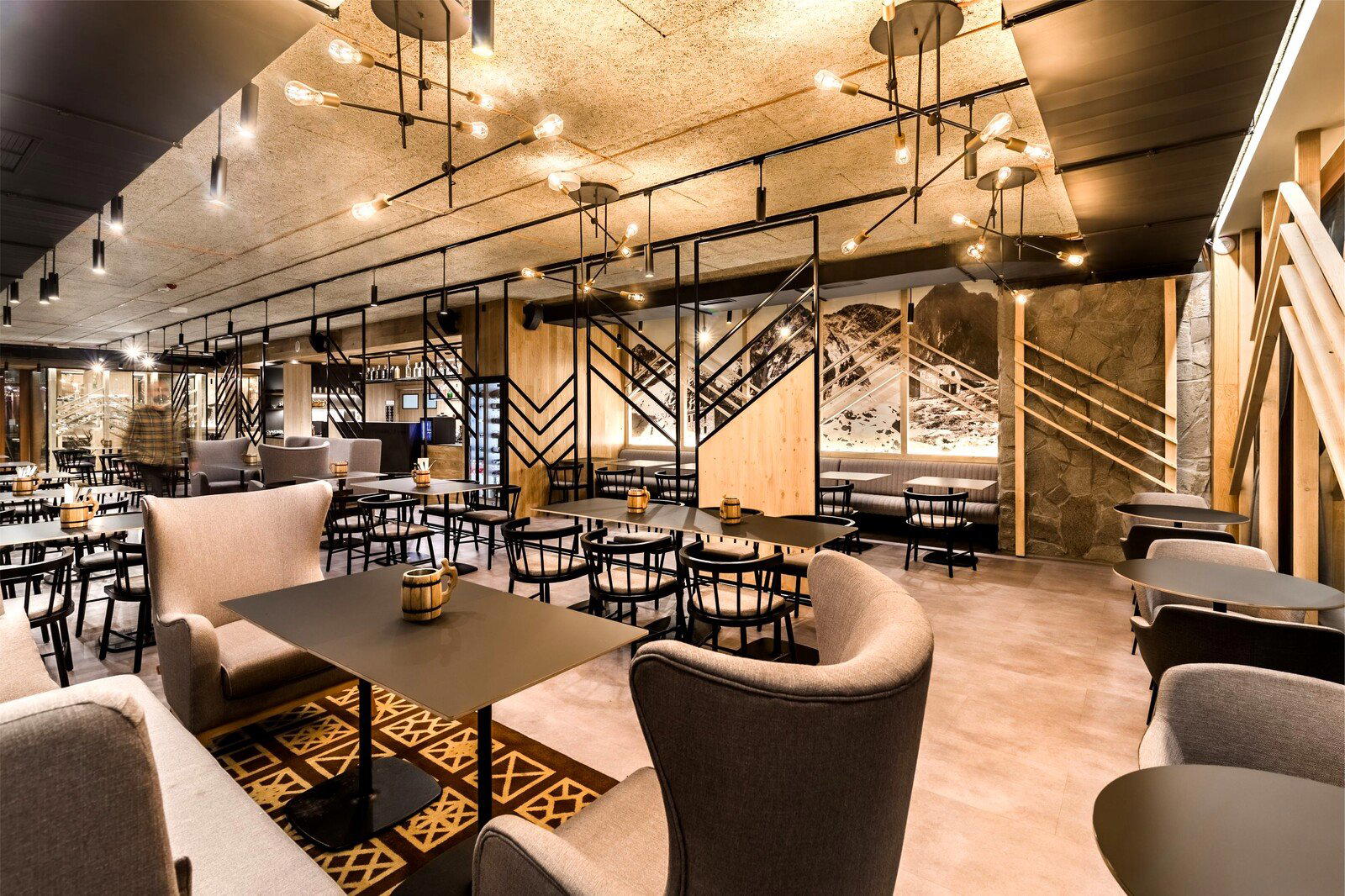
Starý Smokovec and the Weight of Mountain Dining
The oldest resort settlements in the High Tatras were built for a particular kind of visitor: Central European aristocracy and the professional class who arrived by train, stayed in grand spa hotels, and expected the dining room to match the altitude. Starý Smokovec, the administrative and historical centre of Vysoké Tatry, still carries that lineage in its architecture, its avenue of century-old hotels, and in the way its restaurants sit somewhere between mountain refuge and genuine dinner destination. Slowenská, at address 18100 in Starý Smokovec, operates inside that context.
The Tatras dining scene is a specific category. It is not the urban Slovak restaurant culture you find in Bratislava, where Italian concepts like Don Saro Cucina Siciliana operate inside a cosmopolitan frame, nor is it the industrial-region cooking of Žilina, represented by places like Focus Restaurant. Mountain dining here draws from a tradition rooted in game, dairy, and preserved meat, with the koliba format, a rustic cabin-style restaurant emphasising Slovak folk cooking, sitting at its sentimental core. The question worth asking of any restaurant in this postcode is where it positions itself relative to that tradition.
The Village Within the Resort Town
Starý Smokovec functions as a small town that has been a resort for longer than most of its visitors have been alive. The rack railway from Poprad delivers guests directly to its central promenade, and the altitude, around 1,010 metres, means the air has a specific quality even in summer. For a restaurant, this geography matters: the clientele skews heavily toward walkers, skiers in season, and weekend visitors from Košice and Prešue, with a smaller share of international tourists. That mix defines what a restaurant here needs to do well, provide familiarity and comfort to the domestic visitor while offering enough quality and character to justify itself to someone arriving with higher expectations.
Comparable venues in the broader Tatras area illustrate how different operators handle this tension. Koliba Patria in Štrbské Pleso leans fully into the folk-restaurant format, prioritising atmosphere and traditional Slovak dishes over culinary refinement. Ponderossa Steakhouse in Vysoké Tatry occupies a different register, shifting toward the international steakhouse format that appeals to visitors less interested in regional specificity. Reštaurácia Sissi carries its Austro-Hungarian naming with an implied nod to the spa-hotel era. Slowenská, with its name drawing directly from the Slovak identity, signals a different intent: this is a restaurant that frames itself through national culinary character rather than international format or theme. For the full picture of what the local scene offers, the EP Club Vysoke Tatry restaurants guide maps these across the mountain resort area.
Slovak Mountain Cooking as a Category
Understanding Slowenská requires understanding the culinary tradition it names itself after. Slovak cuisine in a mountain context is shaped by practical history: altitude farming, long winters, and proximity to forests and rivers. Dishes built around bryndza (the sharp Slovak sheep's cheese), kapusta (fermented cabbage), game meats, and smoked pork dominate the classic register. Bryndzové halušky, potato dumplings with bryndza and bacon, operates as Slovakia's de facto national dish and appears on virtually every traditional menu from Bratislava to Banská Bystrica. In a mountain resort context, hearty preparations, thick soups, and slow-cooked meats fit both the climate and the appetite of guests who have spent the day on trails or slopes.
Across Slovakia, regional restaurants handle this tradition with varying degrees of commitment. The koliba format, with its open-hearth cooking and folk décor, has become somewhat codified as a tourism product. Venues that do the tradition more carefully, sourcing locally and cooking seasonally rather than from a standardised koliba playbook, occupy a smaller and more interesting niche. For comparison, the farm-to-table orientation visible at Fatrabeef in Ľubochňa and the rural Slovak character of Holotéch víška in Košariská suggest that one credible end of Slovak regional cooking is moving toward sourcing specificity. KOLIBA na Vršku in Bytča represents the traditional koliba format in its more classic expression.
The Starý Smokovec Address
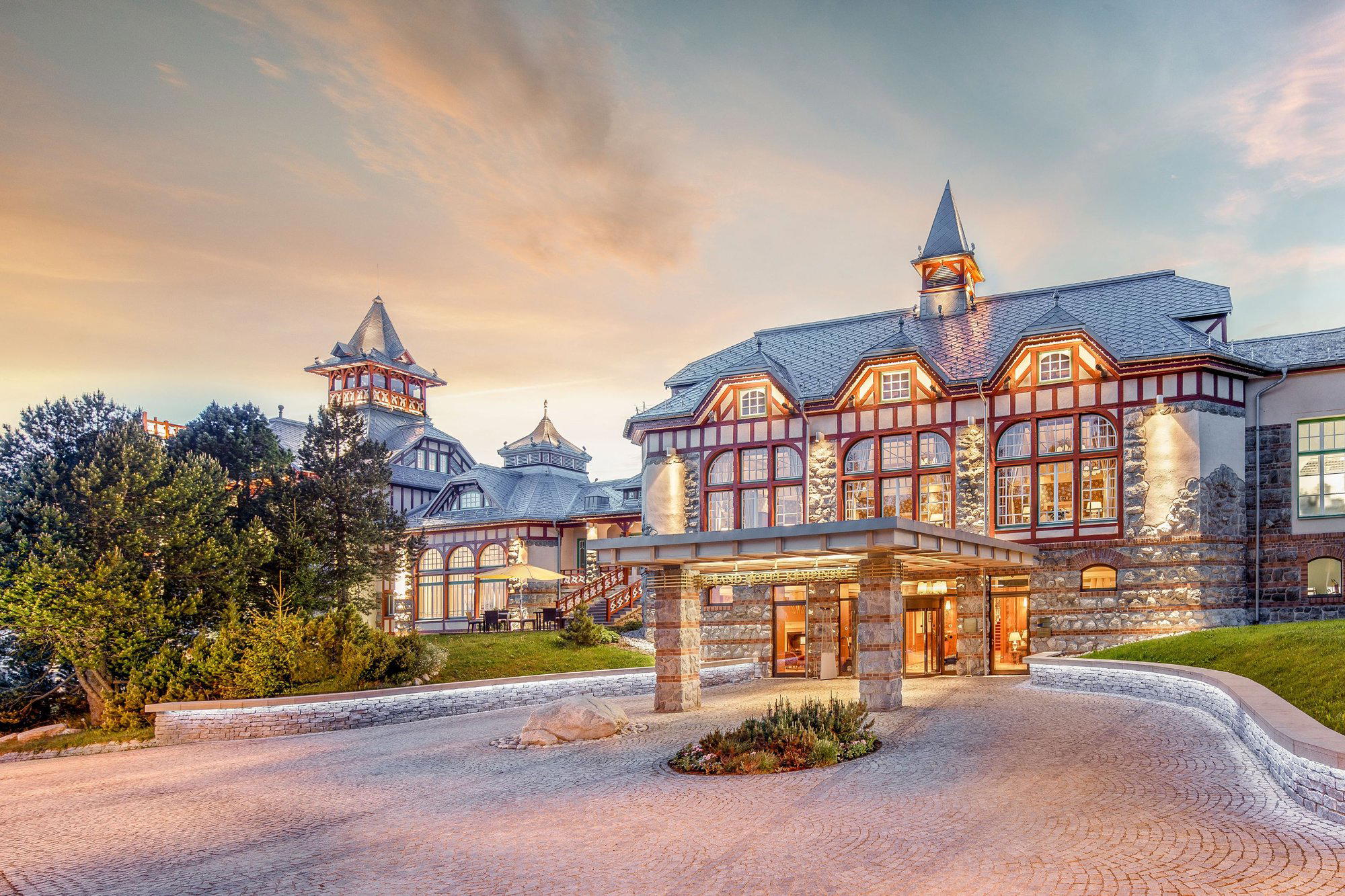
The specific address, Starý Smokovec, places Slowenská in the oldest and most established of the Tatras resort villages, ahead of Tatranská Lomnica to the east or Štrbské Pleso to the west in terms of historical depth. The central promenade and surrounding hotel buildings date primarily from the late 19th and early 20th centuries, when the Tatras were being developed as a spa destination for the Austro-Hungarian bourgeoisie. Dining in this environment carries an inherent character: the surroundings do not require theatrical decoration to signal that this is somewhere with a sense of occasion. The resort-town setting is itself the context.
Logistically, Starý Smokovec is one connected point in the Tatras resort system. The Tatranská elektrická železnica, the narrow-gauge electric railway that runs along the base of the High Tatras, connects the village to Poprad in roughly 30 minutes, making it accessible as a day visit from the lower valley. Visitors based at other Tatras villages can reach Starý Smokovec on the same line without requiring a car.
Where Slowenská Sits in the Regional Picture
The Slovak restaurant scene at large has been building toward greater regional confidence over the past decade, with venues in smaller cities and rural settings demonstrating that the national cuisine has more range than the koliba-and-bryndza shorthand suggests. That development is visible across the country: in Trenčín at Cafe Sissi, in Voderady at Klára v GOYA vitality hotel, in Čičmany at the heritage-forward Kaštieľ Čičmany, and in Považská Bystrica at Hotel and Restaurant Gino Park Palace. Cerená's Afrodita and Košice's street-level energy at Bulli Kebab show the range of that national scene. Against that backdrop, a restaurant in Starý Smokovec that names itself for Slovak identity is making a positioning statement, placing itself inside the tradition rather than around it.
But the Tatras resort area, and Starý Smokovec specifically, has enough culinary texture to reward attention. The local scene, anchored by venues like PaB Kuszmannov bazár, operates at a scale where individual restaurants carry disproportionate weight in defining what mountain dining here means. Slowenská, within that small scene, occupies a position defined as much by its name and its address as by any specific dish or format, which is, in a resort town with a long memory, a reasonable place to start.
A Lean Comparison
Comparable venues nearby, for context on price, style, and recognition.
| Venue | Cuisine | Price | Notes |
|---|---|---|---|
| SlowenskáThis venue — the venue you are viewing | Starý Smokovec, Traditional Slovak | $$ | Not listed |
| Reštaurácia Sissi | Not listed | $$$ | Tatranská Lomnica, Austro-Hungarian with Local Slovak Influences |
| PaB Kuszmannov bazár | Not listed | $$ | Tatranská Lomnica, Modern Slovak Central European |
| Ponderossa Steakhouse | Not listed | $$$ | Tatranská Lomnica, Steakhouse with Slovak Influences |
| Granárium | Not listed | $$ | Jablonov nad Turňou, Slovak Home Cooking with Mediterranean Influences |
| FREYM | Staré Mesto, Modern Slovak Bistro | $$ | Not listed |
Continue exploring
More in Vysoke Tatry
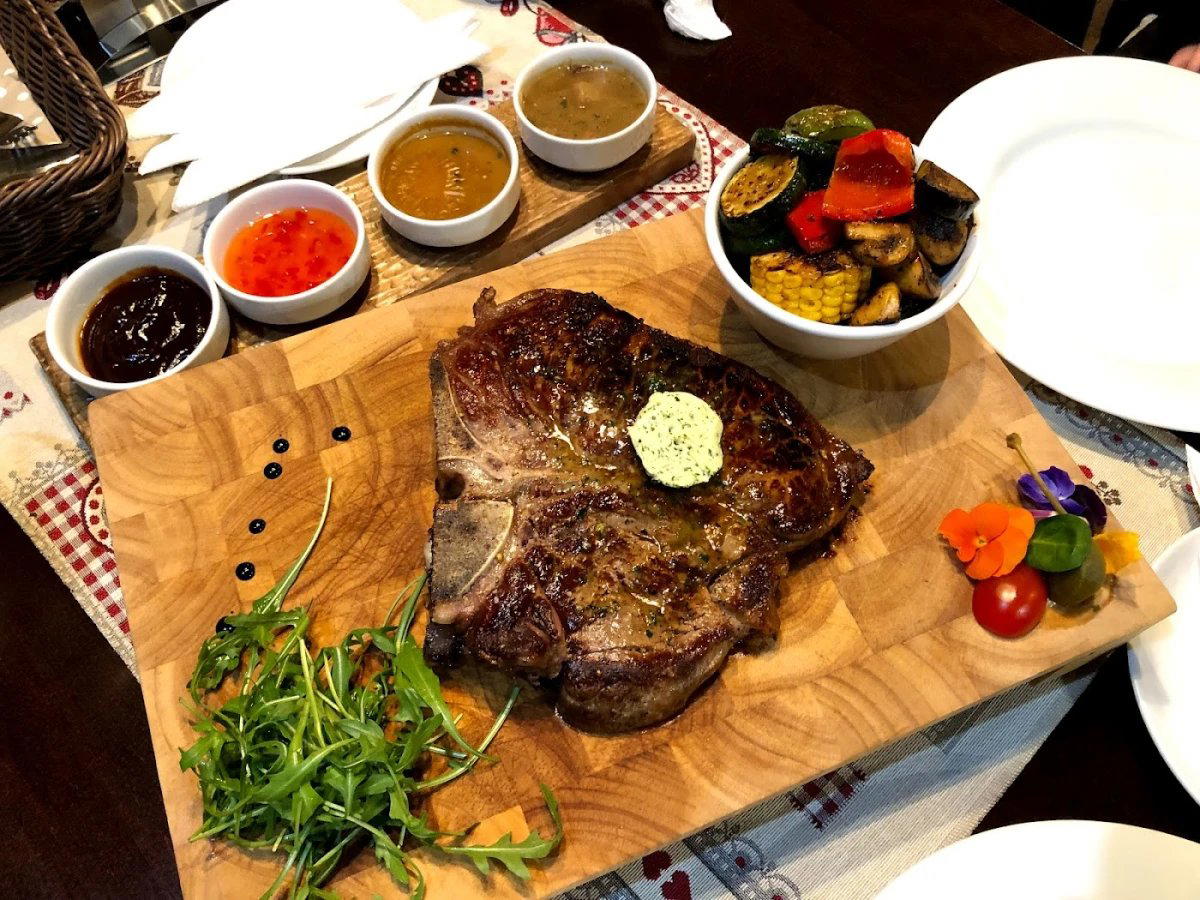
Restaurants in Vysoke Tatry
Browse all →
Bars in Vysoke Tatry
Browse all →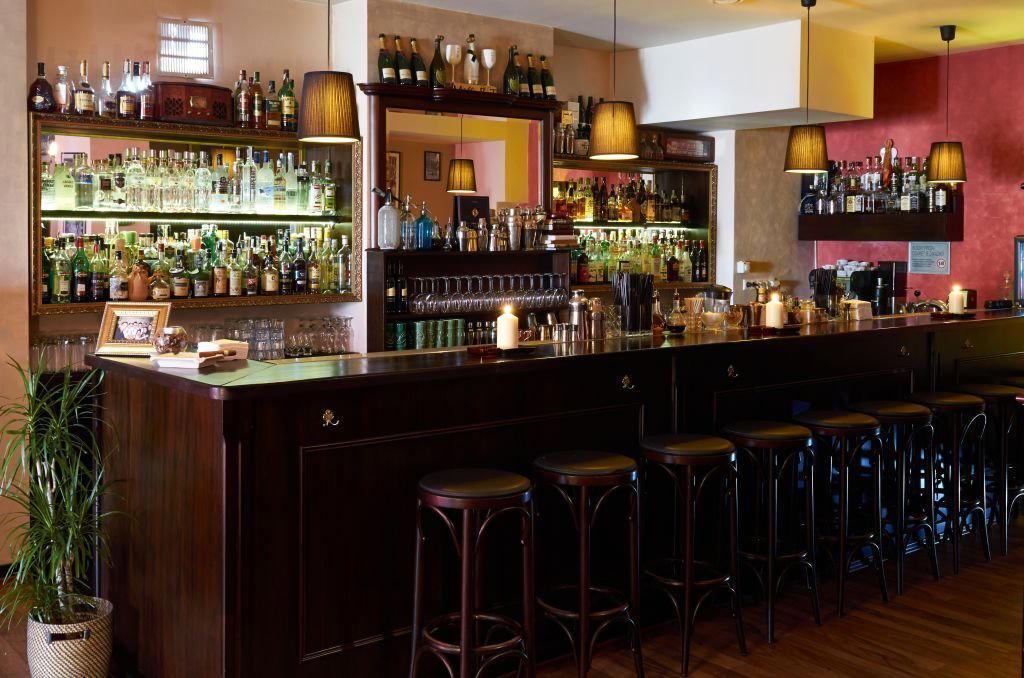
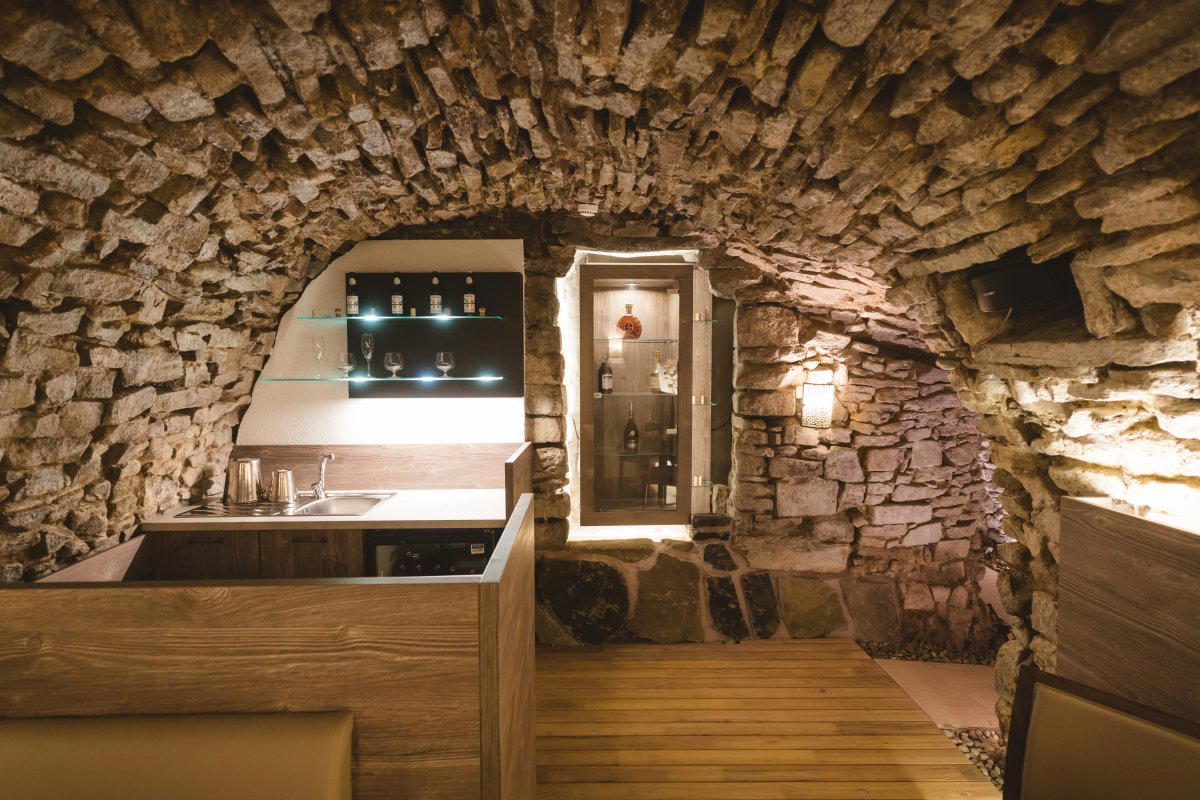
At a Glance
- Rustic
- Cozy
- Classic
- Family
- Casual Hangout
- Historic Building
- Beer Program
- Local Sourcing
- Mountain
Current opening hours
- Monday
- 7:30–10 AM, 11:30 AM–9 PM
- Tuesday
- 7:30–10 AM, 11:30 AM–9 PM
- Wednesday
- 7:30–10 AM, 11:30 AM–9 PM
- Thursday
- 7:30–10 AM, 11:30 AM–9 PM
- Friday
- 7:30–10 AM, 11:30 AM–10 PM
- Saturday
- 7:30–10 AM, 11:30 AM–10 PM
- Sunday
- 7:30–10 AM, 11:30 AM–9 PM
Hours can change for holidays and private events. Last verified .
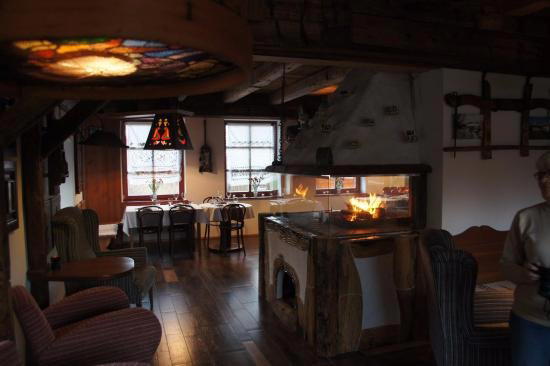
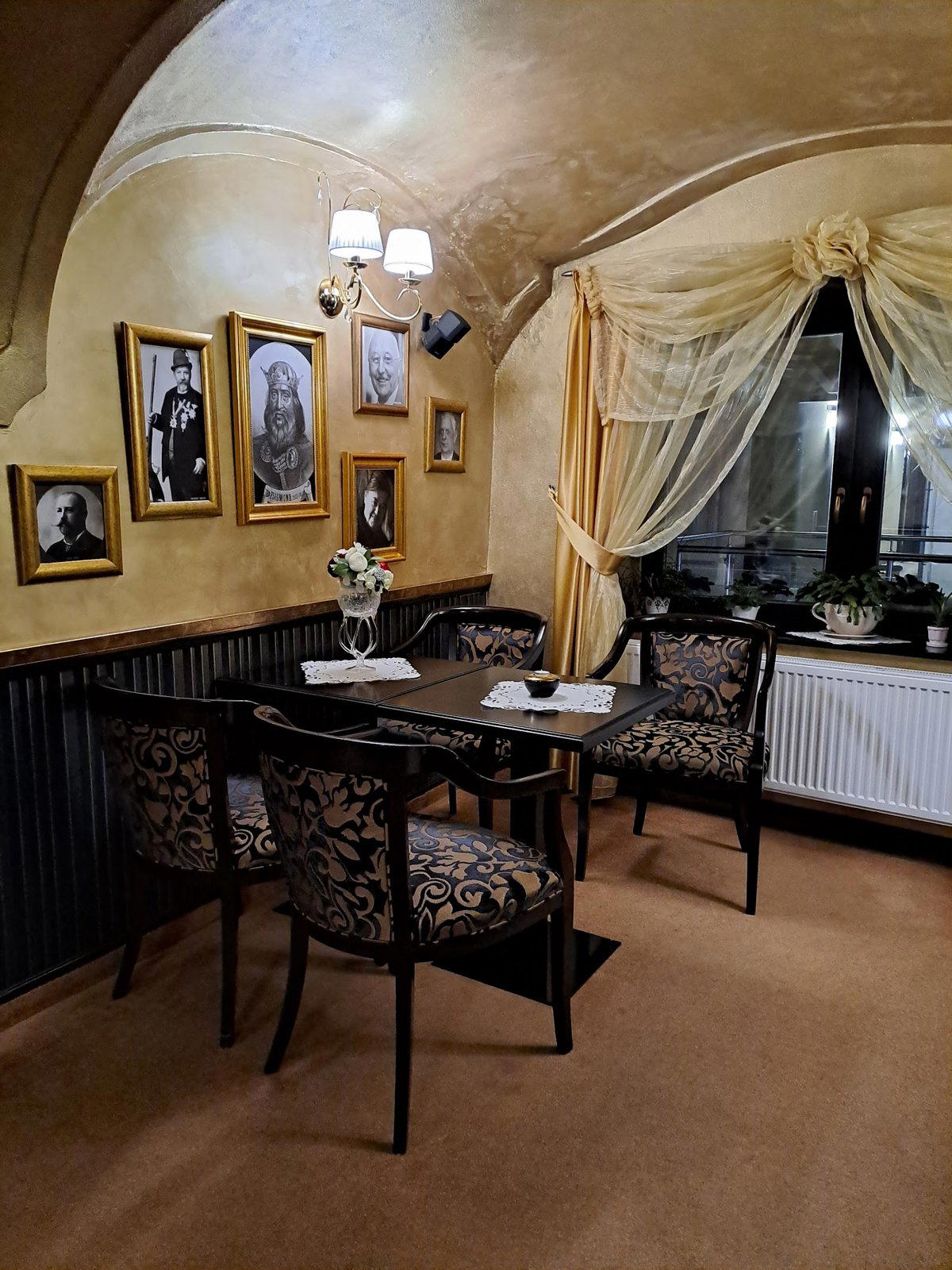
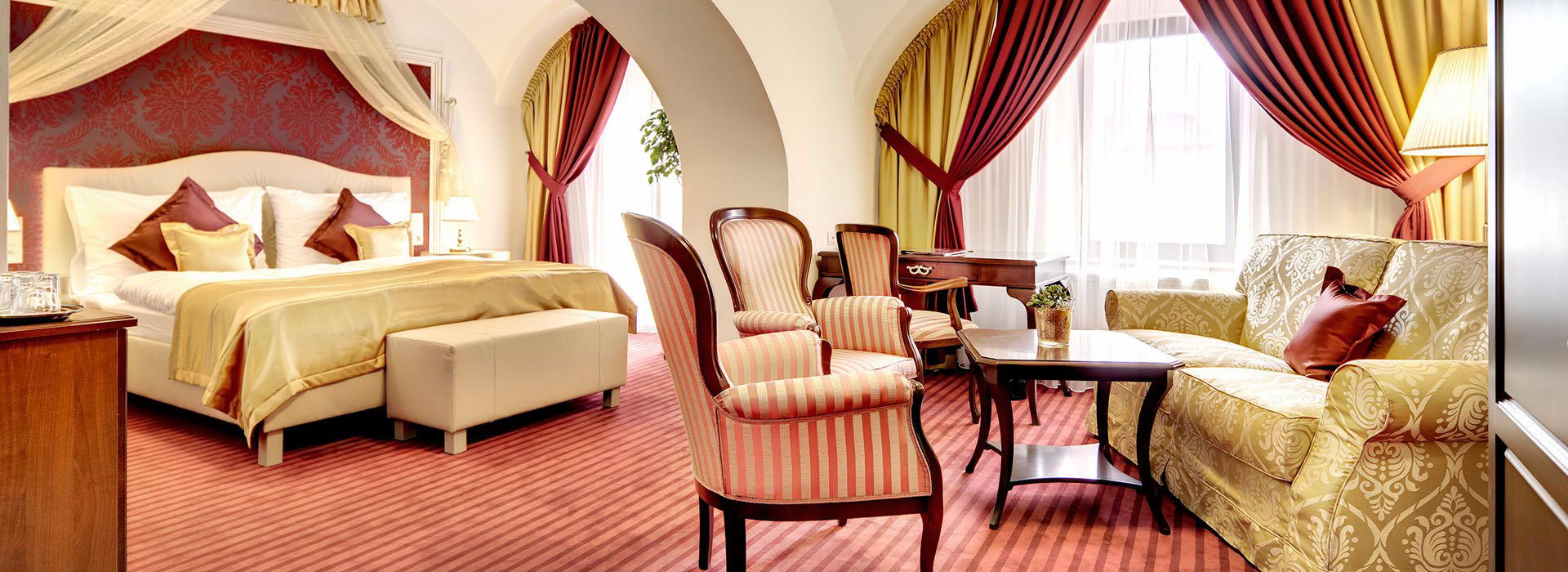
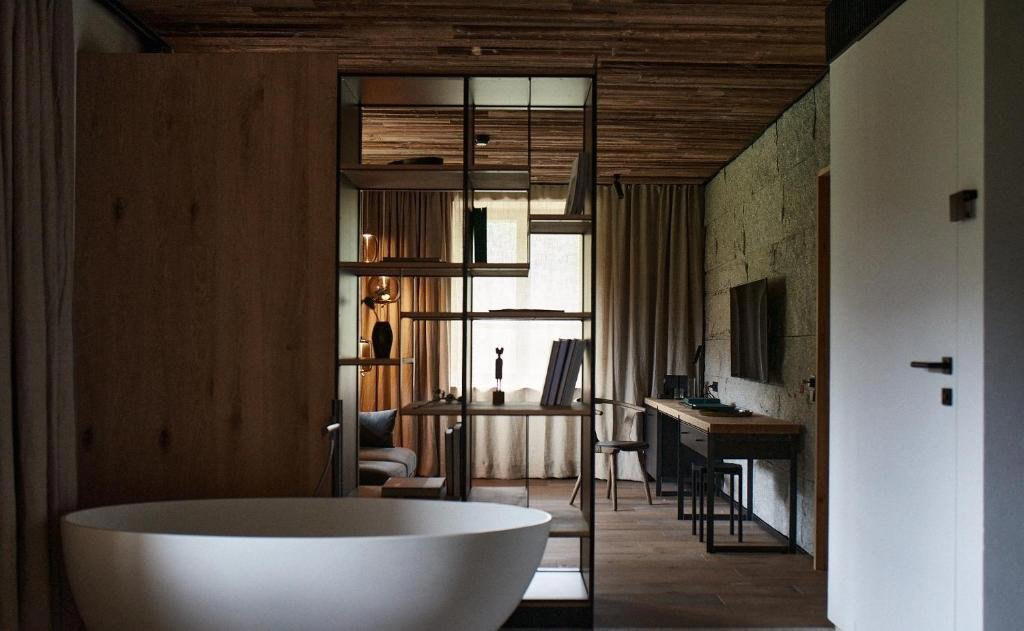
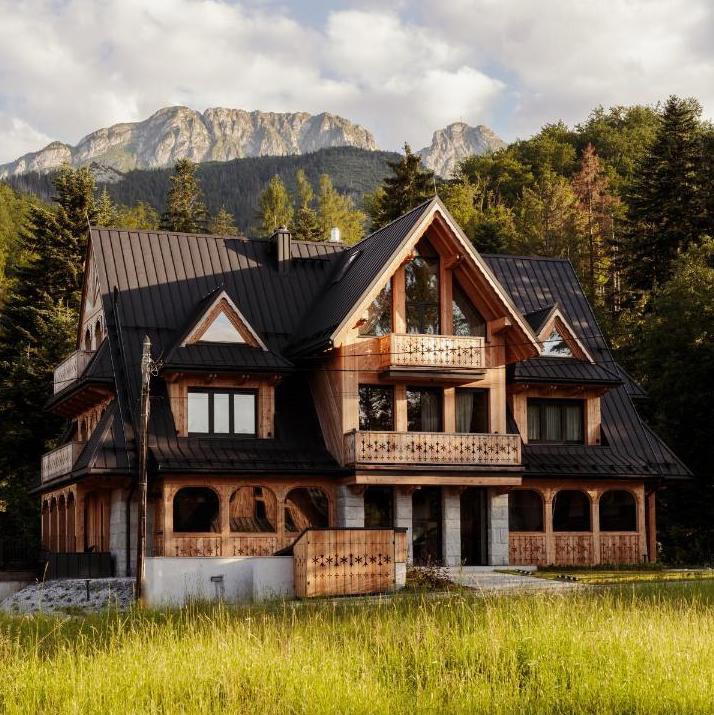
Pleasant Tatra environment with stylish interior inspired by local architecture, creating a cozy and authentic atmosphere.