PaB Kuszmannov bazár
PaB Kuszmannov bazár sits in Tatranská Lomnica, one of the gateway villages to the High Tatras, where the mountain dining tradition runs from hearty Slovak staples to more considered regional cooking. The address places it within reach of the trail networks and ski infrastructure that define this corner of Vysoké Tatry, making it a practical stop for visitors moving between the peaks and the valley.
Pearl is the En Primeur Club membership app — saves, bookings, and concierge access live there. Same editors, same standards.
- Address
- Tatranská Lomnica 53, 059 60 Vysoké Tatry, Slovakia
- Phone
- +421522853533
- Website
- kuszmannpab.sk
- Directions
- Get directions
 Saves & bookings on Pearl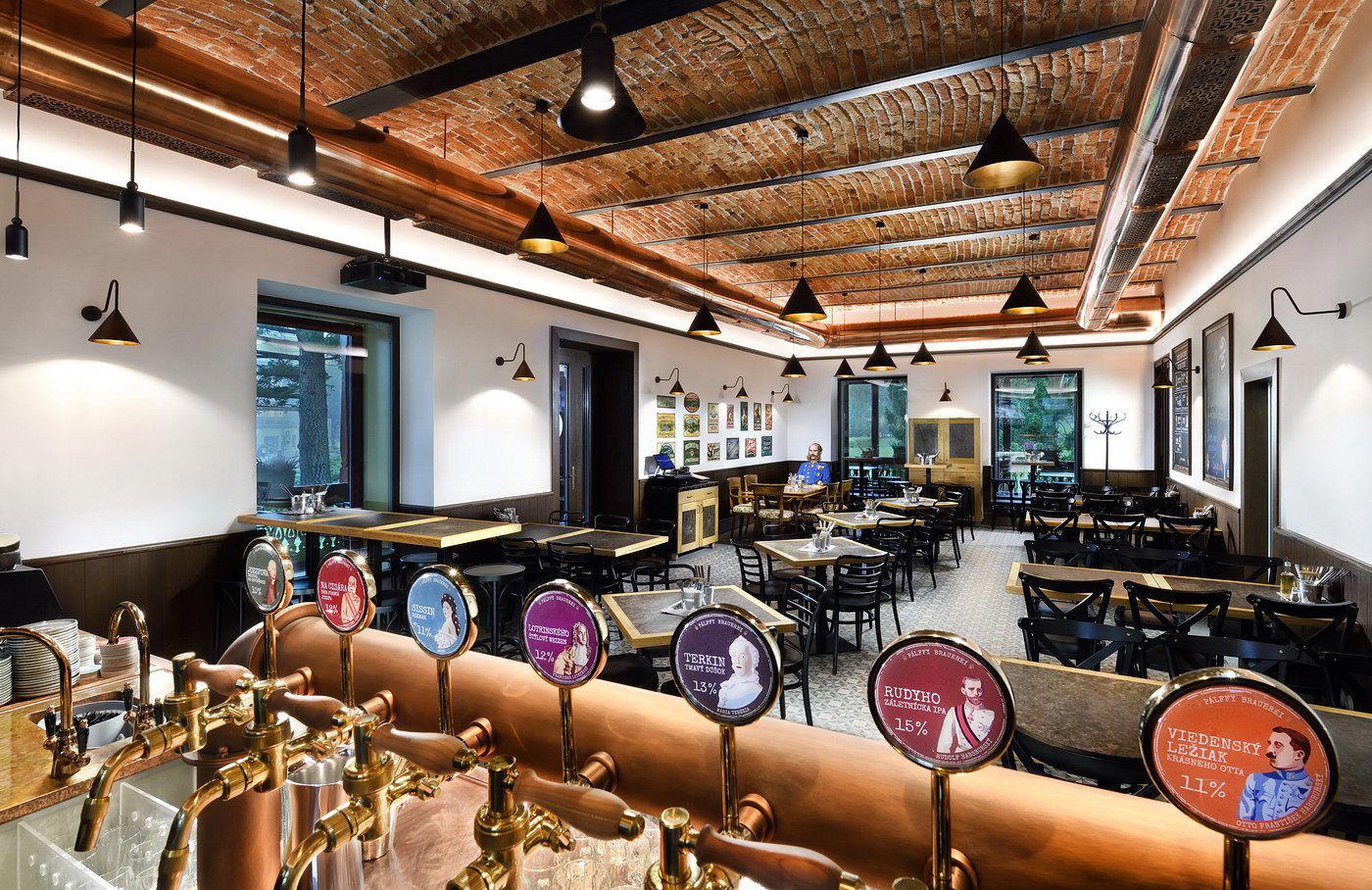
Where the High Tatras Come Indoors
PaB Kuszmannov bazár is a restaurant in Tatranská Lomnica, Vysoké Tatry, with. It is not the resort-town spectacle of Štrbské Pleso, nor the cable-car hub bustle of Tatranská Kotlina. It sits at the foot of the Skalnaté pleso gondola, a working village that feeds and shelters the hikers, skiers, and day-trippers who move through this corridor of Vysoké Tatry in both summer and winter. The dining establishments here tend to reflect that function: they are built around rhythm, around tables turning in sync with the trails and the lifts, around the kind of meal that makes sense after several hours at altitude.
PaB Kuszmannov bazár, addressed at Tatranská Lomnica 53, occupies this context. The name carries the Slovak tradition of the bazár, a term that in Central European usage often signals a gathering place with a commercial and social function simultaneously, somewhere between a market hall and a community room. Whether that etymology translates directly into the dining format here is something a visitor discovers on arrival, but the framing is worth holding onto: it signals informality and exchange rather than ceremony.
The Rhythm of a Mountain Meal
In the High Tatras, the dining ritual follows the mountain schedule more reliably than any other variable. Lunch is the serious meal. Hikers descend from the trails between noon and two, skiers break mid-mountain or finish their runs and look for something that restores rather than impresses. The evening meal is quieter, more considered, often taken early by Central European standards because the mountains encourage early starts. A well-run establishment in Tatranská Lomnica reads these rhythms and structures service accordingly.
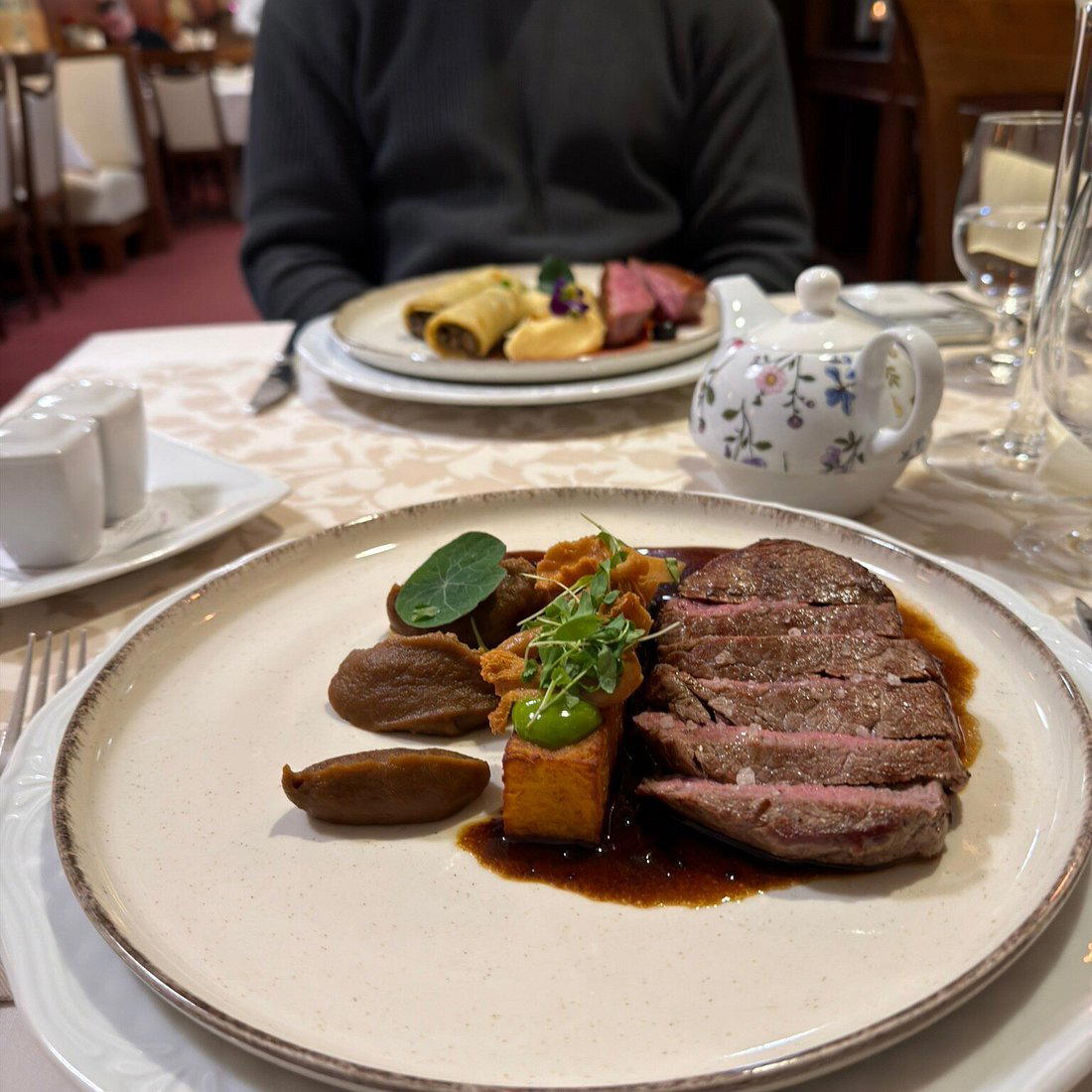
The Slovak tradition that underlies most High Tatras menus is built on slow proteins, root vegetables, and dairy from the surrounding pastoral regions. Bryndzové halušky, potato dumplings with sheep's milk cheese, is the dish most closely associated with Slovak highland cooking, and versions of it appear across the price spectrum from roadside stops to the more composed kitchens of hotels like those on Štrbské Pleso. Alongside it, roasted meats, game, and forest mushroom preparations follow the seasons: the summer menu and the winter menu in this region are meaningfully different, not cosmetically so.
For visitors accustomed to dining formats where the menu is fixed and the pacing is controlled by the kitchen, mountain restaurants in this part of Slovakia operate on a different logic. The pace is set partly by the table, partly by the flow of the room. Ordering in sequence rather than all at once, taking time between courses rather than rushing toward the bill, these habits fit the local register and tend to produce a better experience than treating the meal as a transaction to complete before the next activity.
Tatranská Lomnica in the Broader Vysoke Tatry Dining Picture
The dining options across Vysoké Tatry are more varied than the region's reputation as a hiking-and-skiing destination might suggest. At the formal end, hotel restaurants attached to the larger resort properties offer multi-course menus with regional sourcing narratives. At the informal end, koliba-style establishments, the Slovak equivalent of a mountain hut restaurant, typically decorated with folk motifs and serving grilled meats over an open hearth, anchor the mid-market. Koliba Patria in Štrbské Pleso represents that category at one of the region's most visited lakes.
In Tatranská Lomnica specifically, the range runs from direct après-ski stops to places that take the local larder more seriously. Ponderossa Steakhouse and Reštaurácia Sissi both operate in the broader Vysoké Tatry area, as does Slowenská, which leans into the national cooking tradition. PaB Kuszmannov bazár sits within this ecosystem, positioned by its address in the village rather than on a resort strip, which typically signals a slightly more local-facing operation.
For context on how Slovak regional cooking scales across different price points and settings, the wider national dining scene offers useful comparisons. Fatrabeef in Lubochna approaches regional meat cookery with a more focused sourcing argument, while Holotéch víška in Kosariska and Kaštieľ Čičmany in Čičmany both operate in the koliba and country-house tradition that defines rural Slovak hospitality. At the other end of the spectrum, Don Saro Cucina Siciliana in Bratislava shows how Slovakia's larger cities are absorbing international influences, a contrast that makes the mountain dining tradition of the Tatras feel more deliberate by comparison.
Slovak mountain cooking as a category has not attracted the international critical attention that, say, the tasting-menu formats of New York, Le Bernardin or Atomix, command. That gap is partly a function of geography and media access, and partly because the tradition values sustenance and seasonal honesty over technical display. Neither framing is a criticism; they describe different dining cultures with different purposes.
Planning a Visit to Tatranská Lomnica
Tatranská Lomnica is accessible by the electric rack railway (Tatranská elektrická železnica) that connects the main Tatras villages, running from Poprad through Starý Smokovec and onward. The gondola to Skalnaté pleso operates on seasonal schedules, and the village's food options tend to be fuller in high season (July to August for hiking, December to March for skiing) than in the shoulder months.
The restaurant is recommended for reservations and is open Mon to Thu and Sun from 12 to 10 PM, and Fri to Sat from 12 to 11 PM. Elsewhere in Slovakia, Focus Restaurant in Žilina, KOLIBA na Vršku in Bytča, Hotel and Restaurant Gino Park Palace in Považská Bystrica, Klára v GOYA vitality hotel in Voderady, Afrodita in Čerenany, Cafe Sissi in Trenčín, and Bulli Kebab in Košice each represent a different facet of Slovak dining culture across regions and price points.
Cuisine Lens
Comparable venues nearby, for context on price, style, and recognition.
| Venue | Cuisine | Price | Notes |
|---|---|---|---|
| PaB Kuszmannov bazárThis venue — the venue you are viewing | Modern Slovak Central European | $$ | Not listed |
| Slowenská | Traditional Slovak | $$ | Starý Smokovec |
| Reštaurácia Sissi | Austro-Hungarian with Local Slovak Influences | $$$ | Tatranská Lomnica |
| Ponderossa Steakhouse | Steakhouse with Slovak Influences | $$$ | Tatranská Lomnica |
| Pizzeria Rustika | Italian Pizza | $$ | Zdiar |
| Reštaurácia NOSTALGIE | Central European | $$ | city center |
Continue exploring
More in Vysoke Tatry
Restaurants in Vysoke Tatry
Browse all →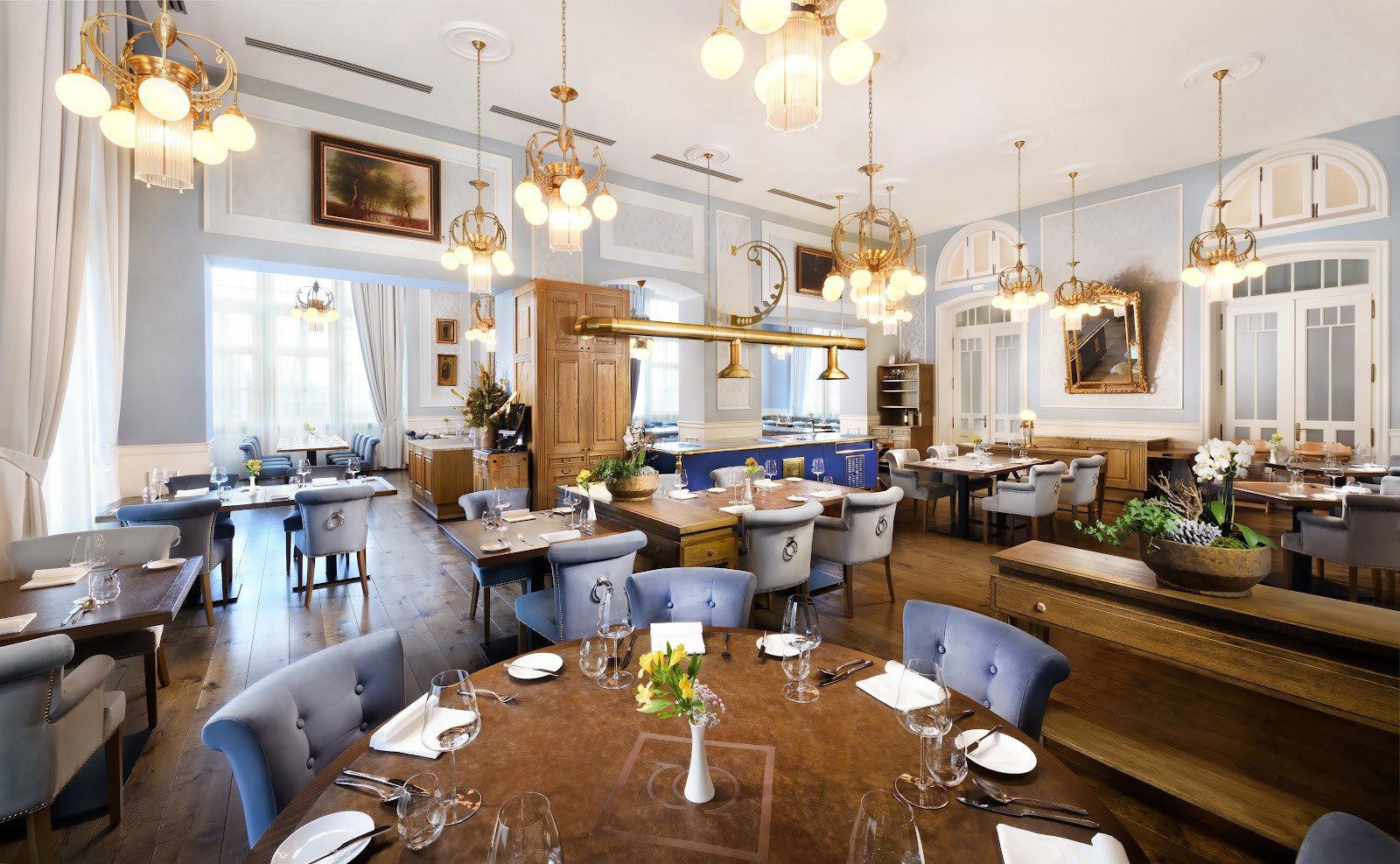
Bars in Vysoke Tatry
Browse all →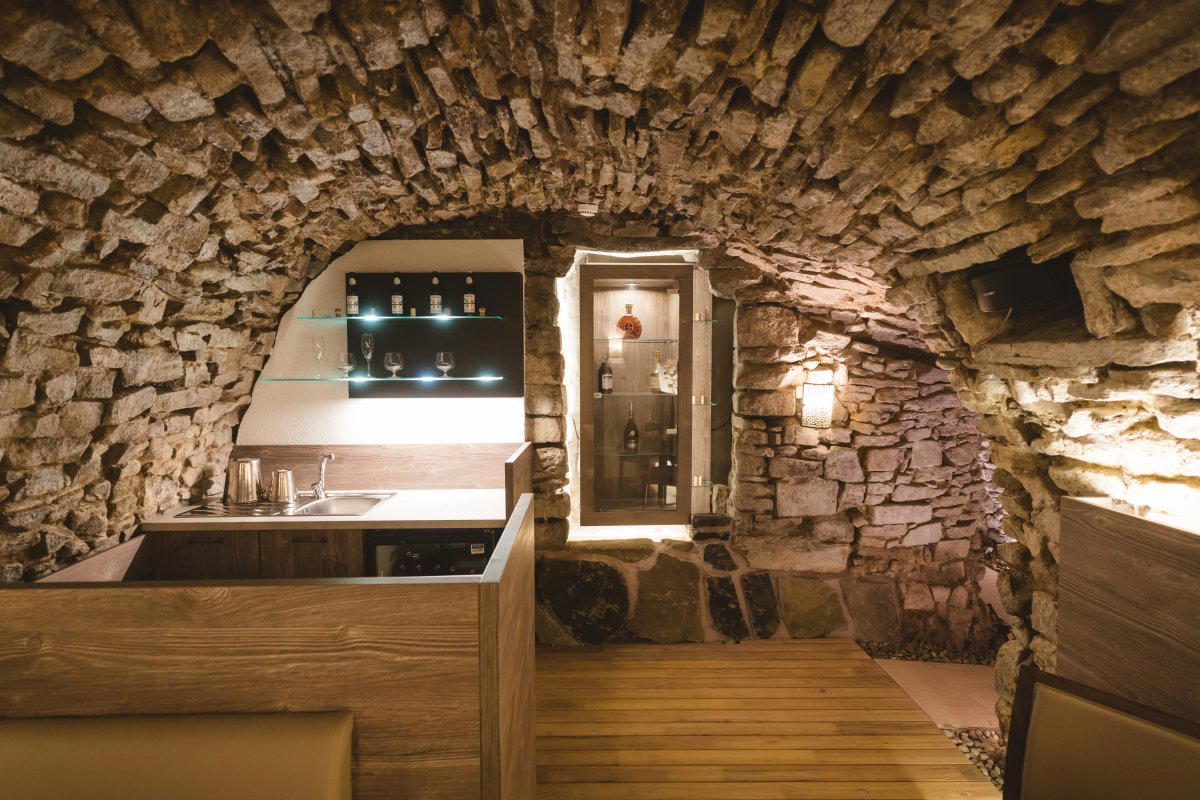
At a Glance
- Cozy
- Rustic
- Historic
- Modern
- Casual Hangout
- Historic Building
- Beer Program
- Local Sourcing
- Mountain
Current opening hours
- Monday
- 12–10 PM
- Tuesday
- 12–10 PM
- Wednesday
- 12–10 PM
- Thursday
- 12–10 PM
- Friday
- 12–11 PM
- Saturday
- 12–11 PM
- Sunday
- 12–10 PM
Hours can change for holidays and private events. Last verified .
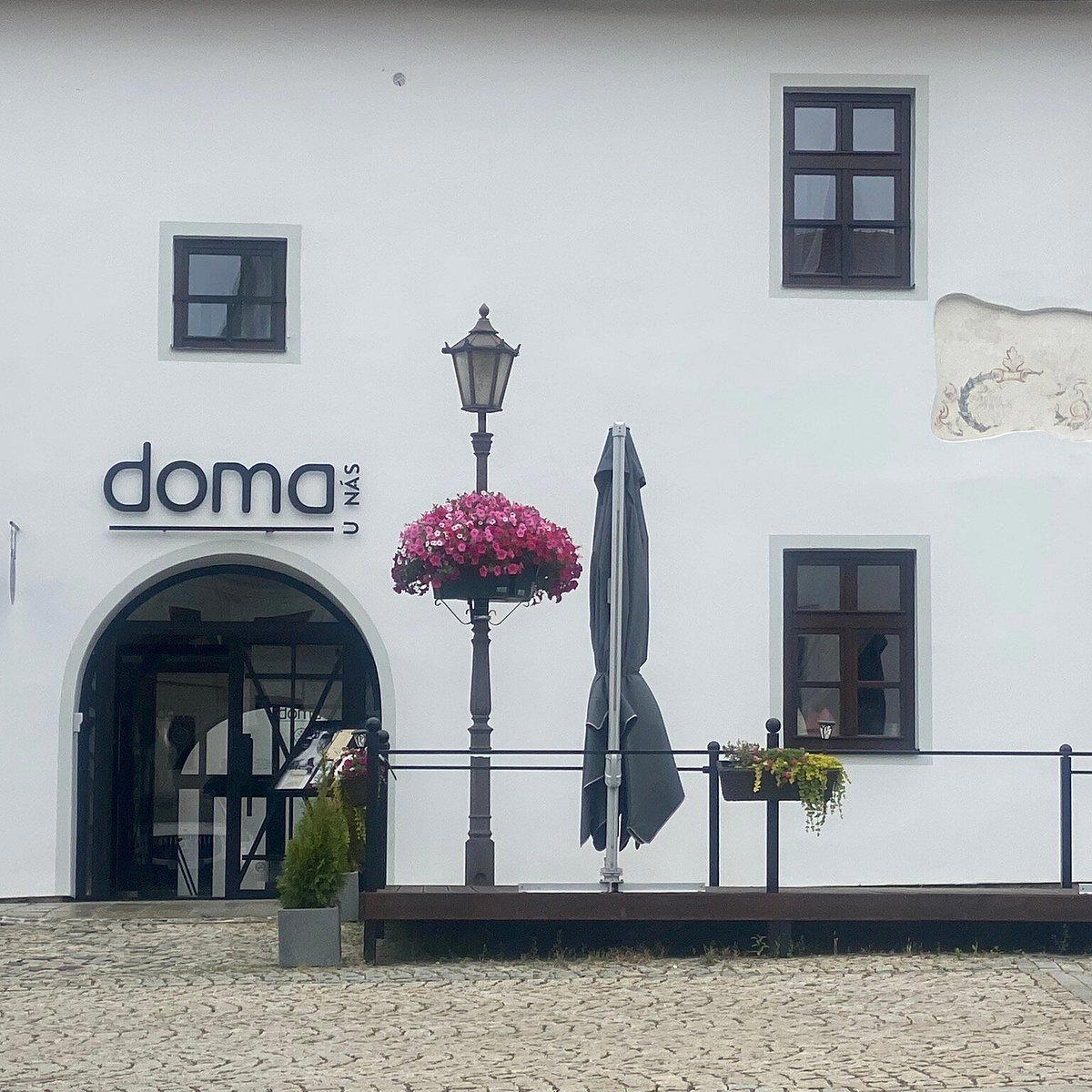
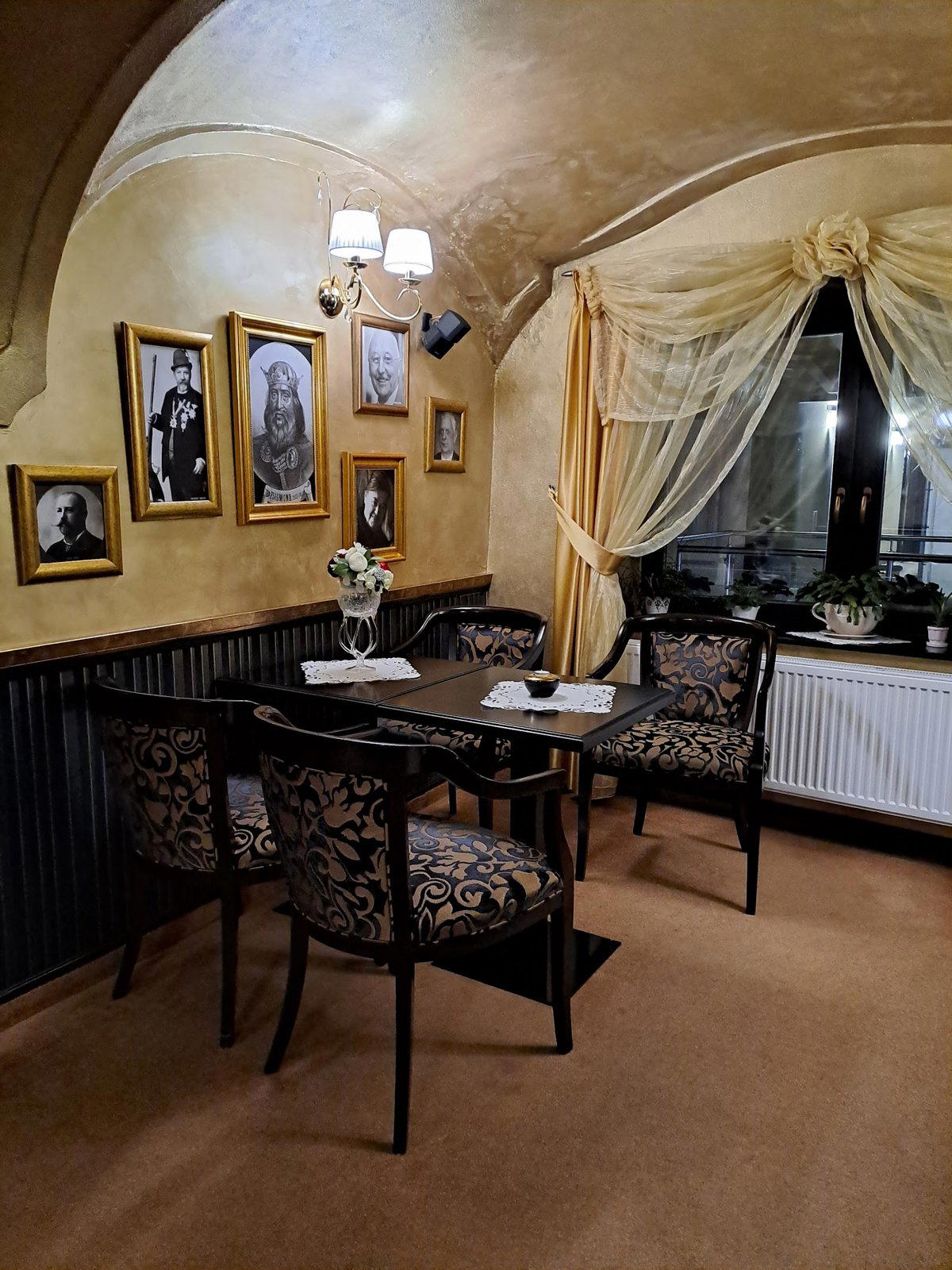
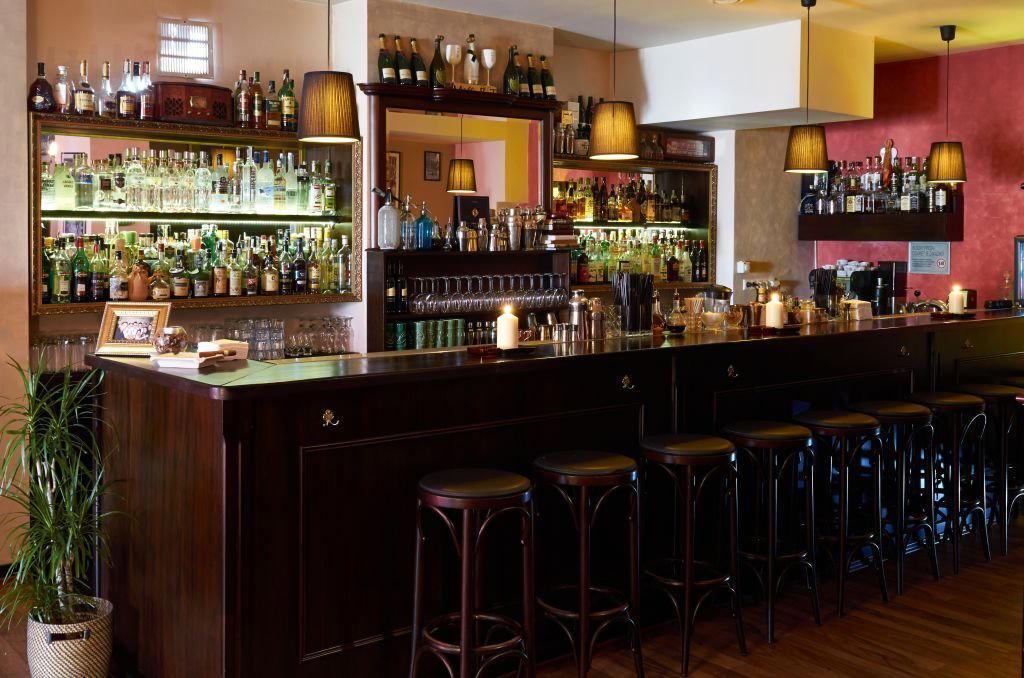
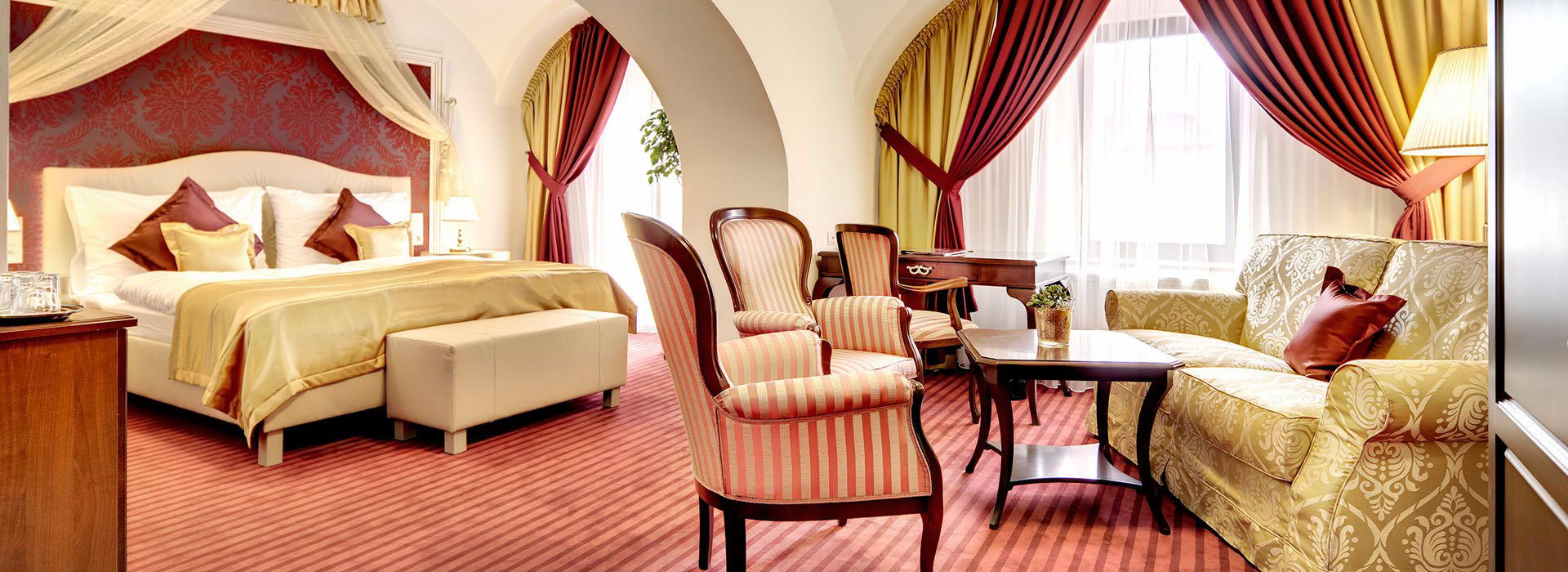
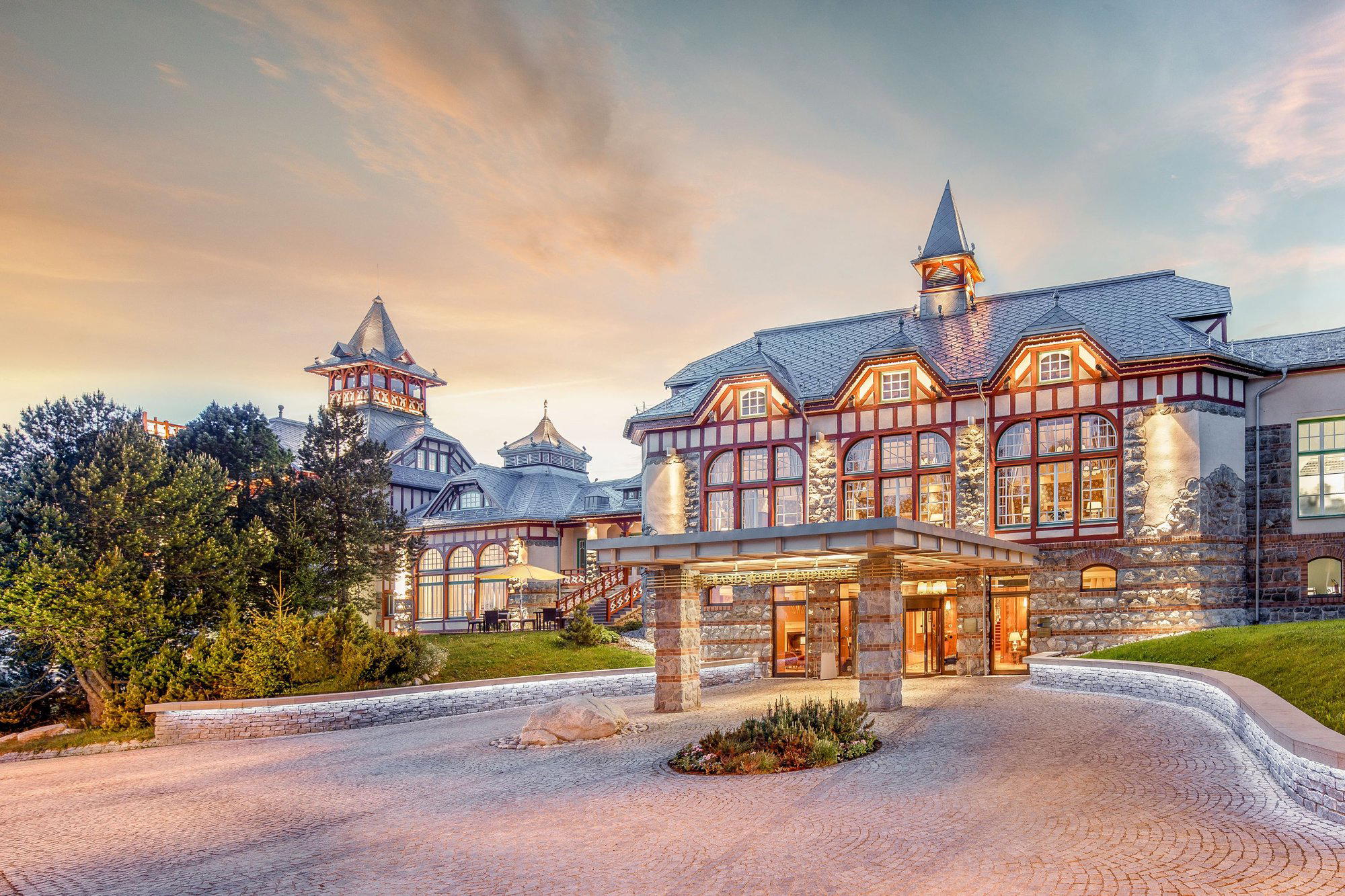
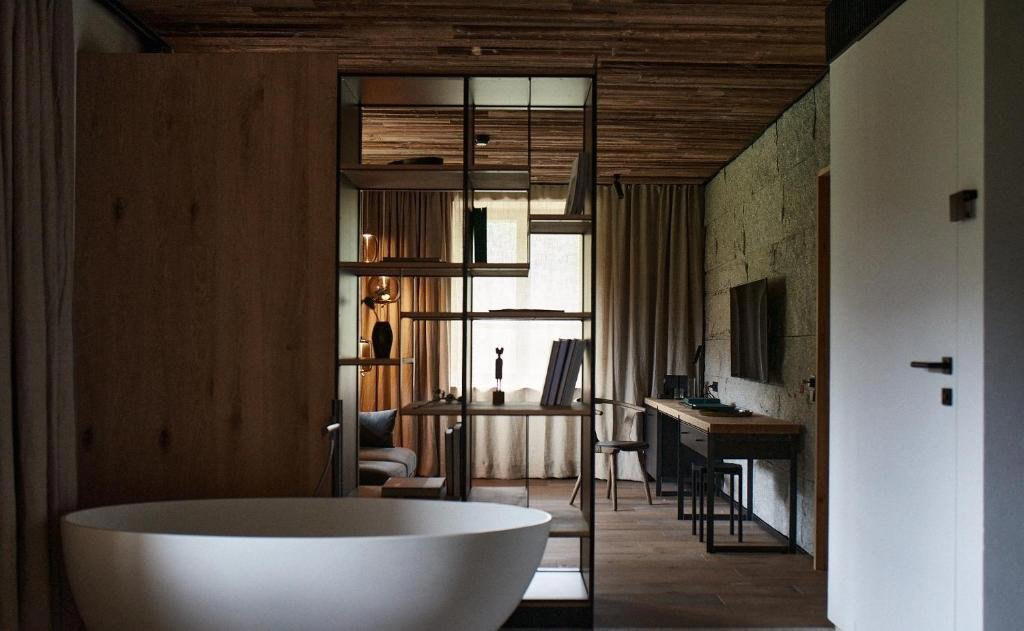
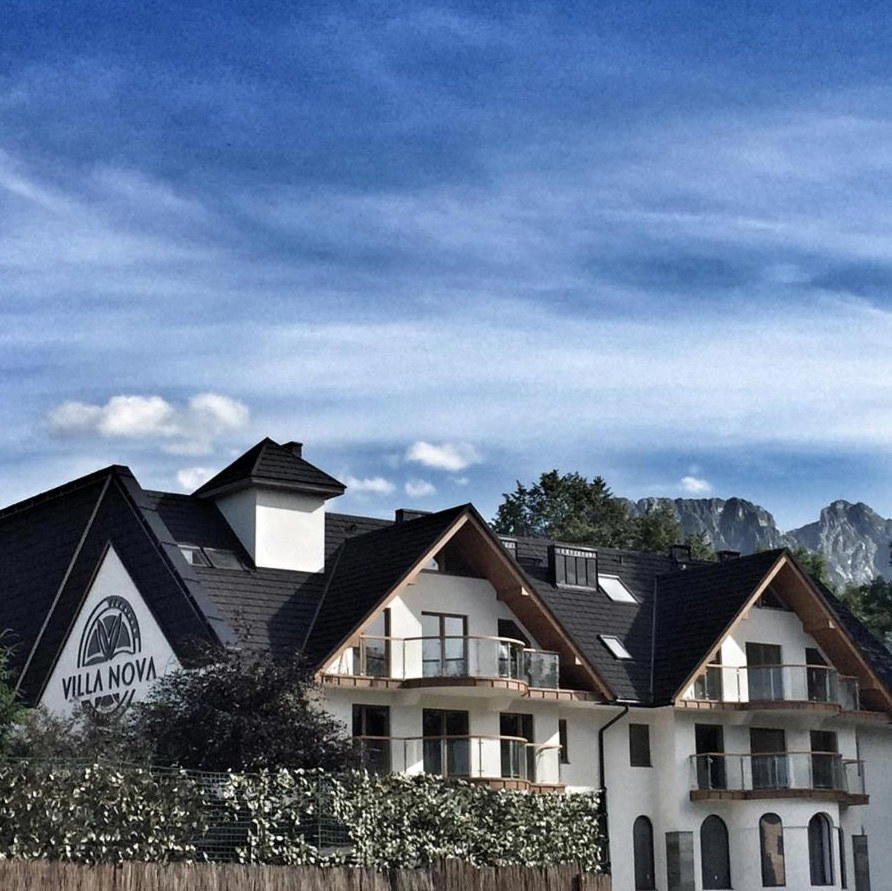
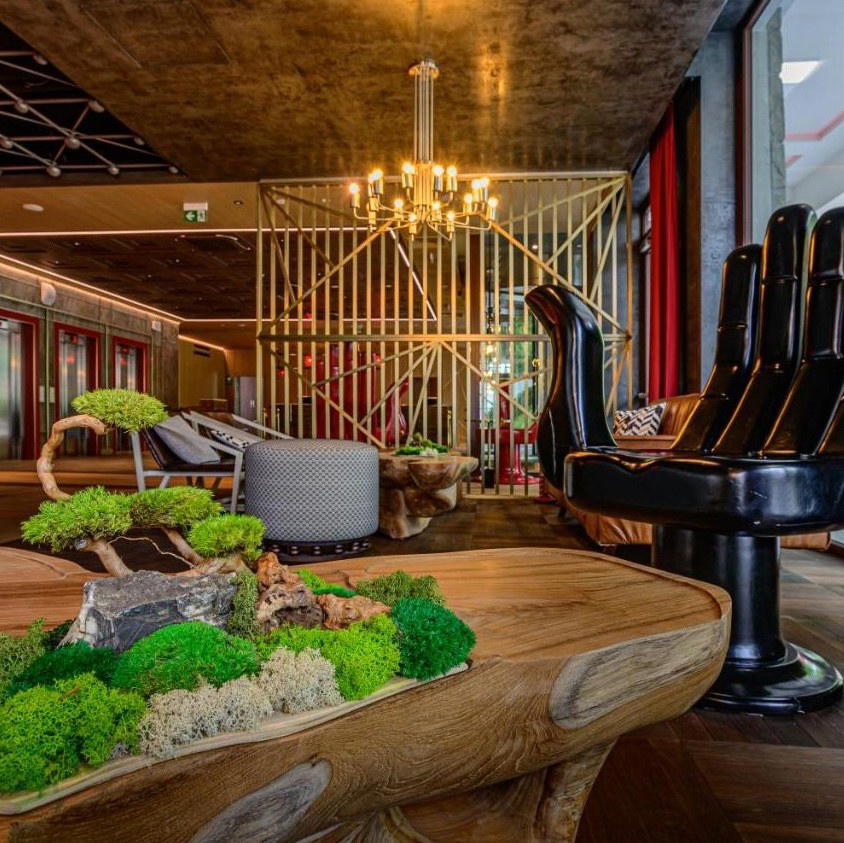
Cozy historic atmosphere with modern design elements and a focus on traditional Slovak flavors.