Bakoš Bistro occupies a residential stretch of Južná trieda in Košice's Juh district, sitting at some distance from the tourist circuit that clusters around Hlavná ulica. The bistro format here reflects a broader shift in Slovak dining toward neighbourhood-anchored restaurants that source regionally and price accessibly, positioning it as a practical entry point into Košice's emerging casual-dining scene.
Pearl is the En Primeur Club membership app — saves, bookings, and concierge access live there. Same editors, same standards.
- Address
- Južná trieda 48, 040 01 Juh, Slovakia
- Phone
- +421901733035
- Website
- bakosbistro.sk
- Directions
- Get directions
 Saves & bookings on Pearl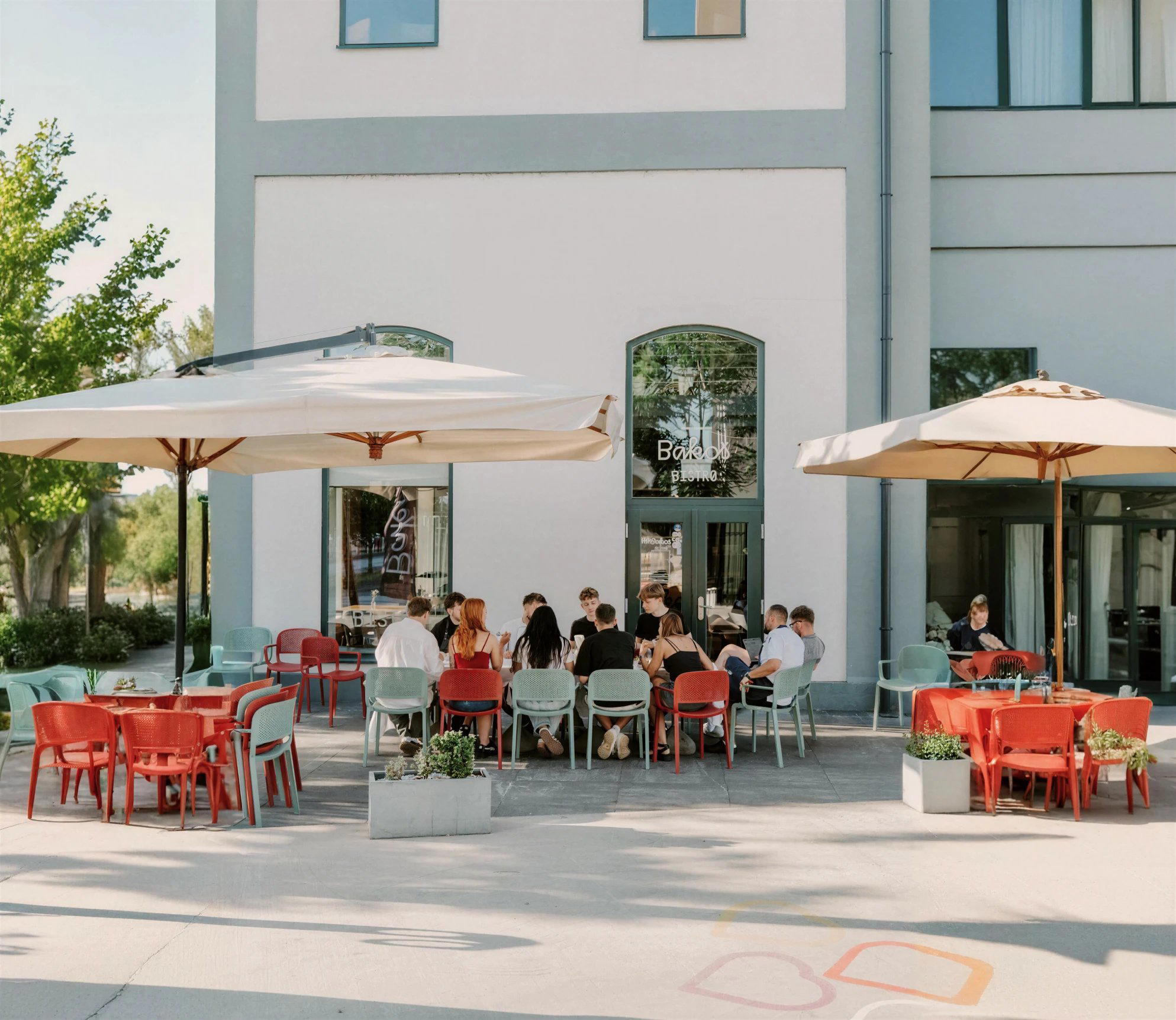
Južná trieda and the Neighbourhood Bistro Shift in Košice
Košice's dining identity has long been shaped by its historic centre, where restaurants compete for foot traffic along Hlavná ulica and its side streets. But a quieter reorientation has been underway in the city's residential districts, particularly in Juh, the southern neighbourhood that extends along Južná trieda. Here, a different format of eating place has taken root: the neighbourhood bistro, smaller in scale and less dependent on tourist throughput, trading instead on repeat custom from locals who care about what ends up on the plate. Bakoš Bistro, at Južná trieda 48, occupies that positioning with the kind of low-key street presence that becomes legible only once you understand what the neighbourhood is doing.
This pattern is not distinctive to Košice. Across Central European cities of comparable size, from Brno to Debrecen, one interesting culinary development of the last decade has happened away from the historic squares and in the residential fabric, where lower rents allow operators to prioritise sourcing and cooking over spectacle. The bistro format, in particular, suits this logic: fewer covers, shorter menus, closer attention to what comes in through the kitchen door each morning.
Ingredient Sourcing and What It Signals About Slovak Bistro Culture
Particularly meaningful distinction between bistros in Central European cities right now is not cuisine type but sourcing philosophy. In Slovakia, where agricultural regions like Zemplín and the Spiš highlands produce distinct seasonal ingredients, the gap between restaurants that engage with local supply chains and those that do not is becoming the defining quality signal. Košice, as the country's second city, sits close enough to rural eastern Slovakia that farm-to-table connections are geographically plausible in a way they are not in Bratislava, which relies more heavily on imported produce.
Bistros operating in this eastern Slovak register tend to work with what the season provides rather than maintaining a fixed year-round menu. This creates a particular kind of dining rhythm: dishes shift with harvest cycles, the kitchen takes on preserved and fermented preparations in winter, and spring menus carry a noticeably lighter character as fresh vegetables return. Comparable operations elsewhere in Slovakia, such as Gašperov Mlyn in Batizovce, have demonstrated that rural sourcing paired with competent cooking can sustain serious critical attention even outside the capital. In Bratislava, ARTE in Svätý Jur shows how tight regional sourcing can define a restaurant's identity across a wider competitive field.
The Juh District as Context
Approaching Bakoš Bistro along Južná trieda, the architecture shifts from the ornate facades of the old town into the more functional residential built environment of Juh. This is a district of apartment blocks, local shops, and everyday urban life, not a destination neighbourhood in the conventional sense. What makes this setting interesting for a bistro operation is precisely its ordinariness: the customer base here is not tourists or corporate expense accounts but people who live within walking distance and return regularly.
That dynamic changes what a kitchen has to do. Consistency matters more than occasion-dining theatrics. Value density, the sense that the food is worth the price at a frequency of several visits per month, becomes the operating standard. Košice's broader bistro tier, which includes places like Bistro BLANC and the more casual offer at Bulli Kebab, competes across a range of formats and price points. FREYM and Camelot represent different positioning within the city's sit-down dining tier, while Krčma Letná anchors the traditional Slovak tavern format. Bakoš Bistro, by its address alone, plays to a different audience than any of these.
Košice in Slovak and Regional Dining Context
Slovakia's restaurant scene operates in a context that is often misread by visitors who arrive via Bratislava. The capital's dining offer has matured significantly, with addresses like UFO in Bratislava representing the high-design end of the spectrum. But Košice has its own culinary logic, shaped by its proximity to Hungarian, Ukrainian, and Ruthenian food cultures, and by a local economy that rewards practical value over prestige signalling. The city's leading restaurants tend to understand this and price accordingly.
Across Slovakia more broadly, the neighbourhood bistro format has gained ground as a viable model. Origin in Lučenec, Allora Fresh Pasta in Nitra, and Cafe Sissi in Trencin each demonstrate how smaller cities and towns can sustain credible dining operations outside the capital. Afrodita in Cerenany and Alej Bojnice in Bojnice extend that pattern into rural settings. The nearby Prešov region adds its own layer of context: Dublin Cafe in Presov District shows that even in a neighbouring city, local identity and accessible pricing are the primary drivers of sustained custom. Within Košice itself, Seven Restaurant Café by Villa Sandy, City Park Resort occupies the hotel dining tier, a different market entirely. The contrast with internationally awarded addresses, from Le Bernardin in New York City to Lazy Bear in San Francisco, is instructive: what makes a neighbourhood bistro in Juh work is not ambition at that scale but accuracy of execution at a different one.
Planning a Visit
The restaurant is located at Južná trieda 48 in Košice's Juh district, reachable by tram along Južná trieda from the city centre, a journey of roughly ten minutes from Hlavná ulica. The restaurant is recommended for reservations and falls into a moderate price tier, with an average spend of about $20 per person. The restaurant is open Monday through Wednesday from 7:30 AM to 4 PM, Thursday and Friday from 7:30 AM to 10 PM, Saturday from 9 AM to 10 PM, and Sunday from 9 AM to 5 PM. Given the residential rather than tourist character of the address, walk-in availability during quieter midweek periods is generally reasonable at places in this category, but calling ahead is advisable, especially at weekends.
Comparable Spots, Quickly
Comparable venues nearby, for context on price, style, and recognition.
| Venue | Cuisine | Price | Notes |
|---|---|---|---|
| Bakoš Bistro | Modern Slovak Bistro | $$ | Košice-Juh |
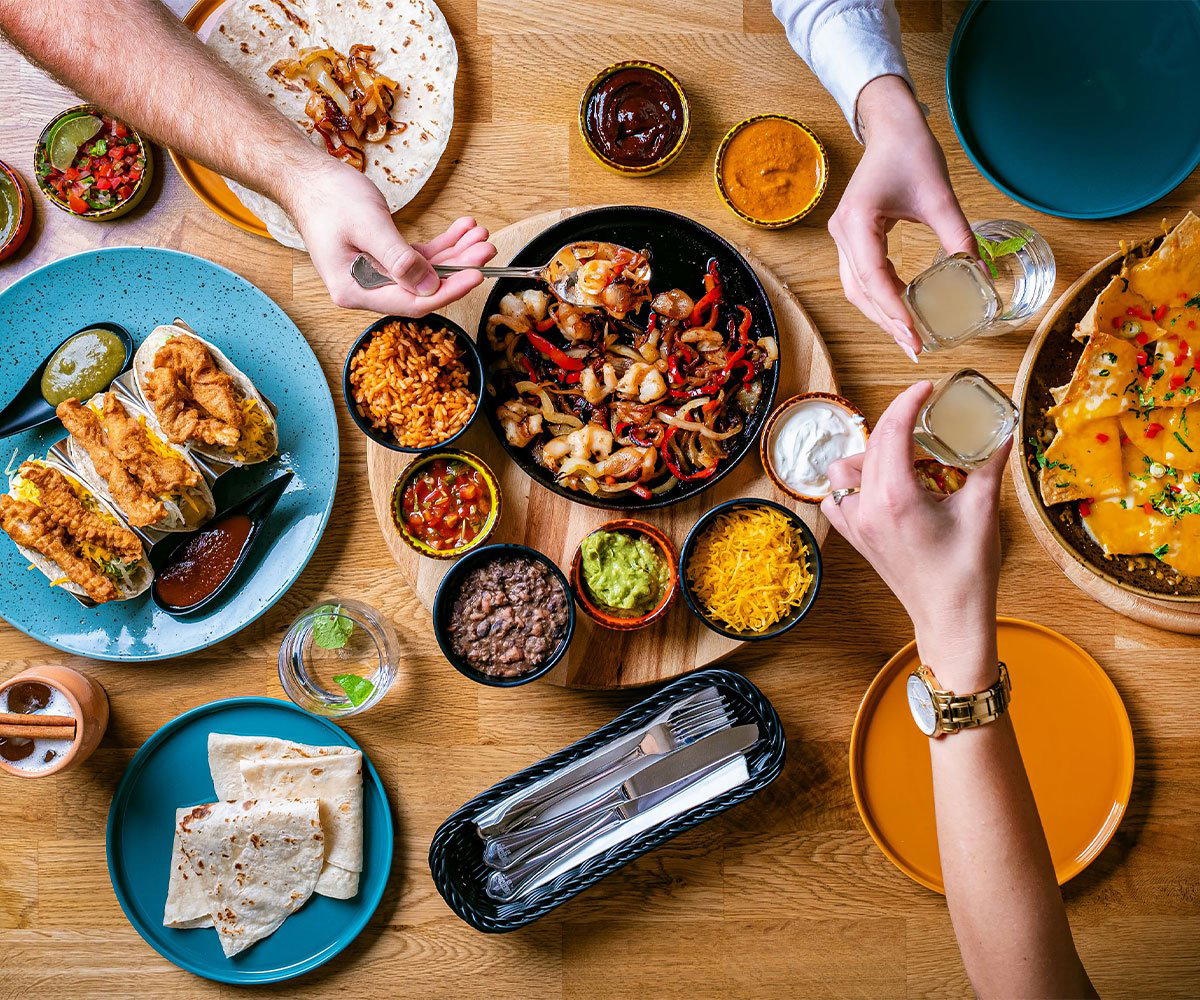
| La Hacienda | Authentic Mexican | $$ | Old Town |
| Bistro BLANC | Contemporary European Bistro | $$$ | Old Town (Biela Street area) |
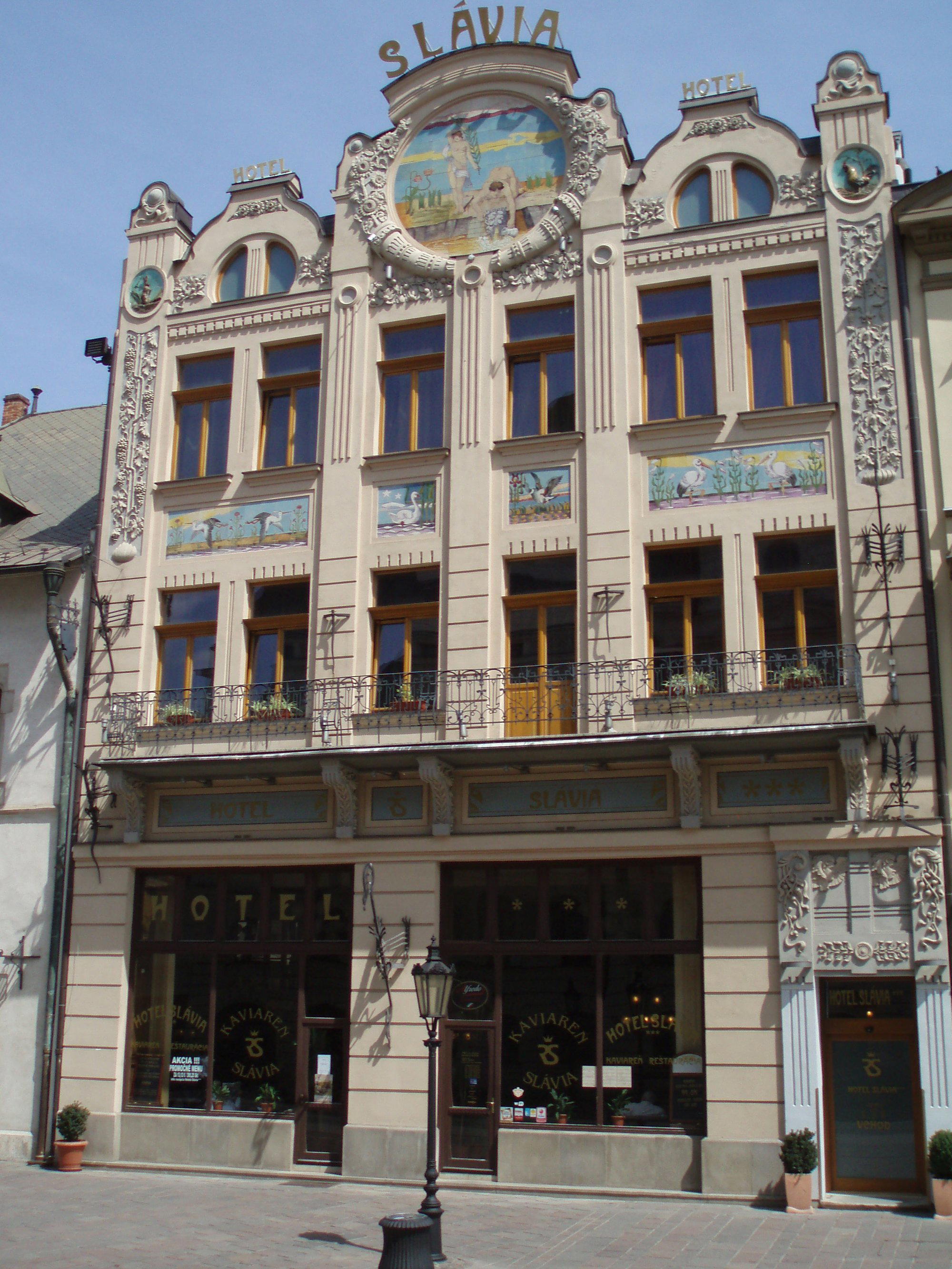
| Slávia | Traditional Slovak with Modern Interpretation | $$ | city center |
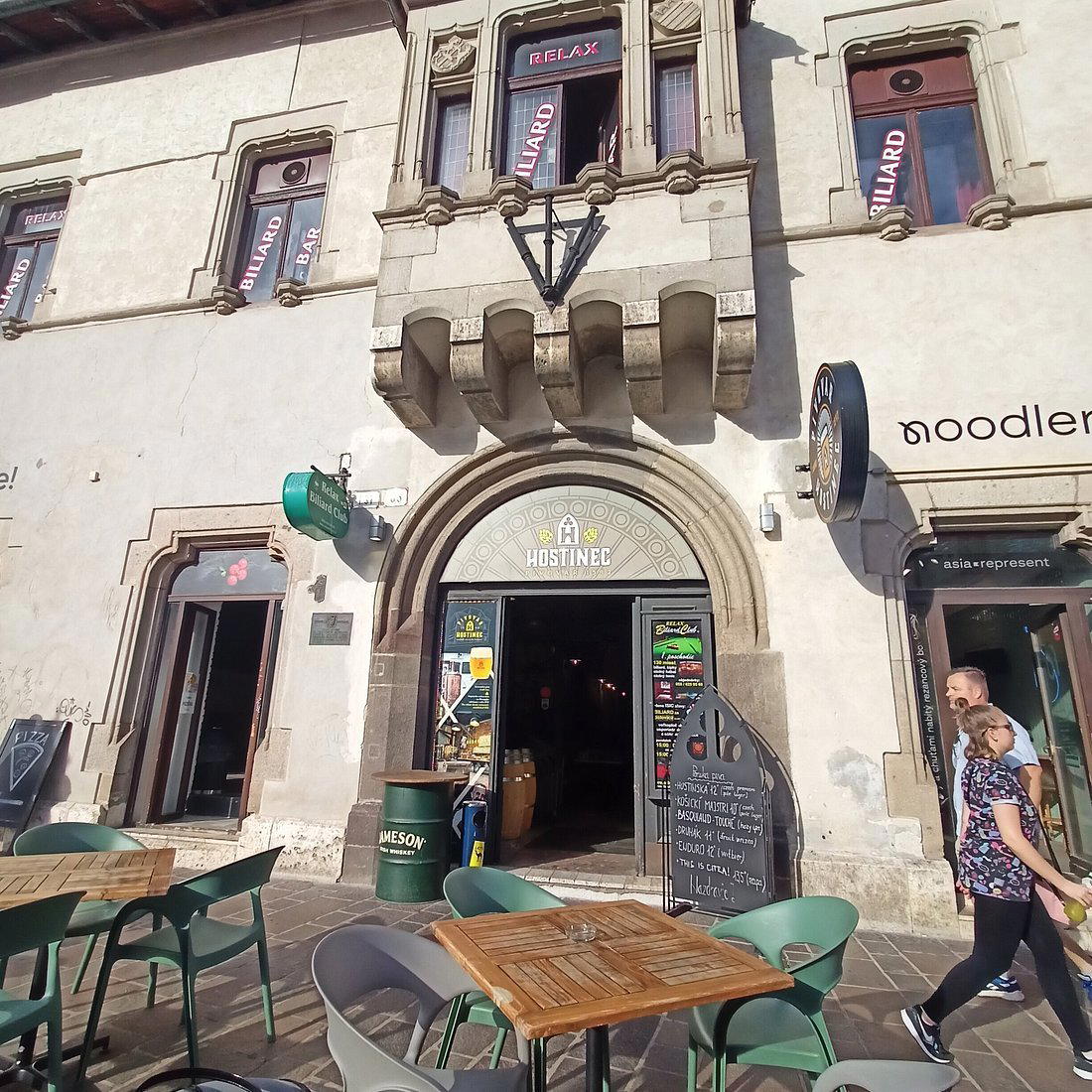
| Pivovar Hostinec | Traditional Slovak Brewery Pub | $$ | Staré Mesto |
| Bulli Kebab | Turkish Kebab | $ | Staré Mesto |
Continue exploring
More in Kosice
Restaurants in Kosice
Browse all →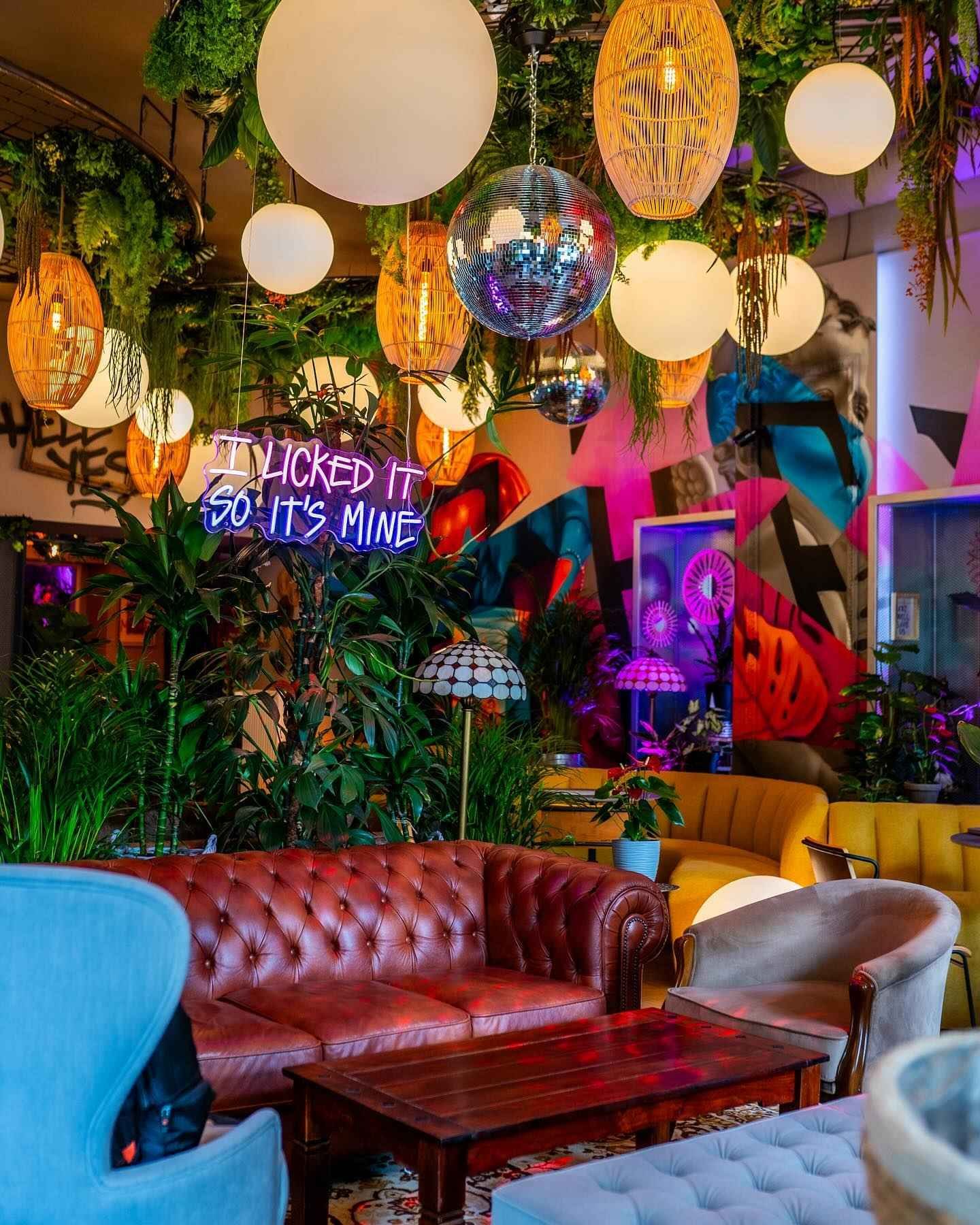

At a Glance
- Modern
- Cozy
- Casual Hangout
- Open Kitchen
- Local Sourcing
Current opening hours
- Monday
- 7:30 AM–4 PM
- Tuesday
- 7:30 AM–4 PM
- Wednesday
- 7:30 AM–4 PM
- Thursday
- 7:30 AM–10 PM
- Friday
- 7:30 AM–10 PM
- Saturday
- 9 AM–10 PM
- Sunday
- 9 AM–5 PM
Hours can change for holidays and private events. Last verified .
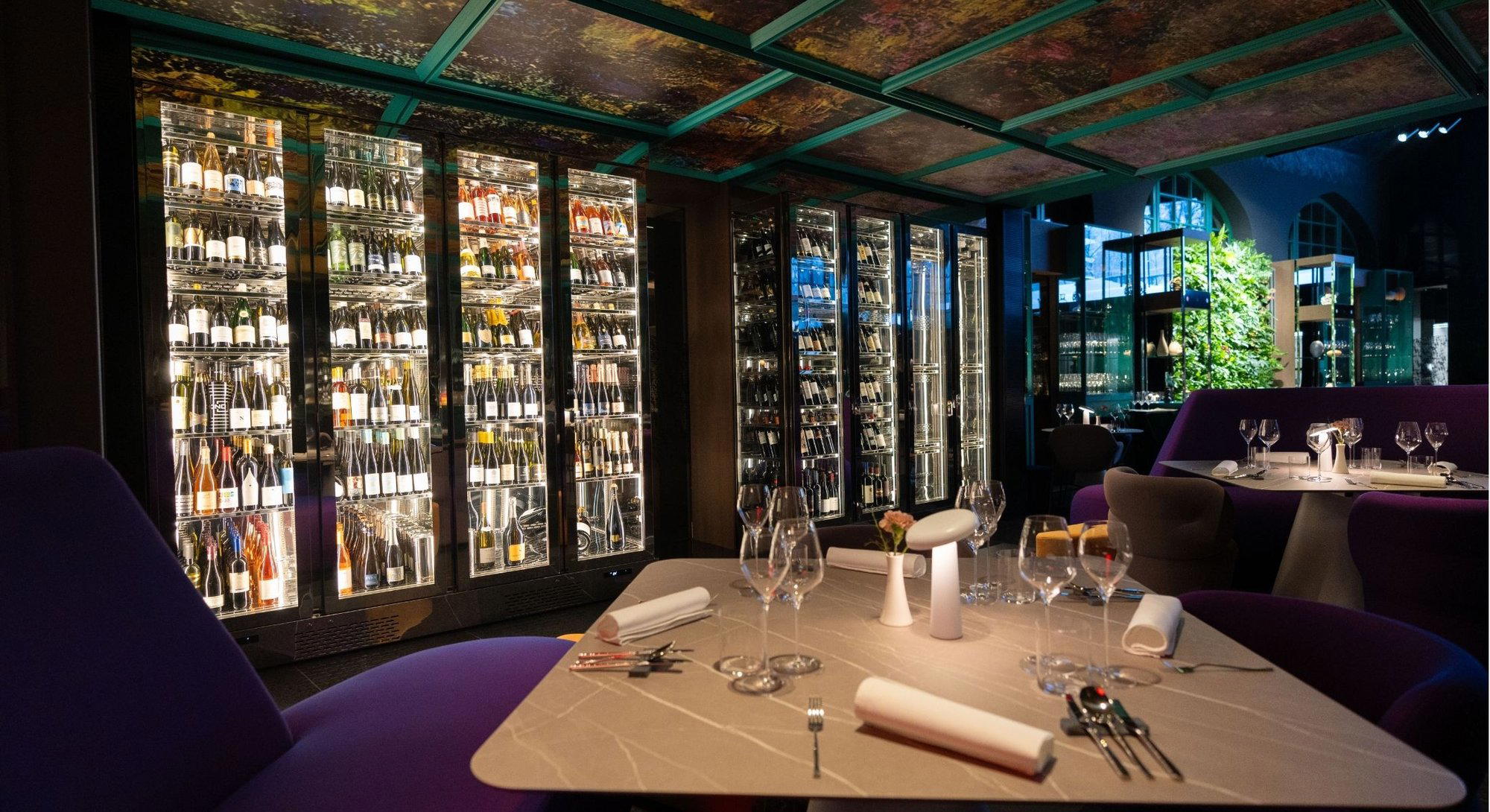
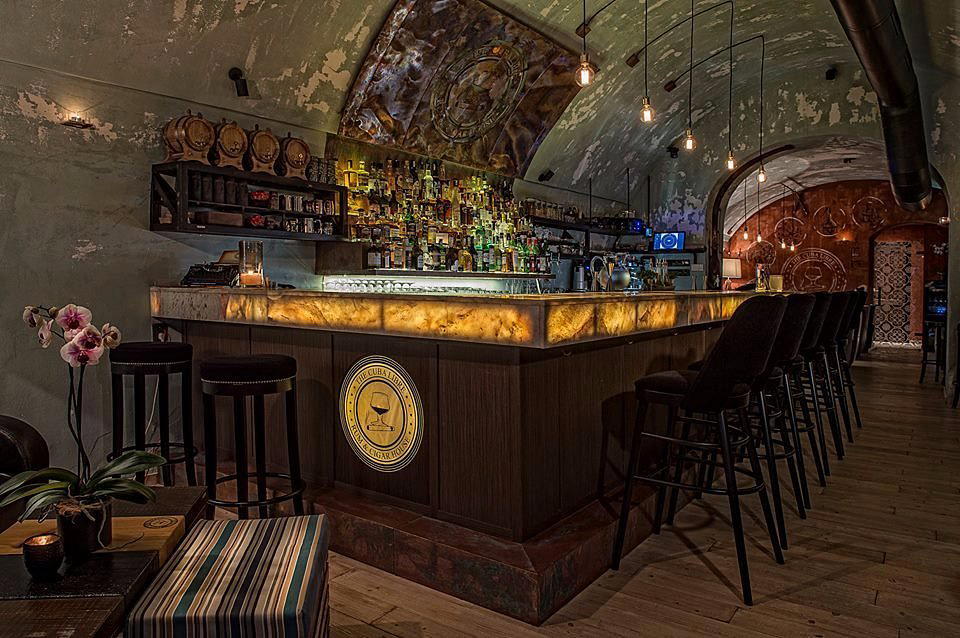
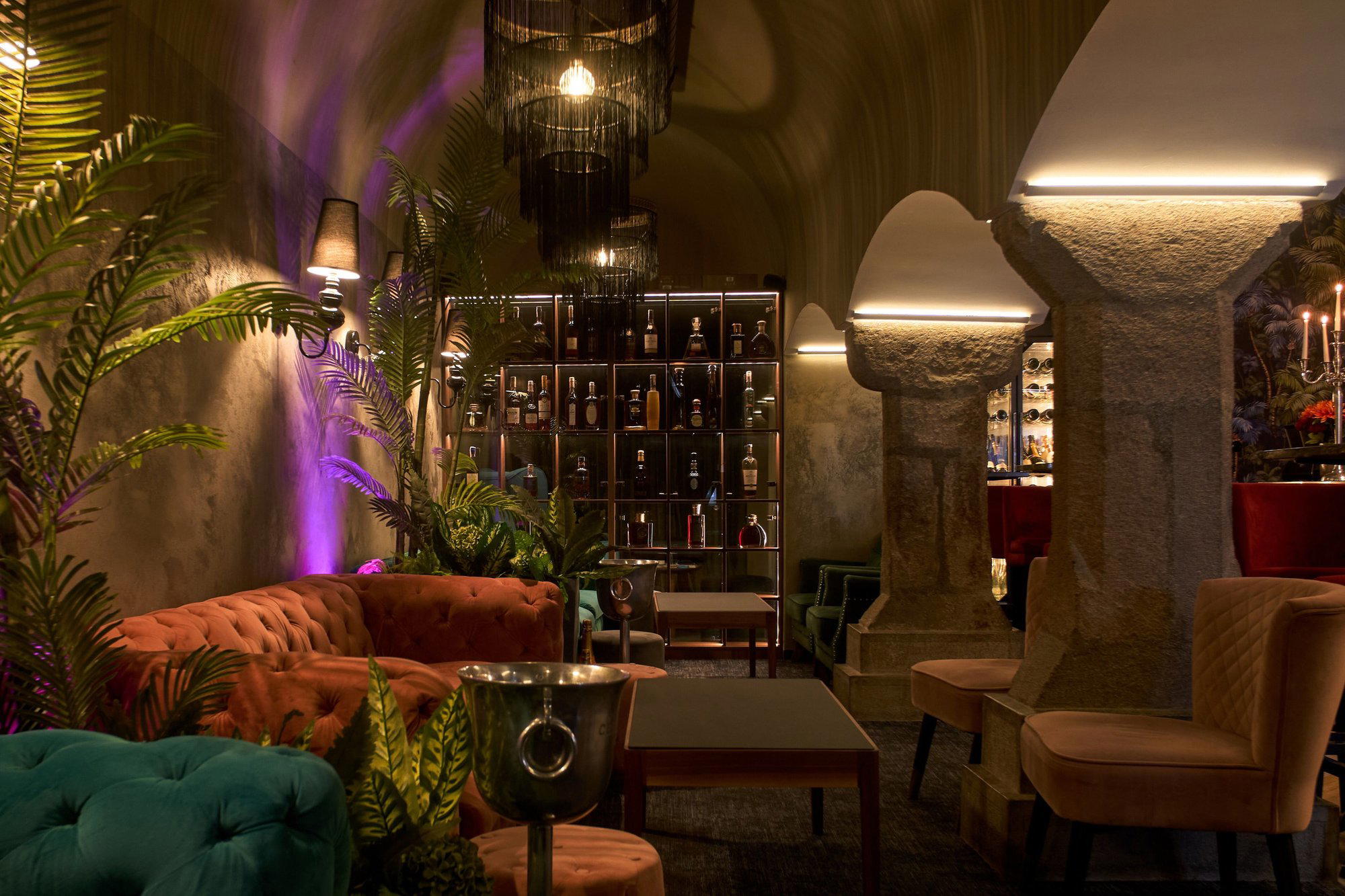
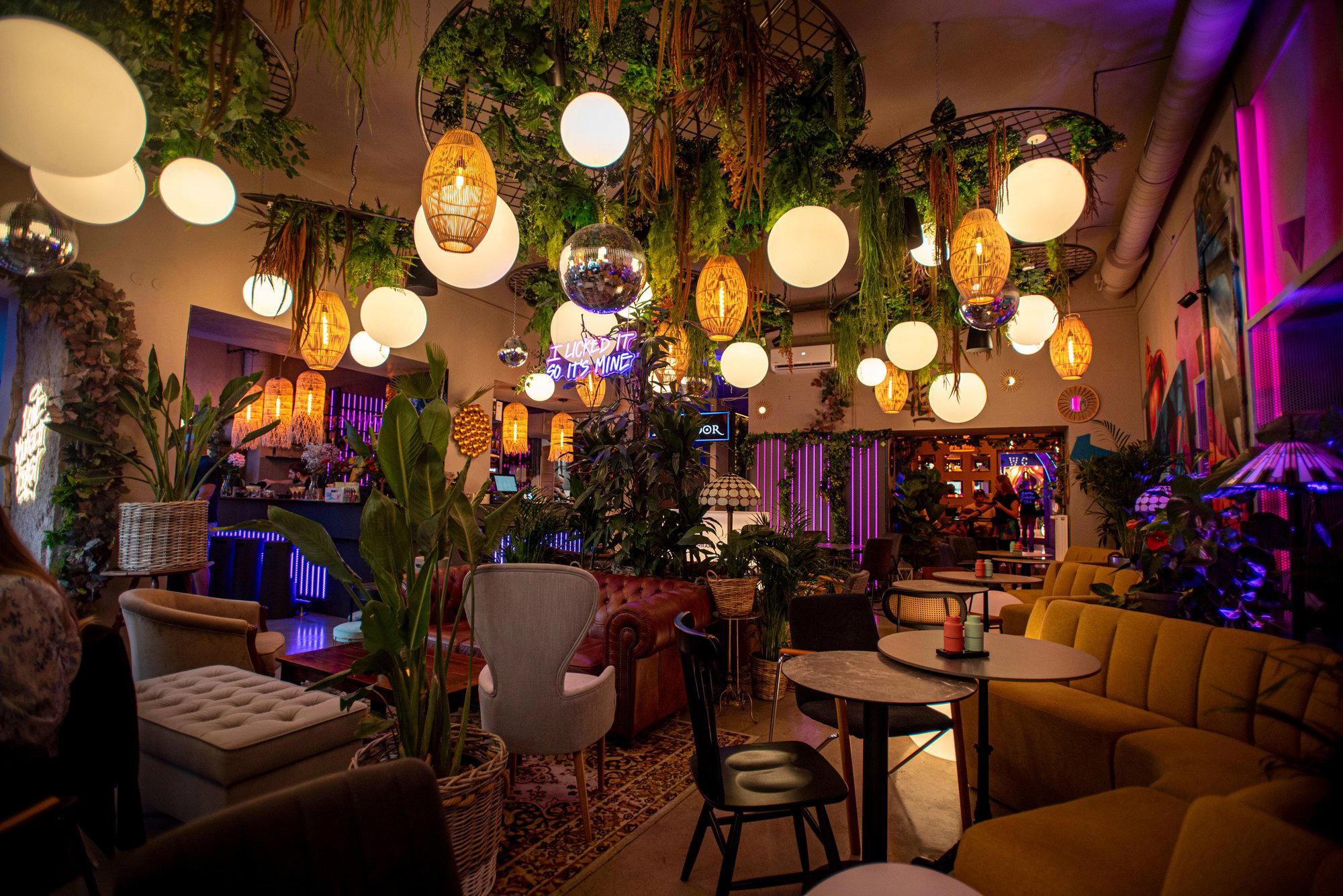
Industrial-chic setting with warm, spacious interior and pleasant atmosphere.