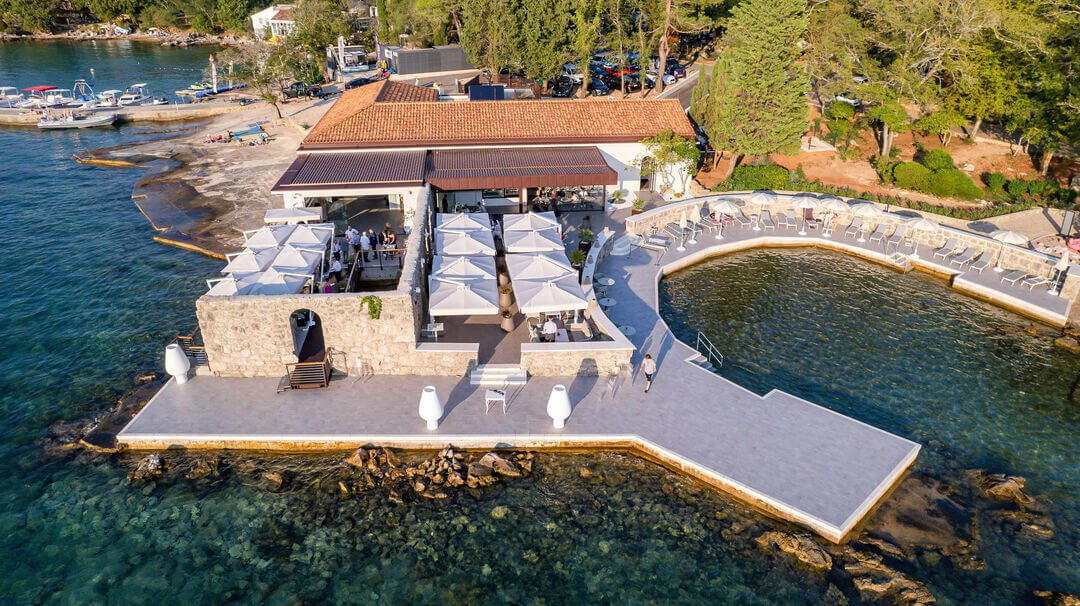
Vrnik Arts Club occupies a small island just off Korčula's eastern tip, where the line between cultural programming and dining dissolves into an afternoon or evening on the Adriatic. The club format places art, music, and food in deliberate conversation rather than treating any one as the headline act. It sits in a different register from Korčula Town's established restaurant circuit, appealing to visitors who want encounter rather than transaction.
Pearl is the En Primeur Club membership app — saves, bookings, and concierge access live there. Same editors, same standards.
- Address
- Vrnik 10, 20260, Korčula, Croatia
- Phone
- +385994699019
- Website
- vrnikartsclub.com
- Directions
- Get directions
 Saves & bookings on Pearl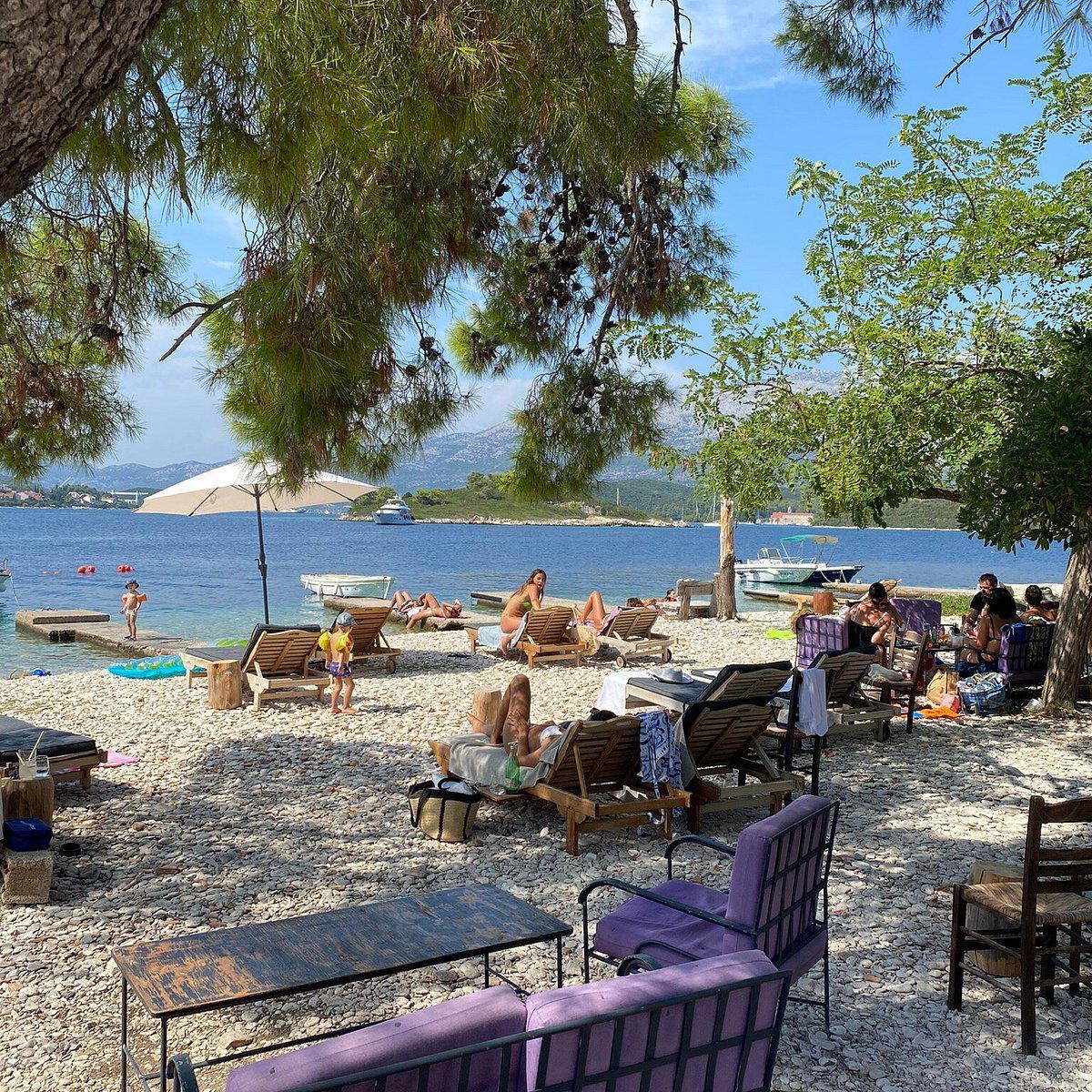
An Island Within an Island
Vrnik Arts Club is a restaurant in Korčula, Croatia, with modern Mediterranean seafood and a recommended reservation policy. The islet sits a short boat ride from Korčula Town, close enough to see the stone rooftops of the old city but far enough to feel genuinely removed from its summer foot traffic. That physical separation is not incidental to what Vrnik Arts Club offers, it is the condition that makes the format possible. The ones that thrive on it tend to attract a different kind of visitor: one who has already decided to commit time before arriving.
That dynamic is worth understanding before booking. On one track sit the established fine-dining addresses in walled towns, places like LD Restaurant (Modern Cuisine) and De Canavellis in Korčula Town itself, or further afield at Restaurant 360 in Dubrovnik and Pelegrini in Sibenik. On the other track, smaller, experience-led formats have emerged that treat the meal as one element inside a larger cultural frame. Vrnik Arts Club belongs to the second category.
The Arts Club Format and What It Signals About the Menu
The arts club model, programming that layers visual art, live performance, and food service, has a specific implication for how menus tend to be structured. When dining is part of a broader program rather than the entire event, menus are usually edited rather than expansive. The kitchen cannot compete with the setting or the programming for attention, so the food tends to work through restraint: a shorter selection of dishes that can be executed consistently under variable conditions, chosen to complement the rhythm of the evening rather than demand sustained focus on their own.
This is not a weakness. Particularly precisely conceived food experiences in Europe follow exactly this logic. The meal becomes a supporting argument for the atmosphere rather than an independent thesis. For the diner, that shift in expectation matters. You are not arriving to work through a tasting menu with progression and pacing set by a kitchen. You are arriving to spend time somewhere, and the food is part of what makes that time feel considered.
Within Korčula's dining circuit, the restaurant sits in a different competitive bracket from the town's more formal restaurants. Filippi (Mediterranean Cuisine) and Ignis both serve within conventional restaurant structures, with table service and menus designed to anchor the meal as the primary experience. Konoba Adio Mare operates in the traditional konoba register, where the cooking draws from generations of Dalmatian technique. Vrnik sits outside all of these comparisons, which is why it should be assessed on its own terms.
Korčula as Context
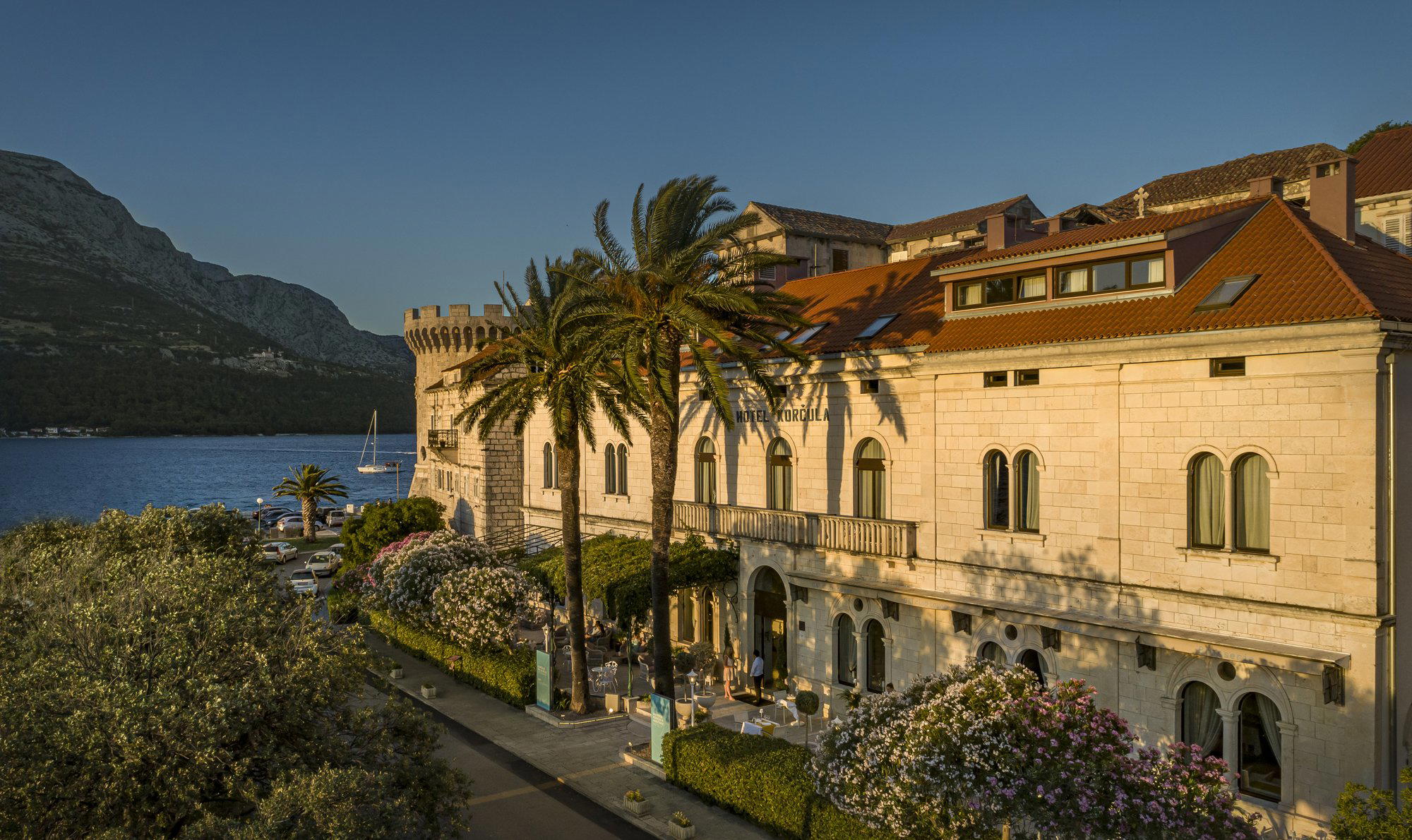
Korčula Town is one of the better-preserved medieval port settlements on the Adriatic, and it draws enough summer visitors that its restaurant scene has stratified accordingly. The town's stone lanes and waterfront terraces host everything from tourist-facing seafood houses to the kind of kitchen-serious addresses that attract Croatian food media and the broader Adriatic dining circuit.
That stratification has a counterpart across coastal Croatia more broadly. Venues like Agli Amici Rovinj in Rovinj, Boskinac in Novalja, and Nebo by Deni Srdoč in Rijeka have made the case that Croatian fine dining can operate at a level that reads against European rather than purely regional benchmarks. Inland, Dubravkin Put in Zagreb and Korak in Jastrebarsko anchor a continental dining culture that runs parallel to the coastal one. On the islands, Alfred Keller in Mali Lošinj and Krug in Split represent the progressive edge of Dalmatian cooking. BioMania Bistro Bol in Bol on Brač takes a different angle, positioning around provenance and lighter technique.
The restaurant is not positioned within that fine-dining continuum. Its reference points are closer to cultural venue than restaurant, a distinction that shapes everything from how you book to how you spend the evening. For visitors who have already worked through Korčula's conventional dining options and want something structured differently, it fills a gap the restaurant circuit does not cover.
Planning a Visit
Access to Vrnik is by boat, which means visits need to be planned with crossing logistics in mind rather than treated as a spontaneous decision. The island's small scale and the club's programming focus suggest that advance contact is sensible, particularly during July and August when the Dalmatian coast is at peak capacity and event-based venues often fill well ahead. Given the format and setting, the experience is leading treated as an afternoon or evening commitment rather than a stop between other plans.
The comparison is not about price tier or cuisine type, but about the underlying logic: a venue that knows exactly what kind of experience it is building and structures everything around that clarity.
Reputation First
Comparable venues nearby, for context on price, style, and recognition.
| Venue | Cuisine | Price | Awards | Notes |
|---|---|---|---|---|
| Vrnik Arts ClubThis venue — the venue you are viewing | Modern Mediterranean Seafood | $$$ | Not listed | Not listed |
| Maha | Mediterranean Gastropub | $$ | Not listed | Korcula Town |
| Filippi | Modern Mediterranean Fine Dining | $$$ | Michelin Plate | Korčula Old Town |
| Ignis | Modern Mediterranean Tapas | $$$ | Not listed | Korcula Old Town |
| De Canavellis | Neapolitan Pizza | $$ | Not listed | Old Town |
| Konoba Mareta | Traditional Dalmatian Mediterranean | $$ | Not listed | Korcula Old Town |
Continue exploring
More in Korčula
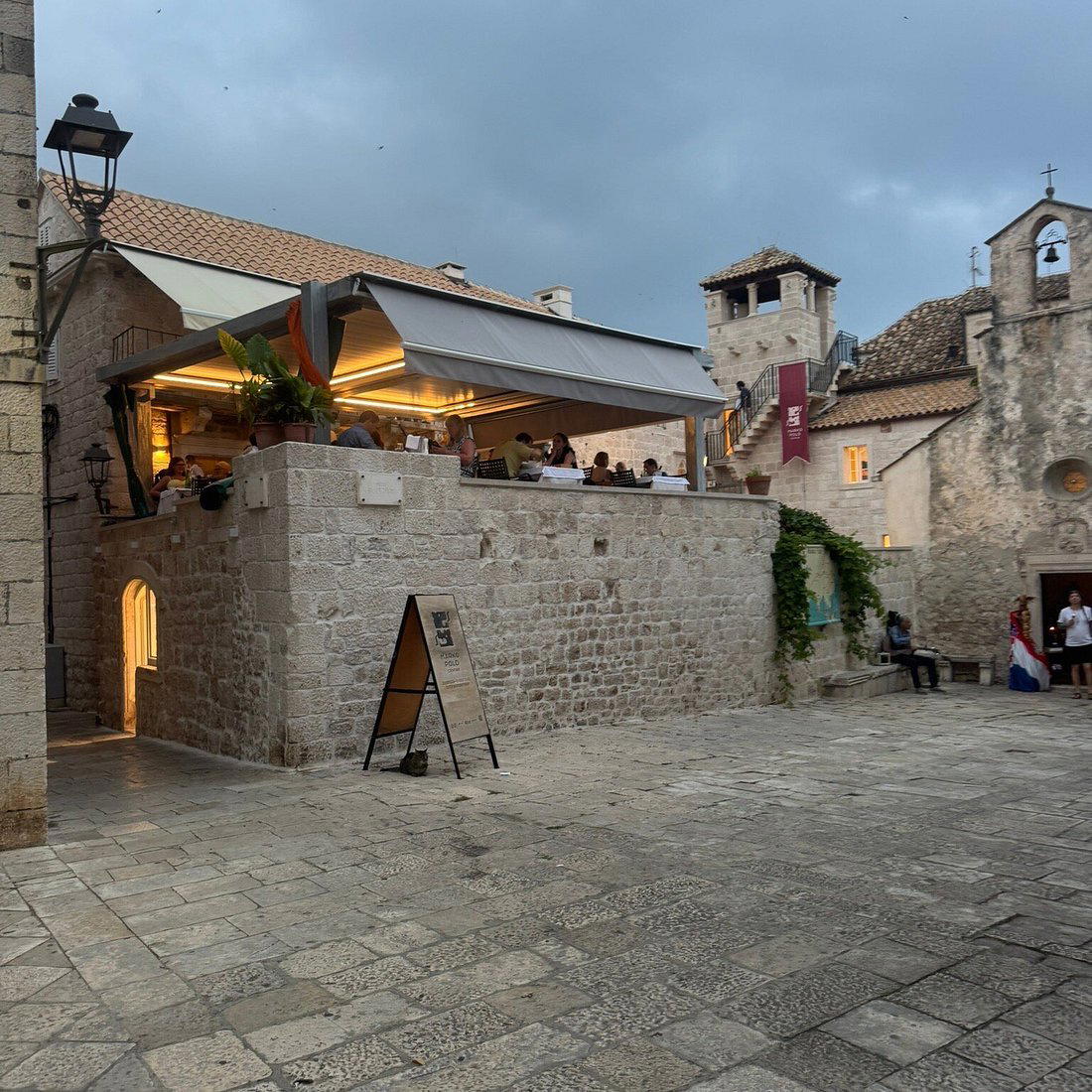
Restaurants in Korčula
Browse all →
Bars in Korčula
Browse all →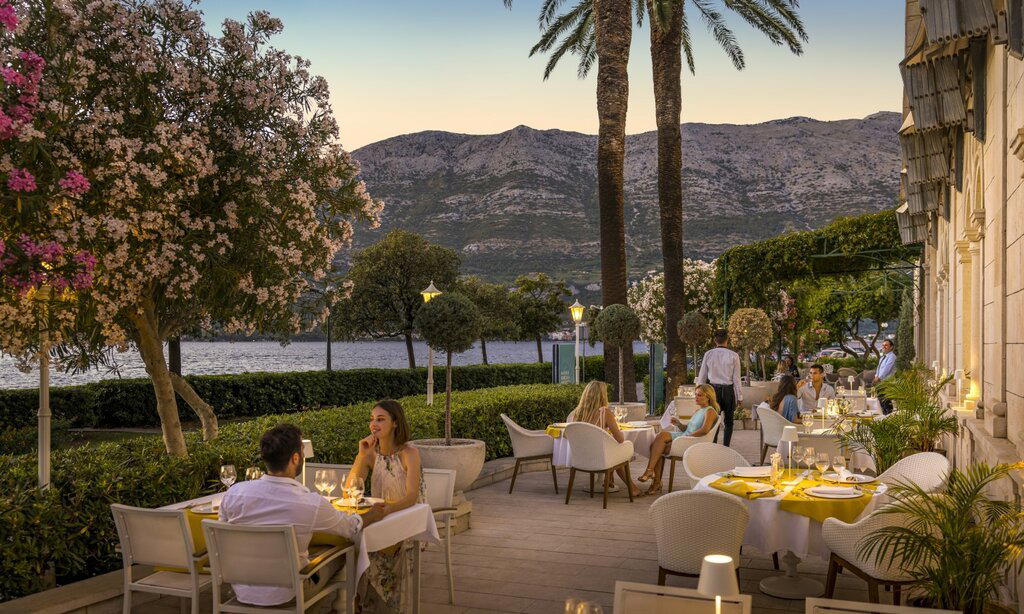
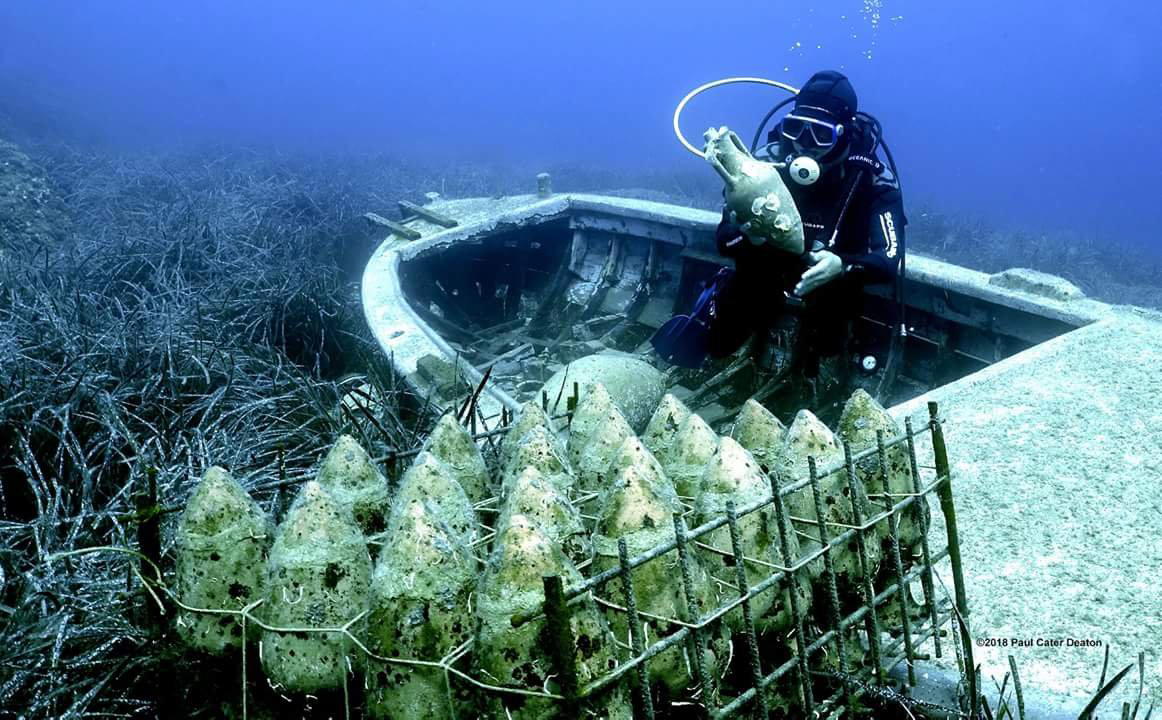
Hotels in Korčula
Browse all →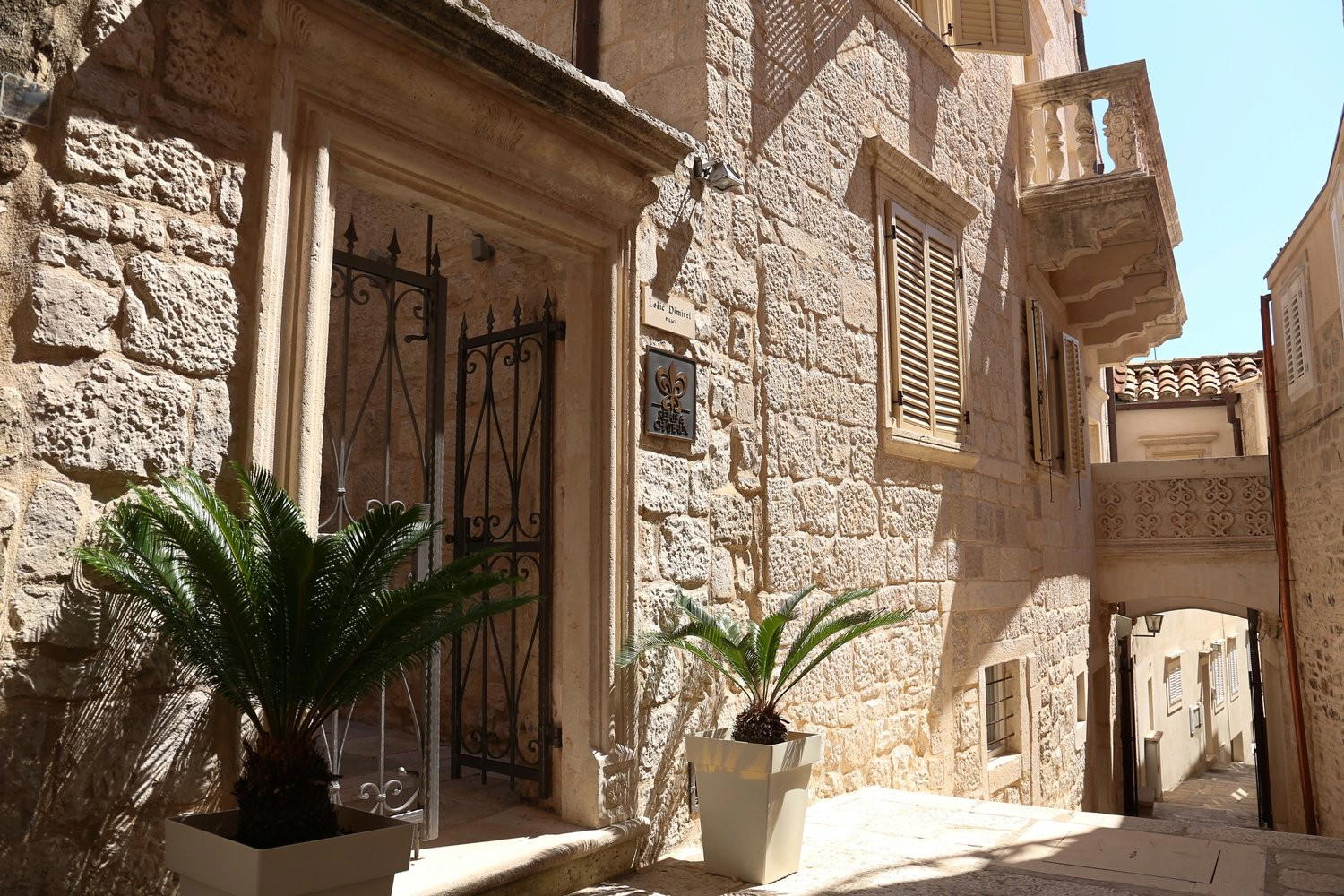

At a Glance
- Romantic
- Scenic
- Cozy
- Elegant
- Intimate
- Date Night
- Special Occasion
- Waterfront
- Terrace
- Historic Building
- Extensive Wine List
- Local Sourcing
- Waterfront
Current opening hours
- Monday
- 9 AM–12 AM
- Tuesday
- 9 AM–12 AM
- Wednesday
- 9 AM–12 AM
- Thursday
- 9 AM–12 AM
- Friday
- 9 AM–12 AM
- Saturday
- 9 AM–12 AM
- Sunday
- 9 AM–12 AM
Hours can change for holidays and private events. Last verified .
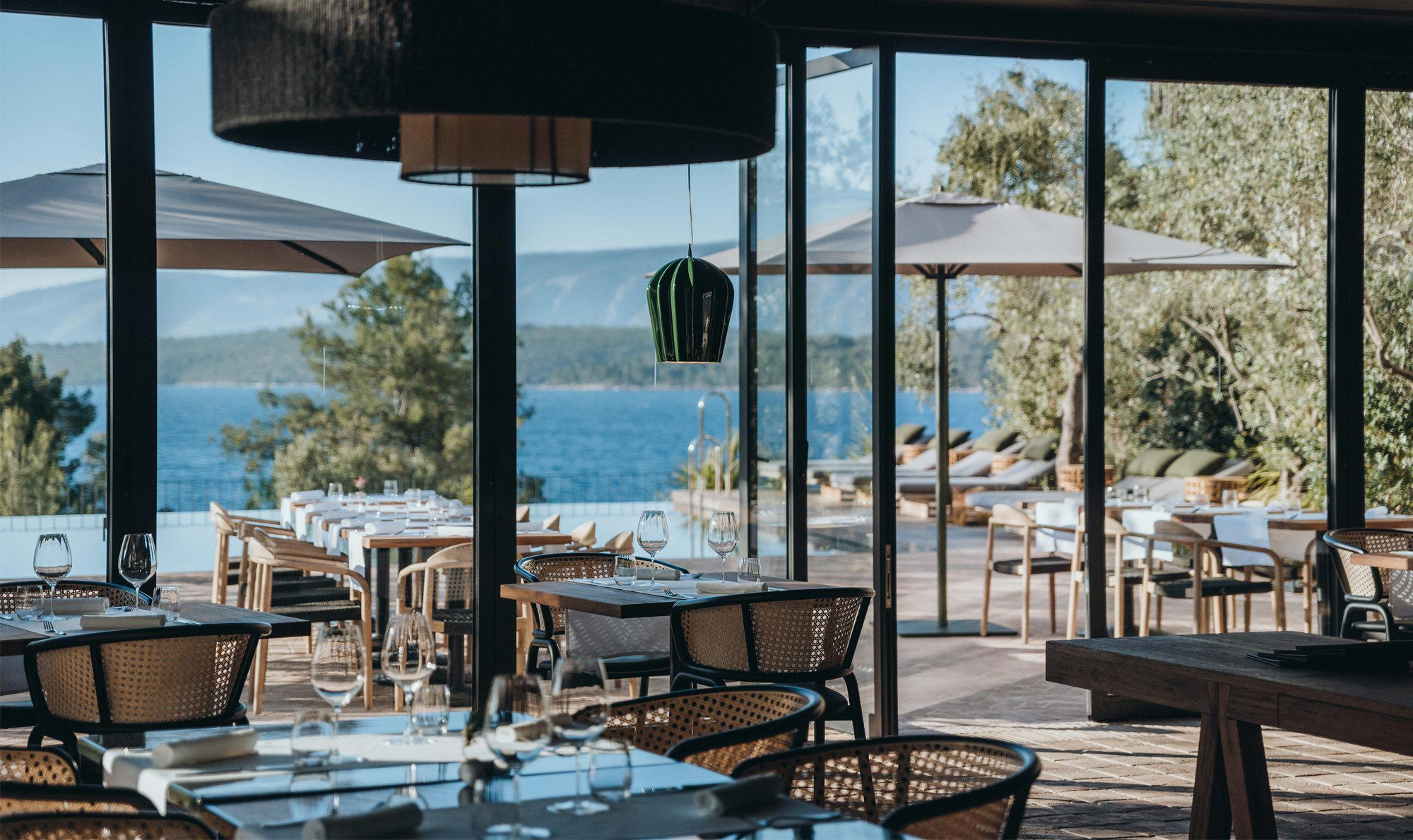
Tranquil and laid-back terrace shaded by trees and awnings, with a relaxed beachside atmosphere.