Our verdict
Tucked into Šibenik's medieval stone quarter at Ul. Biskupa Fosca 11, Nostalgija sits within one of Dalmatia's most architecturally intact old towns, a city whose cathedral squares and narrow staircase lanes shape the character of every table within them. For visitors working through the Šibenik dining scene, it occupies a different register than the modern-Croatian ambition of nearby Pelegrini, offering something closer to the traditional konoba tradition that has defined Adriatic eating for generations.

Pearl is the En Primeur Club membership app, where members save venues, book tables and use the concierge.
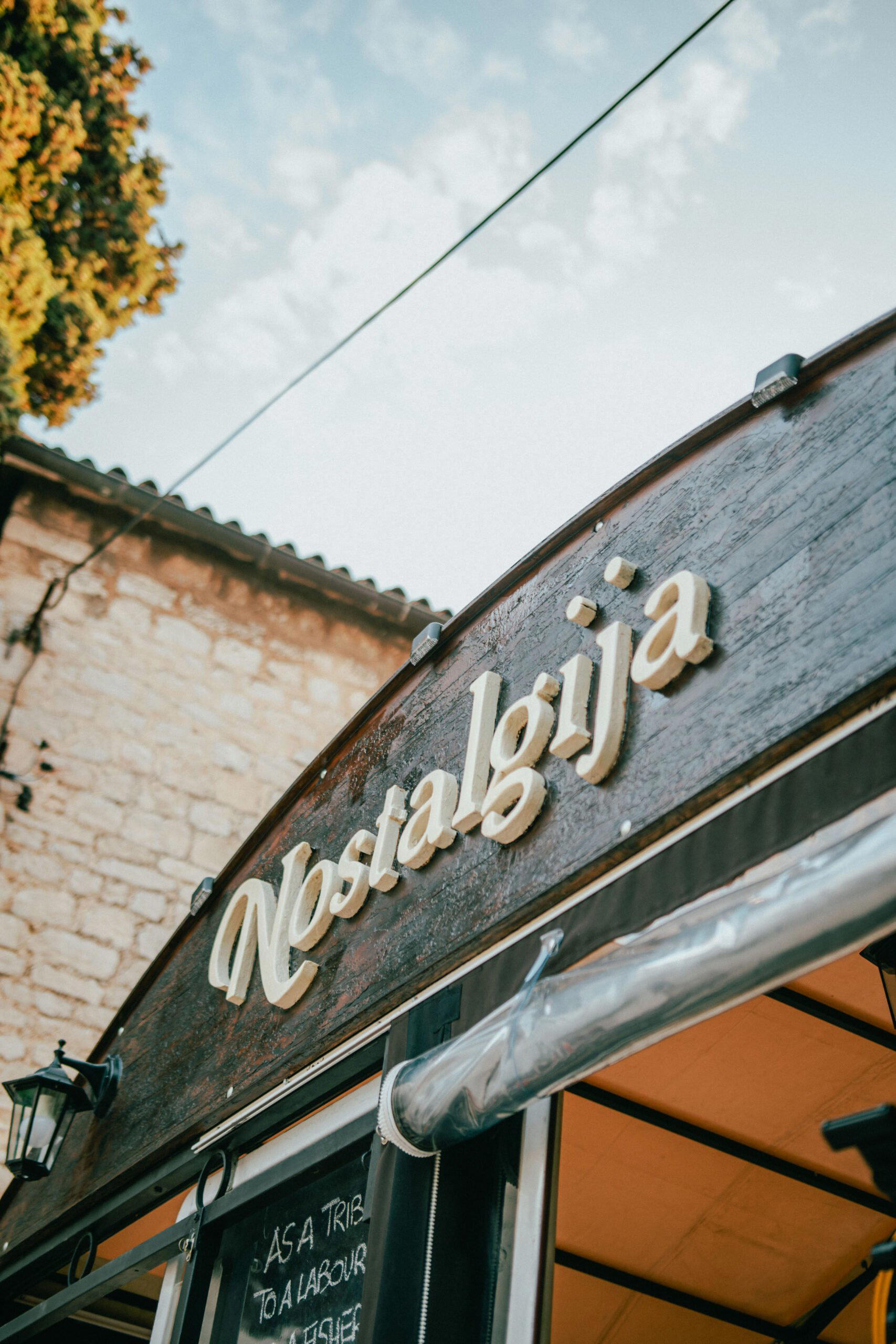
Stone Lanes and the Weight of Place
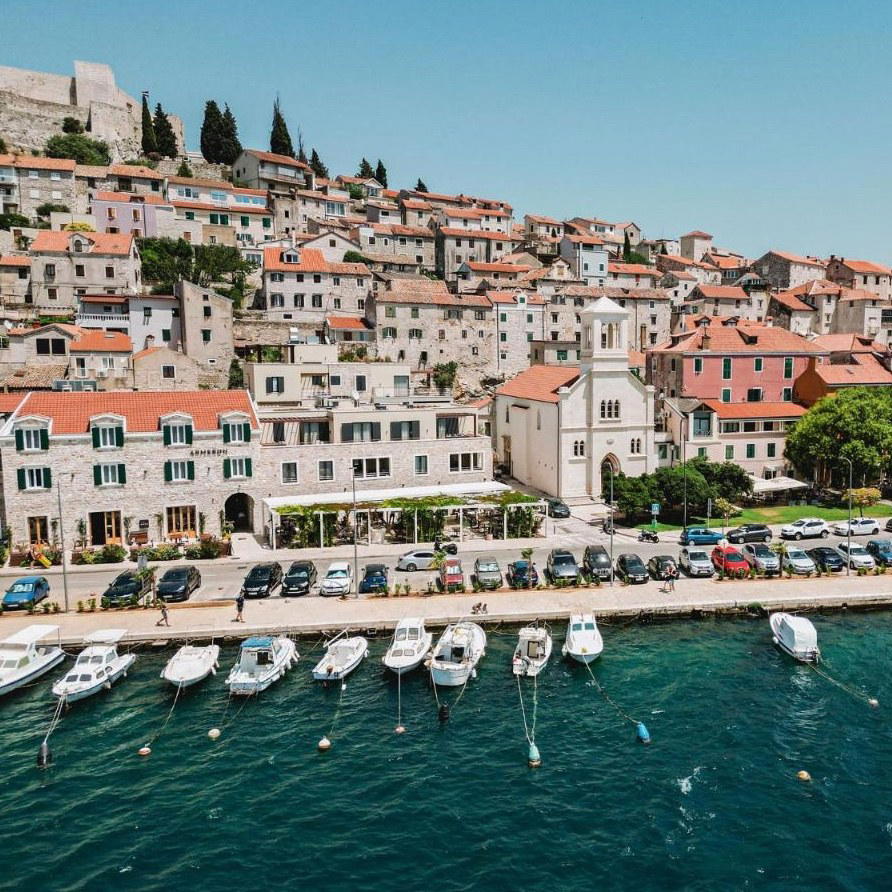
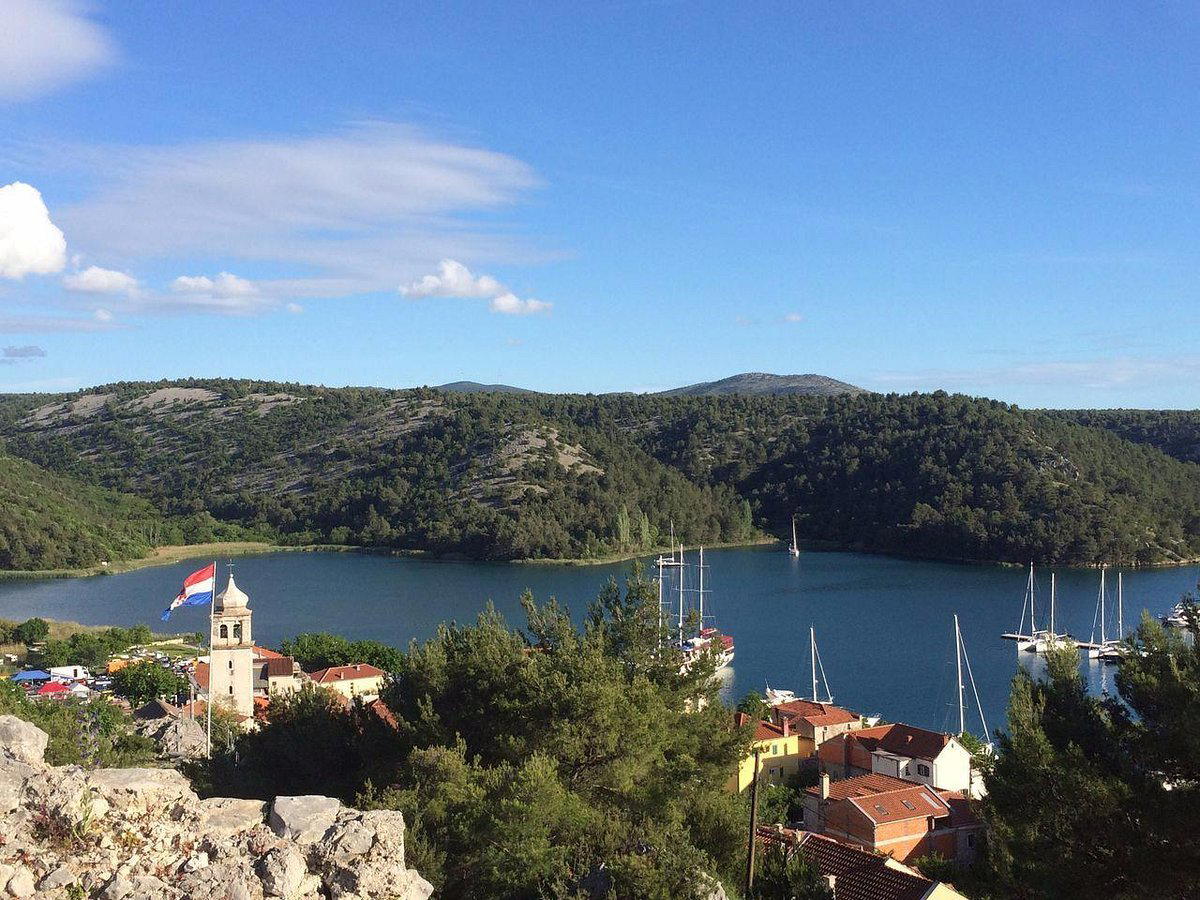
Šibenik is not a city that announces itself easily. Unlike Dubrovnik, it has never been packaged for mass consumption, and unlike Split, it lacks a Roman emperor's retirement palace to anchor the tourist narrative. What it has instead is a medieval urban fabric, layered limestone, UNESCO-listed cathedral squares, and a street grid that climbs and folds over itself in ways that still disorient first-time visitors. Ul. Biskupa Fosca, where Nostalgija sits at number 11, belongs to that older, less-visited interior of the old town, away from the waterfront promenade and the souvenir pressure that comes with it.
That location matters more than it might appear. Restaurants that occupy the deeper lanes of Dalmatian old towns operate under different conditions than those on the riva or adjacent to major monuments. Foot traffic is lower and more intentional, the diners who arrive have typically sought the place out rather than wandered in from the harbour walk. That self-selection shapes the atmosphere in ways that no amount of interior design can replicate. Nostalgija, by address alone, is positioned as a destination rather than a convenience.
Where Nostalgija Sits in the Šibenik Dining Picture
Šibenik's restaurant scene has developed its own distinct character over the past decade, shaped partly by the city's growing profile as a cultural destination, the Game of Thrones filming locations at nearby Krka and Klis brought significant international attention, and partly by the ambitions of a small number of serious kitchens. Pelegrini, the city's highest-profile address, holds Michelin recognition and operates at the modern-Croatian end of the spectrum, applying contemporary technique to Dalmatian ingredients at a price point that reflects its ambitions. Bronzin and Il-palazzo Galbiani occupy different positions in the mid-to-upper tier. Then there are the konoba-style addresses, Konoba Marenda and Konoba Ronilac among them, that work closer to the traditional Dalmatian format: grilled fish, local wine, stone walls, and a pace that has no interest in hurrying anyone.
Nostalgija's name positions it explicitly within the nostalgic register, a deliberate signal of what kind of experience the address is offering. In the current Croatian dining conversation, that choice carries editorial weight. As restaurants like Nebo by Deni Srdoč in Rijeka and Krug in Split push the modern-Croatian format further into fine-dining territory, the traditional Dalmatian table has become something of a counterpoint, valued precisely because it is not chasing the same markers of ambition. For a fuller picture of where Nostalgija fits among Šibenik's options, the full Šibenik restaurants guide maps the scene across price tiers and cooking styles.
The Dalmatian Table and What It Represents
Croatian coastal cooking has a narrower ingredient vocabulary than its inland counterpart, and that constraint has historically been its strength. The Adriatic provides fish and shellfish of genuine quality, prstaci clams, John Dory, Adriatic tuna, and the Dalmatian hinterland contributes lamb, olive oil, and a wine tradition that has undergone serious quality improvement since the early 2000s. Grapes like Plavac Mali, Pošip, and Debit are now taken seriously by producers and sommeliers across the region, and the leading Dalmatian tables treat the local wine list as an extension of the food argument rather than an afterthought.
The konoba format, small, often family-run, attached to a specific locality rather than a cuisine category, has survived Croatia's tourism surge with varying degrees of integrity. The worst examples have become performance pieces for tour groups, serving generic grilled meats and imported wine under dried lavender and fishing nets. The better ones have maintained their connection to local suppliers, kept their menus short, and continued cooking in ways that reflect what is actually available and in season. The distinction between the two is usually apparent within the first few minutes at the table.
Beyond Croatia's borders, the comparison set for this kind of cooking extends to places like LD Restaurant in Korčula and Boskinac in Novalja, both of which have found ways to honour Adriatic tradition while working at a higher level of finish. At a different end of the ambition spectrum, Agli Amici Rovinj and Dubravkin Put in Zagreb demonstrate how Croatian kitchens can engage with European fine-dining standards without abandoning local identity. For international context, though at a very different scale and price tier, the sustained precision of Le Bernardin in New York City demonstrates what full commitment to a single protein category looks like when executed over decades, while Atomix in New York City shows how cultural specificity and tasting-menu ambition can coexist without one consuming the other.
Planning a Visit
Ul. Biskupa Fosca 11 is within the Šibenik old town, reachable on foot from the cathedral square in under five minutes, though the lane system rewards patience and a willingness to consult a map. The old town is pedestrianised, so arrival by car means parking at one of the perimeter lots and walking in, standard for this part of Dalmatia. The summer months bring the highest visitor density to Šibenik, which affects both table availability and atmosphere across the old town; shoulder season visits in May or October tend to offer a more settled pace without sacrificing the warmth that defines Adriatic outdoor dining. For broader itinerary planning across the region, Alfred Keller in Mali Lošinj, Korak in Jastrebarsko, BioMania Bistro Bol in Bol, and Restaurant 360 in Dubrovnik represent different facets of what Croatian dining currently offers at the serious end of the market.
Frequently asked questions
Where do I go for Nostalgija?
Nostalgija is located at Ul. Biskupa Fosca 11, 22000, Šibenik, Croatia, Sibenik.
Is Nostalgija a good restaurant for experiencing Šibenik's local food culture rather than tourist-facing Croatian cuisine?
Nostalgija's position on a secondary lane within Šibenik's old town, rather than on the cathedral-facing square, places it closer to where residents eat than where visitors tend to default. Šibenik itself has developed a dining identity distinct from Split and Dubrovnik over the past decade, and a restaurant named for memory and place is making an argument about continuity with that tradition. For a traveller specifically interested in Dalmatian cooking on its own terms, the address at Ul. Biskupa Fosca 11 is a reasonable starting point.
What should I order at Nostalgija?
The kitchen draws on the Dalmatian coastal tradition, where the ingredient range is deliberately narrow: fish landed the same morning, locally pressed olive oil, and seasonal vegetables from the Šibenik hinterland. That constraint shapes the menu more than any chef's flourish. Order whatever reflects the day's catch rather than working from a fixed list.
How hard is it to get a table at Nostalgija?
Nostalgija sits on Ul. Biskupa Fosca 11 inside Šibenik's old town, a neighbourhood that draws visitors during the summer festival season but sees far fewer crowds than Dubrovnik or Split. Reservations are advisable in July and August; outside peak season the lane-level dining room is considerably easier to access. Booking ahead removes the guesswork regardless of when you arrive.
What makes Nostalgija worth seeking out?
Šibenik has resisted the packaging that has overtaken other Dalmatian cities, and Nostalgija operates within that same logic. The address places it under five minutes on foot from the UNESCO-listed Cathedral of St. James, but the lane system keeps it off the main tourist circuit. That separation from the obvious is precisely why the dining room feels closer to local practice than to performance.
Compact Comparison
Comparable venues nearby, for context on price, style, and recognition.
| Venue | Cuisine | Price | Notes |
|---|---|---|---|
| NostalgijaThis venue (the venue you are viewing) | Traditional Dalmatian Seafood | Not listed | Not listed |
| Marenda 2 | Traditional Dalmatian Home Cooking | $20–30 | Historical Center, Traditional Dalmatian Home Cooking |
| Bronzin | Traditional Croatian Mediterranean Grill | $20–30 | Old Town, Traditional Croatian Mediterranean Grill |
| Sedmo nebo | Authentic Dalmatian Seafood | Not listed | Kaprije (Otok Kakan), Authentic Dalmatian Seafood |
| Konoba Marenda | Traditional Dalmatian | $10–20 | historical center, Traditional Dalmatian |
| Konoba Ronilac | Croatian Coastal Seafood | $10–20 | Krapanj, Croatian Coastal Seafood |
Continue exploring
More in Sibenik
Restaurants in Sibenik
All restaurants in Sibenik →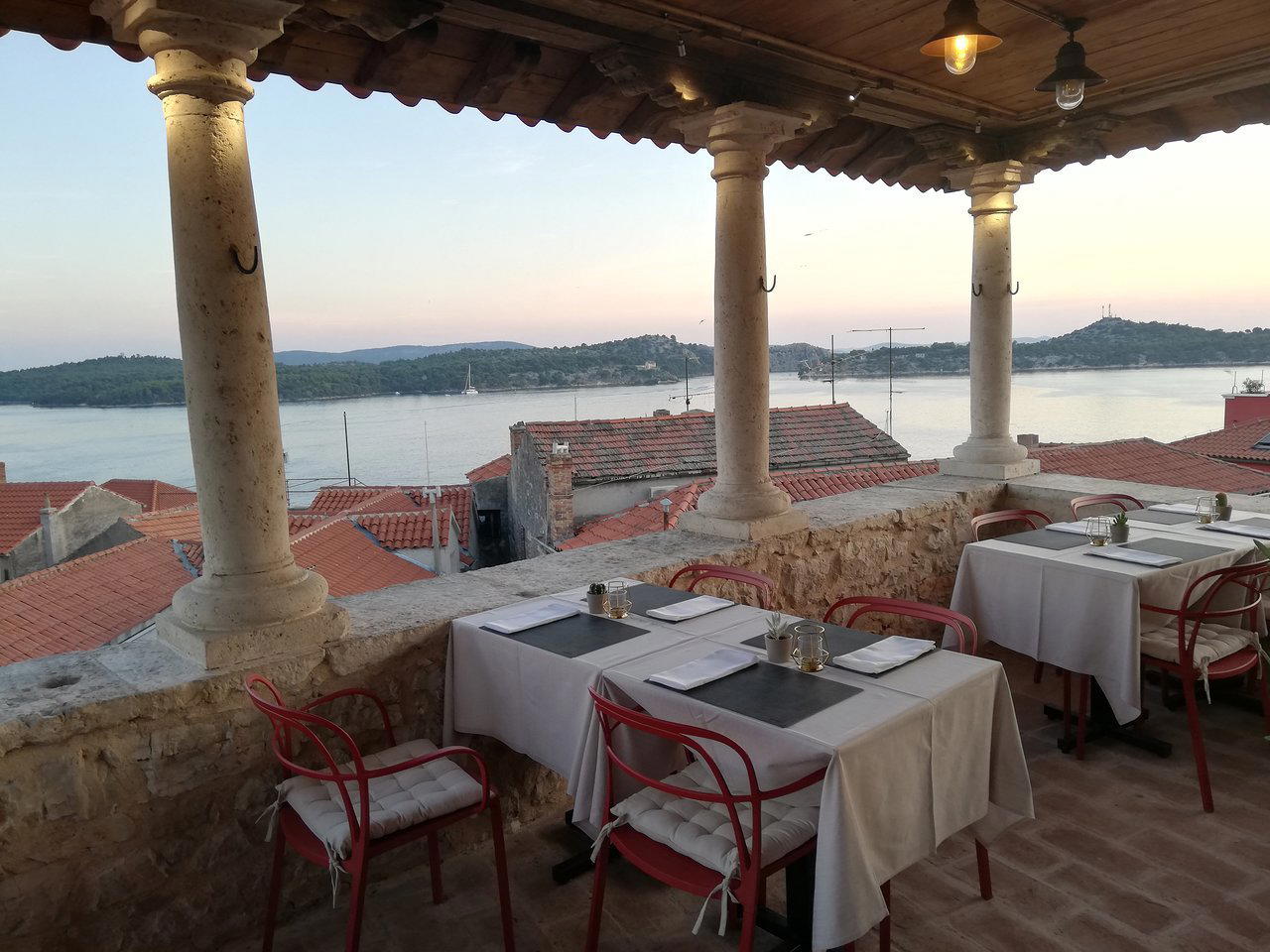
Bars in Sibenik
All bars in Sibenik →

Details
- Cozy
- Rustic
- Intimate
- Classic
- Date Night
- Special Occasion
- Historic Building
- Local Sourcing
- A La Carte
Current opening hours
- Monday
- 12–9 PM
- Tuesday
- 12–9 PM
- Wednesday
- 12–9 PM
- Thursday
- 12–9 PM
- Friday
- 12–9 PM
- Saturday
- 12–9 PM
- Sunday
- 12–9 PM
Hours can change for holidays and private events. Hours as of .
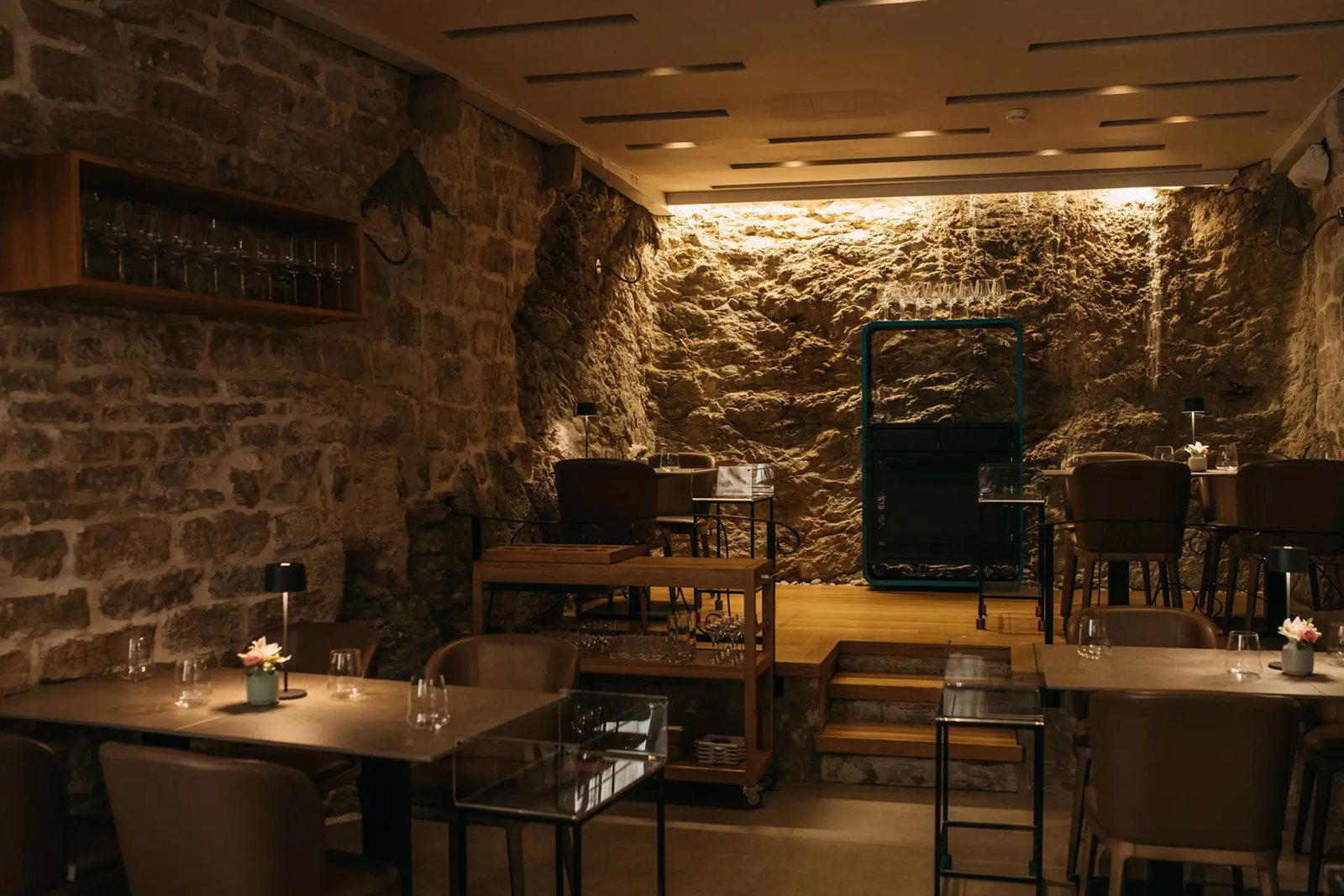
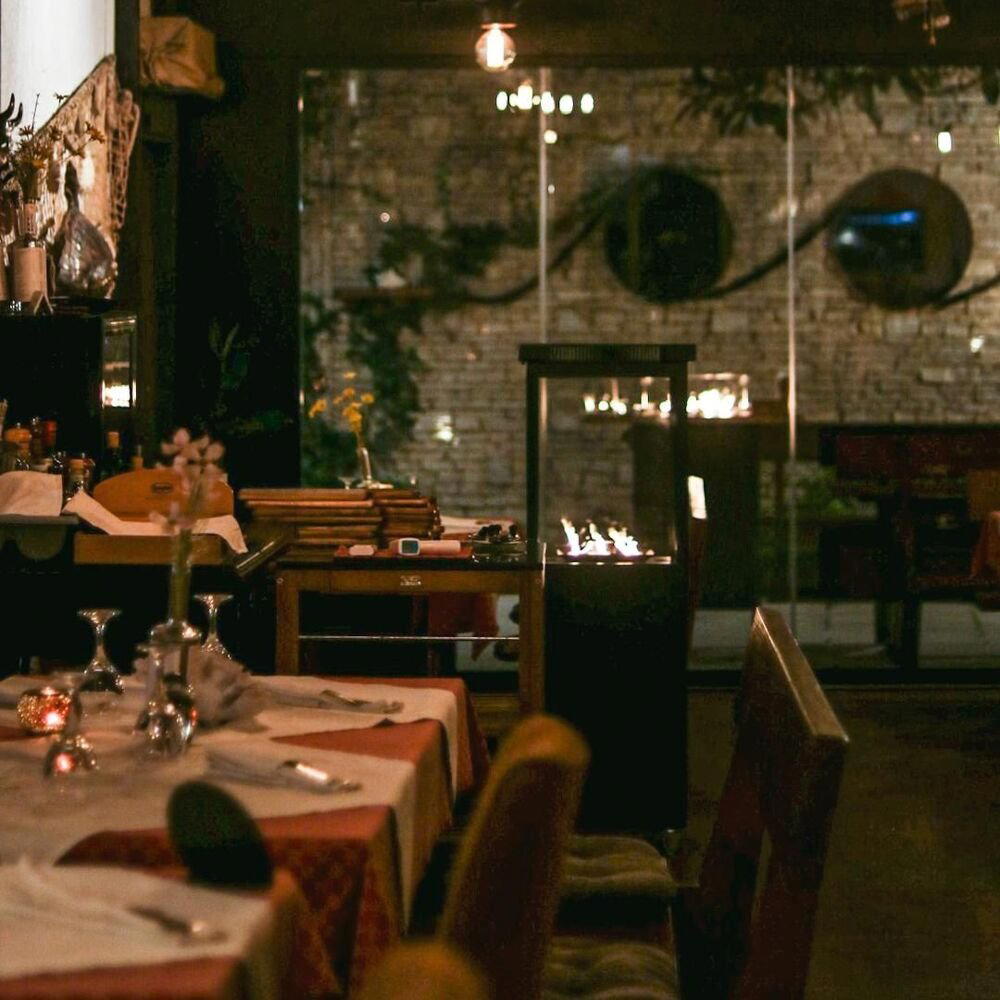
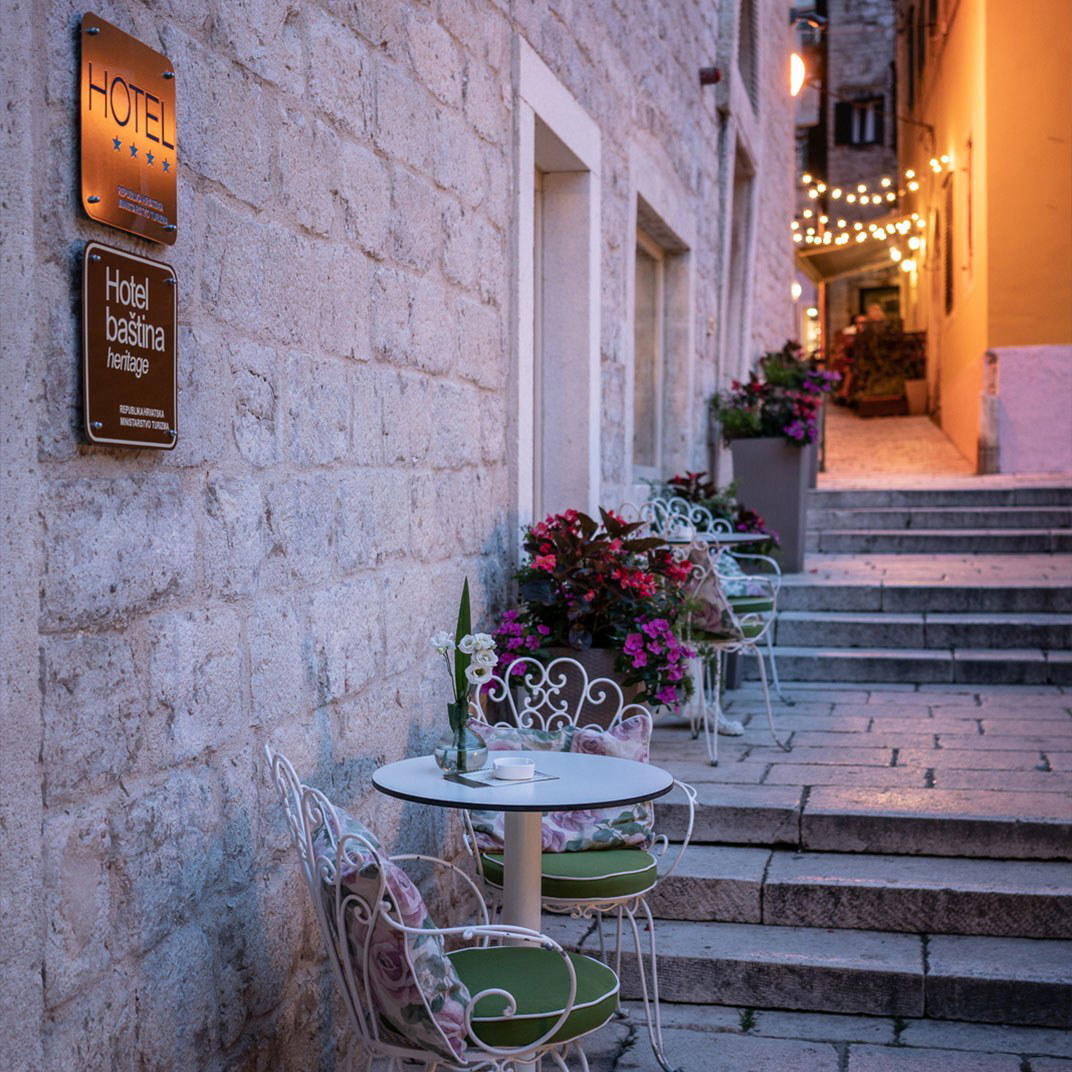
Cozy and warm with authentic Dalmatian design blending rustic stone elements and modern touches, creating an inviting nostalgic atmosphere.