Restoran Laurus sits in Pobri, a quiet residential pocket just above the Opatija Riviera, where the Kvarner Gulf's seafood traditions and Istrian inland produce converge on a single menu. The address places it outside the main coastal promenade circuit, which shapes both the clientele and the kitchen's relationship with local suppliers. For the Kvarner region's ingredient-led dining, it belongs in the same conversation as the broader wave of Croatian restaurants reconnecting the plate to its source.
Pearl is the En Primeur Club membership app — saves, bookings, and concierge access live there. Same editors, same standards.
- Address
- Nova cesta 12 A, 51410, Opatija, Croatia
- Phone
- +38551741355
- Website
- liburnia.hr
- Directions
- Get directions
 Saves & bookings on Pearl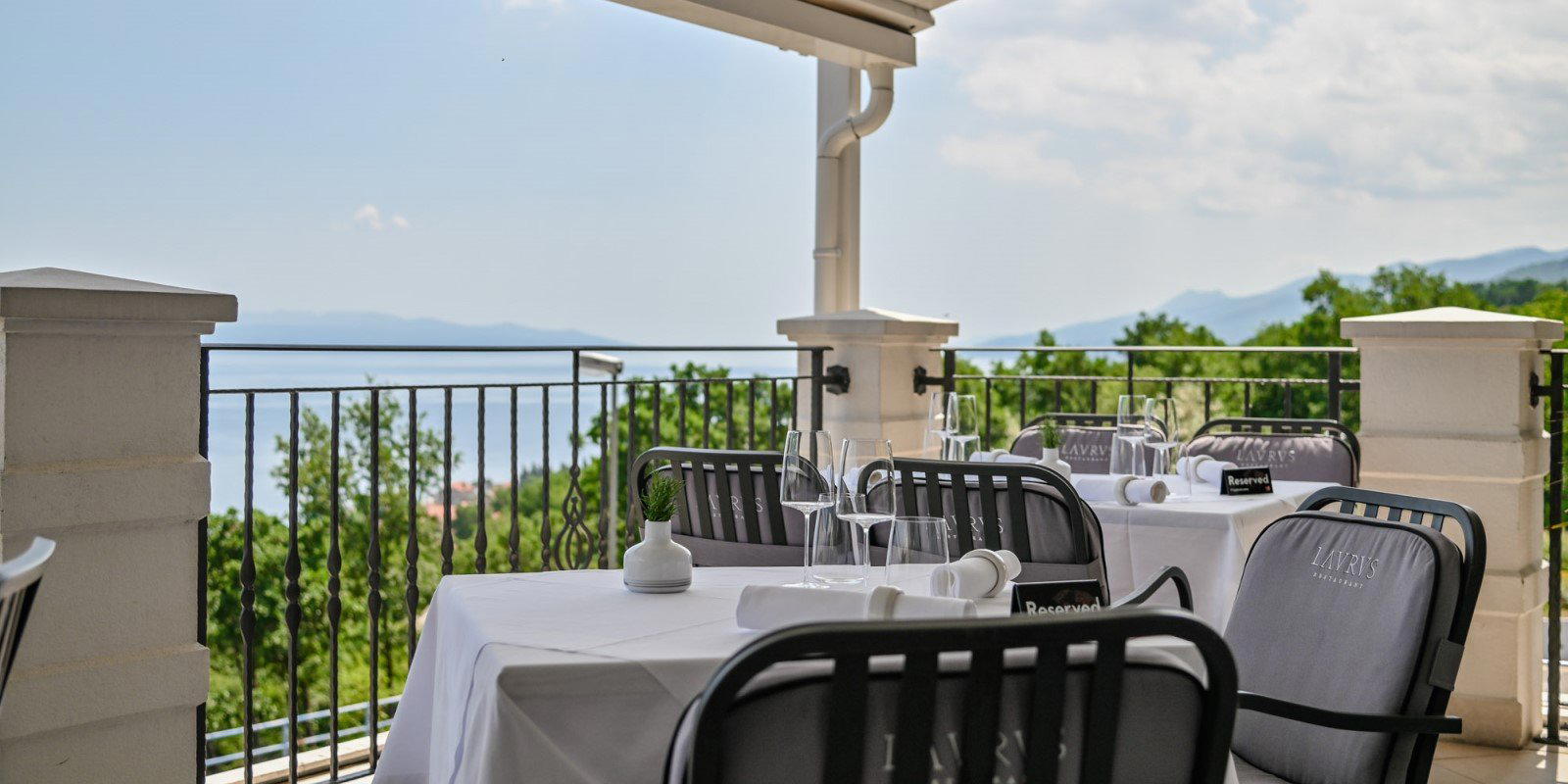
Where the Kvarner Table Begins
Pobri occupies an in-between position that most visitors to this stretch of the Croatian coast never quite register: refined enough above the Opatija seafront to feel genuinely residential, close enough to the Adriatic to draw from its morning catch. The address on Nova cesta 12A is not one you stumble upon from the promenade. That separation is, in a practical sense, a filtering mechanism. The room draws guests who came specifically, not guests who wandered in from the waterfront crowd. In the Kvarner Gulf region, that distinction tends to predict something about what arrives on the table.
The Kvarner is one of Croatia's most ingredient-rich coastal zones. The cold, deep-water channels of the gulf produce scampi that have a long-standing reputation among chefs working the northern Adriatic, and the proximity to Istria's interior means truffle, wild asparagus, and olive oil from documented producers are within easy sourcing distance. Restaurants in Opatija and its surrounding hillside settlements are positioned, geographically at least, to work with a larder that peers in Dalmatia or Zagreb would need to import. What separates the better operators in this zone from the merely adequate is whether they treat that proximity as a genuine sourcing relationship or simply as a line of menu copy.
The Ingredient Logic of the Kvarner Kitchen
Croatia's premium dining tier has, over the past decade, split more deliberately around provenance as a structural value. At Pelegrini in Sibenik, the sourcing of local fish and Dalmatian produce is woven explicitly into the dining format. Agli Amici Rovinj draws on the Italian-influenced ingredient culture of Istria across the border. Nebo by Deni Srdoč in Rijeka, just a short drive from Pobri, has built a recognisable regional identity around the Kvarner's own produce. These restaurants collectively illustrate a shift: particularly serious Croatian tables are now in a conversation about where the food comes from before they are in a conversation about technique.
The Kvarner Gulf's scampi fishery, centred on the Kvarnerić channel, has a documented place in that conversation. The fish markets of Rijeka and the smaller coastal settlements supply a consistent stream of bream, sea bass, and shellfish to kitchens across the region. For a restaurant in Pobri specifically, the supply chain from dock to kitchen is measured in kilometres rather than logistics networks. That kind of proximity, when a kitchen chooses to honour it, produces a different quality of ingredient than what arrives after a longer cold chain.
Inland from the coast, the Istrian plateau and the hinterland of the Kvarner county contribute a different set of ingredients: the white and black truffles of the Motovun forest, lamb from Cres island, and a growing range of small-batch olive oils. Cres lamb in particular has protected geographical status under Croatian and EU designation, and it appears regularly on the better menus of this coastal strip. The ingredient logic of a kitchen in Pobri, if followed through, can move fluidly between coastal and inland sources within the same meal, which is a structural advantage few other Croatian regions can match so cleanly.
Regional Context and Peer Positioning
The dining circuit of the northern Adriatic coast has historically been underrepresented relative to Dubrovnik and Split in international travel coverage. Restaurant 360 in Dubrovnik and Krug in Split carry the name recognition, but the kitchens working the Kvarner and Istria often have access to better raw material. That imbalance has been narrowing, partly because Croatian food media has grown more attentive to the north, and partly because the Rijeka region's profile rose during and after the city's designation as European Capital of Culture in 2020.
Within Croatia's wider restaurant geography, the range of approaches is considerable. Dubravkin Put in Zagreb and Boskinac in Novalja represent the inland and island dimensions of Croatian fine dining, respectively. Alfred Keller in Mali Lošinj sits in the same island-and-sea tradition as the Kvarner operators. The common thread across this tier is a departure from generic Adriatic seafood restaurant format toward something more structured around provenance, season, and technique. For context on how ingredient-led sourcing works at a global reference level, the fish-focused discipline of Le Bernardin in New York or the Korean produce rigour at Atomix illustrates the general direction the leading ingredient-led kitchens have moved, even if the Croatian scale and price point are categorically different.
Also worth noting in the wider regional cluster: LD Restaurant in Korčula, Burin in Crikvenica (just up the coast from Pobri), Bodulo in Pag, and Cubo in Opatija all operate within a similar coastal-produce framework, with varying emphases on format and price. Korak in Jastrebarsko, Cantilly Garden Restaurant in Samobor, and BioMania Bistro Bol in Bol extend the Croatian ingredient-led conversation to other regions.
Planning a Visit
Pobri is most directly reached by car from Opatija, roughly five minutes up the hill from the seafront. The address on Nova cesta 12A places the restaurant within the residential fabric of the settlement rather than on a main tourist route, so arriving by taxi or rideshare from Opatija or Rijeka is one practical approach for visitors without a hire car. Rijeka's main bus and rail connections are accessible from Opatija within twenty minutes. The restaurant is open daily from 5 to 11 PM, and reservations are recommended.
Comparable Venues
Comparable venues nearby, for context on price, style, and recognition.
| Venue | Cuisine | Price | Notes |
|---|---|---|---|
| Restoran LaurusThis venue — the venue you are viewing | Mediterranean Adriatic Seafood & Grill | $$$ | Not listed |
| Ostaria Veranda | Mediterranean Seafood | $$$ | Volosko |
| Restaurant Peteani | Modern Istrian Mediterranean | $$$ | Labin old town |
| Gatto Nero | Istrian Mediterranean Seafood & Truffles | $$$ | Novigrad |
| Bevanda | Modern Mediterranean Seafood | $$$ | Opatija |
| Trapula Wine & Cheese | Croatian Cheese & Wine Bar | $$$ | Old Town Pag |
Continue exploring
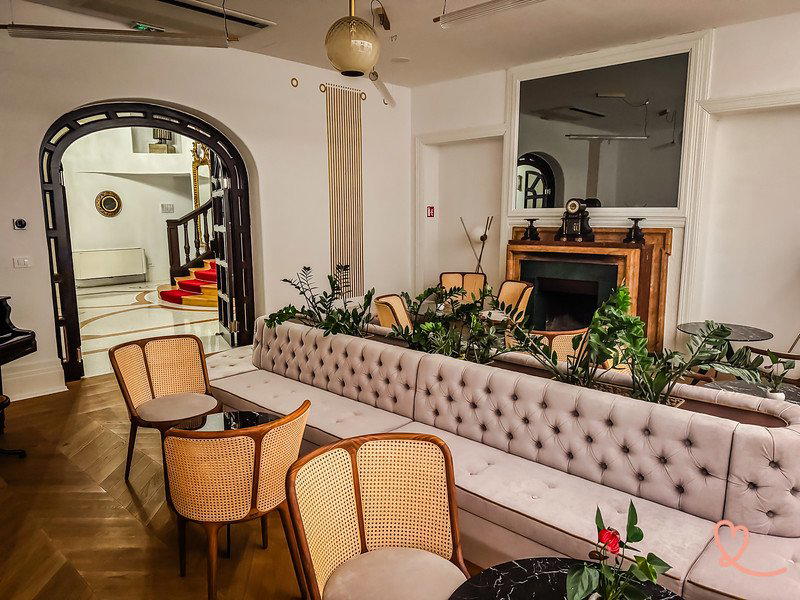
More in Pobri
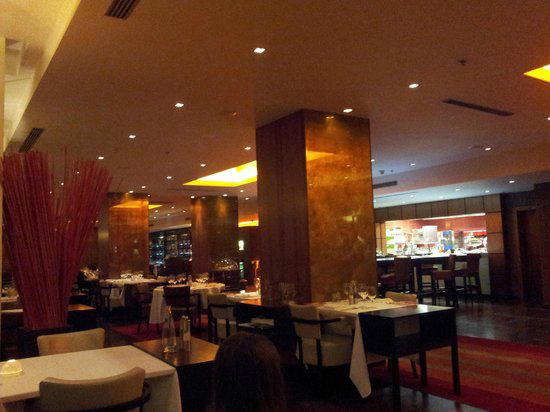
Restaurants in Pobri
Browse all →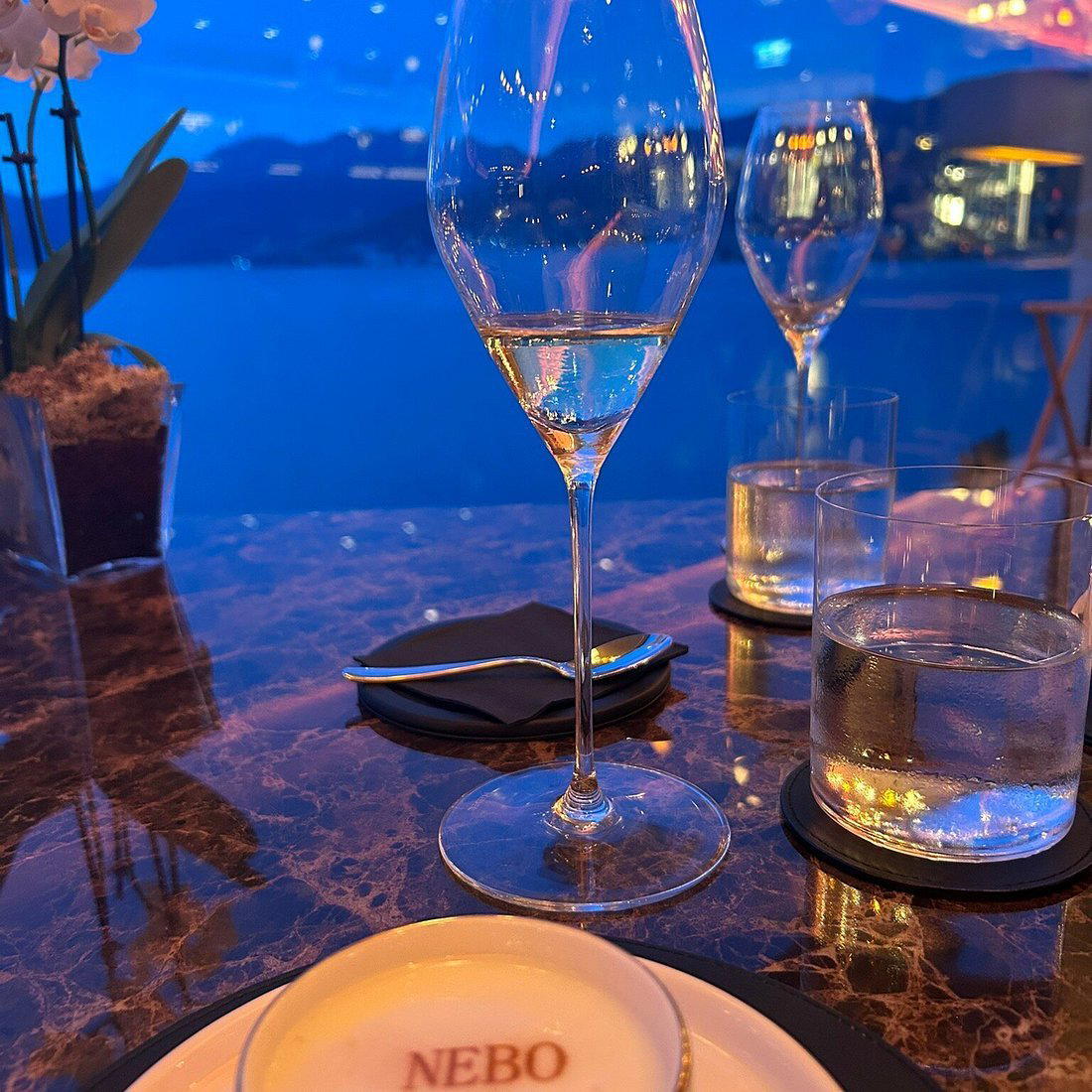
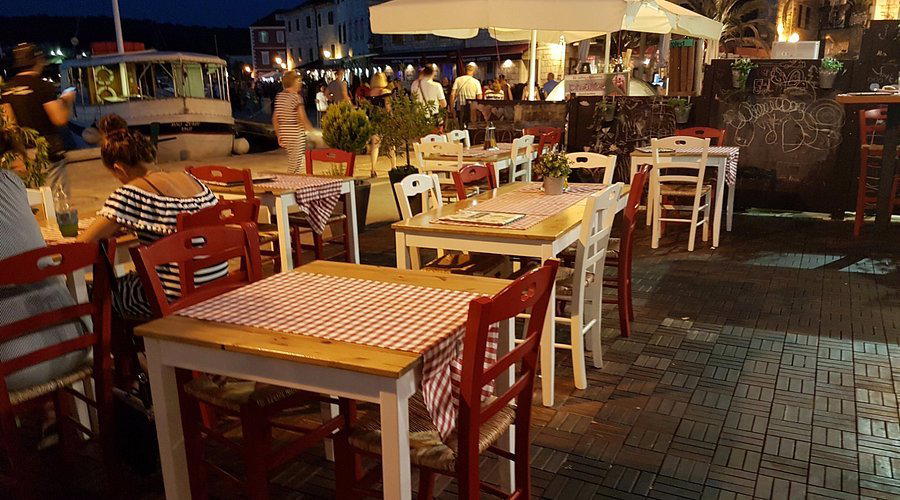
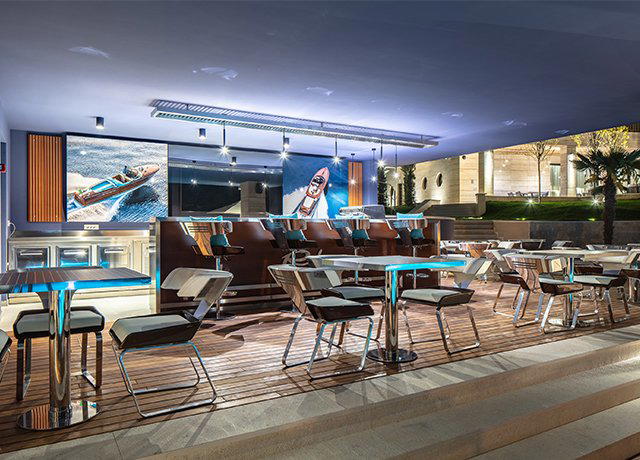
Bars in Pobri
Browse all →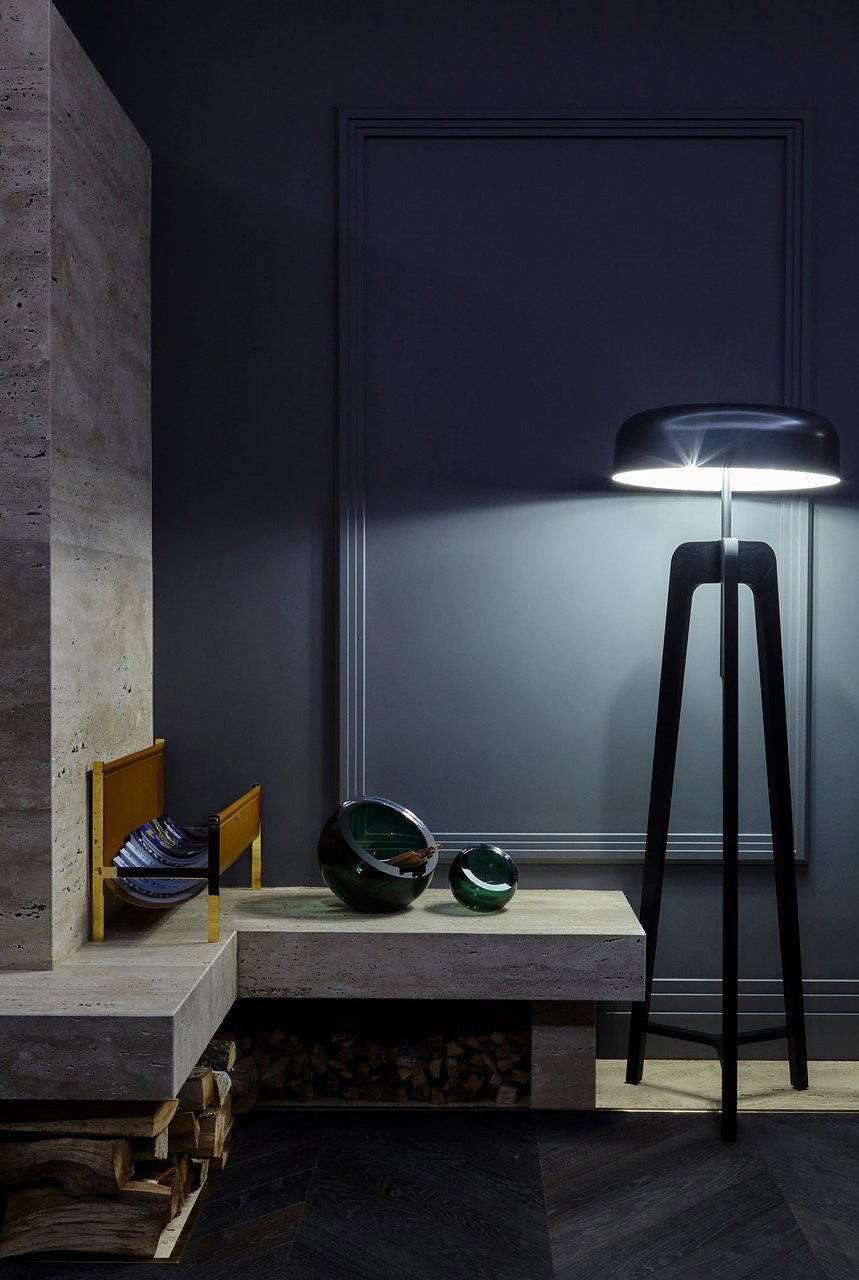

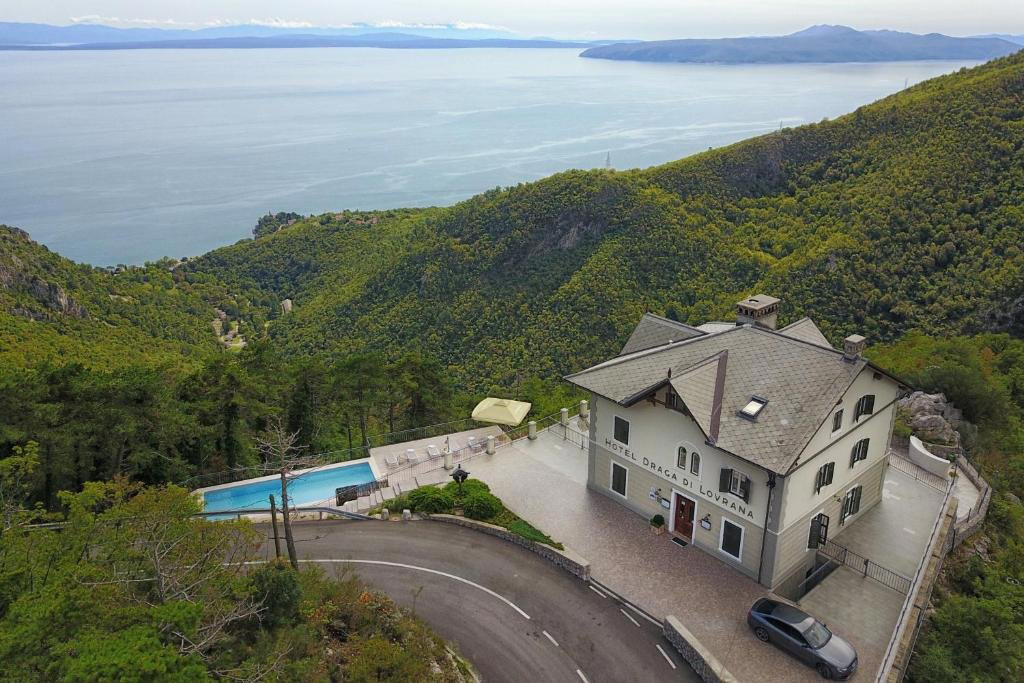
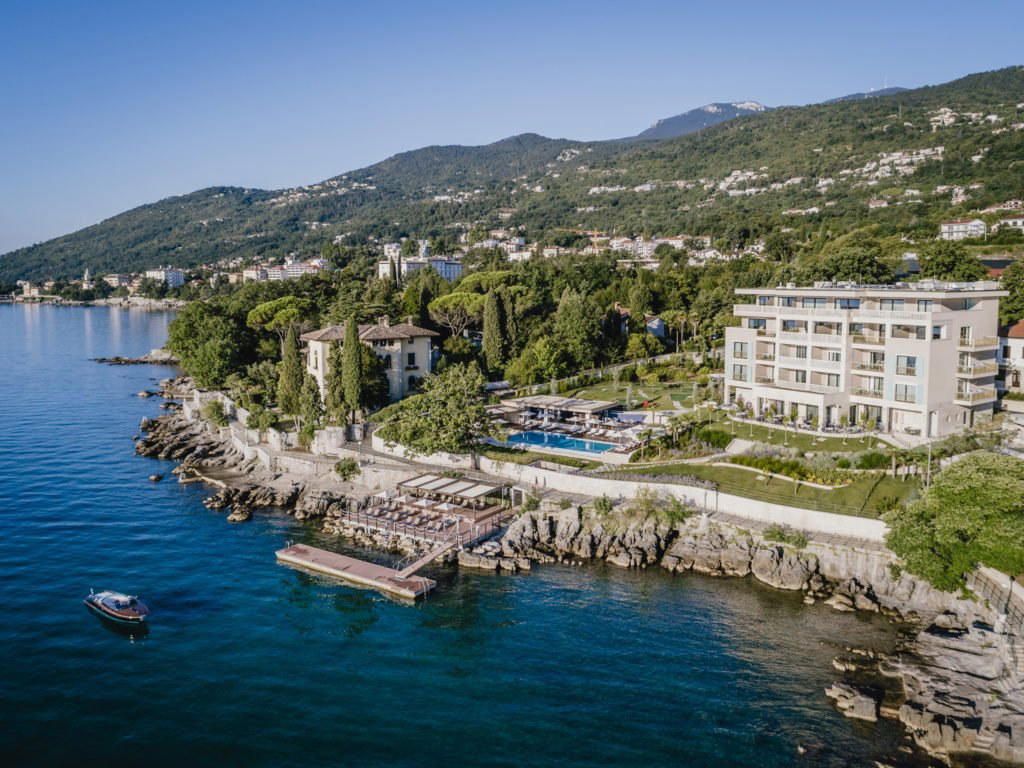
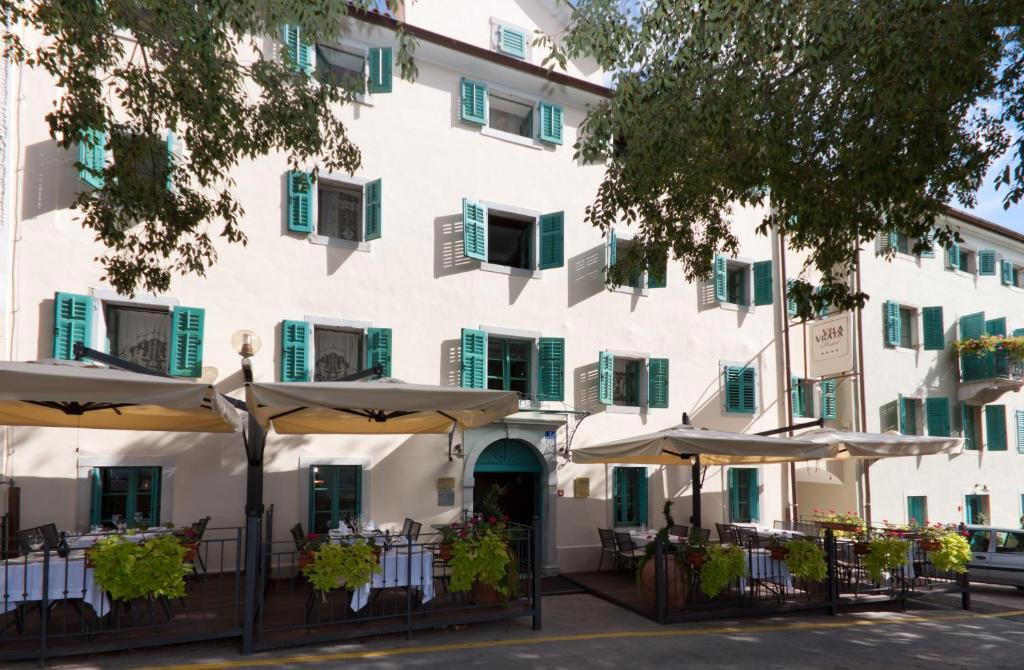
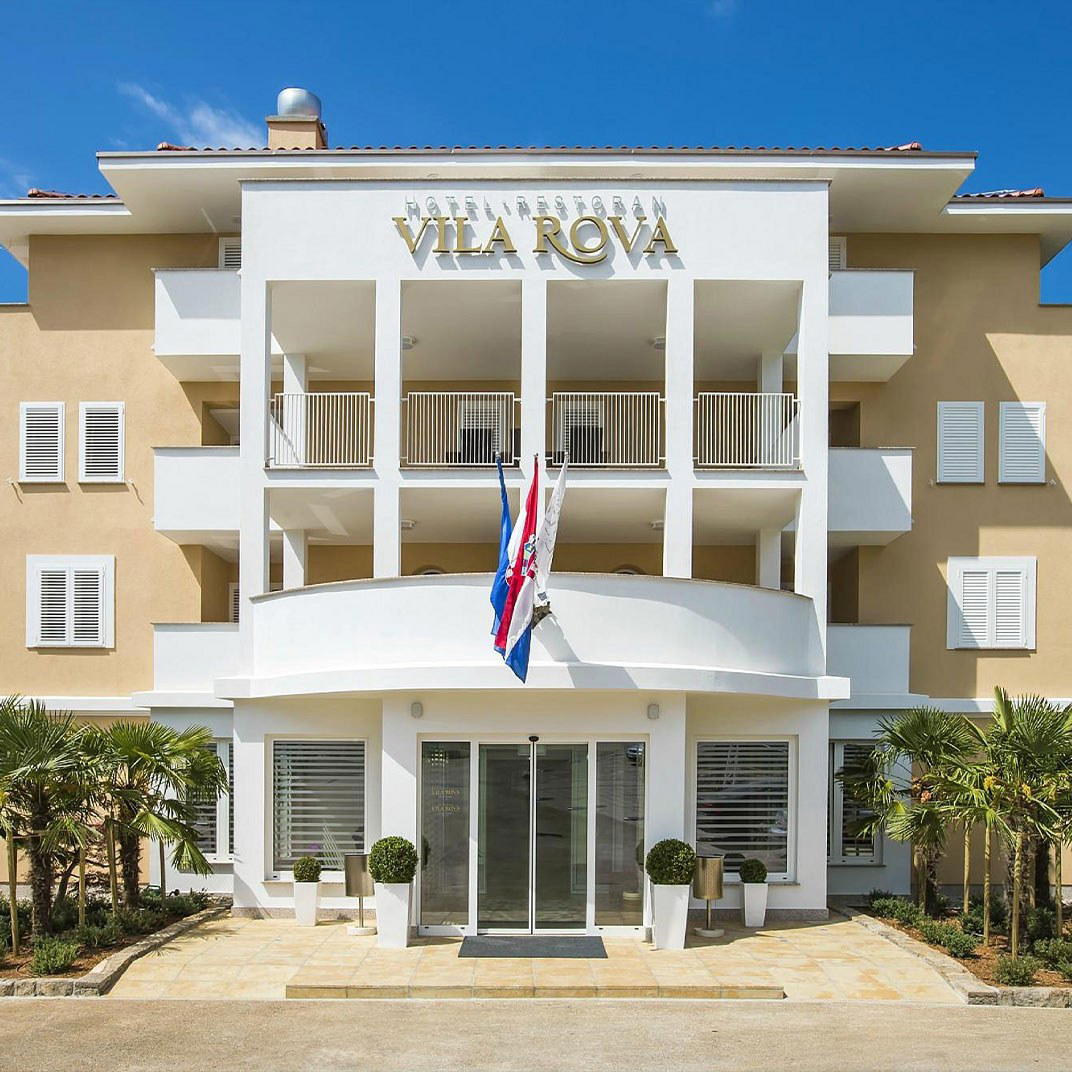
Hotels in Pobri
Browse all →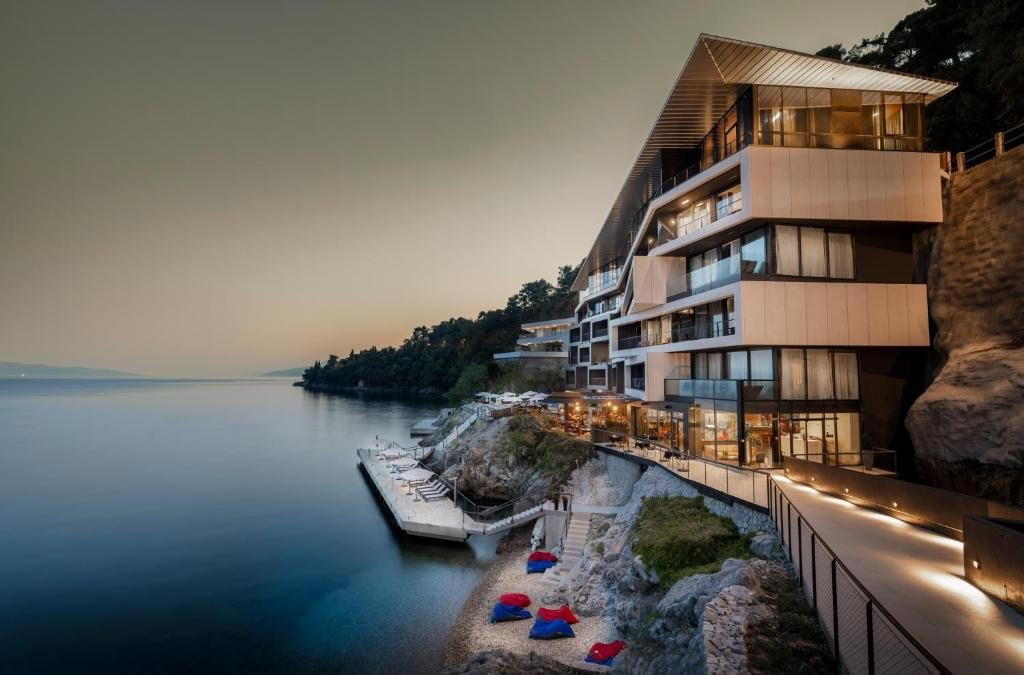
At a Glance
- Romantic
- Scenic
- Elegant
- Classic
- Date Night
- Special Occasion
- Group Dining
- Waterfront
- Terrace
- Panoramic View
- Hotel Restaurant
- Extensive Wine List
- Local Sourcing
- Sustainable Seafood
- Waterfront
Current opening hours
- Monday
- 5–11 PM
- Tuesday
- 5–11 PM
- Wednesday
- 5–11 PM
- Thursday
- 5–11 PM
- Friday
- 5–11 PM
- Saturday
- 5–11 PM
- Sunday
- 5–11 PM
Hours can change for holidays and private events. Last verified .
Warm and inviting with romantic ambiance; guests highlight the spectacular views and attentive service in a refined yet welcoming setting.