On the main square of Pag town, Trapula Wine & Cheese sits at the intersection of two things the island does better than almost anywhere else in Croatia: aged cheese and local wine. The format is focused rather than elaborate, making it a natural stop for anyone tracing Pag's food identity back to its source ingredients. For the context it provides on Dalmatian island produce, it earns its place on any serious itinerary.
Pearl is the En Primeur Club membership app — saves, bookings, and concierge access live there. Same editors, same standards.
- Address
- Kralja Petra Krešimira IV 1, 23250, Pag, Croatia
- Phone
- +385998471305
- Directions
- Get directions
 Saves & bookings on Pearl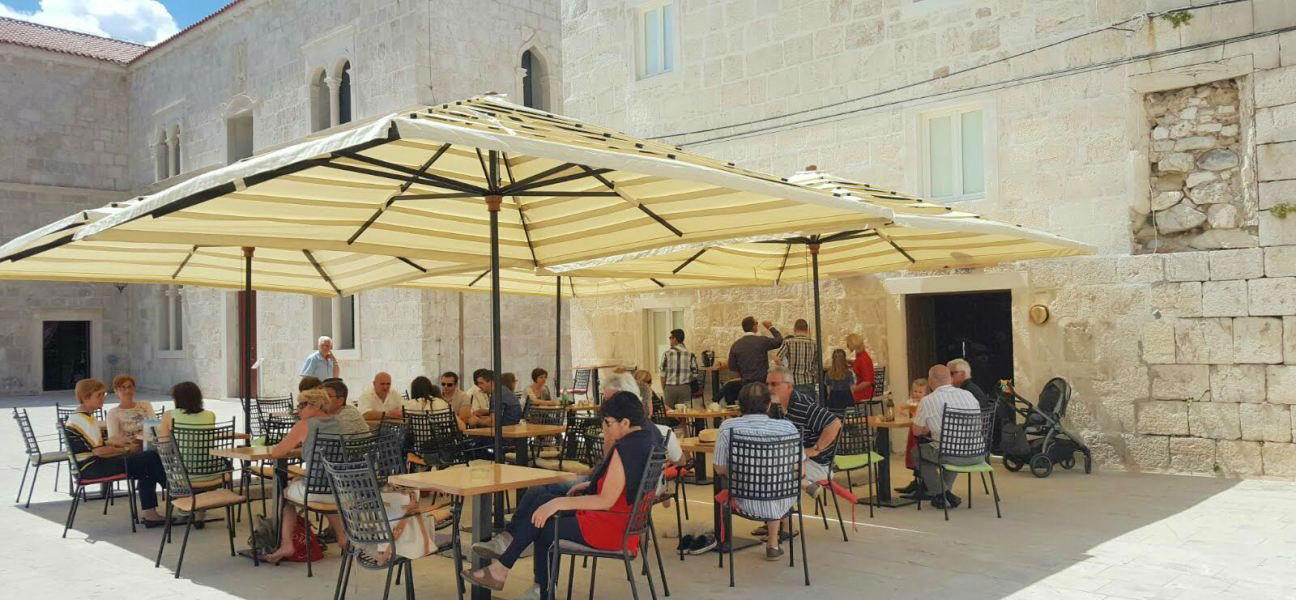
Where the Island's Identity Lands on a Plate
Pag town's main square operates on a different register from the coastal resort strips that dominate the Adriatic tourist imagination. The stone facades are quieter, the pace slower, and the food conversation almost entirely oriented around two products that have defined this island's culinary reputation for centuries: Paški sir, the hard sheep's milk cheese aged by winds off the Velebit karst, and the wines grown in the thin, salt-laced soils that give the island its particular agricultural character. Trapula Wine & Cheese, at Kralja Petra Krešimira IV 1, sits directly within that tradition rather than at a remove from it. The address places it at the centre of the old town, the kind of location that rewards an unhurried afternoon rather than a rushed lunch slot.
The Source Logic Behind the Format
Croatia's premium restaurant tier has spent the last decade developing menus that reference local produce while framing it within contemporary technique. You can see that at work in Dalmatia at places like Pelegrini in Sibenik or on the coast at Restaurant 360 in Dubrovnik, where the price point and kitchen ambition sit in the €€€€ bracket. Trapula operates on a different axis entirely. The proposition here is not technique applied to ingredients but ingredients presented as the point. Wine and cheese pairings built around specific island producers cut closer to the source than any composed dish could, and in a place where the raw material is this distinctive, that restraint is a considered choice rather than a limitation.
Paški sir holds a protected designation of origin status under Croatian and EU law, placing it in a category of geographically anchored products where provenance is inseparable from quality. The cheese's character, its dense, crumbly texture and sharp salinity, comes directly from the island's vegetation: the sparse, wind-battered sage and other aromatic herbs that sheep graze on across Pag's limestone terrain. No production method can replicate it off-island, which is precisely what makes a Pag-based wine and cheese venue a more coherent editorial subject than the same format in a generic urban setting. The ingredient sourcing is not a selling point layered onto the concept; it is the concept.
Pag in the Croatian Wine and Cheese Conversation
Croatia's wine geography rarely gets the international attention it deserves, particularly outside Dalmatia. The islands present a distinct sub-category: small-scale production, indigenous grape varieties, and growing conditions shaped by the Bora wind and Adriatic light. Pag's wines, often made from Gegić and other local whites, carry a mineral edge that reflects the same karst landscape that shapes the cheese. The pairing logic at a venue like Trapula is therefore rooted in terroir coherence rather than novelty. Elsewhere in Croatia, venues like Boskinac in Novalja, also on Pag island, have built an entire estate hospitality model around the island's wine production, while Dubravkin Put in Zagreb and Korak in Jastrebarsko situate Croatian wine within a broader Continental culinary frame. Trapula's island position makes it a more direct access point to the regional source.
For visitors arriving from the mainland or from other Dalmatian stops, this geographic specificity matters. The ferry and road access to Pag means it draws a different traveller profile from the more heavily visited islands further south. Those who come tend to have more investment in the island's particular character, which makes the wine and cheese format well-matched to the audience it receives. Pag town itself is compact enough that the main square is within easy walking distance of accommodation, and the seasonal rhythms of the Adriatic mean that summer months bring the largest flow, with spring and early autumn offering a quieter, more considered visit.
How Trapula Sits Within Pag's Dining Options
Pag town's restaurant offer is modest in scale but covers a reasonable range of approaches. Bodulo and Didova kuća address the sit-down meal format with more conventional kitchen output, and our full Pag restaurants guide maps the town's options across different needs. Trapula occupies a specific niche within that: it is not a restaurant in the full-service sense but a focused venue built around the interaction between the island's two signature products. That positioning means it functions well as an orientation point early in a Pag visit, before moving on to a more complete dinner, or as a standalone late-afternoon stop for those who want to understand what makes the island's food culture legible at source level.
The comparison with island-focused venues elsewhere on the Adriatic is instructive. LD Restaurant in Korčula operates in a more elaborate register, applying contemporary technique to Dalmatian ingredients at a higher price tier. Alfred Keller in Mali Lošinj sits in a hotel context with its own set of expectations. Trapula's stripped-back format is a deliberate contrast to both: fewer moving parts, more direct access to the ingredient itself. For the visitor whose interest is in tracing Croatian food identity to its agricultural roots rather than seeing it transformed by kitchen intervention, that directness is an asset.
At the broader Croatian scale, venues like Nebo by Deni Srdoč in Rijeka, Agli Amici Rovinj in Rovinj, Krug in Split, and Burin in Crikvenica represent the fine dining and contemporary bistro registers of Croatian hospitality. Further afield, BioMania Bistro Bol in Bol and Cantilly Garden Restaurant in Samobor each address local produce through their own regional frames. Against all of those, Trapula reads as a venue whose ambition is specifically product-led rather than kitchen-led, and that distinction is worth understanding before you arrive. If the reference points you carry from high-ambition dining at Le Bernardin in New York City or Atomix in New York City are your baseline, recalibrate: Trapula is operating in a different register entirely, and that is precisely its value.
Planning Your Visit
Trapula Wine & Cheese is located at Kralja Petra Krešimira IV 1 in Pag town, on the main square that anchors the old town. Trapula Wine & Cheese is open daily from 10 AM to 1 AM, so it suits lunch, aperitivo, and late-evening visits alike.
At-a-Glance Comparison
Comparable venues nearby, for context on price, style, and recognition.
| Venue | Cuisine | Price | Notes |
|---|---|---|---|
| Trapula Wine & CheeseThis venue — the venue you are viewing | Croatian Cheese & Wine Bar | $$$ | Not listed |
| Bodulo | Traditional Croatian Seafood & Pag Lamb | $$ | Pag |
| Didova kuća | Traditional Croatian Seafood & Grill | $$ | Simuni |
| Marengo | Modern Mediterranean Seafood | $$$ | Mitan Marina |
| Puntulina | Mediterranean Adriatic Seafood with Italian Influences | $$$ | Old Town Rovinj |
| Bag | Croatian Seafood Mediterranean | $$ | Baška |
Continue exploring
More in Pag
Restaurants in Pag
Browse all →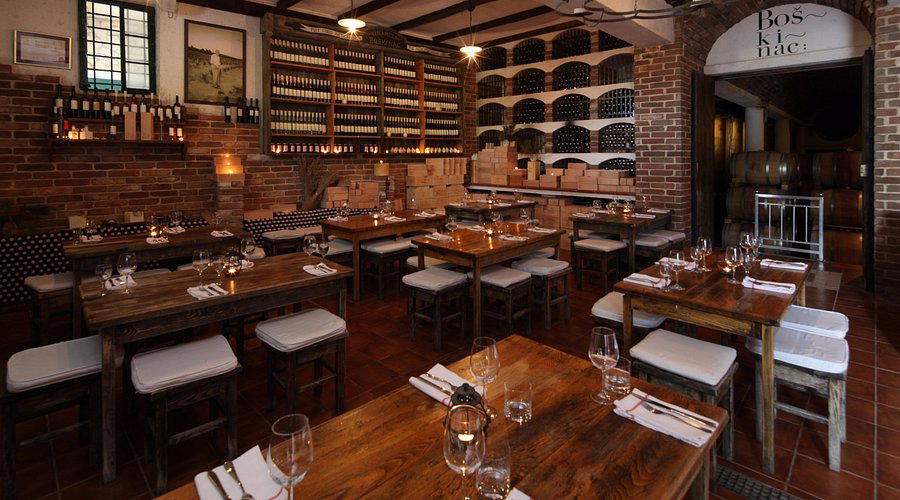
Bars in Pag
Browse all →
Hotels in Pag
Browse all →
Wineries in Pag
Browse all →

At a Glance
- Romantic
- Cozy
- Intimate
- Scenic
- Date Night
- Casual Hangout
- Special Occasion
- Terrace
- Historic Building
- Extensive Wine List
- Sommelier Led
- Local Sourcing
- Street Scene
Current opening hours
- Monday
- 10 AM–1 AM
- Tuesday
- 10 AM–1 AM
- Wednesday
- 10 AM–1 AM
- Thursday
- 10 AM–1 AM
- Friday
- 10 AM–1 AM
- Saturday
- 10 AM–1 AM
- Sunday
- 10 AM–1 AM
Hours can change for holidays and private events. Last verified .
Outdoor patio with relaxed, laid-back atmosphere in the main square of old town Pag; candlelit and romantic with pleasant, welcoming service.