On a quiet street in Labin's hilltop old town, Restaurant Peteani occupies the kind of address that rewards those who seek out Istria's inland dining scene rather than its coastal crowd-pleasers. Situated at Ul. Alda Negrija 9, the restaurant represents the slower, more deliberate pace of eating that defines this part of Croatia's interior peninsula.
Pearl is the En Primeur Club membership app — saves, bookings, and concierge access live there. Same editors, same standards.
- Address
- Ul. Alda Negrija 9, 52220, Labin, Croatia
- Phone
- +38552863404
- Website
- hotel-peteani.hr
- Directions
- Get directions
 Saves & bookings on Pearl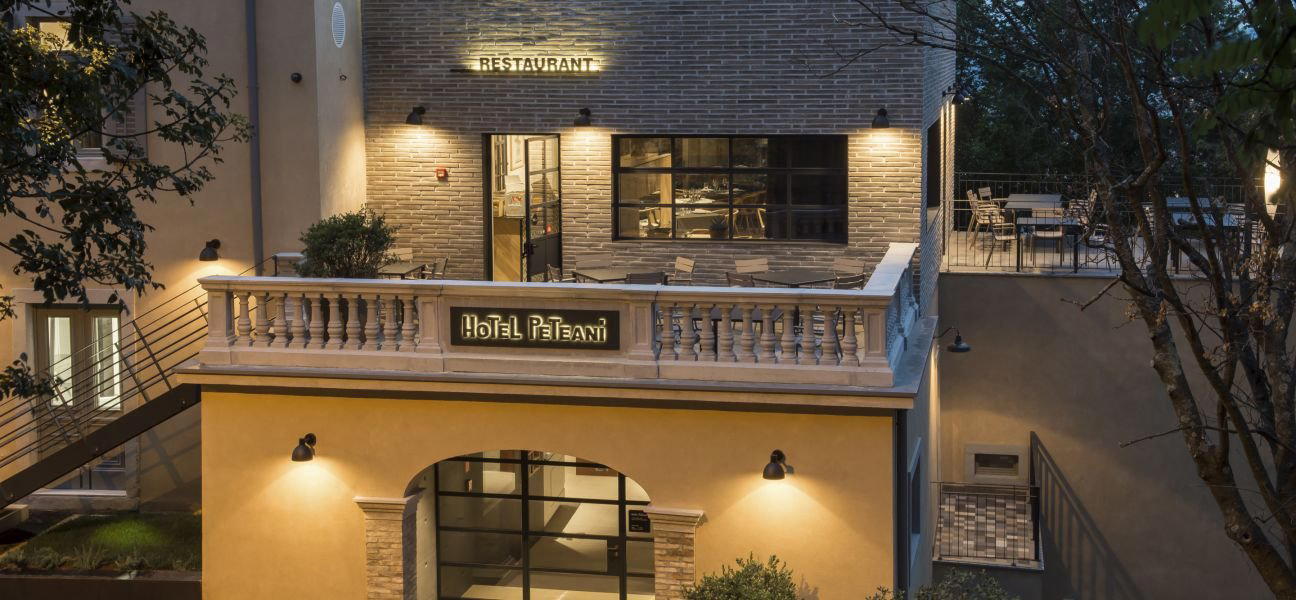
Eating at the Pace of Labin's Old Town
There is a particular rhythm to dining in Labin that visitors arriving from the Adriatic coast often find disorienting at first, then deeply welcome. The hilltop town sits above the industrial port of Rabac, its medieval streets largely indifferent to the seasonal churn below. Restaurant Peteani, at Ul. Alda Negrija 9, sits inside that tradition. Its address in the old town places it among a small cluster of restaurants where the dining ritual itself is the primary product.
Istria's interior has been quietly developing a serious food culture for several decades, largely independent of the coastal spectacle that draws international press. Truffle country begins not far from here; the olive groves and vineyards of the peninsula's interior supply kitchens that have learned to treat local produce as a serious creative constraint rather than a marketing footnote. Labin's dining scene is modest in scale but consistent in that commitment. Alongside Due Fratelli and Kvarner, Restaurant Peteani forms part of the old town's compact but coherent offering for anyone eating seriously in this corner of eastern Istria.
What the Setting Communicates Before a Dish Arrives
Approaching a restaurant through Labin's stone-paved lanes already conditions the meal. The architecture is Venetian-inflected and largely unchanged across centuries; the light shifts differently here than on the coast, and the quietness is structural rather than accidental. By the time a table is reached, the visitor has already been calibrated toward a slower pace. This is not incidental to the dining experience at places like Restaurant Peteani, it is the frame that makes the experience coherent. Istrian cuisine at its most considered does not perform; it proceeds. Bread comes. Wine is poured. The rhythm of the menu unfolds without theatrical punctuation.
That ethos is worth understanding before booking. Visitors expecting the brisk, high-energy format of a coastal tourist-season restaurant will find this register different. Those who have eaten at Agli Amici Rovinj in Rovinj or Alfred Keller in Mali Lošinj will recognise the deliberateness, though Labin's context is more intimate and less resort-facing than either of those addresses.
Istrian Cuisine and What It Asks of a Kitchen
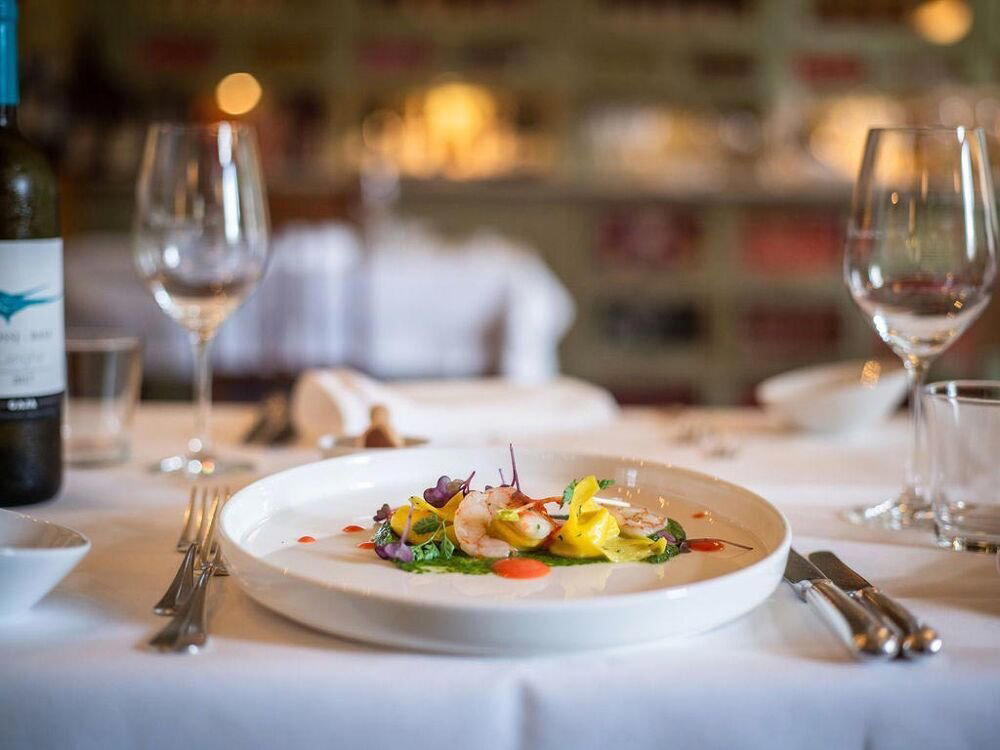
The cuisine of Istria draws from a layered history: Venetian, Habsburg, and Yugoslav influences overlaid on a pre-existing Slavic and indigenous culinary base. The result, in skilled hands, is a cuisine that relies on restraint and ingredient quality rather than complexity of technique. Truffles from the Motovun forest, sea bass from the Kvarner Gulf, Istrian prosciutto cured in the interior's dry air, and wines from the Malvazija and Teran varieties grown across the peninsula, these are the materials that define what a serious Istrian kitchen works with.
In that context, the dining ritual matters as much as the menu. Pasta courses, typically fuži or pljukanci, carry truffle or game sauces with enough structural weight to hold a course of their own. Fish, when it appears, tends to arrive simply treated, its quality expected to do the argumentative work. This is a cuisine that punishes shortcuts in sourcing and rewards patience in execution. The pacing of service in a room like Peteani's reflects that underlying logic.
For wider context on how this approach plays out across Croatia's dining scene, it is worth tracing the line from Labin toward the country's more recognised fine-dining addresses: Pelegrini in Šibenik, Restaurant 360 in Dubrovnik, and Nebo by Deni Srdoč in Rijeka each represent the formal end of a spectrum that smaller Istrian establishments contribute to in quieter, less decorated ways. Boskinac in Novalja and Dubravkin Put in Zagreb show how the same regional-produce logic translates to island and capital contexts respectively.
Labin's Position in the Eastern Istrian Dining Map
Labin is not Rovinj or Poreč. It draws fewer international visitors, lacks the marina infrastructure that turns coastal towns into high-season catering operations, and consequently supports a dining culture oriented toward locals and returning guests rather than first-time tourists. This changes the dynamics of a meal in ways that are difficult to quantify but easy to feel at the table. Restaurants here are not auditioned by a new audience every night. There is an established relationship between kitchen and regular clientele that tends to produce a more settled, less performative quality of service.
The comparison set for Peteani is best understood at the local level. Velo Kafe and Due Fratelli occupy adjacent positions in Labin's old town scene, and taken together the three venues illustrate the kind of compact, locally sustained restaurant culture that makes a small hilltop town a credible dining destination in its own right.
Across Istria and the broader Croatian coast, smaller towns with intact historic centres tend to support this model: LD Restaurant in Korčula, Krug in Split, and Bodulo in Pag each operate within a similarly defined local context, where the relationship between setting and cuisine is load-bearing. Korak in Jastrebarsko and BioMania Bistro Bol in Bol extend that pattern to continental and island settings respectively.
Planning a Visit
The restaurant is located at Ul. Alda Negrija 9 in Labin's upper town. Labin is accessible by road from Pula (roughly 40 kilometres to the southwest) and from Rijeka to the north; parking is available at the edge of the old town, with the central streets closed to vehicles. Given the limited capacity typical of old-town restaurants in towns of this scale, and the local-clientele model that characterises Labin's dining scene, booking ahead is advisable, particularly during the summer months of July and August when visiting numbers increase across the whole of Istria. The quieter shoulder months of May, June, and September offer a different experience of both the town and the table.
Cuisine and Recognition
Comparable venues nearby, for context on price, style, and recognition.
| Venue | Cuisine | Price | Notes |
|---|---|---|---|
| Restaurant PeteaniThis venue — the venue you are viewing | Modern Istrian Mediterranean | $$$ | Not listed |
| Due Fratelli | Mediterranean Seafood | $$ | Montozi |
| Kvarner | Mediterranean Seafood with Istrian Specialties | $$ | Labin |
| Velo Kafe | Traditional Istrian Mediterranean | $$ | Old Town |
| Stancija Kovačići | Modern Croatian Mediterranean | $$$ | Rukavac |
| Rivica | Modern Mediterranean Seafood | $$$ | Njivice |
Continue exploring
More in Labin
Restaurants in Labin
Browse all →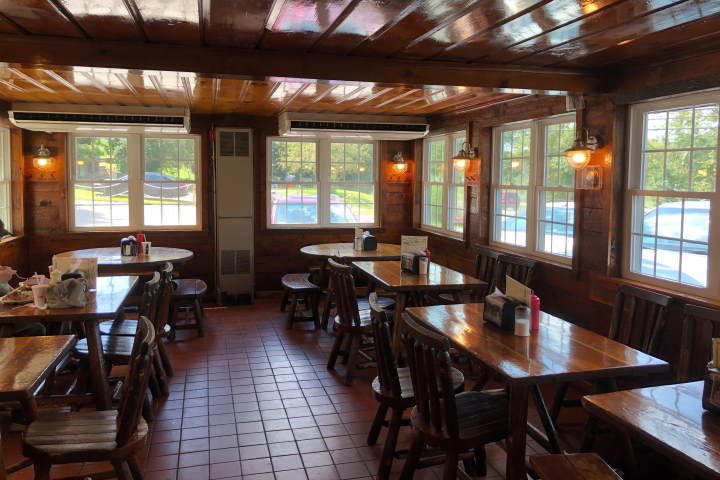
Bars in Labin
Browse all →
Hotels in Labin
Browse all →

At a Glance
- Elegant
- Cozy
- Romantic
- Sophisticated
- Date Night
- Special Occasion
- Celebration
- Terrace
- Hotel Restaurant
- Extensive Wine List
- Local Sourcing
- Street Scene
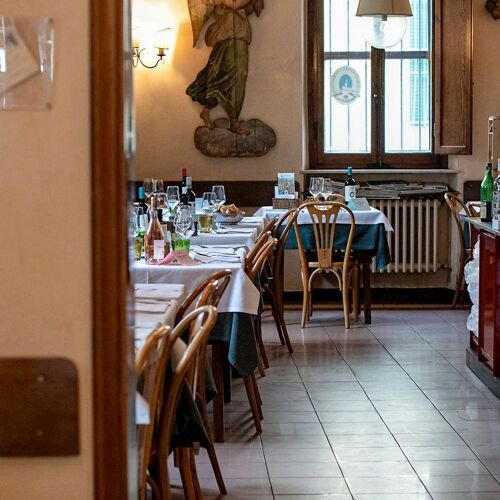
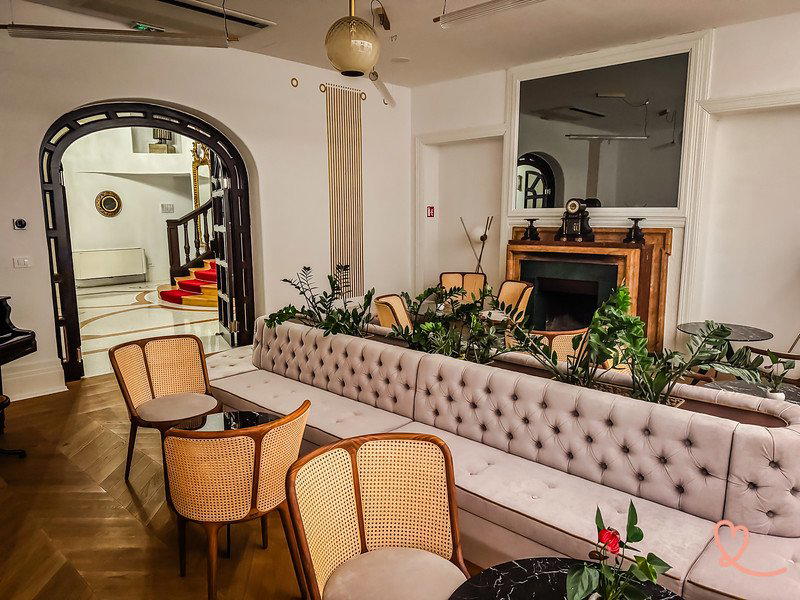
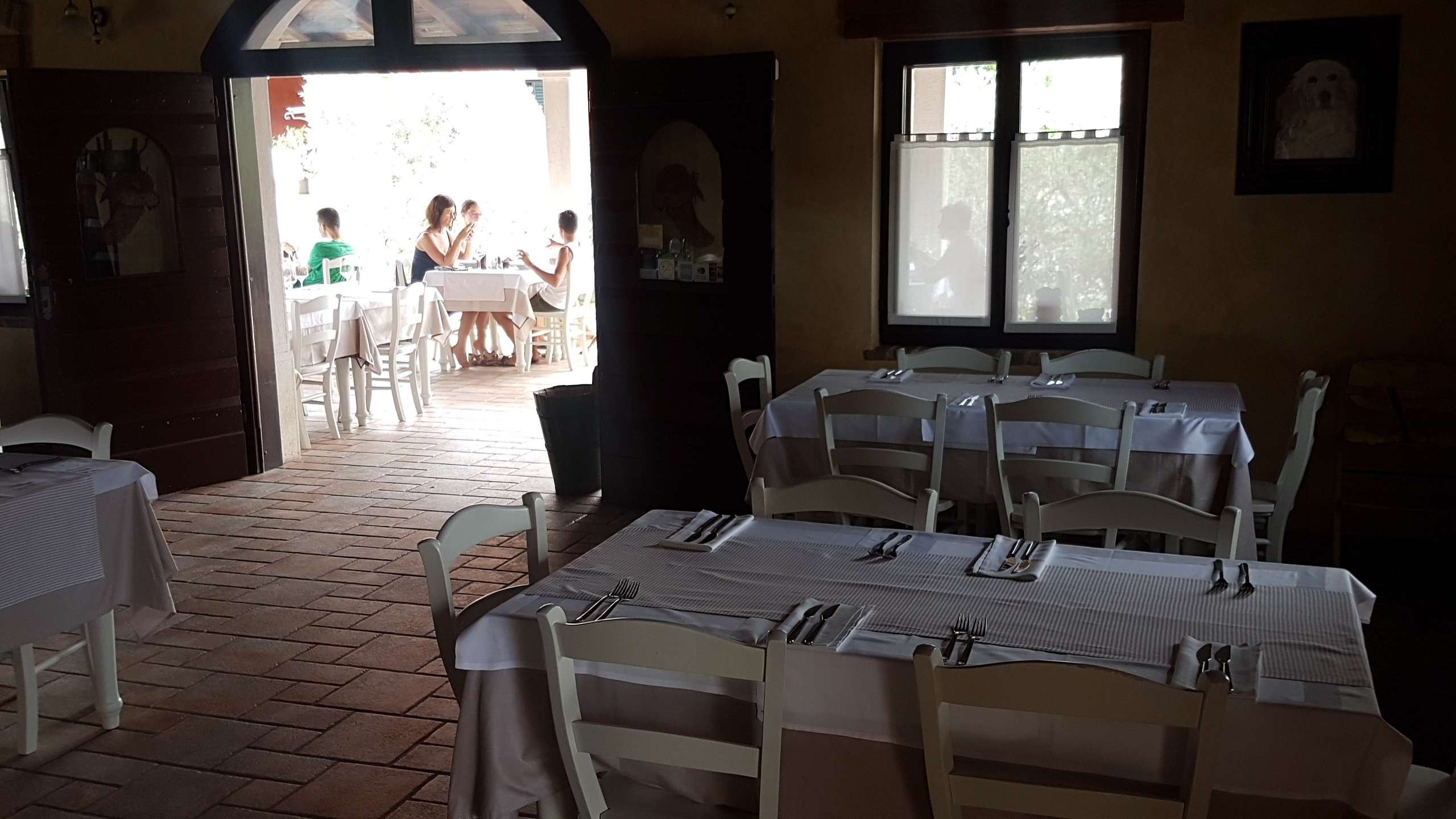
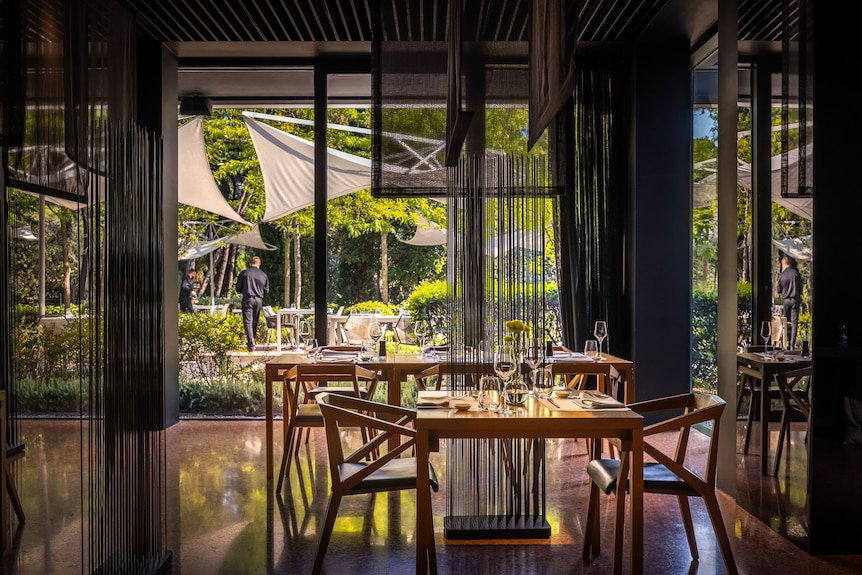
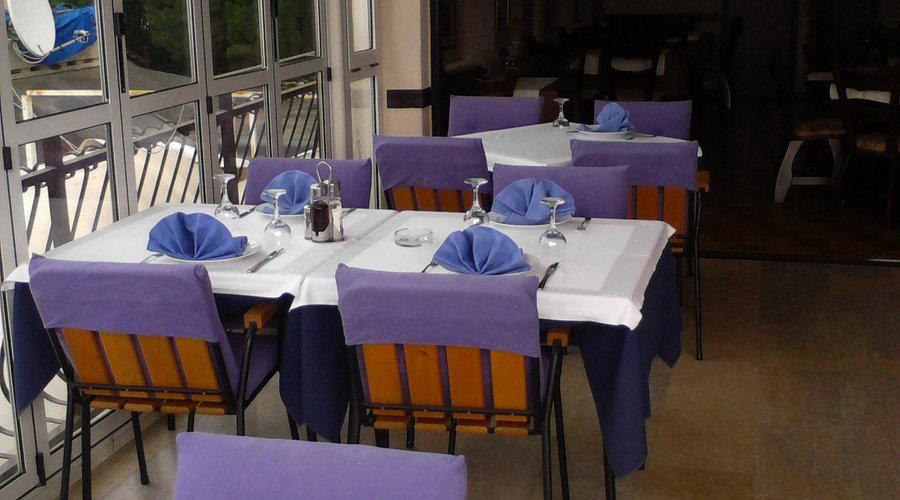
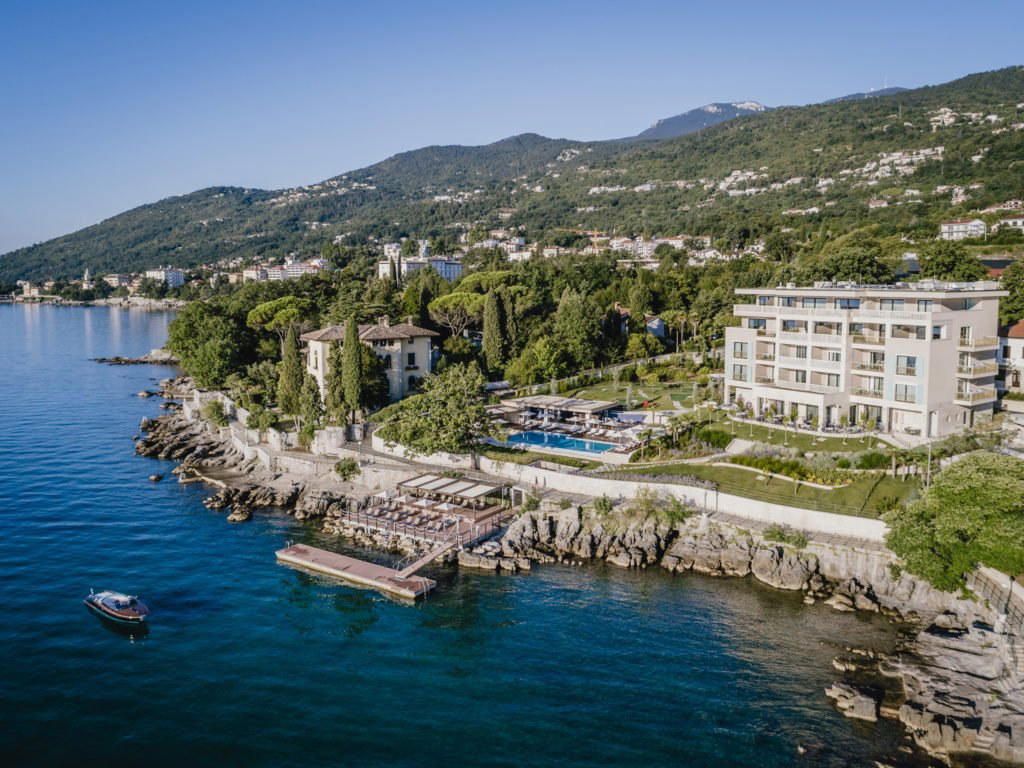
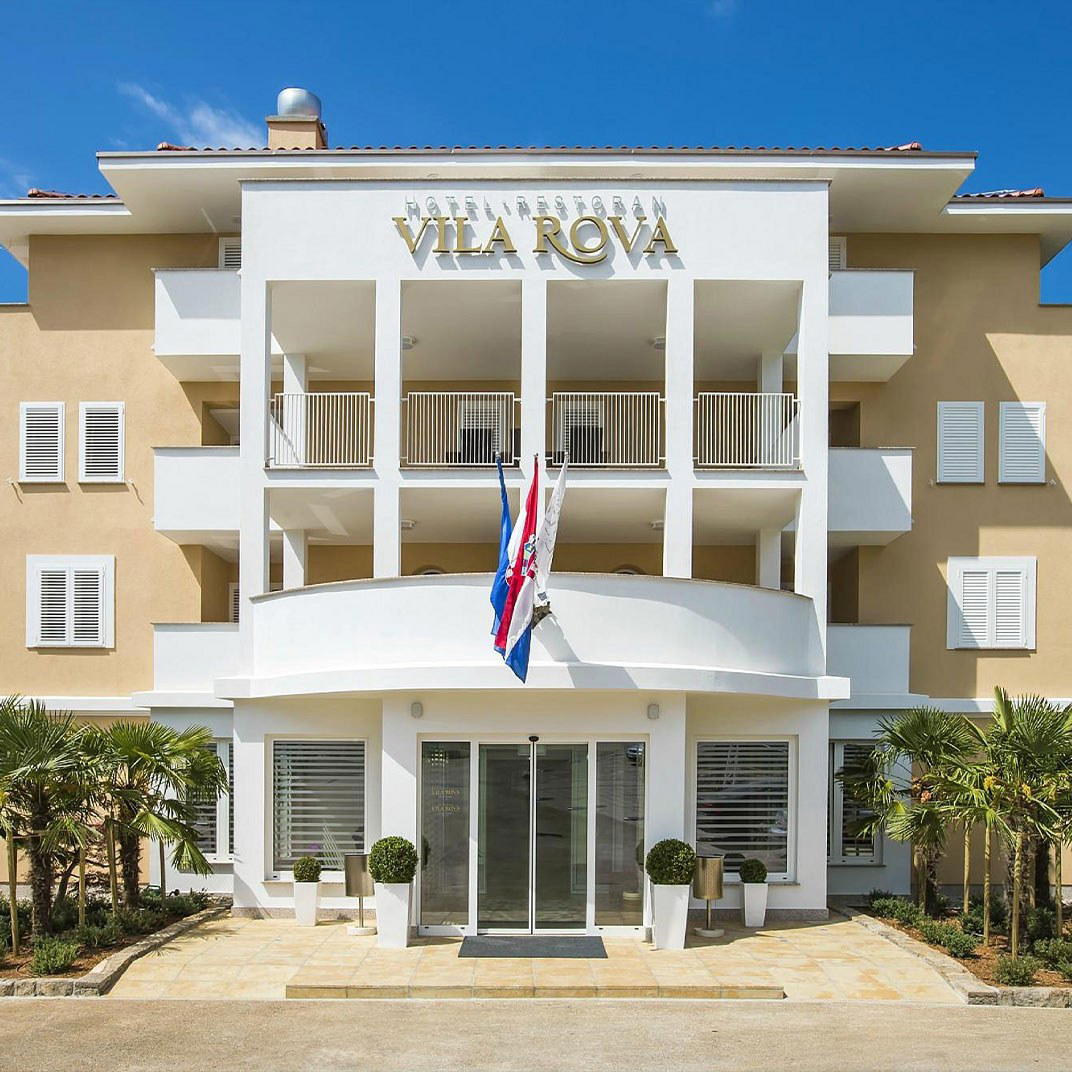
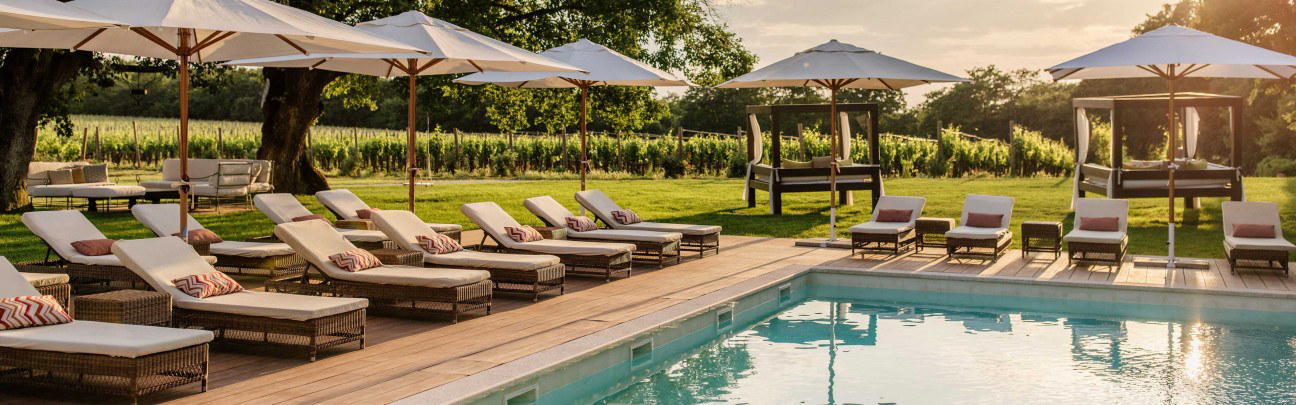
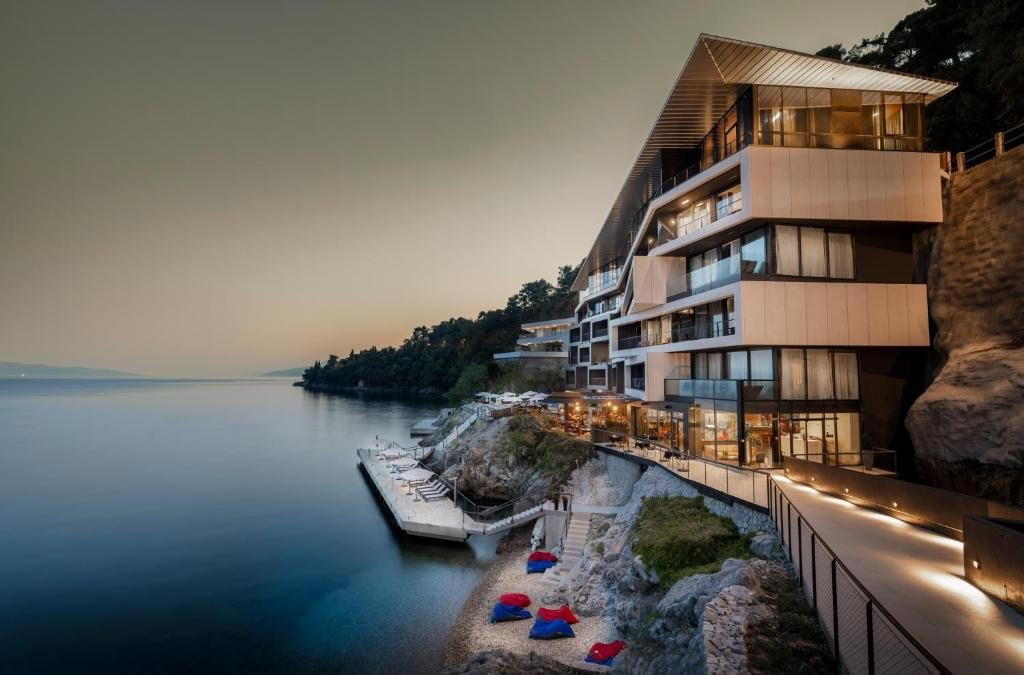
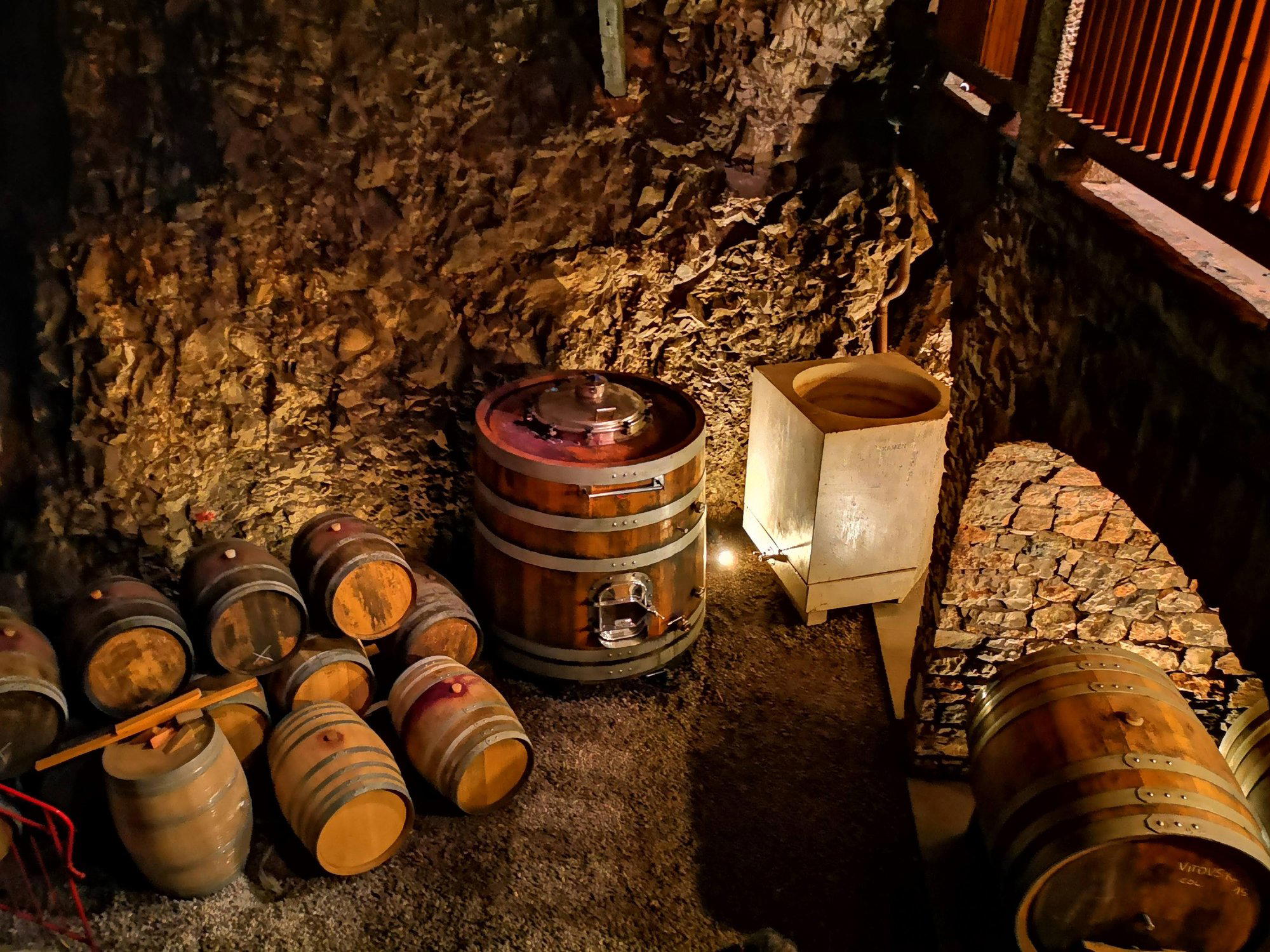
Elegant and refined interior with tasteful design, air-conditioned comfort, terrace views over the city and valley, creating an intimate and cosy atmosphere.