Bevanda occupies a quiet address on Zert ul. in Opatija, a town whose Habsburg-era dining culture runs deeper than most visitors realise. The restaurant sits within a city that has shaped Kvarner Gulf hospitality for over a century, where Adriatic seafood traditions and Central European formality meet on the same table. It belongs to an Opatija dining scene that ranges from neighbourhood konobas to regionally recognised fine-dining rooms.
Pearl is the En Primeur Club membership app — saves, bookings, and concierge access live there. Same editors, same standards.
- Address
- Zert ul. 8, 51410, Opatija, Croatia
- Phone
- +38551493888
- Website
- bevanda.hr
- Directions
- Get directions
 Saves & bookings on Pearl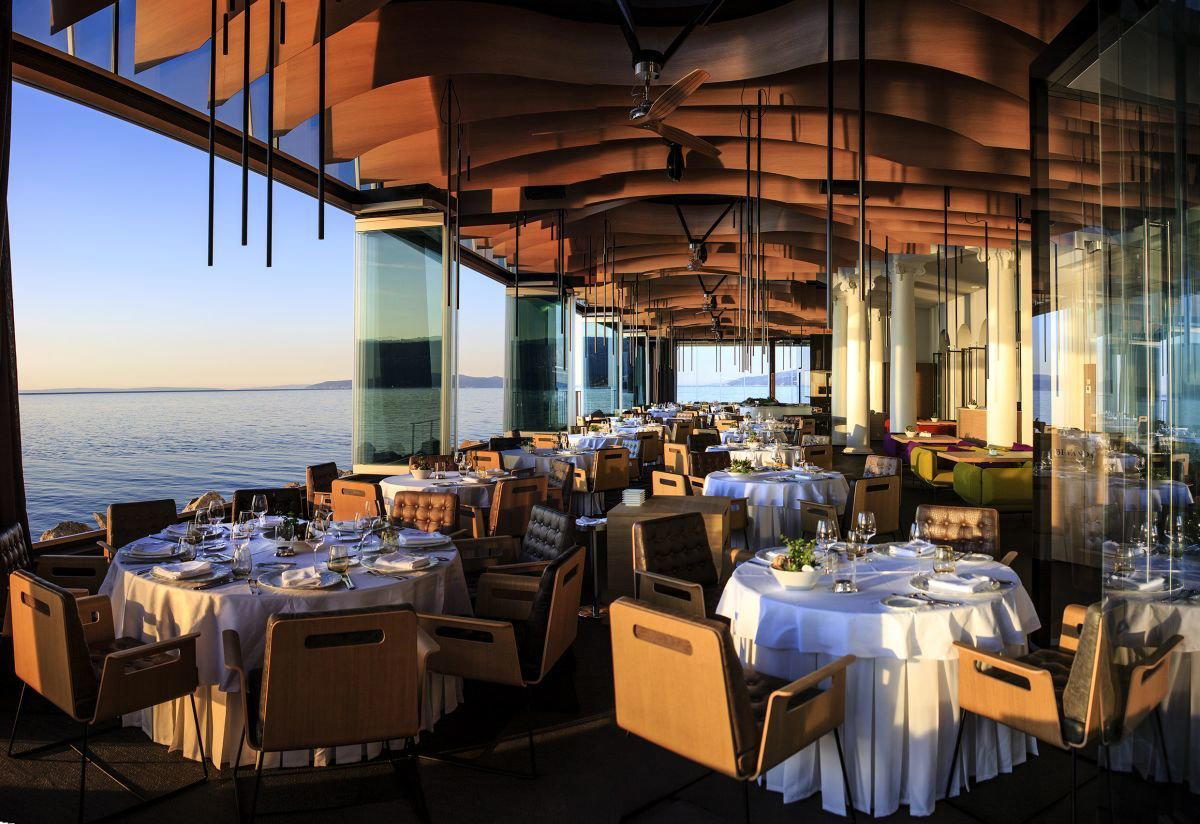
Opatija and the Long Arc of Kvarner Dining
The Kvarner Gulf coast has been receiving well-heeled guests since the 1880s, when the Austro-Hungarian aristocracy turned Opatija into a winter resort and built the grand villas that still line the waterfront. That heritage left something durable behind: a dining culture that takes hospitality seriously without theatrics, and that draws on both Adriatic fishing traditions and the more formal Central European table. Bevanda, at Zert ul. 8 in Opatija, is a restaurant serving modern Mediterranean seafood at about $40 per person.
Understanding where Bevanda fits requires understanding what Opatija's restaurant scene has become. The town now supports a range of formats, from the casual, konoba-style rooms serving grilled fish and hand-rolled pasta to more structured addresses where the kitchen takes direct cues from Italy and Central Europe. Antiqua Osteria da Ugo anchors the Italian-influenced end of that spectrum, while Konoba Istranka keeps closer to the Istrian country table. Cubo and Nami Sushi Restaurant mark the newer, more international edges of a scene that has broadened considerably in the past decade. Bevanda occupies its own position in that spread, shaped by the specific character of its address and the culinary grammar of the Kvarner coast.
The Cultural Logic of Adriatic Coastal Cooking
Coastal Croatian cuisine along the Kvarner Gulf is not a single tradition but a convergence of several. The Adriatic fishing culture provides the protein base: bream, sea bass, scorpionfish, scampi from the colder northern waters of the gulf. The Italian influence, particularly from the Venetian and later Habsburg periods, shows up in pasta formats, in risotto, and in the general preference for letting a good ingredient carry a dish rather than constructing elaborate sauces around it. The Istrian interior contributes truffles, particularly from the forests around Motovun, which have become one of the region's most discussed culinary exports.
What this produces, at the better Opatija tables, is a cuisine that reads as Mediterranean in spirit but is colder, more mineral, and more formally plated than what you find further south in Dalmatia. The scampi from Kvarner are considered among the leading in the Adriatic, carrying a sweetness and texture that chefs along the coast have built signature dishes around for generations. Opatija's dining rooms have long understood that the gulf is the larder, and the leading cooking here is grounded in that geographic specificity rather than reaching for continental abstraction.
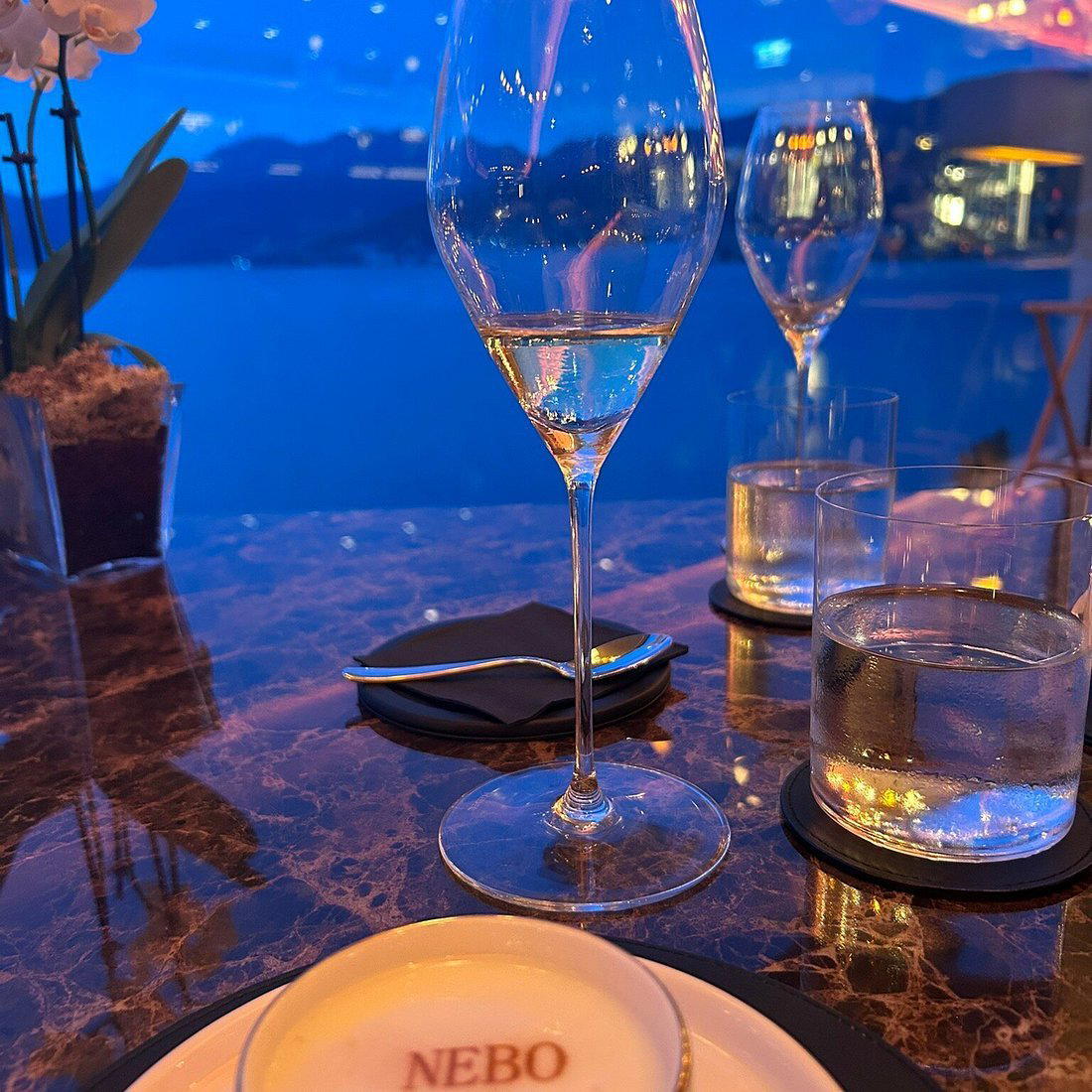
Croatia's broader fine-dining recognition has grown substantially over the past decade. Addresses such as Agli Amici Rovinj in Rovinj, Pelegrini in Sibenik, and LD Restaurant in Korčula have drawn international attention, while Nebo by Deni Srdoč in Rijeka, just a few kilometres from Opatija, represents the Kvarner region's most recognised kitchen at present. That regional momentum matters as context: diners arriving in Opatija today are not operating on the assumption that serious cooking stops at Dubrovnik or Split. The Kvarner Gulf has its own claim on that conversation now.
Opatija's comparable set and Where Bevanda Lands
Opatija's dining tier sits somewhere between the casual Istrian konoba format and the full fine-dining structures now found in Rovinj or Dubrovnik. The town's scale and its predominantly leisure-travel clientele create a demand profile weighted toward seafood-forward menus served in rooms with water proximity and reasonable but not prohibitive price points. Navis represents one pole of that range in Opatija, with a more composed and formally structured kitchen. Bevanda at Zert ul. 8 occupies its own coordinates within that range.
For a sense of how Kvarner-region cooking compares against Croatia's other strong regional expressions, Boskinac in Novalja shows what the Pag island table looks like when a wine estate anchors the kitchen's sourcing, while Korak in Jastrebarsko and Dubravkin Put in Zagreb illustrate the inland Croatian register that diverges sharply from coastal fish-forward cooking. The contrast clarifies what is specific about Opatija: the gulf determines the menu's logic here in a way that no inland kitchen can replicate. Internationally, the aesthetic closest in spirit to Kvarner's leading seafood work lands somewhere between the technique-led restraint of Le Bernardin in New York City and the more ingredient-driven narrative approach of a place like Lazy Bear in San Francisco, though the Adriatic context is its own category entirely.
Planning a Visit
Bevanda is located at Zert ul. 8, 51410 Opatija, Croatia. Opatija is accessible by road from Rijeka, approximately 15 kilometres to the east, and the town is well connected to the wider Kvarner region. The tourism season runs primarily from late spring through early autumn, with the highest concentration of visitors in July and August, when coastal tables in demand tend to book several weeks in advance. Visiting in May, June, or September generally means shorter lead times and cooler, more manageable weather for walking the Lungomare promenade that connects Opatija's waterfront. For a fuller picture of what the town's dining scene offers,
Travellers building a wider Croatian coastal itinerary might consider pairing an Opatija visit with Alfred Keller in Mali Lošinj for island-side contrast, or Krug in Split and Restaurant 360 in Dubrovnik further south, to trace how the Adriatic kitchen changes character as you move down the coast.
Cost Snapshot
Comparable venues nearby, for context on price, style, and recognition.
| Venue | Cuisine | Price | Notes |
|---|---|---|---|
| BevandaThis venue — the venue you are viewing | Opatija, Modern Mediterranean Seafood | $$$ | Not listed |
| Plavi podrum | Volosko, Modern Mediterranean Seafood | $$$ | Not listed |
| Ružmarin | Slatina, Mediterranean Pizza & Grill | $$ | Not listed |
| Ostaria Veranda | Volosko, Mediterranean Seafood | $$$ | Not listed |
| Cubo | Not listed | $$$ | Opatija, Contemporary Mediterranean Fine Dining |
| Navis | Opatija, Modern Mediterranean Seafood | $$$ | Not listed |
Continue exploring
More in Opatija
Restaurants in Opatija
Browse all →
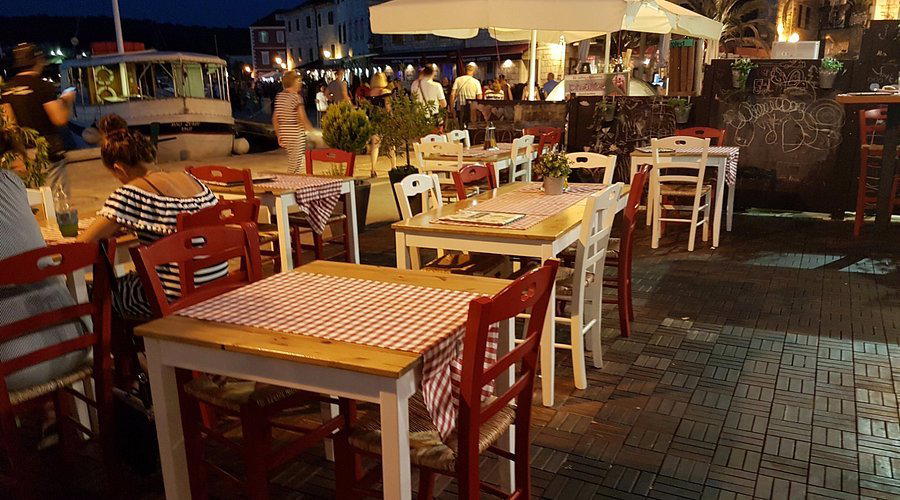
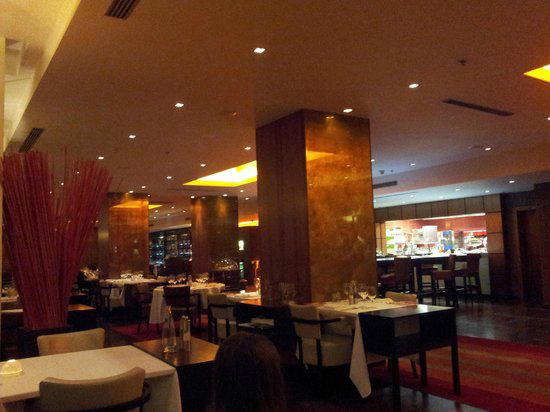
Bars in Opatija
Browse all →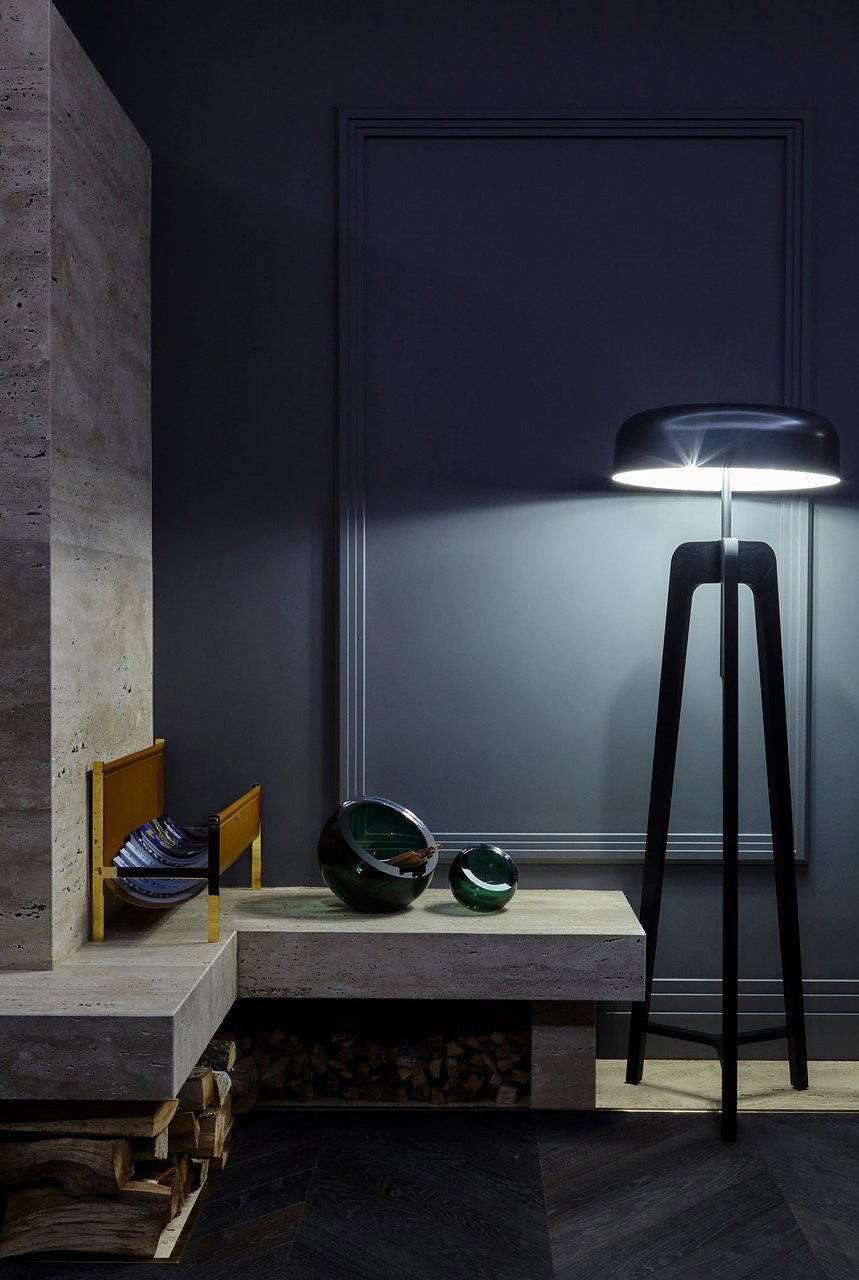
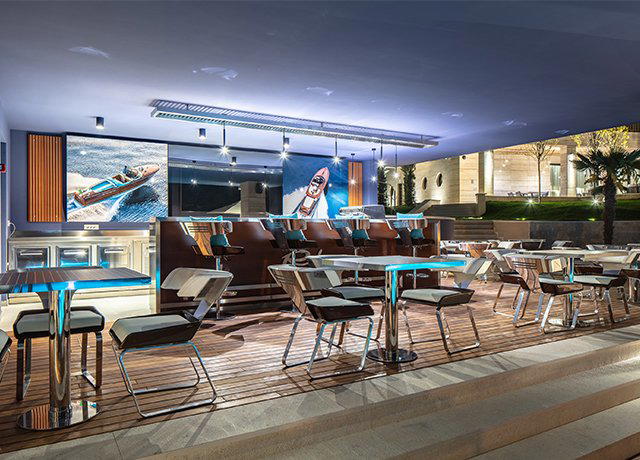

Hotels in Opatija
Browse all →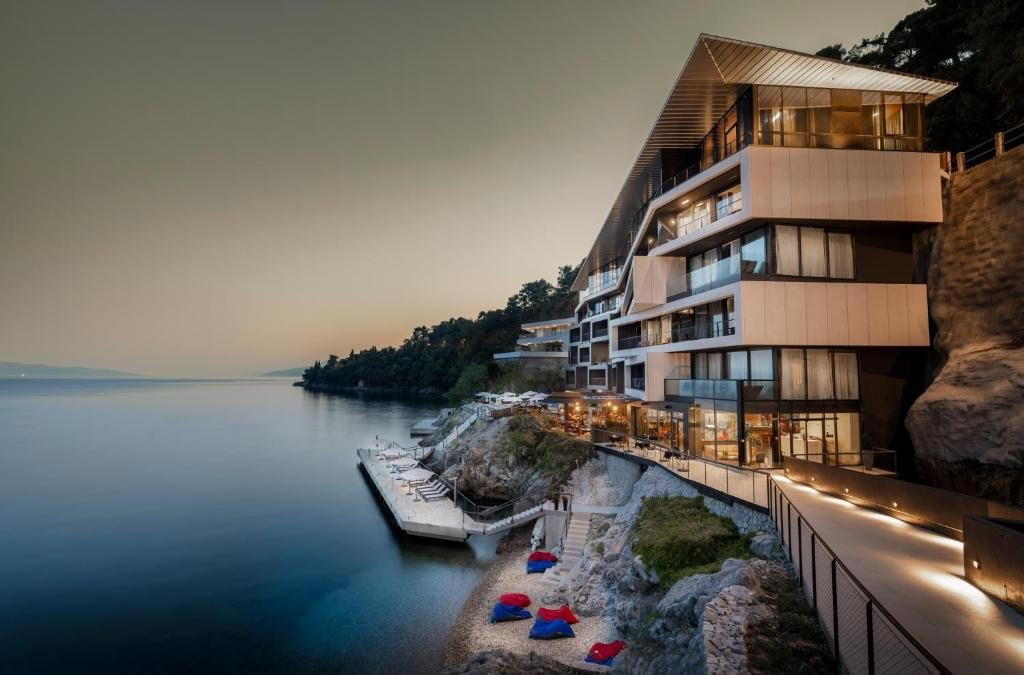
At a Glance
- Elegant
- Sophisticated
- Scenic
- Intimate
- Date Night
- Special Occasion
- Business Dinner
- Waterfront
- Terrace
- Hotel Restaurant
- Extensive Wine List
- Local Sourcing
- Waterfront
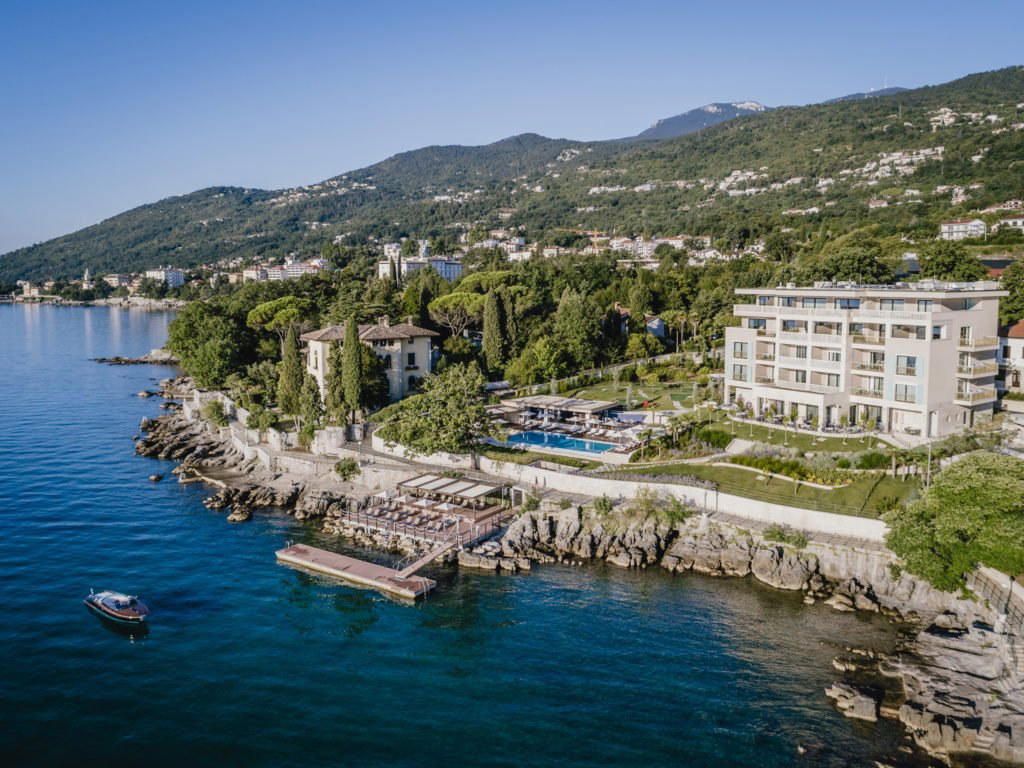
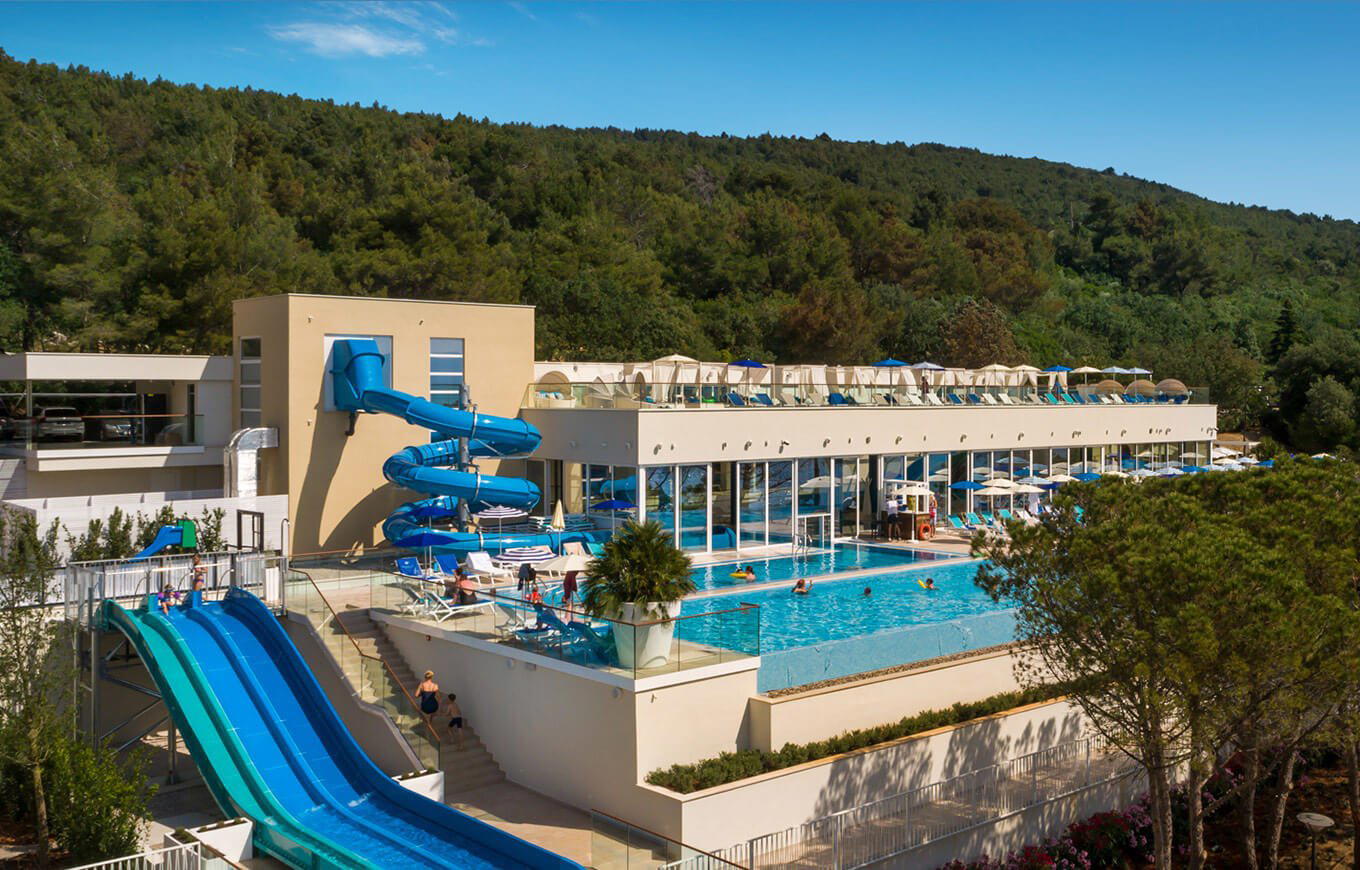
Contemporary interior with panoramic windows offering intense blue Adriatic views, creating an elegant and relaxing atmosphere.