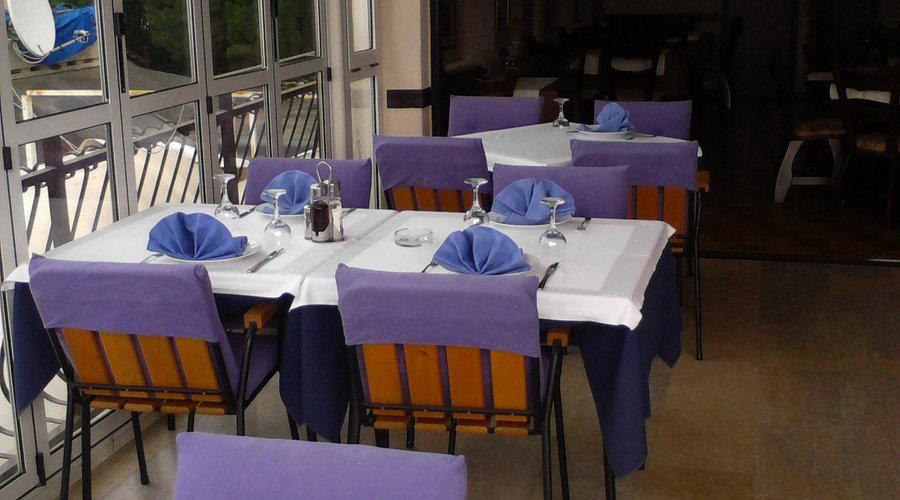
Restoran Katarina sits in a residential quarter of Pula, removed from the Amphitheatre-adjacent tourist circuit that defines much of the city's dining scene. Its address on Ulica Vallelunga places it among the kind of neighbourhood trattorias that Istrian locals have historically relied upon for direct, ingredient-led cooking. For visitors willing to move beyond the harbour promenade, it represents a different register of the city's table.
Pearl is the En Primeur Club membership app — saves, bookings, and concierge access live there. Same editors, same standards.
- Address
- Ul. Vallelunga 90, 52101, Pula, Croatia
- Phone
- +385916188720
- Website
- gurman-restorani.com
- Directions
- Get directions
 Saves & bookings on Pearl
A Street Away from the Circuit
Pula's dining scene divides more sharply than most Istrian cities between venues oriented toward the Amphitheatre tourist flow and those that operate in the residential fabric of the city's older quarters. Ulica Vallelunga, where Restoran Katarina sits at number 90, belongs to the latter category. There is no harbour view here, no terrace positioned for monument sightlines. What the address offers instead is proximity to how Pula eats when it is not performing for visitors: a quieter residential street, local foot traffic, and a dining format that does not need the backdrop of a Roman monument to justify its existence.
That positioning matters because Istria as a region has developed a dual identity in food tourism. On one side, a cluster of fine-dining addresses has earned the region serious international recognition. Agli Amici Rovinj in Rovinj and Pelegrini in Sibenik operate at a level that draws comparison with the upper tier of Adriatic dining, while addresses like Boskinac in Novalja show how Croatian wine and food can intersect with serious ambition. On the other side, a parallel infrastructure of neighbourhood restaurants continues to serve the communities that live in these cities year-round. Restoran Katarina appears to occupy that second register within Pula itself.
Pula's Table in Context
Understanding any Pula restaurant requires a brief account of what the city's food culture actually contains. Istrian cuisine sits at a Central European and Mediterranean crossroads: the region spent centuries under Venetian and then Austro-Hungarian administration, and both influences remain visible in the kitchen. Pasta shapes with Venetian roots appear alongside central European preparations. Truffles from the Motovun forest interior are used more freely here than almost anywhere else in Europe at comparable price points. Seafood from the northern Adriatic, shorter and colder than the southern Dalmatian waters, runs to different species and textures than what visitors might expect from Croatian coastline generally.
Within Pula specifically, several addresses have built clearer public profiles. Fradis Minoris, operating in the Sardinian register at the upper end of the price spectrum, draws the kind of advance booking and critical attention that Restoran Katarina, with its residential address and lower profile, does not appear to compete for. Amfiteatar Restaurant and Farabuto occupy more central, visitor-facing positions in the city. Gina and Kantina each represent different points on the spectrum between local institution and tourist accessibility. Katarina's Vallelunga address places it further from that central cluster than most visitors would naturally wander.
What the Location Implies for the Experience
Neighbourhood restaurants in Istrian cities tend to operate on a different logic from their centre-facing counterparts. The assumption is repeat custom from local residents, which typically produces a different relationship between the kitchen and its regulars: menus that shift with what the market delivered that week, a tolerance for simplicity over presentation, and pricing calibrated to what people who live nearby can sustain over months of regular visits rather than what a visitor arriving once for a special occasion will absorb.
The approach is not lesser than the fine-dining register; it is differently structured. Croatia's most discussed restaurants, from Dubravkin Put in Zagreb to Nebo by Deni Srdoč in Rijeka, have built their reputations in part by taking the ingredients and techniques of this everyday register and applying more deliberate creative frames around them. The neighbourhood restaurant tradition they draw from remains active in addresses like Katarina precisely because it was never primarily about spectacle.
For the visitor making decisions about where to spend limited evenings in Pula, the calculus is direct: the Amphitheatre-adjacent restaurants offer easier logistics and more predictable English-language menus, while an address like Katarina on Vallelunga requires a short taxi or walk into a less-trafficked part of the city and rewards that effort with a different social register. The comparison set is not Le Bernardin in New York City or Atomix in New York City; it is the kind of dependable local table that most visitors to any European city spend their whole trip trying to find.
Croatian Dining Beyond the Coast
Pula is a useful entry point into understanding how Croatian dining works beyond the coastal spectacle. Restaurants like Krug in Split, LD Restaurant in Korčula, and Restaurant 360 in Dubrovnik represent the high-visibility end of a national scene that also includes quieter, less-photographed addresses. Korak in Jastrebarsko and Alfred Keller in Mali Losinj show how far the serious cooking extends beyond the obvious tourist geography. Katarina, with whatever it offers at its Vallelunga address, belongs to a broader infrastructure of Croatian neighbourhood dining that rarely appears in international food media but constitutes the actual everyday texture of eating well in Istria.
For a fuller picture of how Pula's restaurant scene maps across price points and neighbourhoods, the EP Club Pula restaurants guide provides a structured overview with comparative context across the city's main dining categories.
Planning a Visit
Ulica Vallelunga 90 sits in a residential part of Pula that is walkable from the city centre but not on any obvious tourist route. Visitors arriving without a rental car will find the address accessible by taxi or a fifteen-to-twenty-minute walk from the Amphitheatre area. One reliable approach is to check current hours before visiting.
Just the Basics
Comparable venues nearby, for context on price, style, and recognition.
| Venue | Cuisine | Price | Notes |
|---|---|---|---|
| Restoran KatarinaThis venue — the venue you are viewing | Not listed | $$ | Not listed |
| Trattoria Vodnjanka | Not listed | $$$ | near market, Traditional Istrian Trattoria |
| Amfiteatar Restaurant | Not listed | $$ | Pula Arena, Mediterranean and Istrian with Modern Twist |
| Kažun Tavern | Not listed | $$ | Pula center, Traditional Istrian Mediterranean |
| Kantina | Not listed | $$ | Pula Old Town, Istrian Mediterranean with Truffle Specialties |
| Gina | Stoja, Traditional Istrian | $$$ | Not listed |
Continue exploring
More in Pula
Restaurants in Pula
Browse all →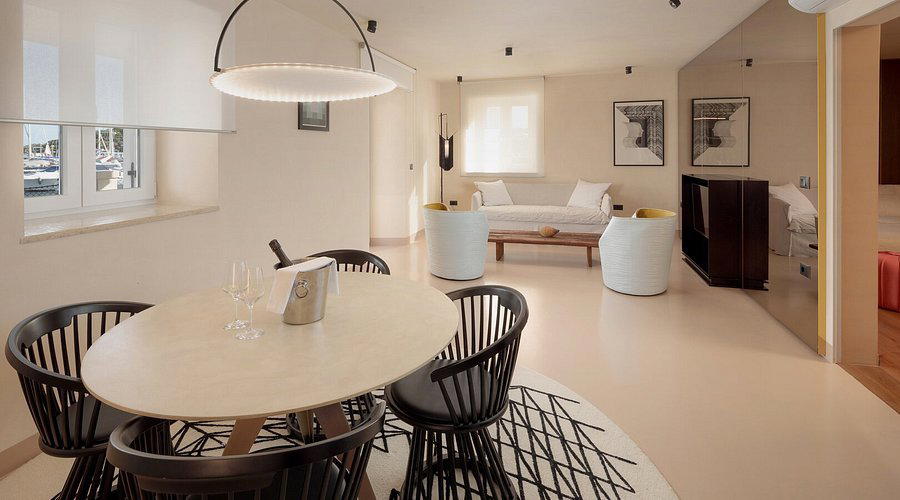
Bars in Pula
Browse all →
Hotels in Pula
Browse all →

At a Glance
- Scenic
- Romantic
- Cozy
- Modern
- Date Night
- Family
- Celebration
- Casual Hangout
- Waterfront
- Terrace
- Private Dining
- Beer Program
- Local Sourcing
- Sustainable Seafood
- Waterfront
Current opening hours
- Monday
- 9 AM–10 PM
- Tuesday
- 9 AM–5 PM
- Wednesday
- 9 AM–10 PM
- Thursday
- 9 AM–10 PM
- Friday
- 9 AM–10 PM
- Saturday
- 9 AM–10 PM
- Sunday
- 9 AM–10 PM
Hours can change for holidays and private events. Last verified .
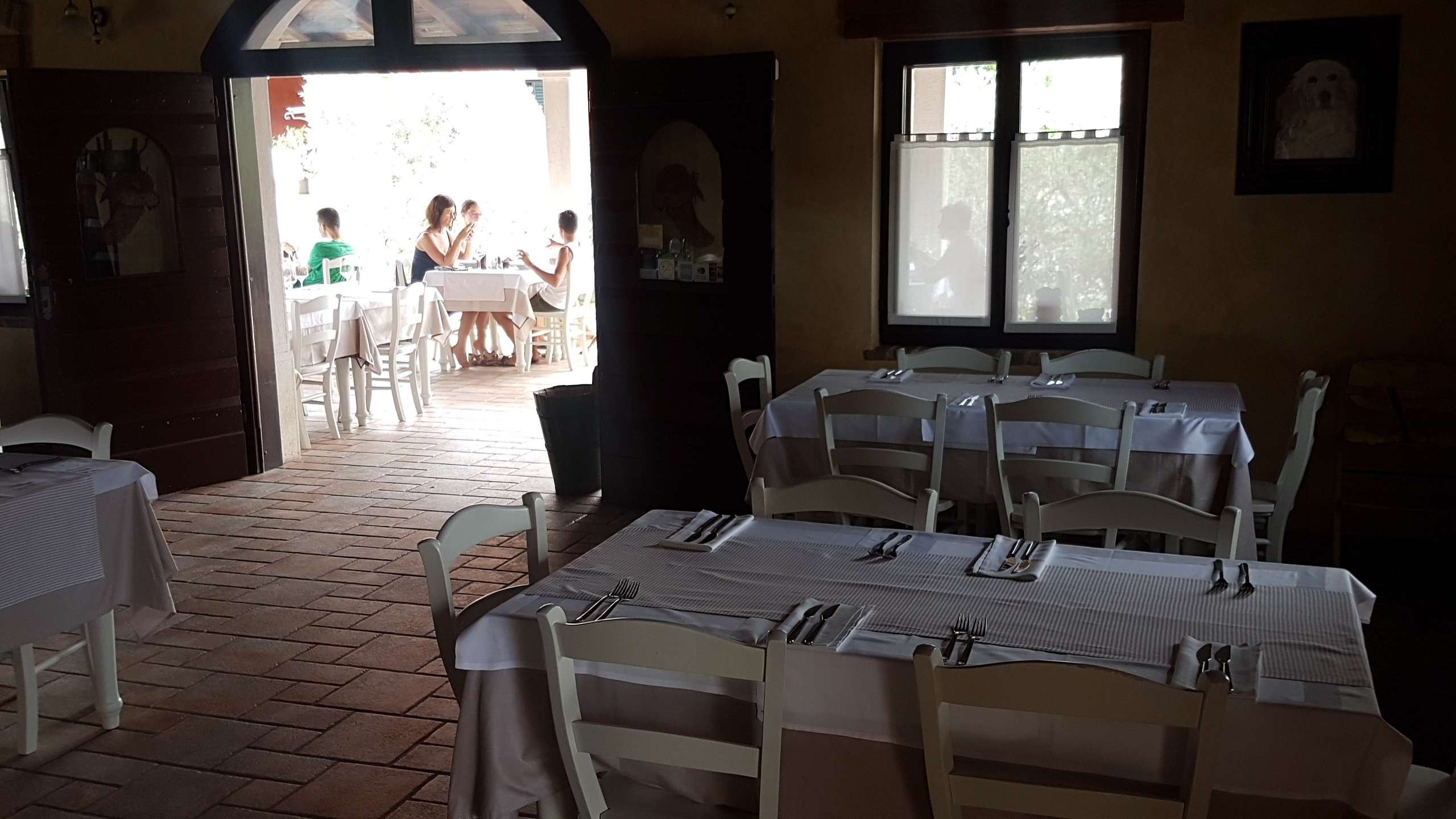
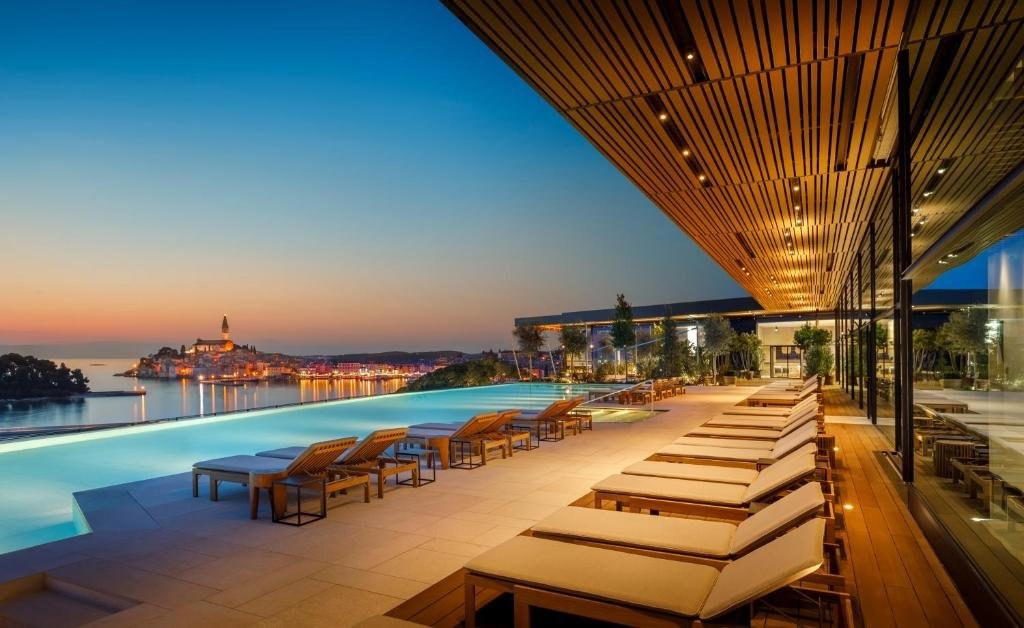
Modern design with clear shapes and pure aesthetic; warm, welcoming atmosphere enhanced by beautiful sea views and background music; intimate yet lively during peak hours.