On the quiet Stoja peninsula southwest of Pula's Roman centre, Gina occupies a spot where the pace of a meal is determined by the sea rather than the clock. The address at Stoja 23 places it firmly in the residential-coastal register that defines serious local dining in Istria, away from the amphitheatre-adjacent tourist circuit and toward the kind of table where regulars arrive with purpose.
Pearl is the En Primeur Club membership app — saves, bookings, and concierge access live there. Same editors, same standards.
- Address
- Stoja 23, 52100, Pula, Croatia
- Phone
- +38598254421
- Website
- gina-pula.hr
- Directions
- Get directions
 Saves & bookings on Pearl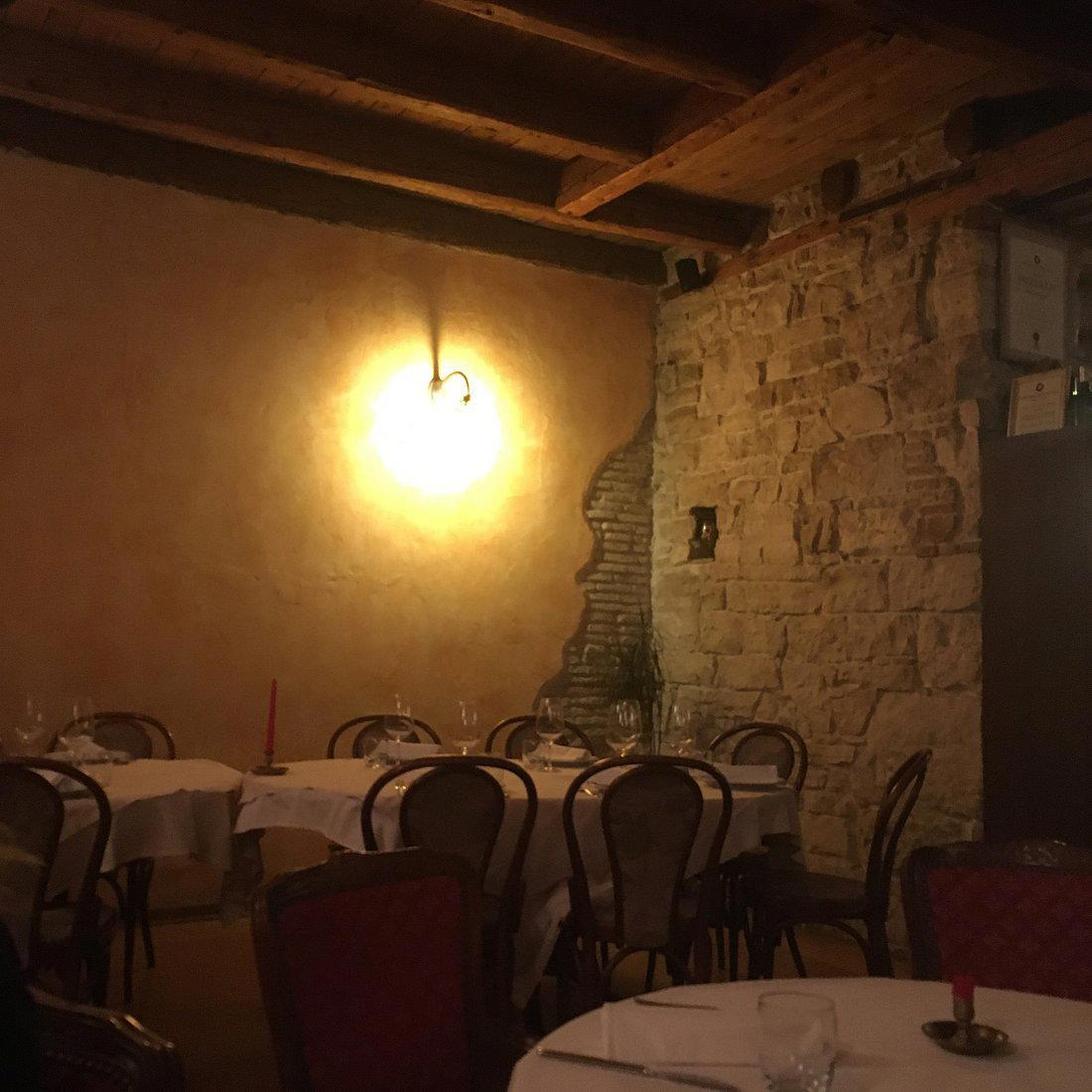
The Stoja Peninsula and the Rhythm of a Coastal Istrian Meal
Pula's dining scene has long operated on two distinct frequencies. The first is the amphitheatre orbit: restaurants positioned to capture foot traffic from the Roman forum and the Slavija Square perimeter, where menus tend to broaden and portion sizes tend to grow. The second is the coastal residential register, where addresses like Stoja 23 sit at a remove from that tourist current, drawing a clientele that arrives by deliberate choice rather than proximity. Gina belongs to that second frequency, on the Stoja peninsula southwest of the old town, where the Adriatic is close enough to shape both the produce and the unhurried tempo of a meal.
This split is common to many mid-size Mediterranean cities with both a significant heritage centre and a working coastline. In Pula's case, the peninsula restaurants tend to operate with the assumption that diners have already committed the evening. There is no early-seating pressure. The meal is the event, and the pacing reflects that. Understanding this before you arrive changes how the experience reads: what might register as slow service in a city-centre bistro is, in this context, calibrated spacing between courses.
Istrian Cooking as a Dining Ritual
Istrian cuisine sits at a crossroads that requires no forced fusion to produce complexity. The peninsula spent centuries under Venetian administration, and the culinary grammar still shows it: pasta forms, slow-braised proteins, and a respect for preserved and dried ingredients sit alongside the Croatian Adriatic pantry of bivalves, white fish, and wild herbs gathered from karstic scrubland. Truffles from the Motovun forest to the north are not a luxury supplement here but a seasonal staple, appearing in preparations from late summer through winter with the matter-of-fact frequency of a French kitchen deploying shallots.
Dining in this tradition carries its own customs. Meals open with shared small plates, frequently involving cured meats, aged hard cheeses, and whatever bivalves are running well that week. The middle of the meal is where the kitchen's technical register shows: hand-rolled pasta with a braised or truffled sauce, then a grilled or roasted fish or meat course. Portions are calibrated for sequence rather than satiation at any single point. Skipping courses to arrive at the main faster runs against the grain of how these tables are designed to be used. The wine list in restaurants of this type tends to be weighted toward Istrian Malvazija and Teran, with the former pairing against seafood and the latter providing enough tannin and acidity to cut through truffle-laced fat.
For context on how this dining ritual varies across the Croatian Adriatic, the tasting menu at LD Restaurant in Korčula and the heritage-rooted approach at Pelegrini in Sibenik each represent how coastal Croatian kitchens adapt similar source material to different formal registers. Further north, Nebo by Deni Srdoč in Rijeka shows what happens when that same Adriatic pantry is pushed toward a contemporary tasting format.
Gina in Its Pula comparable set
Within Pula specifically, the restaurant sits in a cohort of locally-oriented tables that prioritise the seasonal Istrian repertoire over the tourist-facing Mediterranean generalist menu. Fradis Minoris, which operates at the €€€€ end of the Pula market, represents the premium tier where Istrian ingredients are handled with tasting-menu discipline. Amfiteatar Restaurant, Farabuto, Kantina, and Kažun Tavern each map to different points in the city's dining spectrum, from tavern-register to formal. Gina's Stoja address places it in the residential-coastal pocket, which typically means a more relaxed dress assumption and a wine list that skews toward Croatian producers without the markup pressure of old-town real estate.
The Broader Croatian Dining Context
Gina's position in the Stoja residential belt is part of a wider pattern visible across Croatian coastal cities, where reliable cooking often happens at addresses that require some navigation to reach. Agli Amici Rovinj in Rovinj, which carries Michelin recognition, demonstrates what the Istrian ingredient set can achieve at its most disciplined. Boskinac in Novalja applies comparable logic in the Kvarner islands, where the estate-grown wine list anchors the food program. Korak in Jastrebarsko shows that the same inland Croatian ingredient focus extends well beyond the coastline. In Zagreb, Dubravkin Put and Alfred Keller in Mali Lošinj each illustrate how this commitment to sourcing and seasonal rhythm adapts to different geographies. Krug in Split and Restaurant 360 in Dubrovnik anchor the Dalmatian end of the same spectrum, while internationally, the sustained technical precision at Le Bernardin in New York City and the communal-meal format at Lazy Bear in San Francisco offer reference points for how dining-as-ritual operates in different cultural contexts.
Planning Your Visit
Gina is at Stoja 23, 52100 Pula, on the peninsula southwest of the Roman amphitheatre. Reaching Stoja from the old town takes roughly fifteen to twenty minutes on foot along the waterfront promenade, or a short drive. The area is low-density residential, so on-street parking is generally available in the evening. Reservations are recommended, especially on Fridays and Saturdays in peak summer. Dress is smart casual. Gina is open daily from 1 to 11 PM.
Cuisine Lens
Comparable venues nearby, for context on price, style, and recognition.
| Venue | Cuisine | Price | Notes |
|---|---|---|---|
| GinaThis venue — the venue you are viewing | Traditional Istrian | $$$ | Not listed |
| Veritas Food&Wine | Istrian Seafood & Mediterranean | $$$ | Old Town |
| Kantina | Istrian Mediterranean with Truffle Specialties | $$ | Pula Old Town |
| Farabuto | Istrian-Mediterranean Slow Food | $$$ | Outskirts of Pula city centre |
| Trattoria Vodnjanka | Traditional Istrian Trattoria | $$$ | near market |
| Amfiteatar Restaurant | Mediterranean and Istrian with Modern Twist | $$ | Pula Arena |
Continue exploring
More in Pula
Restaurants in Pula
Browse all →
Bars in Pula
Browse all →
Hotels in Pula
Browse all →

At a Glance
- Cozy
- Romantic
- Rustic
- Intimate
- Classic
- Date Night
- Special Occasion
- Group Dining
- Family
- Waterfront
- Standalone
- Historic Building
- Extensive Wine List
- Sommelier Led
- Local Sourcing
- Waterfront
Current opening hours
- Monday
- 1–11 PM
- Tuesday
- 1–11 PM
- Wednesday
- 1–11 PM
- Thursday
- 1–11 PM
- Friday
- 1–11 PM
- Saturday
- 1–11 PM
- Sunday
- 1–11 PM
Hours can change for holidays and private events. Last verified .
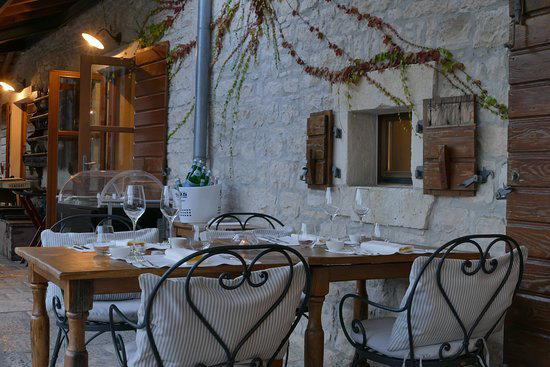
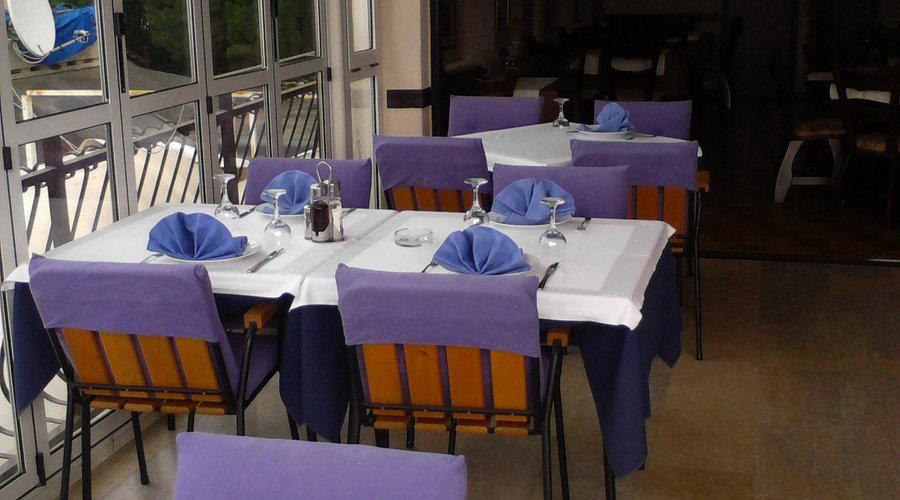
Stone walls, polished wood, and an Istrian-style fireplace create a warm, cozy dining space with intimate lighting and a welcoming atmosphere.