Kantina occupies a narrow address on Flanatička ulica in Pula's old town, where Istrian cooking is grounded in the peninsula's short supply chains and seasonal rhythms. The kitchen draws on the same larder that has defined this corner of the northern Adriatic for centuries: olive oil from groves minutes away, seafood landed that morning, and the truffle-laced interior that separates Istrian cuisine from its Dalmatian neighbours.
Pearl is the En Primeur Club membership app — saves, bookings, and concierge access live there. Same editors, same standards.
- Address
- Flanatička ul. 16, 52100, Pula, Croatia
- Phone
- +38552214054
- Website
- kantinarestaurant.shop
- Directions
- Get directions
 Saves & bookings on Pearl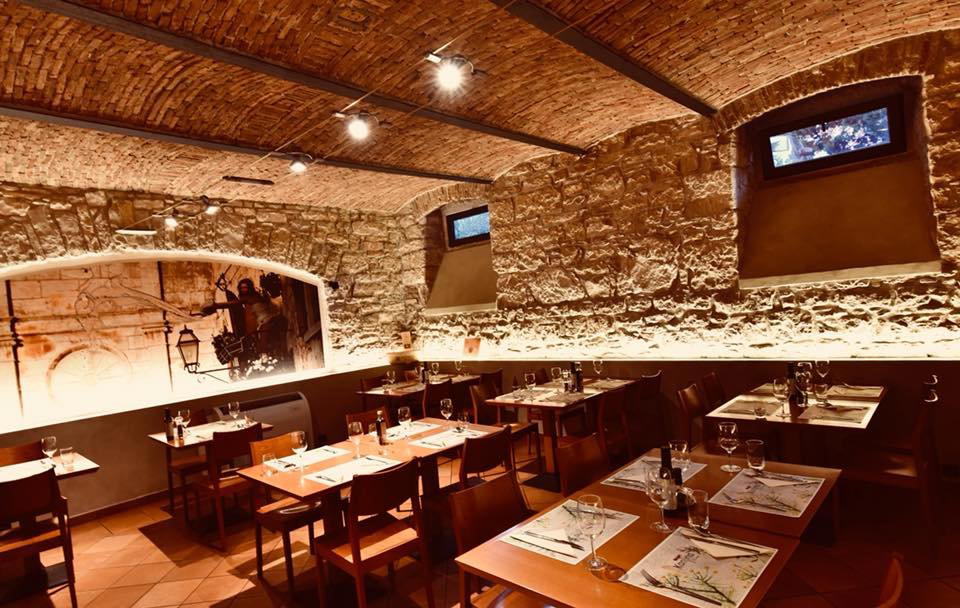
Where the Istrian Larder Meets the Roman Grid
Pula's old town is laid out on a Roman street plan, and the compression of history into a few dense blocks shapes how restaurants here operate. There is no room for sprawling terraces or theatrical open kitchens. What you get instead are intimate rooms with thick stone walls, menus that change with the week's catch, and a cooking style that draws its authority from proximity to source rather than from culinary spectacle. Kantina is a restaurant in Pula serving Istrian Mediterranean with Truffle Specialties. Kantina, at Flanatička ulica 16, sits within this framework. The address places it inside the pedestrian core, a short walk from the Arena's outer walls, in a part of town where trattorias and wine cellars have occupied ground floors for generations.
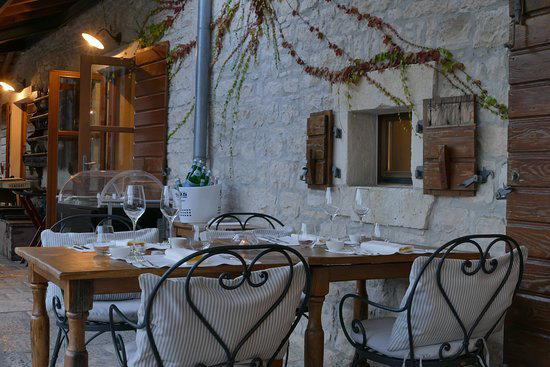
The physical environment here is defined by the neighbourhood before it is defined by any individual kitchen. Approaching along Flanatička, the street narrows and the noise of the waterfront fades. Stone underfoot, stone overhead. The kind of setting where what comes out of the kitchen either earns its place or is judged harshly by contrast with everything around it.
Istria's Ingredient Geography
Understanding what ends up on the plate at any serious Istrian restaurant requires understanding the peninsula's unusual geographic compactness. Istria is roughly the size of a large wine appellation, and its ingredients travel in hours, not days. The Adriatic shelf off the western coast produces bream, bass, scampi, and the small oily fish that appear in traditional preparations across the region. Inland, the Motovun forest and the hills around Buzet yield the white and black truffles that have become Istria's most internationally recognised ingredient, harvested seasonally and used in ways that range from composed to brutally simple. Olive groves in the southern peninsula around Vodnjan produce oils with a peppery finish that reflects the local Buža and Rosulja cultivars. This is not a region that needs to import its identity.
The broader pattern across Pula's better kitchens is an increasing willingness to treat these local materials with restraint rather than elaboration. Comparisons within the city illustrate the range: Fradis Minoris (Sardinian) operates at the leading price tier with a format oriented toward tasting menus and regional wine pairings, while Amfiteatar Restaurant occupies a more formal position near the Arena. Farabuto and Gina each represent a more casual entry point into the city's dining, and Kažun Tavern anchors the tradition of simple Istrian tavern cooking. Kantina operates within this spread, positioned in the mid-register of the old town's dining, where ingredient sourcing and honest execution tend to matter more than format or ceremony.
The Logic of a Short Supply Chain
Istrian cuisine's character is inseparable from its supply chain. The peninsula has a functioning agricultural and fishing economy that predates tourism, and the leading kitchens here have always relied on that infrastructure. What this means practically is that menus shift with the week rather than the season, that a Monday fish offer will look different from a Friday one, and that the vegetables arriving from farms in the Buje or Barban hinterland carry flavour profiles shaped by red Istrian soil rather than by cold-storage logistics.
This sourcing discipline also explains why Istrian cooking resists the kind of menu standardisation that affects tourist-heavy destinations elsewhere on the Adriatic. The raw materials impose their own seasonality. Truffle season runs roughly from late summer through winter for black truffles and autumn through spring for white, and kitchens that take that cycle seriously produce different dishes in October than they do in April. Scampi from the Kvarner Gulf, available to restaurants across this northern stretch of the coast, appear on menus from Alfred Keller in Mali Losinj to Nebo by Deni Srdoč in Rijeka, reflecting the shared larder that connects restaurants across the Kvarner and Istrian zones.
Comparing across Croatia's dining scene more broadly, the sourcing conversation is most advanced in the north. Restaurants like Boskinac in Novalja have built their identity around island-specific agriculture, and Pelegrini in Sibenik and Agli Amici Rovinj in Rovinj both operate with a sourcing rigour that earned Michelin recognition. The standard those kitchens set raises expectations across the region's mid-tier, including in Pula's old town streets.
Planning a Visit
Flanatička ulica is reachable on foot from most central accommodation in a matter of minutes, and the old town's pedestrian zone means arriving without a car is not just practical but preferable. Pula is accessible year-round, but the dining scene operates differently by season: summer months from June through August bring the largest visitor volumes and the widest range of open kitchens, while shoulder season in May and September offers a quieter version of the city with most serious restaurants still operating at full capacity. Winter in Pula is mild by northern European standards, and a smaller but committed dining scene stays open through the colder months, often with menus that lean harder into truffle, game, and preserved ingredients.
Elsewhere in Croatia, diners looking for the same sourcing-led approach at a higher technical register have options across the coast: LD Restaurant in Korčula, Restaurant 360 in Dubrovnik, Dubravkin Put in Zagreb, Krug in Split, and Korak in Jastrebarsko each represent the country's more ambitious dining tier. For international context on what ingredient-led kitchens can accomplish at the technical ceiling, Le Bernardin in New York City and Atomix in New York City illustrate how sourcing discipline scales when budget and kitchen infrastructure are unrestricted.
Comparable Venues
Comparable venues nearby, for context on price, style, and recognition.
| Venue | Cuisine | Price | Notes |
|---|---|---|---|
| KantinaThis venue — the venue you are viewing | Istrian Mediterranean with Truffle Specialties | $$ | Not listed |
| Farabuto | Istrian-Mediterranean Slow Food | $$$ | Outskirts of Pula city centre |
| Amfiteatar Restaurant | Mediterranean and Istrian with Modern Twist | $$ | Pula Arena |
| Kažun Tavern | Traditional Istrian Mediterranean | $$ | Pula center |
| Veritas Food&Wine | Istrian Seafood & Mediterranean | $$$ | Old Town |
| Gina | Traditional Istrian | $$$ | Stoja |
Continue exploring
More in Pula
Restaurants in Pula
Browse all →
Bars in Pula
Browse all →
Hotels in Pula
Browse all →

At a Glance
- Rustic
- Modern
- Cozy
- Elegant
- Date Night
- Group Dining
- Special Occasion
- Casual Hangout
- Terrace
- Historic Building
- Open Kitchen
- Extensive Wine List
- Local Sourcing
- Farm To Table
Current opening hours
- Monday
- 7 AM–12 AM
- Tuesday
- 7 AM–12 AM
- Wednesday
- 7 AM–12 AM
- Thursday
- 7 AM–12 AM
- Friday
- 7 AM–12 AM
- Saturday
- 7 AM–12 AM
- Sunday
- 12 PM–12 AM
Hours can change for holidays and private events. Last verified .
Contemporary decor within a historic stone cellar with rustic charm, warm lighting, and a relaxed yet refined atmosphere that blends old European architecture with modern aesthetics.