Our verdict
Restobar Verne occupies a corner of Kermisstraat in Roeselare, a West Flemish city whose dining scene has grown steadily beyond its Michelin-starred anchors. The restobar format — part restaurant, part bar — reflects a wider Belgian shift toward casual-serious dining, where kitchen ambition and relaxed service coexist. It sits in the mid-tier of Roeselare's eating options, offering an accessible entry point into a city worth taking seriously at the table.

Pearl is the En Primeur Club membership app — saves, bookings, and concierge access live there. Same editors, same standards.
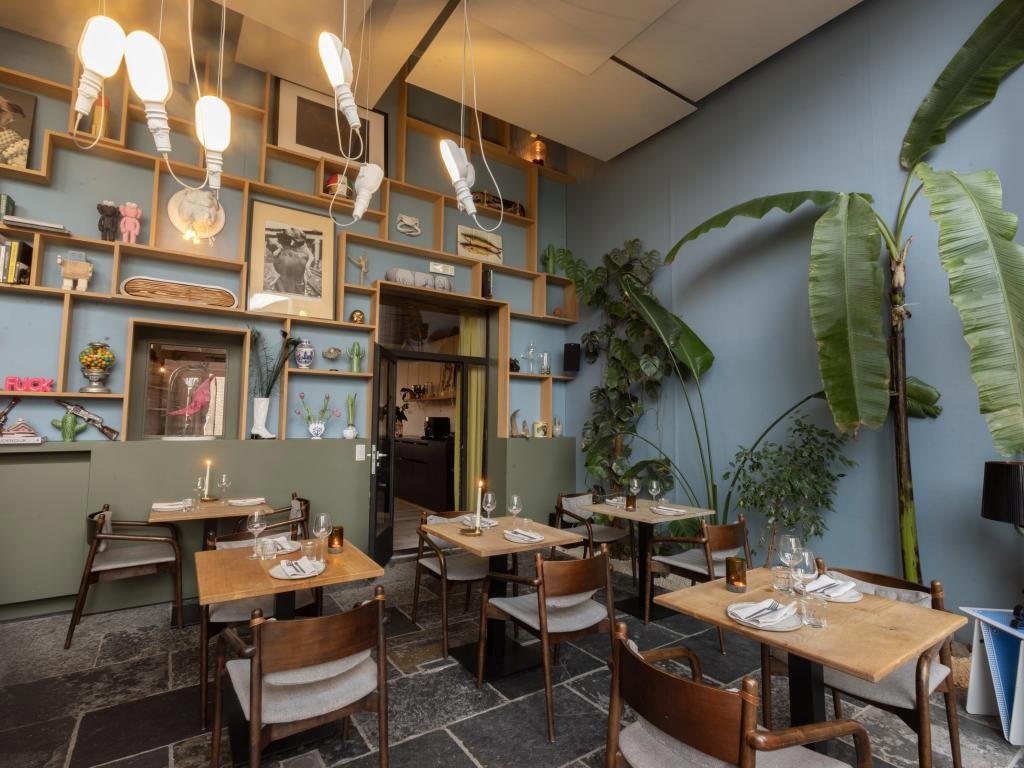
The menu
What to order
- Falafel
- Cantabrian anchovies
- Côte à l'os with fries
- Triple cooked fries with smoked paprika
Where Roeselare's Casual Dining Finds Its Register
Kermisstraat is not the address that puts Roeselare on international food maps, but it is the kind of street that tells you how a city actually eats from day to day. Restobar Verne sits at number 58 in a neighbourhood that functions at a remove from the formal dining corridors closer to the city centre, and that distance is part of the point. The restobar format — a Belgian hybrid that refuses to choose between the full restaurant experience and a bar where food happens to be good — has become one of the more telling developments in Flemish dining over the past decade. It draws on a longstanding tradition in the region: the idea that serious cooking need not demand ceremony, and that a well-poured glass and a kitchen with genuine intention belong in the same room.
The Restobar Format in Flemish Context
To understand where Restobar Verne fits, it helps to understand what the restobar category has come to mean in Belgium. The country's restaurant culture has historically been shaped by two poles: the formal gastronomic house, often with tablecloths and multi-course menus, and the neighbourhood estaminet, where the food is secondary to the beer list and the company. The restobar occupies the space between these poles with increasing confidence. It typically signals a kitchen that takes sourcing and technique seriously while resisting the pacing and pricing structures of tasting-menu dining.
Roeselare's broader food scene demonstrates this tension clearly. At the leading end, Boury operates as the city's flagship address for Modern Flemish and Creative French cooking at the highest level, and Bistro Le Nord holds a French Contemporary position in the €€€ tier. At a more accessible price point, CRKL represents the modern cuisine mid-market. Restobar Verne enters this scene as a venue whose format suggests an audience that wants a kitchen with presence but prefers an atmosphere closer to the bar end of the spectrum. The city has room for all of these registers, and visitors who spend time in Roeselare benefit from understanding that the dining options extend well beyond any single tier.
West Flanders at the Table
The cultural context for a venue like Restobar Verne is West Flanders itself, a province with a food identity shaped by proximity to the North Sea coast, a strong agricultural base, and decades of cross-border influence from northern France. Belgian cuisine in this region tends to ground itself in products, chicory, grey shrimp, the firm-fleshed fish of the Flemish coastal strip, aged cheeses from regional farms, before it reaches for technique. That grounding has made West Flemish cooking resistant to the more abstract gestures of international fine dining, and it has made the casual-serious format particularly well suited to the region's temperament. A restobar in West Flanders is expected to know its suppliers and to let the produce speak before the kitchen imposes itself.
This regional character plays out across a wider Belgian dining culture that has produced, at various price points, some of Europe's most ingredient-focused cooking. The tradition runs from three-Michelin-star houses such as Hof van Cleve in Kruishoutem and Zilte in Antwerp down through coastal specialists like Bartholomeus in Heist and the produce-led work at Willem Hiele in Oudenburg, to neighbourhood-level addresses that carry the same regional logic into less formal rooms. Restobar Verne exists within that continuum, serving a city whose diners are accustomed to the idea that good cooking does not require a reservation booked three months ahead or a dress code conversation at the door.
Roeselare as a Dining Destination
Roeselare does not always appear on the shortlists that international food travellers use to plan Belgian itineraries, which tend to concentrate on Brussels, Bruges, Ghent, and Antwerp. That relative low profile is, in practical terms, an advantage for visitors who do make the detour. The city's dining scene operates without the tourist-pricing pressure that affects Bruges in high season, and the local clientele that sustains addresses like Restobar Verne is one that eats out regularly and with genuine interest. For context on the city's full range of options, the EP Club Roeselare restaurants guide maps the scene from the gastronomic to the casual.
Further afield, the West Flemish region connects to a broader network of Belgian dining worth planning around. De Jonkman in Sint-Kruis, Castor in Beveren, and La Durée in Izegem, the last of these within easy reach of Roeselare, each represent different points on the regional dining spectrum. Visitors building a Flemish eating itinerary can reasonably combine several of these addresses across a long weekend, with Roeselare as a practical base. The city sits at a manageable distance from Bruges and Ghent, making it accessible by rail without requiring a car.
For those approaching from Brussels or planning a Belgian dining circuit, Bozar Restaurant in Brussels and L'air du Temps in Liernu sit at the more formal end of what Belgian dining can offer, while d'Eugénie à Emilie in Baudour represents the kind of rural Wallonian address that rounds out a full picture of the country's cooking. Internationally, the contrast between Belgian ingredient-focus and the technical precision of venues like Le Bernardin in New York City or the Korean-inflected tasting formats at Atomix in New York City clarifies what makes the Flemish restobar tradition distinctive: it is self-consciously local in its reference points, even when the kitchen is technically sophisticated.
Other Roeselare addresses worth considering alongside Restobar Verne include d'Hofstee and De Ooievaar, both of which contribute to a local dining culture that punches above its population size.
Planning Your Visit
Restobar Verne is located at Kermisstraat 58 in Roeselare. As a restobar rather than a formal restaurant, the venue is likely to operate with more walk-in flexibility than the city's higher-end addresses, though specific hours, booking policies, and current operational details are best confirmed directly with the venue before visiting. Roeselare is served by direct rail connections from Ghent and Bruges, making it reachable without a car for visitors based in larger Belgian cities.
Frequently asked questions
Where is Restobar Verne located?
Restobar Verne is located at Kermisstraat 58, 8800 Roeselare, Belgium, Roeselare.
Is Restobar Verne a good option for a relaxed weeknight dinner in Roeselare rather than a formal sit-down meal?
The restobar format is specifically built for that register: lower formality than a full-service restaurant, but a kitchen that goes beyond bar snacks. Roeselare's dining scene tends to operate at a neighbourhood pace rather than a destination-driven one, which makes Kermisstraat 58 a practical fit for mid-week eating without the ceremony of a tasting menu or a fixed prix-fixe structure.
What's the signature dish at Restobar Verne?
No single dish has been formally attributed to Restobar Verne through documented sources or award recognition. The restobar category in Belgium typically anchors its menus to regional produce, and given Roeselare's position in West Flanders, proximity to the North Sea coast and local agricultural supply tend to shape what these kitchens put on the plate. Visiting with an open order rather than a fixed target is the more practical approach here.
How far ahead should I plan for Restobar Verne?
Restobar Verne at Kermisstraat 58 operates in a format that generally supports walk-in or short-notice dining, unlike Michelin-tracked addresses in Bruges or Ghent where lead times of several weeks are standard. Without a high-profile chef or award recognition on record, the booking pressure is lower. A call ahead of the same day or next day is a reasonable baseline, particularly for weekend evenings.
Cost Snapshot
Comparable venues nearby, for context on price, style, and recognition.
| Venue | Cuisine | Price | Awards | Notes |
|---|---|---|---|---|
| Restobar VerneThis venue — the venue you are viewing | Modern Belgian Restobar | Not listed | Not listed | Not listed |
| Olea Social Foodbar | Modern Italian | Not listed | Not listed | Roeselare center, Modern Italian |
| Ma Passion | French Fine Dining | $50–100 | Michelin Plate | Roeselare, French Fine Dining |
| De Ooievaar | French-Belgian Bistro | Not listed | Not listed | Roeselare center, French-Belgian Bistro |
| d'Hofstee | Belgian-French Grillhouse | $30–50 | Not listed | countryside, Belgian-French Grillhouse |
| Flambée | Modern Seafood Fine Dining | $50–100 | Star Wine List | city center, Modern Seafood Fine Dining |
Continue exploring
More in Roeselare
Restaurants in Roeselare
All restaurants in Roeselare →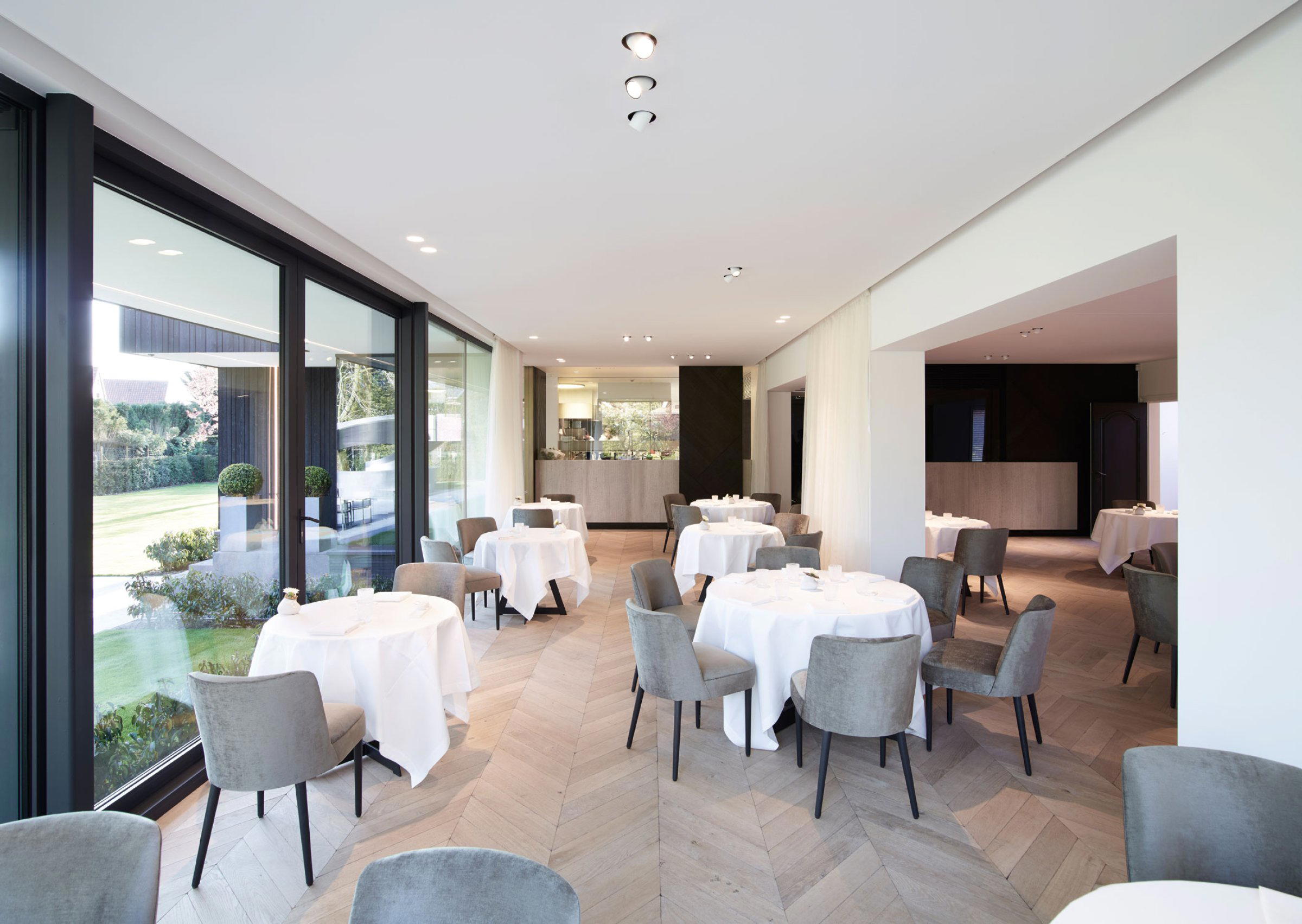
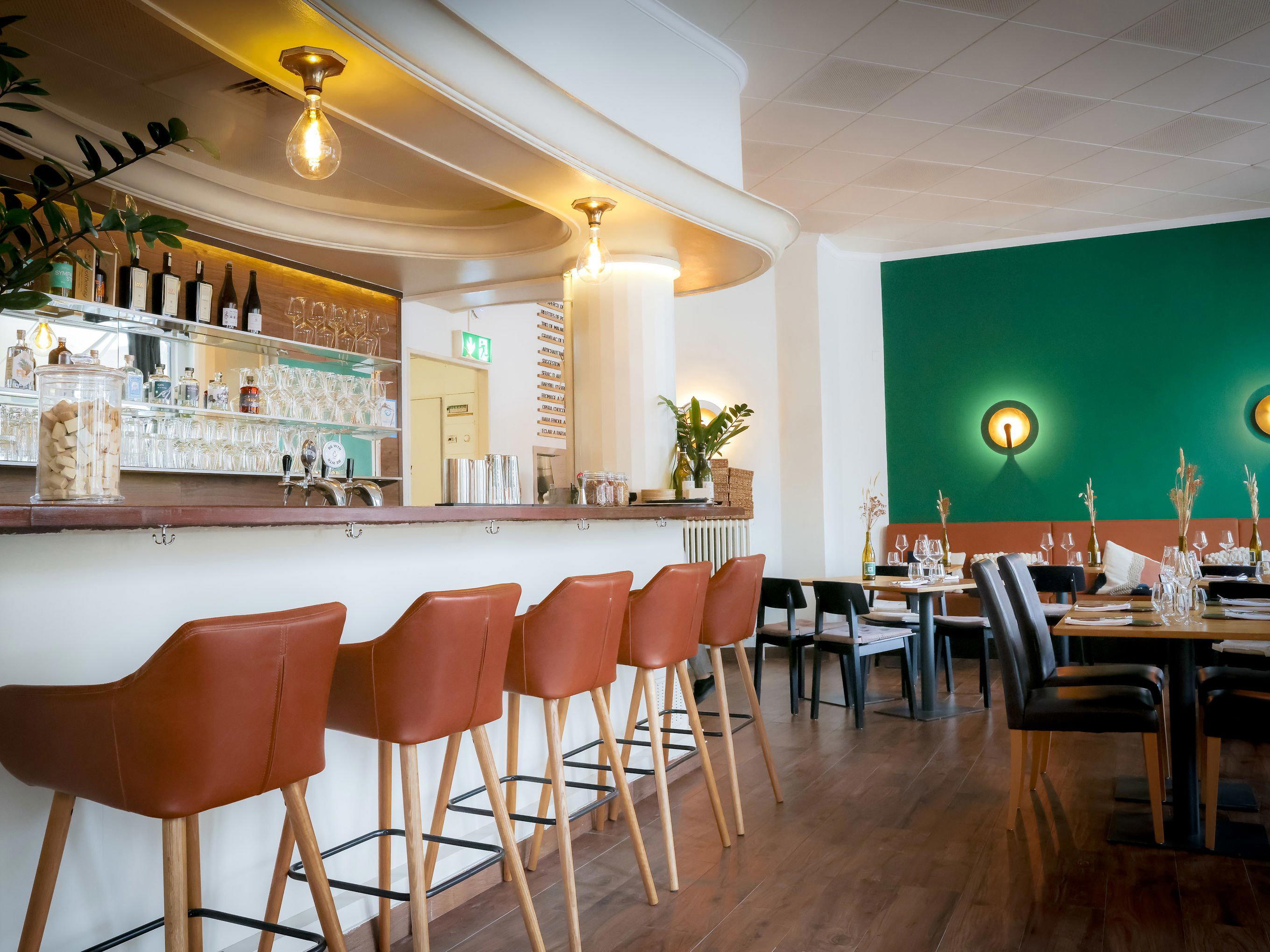

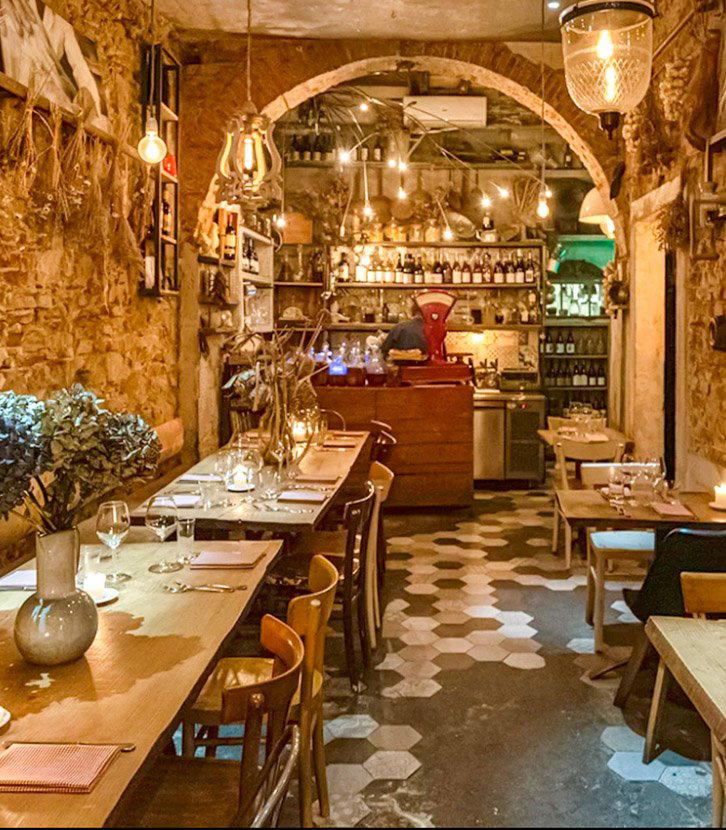
Bars in Roeselare
Browse all →
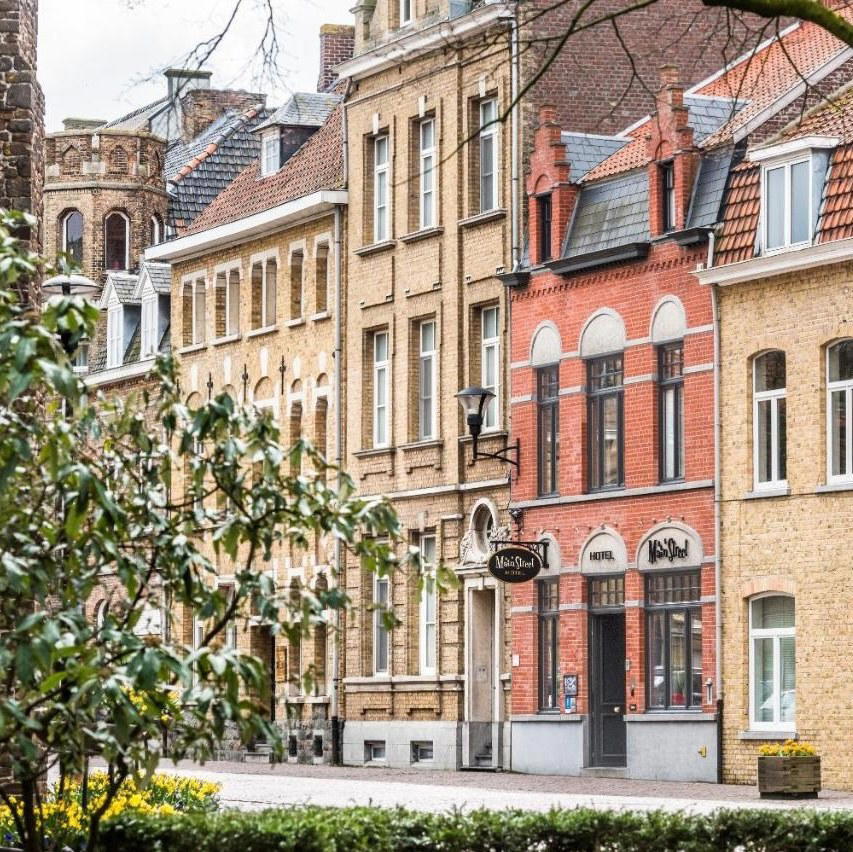
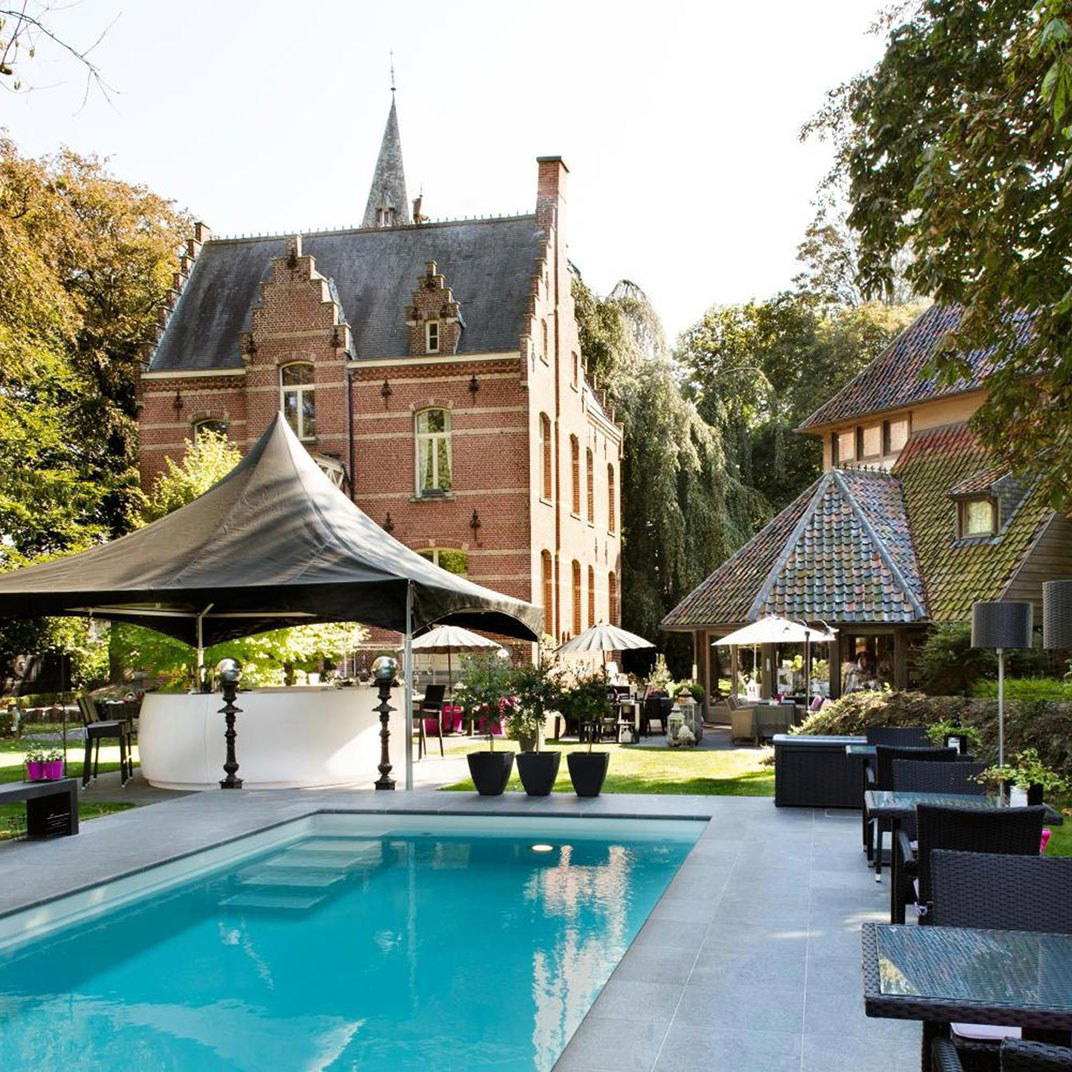
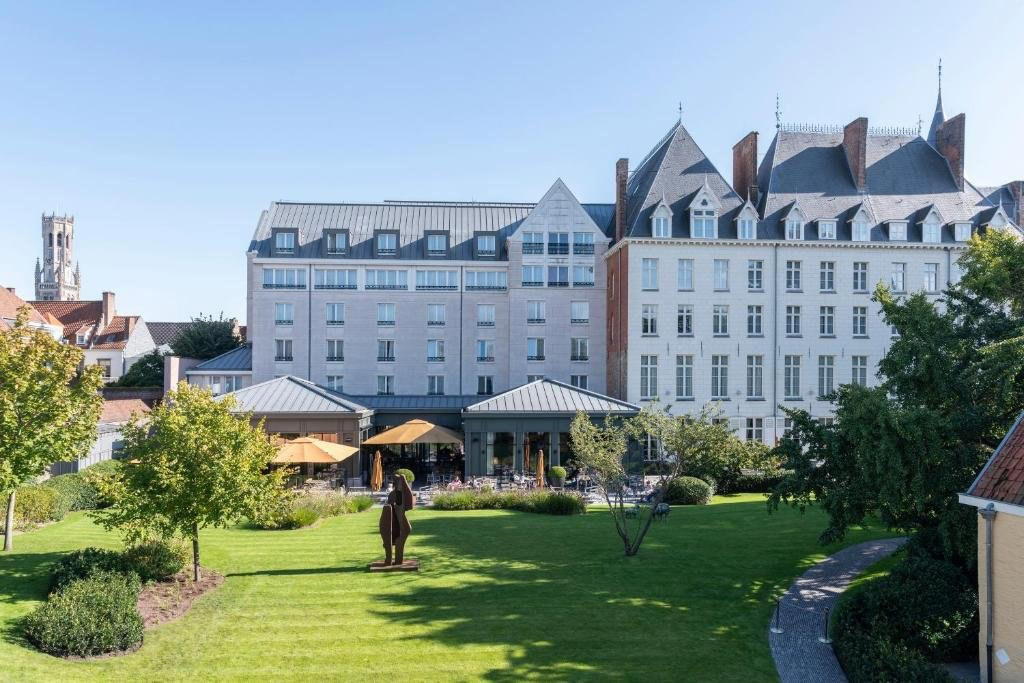
Hotels in Roeselare
Browse all →
Wineries in Roeselare
Browse all →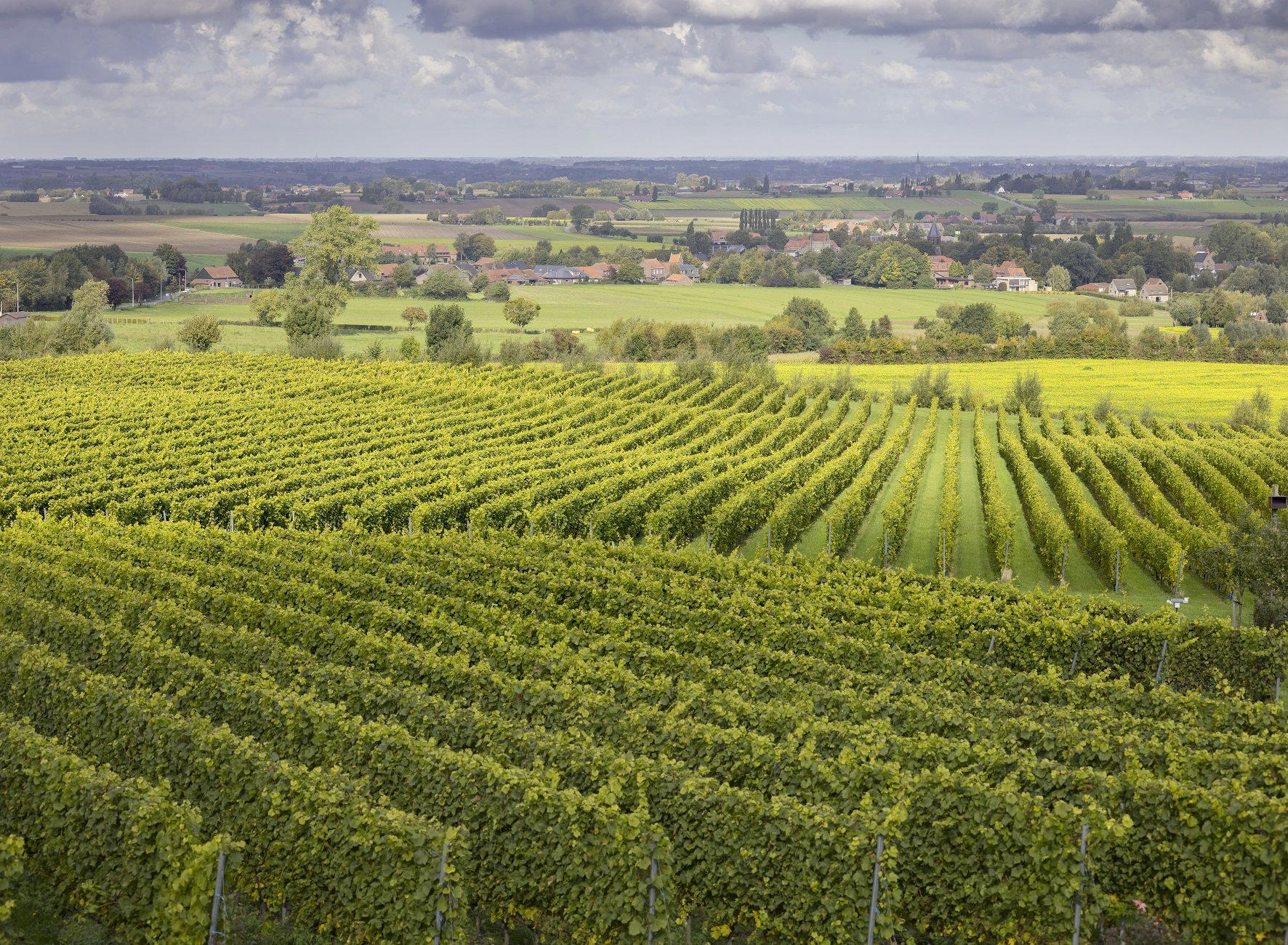
Details
- Cozy
- Modern
- Lively
- Group Dining
- Casual Hangout
- Terrace
- Craft Cocktails
- Small Plates
- Craft Cocktails
- Wine
Current opening hours
- Monday
- Closed
- Tuesday
- Closed
- Wednesday
- 6 PM–12 AM
- Thursday
- 6 PM–12 AM
- Friday
- 6 PM–12 AM
- Saturday
- 6 PM–12 AM
- Sunday
- 12–3 PM, 6 PM–12 AM
Hours can change for holidays and private events. Last verified .
Huiselijke and gemoedelijke sfeer with a touch of rock-'n-roll in a cared-for contemporary setting.