A social foodbar on Hendrik Consciencestraat in the heart of Roeselare, Olea positions itself within the city's growing mid-tier dining conversation, a format that sits between casual neighbourhood eating and full-service restaurant. The name signals a Mediterranean lean, though the social-bar format suggests sharing plates and a counter-friendly rhythm that suits the city's evolving appetite for informal but considered eating.
Pearl is the En Primeur Club membership app — saves, bookings, and concierge access live there. Same editors, same standards.
- Address
- Hendrik Consciencestraat 68, 8800 Roeselare, Belgium
- Phone
- +32470523997
- Website
- oleasocialfoodbar.com
- Directions
- Get directions
 Saves & bookings on Pearl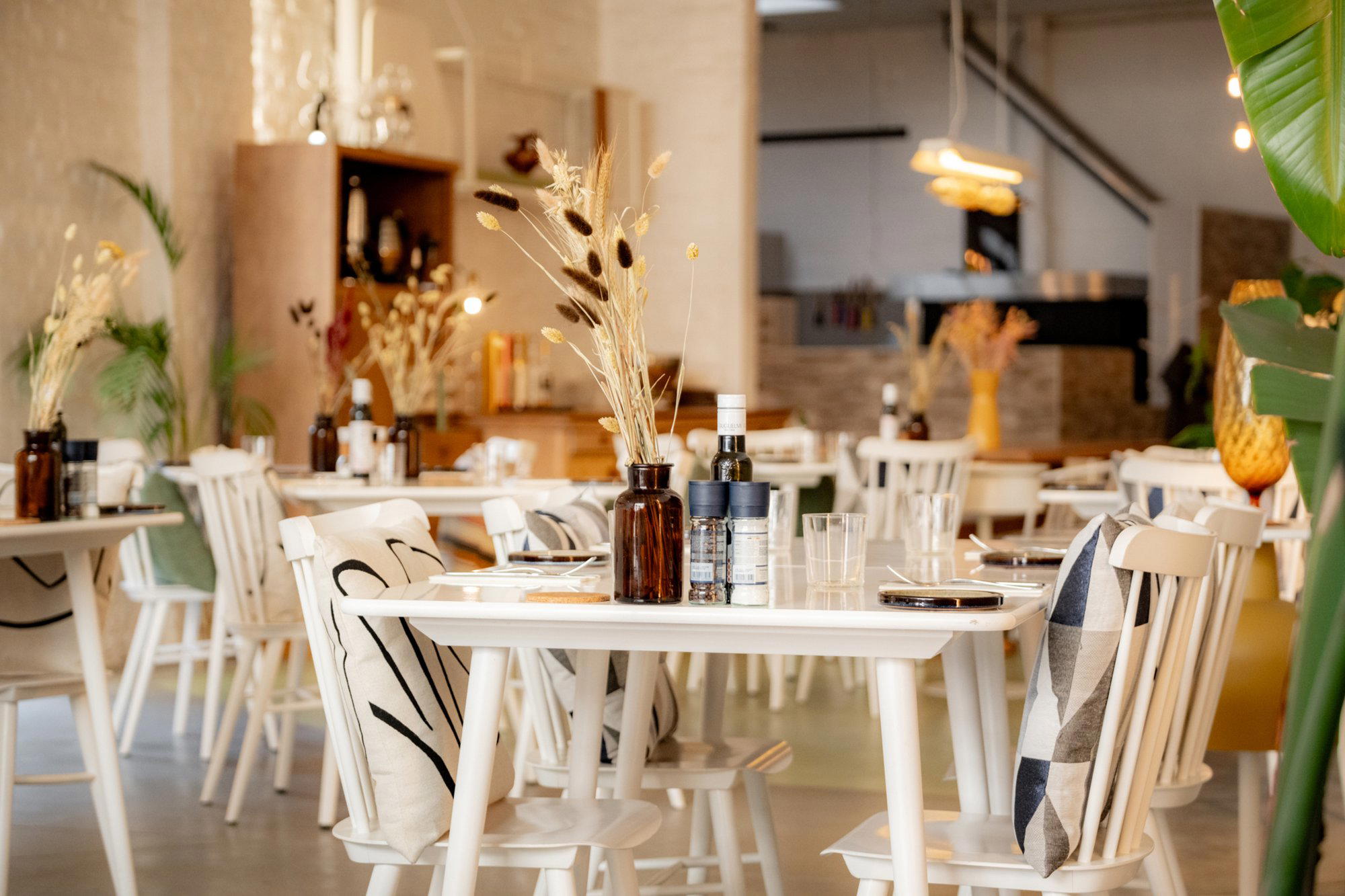
The Format Before the Food: What a Social Foodbar Actually Means in Roeselare
Belgium's mid-tier restaurant scene has been reorienting for several years now, moving away from the starched-tablecloth formality that once defined serious dining and toward formats where the counter, the sharing plate, and the open kitchen do most of the communicating. Roeselare, a West Flemish city better known for its proximity to the Leie region's agricultural hinterland than for any particular dining tradition, has been quietly absorbing that shift. Olea Social Foodbar is a Modern Italian restaurant on Hendrik Consciencestraat in Roeselare, Belgium, with a price tier of 2 and a casual dress code. It sits inside that broader movement: a venue concept built around accessibility of format rather than ceremony, where the word "social" in the name carries structural weight.
The social foodbar format, now established across Ghent, Antwerp, and Brussels, typically organises a room around shared dishes, a shorter but more deliberate drinks list, and service rhythms that encourage grazing rather than coursing. It places Olea in a different competitive tier from Boury, Roeselare's headline fine-dining address with its creative Flemish tasting menu and multi-course commitment, or the French-leaning formality of Bistro Le Nord. The comparable set here is closer to CRKL, where modern cuisine at a moderate price point meets a less ceremonial room. Understanding that positioning matters before you decide whether Olea fits your evening.
Reading the Name: Mediterranean Sourcing in a Flemish City
The name Olea, the genus that covers olive trees, signals an intent that goes beyond decoration. In the Belgian context, a Mediterranean orientation in a mid-tier foodbar format typically means olive oil as a primary fat rather than butter, a leaning toward vegetables and legumes as central elements rather than garnish, and a sourcing vocabulary that reaches toward the southern European producers who supply the country's better independent importers. West Flanders is not short of quality agricultural suppliers: the polders and farmland surrounding Roeselare have long provided the vegetable and grain produce that feeds both domestic kitchens and professional ones, and the region's proximity to the coast historically connected it to North Sea catch as well.
A social foodbar with a Mediterranean orientation in this geography sits at a productive intersection. The format encourages smaller, shareable preparations where the quality of individual ingredients carries more of the burden than elaborate technique. An olive oil of genuine provenance, a properly aged cheese from a named importer, or a seasonal vegetable treated with restraint tends to do more work in a sharing-plate context than in a composed plated course where it might be obscured by multiple other components. This is the editorial argument for ingredient-first formats: they raise the visibility of sourcing in a way that classical plating often does not. Across Belgium, venues that have leaned into this logic, from L'air du Temps in Liernu at the upper end, to more accessible urban foodobars in Ghent and Antwerp, have found that transparency about provenance is itself a selling point with the demographic that frequents these rooms.
Roeselare's Dining Spectrum and Where Olea Sits
To understand Olea's position requires a brief survey of the city's restaurant range. Roeselare has invested in a dining tier that punches above its population size, anchored at the leading by Boury's creative ambition and by addresses like d'Hofstee and De Ooievaar, which extend the city's hospitality identity beyond its commercial centre. The full picture of what Roeselare offers across price tiers and formats is covered in our full Roeselare restaurants guide.
Within that spread, the social foodbar tier remains underdeveloped relative to larger Flemish cities. Ghent's Patershol quarter and Antwerp's Zuid neighbourhood both host multiple iterations of the format; Roeselare's version is newer and smaller in scale. That gives Olea a degree of category definition by default: in a city where the choice is often between formal restaurants and purely casual options, a format that occupies the deliberate-but-informal middle ground fills a gap that local diners have been finding elsewhere. West Flemish diners are not inexperienced eaters, the region's proximity to the coast and its agricultural wealth have always supported a food culture with specific expectations around ingredient quality, and the social foodbar format speaks directly to that expectation without requiring the full financial and temporal commitment of a tasting menu evening.
For comparison, the broader Belgian dining reference points sit well above this price tier. Zilte in Antwerp, Hof van Cleve in Kruishoutem, and Bozar in Brussels occupy a different altitude entirely. The coastal Flemish addresses like Bartholomeus in Heist and Willem Hiele in Oudenburg represent a terroir-led register that also sits above everyday eating. Olea's relevance is at street level, in the category of places that a city needs to function as a dining destination rather than merely a dining event.
The Room and the Rhythm
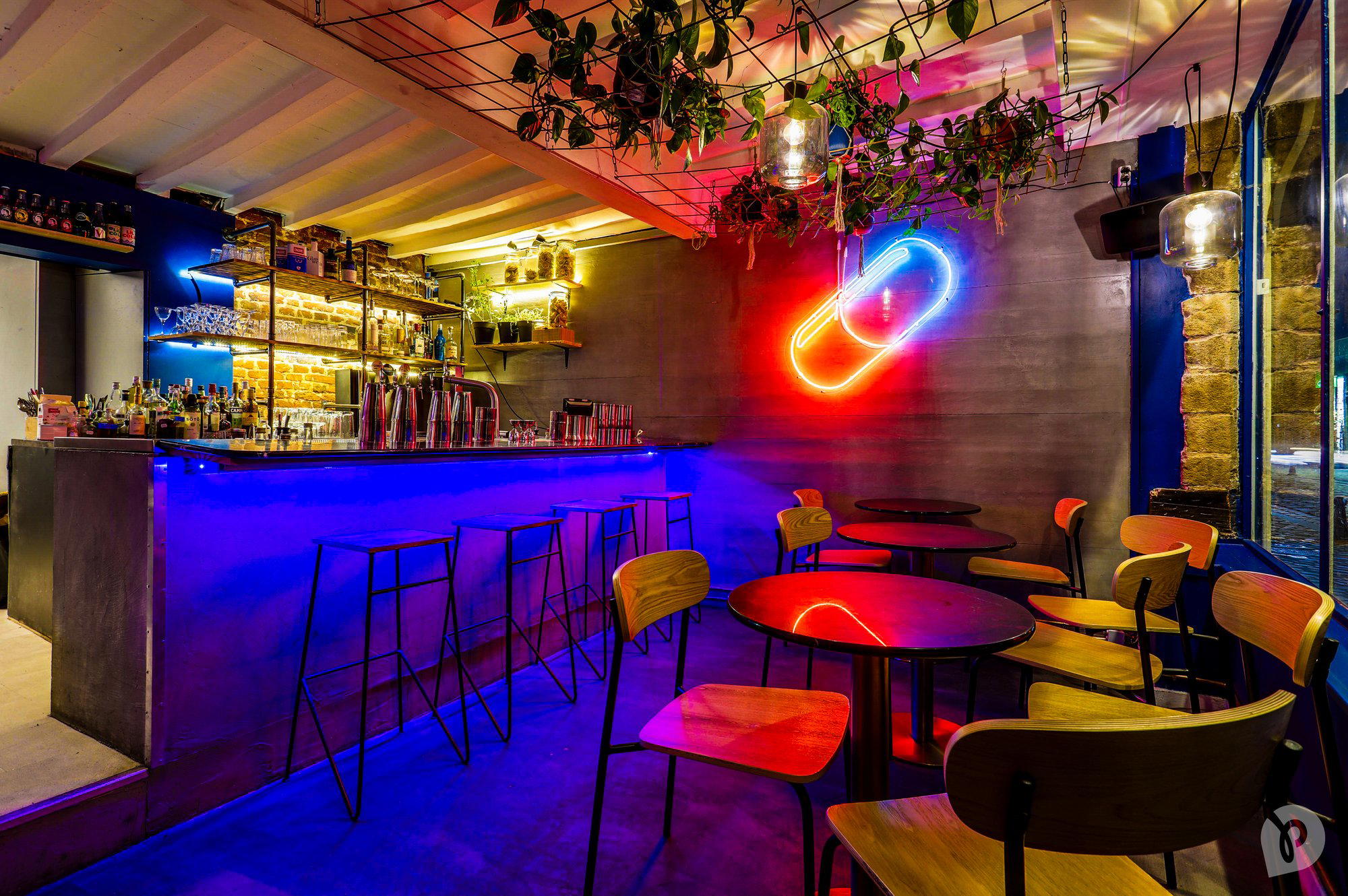
Hendrik Consciencestraat is a residential-commercial street within walking distance of Roeselare's centre, the kind of address that supports neighbourhood eating rather than destination pilgrimage. A foodbar on this kind of street typically draws its trade from a local repeat-visit demographic as much as from out-of-town diners, which shapes the room's energy: less theatre, more regularity. The social format reinforces that rhythm.
This contrasts with the experience at more formal West Flemish addresses. It also connects Olea to a model visible in other mid-sized Belgian cities and at accessible urban formats abroad, from the produce-led sharing-plate rooms of London's east end to the natural-wine-and-small-plates counters that have restructured how younger urban diners in Paris and Amsterdam approach an evening out. The format travels because the logic is consistent: lower per-head spend, higher visit frequency, and a social dynamic that the table-for-two tasting-menu format structurally cannot provide. Venues operating at a similar accessible register in Belgium include La Durée in Izegem and Castor in Beveren, both of which move through the space between formal and casual with distinct editorial identities. Further afield, the precision-at-accessibility model has international exemplars in venues like Atomix in New York City and the ingredient rigour of Le Bernardin, though both operate at a different scale and price register entirely.
Planning a Visit
Olea Social Foodbar is at Hendrik Consciencestraat 68, 8800 Roeselare. For current opening hours, reservation availability, and menu information, check the venue directly. Given the format and neighbourhood address, booking ahead for weekend evenings is prudent, booking is recommended, especially on busy nights. Roeselare is accessible by train from Ghent (approximately 50 minutes) and Bruges (approximately 35 minutes), making it a workable half-day or evening trip from either city for visitors based elsewhere in Flanders. Nearby dining alternatives in the same visit include De Jonkman in Sint-Kruis and d'Eugénie à Emilie in Baudour for those building a broader West Flemish eating itinerary.
In Context: Similar Options
Comparable venues nearby, for context on price, style, and recognition.
| Venue | Cuisine | Price | Awards | Notes |
|---|---|---|---|---|
| Olea Social FoodbarThis venue — the venue you are viewing | Modern Italian | $$ | Not listed | Not listed |
| Restobar Verne | Modern Belgian Restobar | $$ | Not listed | central |
| De Ooievaar | French-Belgian Bistro | $$ | Not listed | Roeselare center |
| Flambée | Modern Seafood Fine Dining | $$$ | Not listed | city center |
| d'Hofstee | Belgian-French Grillhouse | $$ | Not listed | countryside |
| Ma Passion | French Fine Dining | $$$ | Michelin Plate | Roeselare |
Continue exploring
More in Roeselare
Restaurants in Roeselare
Browse all →

Bars in Roeselare
Browse all →
At a Glance
- Modern
- Cozy
- Casual Hangout
- Brunch
- Open Kitchen