RESTAURANTE SANT JAUME
Our verdict
Restaurante Sant Jaume sits in Premià de Dalt, a hillside town above the Maresme coast north of Barcelona, where the cooking draws on the agricultural and maritime resources of one of Catalonia's most productive growing regions. The restaurant occupies an address in a residential setting removed from the city circuit, placing it within a local dining culture that values seasonal produce and regional continuity over metropolitan spectacle.

Pearl is the En Primeur Club membership app — saves, bookings, and concierge access live there. Same editors, same standards.
The menu
What to order
- Grilled meats
- Calçotada
- Carns a la graella
Above the Coast, Inside the Market Garden
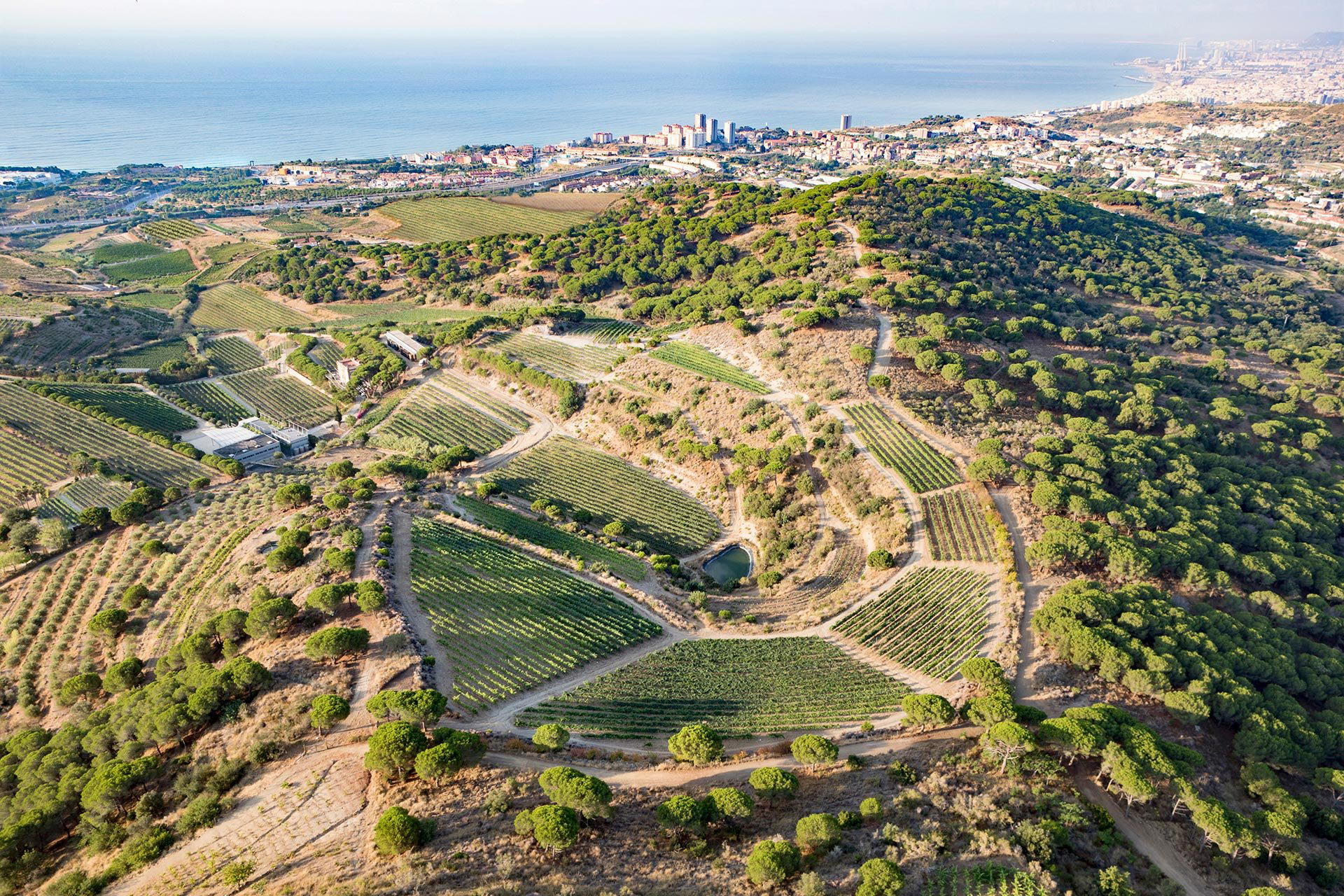
The Maresme comarca stretches along the Costa del Maresme between Barcelona and the Girona border, and its reputation among Catalan cooks rests on something direct: the land produces at a level that larger agricultural regions rarely match at this density. Tomatoes from Montroig, strawberries from Gavà, artichokes and peas from the coastal plains, and a fishery that runs from Mataró south toward Badalona — this is the supply chain that defines cooking in the towns set into the hills above the coast. Premià de Dalt sits in that band, refined above its coastal counterpart Premià de Mar, and the restaurants that anchor themselves here tend to draw identity from proximity to that produce rather than from positioning within any Barcelona-facing fine-dining conversation.
Restaurante Sant Jaume occupies an address on Riera de Sant Pere, a street that runs through the residential core of the town. The approach is residential rather than theatrical — no hotel lobby, no rooftop terrace with sea views engineered for social media. What the setting offers instead is a kind of groundedness that becomes increasingly rare as coastal Catalonia's dining scene orients itself toward the visitor economy. For context on where this sits relative to the wider Spanish fine-dining tier, operations like El Celler de Can Roca in Girona or Cocina Hermanos Torres in Barcelona represent the award-heavy, destination-dining end of Catalan cooking. Sant Jaume operates outside that orbit, serving a local and regional clientele rather than an international one.
The Sourcing Logic of the Maresme
The editorial angle that matters most for understanding a restaurant in this position is ingredient sourcing, and in the Maresme that means engaging with one of the few coastal agricultural zones in Spain where small-scale growers, fishing cooperatives, and the restaurant sector still maintain direct supply relationships at scale. Spain's broader fine-dining conversation has become increasingly focused on provenance, Asador Etxebarri in Atxondo built its international reputation almost entirely on the sourcing and preparation of primary ingredients, while operations like Aponiente in El Puerto de Santa María have extended that logic to underused marine species. In the Maresme, the sourcing conversation is less about innovation and more about continuity: the region's growers have supplied Barcelona's mercats municipals for generations, and the leading local restaurants function as a more proximate version of that same relationship.
A hillside restaurant in Premià de Dalt drawing on Maresme produce is, structurally, working with an ingredient base that metropolitan Barcelona pays premium prices to access through intermediaries. The short supply chain is the advantage, seasonal vegetables at peak ripeness, local catch without the logistical delay that comes with centralised wholesale markets, and a cooking calendar that moves with the land rather than against it. That is the regional framework in which Sant Jaume's cooking should be read, even in the absence of the specific menu data required to assess execution.
Where Sant Jaume Sits in the Catalan Dining Map
Catalonia's restaurant spectrum runs from the three-Michelin-star operations that anchor the region's international reputation down through a dense middle tier of creative Catalan cooking, and then into a wider base of neighbourhood and village restaurants where the focus shifts from technique to product. Sant Jaume's position, a named restaurant in a small hillside municipality with a fixed street address, places it in that broader base tier, which is not a diminishment. Spain's most discussed food culture often lives precisely in this register: the village restaurant that sources from the farm two kilometres away, cooks in a style that would have been recognisable forty years ago, and fills its dining room with regulars rather than tourists.
The comparison set that applies here is not Azurmendi in Larrabetzu or DiverXO in Madrid, both of which compete at the top of a very different market. It is closer to the network of market-kitchen restaurants operating across rural and semi-rural Catalonia, where the dining proposition rests on what arrived at the kitchen that morning rather than on a tasting menu architecture designed for a global audience. For readers building a broader Spanish itinerary, those larger operations, Arzak in San Sebastián, Martin Berasategui in Lasarte-Oria, Mugaritz in Errenteria, Quique Dacosta in Dénia, Ricard Camarena in València, Noor in Córdoba, Atrio in Cáceres, Casa Marcial in Arriondas, and Cenador de Amós in Villaverde de Pontones, represent the award-circuit tier. Sant Jaume represents something else: a locally rooted address in a town with direct access to good ingredients, serving food for its community first.
Planning a Visit to Premià de Dalt
Premià de Dalt is accessible from Barcelona via the R1 Rodalies line to Premià de Mar, with the uphill town reached by local road or taxi from the coastal station. The drive from central Barcelona runs approximately 25 kilometres along the C-32 or the coastal N-II. For visitors building a day around the area, the Maresme coast offers a sequence of small beach towns between Barcelona and Mataró, and the hillside interior provides a different character entirely, quieter, more agricultural, less oriented toward tourism infrastructure. See our full Premià de Dalt restaurants guide for additional context on eating and drinking in the area.
For those whose broader travel context includes high-end dining in New York before or after Spain, Le Bernardin in New York City and Atomix in New York City represent the kind of formal destination-dining that Sant Jaume is specifically not trying to be, which is worth stating plainly, because the contrast clarifies what a restaurant like this offers: immediacy, locality, and a cooking calendar tied to a specific and productive piece of Spanish coastline.
Questions About Restaurante Sant Jaume
- Is Restaurante Sant Jaume good for families? Based on its hillside town location in Premià de Dalt and the absence of a fine-dining price point in the available record, it reads as a neighbourhood restaurant where family dining is more the norm than the exception, though confirming directly before visiting is advisable.
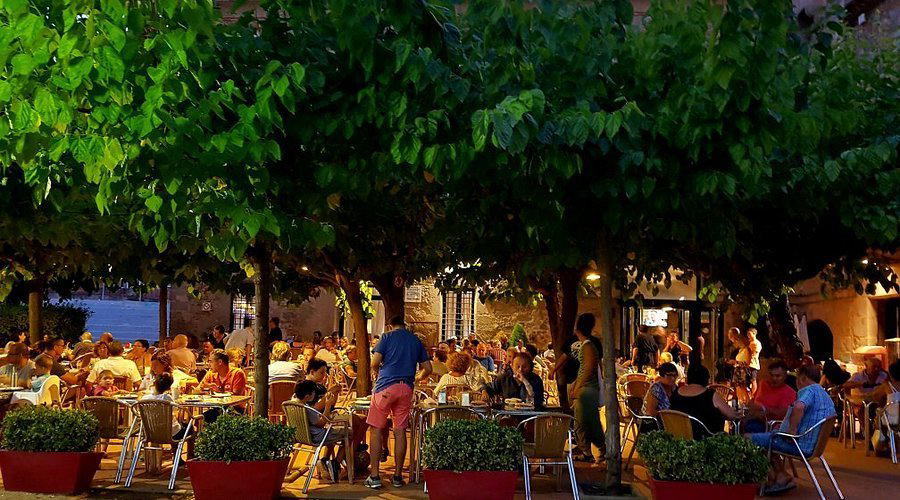
- What is the vibe at Restaurante Sant Jaume? If you are expecting Barcelona-level restaurant theatre, this is not that. A hillside residential address in a small Catalan municipality, without the award profile of destination restaurants, signals a local dining room where the atmosphere is defined by regulars and proximity to the Maresme's agricultural produce rather than by design or spectacle.
- What is the must-try dish at Restaurante Sant Jaume? What the Maresme region reliably offers its leading local kitchens is seasonal vegetable cookery and coastal fish; dishes built around either are the logical starting point for any first visit, and worth asking about when booking.
- Is Restaurante Sant Jaume worth visiting specifically from Barcelona, or is it primarily a local restaurant? Visitors already exploring the Maresme coast north of Barcelona, a region with genuine agricultural character and a distinct identity from the metropolitan food scene, will find it a reasonable addition to a day in the area, but the evidence available does not support framing it as a standalone reason to travel from Barcelona.
Frequently asked questions
Is RESTAURANTE SANT JAUME good for families?
Premià de Dalt is a residential Maresme town rather than a tourist destination, and restaurants here tend to draw a local crowd that includes families eating across generations. The address on Riera de Sant Pere places it in a neighbourhood setting rather than a formal dining corridor, which typically means a relaxed pace suited to groups. Confirming opening hours and table availability directly before visiting is advisable given the limited publicly confirmed operational details.
What's the vibe at RESTAURANTE SANT JAUME?
Sant Jaume sits in Premià de Dalt, a hillside town above the Costa del Maresme, which sets the register before you walk in — this is comarca dining, not city-centre performance. The surrounding Maresme market-garden territory shapes restaurants in this position toward produce-driven simplicity rather than elaborate tasting formats. Expect a room that reflects the working character of the town rather than the polish of a Barcelona dining-room.
How do you get to Restaurante Sant Jaume in Premià de Dalt from Barcelona?
The R1 Rodalies line runs from Barcelona Sants and Passeig de Gràcia to Premià de Mar station in roughly 35–40 minutes, after which the uphill town of Premià de Dalt is accessible by local road or taxi. The restaurant address is Riera de Sant Pere, 147, placing it within the upper town rather than the coastal strip. Driving via the C-32 or the N-II coastal road is the most direct option if arriving by car from Barcelona.
What's the must-try dish at RESTAURANTE SANT JAUME?
What the Maresme does reliably well is spring vegetables — pèsols de Llavaneres, tender beans, and early-season tomatoes — and any Premià de Dalt kitchen with access to that supply chain is worth ordering accordingly when those items appear. Ask the room what came in that morning rather than anchoring to a fixed recommendation.
How It Stacks Up
Comparable venues nearby, for context on price, style, and recognition.
| Venue | Cuisine | Price | Awards | Notes |
|---|---|---|---|---|
| RESTAURANTE SANT JAUMEThis venue — the venue you are viewing | Traditional Catalan Grill | $20–30 | Not listed | Not listed |
| Rooster & Bubbles | Modern Spanish Rotisserie & Tapas | $20–30 | Not listed | Sant Pere, Santa Caterina i la Ribera |
| Meson Jesus | Traditional Spanish & Mediterranean | $20–30 | Not listed | Barri Gotic |
| Can Culleretes | Traditional Catalan | $30–50 | Macarfi 6.7 Food Rating | Barri Gotic |
| Pepa Tomate | Modern Catalan Tapas | $20–30 | Not listed | la Vila de Gracia |
| Blanc & Negre | Traditional Spanish & Catalan Country Cuisine | $10–20 | Not listed | Barri Centre, Sant Boi de Llobregat |
Continue exploring
More in Premia De Dalt
Restaurants in Premia De Dalt
All restaurants in Premia De Dalt →
Bars in Premia De Dalt
Browse all →


Details
- Classic
- Rustic
- Scenic
- Group Dining
- Family
- Casual Hangout
- Terrace
- Historic Building
- Standalone
- Local Sourcing
- A La Carte
- Set Menu
- Catalan Wines
Current opening hours
- Monday
- 8 AM–12 AM
- Tuesday
- 8 AM–12 AM
- Wednesday
- 8 AM–12 AM
- Thursday
- 8 AM–12 AM
- Friday
- 8 AM–1 AM
- Saturday
- 8:30 AM–1 AM
- Sunday
- 8:30 AM–12 AM
Hours can change for holidays and private events. Last verified .
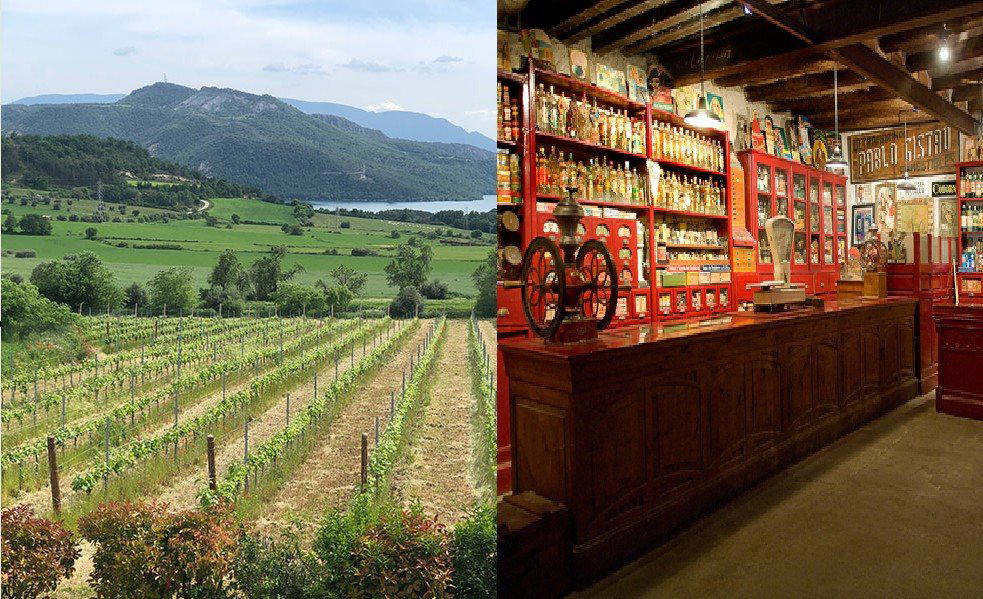
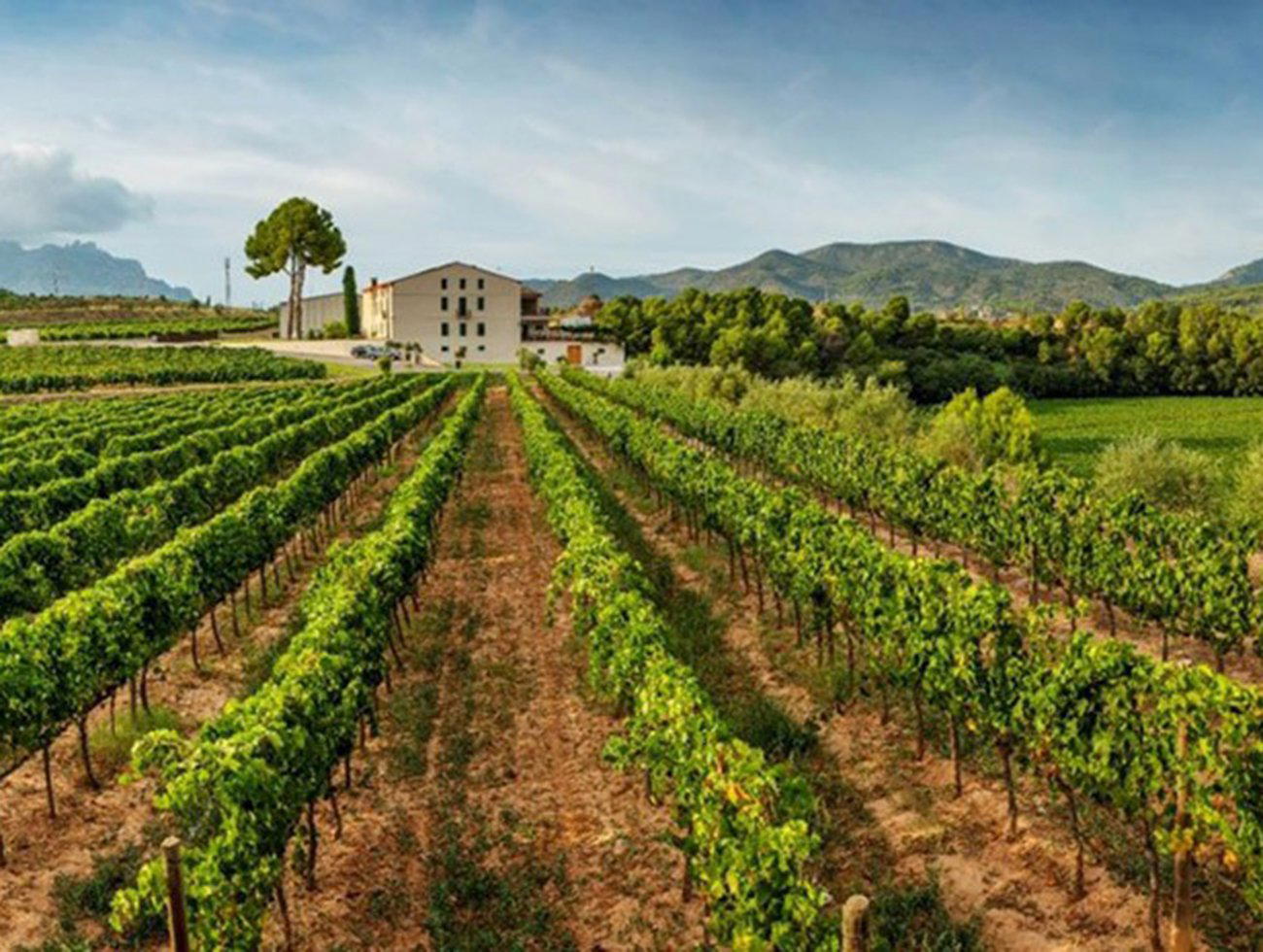
Warm and welcoming with a homely, rustic atmosphere in a historic Catalan farmhouse setting; the terrace provides a pleasant outdoor dining experience.