Restaurante Rancho de Canoa
Set in Barra da Lagoa, one of Florianópolis's most characterful fishing communities, Restaurante Rancho de Canoa draws on the island's deep tradition of Azorean-influenced coastal cooking. The address on Rua Laurindo José de Souza places it within walking distance of the lagoon's working waterfront, where the catch and the kitchen have always been close neighbours. For visitors tracing the arc of Santa Catarina's seafood culture, it represents a grounded local reference point.
Pearl is the En Primeur Club membership app — saves, bookings, and concierge access live there. Same editors, same standards.
- Address
- R. Laurindo José de Souza, 188 - Barra da Lagoa, Florianópolis - SC, 88061-400, Brazil
- Phone
- +554832323639
- Website
- ranchodecanoa.com
- Directions
- Get directions
 Saves & bookings on Pearl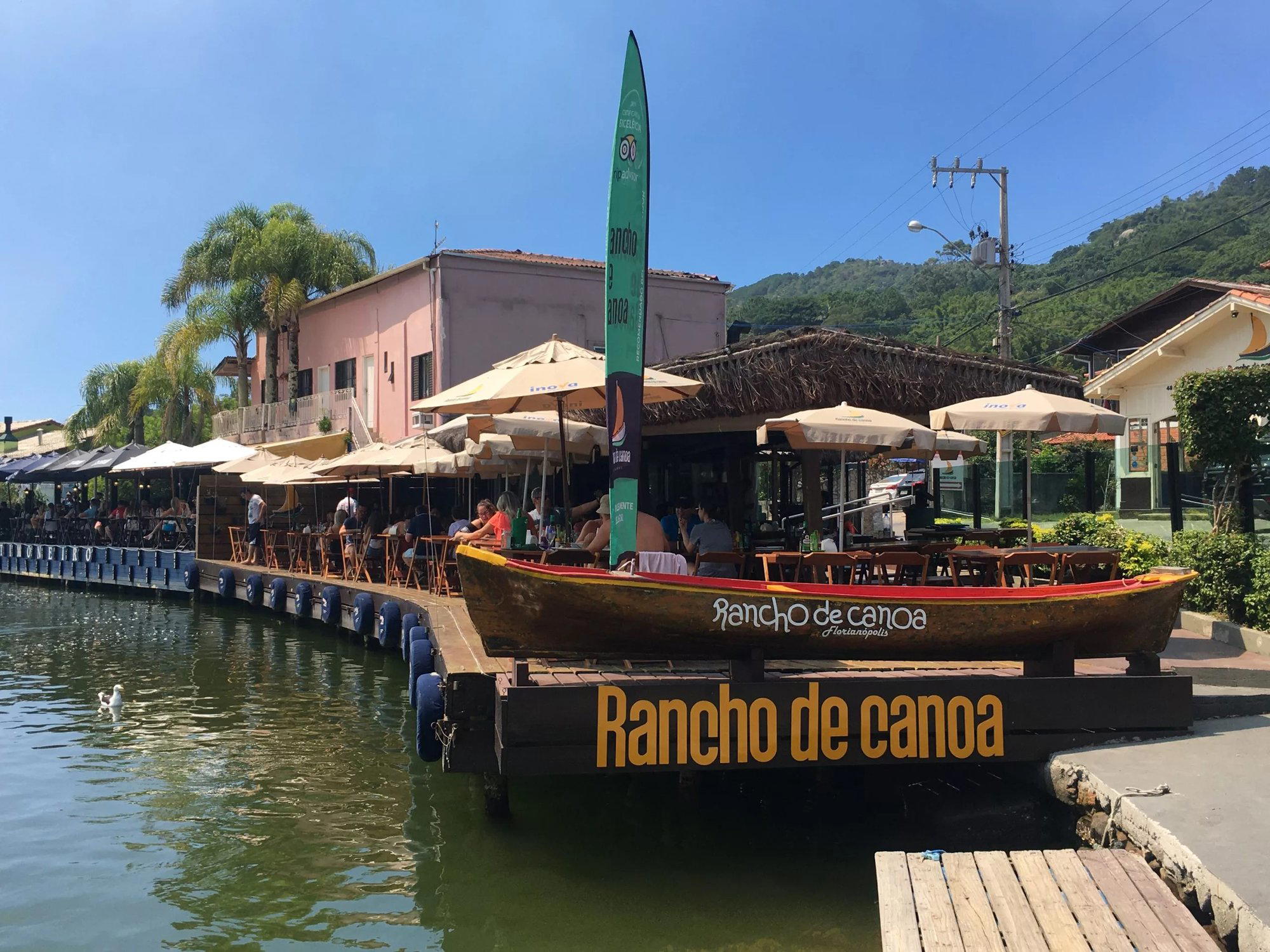
Where the Lagoon Meets the Table
Barra da Lagoa occupies a particular position in Florianópolis's culinary geography. While the island's more commercially developed beaches have attracted a wave of contemporary restaurants pulling from São Paulo's design-led playbook, this neighbourhood on the eastern shore has held closer to its Azorean-descended fishing culture. The streets around Rua Laurindo José de Souza still operate on a rhythm set by tides and nets, and the restaurants here tend to reflect that proximity to the water. Restaurante Rancho de Canoa sits in that tradition, drawing from a neighbourhood where the distance between the sea and the plate has historically been short.
The Azorean settlers who arrived in Santa Catarina during the 18th century brought with them a repertoire built around preserved fish, salt cod, and the practical economy of fishing communities. That inheritance persists in Florianópolis in ways that distinguish its coastal cooking from the broader Brazilian seafood canon. Where Rio de Janeiro leans toward moqueca and Bahian spice, and where São Paulo restaurants like D.O.M. in São Paulo pursue indigenous ingredient narratives, the cooking of the Florianópolis lagoon communities tends toward quieter technique: shellfish prepared simply, fish treated with restraint, and broths built from what the morning's catch leaves behind.
Reading the Meal as a Sequence
In the tradition of lagoon-side eating that Barra da Lagoa represents, the progression of a meal rarely follows a European tasting format. The architecture is looser, built around shared portions and a rhythm that allows the table to accumulate rather than advance in strict sequence. Starters in this style of cooking tend to arrive as small portions of what the kitchen has ready: shellfish from the lagoon itself, or preparations of local smoked fish that function as a bridge between the saline air outside and the food being served within.
The middle of a meal at a restaurant rooted in this tradition typically centres on whole fish or a shellfish-forward dish that carries the structural weight of the experience. In the lagoon cooking of Santa Catarina, that anchor dish is often something cooked simply, in a way that makes the quality of the raw material the argument rather than the technique applied to it. This is a different logic from the progressive tasting menus at high-end counters like Atomix in New York City or the precise seafood construction at Le Bernardin in New York City, but it operates with its own internal discipline: the meal builds through accumulation, not elaboration.
The final movement in a meal of this kind is usually simpler still, a dessert or sweet that echoes the Azorean pastry tradition, where egg yolks and sugar feature prominently, and where the Portuguese colonial inheritance is most visible on the plate.
Florianópolis's Dining Spread: Where This Sits
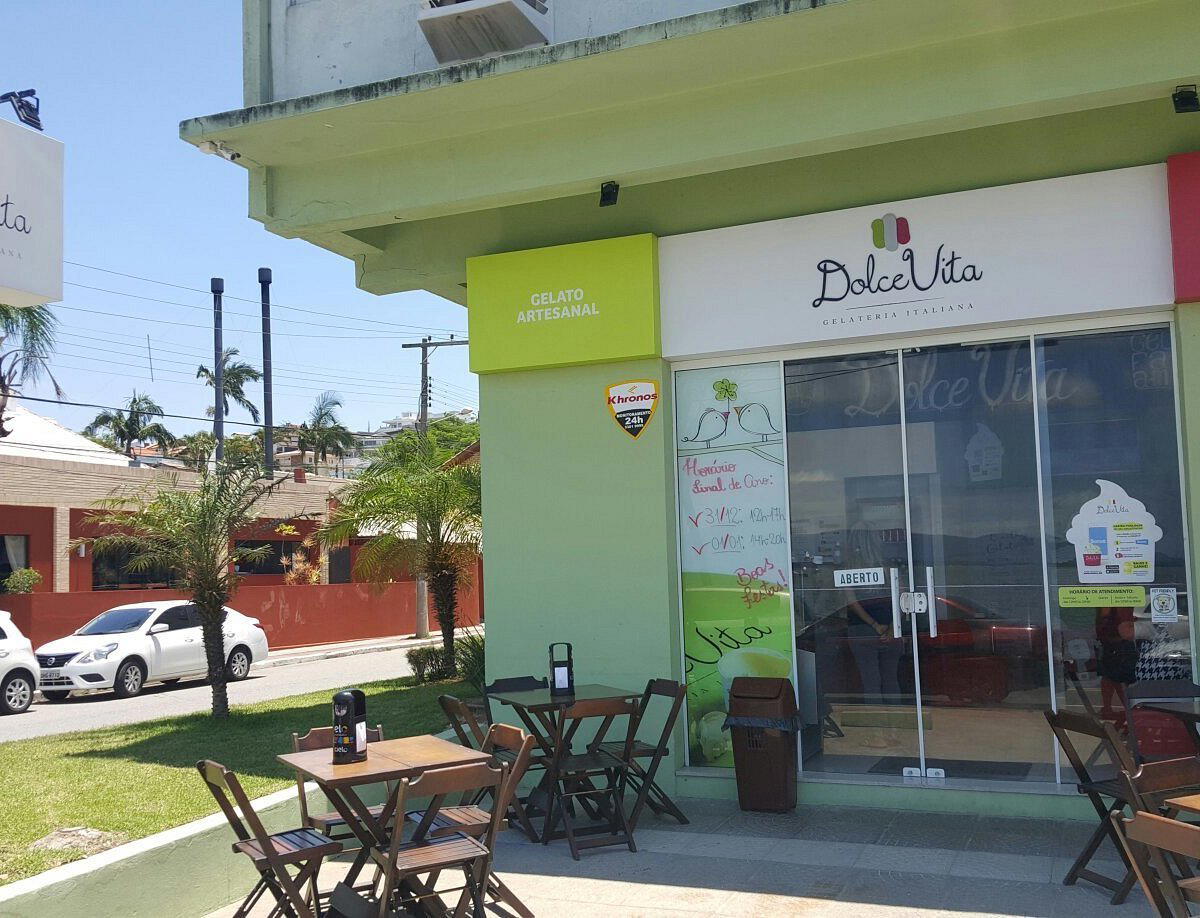
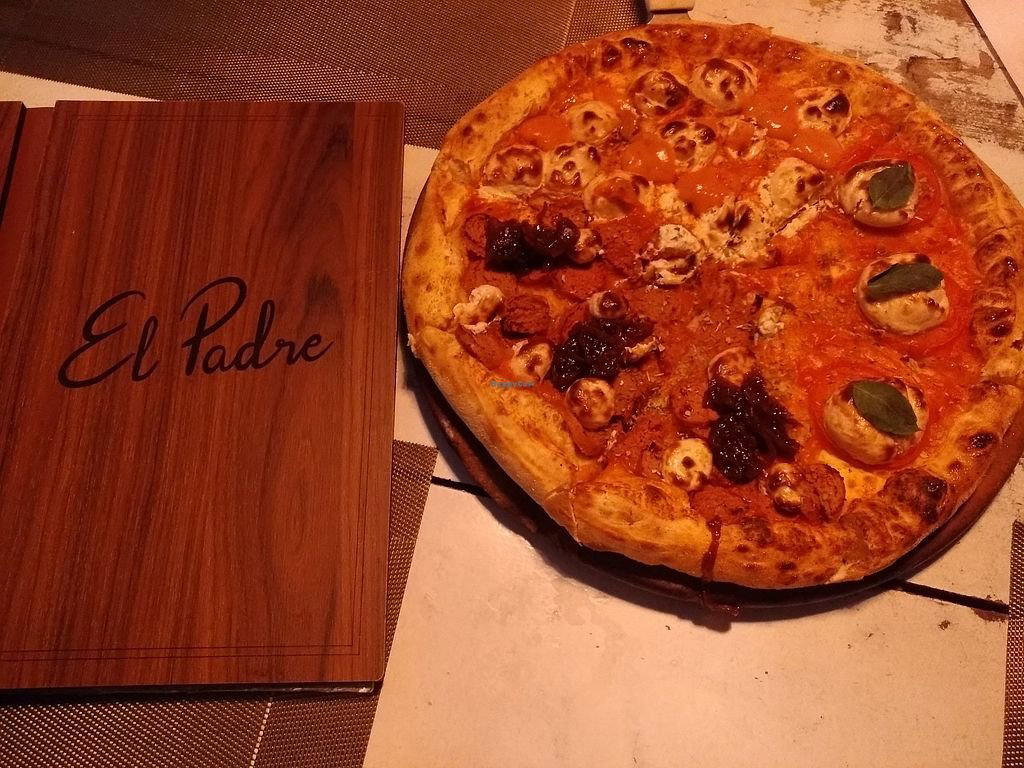
Florianópolis now sustains a wide range of dining registers, from the Italian-influenced cooking at Artusi Restaurante and Dolce Vita Restaurante to the wood-fired formats of El Padre Pizzas and Forneria Catarina, and the Japanese-Brazilian crossover at Noma Sushi. Against that spread, a lagoon-side address in Barra da Lagoa represents a different competitive position entirely. It is not competing on technique or concept, but on proximity and authenticity of context: the argument for eating here is geographic and cultural rather than gastronomic in the contemporary sense.
That positioning resonates with a broader pattern visible across Brazilian coastal cities, where particularly instructive meals are not always found in restaurants with formal credentials but in places where the local fishing economy and the kitchen remain in direct conversation. Lasai in Rio de Janeiro represents one end of that spectrum, where Brazilian ingredients are handled with formal European rigour. Barra da Lagoa represents the other end, where the ingredients are the same but the framing is communal and unpretentious.
For travellers building a picture of how Santa Catarina eats, placing this neighbourhood within a broader Brazilian context requires looking at analogues elsewhere: Bistro Fitz Carraldo in Manaus occupies a similar space in Amazonian dining, where local product and regional identity do more editorial work than formal training or concept. Cantina Pozzobon in Santa Maria and Arte e café Imperial in Angra dos Reis similarly anchor their cities' dining identities through regional specificity rather than formal innovation.
The Barra da Lagoa Context
The neighbourhood itself merits attention before any particular restaurant within it. Barra da Lagoa is separated from Florianópolis's more heavily visited beach zones by its working character. The canal that connects the lagoon to the sea remains an active fishing route, and the restaurants that line its banks have historically served the community as much as visitors. That dual function, feeding locals and accommodating tourists during the high summer season that peaks between December and February, shapes the menu logic: portions tend toward the generous, formats lean communal, and the kitchen operates on practical efficiency rather than theatrical presentation.
Restaurants in communities like this across Brazil often carry the weight of local identity in ways that larger or more formal establishments cannot. Casa da Dika in Bragança and Casa da Flor Restaurante in Dourados share a similar structural role in their respective communities, functioning as both dining destination and cultural anchor. Aero Burguer e Grill in Santa Cruz do Sul and Famosa Pizza in Ribeirão Preto each represent how Brazilian regional cities develop their own dining identities around specific formats that the local community has claimed as its own.
Planning Your Visit
Restaurante Rancho de Canoa is located at Rua Laurindo José de Souza, 188, in the Barra da Lagoa district of Florianópolis. The restaurant is casual, recommended for reservations, and open daily from 11 AM to 11 PM. The neighbourhood is accessible by bus from central Florianópolis, though a taxi or rideshare provides more direct routing, particularly useful when arriving or departing outside peak hours. The summer season, running from late November through February, brings higher visitor volumes to Barra da Lagoa, and restaurants in the area tend to operate at capacity during weekend lunches in those months. Visiting on a weekday or arriving early in the lunch window typically provides a more considered experience. Current hours and booking availability are best confirmed directly. For similar profiles of community-anchored restaurants with regional cooking identities, Casa da Picanha Penedo in Itatiaia offers a comparable point of reference in a different Brazilian landscape.
Awards and Standing
Comparable venues nearby, for context on price, style, and recognition.
| Venue | Cuisine | Price | Notes |
|---|---|---|---|
| Restaurante Rancho de CanoaThis venue — the venue you are viewing | Brazilian Seafood | $$ | Not listed |
| Pizzaria Basilico | Neapolitan Pizza | $$ | Canto da Lagoa |
| Rancho Açoriano Coqueiros | Azorean Seafood | $$ | Coqueiros |
| Restaurante Guacamole Cocina Mexicana - Floripa | Authentic Mexican Taqueria | $$ | Centro |
| Restaurante Guacamole Taqueria - Mercadoteca | Mexican Taqueria | $$ | Saco Grande |
| Thai Thai Gastronomia Thailandesa | Traditional Thai | $$ | Lagoa da Conceição |
Continue exploring
More in Florianopolis
Restaurants in Florianopolis
Browse all →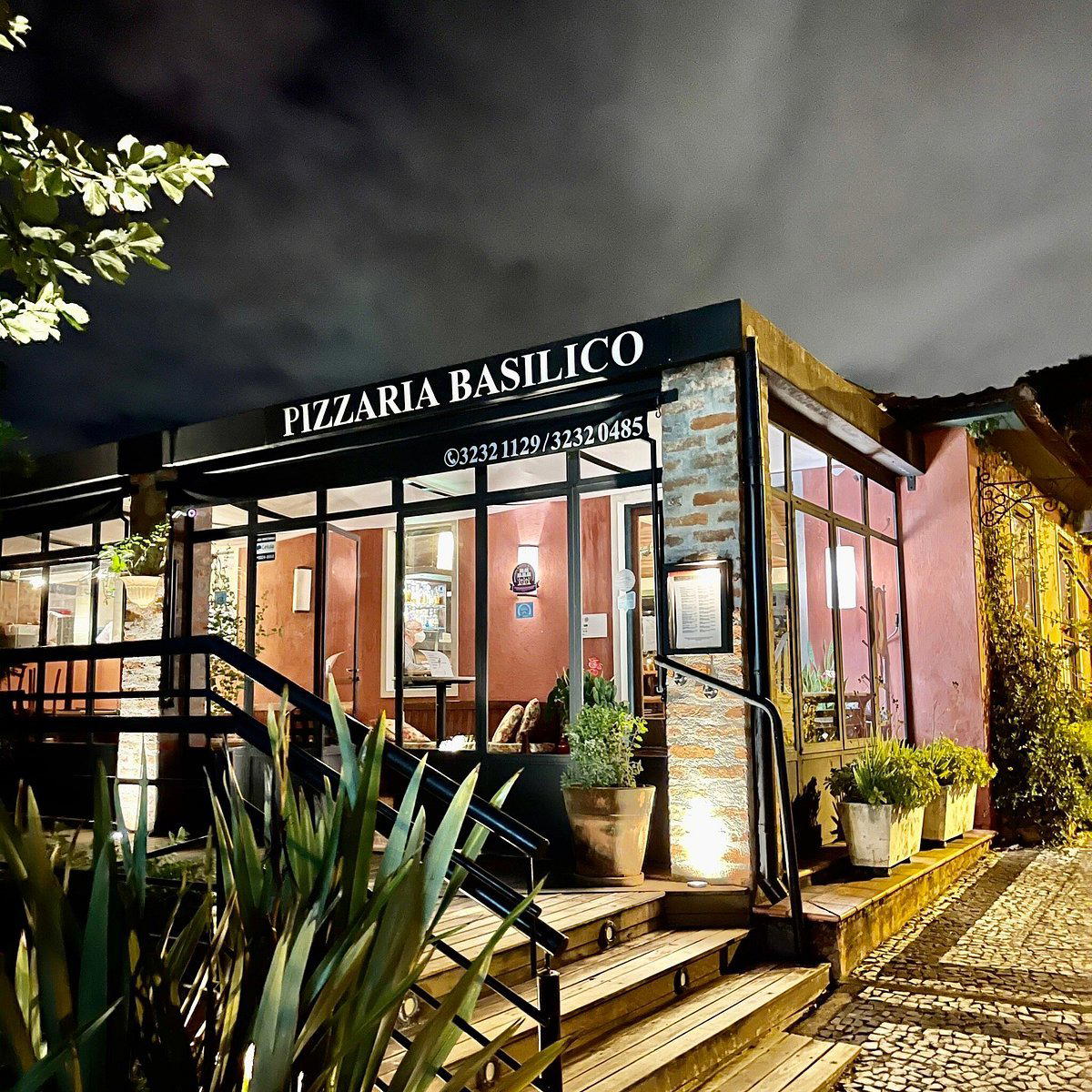
At a Glance
- Scenic
- Lively
- Rustic
- Group Dining
- Casual Hangout
- Family
- Live Music
- Waterfront
- Terrace
- Craft Cocktails
- Waterfront
Current opening hours
- Monday
- 11 AM–11 PM
- Tuesday
- 11 AM–11 PM
- Wednesday
- 11 AM–11 PM
- Thursday
- 11 AM–11 PM
- Friday
- 11 AM–11 PM
- Saturday
- 11 AM–11 PM
- Sunday
- 11 AM–11 PM
Hours can change for holidays and private events. Last verified .
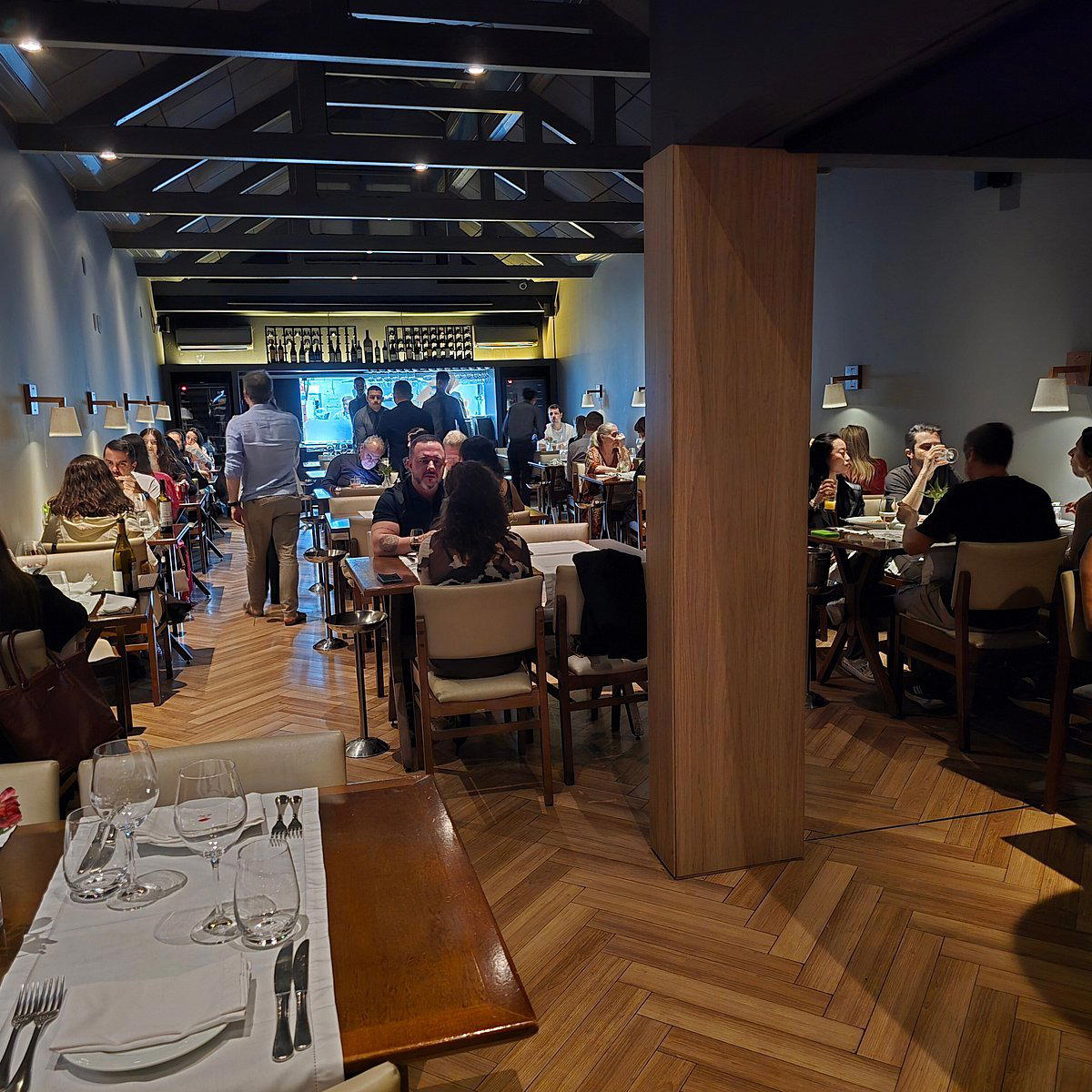
Relaxed atmosphere with dim lights, live music at low volume, and scenic canal views.