

On Calle de Narváez in Madrid's Retiro district, Restaurante Rafa occupies a corner of the city where neighbourhood dining and serious cooking have long coexisted. The address places it within reach of the Retiro park crowd and the residential streets that define this quieter edge of central Madrid. For those tracking the evolution of Madrid's mid-tier restaurant scene, it warrants attention.
Pearl is the En Primeur Club membership app — saves, bookings, and concierge access live there. Same editors, same standards.
- Address
- C. de Narváez, 68, Retiro, 28009 Madrid, Spain
- Phone
- +34915731087
- Website
- restauranterafa.es
- Directions
- Get directions
 Saves & bookings on Pearl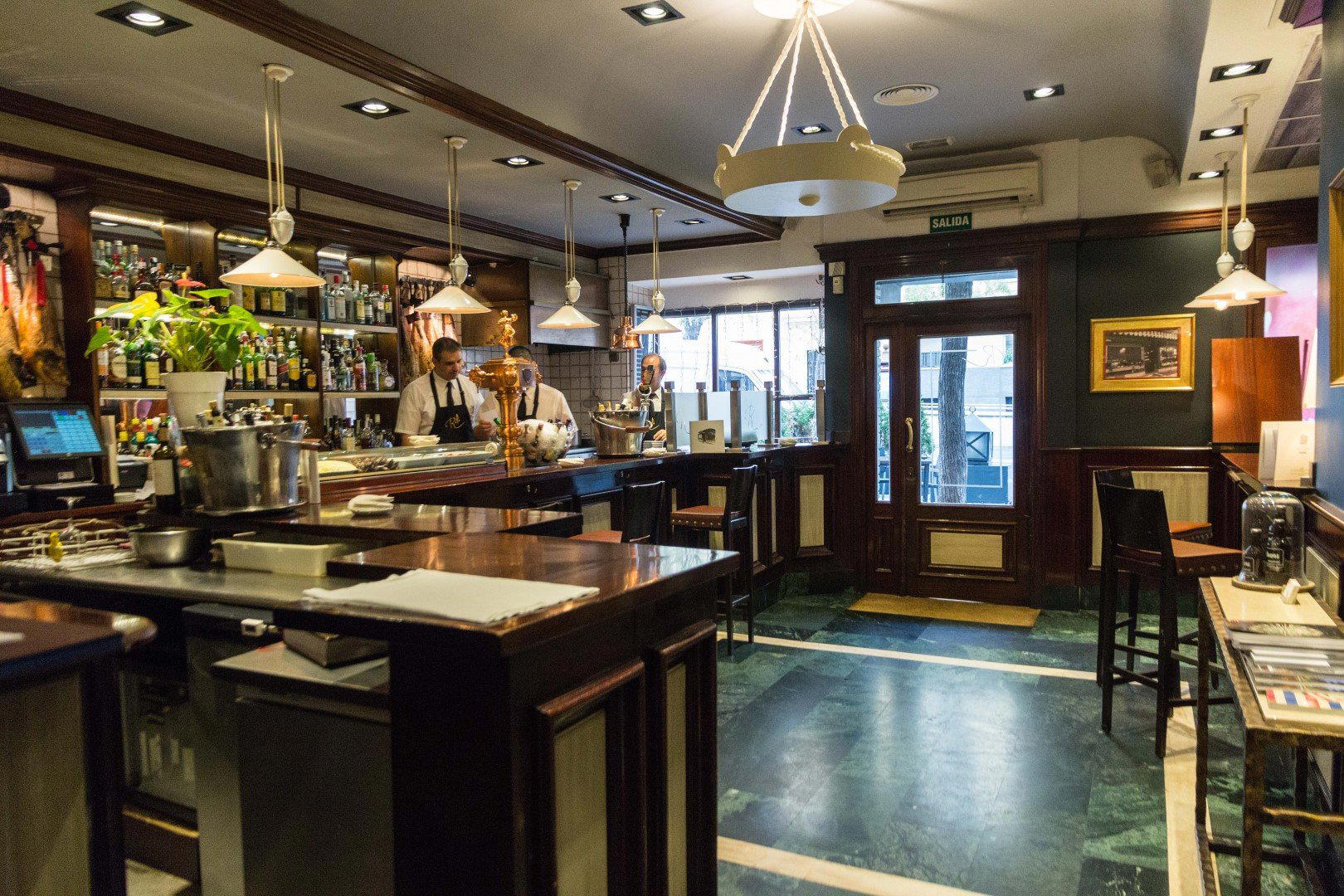
Retiro's Dining Register and Where Rafa Fits
Madrid's restaurant geography has sharpened considerably over the past decade. The city's most decorated addresses, from DiverXO to Coque and Deessa, cluster around specific corridors and carry formal credentials that separate them from the broader dining pool. Retiro, by contrast, has retained a more residential character. The neighbourhood's restaurants tend to serve a local clientele first and destination diners second, which shapes everything from room size to menu ambition. Restaurante Rafa, at Calle de Narváez 68, sits within that framework: a Retiro address that reflects the district's pattern of serious but unshowy cooking.
That positioning matters when reading the room. Retiro's dining scene rarely produces the kind of press-circuit attention that lands on Salamanca or Justicia addresses, but it generates a loyalty that those districts sometimes lack. Regulars here are not chasing novelty; they return because the cooking holds. Understanding that context is more useful than any single detail about the venue itself.
The Evolution of a Neighbourhood Address
The trajectory of restaurants on Narváez and its surrounding streets traces a wider shift in Madrid dining. Through the 1990s and early 2000s, the Retiro restaurant offering was largely defined by traditional Spanish formats: long lunches anchored by set menus, wine lists built around Rioja and Ribera del Duero, and a room culture that prioritised conversation over theatre. The post-2010 period brought pressure on that model, as younger operators across Madrid began threading contemporary technique into neighbourhood formats without abandoning the social rhythms that define the city's eating culture.
Restaurante Rafa's evolution within that shift illustrates a broader pattern visible at similar addresses across Madrid's outer residential districts. The question most such restaurants have had to answer is how much to update without losing the confidence that comes from knowing exactly what kind of place you are. Those that overcorrected toward trend often shed their regulars; those that refused to move at all found the city drifting past them. The middle path, sustained cooking quality with incremental refinement, has tended to produce particularly durable operations.
Spain's national dining conversation during this period was shaped by much louder voices: the Basque Country's technical evolution, represented by restaurants like Arzak and Mugaritz; Catalonia's multi-generational ambition at El Celler de Can Roca; and Andalusia's boundary-testing at Aponiente. Madrid's contribution to that conversation has been less monolithic, distributed across a wider range of formats, with Michelin-decorated operations such as DSTAgE and Paco Roncero representing one end of the spectrum and neighbourhood addresses like Rafa occupying another.
Reading the Room: Atmosphere on Narváez
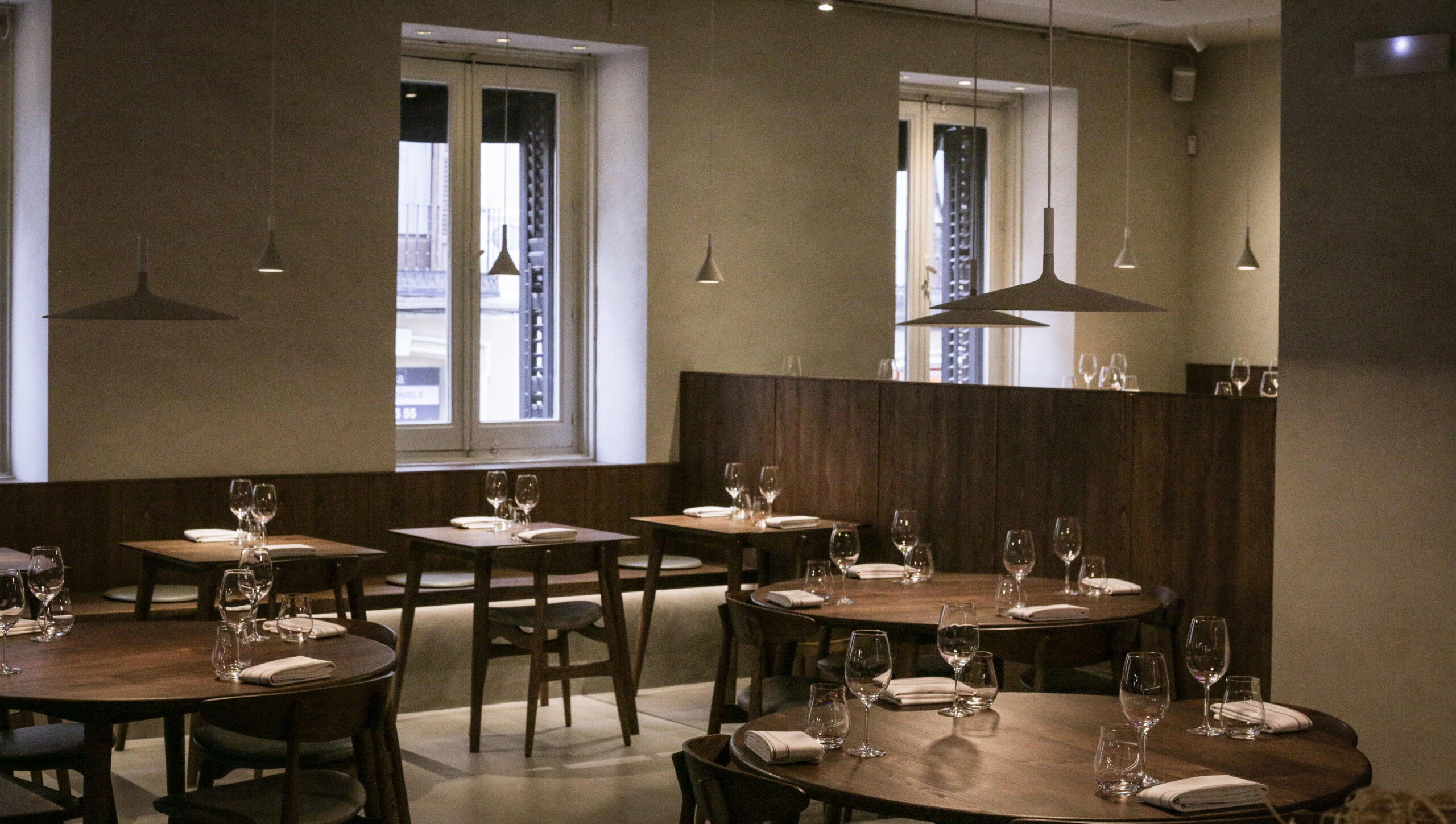
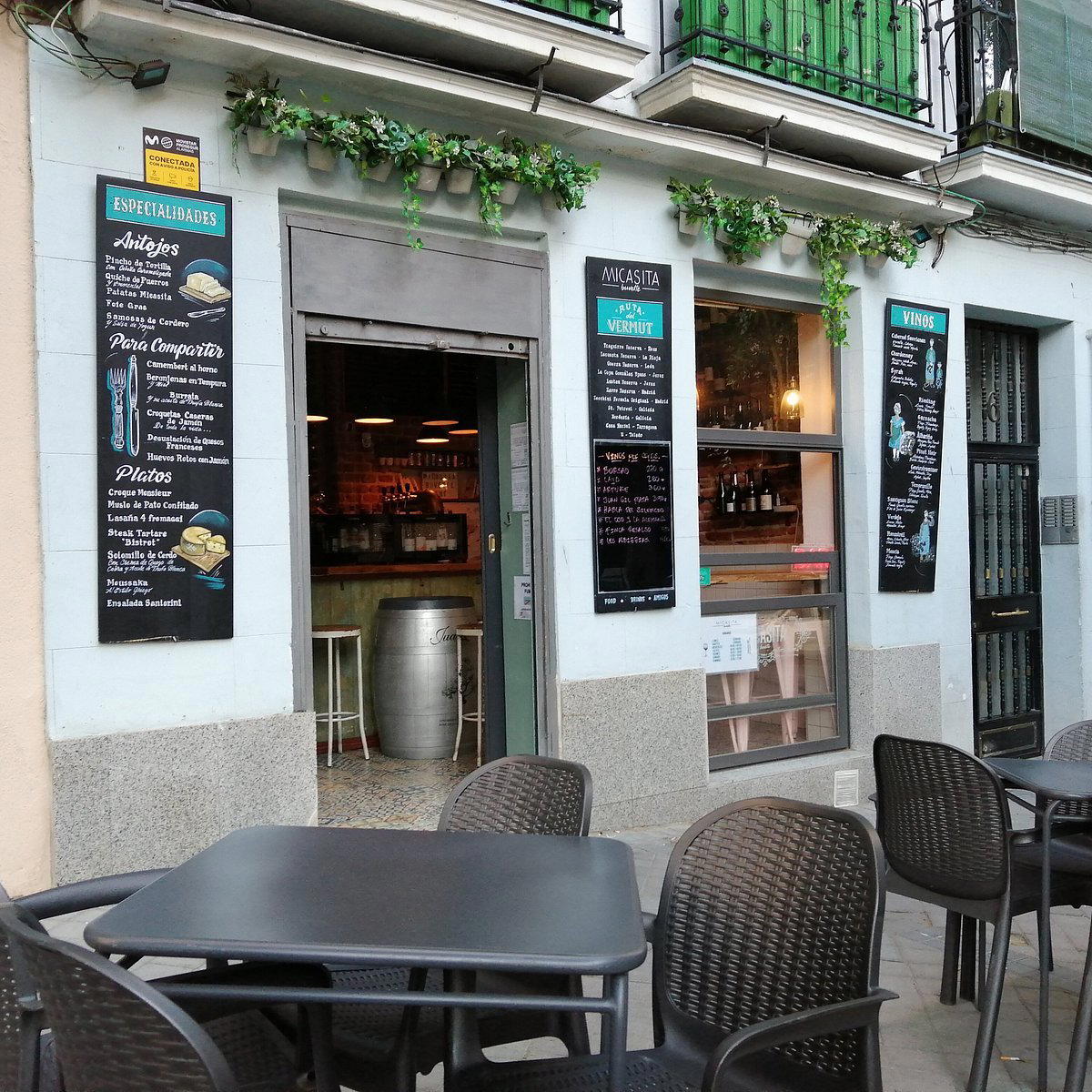
Approaching Calle de Narváez from the Retiro metro exit, the street character shifts quickly from commercial to residential. The buildings are pre-war and solid, the pavement narrower than the main arterials, and the pace of foot traffic unhurried. Restaurants on this stretch tend to have modest frontages, with interiors that reveal more than exteriors suggest. That compression is typical of Madrid's residential dining rooms: the hospitality starts at the door rather than at the facade.
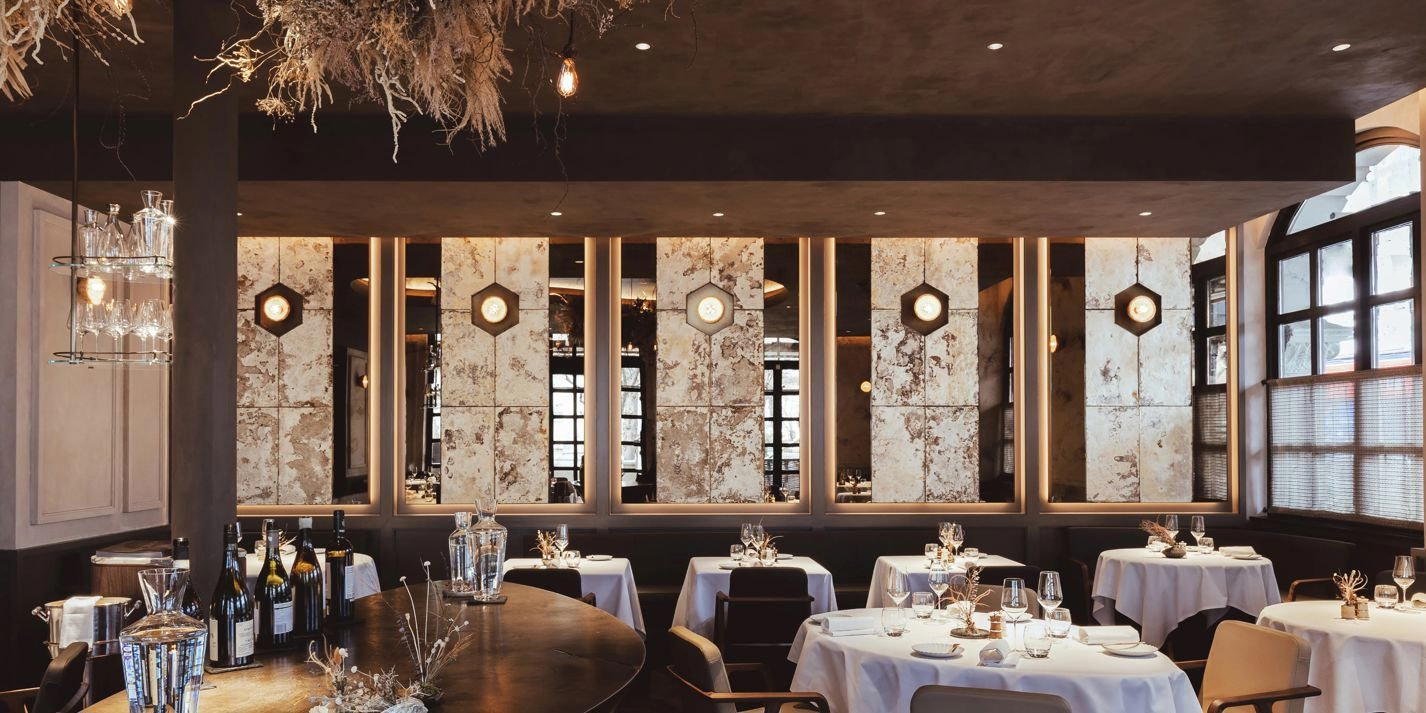
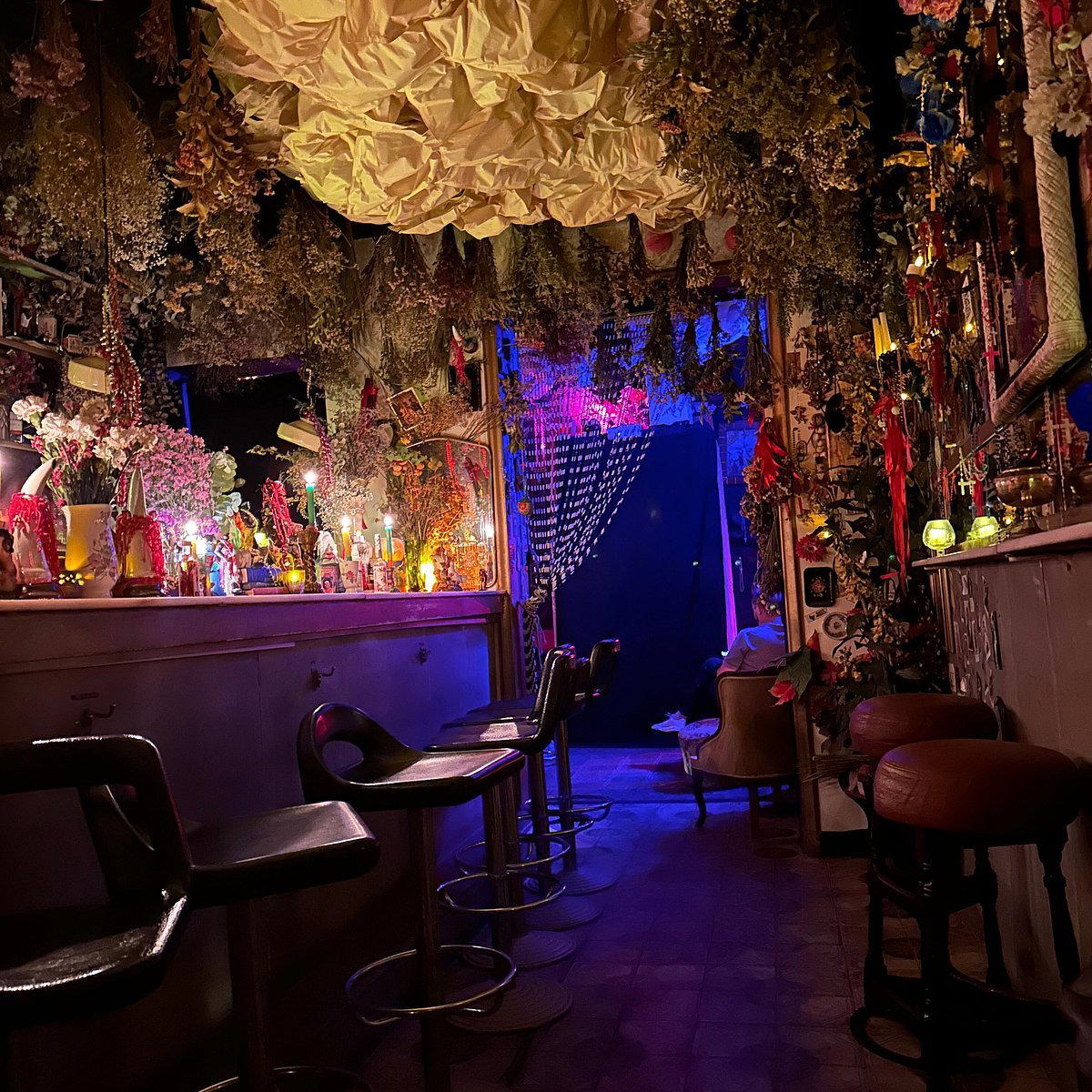
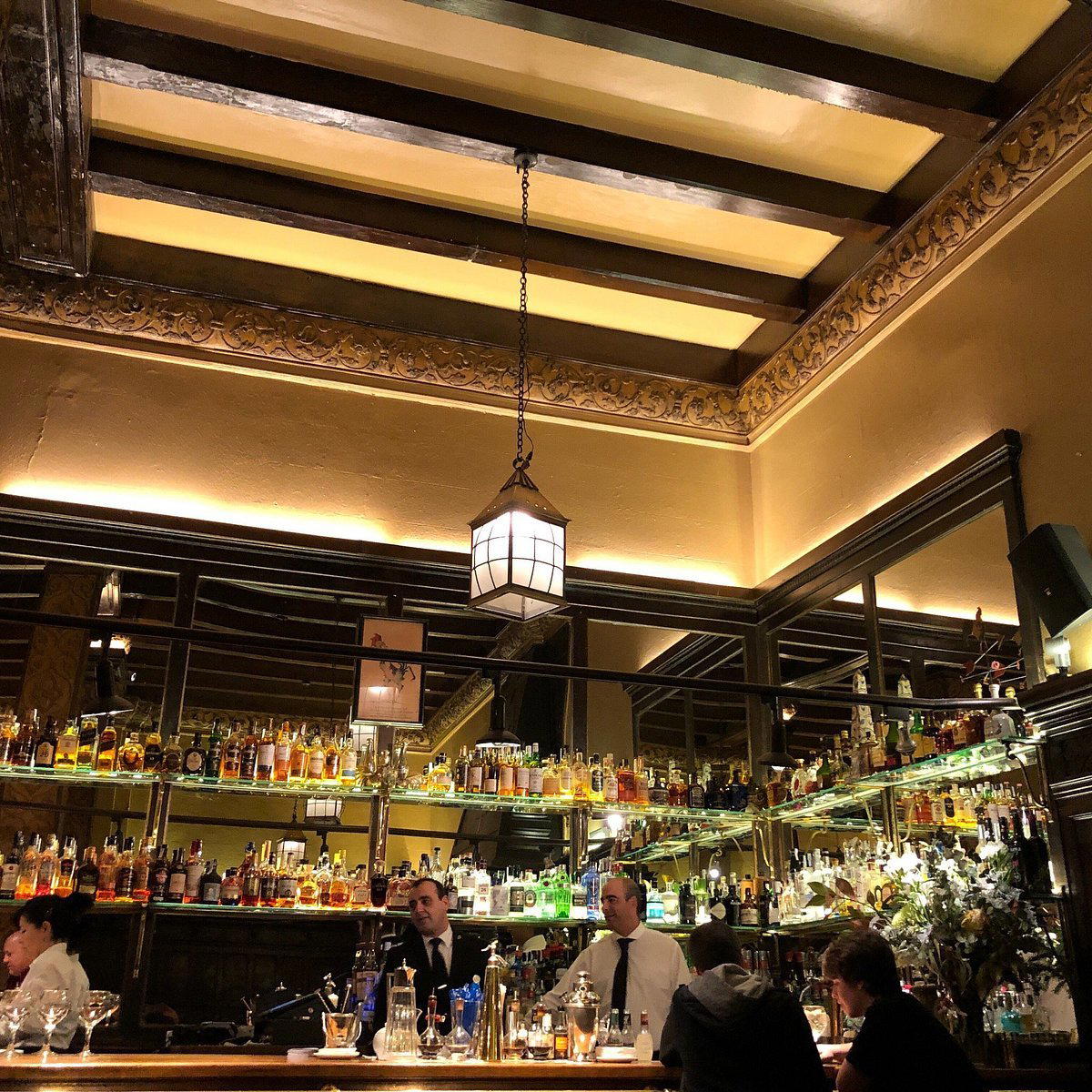
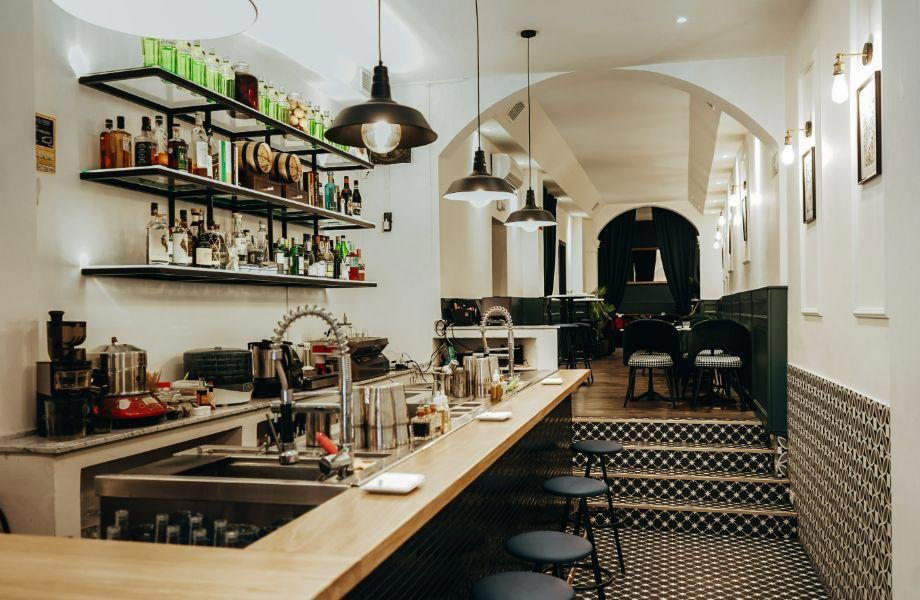
Inside, the atmosphere at addresses like Rafa's reflects the neighbourhood's social contract. Tables are configured for groups rather than couples, noise levels track a room in genuine conversation rather than ambient background, and the service rhythm aligns with the extended Madrid lunch or dinner rather than a timed hospitality sequence. The comparison set is not the formal dining rooms of Martin Berasategui or the tasting-menu architecture of Azurmendi, but rather the confident neighbourhood operators that have given Madrid's non-destination districts their character.
Madrid's Mid-Tier and What It Demands
The mid-tier restaurant in Madrid operates under specific pressures that distinguish it from both the neighbourhood bar and the decorated fine-dining room. It must sustain quality across a broader menu than a tasting-format operation, manage a room of regulars alongside first-time visitors, and price against a city where lunch menus at serious restaurants can run from modest to substantial within the same street. That range, visible across Barcelona at places like Cocina Hermanos Torres or in the contrasts across Spain's dining regions at Ricard Camarena or Quique Dacosta, is one of Spain's strengths as a dining country: the gap between serious neighbourhood cooking and multi-starred formality is smaller here than in most European cities.
Internationally, the comparison holds too. The discipline required to run a neighbourhood room over years without slipping into formula is as demanding as the precision behind a tasting counter at somewhere like Le Bernardin or the conceptual rigour at Atomix in New York, simply expressed through a different set of priorities. Consistency, room culture, and the confidence to avoid overreach are the operative metrics.
For the Retiro address specifically, the relevant comparable set is the cluster of serious but non-decorated restaurants within Madrid's residential arc. These are places that locals defend fiercely but rarely publicise loudly, that appear on neighbourhood lists rather than national rankings, and that measure success in decades of return visits rather than award cycles. Atrio in Cáceres represents one model of how a regional Spanish restaurant builds long-term identity through sustained commitment; Rafa's Retiro version of that logic operates at a different scale but within a recognisable framework.
Planning a Visit
Restaurante Rafa is at Calle de Narváez 68, Retiro, 28009 Madrid. The nearest metro station is Ibiza on Line 9, placing the restaurant within the Retiro district's residential grid.
Budget Reality Check
Comparable venues nearby, for context on price, style, and recognition.
| Venue | Cuisine | Price | Notes |
|---|---|---|---|
| Restaurante RafaThis venue — the venue you are viewing | Not listed | $$$ | Not listed |
| El Pescador | Lista, Traditional Spanish Seafood | $$$ | Not listed |
| O'Pazo | Cuatro Caminos, Galician Seafood | $$$ | Not listed |
| Soy | Almagro, Asian-Spanish Fusion | $$$ | Not listed |
| Florida Retiro | Not listed | $$$ | Parque del Retiro, Modern Spanish Mediterranean |
| Castizo Canalejas | Sol, Classic Spanish Tapas | $$$ | Not listed |
Recognition history
Dated appearances from independent guides and award organizations, with the underlying list record or original source where available.
Guía Repsol 1 Sol
Guía Repsol
Macarfi 7.9 Food Rating
Macarfi
At a Glance
- Classic
- Cozy
- Special Occasion
- Business Dinner
- Group Dining
- Terrace
- Private Dining
- Local Sourcing
Current opening hours
- Monday
- Closed
- Tuesday
- 1–4 PM, 8:30–11 PM
- Wednesday
- 1–4 PM, 8:30–11 PM
- Thursday
- 1–4 PM, 8:30–11 PM
- Friday
- 1–4 PM, 8:30–11 PM
- Saturday
- 1–4 PM, 8:30–11 PM
- Sunday
- 12:30–4 PM
Hours can change for holidays and private events. Last verified .
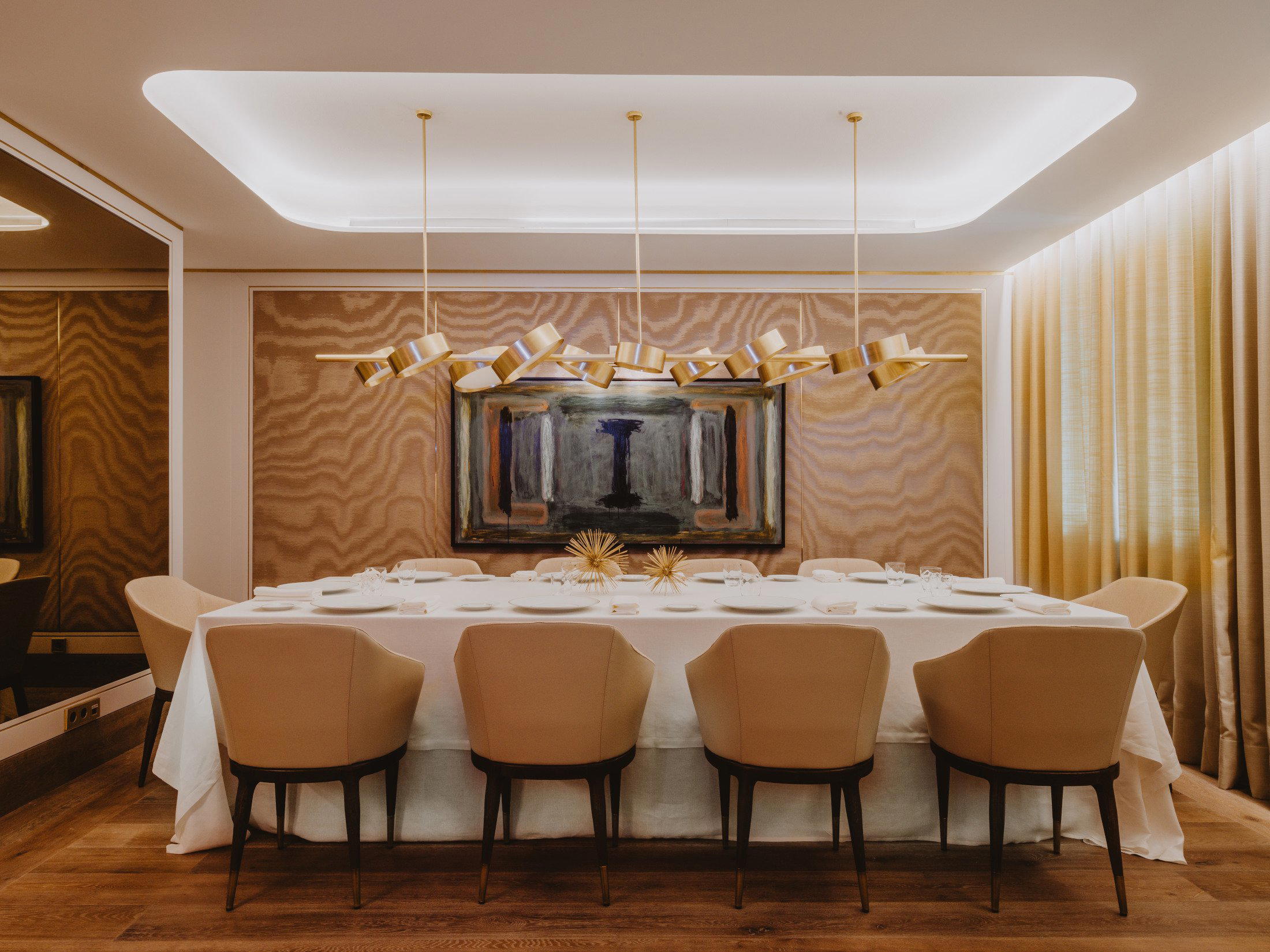
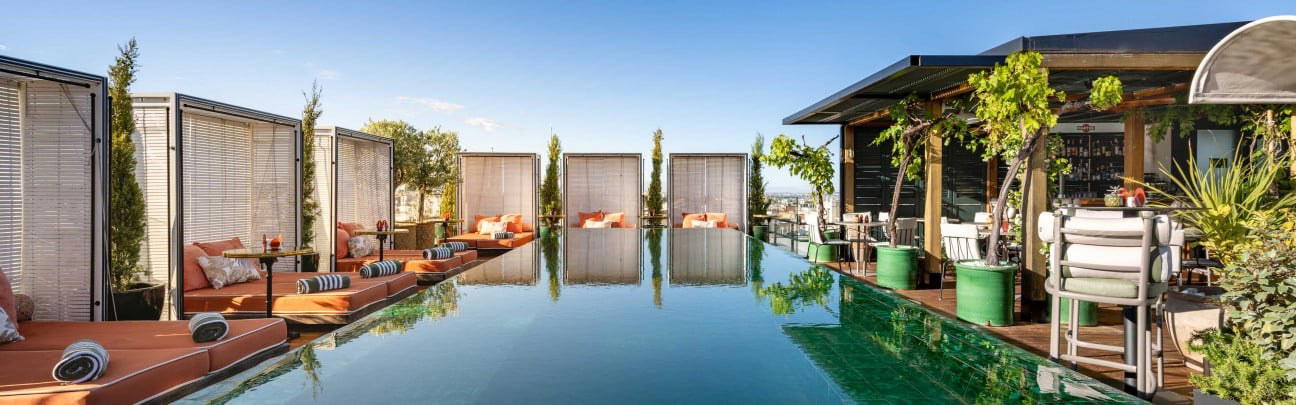
Traditional multi-level dining rooms with old-school white-jacketed service, cozy neighborhood atmosphere near Retiro Park, plus summer terrace.