
Macarfi 7.8 Food Rating
Our verdict
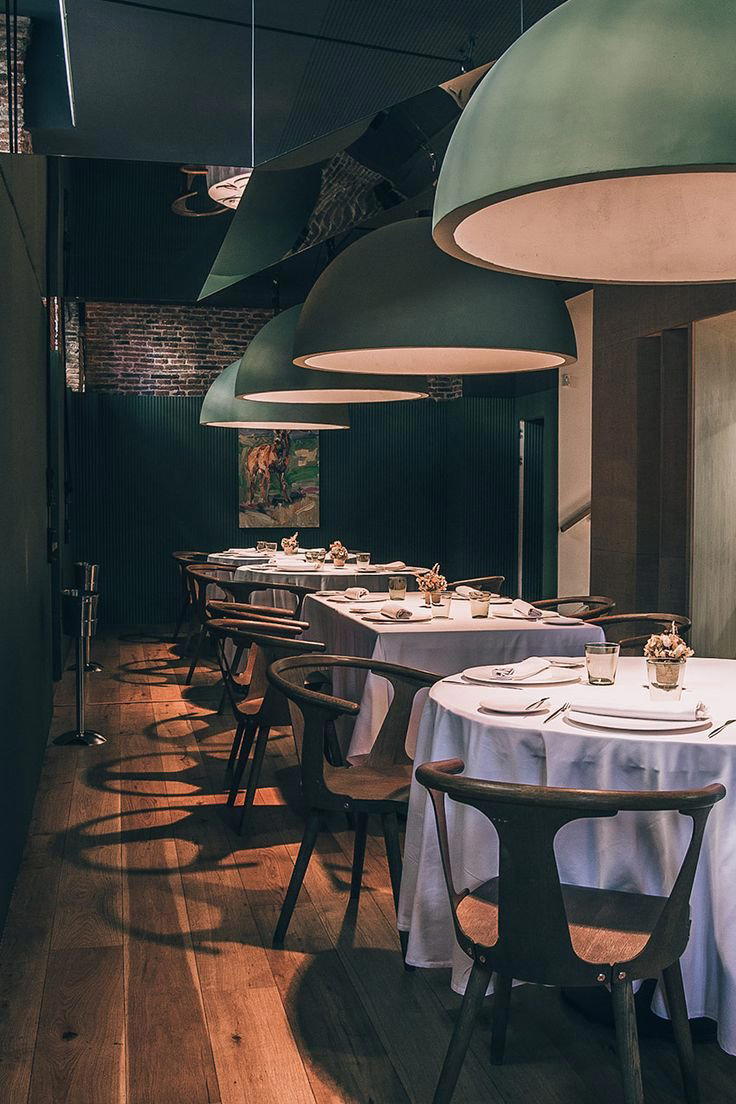
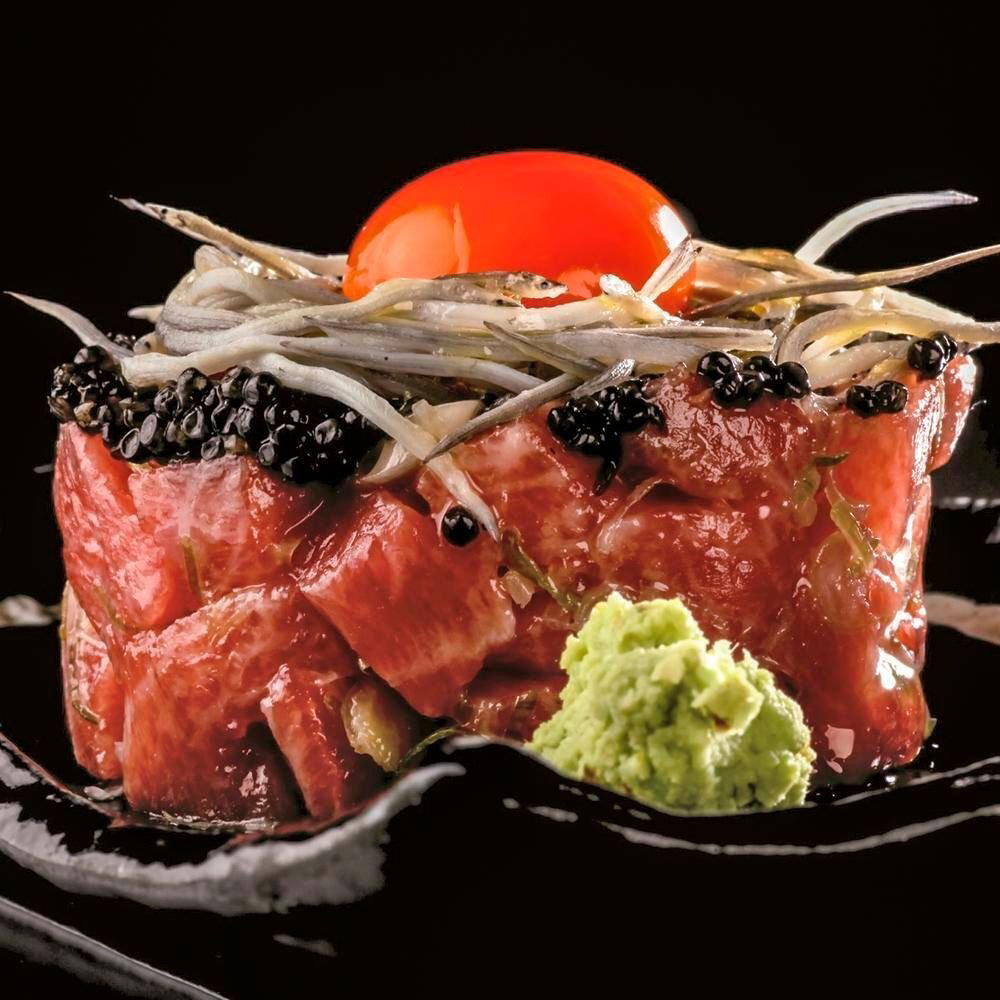
The crowd it draws returns not for novelty but for consistency, the kind of fish cookery that treats sourcing as the primary discipline and technique as a secondary one. In a city better known for avant-garde tasting menus, it occupies a quieter, more purposeful tier.

Pearl is the En Primeur Club membership app, where members save venues, book tables and use the concierge.

The menu
What to order
- Grilled turbot
- Red prawns
- Razor clams
Madrid has no coastline, which makes its relationship with seafood an interesting study in logistics and trust. The city's fish restaurants have historically operated on the premise that rapid overnight transport from the Cantabrian coast, Galicia, and the Mediterranean can deliver product comparable to what you'd find in a port town. The quality of that supply chain, and a kitchen's willingness to stay out of its way, is what separates the serious operations from the decorative ones.
What the Regulars Know
The editorial angle on any restaurant with a loyal, returning clientele is less about what appears on the printed menu and more about what the regulars have already settled on. At fish houses of this type in Madrid, the choices that endure are almost always the simplest: whole fish cooked over live fire or in the oven, shellfish served cold or barely warmed, and preparations that foreground the ingredient rather than the technique. This is not timidity, it is a kind of discipline that becomes harder to maintain the longer a restaurant is open, as chefs feel pressure to update and complicate.
The regulars at establishments like El Pescador tend to know their suppliers by name, or at least by reputation. They understand that a good lenguado (sole) or rodaballo (turbot) in October tastes different from one in February, and they order accordingly. This seasonal literacy is part of what sustains the relationship between a serious fish restaurant and its audience, the menu is, in a real sense, the market that week. Madrid's leading pescaderías and the restaurants that source from them share an ecosystem, and regulars learn to read it. This is a neighbourhood of long lunches and extended dinners, where the table is held and the pace is unhurried. A restaurant that has operated in this district long enough to build a regular base has necessarily learned how to read that tempo, when to approach, when to leave alone, and how to manage a room where some guests have been coming for fifteen years.
Where El Pescador Sits in Madrid's Dining Hierarchy
Madrid's restaurant scene has bifurcated in ways that are worth mapping for anyone planning a serious eating trip. At one end, the progressive tasting menu format dominates the prestige conversation: DiverXO holds three Michelin stars and operates in a register that has more in common with performance than with traditional dining. Coque, Deessa, DSTAgE, and Paco Roncero all occupy the two-star tier, with creative menus and structured formats. These are destination restaurants in the fullest sense, you plan a trip around them.
El Pescador operates in a different register. It is not competing with the tasting menu circuit for novelty or critical attention. It is competing, and has been for a long time, on the basis of product quality, consistency, and the kind of institutional knowledge that accumulates only in restaurants that survive long enough to become neighbourhood institutions. Aponiente in El Puerto de Santa María represents one extreme of what Spanish seafood cooking can become when it enters the fine dining orbit. El Pescador represents the other end: the classical, product-led house where cooking is in service of the fish rather than the other way around.enprimeurclub.com/restaurants/arzak-san-sebastin-restaurant), Azurmendi in Larrabetzu, El Celler de Can Roca in Girona, Martin Berasategui in Lasarte-Oria, and Cocina Hermanos Torres in Barcelona all hold multiple Michelin stars. El Pescador does not position itself in that tier, it positions itself as the place the people who know those restaurants choose when they want something direct and without performance. That is a specific and coherent identity. Le Bernardin in New York built its reputation on the principle that technique exists to serve the seafood, not to overshadow it. Atomix in New York takes the opposite approach, with produce as the medium for a conceptual statement. El Pescador is closer in philosophy to the Le Bernardin model, even if the execution and price point are entirely different. Restaurants in this zone are not operating on passing tourist traffic. Their survival depends on repeat custom from a neighbourhood with high expectations and the means to go elsewhere. Longevity here is evidence of something, it signals that the kitchen has been meeting a standard consistently enough to hold the room.
For a fuller picture of what the Madrid dining scene offers across registers and styles, the EP Club Madrid restaurants guide maps the city in detail. The Madrid hotels guide, bars guide, wineries guide, and experiences guide cover the wider picture for visitors planning a substantive trip.
Know Before You Go
- Address: C. The underlying logic is consistent: in kitchens where sourcing is the primary discipline, the dishes that interfere least with the product tend to be the ones that survive the longest on a regular's order sheet. Confirm current availability with the venue directly, as the offering reflects seasonal supply.
- Should I book El Pescador in advance? The neighbourhood draws a loyal local clientele who fill rooms consistently, particularly at lunch on weekdays, which in Madrid can run from 2pm well into the afternoon, and at dinner on Fridays and Saturdays. Unlike the tasting menu houses such as DiverXO, where bookings open months ahead, a traditional à la carte fish restaurant typically works on a shorter booking window, but same-day walk-ins at peak times carry real risk.
- What's the signature at El Pescador?
- In Madrid's classical fish restaurant tradition, the signature is less a single dish than a category: whole fish, sourced daily, prepared with minimal intervention. Specific preparations at El Pescador should be confirmed with the restaurant, as the menu reflects what the market offers that day rather than a fixed repertoire.
- Is El Pescador good for vegetarians?
- Traditional Madrid fish restaurants are built around seafood as the primary offering, and vegetarian options are typically limited. El Pescador's positioning in the classical fish house category suggests the menu follows that structure. For a broader view of Madrid's dining options, the EP Club Madrid restaurants guide covers a wider range of formats and cuisines.
- How does El Pescador fit into Madrid's wider seafood dining tradition compared to restaurants in coastal cities?
- Madrid's landlocked position has historically made it one of the world's more logistically demanding cities in which to run a serious fish restaurant, a fact that has, paradoxically, produced a high standard among those that have survived.enprimeurclub.com/restaurants/aponiente-el-puerto-de-santa-mara-restaurant) in the south to the Basque country, represent the academic end of Spanish seafood cooking. Restaurants like El Pescador occupy the classical Madrid tier: their credibility rests on supply chain discipline and consistency rather than creative ambition, serving a city that imports its fish but has spent generations learning how to judge it.
- Should I book El Pescador in advance? The neighbourhood draws a loyal local clientele who fill rooms consistently, particularly at lunch on weekdays, which in Madrid can run from 2pm well into the afternoon, and at dinner on Fridays and Saturdays. Unlike the tasting menu houses such as DiverXO, where bookings open months ahead, a traditional à la carte fish restaurant typically works on a shorter booking window, but same-day walk-ins at peak times carry real risk.
Frequently asked questions
What part of town is El Pescador in?
El Pescador is located at C. de José Ortega y Gasset, 75, Salamanca, 28006 Madrid, Spain, Madrid.
How does El Pescador compare to other seafood restaurants in Madrid's Salamanca district?
El Pescador's address on Calle José Ortega y Gasset places it inside one of Madrid's highest-income dining corridors, where seafood houses compete on product quality and repeat-customer trust rather than trend cycles. The restaurant's standing in Salamanca is built on neighbourhood loyalty, which in this district is a meaningful credential given the density of well-resourced, long-running alternatives. For visitors mapping a serious eating trip through Madrid, it represents the product-driven end of the spectrum rather than the progressive tasting-menu circuit.
What do regulars order at El Pescador?
The returning clientele at this Calle José Ortega y Gasset address tends to anchor their visits around the day's fish, sourced to the rhythm of Spain's coastal markets rather than a fixed printed menu. In a Salamanca restaurant with this kind of neighbourhood loyalty, the regulars typically navigate by what the kitchen recommends on arrival rather than working through a static card. That pattern holds across Madrid's established marisquerías and fish houses of this type.
Should I book El Pescador in advance?
For a Salamanca address with a loyal residential clientele, advance booking is advisable, particularly for lunch, which remains the main meal in this part of Madrid. The neighbourhood draws a professional crowd that fills tables on weekdays, not just weekends. check the venue's official channels to confirm current availability and reservation policy.
What's the signature at El Pescador?
El Pescador's identity in Madrid's dining conversation is built around seafood, positioned in a Salamanca neighbourhood where diners return by habit rather than novelty. The signature is less about a single dish and more about consistent sourcing and the kind of product-led cooking that lets the fish carry the plate. That approach is the defining thread across the restaurant's reputation in the district.
Is El Pescador good for vegetarians?
A seafood-focused restaurant on Calle José Ortega y Gasset in Salamanca is not the natural choice for a fully vegetarian meal. Vegetable-based dishes and sides will typically appear on the menu, as is standard across Madrid dining rooms, but the kitchen's focus and the clientele's expectations are oriented around fish and shellfish. Vegetarians should confirm the current menu options directly with the restaurant before booking.
Credentials Lens
Comparable venues nearby, for context on price, style, and recognition.
| Venue | Cuisine | Price | Awards | Notes |
|---|---|---|---|---|
| El PescadorThis venue (the venue you are viewing) | Traditional Spanish Seafood | $50–100 | Macarfi 7.8 Food Rating | Not listed |
| Restaurante Rafa | Classic Spanish Seafood | Not listed | Guía Repsol 1 Sol · Macarfi 7.9 Food Rating | Ibiza |
| La Chalana Bernabeu | Cantabrian Seafood | $30–50 | Not listed | Hispanoamerica |
| O'Pazo | Galician Seafood | $50–100 | Macarfi 7.9 Food Rating · Guía Repsol 2 Soles | Cuatro Caminos |
| Terraza Tayrona Madrid | Modern Spanish Terrace | $30–50 | Not listed | Recoletos |
| Ponja Nikkei | Nikkei Peruvian-Japanese Fusion | $50–100 | Not listed | Chueca |
Recognition history
Dated appearances from independent guides and award organizations, with the underlying list record or original source where available.
Macarfi 7.8 Food Rating
Macarfi
Opinionated About Dining Casual in Europe Recommended
Opinionated About Dining