
A seafood restaurant on the upper stretch of Carrer de Balmes in Sarrià-Sant Gervasi, Restaurante Balmes Marisqueria draws a loyal neighbourhood clientele to one of Barcelona's quieter residential dining corridors. The format is rooted in Spanish marisquería tradition, where fresh shellfish and market-driven fish anchor a menu that rewards repeat visits over single-occasion tourism.
Pearl is the En Primeur Club membership app — saves, bookings, and concierge access live there. Same editors, same standards.
- Address
- Carrer de Balmes, 413, Sarrià-Sant Gervasi, 08022 Barcelona, Spain
- Phone
- +34932114975
- Website
- marisqueriabalmes.com
- Directions
- Get directions
 Saves & bookings on Pearl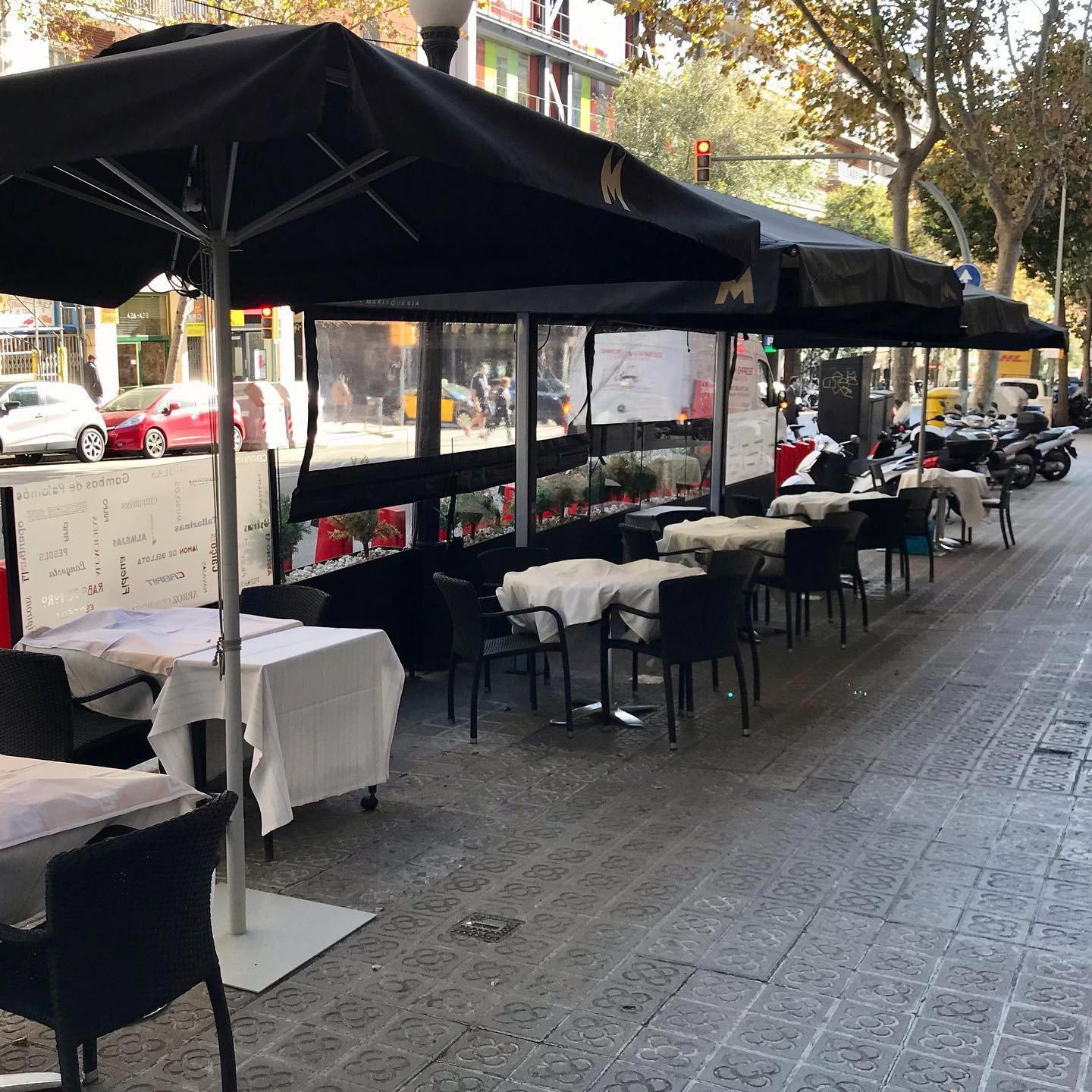
The Upper Balmes Corridor and the Case for Neighbourhood Seafood
Barcelona's seafood dining map splits unevenly. The waterfront and Barceloneta carry the volume and the visibility, attracting visitors on a single pass through the city. The more durable seafood culture, the kind sustained by residents rather than itineraries, tends to sit further inland, in the residential districts where the room fills with the same faces across seasons. Carrer de Balmes, running through Sarrià-Sant Gervasi from Eixample all the way to the upper residential fringe, holds several of those slower-burn addresses. Restaurante Balmes Marisqueria, at number 413, sits near stronger examples from that run, deep enough into the neighbourhood that it draws mainly local diners.
The marisquería format has its own internal logic in Spain. Unlike a restaurant organised around a tasting menu or a seasonal creative program, a marisquería builds its authority on sourcing and repetition. Regulars return because they trust the shellfish to be what it claims, the percebes to arrive correct, the gambas to be the ones worth ordering. That trust is earned over dozens of visits, not announced on a first impression. It places Balmes Marisqueria in a different competitive register than the city's Michelin-tracked creative houses, such as Disfrutar, ABaC, or Lasarte.
What Keeps Regulars Returning
In a marisquería that has settled into neighbourhood institution status, the unwritten menu matters as much as the printed one. Regulars are not arriving to discover something new; they are arriving to confirm what they already know. That dynamic shapes the entire atmosphere of the room. Conversations run longer, tables are not turned at pressure, and the kitchen operates on a rhythm calibrated to the pace of the local clientele rather than the efficiency demands of high-volume tourism.
The seafood marisquería tradition in Spain, from the Galician-influenced houses that export the raw-shellfish counter format southward, places a premium on live and day-caught product. In Barcelona, where proximity to both Mediterranean fishing operations and Galician supply networks is logistically direct, the standard expectation at a serious marisquería is shellfish sourced to order. Regulars at addresses in this category tend to organise their choices around a shortlist of dependable anchors: raw oysters, razor clams, clams in broth, and grilled whole fish on the simpler end; cigalas, nécoras, and buey de mar for the more focused shellfish table. The seasonal availability of percebes, the barnacles that arrive from Galicia's Atlantic coast, matters here.
Spain's broader seafood culture at the high end extends well beyond Barcelona. Restaurants like Aponiente in El Puerto de Santa María and Quique Dacosta in Dénia have pushed marine ingredients into creative fine-dining territory, while the Basque coast's reputation for product-first cooking, represented in different registers by Arzak in San Sebastián and Martin Berasategui, has set a national benchmark for how seafood quality and technique can coexist. A neighbourhood marisquería like Balmes operates in a different lane entirely, one where the ambition is faithfulness to product rather than transformation of it.
The Sarrià-Sant Gervasi Context
Sarrià-Sant Gervasi is not a dining district in the way that Eixample or El Born functions as one. It is primarily residential, with the density of good restaurants that comes from a high-income neighbourhood population that eats out regularly but locally. The streets above Diagonal, particularly toward the Sarrià village core, hold a dispersed collection of long-established restaurants that survive on repeat custom rather than editorial coverage cycles. This is where Barcelona's professional and upper-middle class has its standing tables, its weekly lunch habits, its post-school-pickup dinners. An address on the upper stretch of Balmes, at number 413, is speaking to that population directly. The distance from the city's more documented dining circuits is not a liability in this context; it is a feature of the format.
For reference against the city's most-discussed creative restaurants, see Cocina Hermanos Torres and Enigma. The marisquería format sits in its own category alongside those references rather than in competition with them. Internationally, the product-first seafood approach at this level has a counterpart in rooms like Le Bernardin in New York City, where precision applied to marine ingredients drives the entire program, though at a different scale and price register entirely.
How to Approach a Visit
In the marisquería format, timing and table composition matter. A solo visit or a couple works well at the bar or a small table for a focused shellfish selection. A larger group unlocks the logic of the format more fully, allowing the table to cover a wider spread of the day's live shellfish and grilled fish in the same sitting. Lunch tends to be the meal of choice among the regular clientele in Spanish seafood rooms of this type; the kitchen is at full supply in the early afternoon, and the pace of the service aligns better with a two-hour table than with a rushed dinner booking. Spain's lunch culture, where the midday meal carries the weight that dinner carries elsewhere, makes the 2pm to 4pm window one instructive time to read a room like this.
For context, the table below compares a few Barcelona restaurants.
Planning Comparison
| Venue | Style | Price Tier | Primary Meal | Booking Lead Time |
|---|---|---|---|---|
| Restaurante Balmes Marisqueria | Marisquería (neighbourhood) | €€€ | Lunch preferred | |
| Disfrutar | Progressive, Creative | €€€€ | Lunch and dinner | Months in advance |
| Cocina Hermanos Torres | Creative | €€€€ | Lunch and dinner | Weeks in advance |
| ABaC | Creative | €€€€ | Lunch and dinner | Weeks in advance |
Budget and Context
Comparable venues nearby, for context on price, style, and recognition.
| Venue | Cuisine | Price | Notes |
|---|---|---|---|
| Restaurante Balmes MarisqueriaThis venue — the venue you are viewing | Not listed | $$$ | Not listed |
| Carballeira | Not listed | $$$ | Sant Pere, Santa Caterina i la Ribera, Galician Seafood |
| El Cangrejo Loco | Not listed | $$$ | l'Antiga Esquerra de l'Eixample, Traditional Seafood & Mediterranean |
| Nomo | Sarria, Modern Japanese Sushi & Tapas | $$$ | Not listed |
| il Giardinetto | Not listed | $$$ | Sant Gervasi - Galvany, Classic Italian Trattoria |
| FOCO | la Vila de Gracia, Modern Cocktail Bar | $$$ | Not listed |
Recognition history
Dated appearances from independent guides and award organizations, with the underlying list record or original source where available.
Macarfi 7.8 Food Rating
Macarfi
Continue exploring
More in Barcelona
Restaurants in Barcelona
Browse all →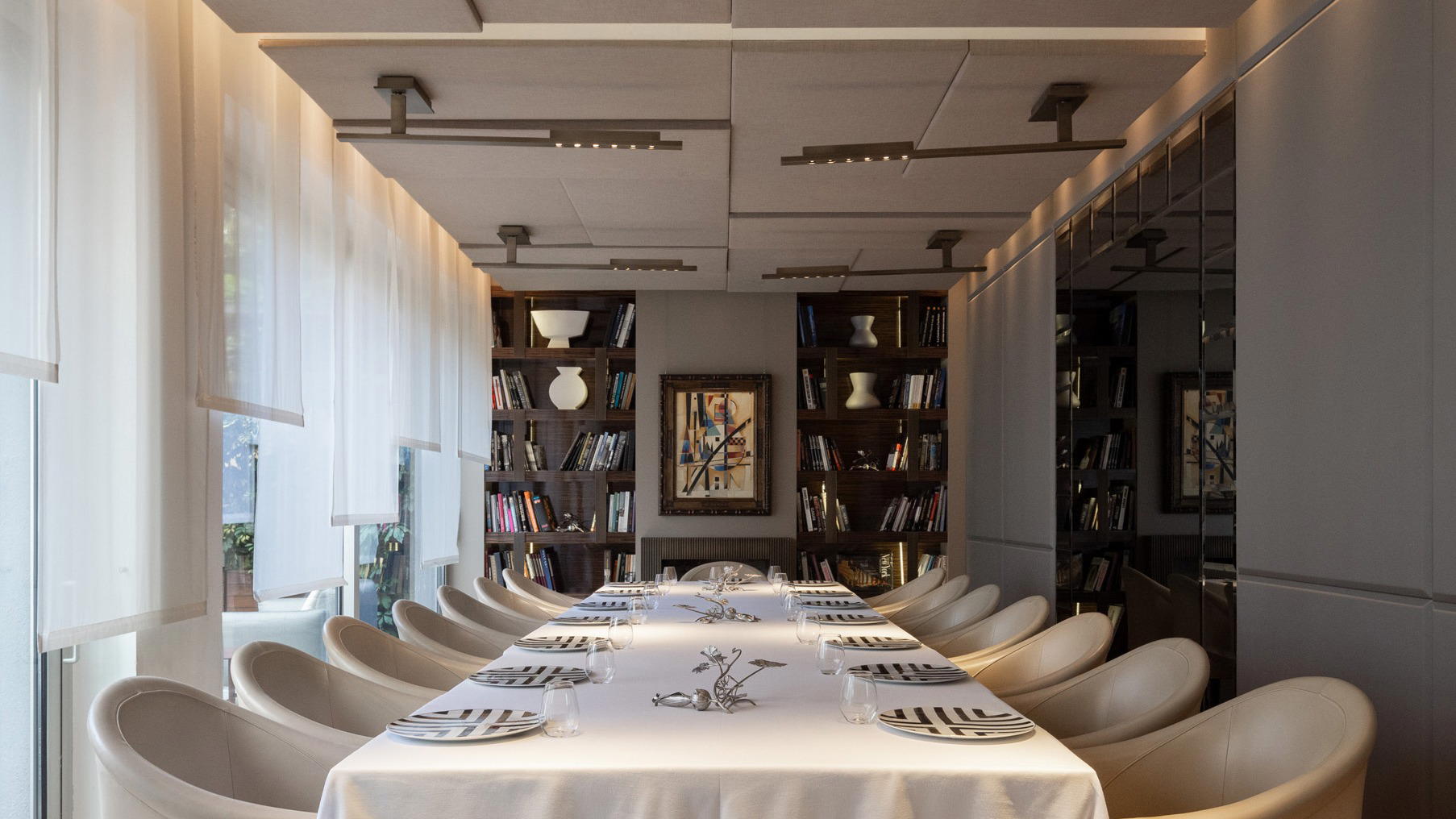
Bars in Barcelona
Browse all →

Hotels in Barcelona
Browse all →


At a Glance
- Classic
- Elegant
- Family
- Business Dinner
- Special Occasion
- Terrace
- Local Sourcing
Current opening hours
- Monday
- Closed
- Tuesday
- Closed
- Wednesday
- 1–4 PM, 8–11 PM
- Thursday
- 1–4 PM, 8–11 PM
- Friday
- 1–4 PM, 8–11 PM
- Saturday
- 1–4 PM, 8–11 PM
- Sunday
- 1–4 PM
Hours can change for holidays and private events. Last verified .
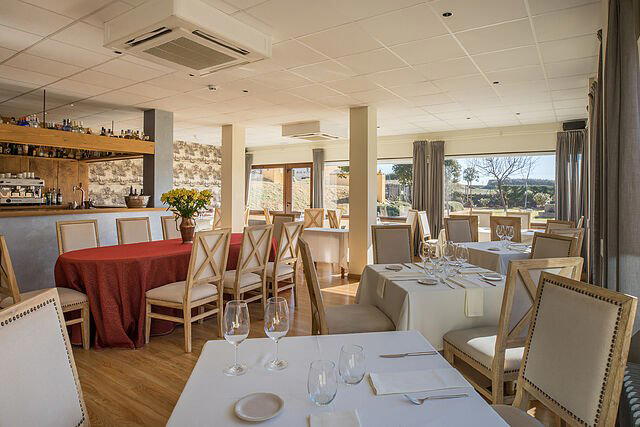
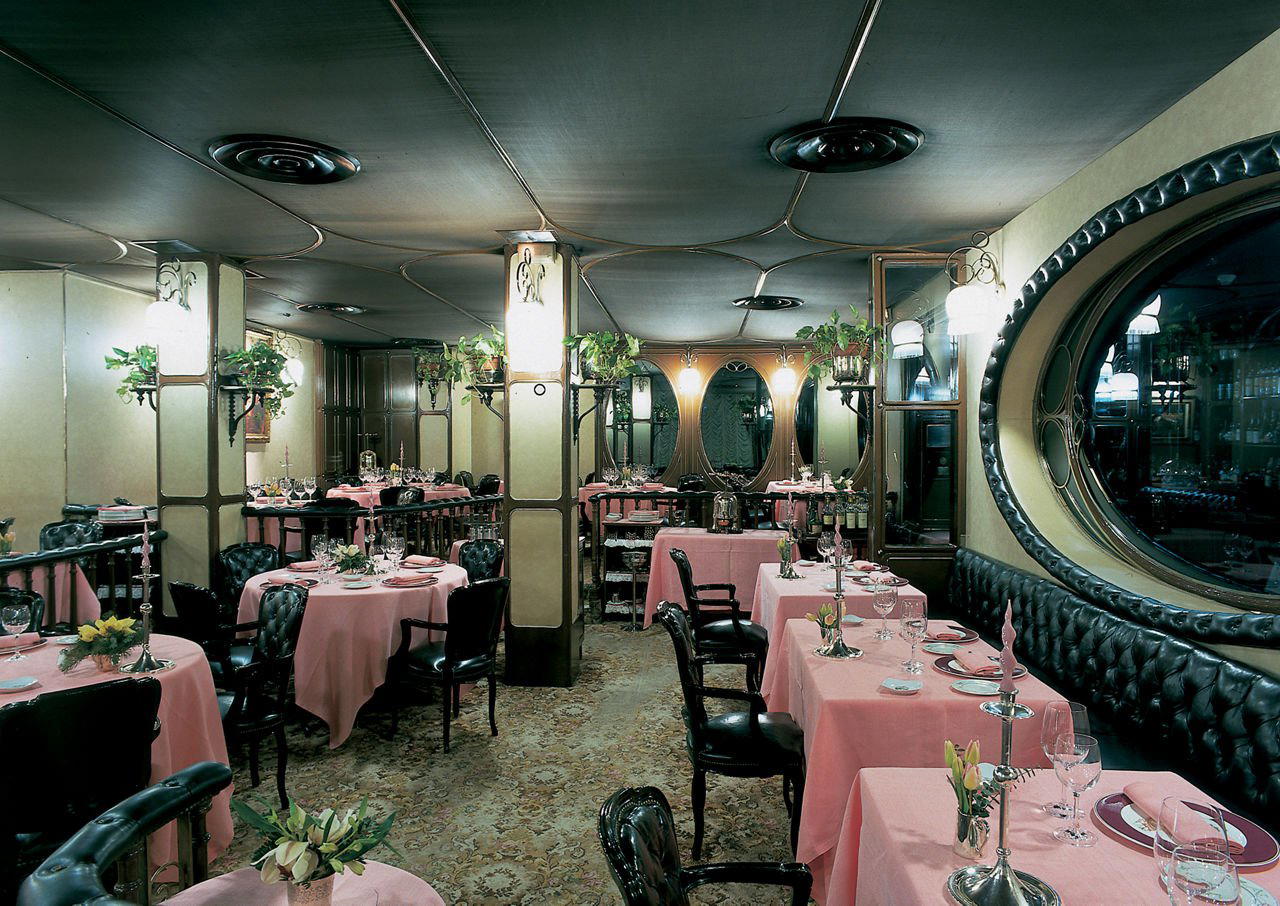
Classic setting with warm wooden atmosphere, linen-draped tables, cozy and pleasant with an old-school feel.