
Macarfi 7.3 Food Rating
Our verdict
Il Giardinetto sits in the Sarrià-Sant Gervasi district of Barcelona, a neighbourhood where Italian-rooted dining traditions meet the city's broader appetite for ingredient-led cooking. The address on Carrer de la Granada del Penedès places it within a quieter, residential tier of the city's restaurant scene, at some remove from the Eixample concentration of Michelin-decorated tables. For diners seeking a more local cadence in a well-heeled quarter, it offers an alternative axis to Barcelona's high-profile creative circuit.

Pearl is the En Primeur Club membership app, where members save venues, book tables and use the concierge.
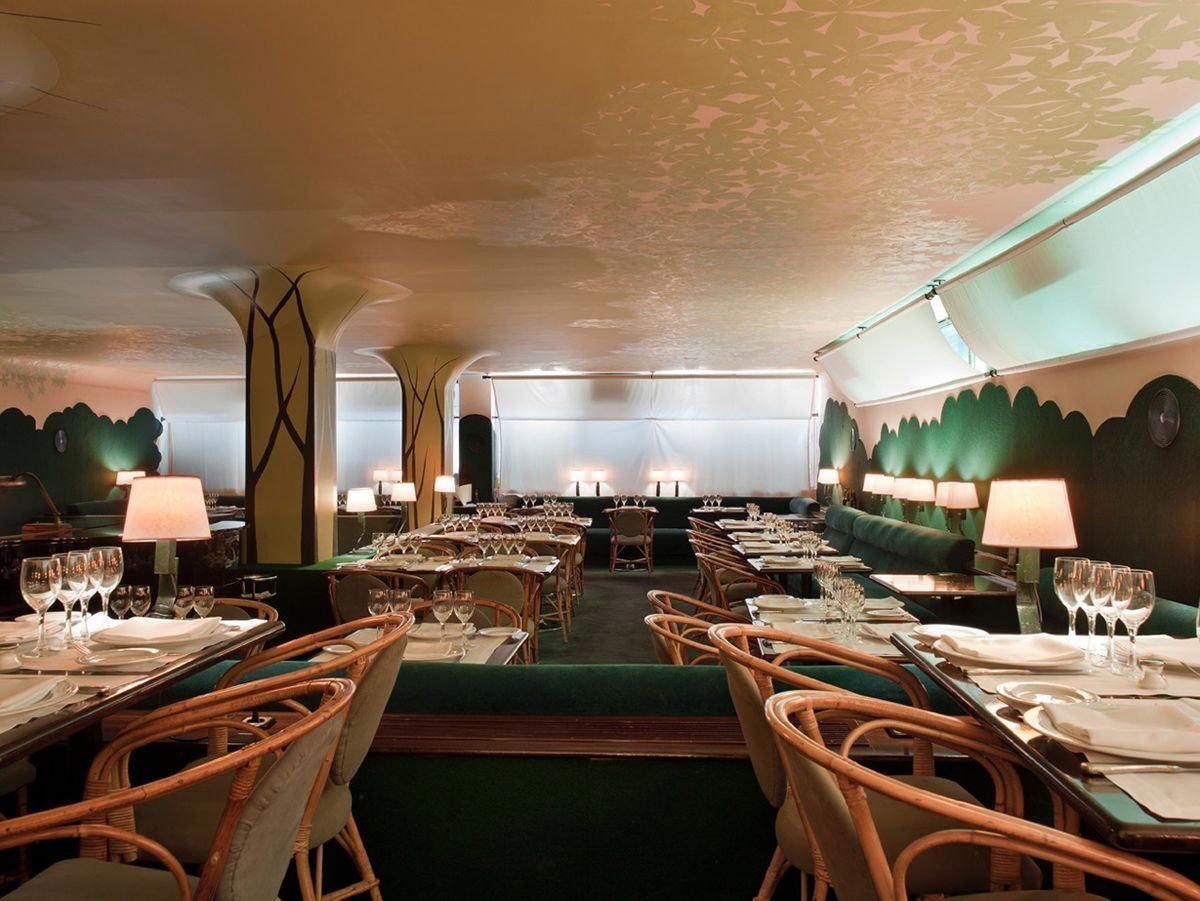
The menu
What to order
- Baked Brie with Marmalade of Tomato and Apple
- Giardinetto Risotto with Mushrooms and Parmesan
- Fettuccine with Truffles in Season
- Chicken Scallops with Mint
- Egg Roll
- Steak Tartare
A Quieter Register in a High-Stakes Dining City
Barcelona's restaurant conversation tends to gravitate toward a specific cluster: the tasting-menu counters of the Eixample, the three-Michelin-star rooms that have made the city a reference point for progressive Spanish cooking. Disfrutar, Cocina Hermanos Torres, and Lasarte absorb much of the city's critical attention, and rightly so. But Barcelona's dining geography is wider than that concentration suggests. Sarrià-Sant Gervasi, the uphill district that occupies the city's north-western residential flank, operates on a different register: calmer streets, a more settled neighbourhood character, and restaurants that serve a local population rather than an international pilgrimage circuit. Il Giardinetto, at Carrer de la Granada del Penedès 28, belongs to that quieter tier.
Italian-named restaurants in Spanish cities occupy an interesting position in the broader dining market. They tend to sit between two pressures: the gravitational pull of the city's own culinary identity and the expectations that Italian cuisine carries globally. In Barcelona, where the creative cooking tradition runs deep and where diners are literate about what serious kitchens look like, a restaurant with Italian lineage in its name has to make a clear argument for itself through the structure and intent of its cooking.
Menu Architecture as a Statement of Intent
The way a menu is organised tells you more about a kitchen's priorities than almost any individual dish. A restaurant that leads with raw preparations is signalling a confidence in its sourcing. One that structures around sharing formats is making an argument about conviviality over ceremony. And a kitchen that separates its offering into rigid courses is often drawing from a classical tradition where sequence carries meaning.
Italian cooking, at its more serious end, has always been a cuisine where structure is ideological. The distinction between antipasto, primo, secondo, and dolce is not bureaucratic, it reflects a sequence of flavour registers, from light to rich, from acidic to fat, from savoury to sweet. The leading Italian restaurants in Spain tend to hold that architecture intact rather than collapsing it into the sharing-plate format that now dominates much of Barcelona's mid-market. How closely il Giardinetto adheres to that tradition, or how it adapts it to its Sarrià context, is the most informative question a diner can bring to the table.
In a city where Enigma sequences its experience across hours and multiple spaces, and where ABaC operates as a full hotel-restaurant destination, a more conventionally structured Italian menu reads as a deliberate counterposition. The question is whether that conventionality is executed with enough precision to justify the choice.
The Neighbourhood as Context
Sarrià-Sant Gervasi is among Barcelona's more affluent residential districts, running from the upper Eixample toward Tibidabo and encompassing neighbourhoods like Sant Gervasi, Gràcia's northern border, and the old village of Sarrià itself. Restaurants in this part of the city tend to build their business on repeat local custom rather than destination traffic, which shapes everything from portion size to pricing to the texture of service. A room that fills Tuesday as readily as Saturday is drawing from a different well than a restaurant that depends on weekend tourism and special-occasion bookings.
That dynamic is relevant to how you assess il Giardinetto. Its address on Carrer de la Granada del Penedès is not a street that generates foot traffic from the cruise terminal or the Barceloneta hotel strip. It operates within walking distance of residents who have the option of eating at home well, which sets a baseline expectation that the kitchen has to meet or exceed on every service.
Barcelona's Italian Dining in Comparative Frame
Spanish cities have historically had an ambivalent relationship with Italian cooking. The traditions are close enough, shared Mediterranean ingredients, a pasta culture that overlaps with Catalan fideuà and the broader noodle history of the Levante, that the distinctions sometimes blur. But at the more serious end of the market, Barcelona's Italian restaurants have had to compete against a domestic fine dining scene that is, by any comparative measure, among the strongest in Europe. El Celler de Can Roca in nearby Girona, Mugaritz and Arzak in the Basque Country, Martin Berasategui in Lasarte-Oria, and further south, Aponiente in El Puerto de Santa María and Quique Dacosta in Dénia, these are the reference points against which any serious table in Spain is implicitly measured. DiverXO in Madrid and Azurmendi in the Basque Country add further weight to that competitive field.
Against that backdrop, Italian cooking in Barcelona occupies a niche position: it appeals to diners who want familiarity of structure alongside quality of execution, without the extended tasting-menu format that dominates the city's top tier. For comparison, see how the city's leading creative restaurants approach pricing and format in the table below.
Planning Reference: il Giardinetto in Neighbourhood Context
| Venue | District | Format | Price Tier |
|---|---|---|---|
| il Giardinetto | Sarrià-Sant Gervasi | Italian, à la carte (presumed) | Not confirmed |
| Cocina Hermanos Torres | Eixample | Tasting menu | €€€€ |
| Disfrutar | Eixample | Tasting menu | €€€€ |
| Lasarte | Eixample | Tasting menu | €€€€ |
| ABaC | Sarrià-Sant Gervasi | Tasting menu | €€€€ |
ABaC is the closest geographic peer, but its hotel-restaurant format and Michelin positioning place it in a different competitive tier entirely. Il Giardinetto's likely audience is the diner who wants quality cooking in the upper residential north without the pre-commitment of a multi-hour tasting menu.
What to Know Before You Go
For visitors travelling from central Barcelona, the Sarrià-Sant Gervasi district is reachable via the FGC (Ferrocarrils de la Generalitat de Catalunya) suburban rail from Plaça Catalunya, which makes the uphill commute considerably faster than it appears on a map. The L6 and L7 lines serve the area, with journey times from Plaça Catalunya typically under fifteen minutes.
For context on how Barcelona's broader dining scene is structured, and to plan around confirmed options alongside il Giardinetto, see our full Barcelona restaurants guide. International comparisons for tasting-menu formats with Italian or European classical roots can be found at Le Bernardin in New York City and Atomix in New York City, both of which demonstrate how classical European structure adapts within a contemporary fine-dining context. For Spanish regional cooking at the highest level, Ricard Camarena in València and Atrio in Cáceres represent the depth of the domestic field.
Frequently asked questions
What is the signature dish at il Giardinetto?
For Barcelona restaurants with documented signature preparations, see Disfrutar and Cocina Hermanos Torres.
Should I book il Giardinetto in advance?
Booking ahead is advisable for any well-regarded restaurant in a residential Barcelona neighbourhood, where local regulars tend to fill tables earlier in the week than visitors expect. Sarrià-Sant Gervasi restaurants do not carry the same international booking pressure as Eixample tasting-menu rooms, but weekend tables fill through neighbourhood demand. If ABaC is booked out, il Giardinetto may offer a viable alternative in the same district.
What is the defining idea at il Giardinetto?
The Italian name and Sarrià address together suggest a kitchen positioning itself as a quality Italian option within a residential, repeat-custom model, distinct from the progressive Spanish tasting-menu format that defines Barcelona's award circuit. The defining tension is between Italian structural tradition and local Catalan ingredient culture, which is the most productive lens through which to evaluate the menu. For a reference point on how that negotiation plays out at higher-profile Spanish venues, see Lasarte.
What if I have allergies at il Giardinetto?
In Barcelona, Spanish law requires restaurants to provide allergen information on request, so any kitchen will have that information available on-site. For confirmed contact details, check the venue's current listing on Google Maps or the city's official tourism portal.
Is il Giardinetto good value for money?
Price range data is not confirmed for il Giardinetto. As a general frame: Italian restaurants in Sarrià-Sant Gervasi tend to price below the €€€€ tasting-menu tier of Eixample fine dining, making them competitive on value for diners who want quality cooking without the €200-plus per-head commitment of the city's top-tier creative rooms. For verified pricing across Barcelona's Michelin-level field, the full Barcelona guide provides a comparable overview.
How does il Giardinetto fit into Barcelona's Italian dining scene?
Italian cooking in Barcelona operates in a niche position relative to the city's dominant progressive Spanish tradition. Il Giardinetto's Sarrià address, away from the tourist-heavy Eixample, places it within a residential dining culture where consistency and neighbourhood rapport matter as much as critical recognition. For diners building a multi-night Barcelona itinerary that includes both the city's celebrated creative tables and a more locally-oriented evening, the restaurant's district and format make it a plausible complement to venues like Enigma or ABaC.
Cuisine and Awards Snapshot
| Venue | Cuisine | Price | Awards | Notes |
|---|---|---|---|---|
| il GiardinettoThis venue (the venue you are viewing) | Classic Italian Trattoria | $30–50 | Macarfi 7.3 Food Rating | Not listed |
| Cocina Hermanos Torres | Modern Spanish Fine Dining | $300–500 | 3 Michelin Stars · World's 50 Best #69 | Creative |
| Disfrutar | Avant-Garde Catalan Fine Dining | $300–500 | 3 Michelin Stars · World's 50 Best #1 | Progressive, Creative |
| Lasarte | Modern Basque-Mediterranean Fine Dining | $300–500 | 3 Michelin Stars · La Liste Top Restaurants | Progressive Spanish, Creative |
| Cinc Sentits | Modern Catalan Fine Dining | $150–200 | 2 Michelin Stars · La Liste Top Restaurants | Modern Spanish, Creative |
| Enoteca Paco Pérez | Modern Mediterranean Seafood | $200–300 | 2 Michelin Stars · La Liste Top Restaurants | Modern Spanish, Modern Cuisine |
Recognition history
Dated appearances from independent guides and award organizations, with the underlying list record or original source where available.
Macarfi 7.3 Food Rating
Macarfi
Continue exploring
More in Barcelona
Restaurants in Barcelona
All restaurants in Barcelona →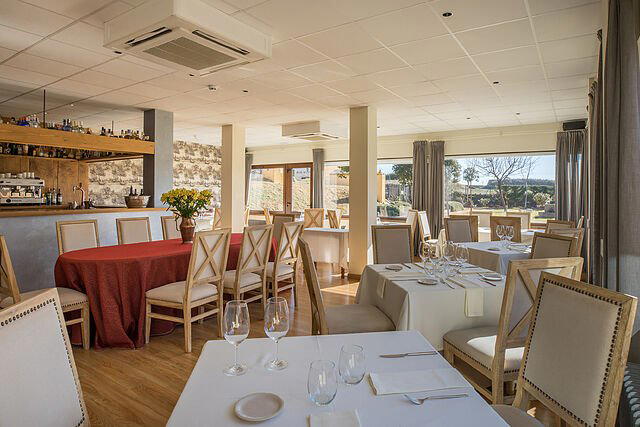
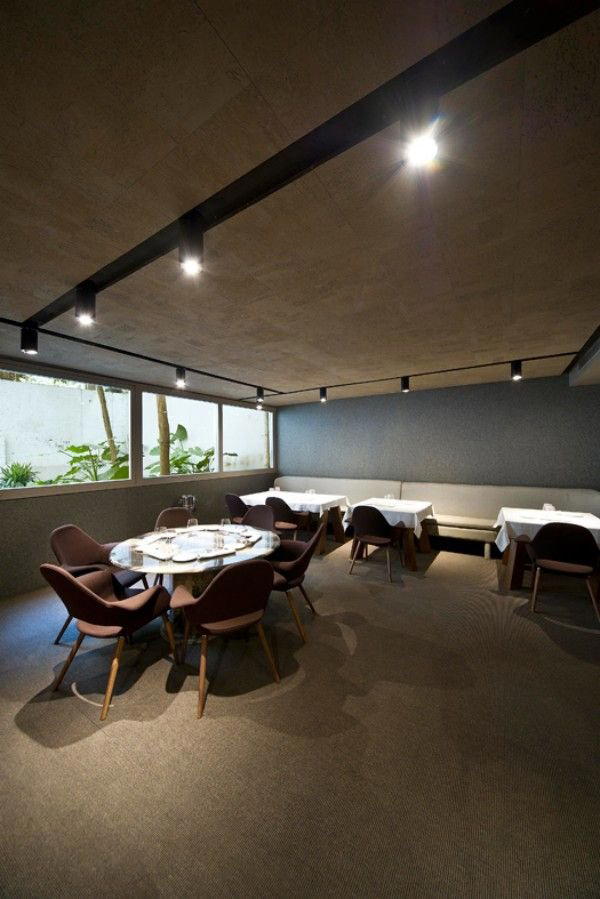
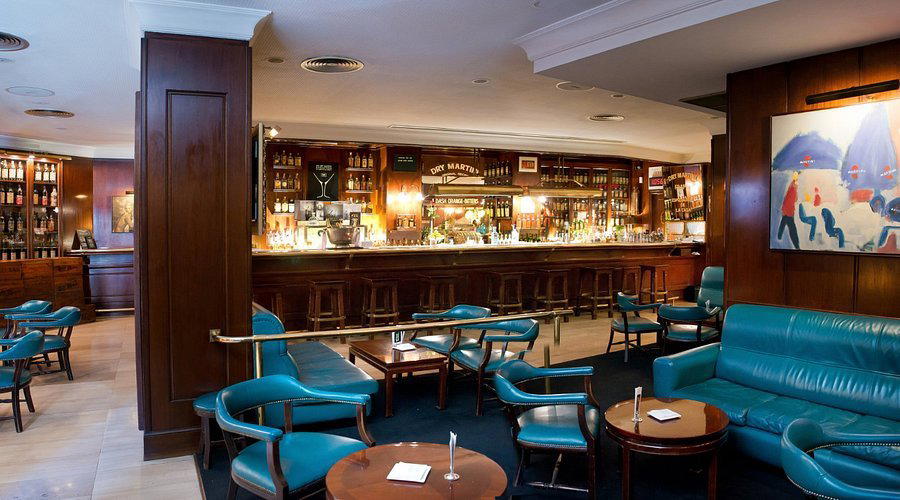
Bars in Barcelona
All bars in Barcelona →



Details
- Romantic
- Classic
- Elegant
- Intimate
- Well Known
- Date Night
- Special Occasion
- After Work
- Late Night
- Live Music
- Historic Building
- Design Destination
- Standalone
- Craft Cocktails
- Extensive Wine List
- Local Sourcing
- Garden
- A La Carte
- Set Menu
- Cocktails
- Wine
Current opening hours
- Monday
- 1:30–4 PM, 8 PM–12 AM
- Tuesday
- 1:30–4 PM, 8 PM–12 AM
- Wednesday
- 1:30–4 PM, 8 PM–12 AM
- Thursday
- 1:30–4 PM, 8 PM–12 AM
- Friday
- 1:30–4 PM, 8 PM–12 AM
- Saturday
- 1:30–4 PM, 8 PM–12 AM
- Sunday
- Closed
Hours can change for holidays and private events. Hours as of .
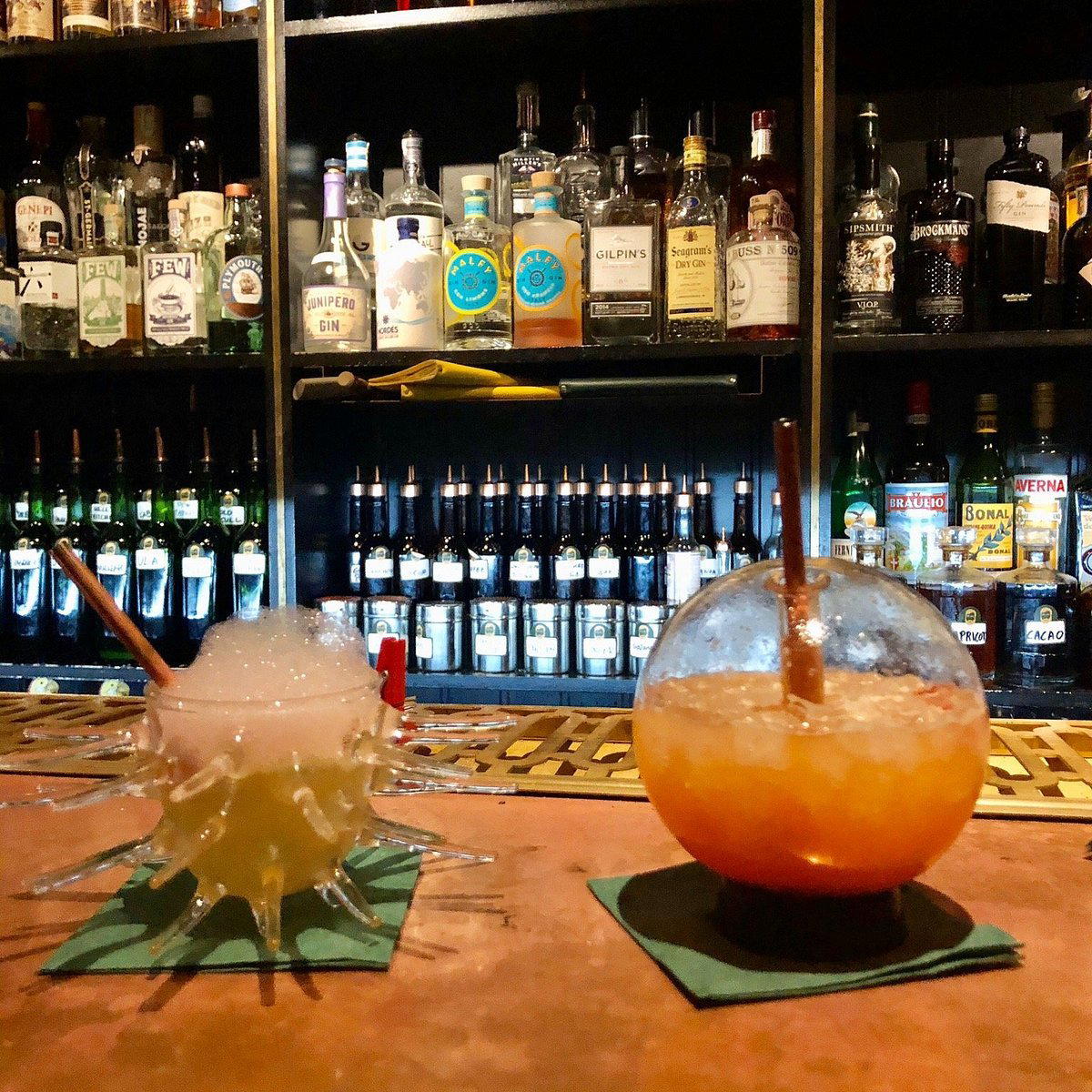
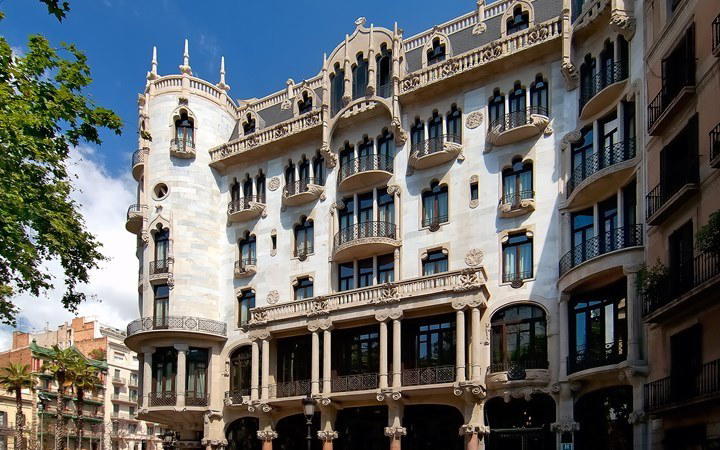
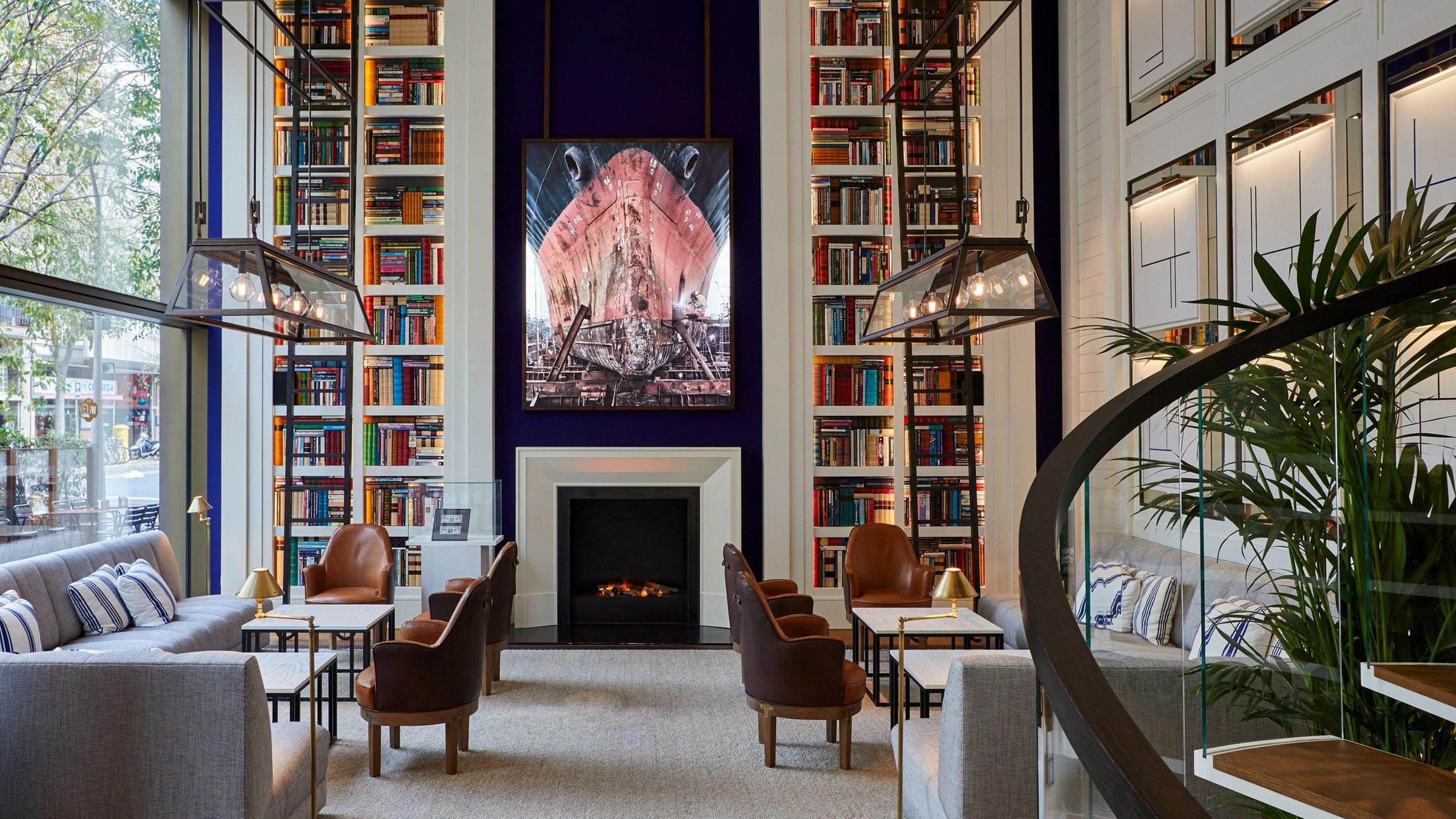
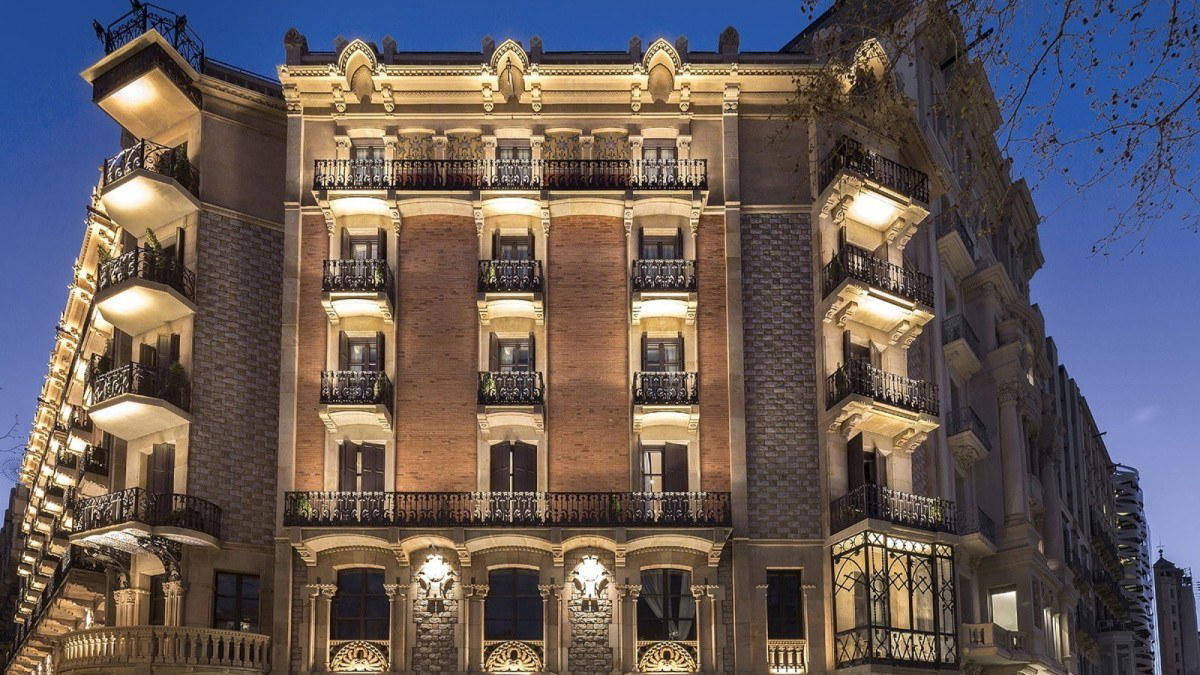
Low-lit and stylish with an interior garden atmosphere evoked through award-winning design featuring teal banquettes, forest-floor colored carpets, and nature-colored details; piano music plays in the background.