Restaurant Vecera By Bas & Niki
Our verdict
Sitting on the Veersedijk in Hendrik-Ido-Ambacht, Restaurant Vecera by Bas & Niki occupies a spot that most diners outside the Drecht cities corridor would need a map to find. That geographic remove has not slowed its reputation: the restaurant draws guests willing to cross the South Holland waterways for cooking that treats provenance as a structural argument, not a menu footnote. Consult our full Hendrik Ido Ambacht restaurants guide before planning your visit.

Pearl is the En Primeur Club membership app — saves, bookings, and concierge access live there. Same editors, same standards.
Where the Drecht Meets the Table
The Veersedijk in Hendrik-Ido-Ambacht runs tight against the water, the kind of address that rewards orientation before arrival. The building sits within sight of the river, and the approach on foot or by car carries the particular quietness of a South Holland polder town that has no pretence of being a dining destination in the conventional sense. That geography matters because it shapes everything about the experience: Vecera by Bas & Niki is not propped up by tourist footfall or a metropolitan dining scene sending walk-ins through the door. Its audience arrives with intent, which changes the room before anyone has sat down.
Across the Netherlands, a pattern has emerged over the past decade in which serious kitchens have migrated away from city centres to smaller municipalities. You find it in De Groene Lantaarn in Staphorst, in De Lindenhof in Giethoorn, and in Brut172 in Reijmerstok. The logic is consistent: lower overhead, access to regional producers, and a guest list that self-selects for engagement rather than convenience. Vecera operates within that same logic, positioned between Rotterdam's dense fine-dining cluster and the quieter waterway towns of Zeeland.
Sourcing as the Argument
The editorial angle that most honestly describes what is happening at restaurants in this tier across the Netherlands is one of ingredient provenance as a structural position, not a decorative one. Where kitchens in previous generations might source regionally as a talking point on a menu card, the more disciplined operators in this cohort treat the supply chain as a constraint that shapes the menu rather than the other way around. De Nieuwe Winkel in Nijmegen, for instance, has built its entire identity around organic sourcing with the Michelin Green Star to show for it. Inter Scaldes in Kruiningen does the same with Zeeland's coastal produce.
Hendrik-Ido-Ambacht sits within reach of the Hoeksche Waard agricultural area, one of the most productive polder farming zones in South Holland, and the Biesbosch wetlands are minutes away by water. For a kitchen that chooses to work with what the region offers, the raw material argument is strong. Dutch kitchens in this category tend to build around seasonal cycles that are genuinely short: asparagus in the Westland, North Sea fish running through Rotterdam's port infrastructure, and dairy from Zeeland and the river delta region. None of that is invented as decoration. It is the actual supply network that feeds this corner of the country.
Comparing the provenance-led approach here against what you find at Michelin-recognised peers further afield clarifies the stakes. De Librije in Zwolle and 't Nonnetje in Harderwijk both operate at the three-star level, with ingredient sourcing that is documented, auditable, and central to their critical identity. At that level, provenance is not a brand story; it is a technical commitment reflected in the menu's seasonal limits and the kitchen's refusal to substitute when a product is unavailable. Smaller operations working in the same tradition face the same discipline without the same infrastructure, which makes the commitment more exposed.
The South Holland Fine-Dining Tier
Rotterdam dominates the premium dining conversation in this part of the country. FG by François Geurds in Rotterdam holds two Michelin stars and anchors the city's reputation for technically demanding, produce-led cooking. That gravitational pull means restaurants in the surrounding municipalities often get read in relation to Rotterdam rather than assessed on their own terms.
Vecera sits roughly 15 kilometres southeast of Rotterdam, close enough that comparisons are inevitable but far enough to operate with a different pace. The Drecht cities corridor, which includes Zwijndrecht, Dordrecht, and Hendrik-Ido-Ambacht, has historically punched below its weight in fine dining relative to its population and proximity to port-linked food infrastructure. The restaurants that do succeed in this corridor tend to be small-format operations with a tight seat count and a focused offer, closer in spirit to Aan de Poel in Amstelveen or 't Amsterdammertje in Loenen aan de Vecht than to the city flagship model.
Internationally, the reference frame for kitchens operating at this intersection of precision and provenance includes Le Bernardin in New York City, where the source-to-plate argument is almost constitutional, and Atomix in New York City, where a tightly controlled format underpins everything. Neither comparison is geographic, but both illustrate the same principle: that a kitchen's position in the market is most honestly defined by what it refuses to do as much as by what it produces.
Practical Considerations
Reaching Veersedijk 6 requires planning. Hendrik-Ido-Ambacht has a station on the rail connection between Dordrecht and Rotterdam Centraal, but the address is more naturally served by car or taxi from Dordrecht, which sits roughly four kilometres south across the river. Guests arriving from Amsterdam would typically pick up the A16 south from Rotterdam, adding around an hour to the journey depending on traffic. For readers considering a broader South Holland itinerary, pairing an evening at Vecera with the coastal restaurants of De Bokkedoorns in Overveen or an inland detour to De Treeswijkhoeve in Waalre or De Lindehof in Nuenen in North Brabant gives the trip a logical circuit. Contact the restaurant directly for current availability, format, and pricing, as none of that detail is publicly confirmed at time of writing. See Tribeca in Heeze for another example of a small-town Dutch operation that rewards the detour. Our Hendrik Ido Ambacht restaurants guide covers the wider local context.
Frequently asked questions
Can I bring kids to Restaurant Vecera By Bas & Niki?
Restaurant Vecera By Bas & Niki sits at Veersedijk 6 in Hendrik-Ido-Ambacht, a waterside address more attuned to the pace of an adult dinner than a family outing. The restaurant's positioning in the South Holland fine-dining tier suggests a setting where a multi-course format is likely, which can be a long evening for younger children. check the venue's official channels before booking to confirm whether they accommodate families and what, if any, adapted options exist.
How would you describe the vibe at Restaurant Vecera By Bas & Niki?
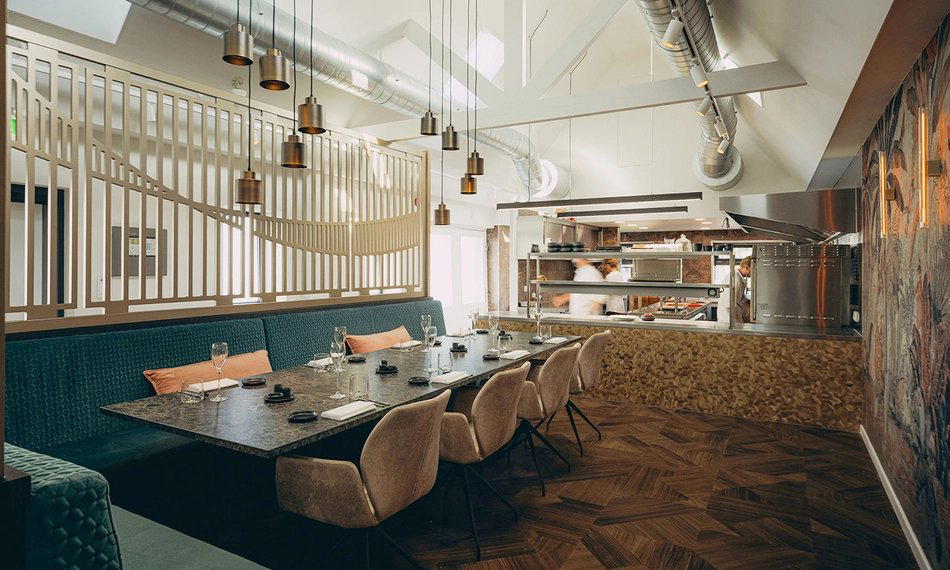
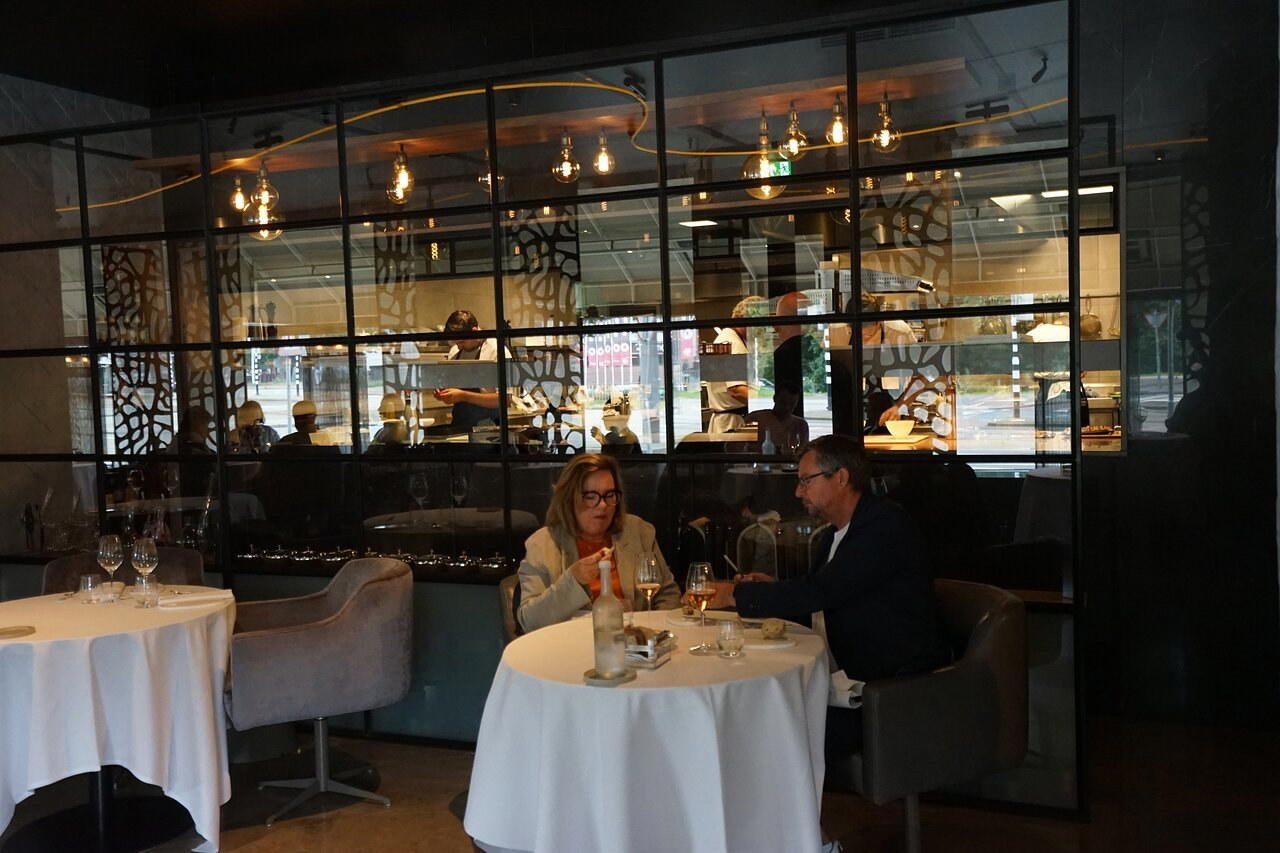
The address on Veersedijk runs directly along the water in Hendrik-Ido-Ambacht, which gives the setting an unhurried, away-from-the-city quality that contrasts with the busier restaurant rooms in nearby Rotterdam. The name Bas & Niki signals a personal, owner-led operation rather than a hotel or group concept, which in the South Holland fine-dining tier typically translates to an intimate room and a host-present atmosphere. Expect a quieter register than you would find at a city-centre destination.
Is Restaurant Vecera By Bas & Niki worth the trip from Rotterdam to Hendrik-Ido-Ambacht?
Hendrik-Ido-Ambacht sits roughly 15 kilometres south-east of Rotterdam Centraal, accessible by rail via the Dordrecht line, though the Veersedijk address requires onward transport from the station. Restaurants operating at this level in South Holland outside the city core typically draw a loyal local following precisely because the experience is quieter and more personal than comparable rooms in Rotterdam. If owner-led fine dining on a working waterway appeals over a city-centre table, the journey is proportionate to that preference.
What do regulars order at Restaurant Vecera By Bas & Niki?
What the Veersedijk address and the fine-dining tier context suggest is a kitchen focused on ingredient provenance, a characteristic of serious Dutch restaurants operating outside Rotterdam's main dining corridor. The restaurant's own website or a direct enquiry will give you the most accurate picture of the current format and signature courses.
Side-by-Side Snapshot
Comparable venues nearby, for context on price, style, and recognition.
| Venue | Cuisine | Price | Notes |
|---|---|---|---|
| Restaurant Vecera By Bas & NikiThis venue — the venue you are viewing | Mediterranean & Modern Burgundian Fine Dining | $50–100 | Not listed |
| Bluespoon | European with Dutch Twist | Not listed | Canal Ring (Prinsengracht) |
| The SIREN | Mediterranean-Japanese Fusion | $50–100 | Nes e.o. |
| Silvi Gastrobar | Mediterranean Shared Dining Gastrobar | $50–100 | The Hague |
| Restaurant Mász | European Fusion Fine Dining | Not listed | Schijndel |
| Het Broeker Huis | Mediterranean Wood-Fired | Not listed | Broek in Waterland |
Continue exploring
More in Hendrik Ido Ambacht
Restaurants in Hendrik Ido Ambacht
All restaurants in Hendrik Ido Ambacht →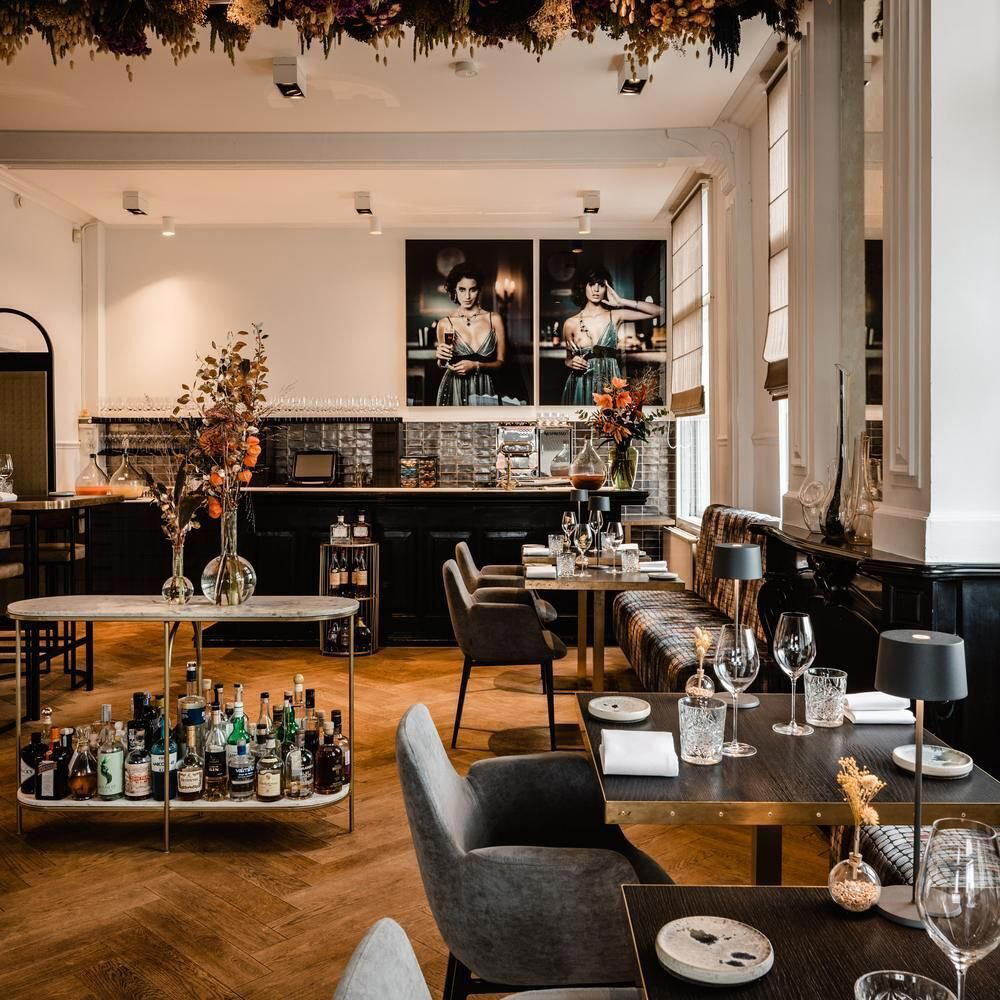
Bars in Hendrik Ido Ambacht
Browse all →
Hotels in Hendrik Ido Ambacht
Browse all →
Wineries in Hendrik Ido Ambacht
Browse all →
Restaurant Vecera By Bas & Niki
The wine
- Wine program
- Curated wine list
- Extensive wine list
Details
- Elegant
- Sophisticated
- Intimate
- Date Night
- Special Occasion
- Open Kitchen
- Extensive Wine List
- A La Carte
- Vegetarian Friendly
Current opening hours
- Monday
- Closed
- Tuesday
- 6 PM–12 AM
- Wednesday
- 12 PM–12 AM
- Thursday
- 12 PM–12 AM
- Friday
- 5:30 PM–12 AM
- Saturday
- 6 PM–12 AM
- Sunday
- Closed
Hours can change for holidays and private events. Last verified .