Our verdict
Ravinteli Haarla occupies a converted industrial address on Pellavatehtaankatu in Tampere's Finlayson district, placing it among the city's more characterful dining rooms. The surrounding former textile mill precinct has become a reference point for Tampere's shift toward place-driven hospitality, and Haarla fits that pattern as a restaurant shaped by its neighbourhood as much as by its kitchen.

Pearl is the En Primeur Club membership app — saves, bookings, and concierge access live there. Same editors, same standards.
- Address
- Pellavatehtaankatu 14, 33100 Tampere, Finland
- Phone
- +358504774861
- Hours
- Mon–Tue 11 AM–10 PMWed–Thu 11 AM–11 PMFri 11 AM–12 AMSat 12 PM–12 AMSun Closed
- Website
- ravintelihaarla.fi
- Directions
- Get directions
- Booking
- Book on the venue's website
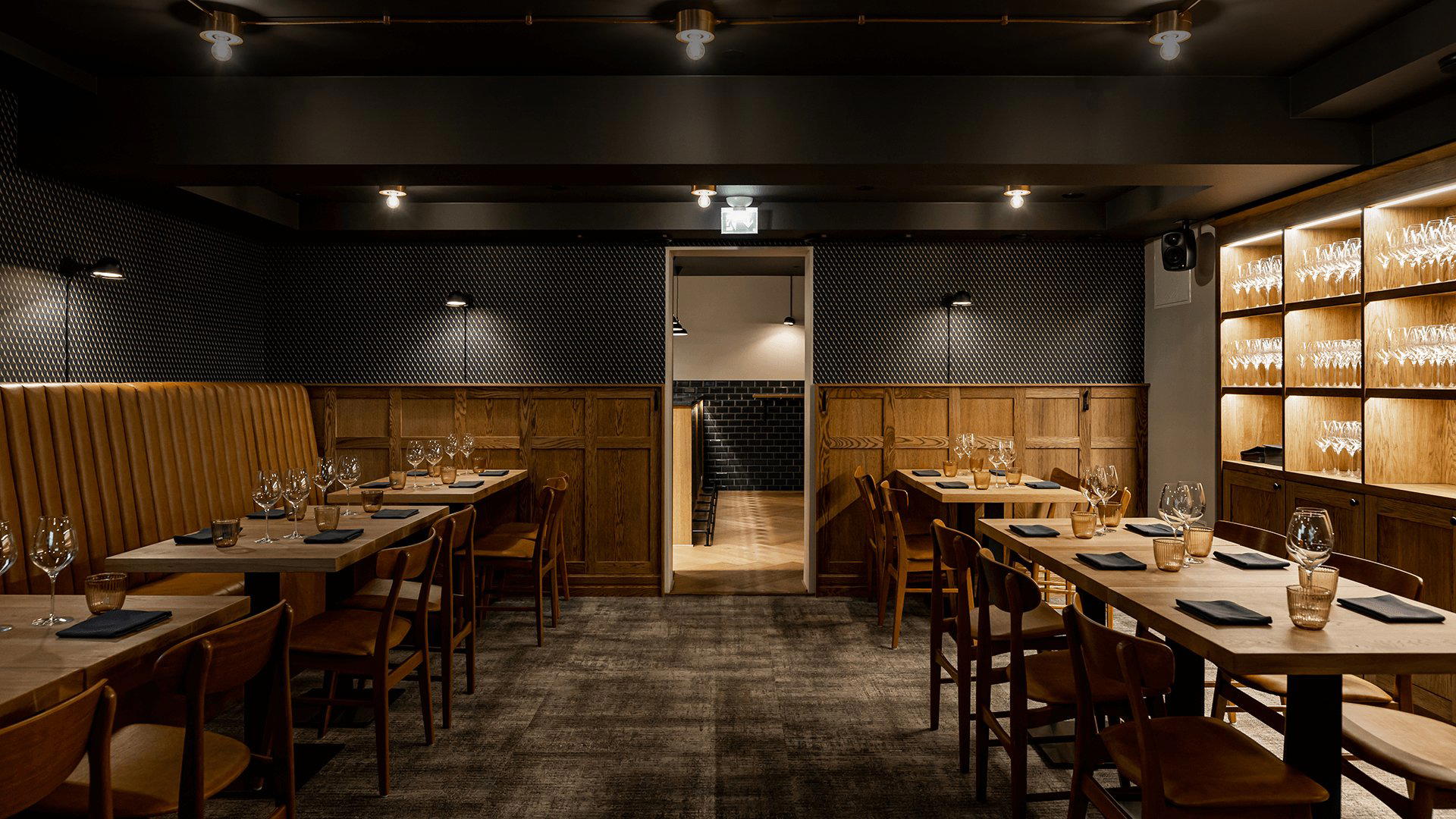
A Mill District Address and What It Means for Dinner
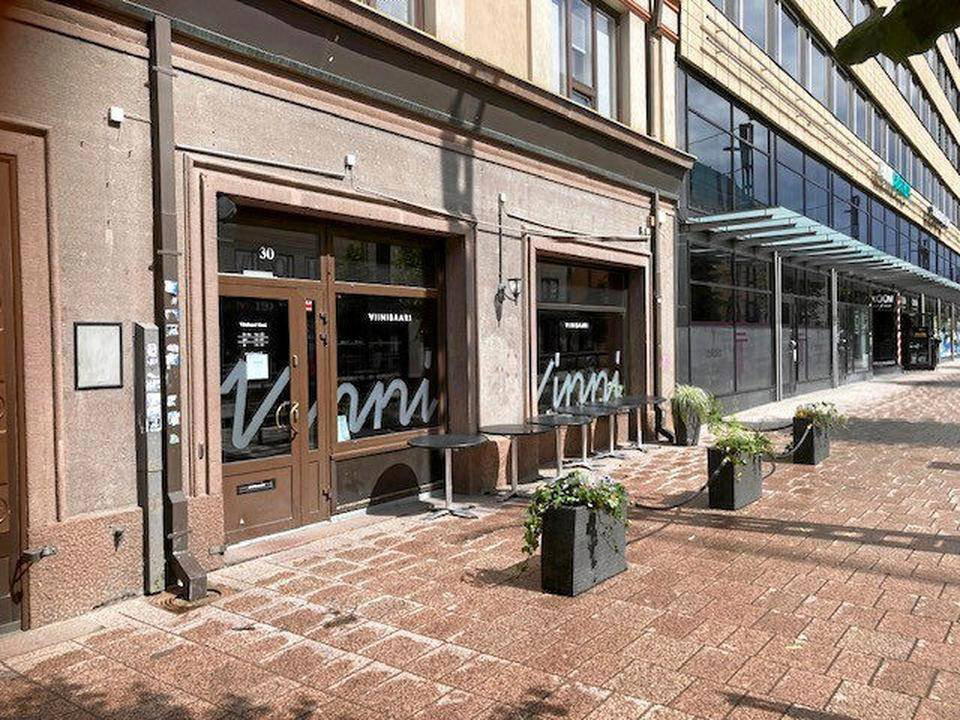
Pellavatehtaankatu 14 is not a central Tampere address in the conventional sense. The street runs through the Finlayson area, a nineteenth-century textile complex that dominated the city's industrial identity for over a century before its gradual conversion into cultural venues, studios, and restaurants. Arriving on foot from the city centre, you cross the Tammerkoski rapids and pass the old brick facades that give this part of Tampere its weight. The neighbourhood does not need to announce itself. Its material history is the announcement. Ravinteli Haarla sits inside that context, and any assessment of the restaurant has to start with what it means to eat in a repurposed industrial precinct rather than a purpose-built dining room on a high street.
This pattern, a serious restaurant housed in a former production space, has become increasingly common across Finnish cities over the past decade. It reflects a broader shift in how premium dining presents itself: away from formal dining rooms with starched tablecloths and toward spaces where the architecture carries some of the narrative. Tampere has been particularly receptive to this model, partly because the city has more surviving industrial fabric than Helsinki, and partly because its dining scene has developed an identity that leans on place and material culture rather than imported formality. Venues like Apaja and Bistro Henriks have each established a version of this grammar, and Haarla belongs to the same broader movement without being reducible to it.
Tampere's Dining Scene and Where Haarla Sits Within It
Tampere operates as Finland's second-largest city but its dining scene punches with a confidence that is not simply proportional to population. The city has developed a tier of restaurants that compete on quality rather than volume, sitting between the more internationally referenced tables in Helsinki, represented by venues like Palace in Helsinki, and the quieter regional ambitions found further afield in places like Kaskis in Turku or VÅR in Porvoo. Within Tampere specifically, the competitive set includes Bistro Eloisa, Brasserie Deux, and Dining 26 by Arto Rastas, each operating with a distinct register but all contributing to a city-wide shift toward more considered, ingredient-led hospitality.
Haarla at Pellavatehtaankatu 14 occupies a specific neighbourhood rather than the city's main restaurant corridor. That positioning creates a different kind of draw. Diners making the journey to this address are not passing by; they are choosing it specifically, which tends to self-select for a more engaged room. This is a well-documented dynamic in cities with distributed dining scenes: restaurants that require a deliberate trip tend to attract guests who arrive with attention rather than convenience as their primary motive. The same logic applies across Finland's smaller cities. A restaurant like Figaro in Jyväskylä or Filipof in Joensuu benefits from this same dynamic: location becomes part of the editorial of the evening.
The Industrial Precinct as Dining Context
The Finlayson area's conversion from textile production to mixed cultural use has been gradual and largely successful at retaining material character. The brick, the scale of the former production halls, and the waterway proximity give the district a texture that purpose-built hospitality precincts rarely achieve. Eating in a space shaped by that inheritance is qualitatively different from eating in a ground-floor unit of a contemporary development, even if the food on the plate is identical. This is not sentimentality about old buildings; it is a recognition that dining is partly spatial, and that atmosphere is generated by accumulated physical fact as much as by interior design decisions.
Across Finland's secondary cities, the most interesting restaurant addresses tend to cluster around exactly this kind of conversion: former warehouses in Turku's harbour, repurposed civic buildings in Tampere, industrial units in Vaasa where Hejm in Vaasa has found its own version of a neighbourhood-defined identity. The pattern holds because the buildings bring something a new-build cannot: a sense that the space existed before the restaurant arrived, and will outlast it. That permanence, or at least its suggestion, lends a particular quality to the room.
Planning a Visit
Ravinteli Haarla is located at Pellavatehtaankatu 14 in Tampere's Finlayson district, reachable on foot from the city centre in under fifteen minutes via the Tammerkoski bridge crossing. For visitors arriving by train, Tampere Central Station sits close enough to make a pre- or post-journey dinner practical without time pressure. Current booking methods and operating hours are best confirmed directly with the restaurant, as neither phone nor website details are available through this listing. Given the neighbourhood's position slightly off the main hospitality axis, arriving with a confirmed reservation is advisable rather than walking in on the assumption of availability. For a broader orientation to what the city offers before committing to an itinerary, the full Tampere restaurants guide covers the range from casual to formal across the city's distinct quarters.
Readers planning a wider Finnish itinerary might also consider the contrast between Tampere's place-driven dining model and the approaches operating in smaller cities further afield, from Gösta in Mänttä to Vintti in Hameenlinna and Hai Long in Rovaniemi. Each reflects a different regional reading of what a serious restaurant in a smaller Finnish city looks like, and collectively they map a dining culture that has spread well beyond the capital without losing local specificity. For international reference points at the opposite end of the scale, Le Bernardin in New York City and Atomix in New York City represent the kind of formal, award-driven benchmark against which European regional dining continues to define its own, often more grounded, alternative. Also worth considering on any visit to this region is JJ's BBQ in Salo, which takes a very different approach to southern Finnish dining.
Frequently asked questions
Is Ravinteli Haarla good for families?
Ravinteli Haarla's location in Tampere's Finlayson district, a former textile mill complex with open public spaces and cultural venues, makes the surrounding area accessible for families visiting the city. The neighbourhood character, at minimum, gives families a reason to be in the area beyond the meal.
What is the atmosphere like at Ravinteli Haarla?
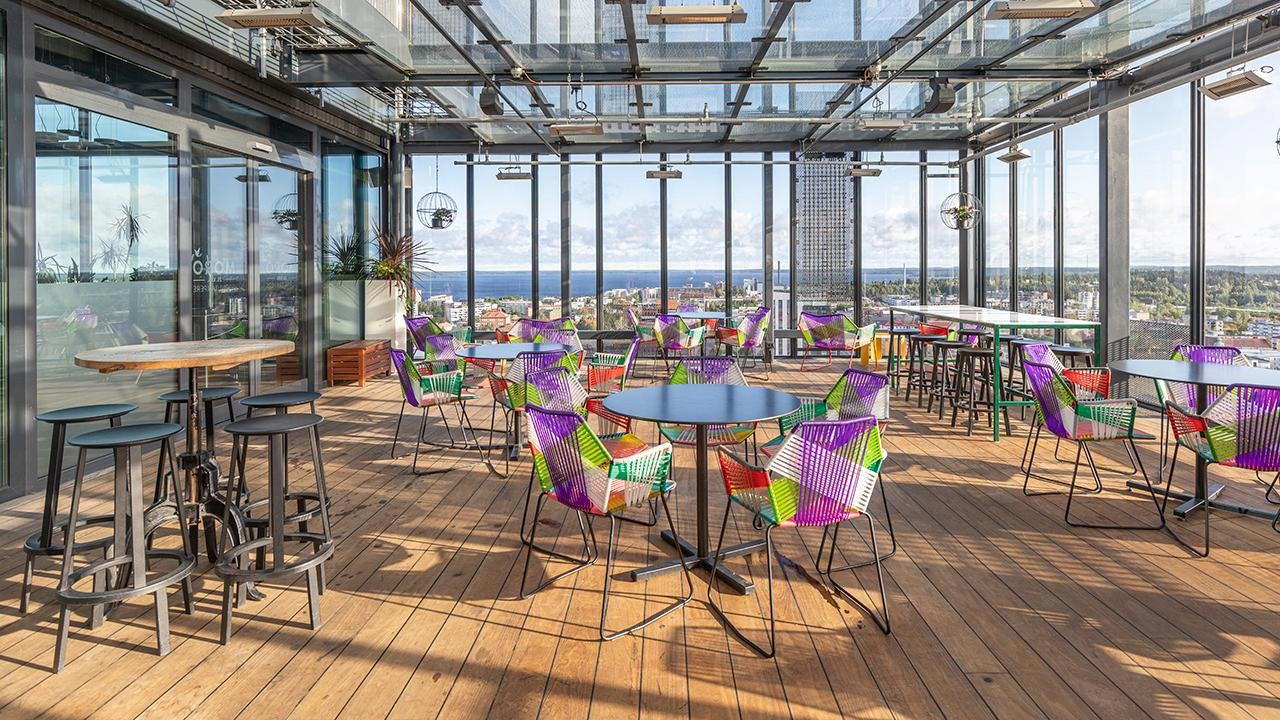
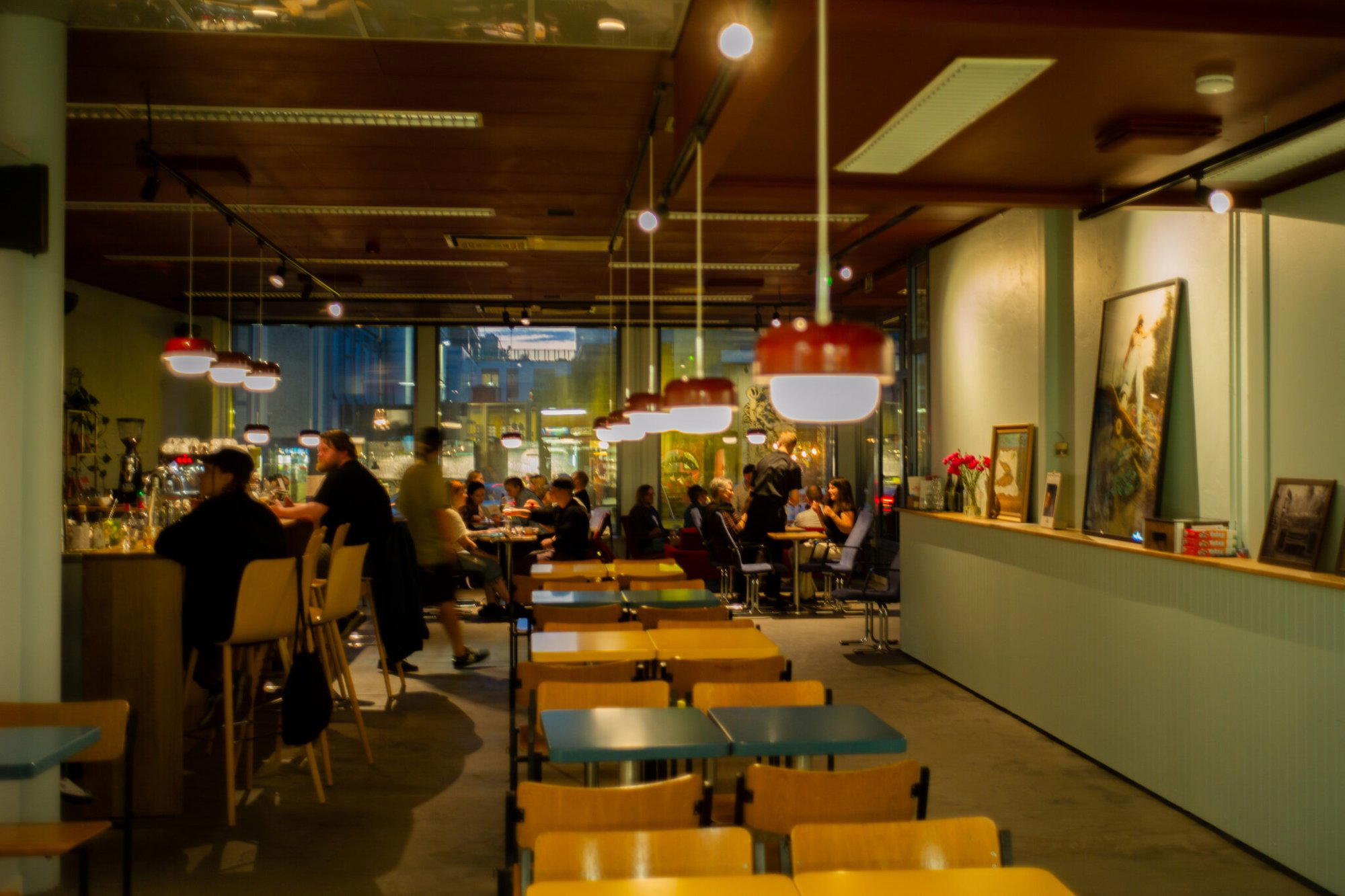
The address at Pellavatehtaankatu 14 places Haarla inside Tampere's Finlayson precinct, a nineteenth-century industrial zone that has retained much of its brick and mill-era material character through conversion to cultural and commercial use. That setting tends to shape the tone of restaurants within it: the architecture does heavy atmospheric lifting before a single plate arrives.
What makes Ravinteli Haarla a distinctive place to eat in Tampere's Finlayson area?
Ravinteli Haarla occupies Pellavatehtaankatu 14 within the Finlayson district, one of Finland's most coherent examples of adaptive industrial reuse, where nineteenth-century textile mill buildings now host restaurants, galleries, and cultural spaces. Few Tampere restaurants are embedded this deeply in a precinct that carries its own historical and architectural identity. That address gives Haarla a contextual specificity that restaurants in Tampere's central streets do not have by default.
What's the signature dish at Ravinteli Haarla?
Tampere's broader dining scene has leaned into Finnish seasonal produce and Nordic technique, and restaurants in the Finlayson area generally reflect that regional orientation, but confirming what Haarla serves specifically requires checking directly with the restaurant.
Where do I go for Ravinteli Haarla?
Ravinteli Haarla is located at Pellavatehtaankatu 14, 33100 Tampere, Finland, Tampere.
A Tight Comparison
Comparable venues nearby, for context on price, style, and recognition.
| Venue | Cuisine | Price | Awards | Notes |
|---|---|---|---|---|
| Ravinteli HaarlaThis venue — the venue you are viewing | European Bistro Classics | $20–30 | Not listed | Not listed |
| Bistro Eloisa | Modern European Bistro | Not listed | Falstaff Restaurant - 83 Falstaff Points | Pantti building, city centre area, Modern European Bistro |
| Bistro Henriks | Modern Finnish Bistro | $30–50 | Not listed | Satamakatu, Modern Finnish Bistro |
| Dining 26 by Arto Rastas | Modern Mediterranean Fine Dining | $50–100 | Not listed | city centre, Modern Mediterranean Fine Dining |
| Ravintola Heinätori | Traditional Finnish Fine Dining | $50–100 | Not listed | Pyynikki, Traditional Finnish Fine Dining |
| Gastropub Tuulensuu | Belgian Gastropub | $20–30 | Star Wine List | Haemeenpuisto, Belgian Gastropub |
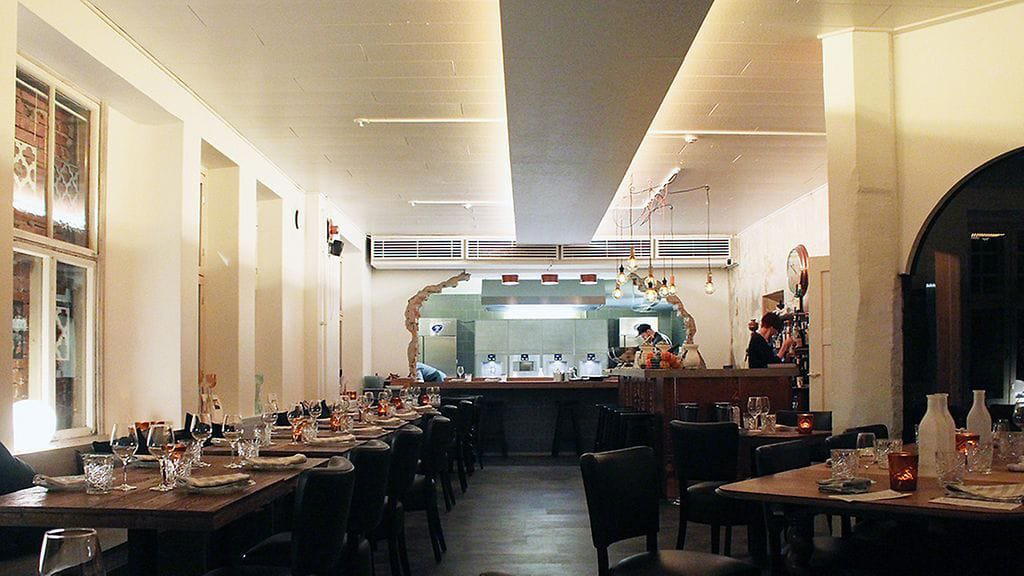
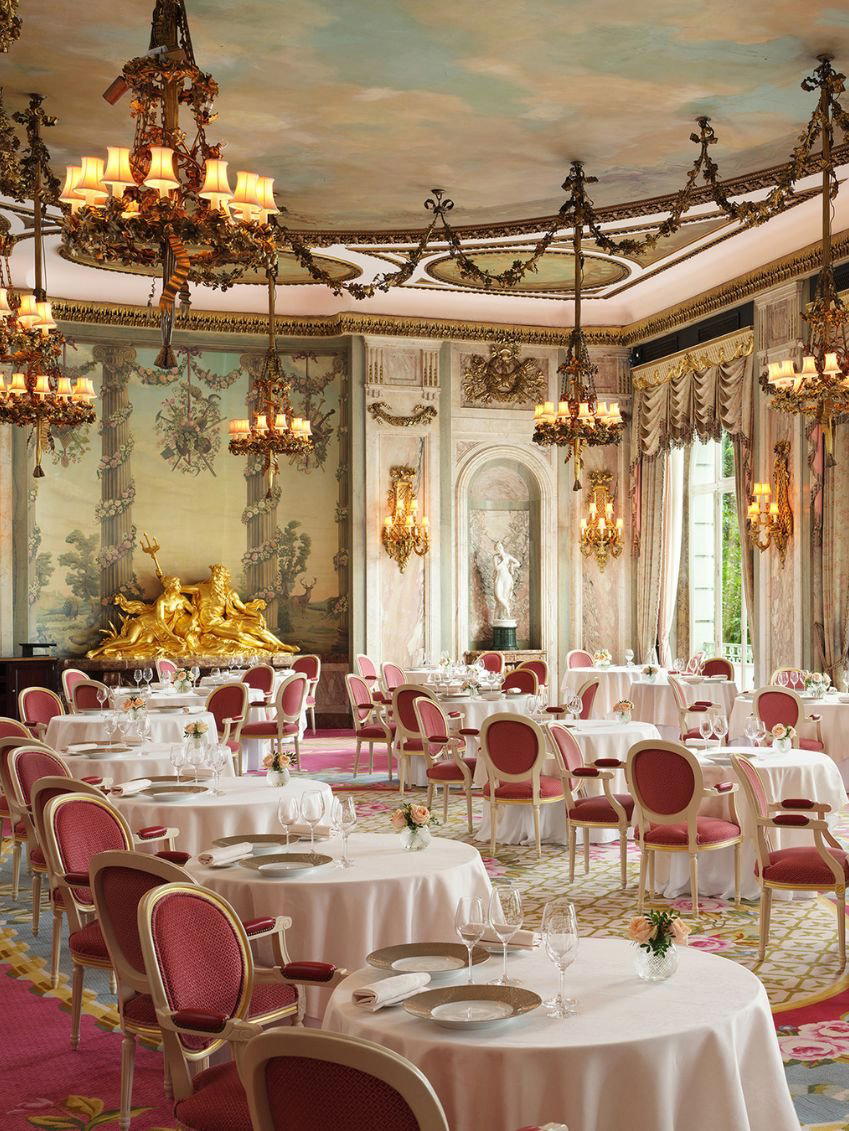
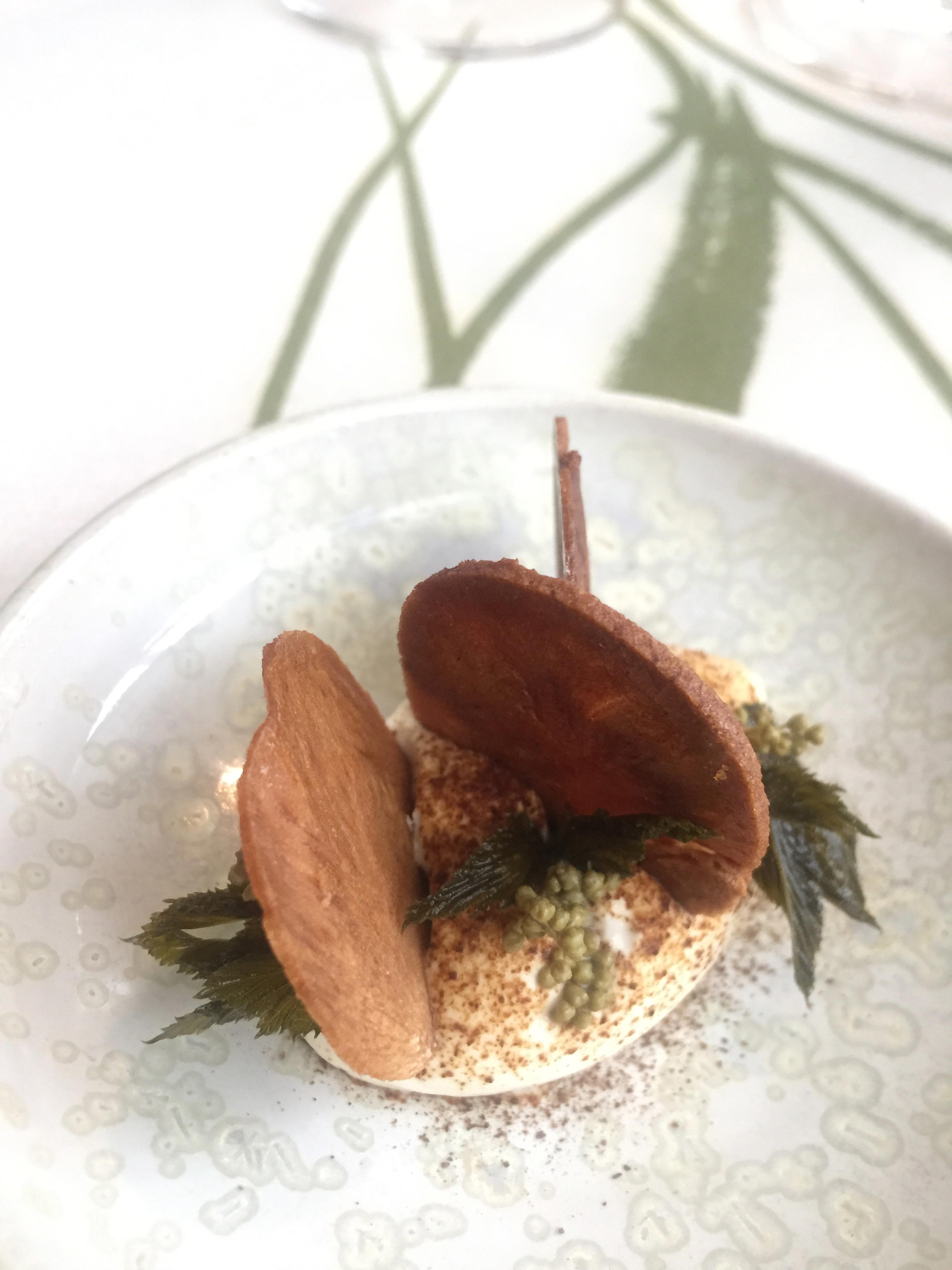
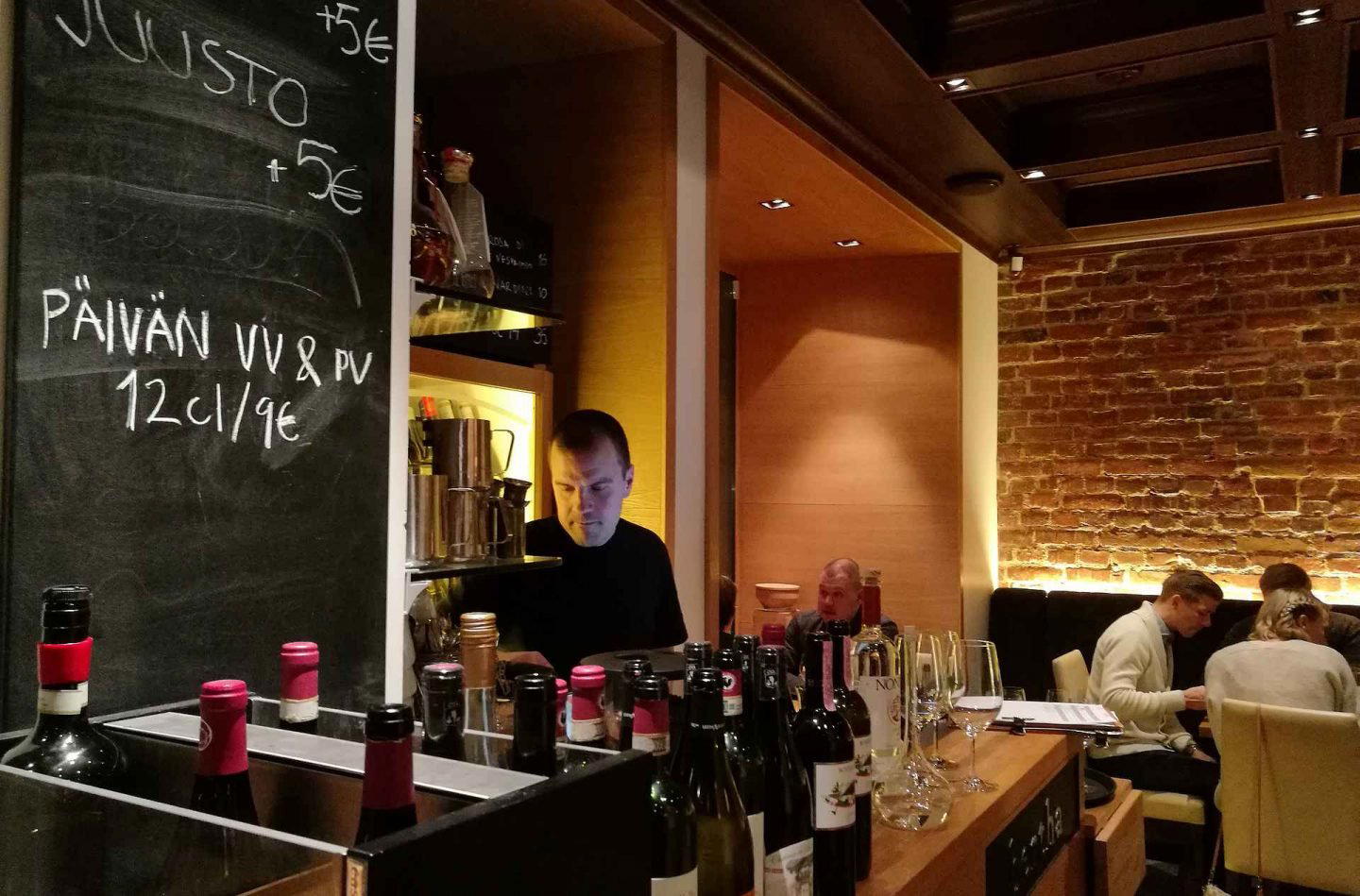
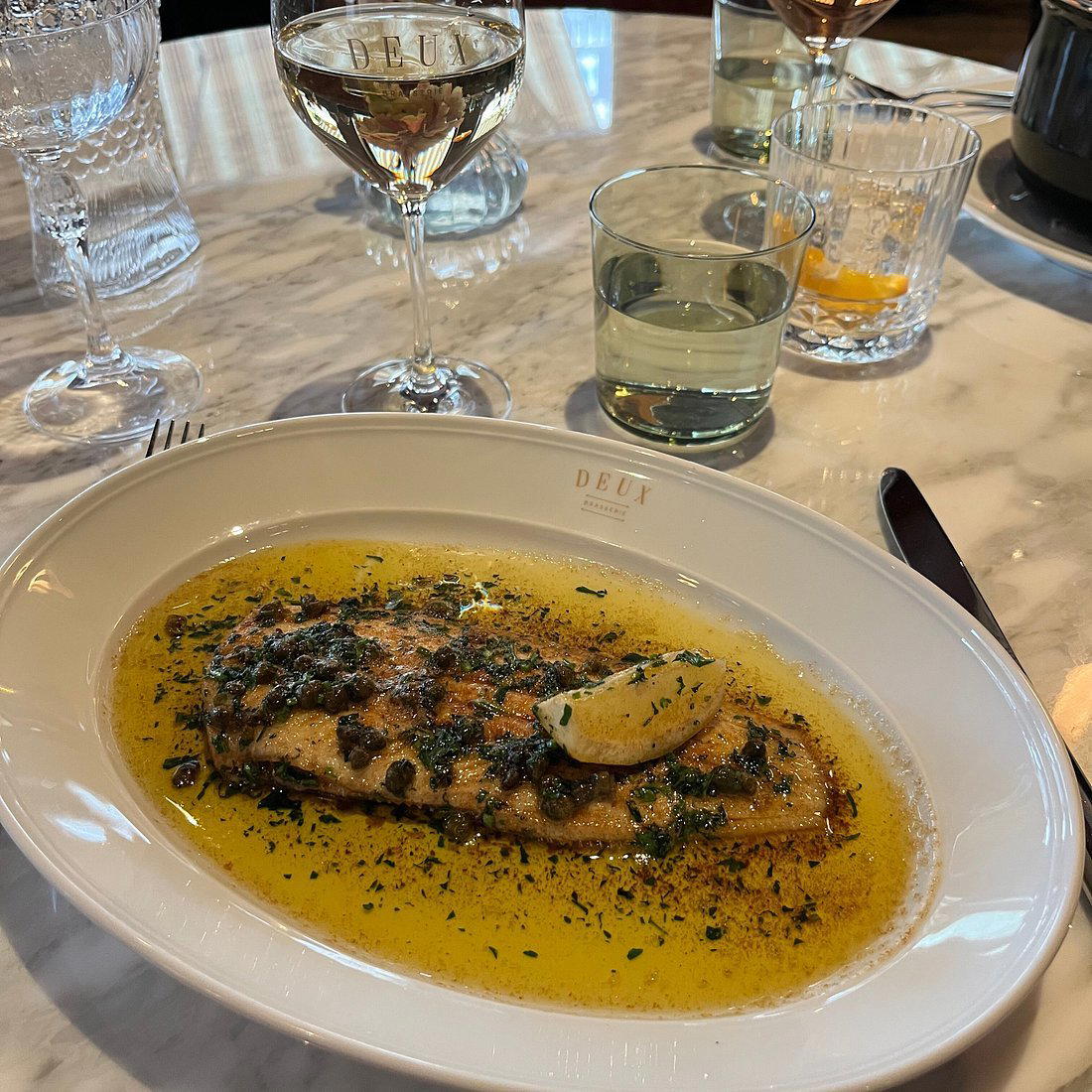
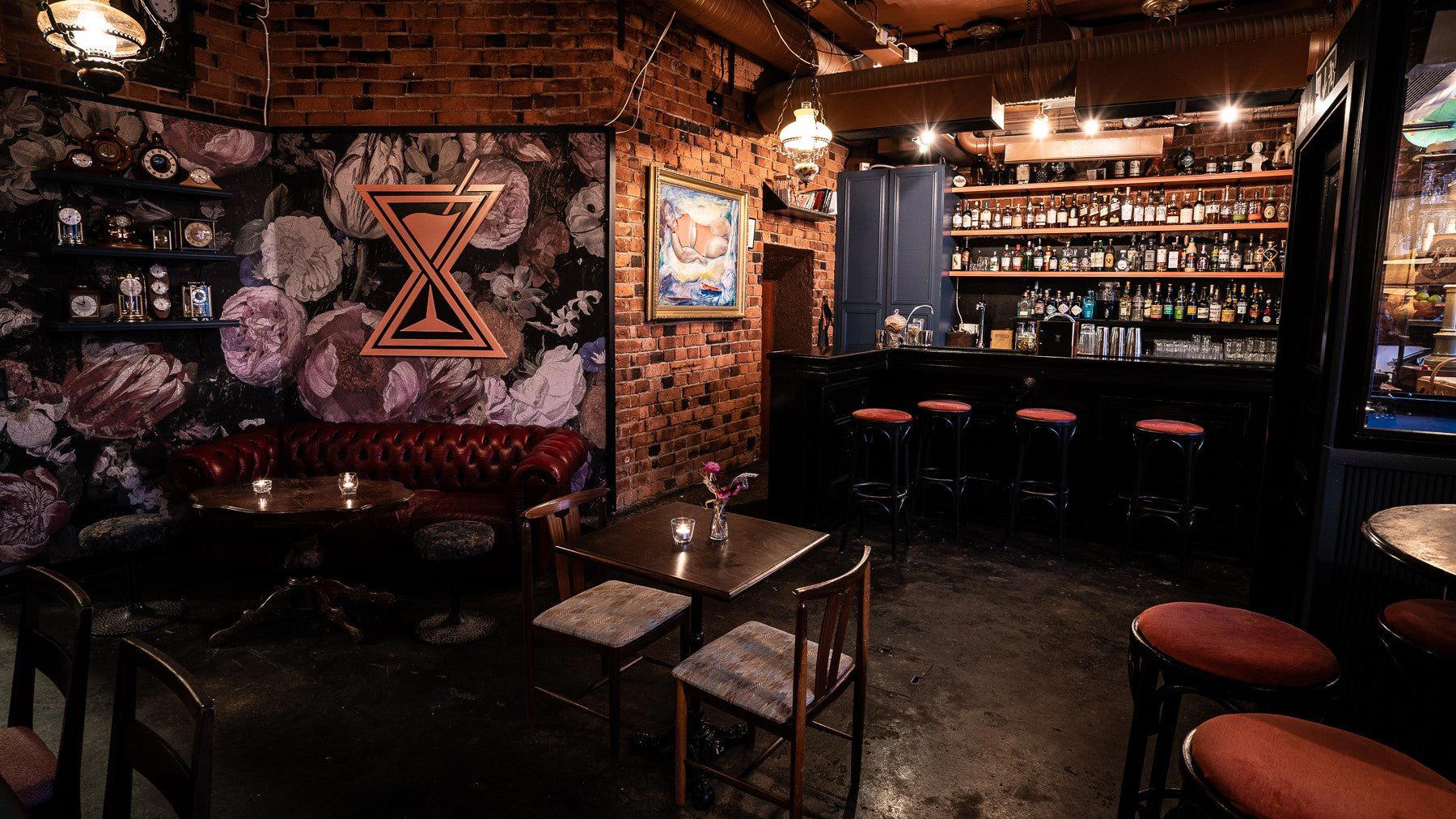
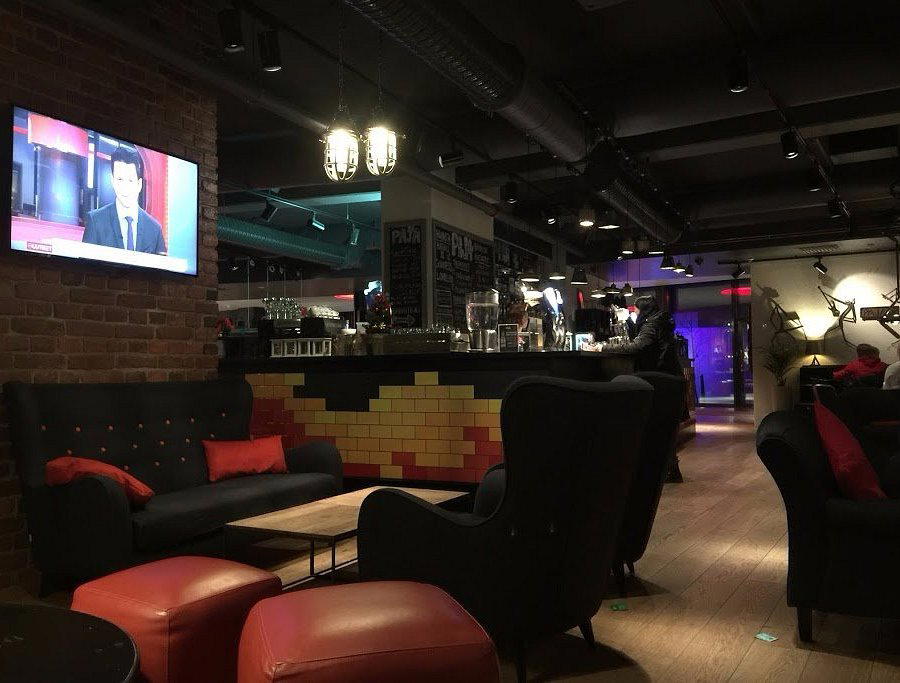
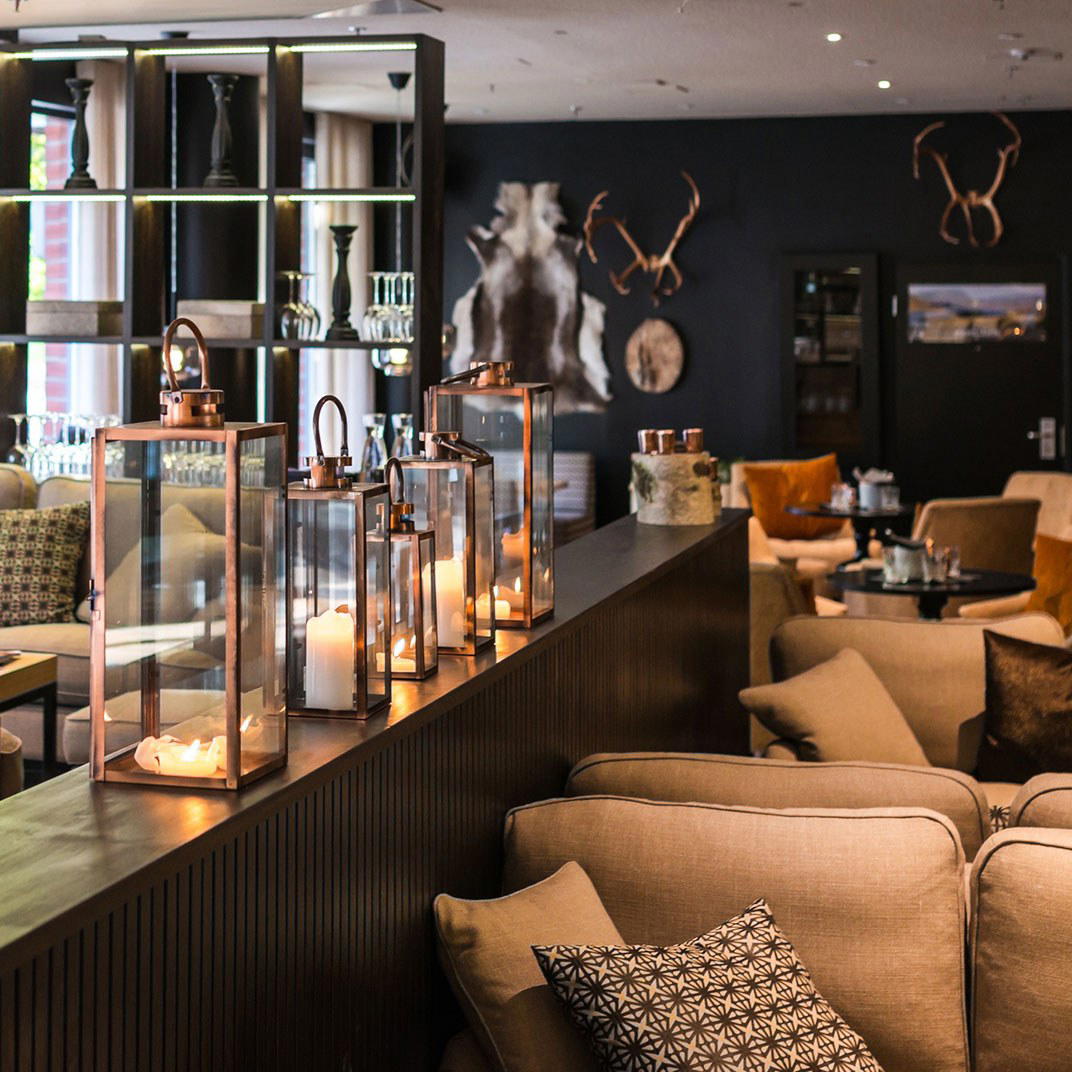
Ravinteli Haarla
The wine
- Wine program
- Curated wine list
- Craft cocktails
- Beer program
Details
- Cozy
- Lively
- Elegant
- Date Night
- Casual Hangout
- Historic Building
- Craft Cocktails
- Beer Program
- A La Carte
- Cocktails
- Beer
- Gluten Free Options
Current opening hours
- Monday
- 11 AM–10 PM
- Tuesday
- 11 AM–10 PM
- Wednesday
- 11 AM–11 PM
- Thursday
- 11 AM–11 PM
- Friday
- 11 AM–12 AM
- Saturday
- 12 PM–12 AM
- Sunday
- Closed
Hours can change for holidays and private events. Last verified .
Warm, relaxed atmosphere in a beautiful historic building with great service.