Restaurant 't Olde Schop
Restaurant 't Olde Schop occupies a quiet address on Kerkstraat in Giesbeek, a village in the Gelderse IJssel region of the Netherlands. The restaurant sits within a dining tradition that prizes local produce and regional character over metropolitan flair, placing it in a comparable set of destination restaurants across the rural Gelderland corridor. Visitors travelling from Arnhem or the Achterhoek will find it a considered stop in our full Giesbeek restaurants guide.
Pearl is the En Primeur Club membership app — saves, bookings, and concierge access live there. Same editors, same standards.
- Address
- Kerkstraat 80, 6987 AD Giesbeek, Netherlands
- Phone
- +31313633444
- Website
- oldeschop.com
- Directions
- Get directions
 Saves & bookings on Pearl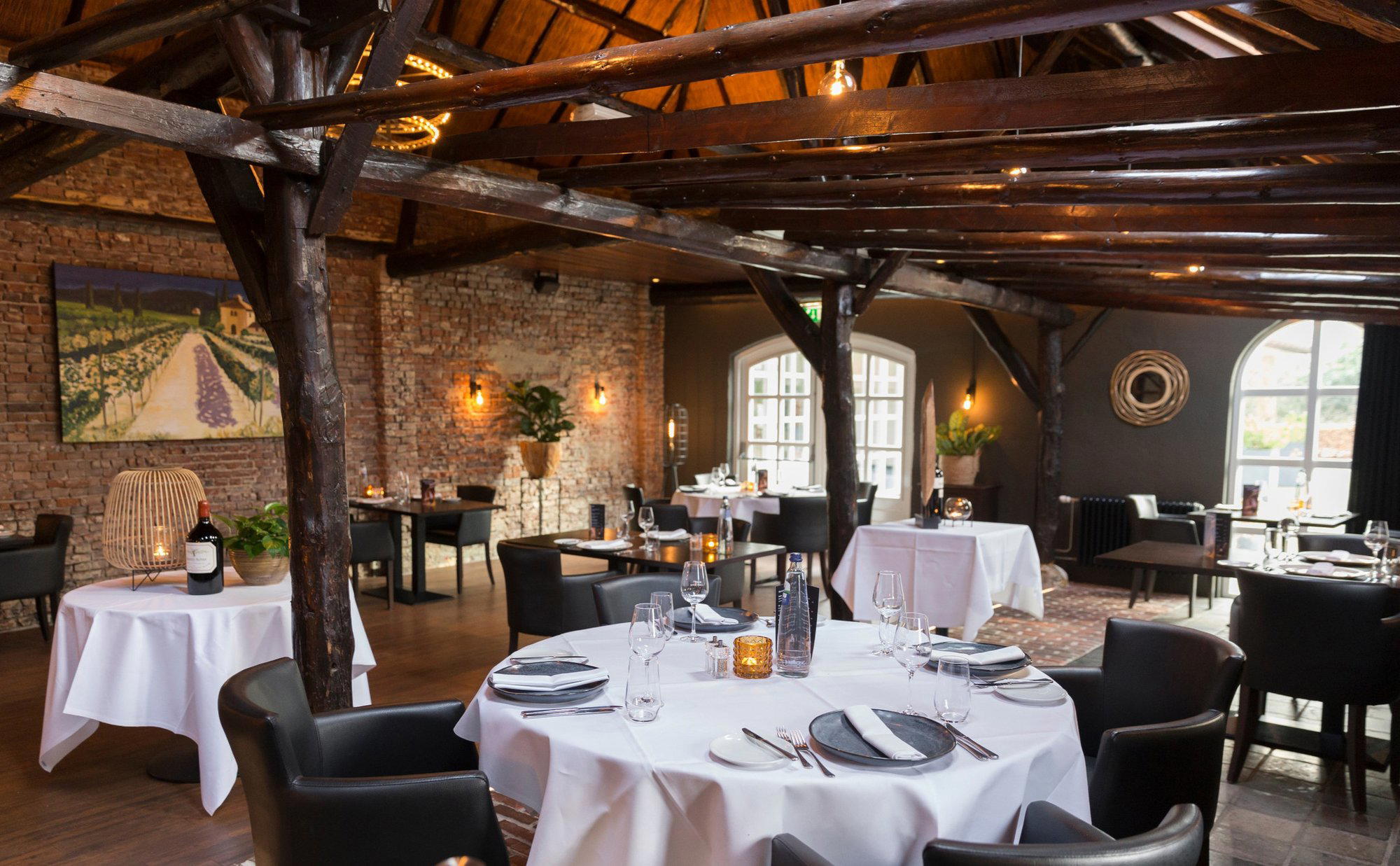
A Village Address in the Gelderland Dining Tradition
In towns and villages strung along the IJssel valley, the hospitality culture is older and more rooted: restaurants here tend to reflect the agricultural character of the region rather than import metropolitan formats wholesale. Giesbeek, a small village in the municipality of Zevenaar, sits inside this tradition. Its restaurant scene is modest in volume but not in ambition, and the presence of a named address on Kerkstraat signals something about how seriously this corridor takes its table culture. Restaurant 't Olde Schop occupies that address at number 80, operating within a context where destination dining in a rural Dutch village carries specific expectations around setting, service rhythm, and the relationship between kitchen and landscape.
The name itself, 't Olde Schop, meaning roughly 'the old shed' or 'the old shovel' in regional dialect, points toward the vernacular architecture and agrarian vocabulary that characterise restaurants in this part of Gelderland. That naming convention is common among the region's established tables: it signals a deliberate connection to place rather than an aspirational reach toward international positioning.
The Gelderland Corridor and Its Regional comparable set
To understand where Restaurant 't Olde Schop sits in the broader Dutch dining picture, it helps to map the regional conversation. The eastern Netherlands has produced a cluster of serious restaurants over the past two decades, a number of which have attracted national and international recognition. De Librije in Zwolle and 't Nonnetje in Harderwijk represent the high end of that recognition, operating at the €€€€ tier with Michelin acknowledgement. Further south, De Nieuwe Winkel in Nijmegen has built a reputation on organic sourcing and plant-forward menus, sitting within the same price bracket. These houses define the ceiling of the regional conversation.
Below that ceiling, the Gelderland corridor sustains a wider range of destination restaurants that serve local communities and regional travellers rather than positioning primarily for guide recognition. This is a meaningful distinction: restaurants in villages like Giesbeek tend to build loyalty through consistency and through an understanding of their immediate geography, rather than through the kind of media visibility that drives bookings in urban markets. The comparison set for 't Olde Schop is the community of established regional addresses that have sustained themselves through local reputation over time.
Within Giesbeek itself, the closest peer is Klein Zakopane, which adds a Polish-inflected dimension to the village's limited but characterful dining offer. The two restaurants together give Giesbeek a dining identity that punches above what its population size would suggest.
Cultural Roots: Dutch Provincial Dining and What It Means
Dutch provincial restaurant culture carries a set of conventions that distinguish it sharply from the cosmopolitan restaurant models most international visitors associate with the Netherlands. In rural Gelderland, a restaurant like 't Olde Schop operates within a tradition where the dining room is as much a community anchor as a culinary destination. The menu tends to reflect seasonal availability from nearby farms and waterways; the IJssel valley has historically provided freshwater fish, game from the Veluwe heathlands to the west, and dairy and produce from the surrounding polders. Restaurants in this tradition typically run shorter, more seasonal menus than their urban equivalents, and the format often skews toward longer, unhurried meals rather than the tasting-menu efficiency of guide-oriented kitchens.
This cultural context matters for calibrating expectations. Visitors arriving from cities with reference points like De Lindehof in Nuenen or De Treeswijkhoeve in Waalre in the south will find a different register here, less design-forward, more embedded in local social fabric. That is not a limitation; it is a different value proposition. Particularly satisfying meals in the Netherlands happen at tables that have no international profile but an intimate knowledge of their own territory. Rural Brabant and Gelderland have both produced restaurants that operate along these lines for decades, accumulating local authority that never translates into broader media coverage but sustains full dining rooms through word of mouth.
For international travellers, the shift to a Dutch village restaurant requires a conscious recalibration. The pleasure here is geographical and cultural specificity, not technical complexity for its own sake. Restaurants in this tier in the eastern Netherlands tend to reward visitors who approach them on those terms. Comparable rural-format ambition can also be seen at De Groene Lantaarn in Staphorst and De Lindenhof in Giethoorn, both of which operate in similarly small Dutch communities with strong local identities.
Planning a Visit: Logistics and Practical Notes
Giesbeek sits roughly between Arnhem and Doetinchem in the eastern Netherlands, accessible by car from the A12 or A18 motorway corridors. Public transport connections to a village of this size are limited, and most visitors arriving from outside the region will find a car the practical choice. The address on Kerkstraat places the restaurant in the village centre, within walking distance of the IJssel floodplains that define the range of this part of Zevenaar municipality. Visitors combining a meal here with a broader exploration of Gelderland might also consider the creative programmes at Brut172 in Reijmerstok or Tribeca in Heeze as part of a longer regional itinerary through the eastern and southern Netherlands.
Reservations are recommended, and opening hours run Wednesday and Thursday from 5 to 10 PM, Friday from 5 to 11 PM, Saturday from 12 to 11 PM, and Sunday from 12 to 10 PM. Seasonal closures and limited operating days are common in this tier of rural Dutch dining.
Pricing, Compared
Comparable venues nearby, for context on price, style, and recognition.
| Venue | Cuisine | Price | Notes |
|---|---|---|---|
| Restaurant 't Olde SchopThis venue — the venue you are viewing | Giesbeek, French-Dutch Bistro | $$ | Not listed |
| Klein Zakopane | Giesbeek, Traditional Polish Goral | $$ | Not listed |
| Provence | Binnenstad, Classic French Bistro | $$ | Not listed |
| Bleu | Not listed | $$ | Langestraat e.o., French Bistro |
| TUUR | Wyck, Modern French Bistro | $$ | Not listed |
| Mevrouw Meijer | Oude Noorden, French Bistro | $$ | Not listed |
Continue exploring
More in Giesbeek
Restaurants in Giesbeek
Browse all →
Bars in Giesbeek
Browse all →
Hotels in Giesbeek
Browse all →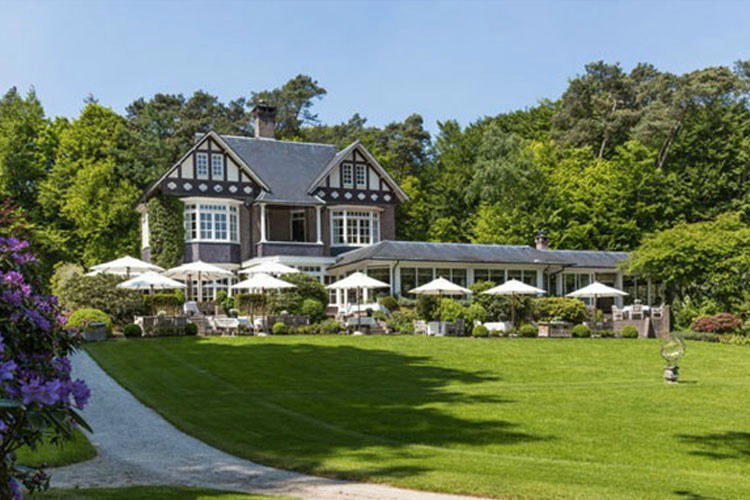
At a Glance
- Cozy
- Rustic
- Classic
- Date Night
- Family
- Celebration
- Historic Building
- Local Sourcing
Current opening hours
- Monday
- Closed
- Tuesday
- Closed
- Wednesday
- Closed
- Thursday
- 5–10 PM
- Friday
- 5–11 PM
- Saturday
- 12–11 PM
- Sunday
- 12–10 PM
Hours can change for holidays and private events. Last verified .
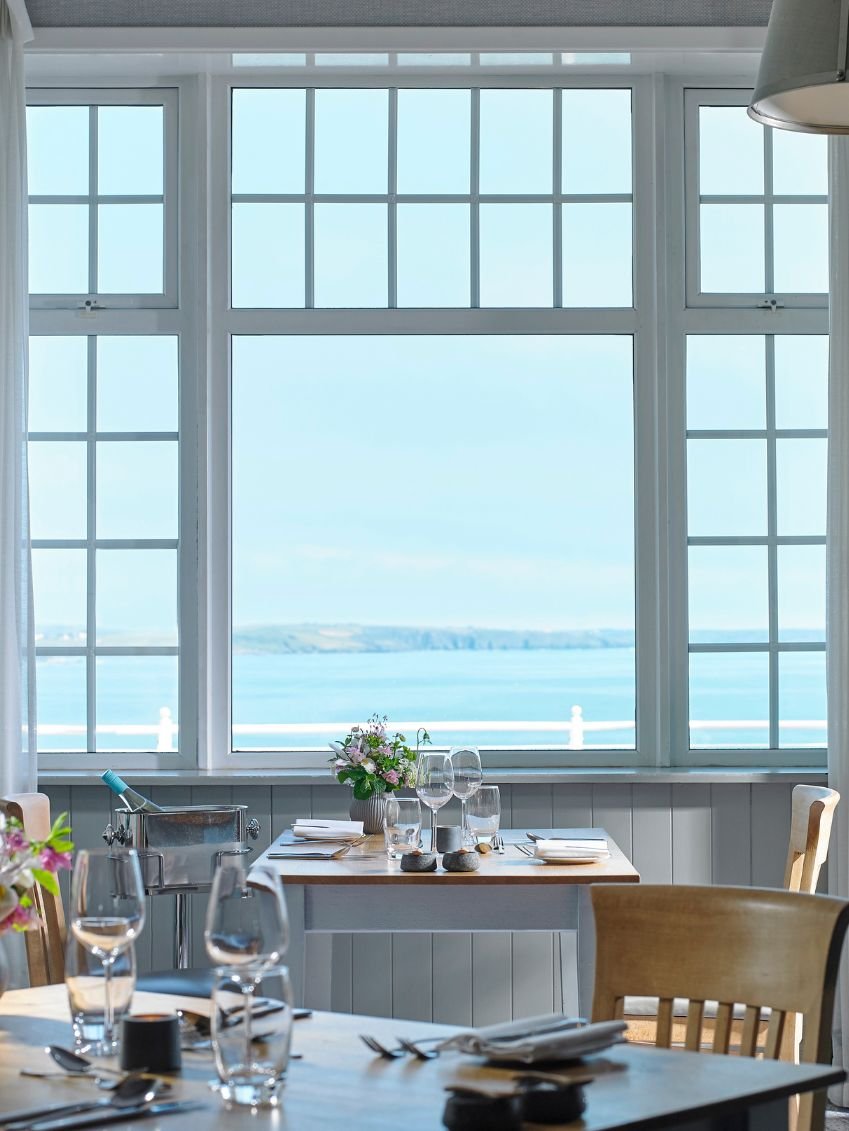
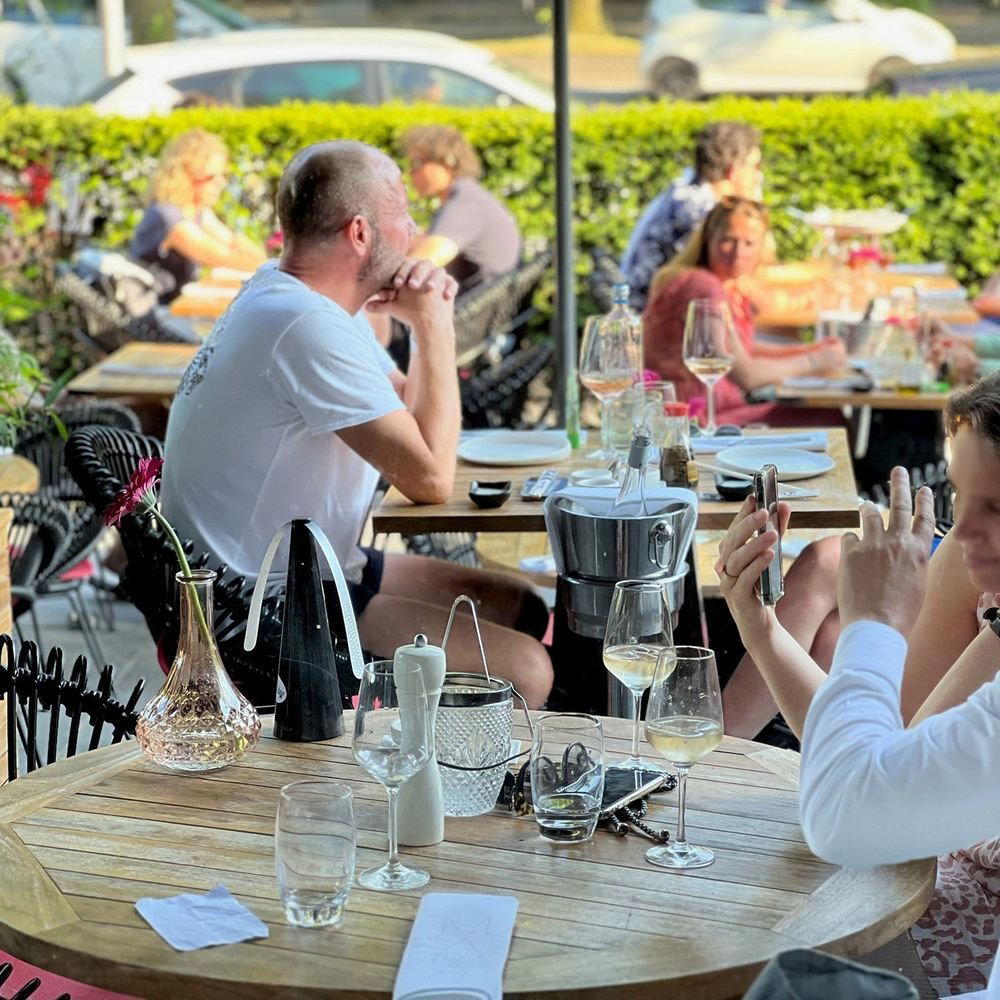
Warm, modern atmosphere in an old barn with cozy lighting and relaxed setting praised for its intimate charm.