Klein Zakopane
Klein Zakopane occupies a quiet address on Kerkstraat in Giesbeek, a village in the Gelderland river country that rarely appears on Dutch dining itineraries. What draws attention here is the venue's connection to the agricultural character of its surroundings, a corner of the Netherlands where the Rhine floodplains and forested Veluwe edge meet, shaping what ends up on the plate. For travellers piecing together a serious dining route through the region, it warrants consideration alongside Giesbeek's other table.
Pearl is the En Primeur Club membership app — saves, bookings, and concierge access live there. Same editors, same standards.
- Address
- Kerkstraat 55, 6987 AB Giesbeek, Netherlands
- Phone
- +31313632928
- Website
- kleinzakopane.nl
- Directions
- Get directions
 Saves & bookings on Pearl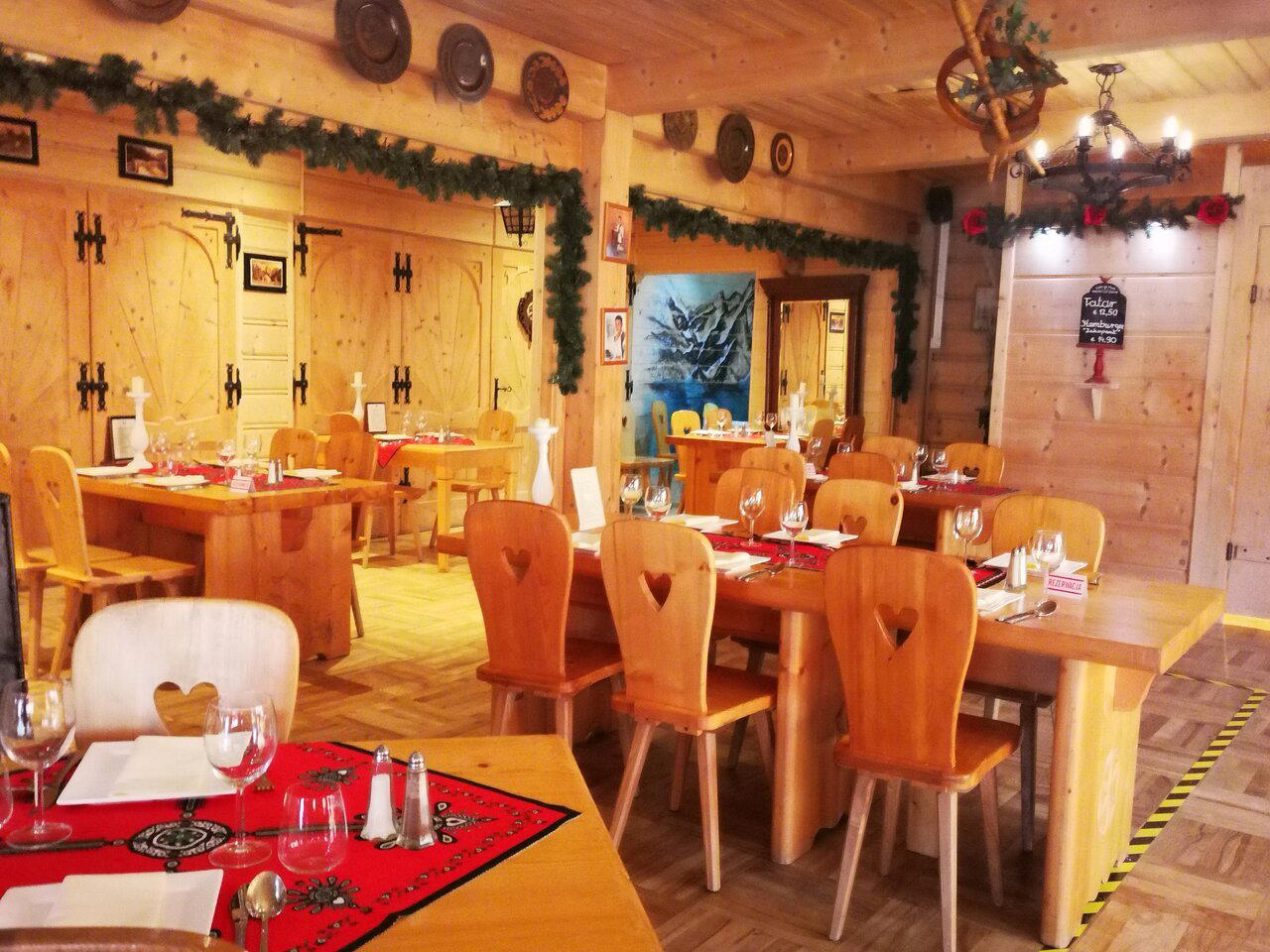
Where the Gelderse River Country Sets the Table
Giesbeek sits in a stretch of Gelderland where the Old Rhine and IJssel tributaries have shaped the land for centuries, flood meadows, fruit orchards on refined ground, small-scale livestock operations tucked between dykes. It is not the Netherlands that appears in tourism campaigns. What there is, increasingly, is a quiet argument that the country's most interesting provincial dining is happening at addresses like Kerkstraat 55, where Klein Zakopane has established itself among the village's table options alongside Restaurant 't Olde Schop.
The name itself signals something: Zakopane is the mountain resort town in southern Poland, associated with folk craft, highland produce, and a certain rugged regionality. The prefix Klein, small, in Dutch, places it firmly in its Gelderse context. The Polish reference shapes the restaurant's identity. In the Netherlands, where dining culture has long been caught between French classical inheritance and Scandinavian-influenced forager minimalism, a name that gestures elsewhere is at minimum a conversation starter.
Gelderland's Ingredient Geography
To understand what Klein Zakopane is doing, it helps to understand what Gelderland produces. The province is among the Netherlands' most agriculturally varied: Betuwe apple and pear orchards to the south and west, Veluwe game and wild herbs to the north and east, and along the river margins, the kind of alluvial soil that sustains market gardening at a scale that larger Dutch provinces have largely abandoned to greenhouse cultivation. This is not the industrial horticulture of the Westland. Giesbeek and the villages around it still support smallholder operations whose output rarely reaches the wholesale markets that supply Amsterdam or Rotterdam kitchens.
That supply geography matters for any restaurant operating in this area. The Dutch dining scene's most ambitious venues, from De Nieuwe Winkel in Nijmegen, which has built a nationally recognised programme around organic sourcing, to De Librije in Zwolle at the summit of the modern cuisine tier, have made provenance a structural commitment rather than a menu footnote. A venue in Giesbeek is positioned, by geography alone, to access producers that kitchens in the Randstad cannot reach without significant logistical effort. The question for any such restaurant is always whether it capitalises on that proximity or defaults to the same central wholesale channels.
Comparable rural Dutch venues have shown what that commitment can look like. De Groene Lantaarn in Staphorst and De Lindenhof in Giethoorn both operate in village settings where the surrounding landscape is as much an ingredient as anything that arrives in a delivery crate. Inter Scaldes in Kruiningen, in Zeeland, has made the argument that particularly compelling Dutch tables are often the ones furthest from the capital. Klein Zakopane fits into that broader pattern: a provincial address where the surrounding countryside shapes what the kitchen can do.
The Scene at Kerkstraat
Approaching Giesbeek from the A12 or via the river ferry routes that cross the Old Rhine, the village presents as a cluster of brick farmhouses and a church tower visible above the tree line. Kerkstraat is the spine of that settlement, a quiet residential street where a dining address requires some searching. The restaurant's presence on that street matches the village character. The experience of arriving is one of deliberate calm, the kind that Dutch provincial restaurants have long understood as an asset rather than a liability.
That restraint in presentation puts the restaurant in a peer group that includes addresses like Brut172 in Reijmerstok and Tribeca in Heeze, venues in small southern and eastern Dutch communities that operate at a remove from the urban dining circuit and draw guests who have made a specific decision to travel for the table. The contrast with large-format city dining, whether at Ciel Bleu in Amsterdam or FG in Rotterdam, is one of scale and intentionality. Rural Dutch restaurants do not compete on theatre or footfall; they compete on focus.
For comparison across the broader Dutch creative dining tier, the Gelderland region has strong representation. 't Nonnetje in Harderwijk operates as one of the province's established creative kitchens. Further south, De Lindehof in Nuenen and De Treeswijkhoeve in Waalre demonstrate how contemporary Dutch kitchens in small communities can sustain national-level reputations through sourcing discipline and consistent craft. De Bokkedoorns in Overveen shows the same logic on the North Sea coast. The restaurant's position in this geography is as a village-scale address where the surrounding Gelderse landscape is the primary frame of reference.
Planning a Visit
Giesbeek is reachable by car from Arnhem in under twenty minutes, or from Nijmegen and Doetinchem in roughly the same time. Public transport to the village is limited, making private travel the practical default for most guests. The Kerkstraat address puts visitors within walking distance of the Rhine floodplain walking routes that define the area's off-table appeal, a useful consideration for guests building a full-day itinerary around the visit. Internationally, the ingredient-sourcing rigour that defines the leading Dutch provincial kitchens finds direct parallels in restaurants like Le Bernardin in New York City, where the sourcing of a single primary ingredient becomes the architectural logic of the entire menu, and in the precision-led tasting format of Atomix in New York City, where provenance storytelling is built into the service structure itself.
Quick Comparison
Comparable venues nearby, for context on price, style, and recognition.
| Venue | Cuisine | Price | Notes |
|---|---|---|---|
| Klein ZakopaneThis venue — the venue you are viewing | Traditional Polish Goral | $$ | Not listed |
| Restaurant 't Olde Schop | French-Dutch Bistro | $$ | Giesbeek |
| Nakal | Modern Indonesian | $$ | Meijel |
| The Rumah | Rum Cocktail Bar | $$ | Cool |
| Sumventure | Cocktail Bar & Spirits Tasting | $$ | Griftpark |
| Wijnhaven | International Café & Gastropub | $$ | Binnenstad (City Center) |
Continue exploring
More in Giesbeek
Restaurants in Giesbeek
Browse all →
Bars in Giesbeek
Browse all →
Hotels in Giesbeek
Browse all →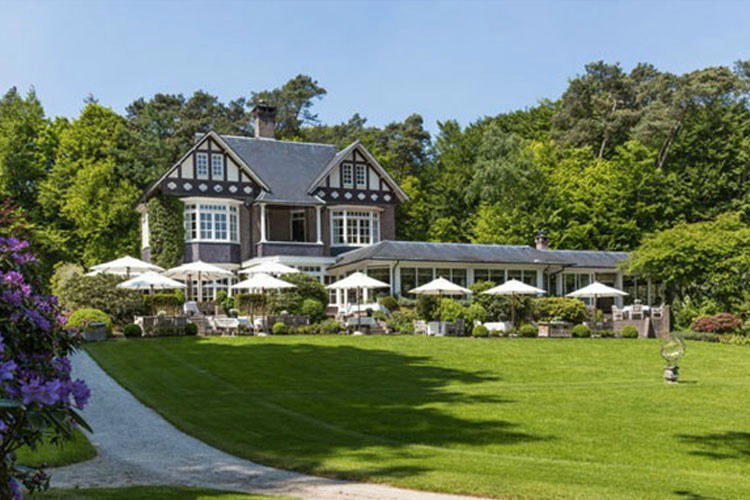
At a Glance
- Rustic
- Cozy
- Scenic
- Date Night
- Family
- Historic Building
Current opening hours
- Monday
- Closed
- Tuesday
- Closed
- Wednesday
- Closed
- Thursday
- 5–9 PM
- Friday
- 5–9 PM
- Saturday
- 3–9 PM
- Sunday
- 1–7 PM
Hours can change for holidays and private events. Last verified .
Warm, authentic Zakopane mountain feel with great decor evoking Polish highlands.