Restaurant SUNTORY
Our verdict
Restaurant SUNTORY occupies a considered place in Honolulu's Japanese dining tier, bringing a formal approach to the meal at a Waikiki address that has drawn a loyal following over many years. The dining room sits within the Royal Hawaiian Center on Kalākaua Avenue, positioning it at the center of one of Hawaii's most internationally trafficked corridors. For visitors seeking structured, ceremony-led Japanese dining rather than the casual plate-lunch culture dominant elsewhere on the island, SUNTORY represents a particular and deliberate choice.

Pearl is the En Primeur Club membership app — saves, bookings, and concierge access live there. Same editors, same standards.
- Address
- 2233 Kalākaua Ave B307, Honolulu, HI 96815
- Phone
- (808) 922-5511
- Hours
- Daily 11:30 AM–1:30 PM, 5–9:30 PM
- Website
- restaurantsuntory.com
- Directions
- Get directions
- Booking
- Book on OpenTable
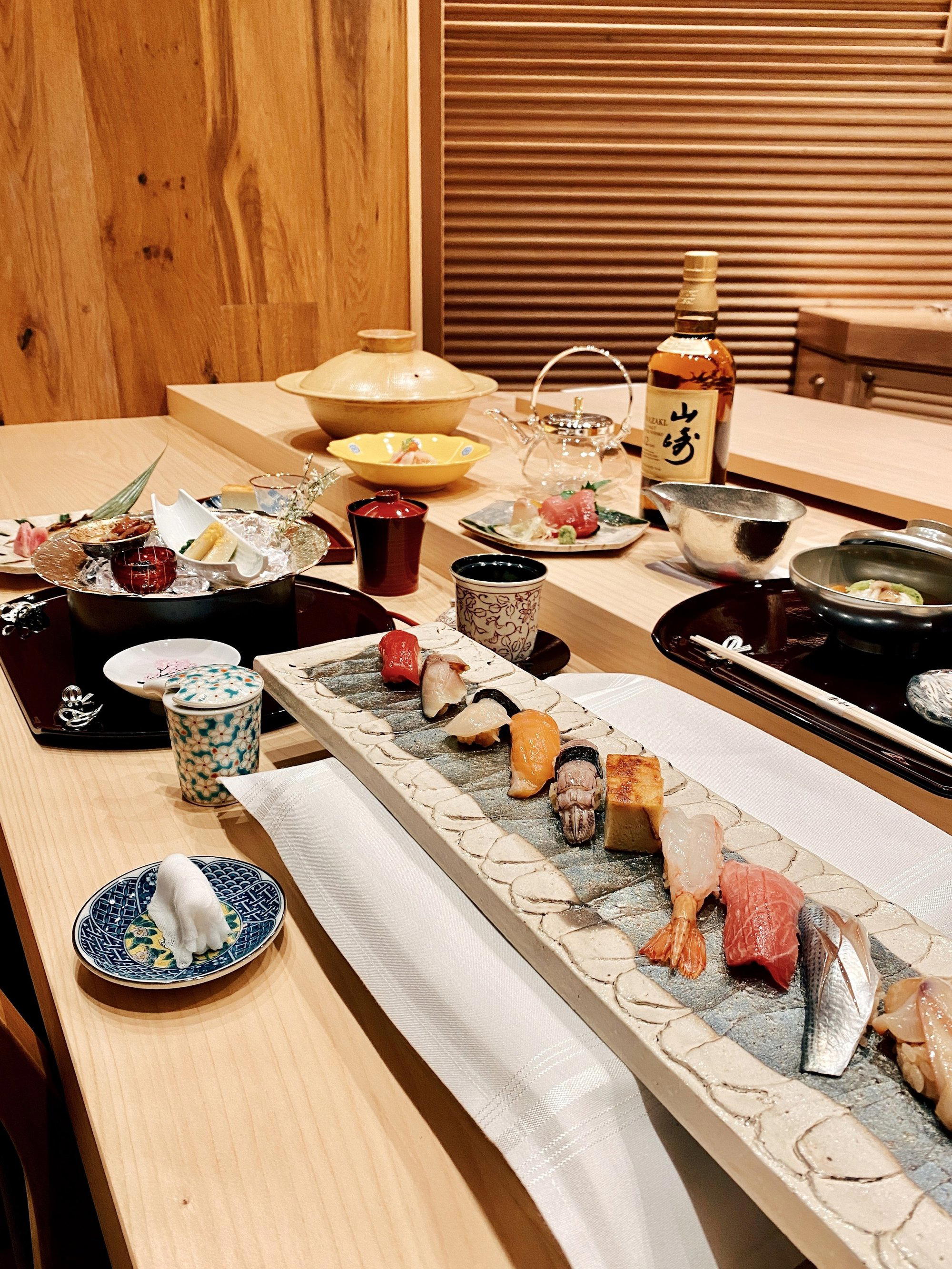
The menu
What to order
- Wagyu A5 Beef
- Sashimi Set
- Shunsai-zen Lunch
- Steak and Seafood Teppan Special
- Hibiki Whisky Marinated Nigiri
Where the Meal Has a Shape
Waikiki's dining strip runs hot with volume and visibility, but the restaurants that endure on Kalākaua Avenue tend to do so not because of spectacle, but because they offer something the street's louder neighbors cannot: a meal with discipline and pacing. Restaurant SUNTORY, on the third level of Royal Hawaiian Center at 2233 Kalākaua Ave, occupies that quieter register. The approach from the shopping center's upper floor already signals a shift in register from the open-air bustle below. The formality begins before you sit down.
That shift matters in the context of Honolulu's broader Japanese dining scene, which spans an unusually wide range: from casual ramen counters and plate-lunch hybrids in Kaimuki, to teppanyaki rooms in resort corridors, to omakase counters drawing serious ingredient sourcing from across the Pacific. SUNTORY has historically occupied the mid-to-upper tier of that range, aligning with the segment of Honolulu's Japanese restaurants where service pacing and room formality are as much a part of the offering as the food itself. Comparable addresses in the city, including 855-ALOHA and Fujiyama Texas, each take a different angle on Japanese cuisine in Hawaii, but SUNTORY's connection to the Suntory corporate hospitality lineage gives it a distinct institutional weight in the market.
The Ritual of the Japanese Table
In Japanese dining culture, the architecture of a meal is not incidental. The sequence of courses, the handling of tableware, the timing between dishes, the temperature at which things arrive — all of these carry meaning that predates modern restaurant culture by centuries. The kaiseki tradition, in which a meal moves through prescribed categories of preparation and seasonal expression, codified much of this into a form recognizable today in high-end Japanese restaurants across the world, from Atomix in New York City to 8 1/2 Otto e Mezzo Bombana in Hong Kong.
What distinguishes venues operating in this tradition is the degree to which they sustain that ritual integrity across the full arc of the meal, rather than deploying its visual grammar selectively for effect. The question worth asking of any Japanese dining room in this tier is whether the pacing serves the guest or the kitchen — and whether the staff's knowledge of the meal's logic is sufficient to explain it without reducing it to sales language. That test applies as much on Kalākaua Avenue as it does in Ginza or Kyoto.
In Honolulu specifically, the intersection of Japanese dining formality and Hawaii's own food culture creates a particular dynamic. Local diners bring a deep familiarity with Japanese culinary traditions, given the islands' historical ties to Japan through waves of immigration across the nineteenth and twentieth centuries. Visitors from the mainland or from Japan itself bring different reference points. A restaurant operating in this register has to calibrate for both.
Honolulu's Japanese Dining Tier in Context
Hawaii's Japanese restaurant scene functions at a different level of depth than most American cities. The ingredient access is genuine: proximity to Pacific fisheries means that fish quality at the upper end of the market can compete with what the leading Japanese restaurants in San Francisco or Los Angeles work with. Restaurants like 53 By The Sea and 3660 On the Rise have each built reputations on translating that local ingredient depth into contemporary fine dining. SUNTORY operates in the same city but occupies a different cultural register, one that tilts toward formal Japanese hospitality tradition rather than Hawaii regional cuisine.
The comparison set for serious Japanese dining in the US includes rooms like Providence in Los Angeles and, at the leading end, institutions like Le Bernardin in New York City, not because they cook Japanese food, but because they share a commitment to a meal structured by discipline and sequence rather than by à la carte improvisation. The restaurant's Waikiki location means it draws a heavier proportion of international and US mainland visitors than a Honolulu neighborhood restaurant would, which in turn shapes the service style and the degree of explanation offered throughout the meal.
For readers who want to map the full spectrum of Honolulu dining beyond Japanese formats, our full Honolulu restaurants guide covers the city's range. For New American alternatives in the same city, Fête and Ahaaina Luau represent very different but equally considered approaches to dining in Hawaii.
How This Meal Compares to Formal Japanese Dining Elsewhere
Across the continental US, the formal Japanese dining tier has developed its own distinct geography. In San Francisco, Lazy Bear exemplifies the communal-table format that restructured fine dining norms in that city. In Chicago, Alinea pursues a maximalist theatrical format. Venues like Single Thread Farm in Healdsburg, The French Laundry in Napa, Blue Hill at Stone Barns in Tarrytown, Addison in San Diego, Emeril's in New Orleans, and The Inn at Little Washington have each built their reputations on a particular, consistent vision of what a structured meal can be. What connects them across different cuisines and formats is the insistence that the meal has shape, that arriving and leaving are not arbitrary moments, but the beginning and end of something designed.
SUNTORY, drawing on the Suntory group's long track record in Japanese hospitality, operates from a similar premise in a market where that seriousness of purpose is less common than in Tokyo or Kyoto. That it has sustained a presence on one of Hawaii's highest-traffic dining streets speaks to a loyal audience that returns for precisely that structure, rather than for novelty or social media visibility.
Know Before You Go
| Detail | Information |
|---|---|
| Address | 2233 Kalākaua Ave B307, Honolulu, HI 96815 (Royal Hawaiian Center, Level 3) |
| Booking | Contact the restaurant directly; advance reservations are advisable, particularly for weekend evenings and during peak Waikiki tourist seasons (December through February and June through August) |
| Timing | Plan for a full-length dinner sitting; the format does not suit rushed schedules |
| Dress | Smart casual is appropriate for the formality of the room |
| Getting There | Royal Hawaiian Center is walkable from most Waikiki hotels; street parking on Kalākaua is limited, but paid parking is available within the center |
Frequently asked questions
How do I find Restaurant SUNTORY?
Restaurant SUNTORY is located at 2233 Kalākaua Ave B307, Honolulu, HI 96815, Honolulu.
How does Restaurant SUNTORY in Honolulu relate to the Suntory Group, and what does that mean for the dining experience?
The Suntory Group, best known internationally for its whisky portfolio and beverage operations, has maintained a restaurant division running formal Japanese dining venues across several cities in Asia and beyond. The Honolulu location at 2233 Kalākaua Ave carries that institutional lineage, which typically implies alignment with Japanese hospitality standards rather than a locally independent kitchen. That group backing tends to shape service cadence and menu architecture more than the food itself — expect a structured approach to the meal sequence consistent with Japanese dining culture.
What's the must-try dish at Restaurant SUNTORY?
What the Kalākaua Avenue address and Suntory Group affiliation do suggest is a kitchen operating within a formal Japanese structure — courses sequenced with intention rather than assembled à la carte. Ask your server at time of booking what the kitchen is currently centering its menu around.
What's the best way to book Restaurant SUNTORY?
Given the Waikiki corridor's peak traffic between December and February and again in summer, contacting the restaurant directly well in advance is advisable. Walking the address in person or reaching out through your hotel concierge are the most reliable paths if digital channels are not yet active.
Peers in This Market
Comparable venues nearby, for context on price, style, and recognition.
| Venue | Cuisine | Price | Notes |
|---|---|---|---|
| Restaurant SUNTORYThis venue — the venue you are viewing | Traditional Japanese Kaiseki & Omakase | $50–100 | Not listed |
| Robata JINYA - Honolulu | Japanese Robatayaki Izakaya | Not listed | Ala Moana |
| J−Shop | Japanese Izakaya | $20–30 | Makiki Ako |
| Tonkatsu Kuro | Modern Japanese Tonkatsu & Soba | $30–50 | Ala Moana |
| Jimbo Restaurant | Traditional Japanese Udon | Not listed | McCully-Moiliili |
| Sushi Ichika | Traditional Japanese Omakase Sushi and Tempura | $150–200 | Ala Moana |
Details
- Elegant
- Well Known
- Sophisticated
- Minimalist
- Date Night
- Business Dinner
- Special Occasion
- Celebration
- Chefs Counter
- Open Kitchen
- Private Dining
- Sake Program
- Craft Cocktails
- Local Sourcing
- Omakase
- A La Carte
- Sake
- Whisky
- Craft Spirits
- Vegetarian Friendly
- Gluten Free Options
Current opening hours
- Monday
- 11:30 AM–1:30 PM, 5–9:30 PM
- Tuesday
- 11:30 AM–1:30 PM, 5–9:30 PM
- Wednesday
- 11:30 AM–1:30 PM, 5–9:30 PM
- Thursday
- 11:30 AM–1:30 PM, 5–9:30 PM
- Friday
- 11:30 AM–1:30 PM, 5–9:30 PM
- Saturday
- 11:30 AM–1:30 PM, 5–9:30 PM
- Sunday
- 11:30 AM–1:30 PM, 5–9:30 PM
Hours can change for holidays and private events. Last verified .
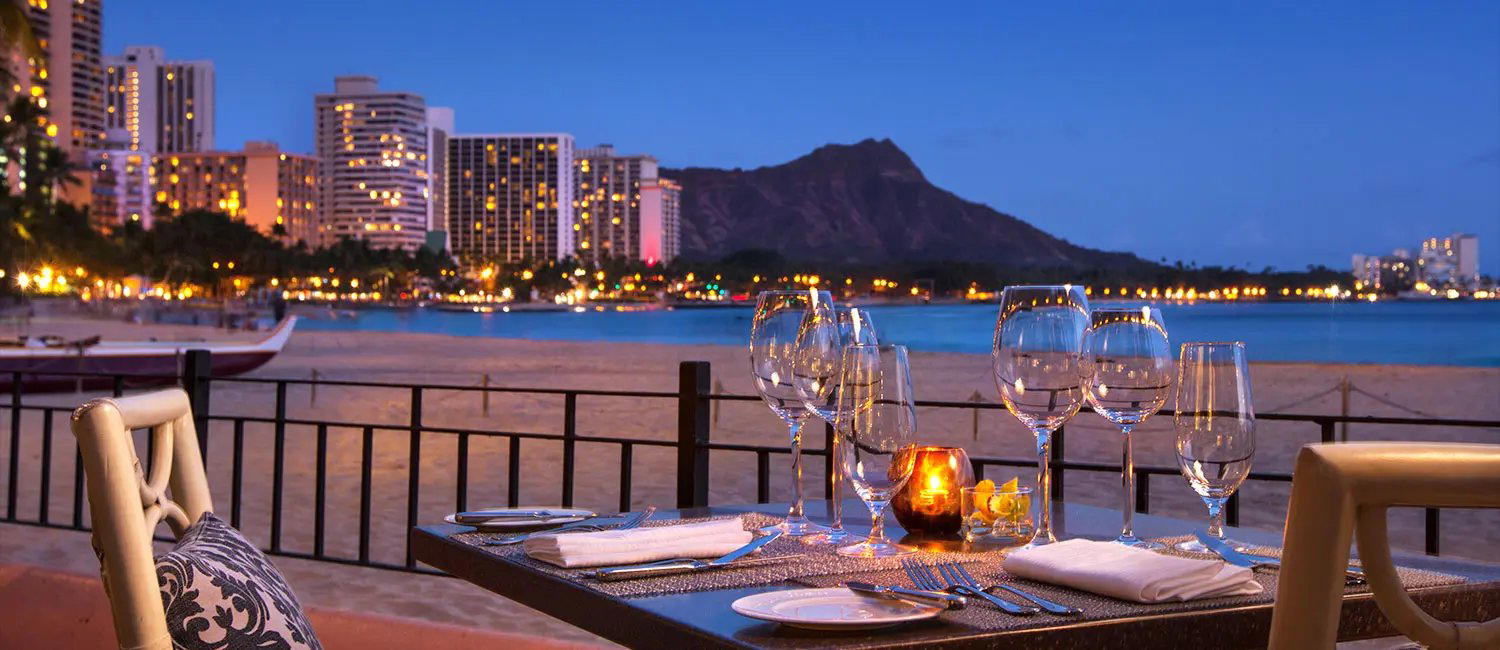
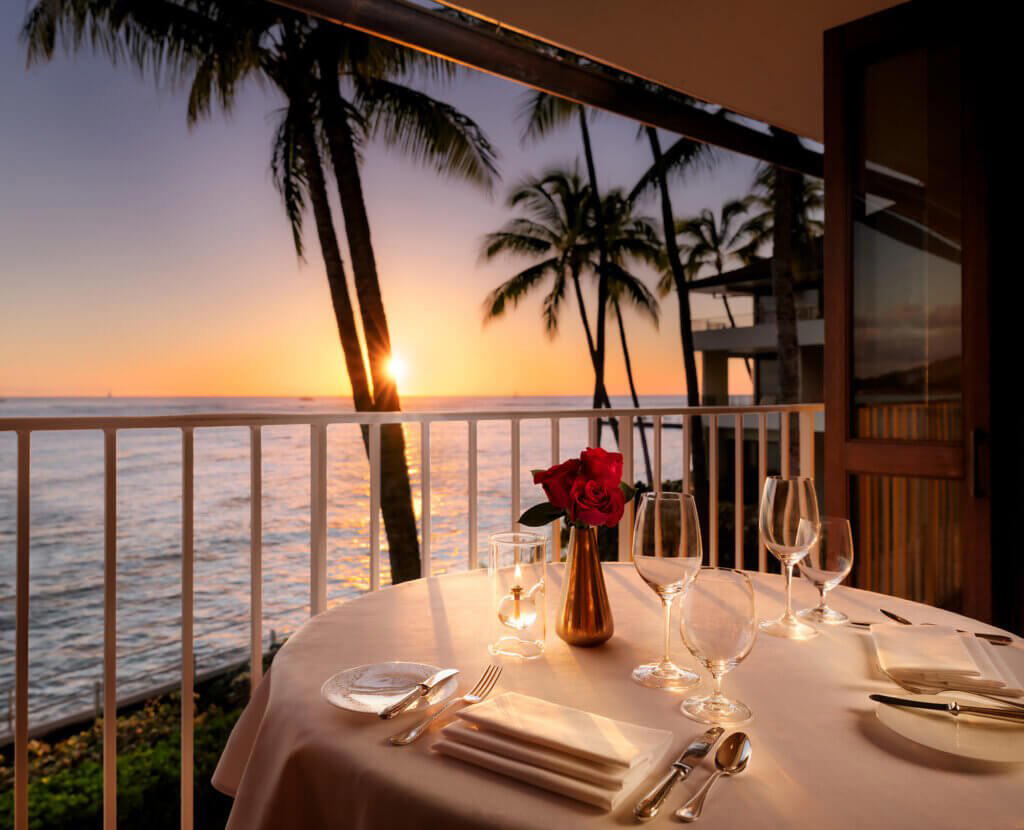
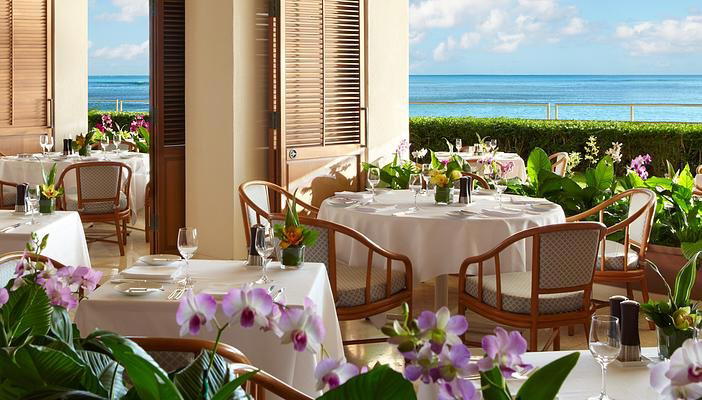
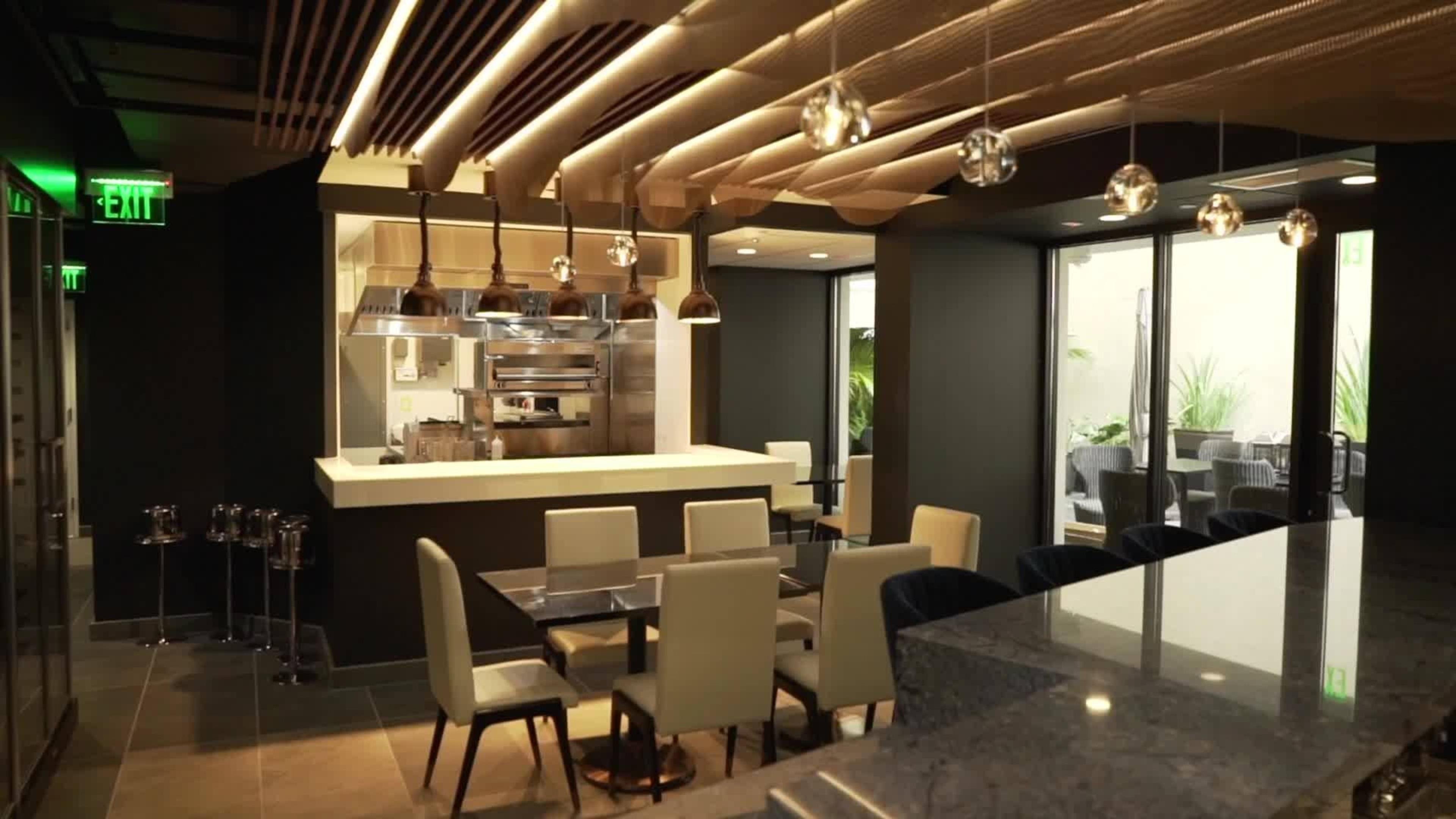
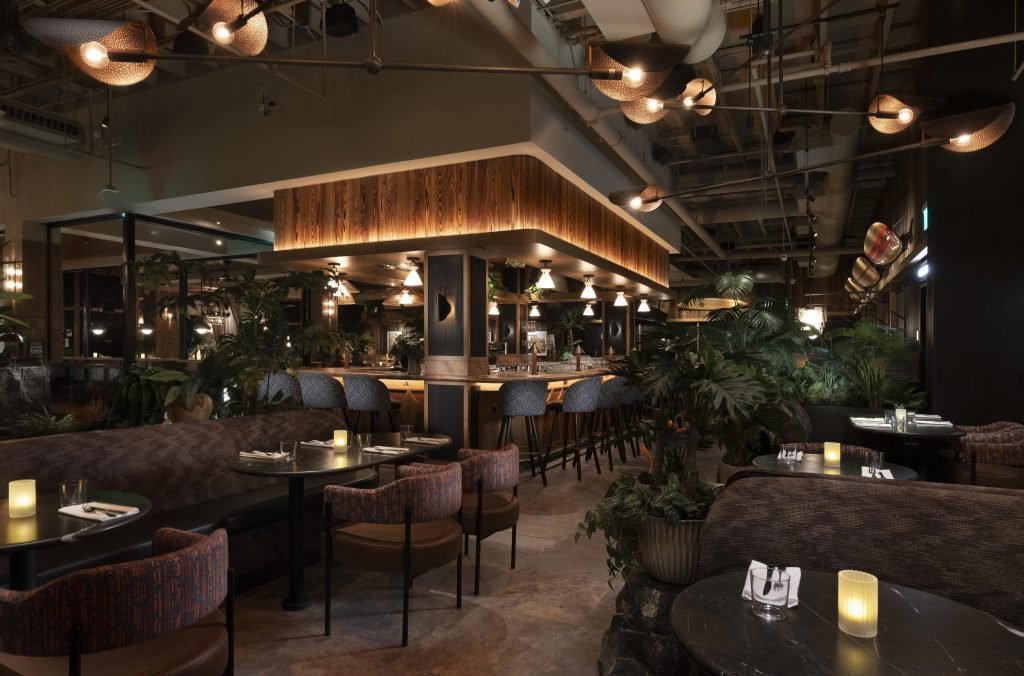
Soft natural light bathes earthy tones and rich accents with artfully aged wooden panels, creating an atmosphere of understated elegance and tranquility designed to engage all five senses.