Restaurant RENAISSANCE sits on Rue Chaminade in Fiac, a small commune in the Tarn department of southwestern France, where the surrounding agricultural terrain shapes what reaches the table. In a region defined by market gardens, duck farms, and AOC-protected wines from nearby Gaillac, the restaurant occupies a niche where provenance and place are not marketing language but working conditions. For travellers willing to leave the Toulouse restaurant circuit, it offers a grounded alternative to the city's more formal dining rooms.
Pearl is the En Primeur Club membership app — saves, bookings, and concierge access live there. Same editors, same standards.
- Address
- 51 Rue Chaminade, 81500 Fiac, France
- Phone
- +33554721010
- Website
- chateaudefiac.com
- Directions
- Get directions
 Saves & bookings on Pearl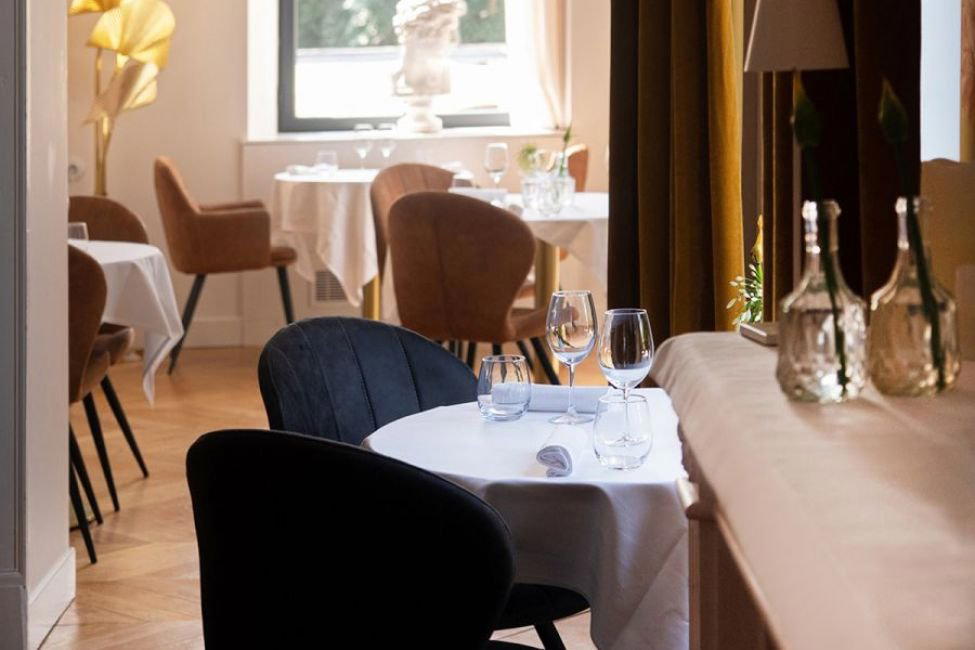
Fiac and the Question of Where Food Actually Comes From
In southwestern France, the argument for ingredient-led cooking is not philosophical, it is geographical. The Tarn department produces duck confit, violet garlic from Saint-Clar, Gaillac wines from a vineyard tradition stretching back to the Roman era, and market vegetables grown in soil that has been farmed continuously for centuries. Restaurants that operate in this landscape either connect to that supply or they don't, and diners who make the drive from Toulouse, roughly 50 kilometres to the west, tend to arrive already knowing which category they're visiting. Restaurant RENAISSANCE, at 51 Rue Chaminade in the village of Fiac, operates in that agricultural context rather than against it.
This is the kind of setting that France's most produce-obsessed restaurants have long understood as a structural advantage. Bras in Laguiole, for instance, built its identity around the plateau of Aubrac and its wild herbs, elevating foraging into a culinary grammar. Auberge du Vieux Puits in Fontjoncouse leveraged the garrigue of the Aude in a comparable way. The logic in each case is the same: proximity to raw materials is a competitive advantage that no urban address can replicate. Fiac is not Laguiole, and Restaurant RENAISSANCE operates at a different scale than either of those celebrated addresses, but the underlying premise, that where a restaurant sits matters as much as what it cooks, applies here with equal force.
The Village Format and What It Demands of the Diner
Fiac has a population measured in the hundreds. The approach along departmental roads through sunflower fields and vine rows is part of the experience in ways that arriving at a Paris address simply isn't. Restaurants in villages of this scale in the French southwest exist in a different relationship to their guests than urban dining rooms do: they are destinations by definition, which means the diner has already committed before sitting down. That commitment tends to produce a different atmosphere at the table, less performative, more settled, and it is one of the reasons why France's rural restaurant culture continues to attract serious attention from visitors who have already covered the Paris circuit.
For broader context on what that Paris circuit offers, Alléno Paris au Pavillon Ledoyen represents one pole of French haute cuisine: technically rigorous, urban, operating with the full infrastructure of a capital address. Assiette Champenoise in Reims and Au Crocodile in Strasbourg demonstrate how French regional cooking can carry the weight of serious culinary credentials outside Paris. Fiac sits further off that circuit than any of them, which is precisely what makes a restaurant here worth noting in the first place.
Ingredient Sourcing in the Tarn: The Regional Supply Chain
The Tarn and its surrounding departments form one of the more coherent agricultural zones in France for a restaurant committed to short supply chains. Duck and foie gras production in the Gers immediately to the west is among the densest in the country. The Gaillac AOC, one of France's oldest wine appellations, produces both whites and reds within practical distance of Fiac. Black pork from the Bigorre, lamb from the Pyrénées, truffles from the Quercy to the north, the raw materials available to a kitchen operating in this corner of the Occitanie region are not incidental. They represent centuries of agricultural specialisation that has survived, and in some cases intensified, in the decades since French gastronomy began treating provenance as a primary value rather than an afterthought.
That shift in how French restaurants communicate sourcing, from assumed background to named, specific, front-of-house information, is visible across the tier of destination restaurants that have defined the country's culinary conversation over the past two decades. Mirazur in Menton built a global reputation in part on its kitchen garden. Flocons de Sel in Megève anchored its identity in Alpine producers. La Marine in Noirmoutier-en-l'île made the island's immediate marine environment the organising principle of its menus. Each of these represents a different regional application of the same underlying logic that a restaurant in Fiac can, at smaller scale, also pursue.
Placing RENAISSANCE in Its comparable set
Positioning Restaurant RENAISSANCE within a precise tier of French dining would require speculation this piece won't offer. What is clear from geography and format alone is that it belongs to a category of French restaurant that operates at village scale in an agriculturally rich region, away from the infrastructure of starred urban dining. That comparable set includes some of France's most interesting cooking, and some of its most inconsistent. The credential for restaurants in this category tends to be local reputation built over time rather than international recognition, and that reputation is accordingly harder to assess from a distance.
Travellers who have covered the more documented end of the French restaurant spectrum, Troisgros - Le Bois sans Feuilles in Ouches, Georges Blanc in Vonnas, Auberge de l'Ill in Illhaeusern, L'Oustau de Baumanière in Les Baux, and are looking for something less codified will find the Tarn's village dining scene worth investigating. For those approaching from further afield, AM par Alexandre Mazzia in Marseille, Christopher Coutanceau in La Rochelle, and Paul Bocuse - L'Auberge du Pont de Collonges each represent a different model of French destination dining worth comparing against. Internationally, Le Bernardin in New York City and Atomix in New York City show how the sourcing-and-provenance conversation plays out in a different register.
Planning a Visit to Fiac
The practical reality of visiting the restaurant is that Fiac requires a car. The village is not served by rail, and the nearest significant transport hub is Toulouse, from which the drive takes under an hour along the A68 and connecting routes through the Tarn valley. Confirm hours, availability, and any booking requirements directly before travelling. The Tarn department rewards a longer stay: Albi, with its cathedral and Toulouse-Lautrec museum, is within the same region, and the Gaillac wine route makes a logical complement to any meal centred on regional produce.
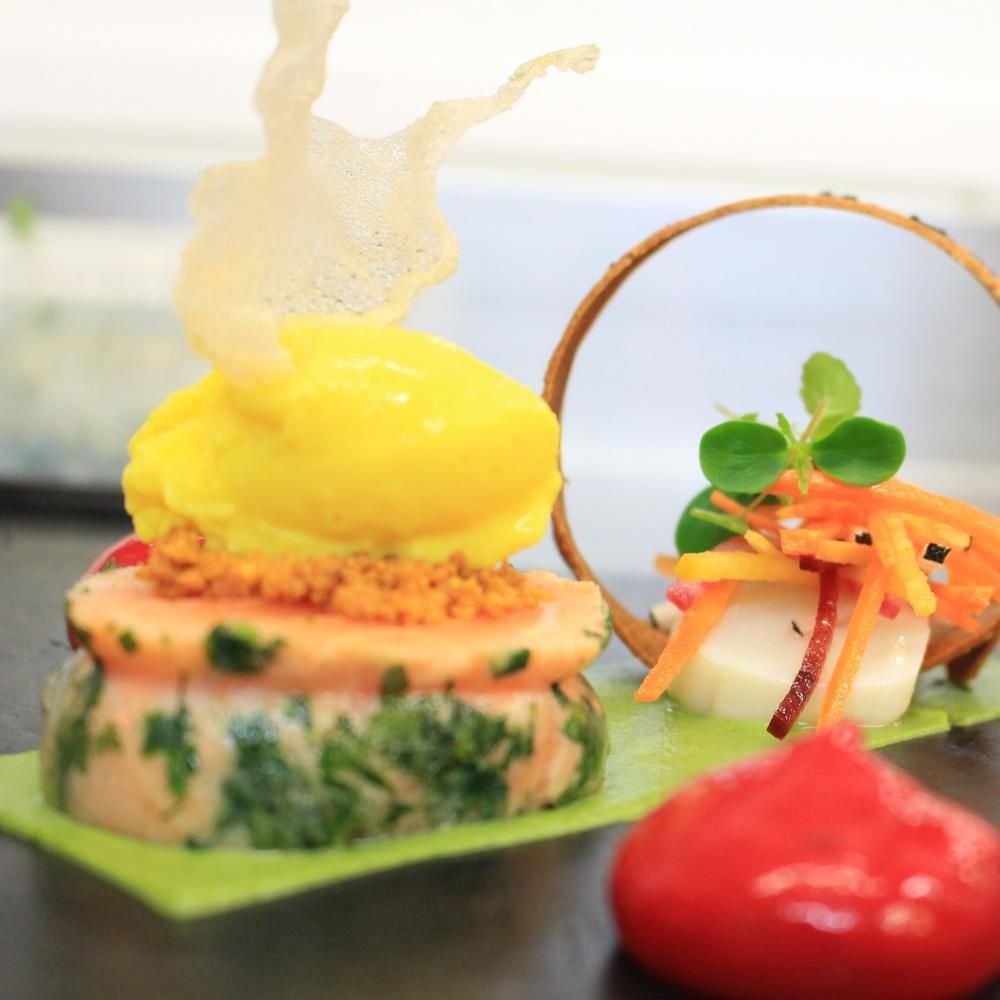
- beef_tartare
- oysters
- sea_bass_fillet
- filet_de_turbot
- bavarois_de_champignons
- deconstructed_chocolate_mille_feuille
Fast Comparison
Comparable venues nearby, for context on price, style, and recognition.
| Venue | Cuisine | Price | Notes |
|---|---|---|---|
| Restaurant RENAISSANCEThis venue — the venue you are viewing | Contemporary French Fine Dining | $$$$ | Not listed |
| Maison Robert | Locavore French Gastronomic | $$$$ | Assignan |
| Barbaque Victor Hugo | French Steakhouse Grill | $$$ | Capitole / Arnaud Bernard / Carmes |
| Le Château de Riell | Modern Catalan Fine Dining | $$$$ | Molitg-les-Bains |
| Mas des Filles | Modern French Mediterranean | $$$$ | Le Crès |
| Les 3 Barbus | Modern French Mediterranean Fine Dining | $$$$ | Generargues |
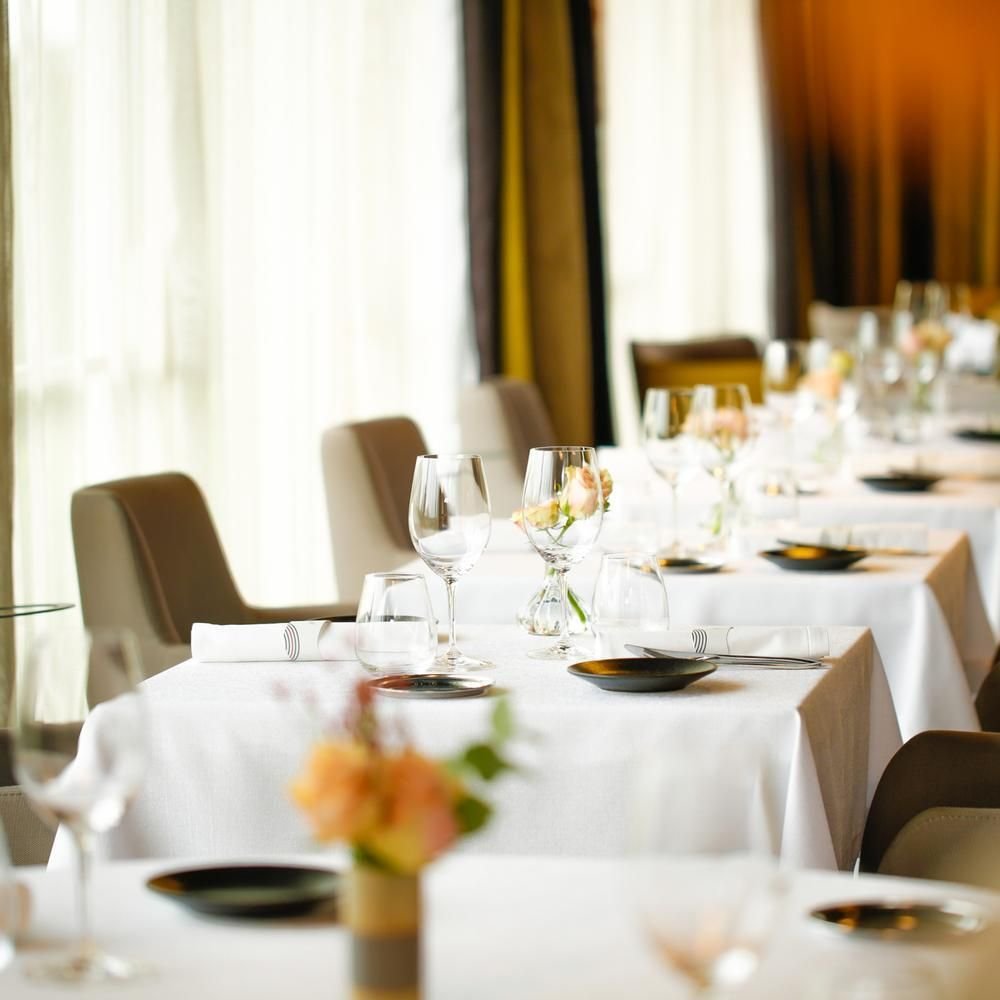
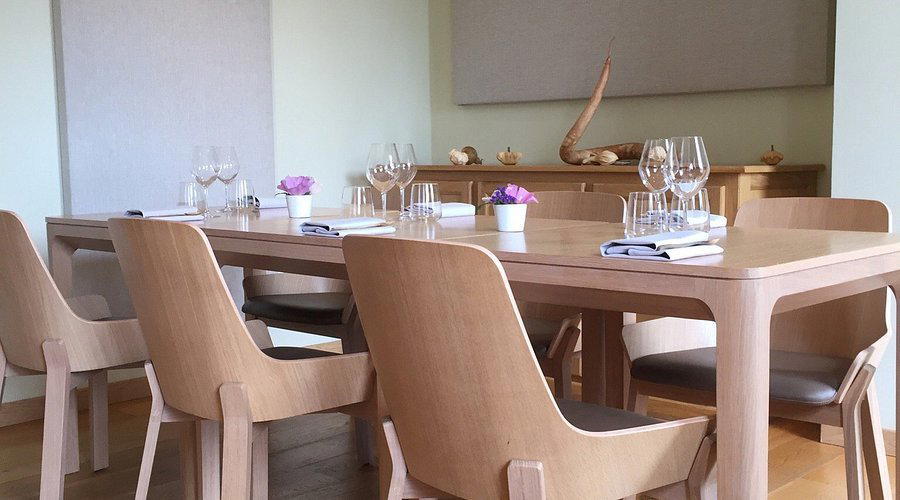
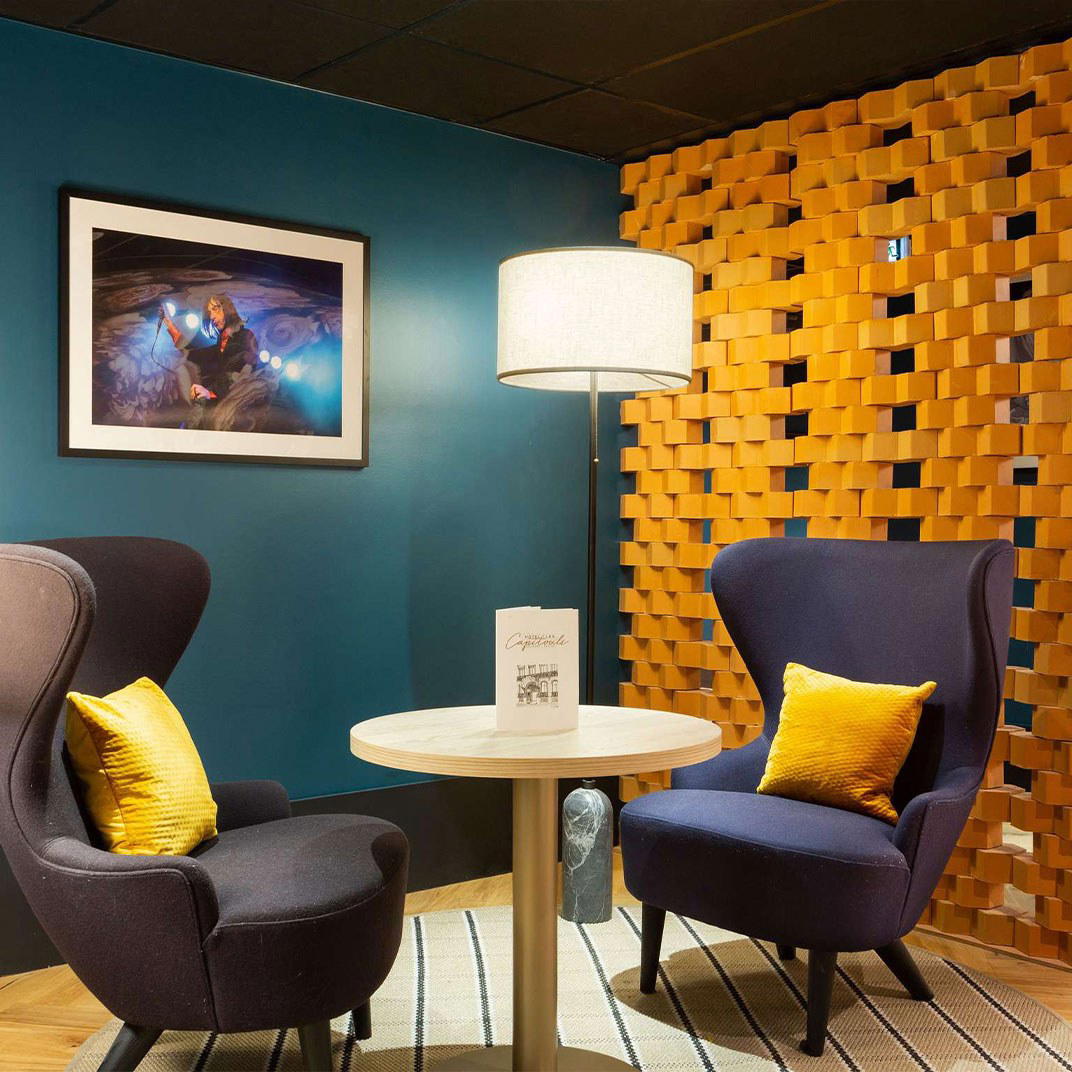
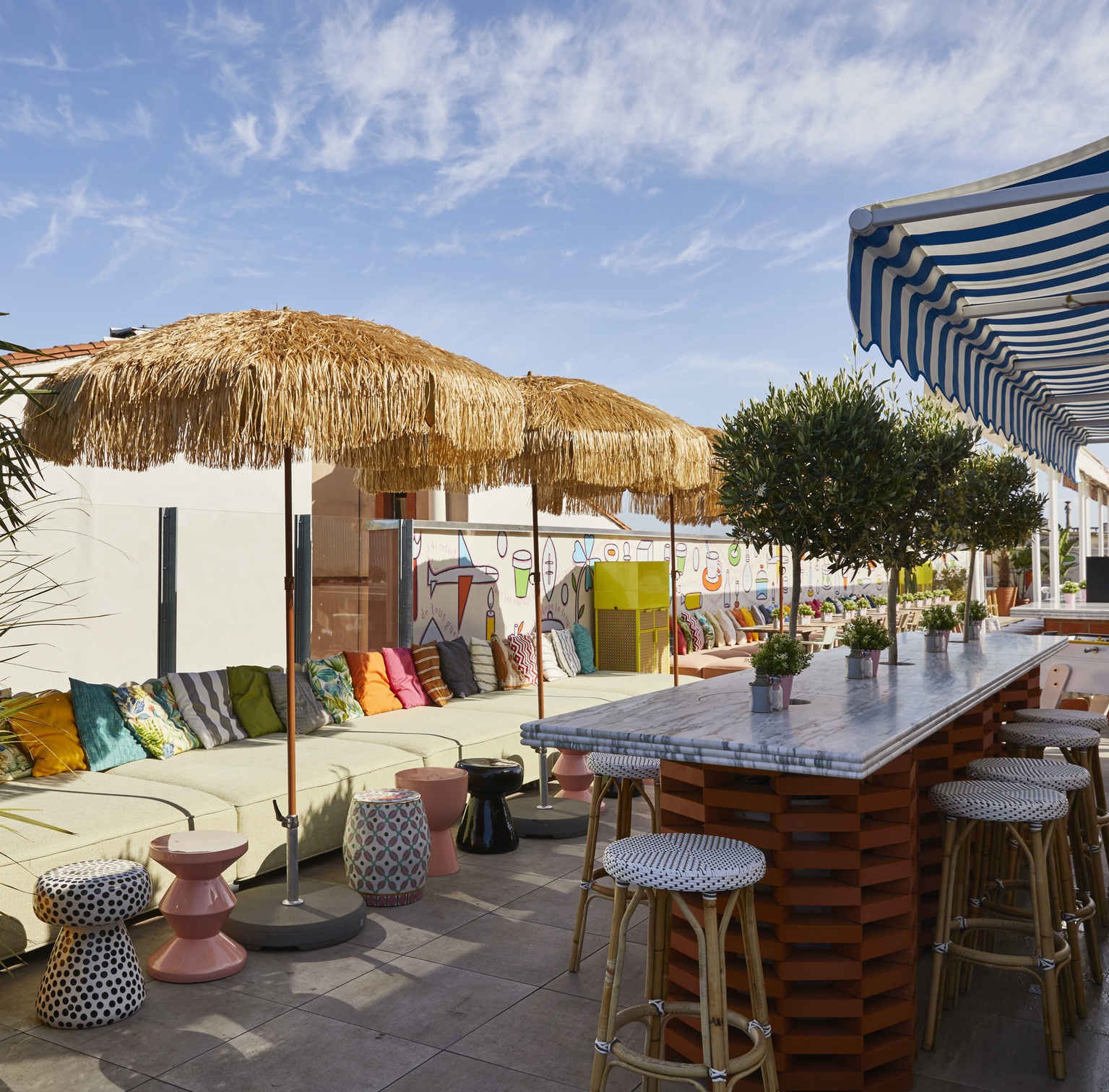
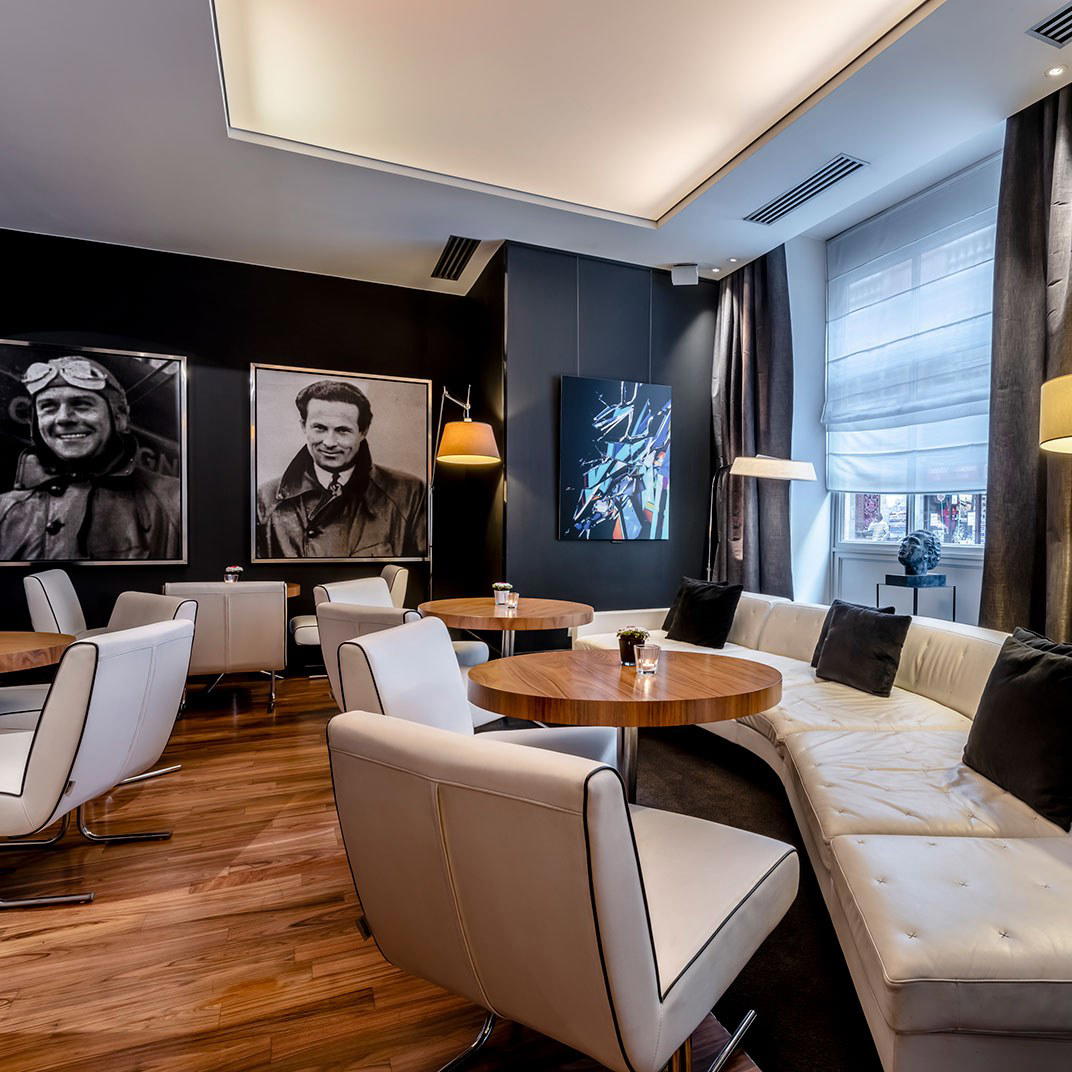
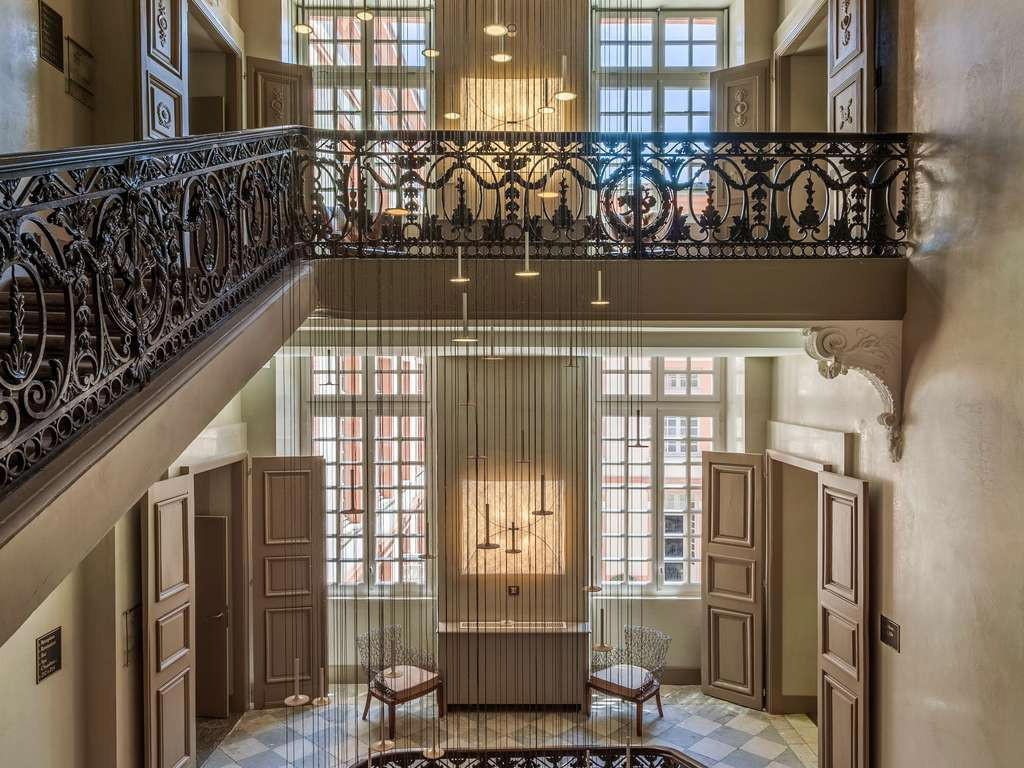
At a Glance
- Elegant
- Romantic
- Sophisticated
- Classic
- Date Night
- Special Occasion
- Celebration
- Business Dinner
- Historic Building
- Garden
- Private Dining
- Hotel Restaurant
- Terrace
- Sommelier Led
- Local Sourcing
- Farm To Table
- Garden
Current opening hours
- Monday
- Closed
- Tuesday
- 12–1:30 PM, 7–9:30 PM
- Wednesday
- 12–1:30 PM, 7–9:30 PM
- Thursday
- 12–1:30 PM, 7–9:30 PM
- Friday
- 12–1:30 PM, 7–9:30 PM
- Saturday
- 12–2:30 PM, 7–9 PM
- Sunday
- 12–1:30 PM
Hours can change for holidays and private events. Last verified .
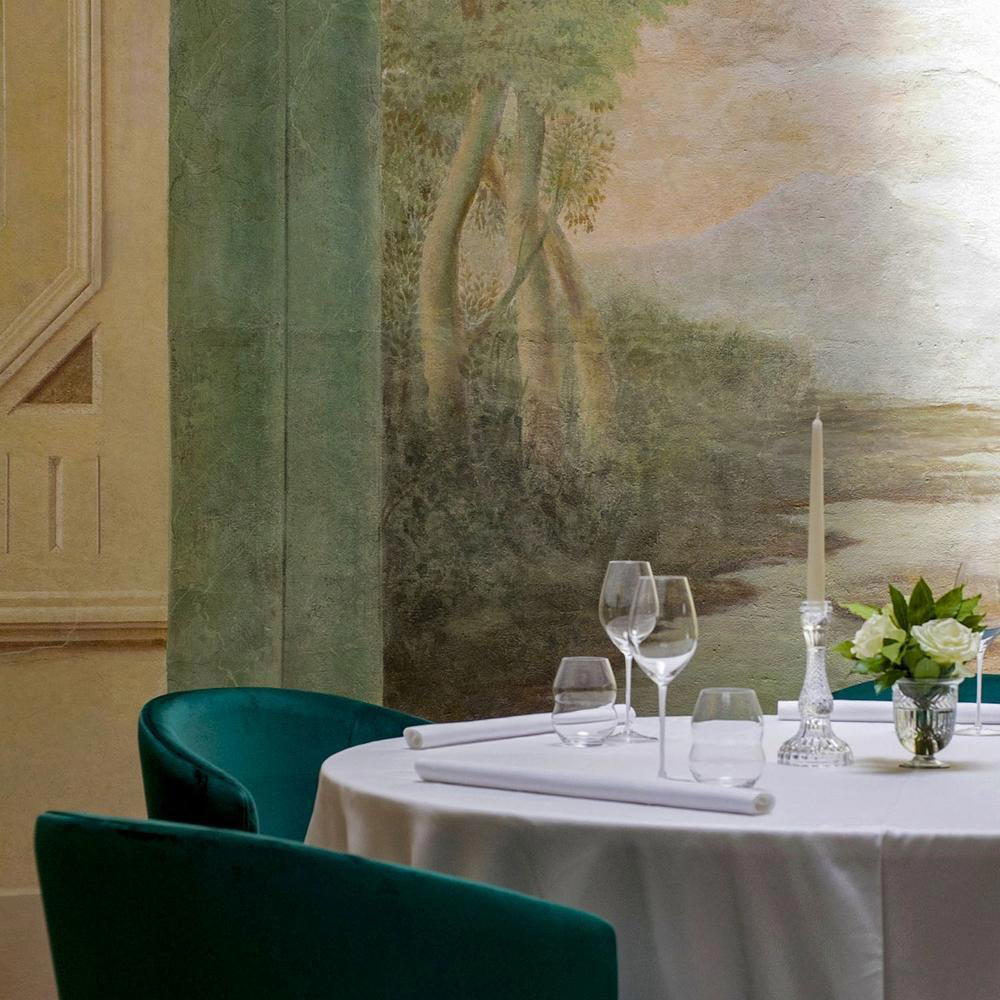
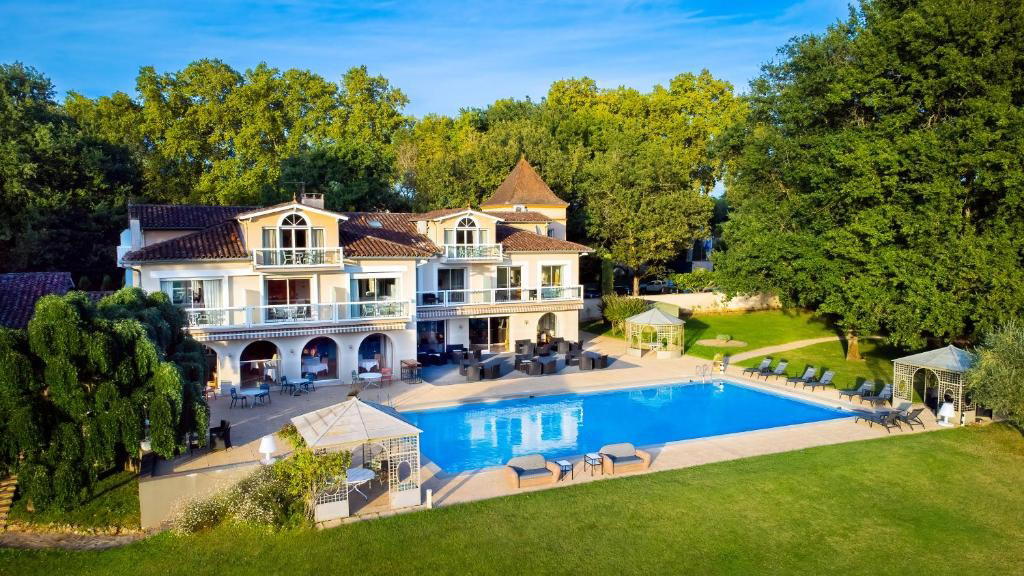
Elegant and refined with a quietly celebratory atmosphere; the dining space evokes old-world French charm with contemporary touches, enhanced by the château's historic setting.