Set along the D67 route on the edge of Le Crès, Mas des Filles occupies the kind of rural Languedoc address where the surrounding agricultural land still shapes what ends up on the plate. The restaurant sits within the broader Hérault dining scene, where proximity to Montpellier's markets, Mediterranean coastline, and inland garrigue country gives kitchens a sourcing range that larger cities rarely match.
Pearl is the En Primeur Club membership app — saves, bookings, and concierge access live there. Same editors, same standards.
- Address
- Restaurant le Mas des Filles D 67, Mas du Pont Chemin du, 34920 Le Crès, France
- Phone
- +33467140000
- Website
- masdesfilles.com
- Directions
- Get directions
 Saves & bookings on Pearl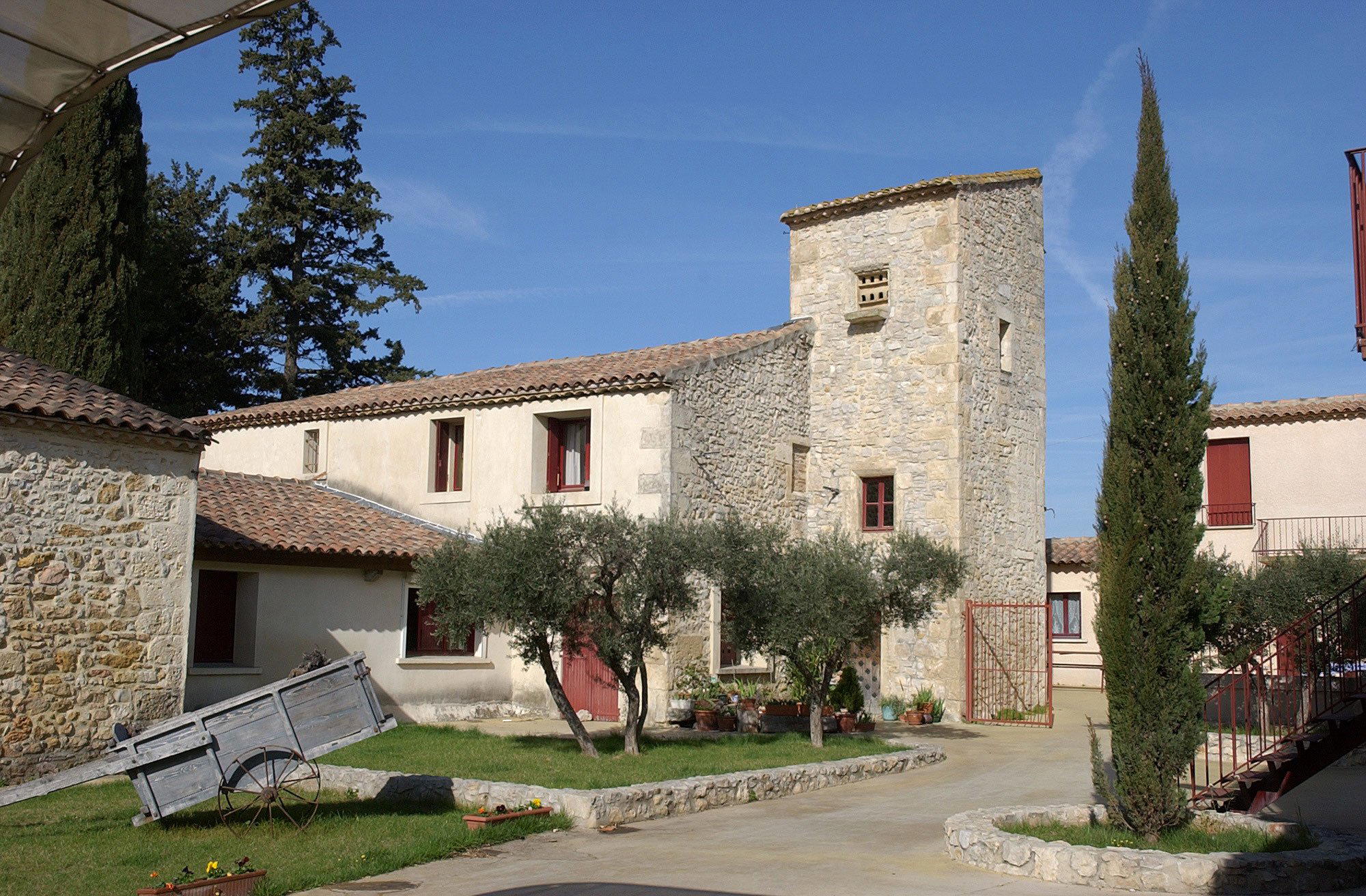
Where the Hérault Countryside Meets the Plate
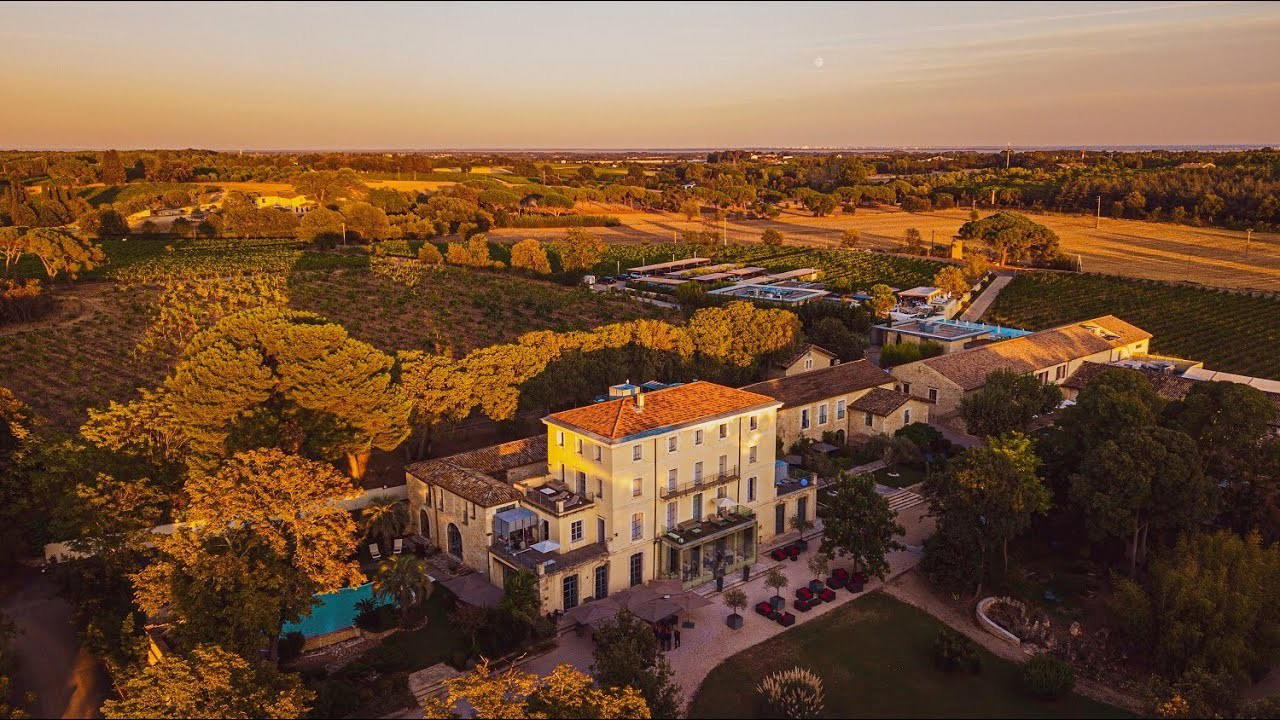
The road that leads to Mas des Filles, the D67 skirting the eastern edge of Le Crès, tells you something useful before you arrive. The landscape here is not the polished postcard version of the South of France: it is agricultural, functional, and close to the soil. Mas farmsteads of this type have historically sat at the intersection of production and hospitality in Languedoc, and that physical relationship between land and table remains one of the defining features of dining in this part of the Hérault. Le Crès itself is a commune immediately east of Montpellier, close enough to the city's wholesale and artisan food networks to benefit from them, yet far enough removed from the urban centre to retain a working-countryside character that shapes the sourcing logic of kitchens in the area.
In the broader context of southern French dining, the Hérault sits in an interesting position. It is not Provence, where reputation and tourism have pushed restaurant prices into a tier that often outpaces the underlying produce. It is not the Aveyron highlands, where Bras in Laguiole built a case for austere plateau ingredients done with precision. The Hérault occupies a middle register: Mediterranean produce without Mediterranean pricing, and a garrigue-to-coast sourcing range that few other French departments can replicate in the same radius.
Sourcing Logic in Languedoc: Why the Address Matters
Ingredient provenance in this corner of Occitanie follows a geography that rewards attention. Within a short radius of Le Crès, a kitchen can draw on littoral shellfish from the Thau lagoon, lamb from the causse limestone plateaus to the northwest, wild herbs from the garrigue slopes between the coast and the Cévennes, and market garden produce from the Hérault plain. That sourcing range is not incidental: it is the structural advantage that distinguishes this area from dining corridors that depend heavily on freight logistics to fill a menu.
French restaurants that have built their reputations on place-specific sourcing tend to cluster where geography compresses multiple ecosystems into a manageable supply chain. Mirazur in Menton made this argument at the edge of the Alps and the Ligurian coast. Auberge du Vieux Puits in Fontjoncouse did it from a village in the Corbières, where the Aude's agricultural specificity became the restaurant's identity. In both cases, the address was not incidental to the cooking: it was the argument. A mas property on the edge of Le Crès sits within that same logic, where the farm-adjacent setting carries an implicit claim about where the food comes from.
The Atmosphere of a Languedoc Mas
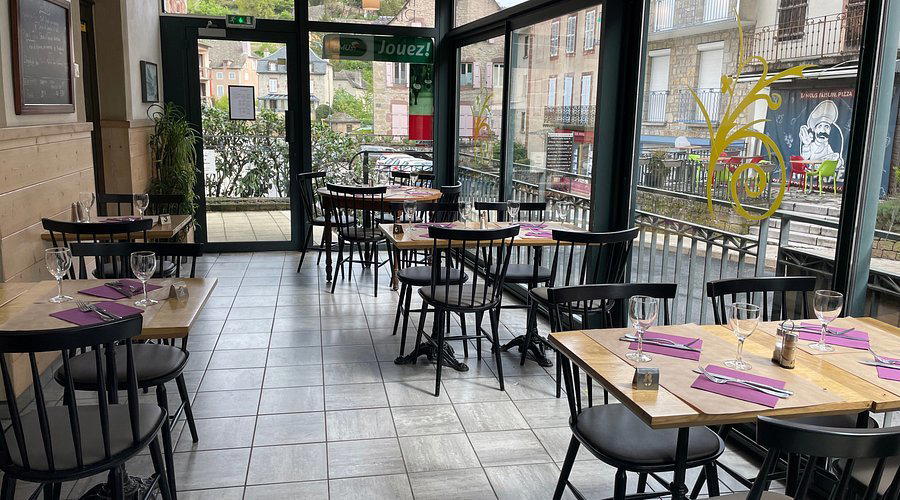
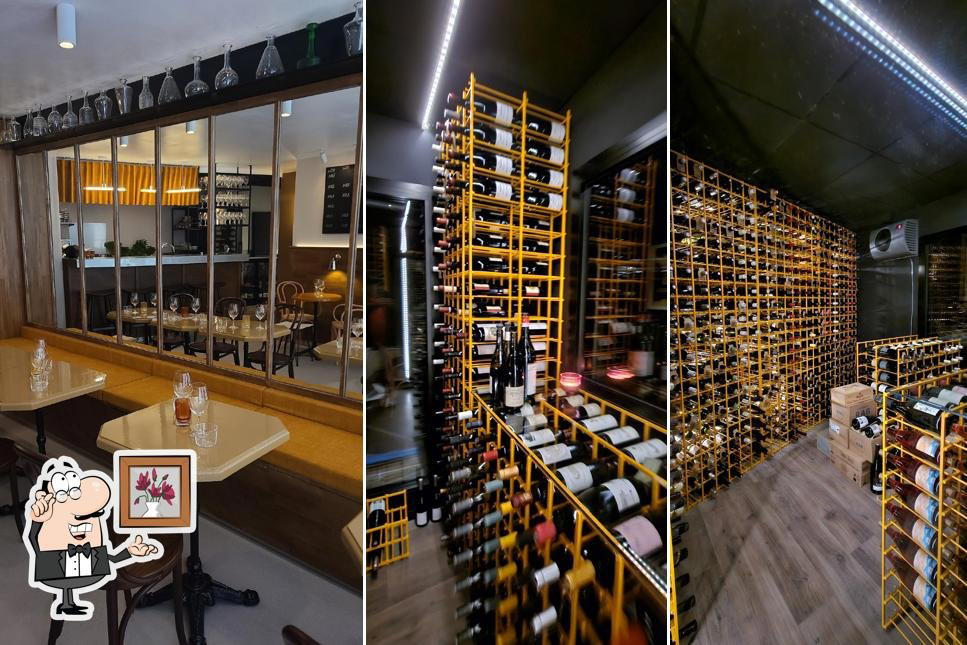
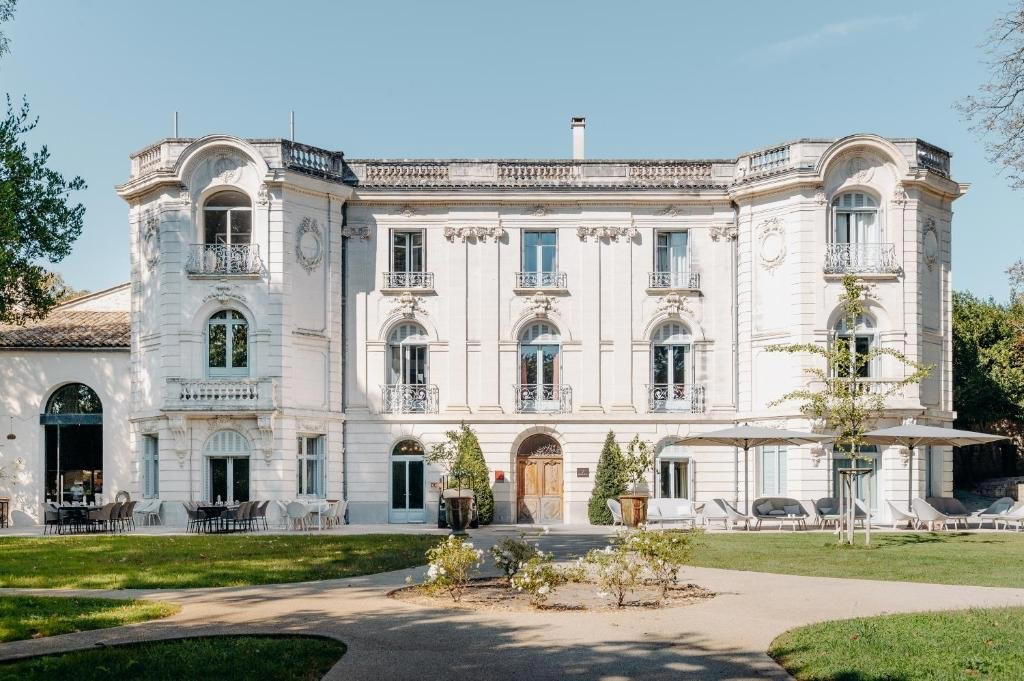
Mas architecture in this part of southern France follows a consistent grammar: thick stone walls built to manage summer heat, shaded exterior spaces that extend the functional dining area, and a relationship to the surrounding land that is practical rather than decorative. The mas typology is distinct from the auberge or the relais in that it retains a working-property character even when it operates as a restaurant. That character shapes the atmosphere in ways that are difficult to replicate in urban settings: the sounds and light are those of a property embedded in its terrain, not a dining room designed to evoke one.
For comparison, consider how differently the atmosphere registers at a high-formal Parisian address such as Alléno Paris au Pavillon Ledoyen in Paris or the mountain lodge register of Flocons de Sel in Megève. Each of those environments is inseparable from its geography. A Languedoc mas operates by the same principle in a different register: the warmth is literal, the shade is structural, and the connection to surrounding agricultural land is part of the spatial experience rather than a marketing claim.
Placing Mas des Filles in the Southern French Restaurant Tier
Southern France has produced a dense concentration of high-citation restaurants over the past two decades, several of which have become reference points for how French regional cooking can hold its own against Parisian fine dining. L'Oustau de Baumanière in Les Baux and AM par Alexandre Mazzia in Marseille represent two distinct poles of that southern tier: the first rooted in Provençal classicism, the second in a more disruptive creative register. The Hérault sits between those poles geographically and, in its better kitchens, temperamentally: the cooking tends to be less baroque than the Marseille avant-garde and less codified than the Luberon grand addresses.
For readers building a circuit of French regional restaurants, the Languedoc corridor between Montpellier and Carcassonne rewards planning. Auberge de l'Ill in Illhaeusern, Troisgros - Le Bois sans Feuilles in Ouches, and Paul Bocuse - L'Auberge du Pont de Collonges in Collonges-au-Mont-d'Or are the canonical reference points for the French regional restaurant tradition, and they all built their cases on place-specific produce. The Languedoc version of that argument is less codified and less trafficked by international reviewers, which means the sourcing credentials often go underreported relative to what the address actually delivers.
Planning Your Visit
Mas des Filles is located at Mas du Pont, Chemin du, on the D67 outside Le Crès, which places it within easy reach of Montpellier by car, the commune borders the city to the east. Given the rural address and the mas setting, arriving by car is the practical option; the D67 is a well-marked departmental road and the property address is specific enough to navigate to directly. For diners combining this with a wider Languedoc itinerary, the Hérault's market calendar is worth noting: Montpellier's central market operates through the week and the Saturday morning sessions at the Marché du Lez draw producers from across the department, which gives a sense of the ingredient palette that kitchens in the area work from. Reservations are recommended, and the restaurant's price tier sits around $50 per person.
A Quick Peer Check
Comparable venues nearby, for context on price, style, and recognition.
| Venue | Cuisine | Price | Notes |
|---|---|---|---|
| Mas des FillesThis venue — the venue you are viewing | Modern French Mediterranean | $$$$ | Not listed |
| Alain Ducasse Baccarat | Avant-garde French fine dining in a crystal-clad Maison Baccarat setting | $$$$ | 16th arrondissement |
| L'Oriel | Modern French Fine Dining | $$$$ | Place du Forum |
| Baumanière Hôtel & Spa | Modern Provençal Fine Dining | $$$$ | Les Baux-de-Provence |
| Restaurant La Truffe Dans Tous Ses États | Truffle-Focused French Fine Dining | $$$$ | Centre San Baquis |
| Alain Passard's Garden | Vegetable-Focused Fine Dining | $$$$ | Bois Giroult |

At a Glance
- Rustic
- Elegant
- Romantic
- Date Night
- Special Occasion
- Terrace
- Extensive Wine List
- Vineyard
Current opening hours
- Monday
- Closed
- Tuesday
- Closed
- Wednesday
- 12–3 PM, 7:30–11 PM
- Thursday
- 12–3 PM, 7:30–11 PM
- Friday
- 12–3 PM, 7:30–11 PM
- Saturday
- 12–3 PM, 7:30–11 PM
- Sunday
- 12–3 PM
Hours can change for holidays and private events. Last verified .
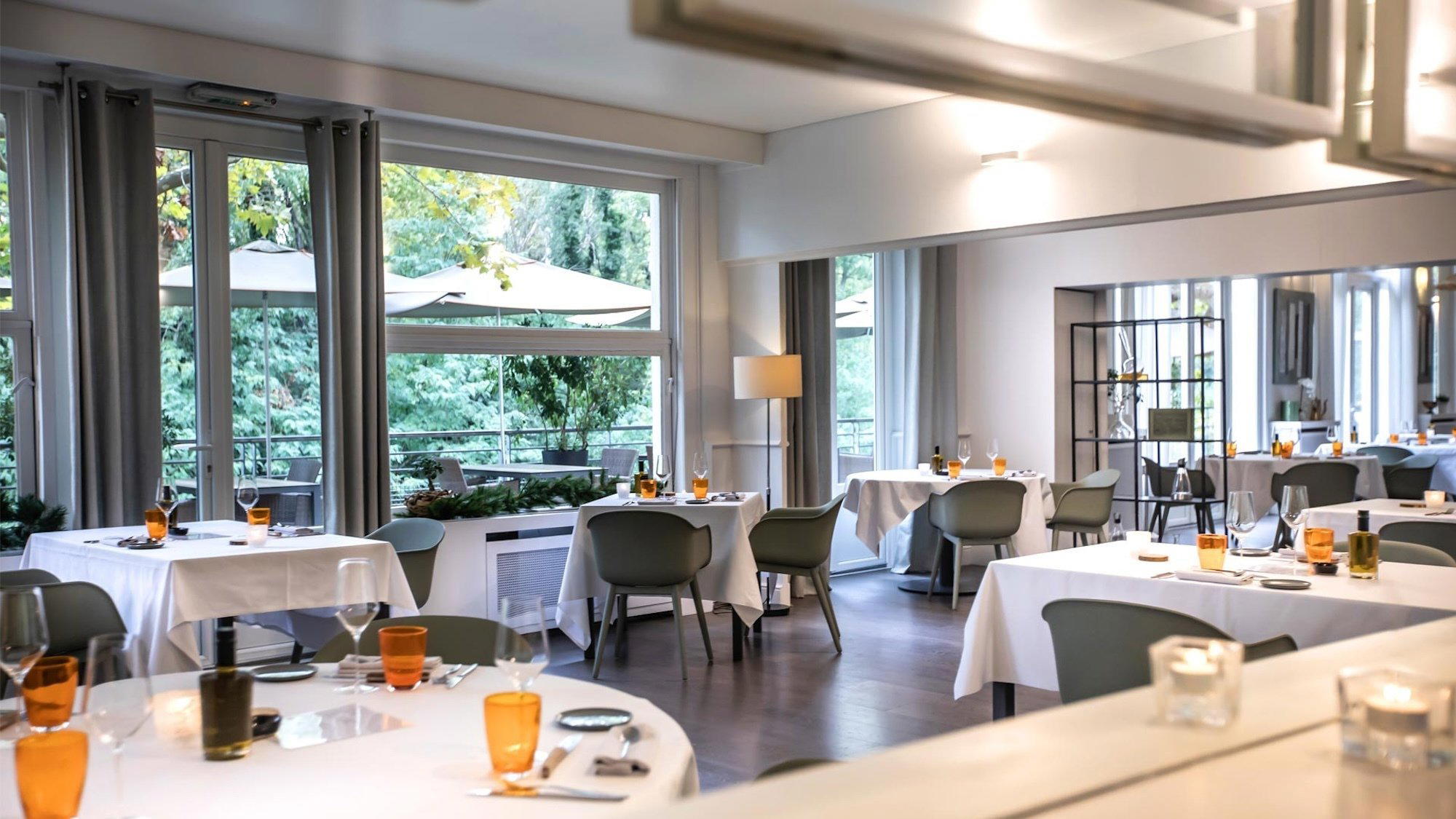
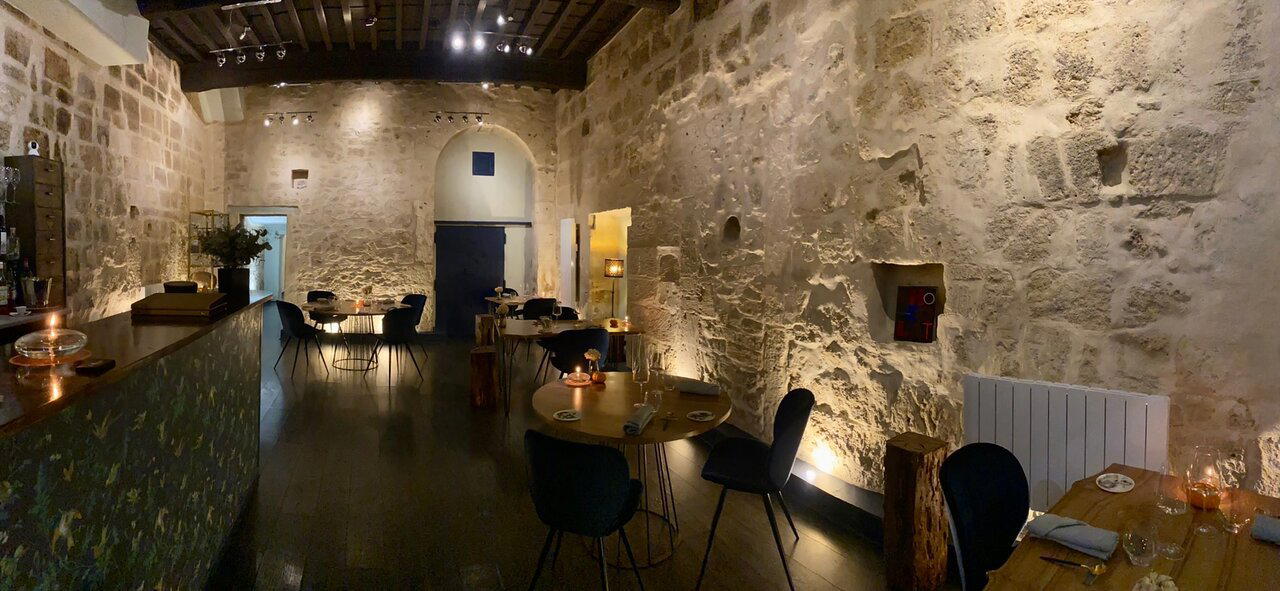
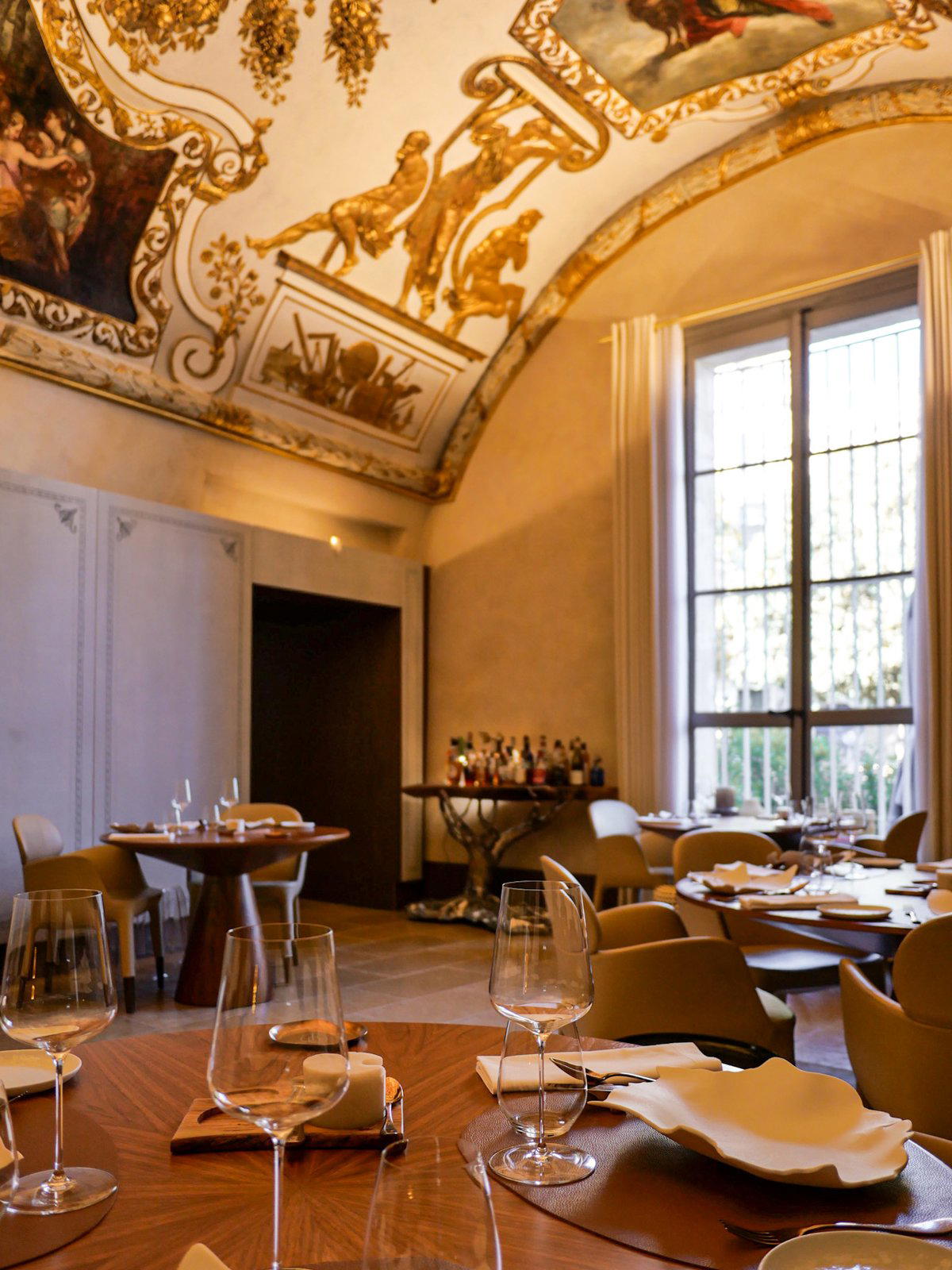
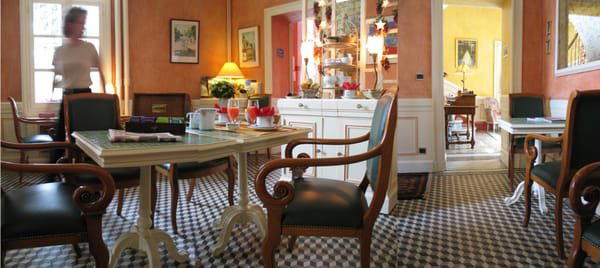
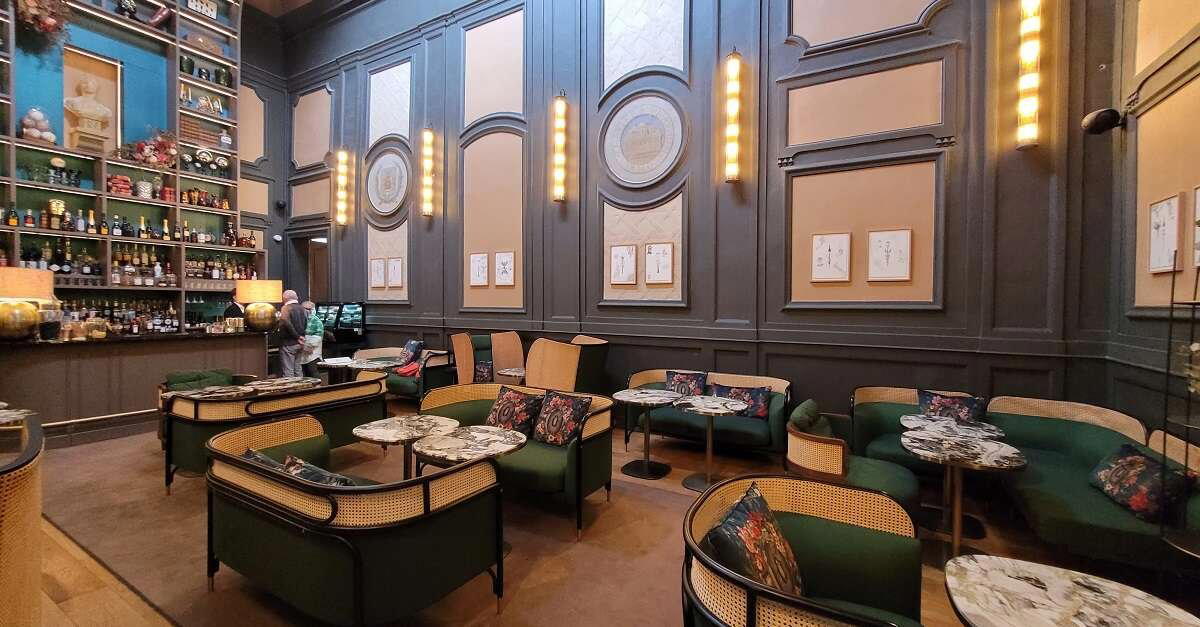
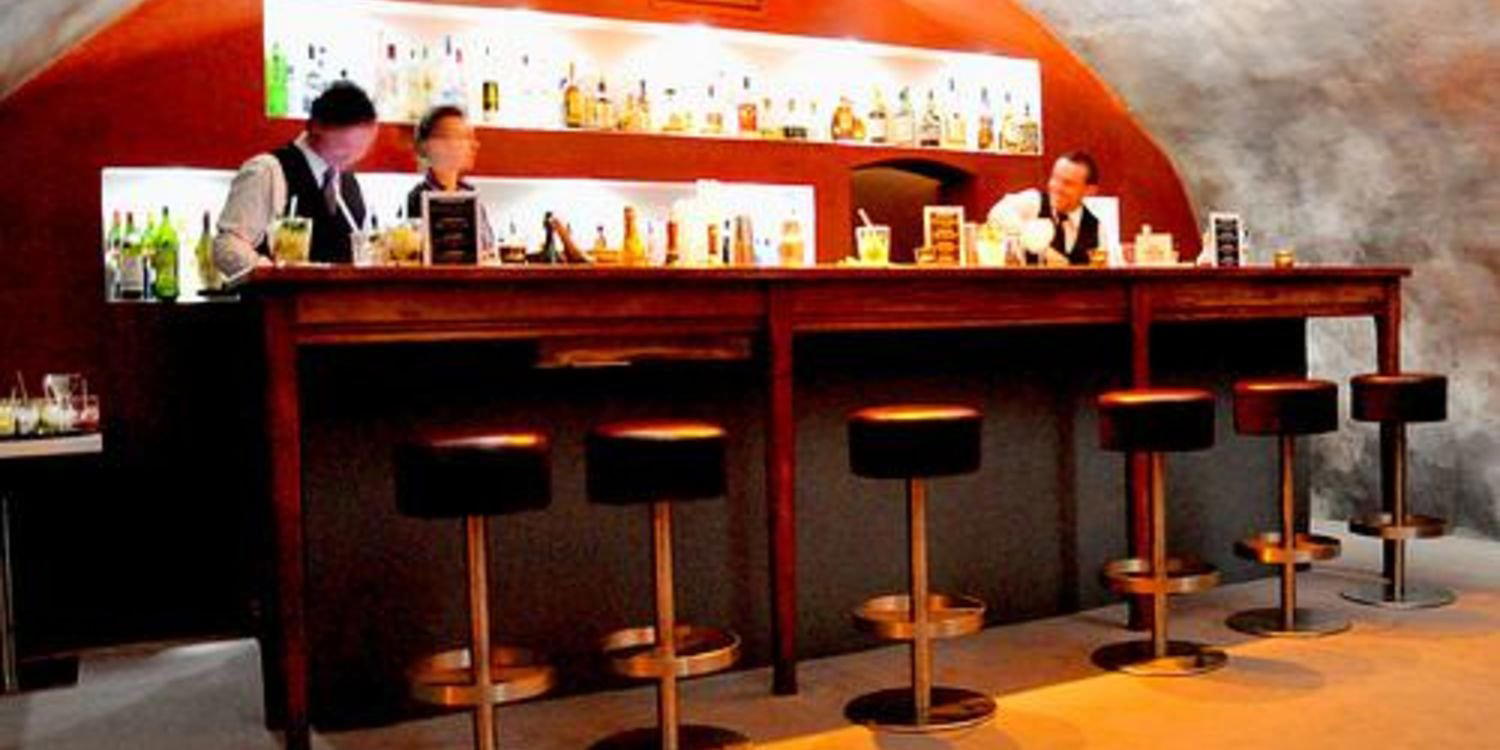
Baroque and ornate interior blending rustic stone with luxurious velvet and gold accents, creating a surprising and sophisticated atmosphere.