Barbaque Victor Hugo occupies a specific niche in Toulouse's mid-range dining scene, where barbecue technique meets the city's appetite for ingredient-led cooking. Situated on Rue du Rempart Villeneuve near the historic Victor Hugo market, the address places it squarely within among the more food-conscious neighbourhoods in the Midi-Pyrénées. For visitors tracking where Toulouse eats beyond its fine-dining tier, this is a practical and purposeful reference point.
Pearl is the En Primeur Club membership app — saves, bookings, and concierge access live there. Same editors, same standards.
- Address
- 9 Rue du Rem Villeneuve, 31000 Toulouse, France
- Phone
- +33561143559
- Website
- barbaquevictorhugo.com
- Directions
- Get directions
 Saves & bookings on Pearl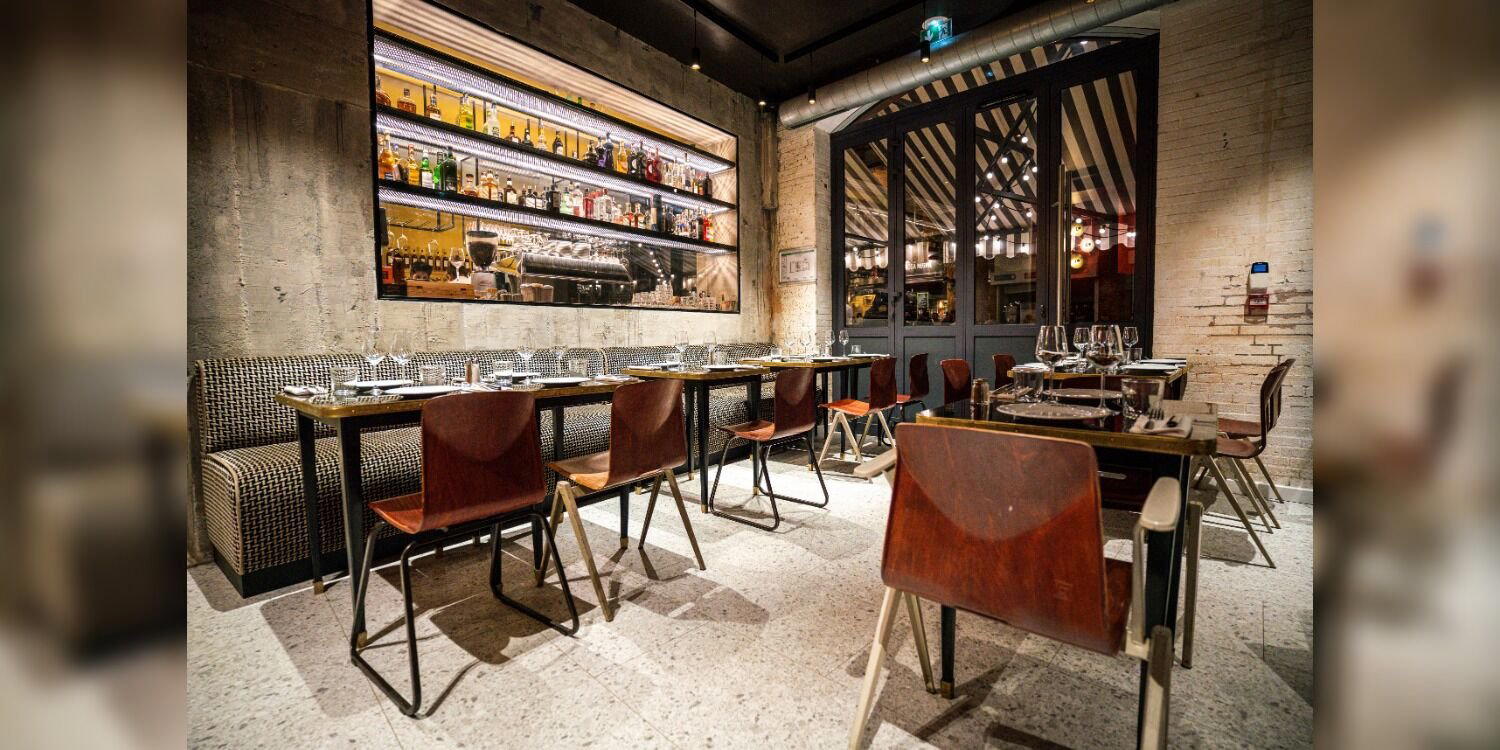
Fire, Market Proximity, and What Toulouse Eats on a Tuesday
There is a particular kind of street in French provincial cities that functions as an informal food corridor: the kind where a covered market anchors one end, a boulangerie fills the morning air at another, and the restaurants in between operate without the pressure of tourist-facing theatrics. Rue du Rempart Villeneuve in Toulouse is close to that template. Barbaque Victor Hugo sits along this stretch, and its address near the Marché Victor Hugo, the city's covered market, is not incidental. In a city where the quality of the raw ingredient is treated as the primary conversation, proximity to that market signals something about sourcing ambition before a single plate arrives.
Toulouse's dining scene has stratified in ways that mirror broader French regional trends. At the leading, a cluster of destination restaurants, Michel Sarran and Py-r both hold Michelin recognition and price accordingly at the €€€€ tier. Below that sits a confident mid-market cohort, where Acte 2 Yannick Delpech and SEPT operate around modern cuisine with serious technical intent at the €€€ level. Barbaque Victor Hugo occupies a different register: the everyday-specialist category, where the craft is embedded in a single technique, fire and smoke, rather than in multi-course architecture.
The Ethics of the Grill: Barbecue as a Sustainability Format
Barbecue, in its more considered European expressions, has developed a quiet alignment with low-waste cooking principles that often goes unnoticed. Whole-animal or larger-cut approaches, which define serious barbecue operations, generate less trimming waste than à la carte kitchens that portion fish and meat to individual presentation standards. The fire itself, when managed on wood or charcoal, creates a closed loop of flavour that requires less supplementary saucing, reduction work, or enrichment to achieve depth, meaning fewer secondary ingredients and, in well-run operations, simpler supply chains.
French barbecue has also been developing its own regional identity, separate from American low-and-slow traditions and distinct from Argentine asado culture. In the southwest of France, where duck confit, cassoulet, and magret de canard define the local protein imagination, open-fire cooking has a natural cultural argument. The Gascony and Gers producers who supply Toulouse's markets rear breeds specifically suited to longer cooking: duck from the Landes, lamb from the Pyrenean foothills, pork from heritage lines. A restaurant that sources from these producers and commits them to fire cooking is, functionally, participating in a short-supply-chain logic that the region's agricultural economy depends on.
Across France's wider fine-dining tier, this kind of sourcing transparency has become a competitive signal. Bras in Laguiole has long framed its identity around Aubrac terroir and direct producer relationships. Les Prés d'Eugénie in Eugénie-les-Bains built Michel Guérard's cuisine minceur partly around reducing excess. At the other end of the price spectrum, neighbourhood restaurants near markets like Victor Hugo perform a version of the same logic without the ceremony: the produce drives the menu, and what is available dictates what is cooked. When that discipline is applied to barbecue, a format already oriented toward maximising flavour from less-prized cuts, the result is a kitchen with genuine ecological coherence.
Where Barbaque Victor Hugo Sits in the Toulouse comparable set
To understand the restaurant's position, it helps to map the terrain. Toulouse is not short of meat-centred restaurants, the southwest's protein traditions see to that, but dedicated barbecue specialists that operate with the market proximity and neighbourhood credibility of the Victor Hugo address represent a smaller, more specific category. The comparison set is not the Michelin-recognised tables but rather the mid-tier specialists: places like Agapes, which brings a similar food-consciousness to its format at the €€€ tier, or the more casual, market-adjacent spots that serve a lunch crowd drawn from the covered market itself.
Internationally, the conversation around fire cooking has been refined by restaurants that treat the grill as a primary kitchen tool rather than a supplementary one. Le Bernardin in New York and Mirazur in Menton work at a different scale and price register entirely, but the underlying argument, that technique applied with precision to quality ingredients requires no additional scaffolding, is one that smaller fire-cooking operations also advance. Lazy Bear in San Francisco built its reputation on exactly this kind of elemental cooking refined through sourcing rigour. The principle travels across price tiers.
Planning a Visit: Practical Notes
The restaurant is located at 9 Rue du Rempart Villeneuve in the 31000 postcode, a short walk from the Place du Capitole and the Marché Victor Hugo. The Victor Hugo market runs Tuesday through Sunday mornings, and lunch visits to nearby restaurants typically align with the market-shopping rhythm of the neighbourhood, meaning early arrival is advisable for walk-in seating at peak times. Other French regional restaurants include Flocons de Sel in Megève, Troisgros in Ouches, Alléno Paris au Pavillon Ledoyen, Auberge de l'Ill in Illhaeusern, La Table du Castellet, Georges Blanc in Vonnas, or Paul Bocuse's Auberge du Pont de Collonges as reference points for the broader French culinary tradition.
Compact Comparison
Comparable venues nearby, for context on price, style, and recognition.
| Venue | Price | Notes |
|---|---|---|
| Barbaque Victor HugoThis venue — the venue you are viewing | $$$ | Not listed |
| Coté vin | $$$ | Capitole / Arnaud Bernard / Carmes, French Wine Bar with Tapas |
| Restaurant Les P'tits Fayots | $$$ | Capitole / Arnaud Bernard / Carmes, Modern French Bistro |
| Le Saint Sauvage | $$$ | Capitole / Arnaud Bernard / Carmes, Modern French Bistro |
| Notes & Saveurs | $$ | Capitole / Arnaud Bernard / Carmes, French Bistro with Global Twists |
| Tête en l'air | $$ | Minimes / Barrière de Paris / Ponts-Jumeaux / La Vache / Raisin / Fondeyre, French Market Bistro |
Continue exploring
More in Toulouse
Restaurants in Toulouse
Browse all →
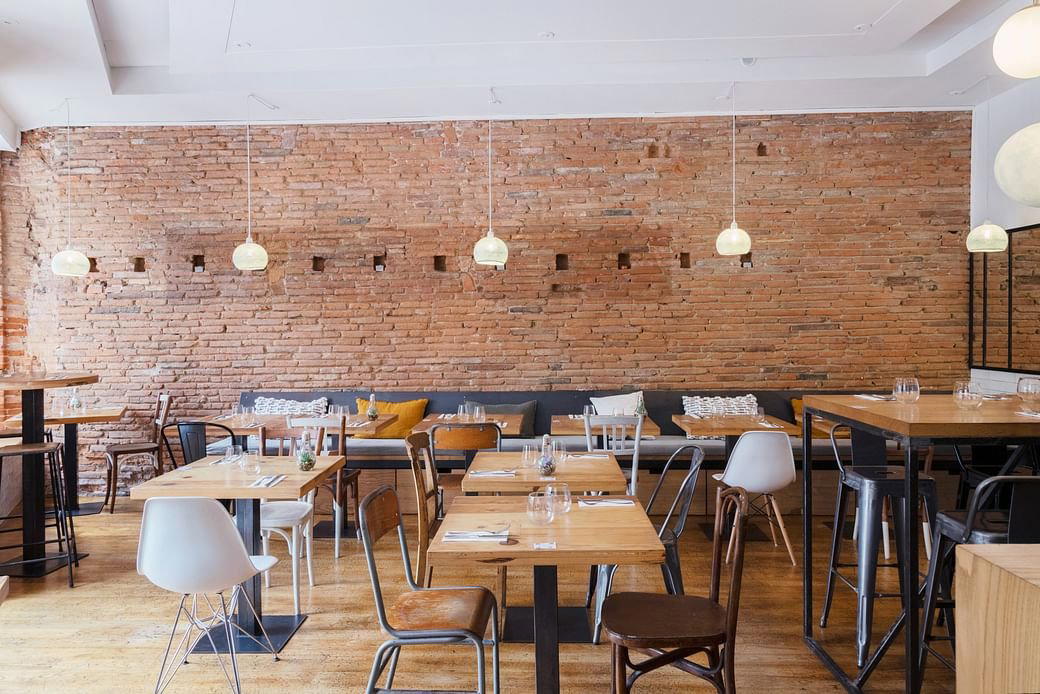
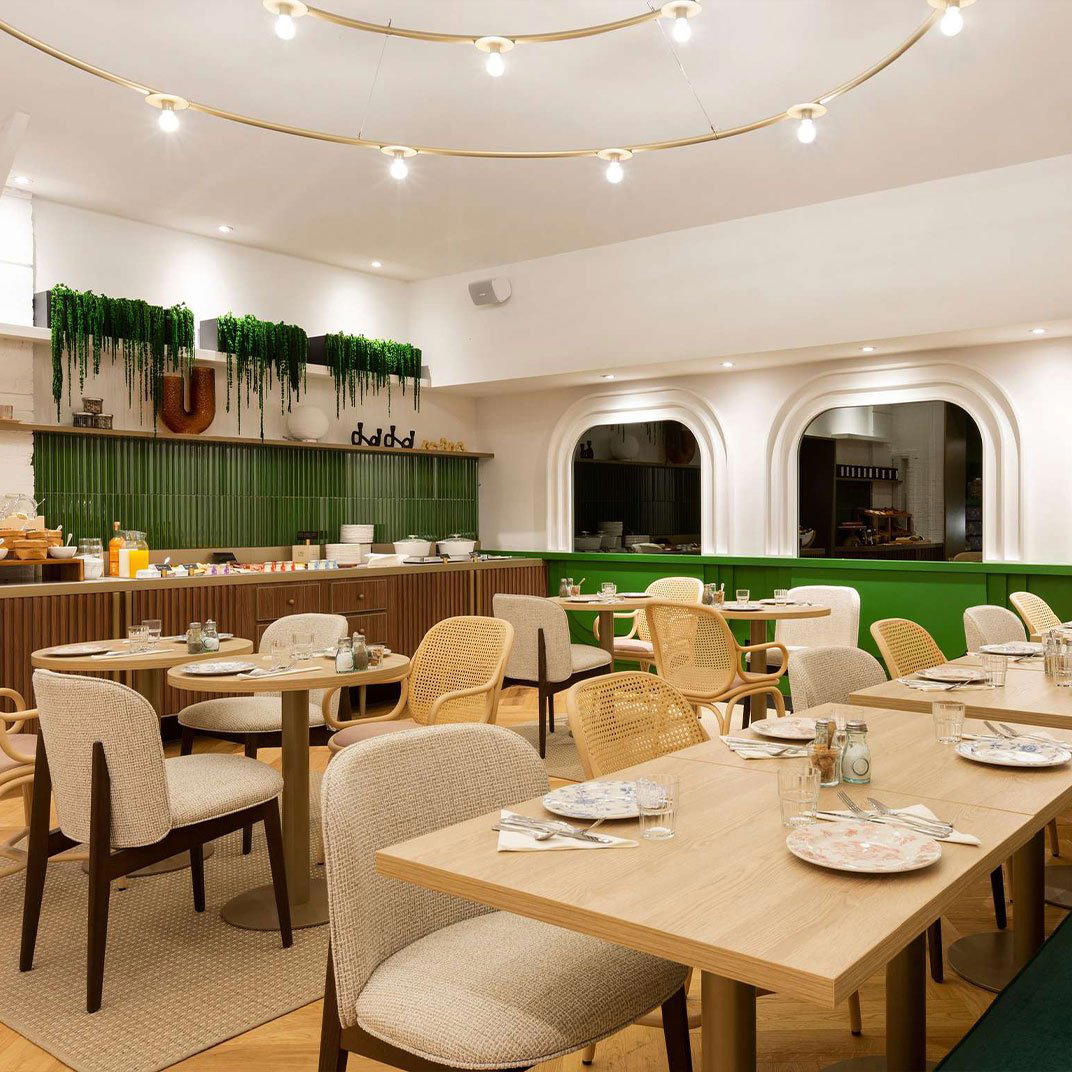
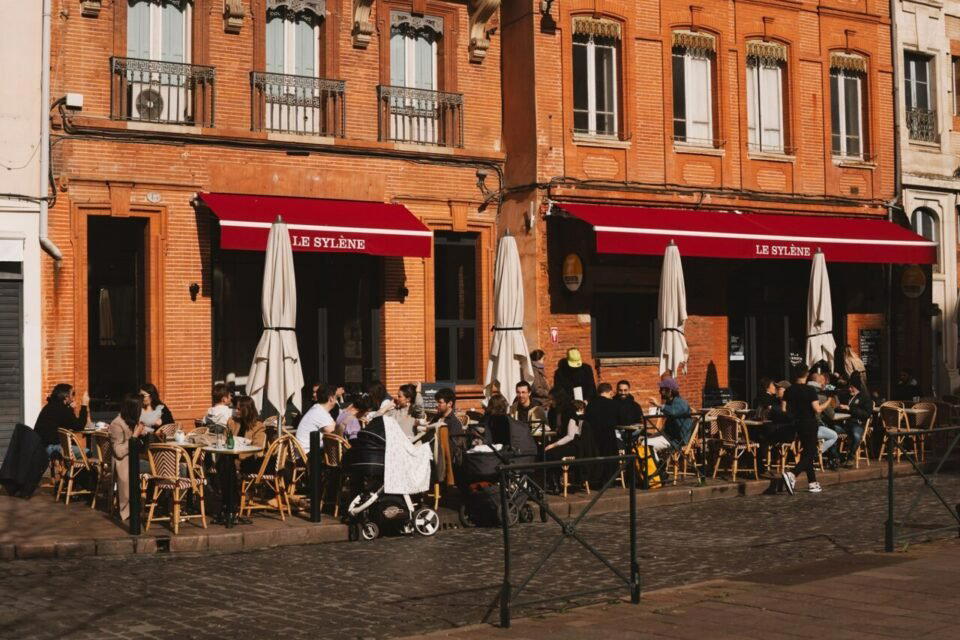
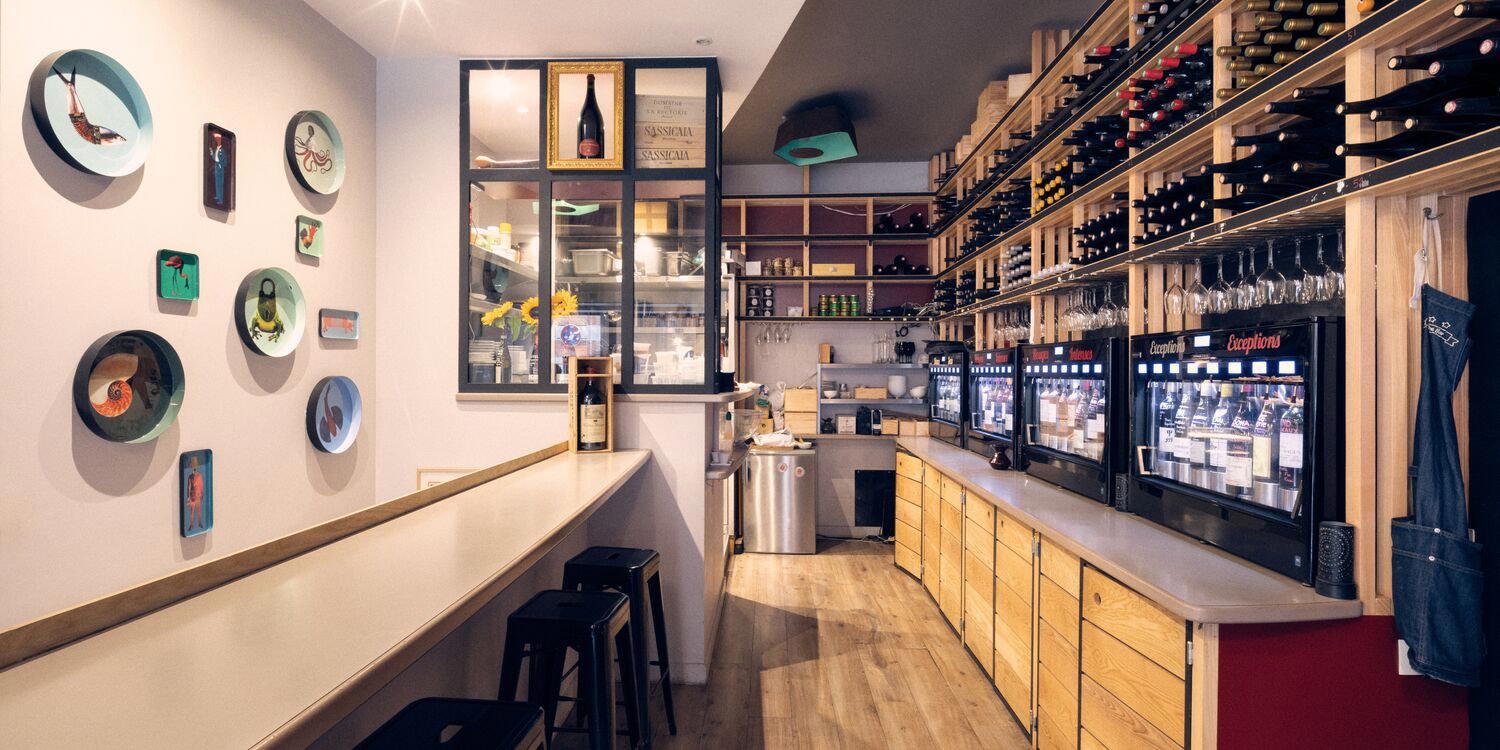
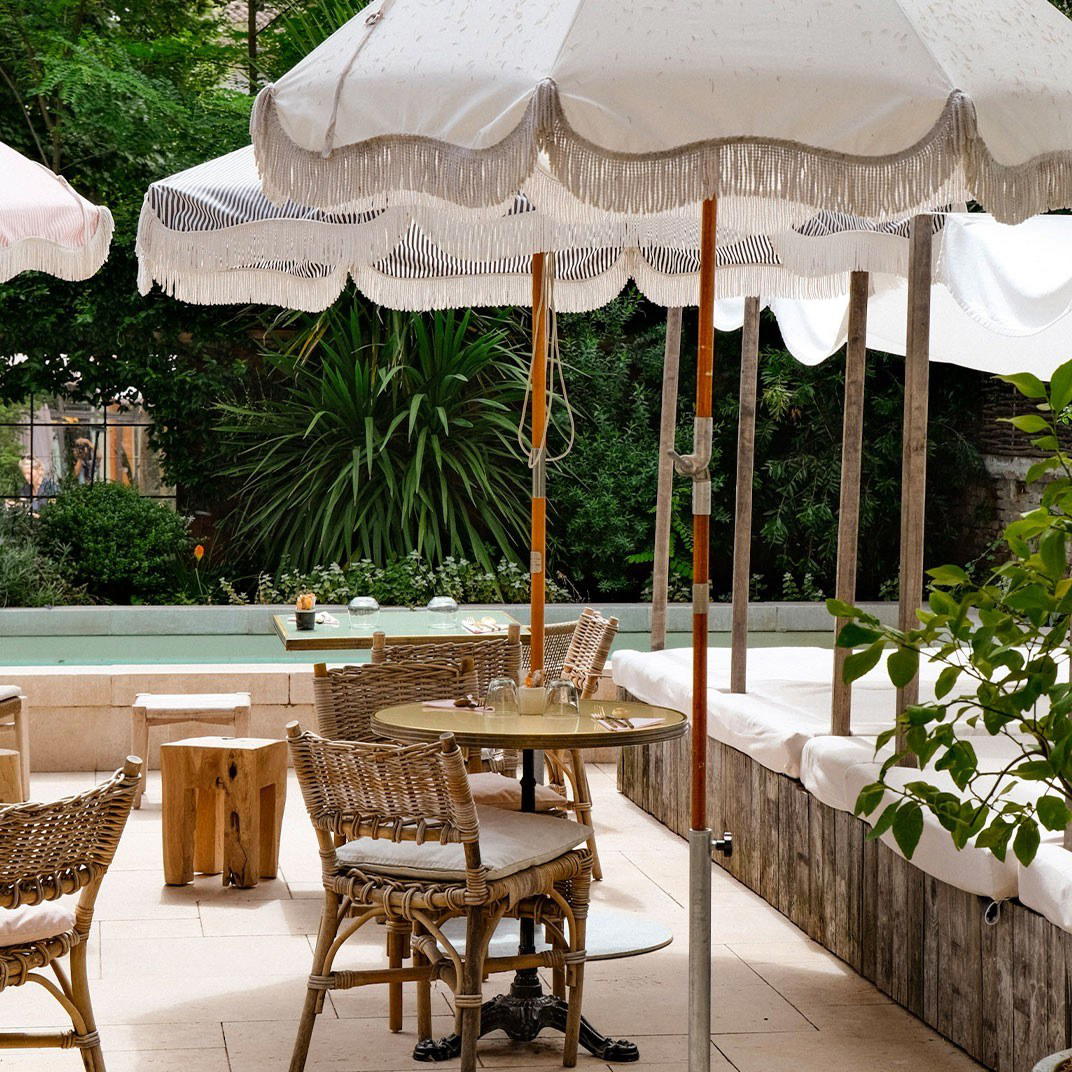
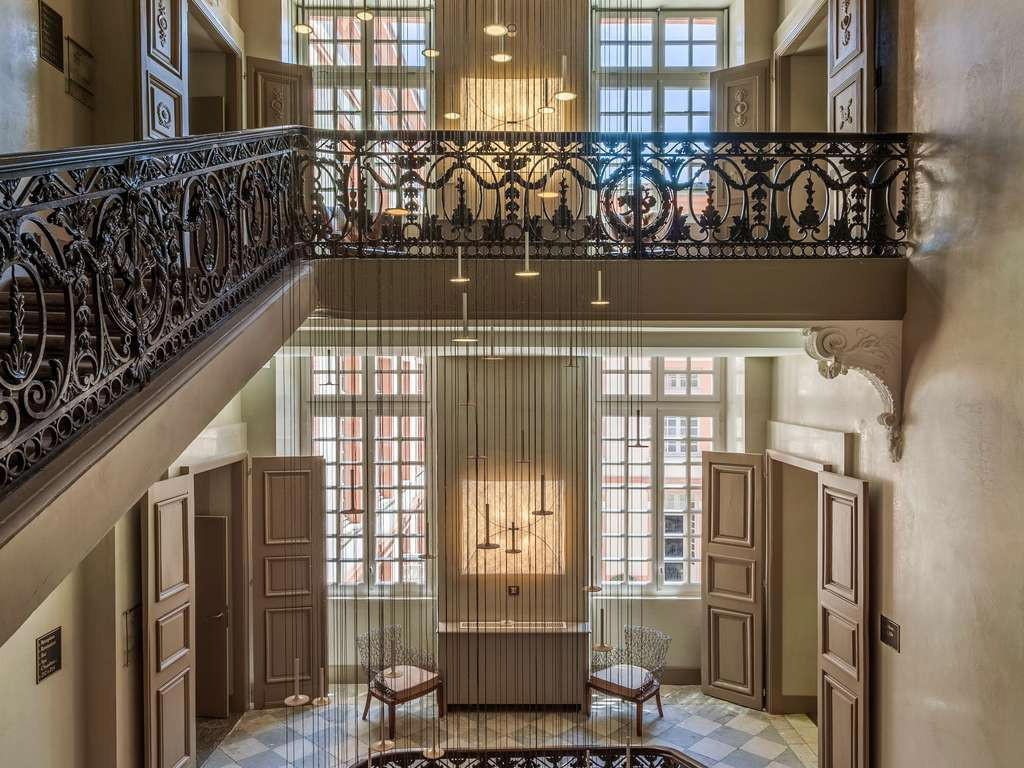
At a Glance
- Modern
- Elegant
- Business Dinner
- Group Dining
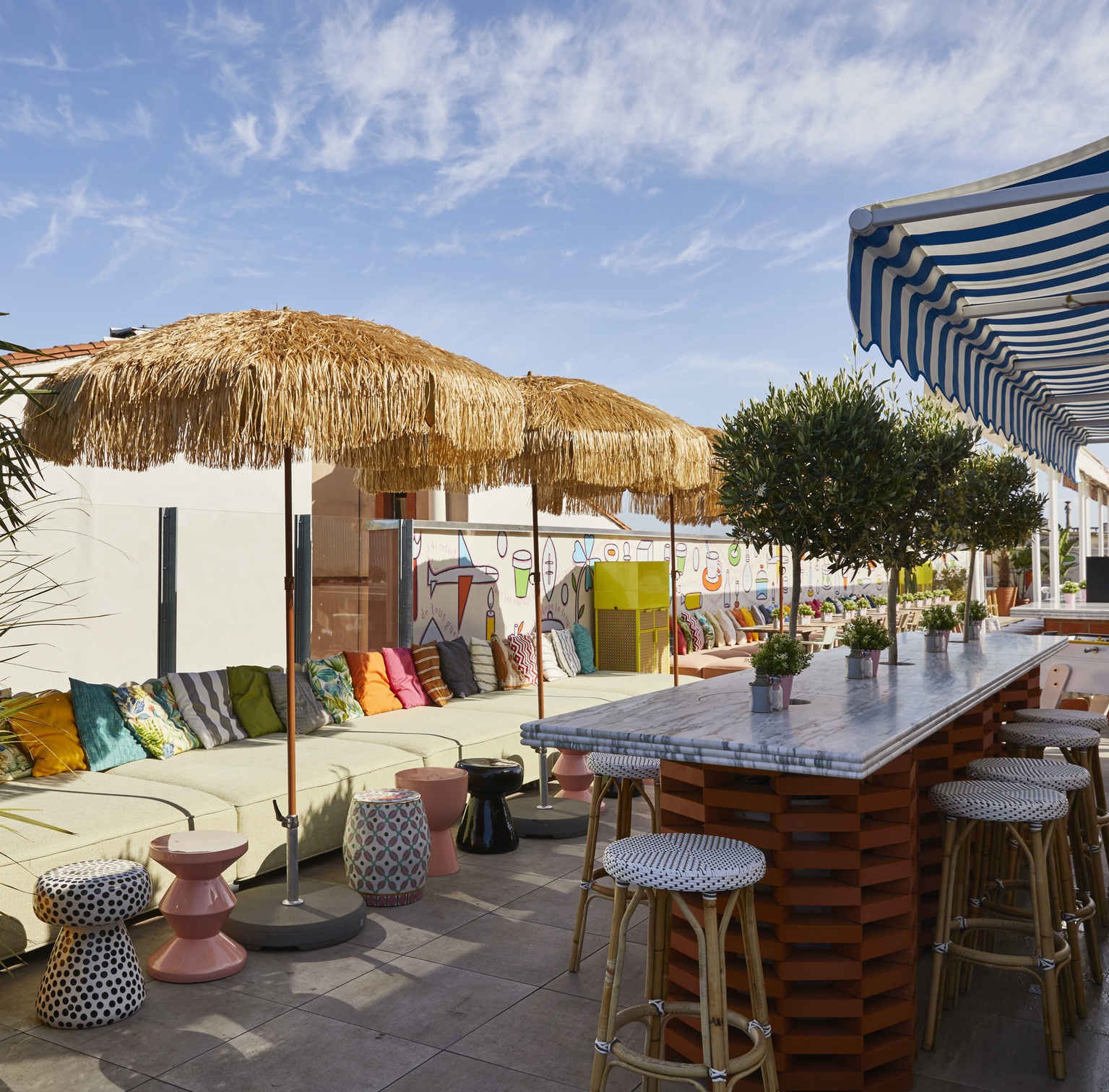
- Terrace
- Extensive Wine List
- Local Sourcing
- Street Scene
Current opening hours
- Monday
- 12–2 PM, 7–10 PM
- Tuesday
- 12–2 PM, 7–10 PM
- Wednesday
- 12–2 PM, 7–10 PM
- Thursday
- 12–2 PM, 7–10 PM
- Friday
- 12–2 PM, 7–10 PM
- Saturday
- 12–2 PM, 7–10 PM
- Sunday
- 12–2 PM
Hours can change for holidays and private events. Last verified .
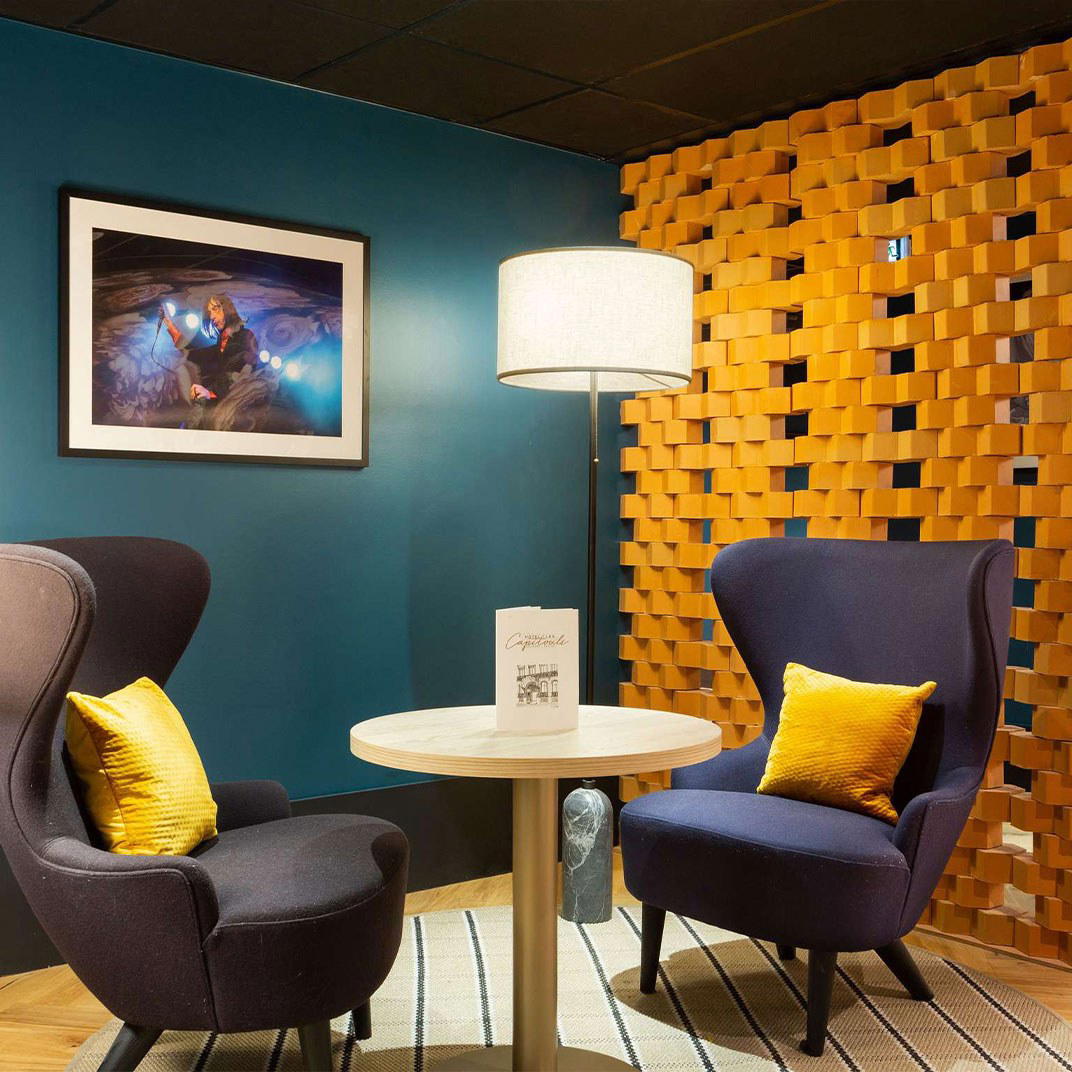
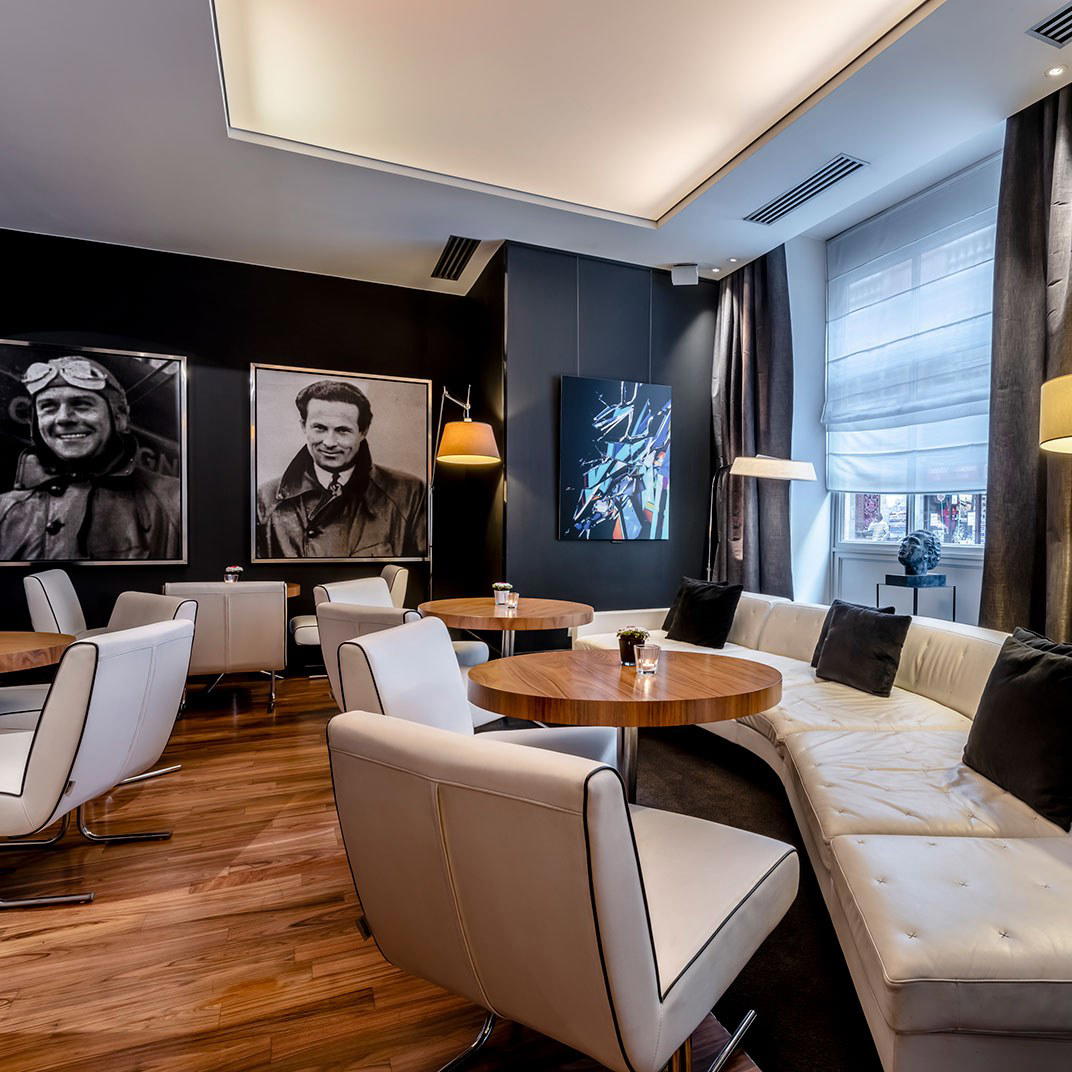
Beautiful modern interior with warm bistro atmosphere, pretty dishes, and attentive service.