Le Château de Riell
Our verdict
Le Château de Riell sits in the thermal village of Molitg-les-Bains, in the Pyrénées-Orientales foothills where Catalan culinary tradition and mountain produce shape the table. The setting is a converted château with the drama of the surrounding gorge as its backdrop, placing it in the smaller tier of destination restaurants that earn the journey rather than simply reward proximity.

Pearl is the En Primeur Club membership app — saves, bookings, and concierge access live there. Same editors, same standards.
- Address
- Rte des Bains, 66500 Molitg-les-Bains, France
- Phone
- +33 4 68 05 04 40
- Website
- grandhotelpyrenees.com
- Directions
- Get directions
- Booking
- Book on TheFork
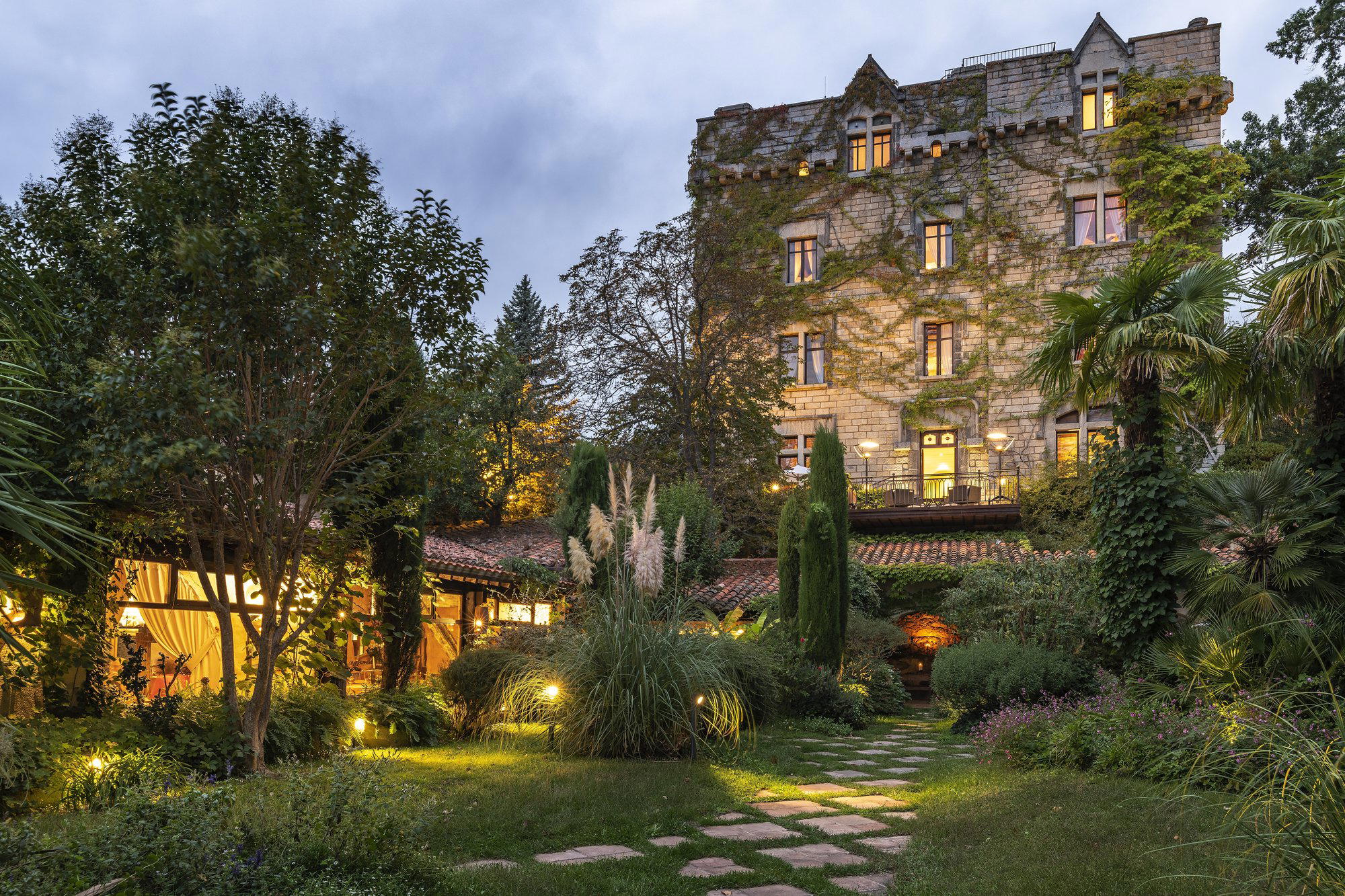
Where the Pyrénées Shape the Plate
The road into Molitg-les-Bains arrives through a narrow gorge cut by the Castellane river, the rock face close enough on either side to block out the midday sun. It is the kind of approach that prepares you for somewhere deliberate, somewhere that has not simply happened to be here but has chosen its ground carefully. Le Château de Riell occupies a restored château above the thermal village, and the architecture announces itself before the kitchen does: crenellated towers, the ochre tones of southern French stonework, a position that looks south toward the Canigou massif. Across France, the country's most discussed restaurants tend to sit in Paris or in the Alps, including Alléno Paris au Pavillon Ledoyen and Flocons de Sel in Megève. The Pyrénées-Orientales operates on a different frequency entirely, one where Catalan identity, thermal heritage, and high-altitude agriculture combine to create a distinct regional context that those better-trafficked venues do not attempt to address.
The Produce Argument
Ingredient sourcing in this corner of France is not a positioning choice so much as a geographical condition. The land between the Canigou and the coast produces a specific range of goods: Roussillon wines built on old-vine Grenache and Carignan, anchovies from Collioure, Pyrenean lamb grazed at altitude, wild mushrooms from the beech and oak forests that begin above the thermal zone, and the market gardening of the Têt valley floor. Restaurants operating here that take their sourcing seriously are working with a pantry that has essentially no equivalent in northern France.
This is the same logic that drives destination restaurants in other terrain-defined locations. Mirazur in Menton built its reputation partly on the specificity of its Côte d'Azur kitchen garden and the herbs and citrus that the Mediterranean microclimate produces. Bras in Laguiole made the Aubrac plateau's wild plants and volcanic soils the explicit subject of its cuisine. In each case the argument is the same: the region's produce is specific enough, and the cooking attentive enough, that the place itself becomes legible on the plate. The Pyrénées-Orientales offers that same premise to any kitchen willing to make the case for it.
Molitg-les-Bains as a Dining Destination
Molitg-les-Bains sits roughly between Prades and the Spanish border, a position that makes it genuinely inconvenient to reach from any major transport hub. That inconvenience is also, in a sense, the point. The village exists because of its thermal springs, which have drawn visitors since the nineteenth century and continue to draw them today. The thermal hotel and spa infrastructure means that guests tend to stay rather than pass through, giving the local restaurant economy a captive audience that is, by definition, willing to commit to the journey.
Within that context, Le Château de Riell functions as the anchor dining destination in the village. For those exploring the wider local table, Bistro Casals and Òliba offer alternative registers in the same small village, the former leaning into local bistro character, the latter drawing on Catalan-Spanish influence from just across the nearby border. Our full Molitg-les-Bains restaurants guide maps all three within their neighbourhood context.
The Château Format in French Regional Dining
The converted château as a dining and hospitality format has a particular history in France. It is a category that sits between the grand hotel and the auberge, with the architectural drama of the former and, in the better examples, the culinary intimacy of the latter. The format tends to attract guests who are choosing a place as much as a meal, which creates a specific kind of dining occasion: longer evenings, a willingness to order more courses, and a greater tolerance for prix-fixe structures that reflect the kitchen's own rhythm rather than the guest's preference for à la carte flexibility.
At the higher end of this format across France, places like Auberge de l'Ill in Illhaeusern and Georges Blanc in Vonnas have maintained multi-generational reputations built on exactly this combination of setting, regional produce, and a dining pace that urban restaurants rarely afford. The château format rewards guests who approach it on its own terms rather than expecting the density of a city restaurant.
The Broader French South Context
Southern French cuisine in the twenty-first century has been re-evaluated significantly. What was once treated as a rustic counterpoint to Parisian haute cuisine has, in a generation of serious regional cooking, developed its own serious critical standing. Auberge du Vieux Puits in Fontjoncouse and AM par Alexandre Mazzia in Marseille represent different modes of this southern seriousness, one rooted in deep regional tradition, the other in a creative idiom that treats the Mediterranean pantry as raw material for personal expression. Le Château de Riell exists in the same broad southern French dining territory, though its Pyrénéan context, with its Catalan cross-border agricultural heritage, places it in a distinct sub-region from the Languedoc and Provence addresses that tend to dominate southern French dining coverage.
For those building a southern French itinerary that takes regional specificity seriously, the Roussillon addresses deserve to sit alongside the better-covered names. The produce argument here is genuine, and the Canigou's shadow over every plate is not metaphorical.
Planning Your Visit
Molitg-les-Bains is accessible by car from Perpignan in under an hour, making it a plausible day-trip from the Roussillon coast, though the château setting and thermal infrastructure make an overnight stay the more coherent choice. Guests combining a stay at the thermal baths with dinner at the château will find the pacing more natural than the drive-dine-return option that the distance from Perpignan technically allows. Those coming from further afield, including international visitors who benchmark French destination dining against addresses like Le Bernardin in New York or Atomix, will find the Pyrénéan register a different proposition entirely from urban tasting-menu culture.
Contact the property directly for current room and dining availability. Given the small scale of the village and the château's dual function as hotel and restaurant, peak thermal season in late spring and summer is the period that most constrains table availability.
Frequently asked questions
Is Le Château de Riell a family-friendly restaurant?
Le Château de Riell sits in Molitg-les-Bains, a spa village in the Pyrénées-Orientales that draws visitors of varied ages, and the château format in French regional hospitality has historically accommodated multi-generational stays. That said, the property's character as a converted château positions it toward unhurried, adult-paced meals rather than casual family dining. Contacting the property directly before arrival is advisable if travelling with young children.
What should I expect atmosphere-wise at Le Château de Riell?
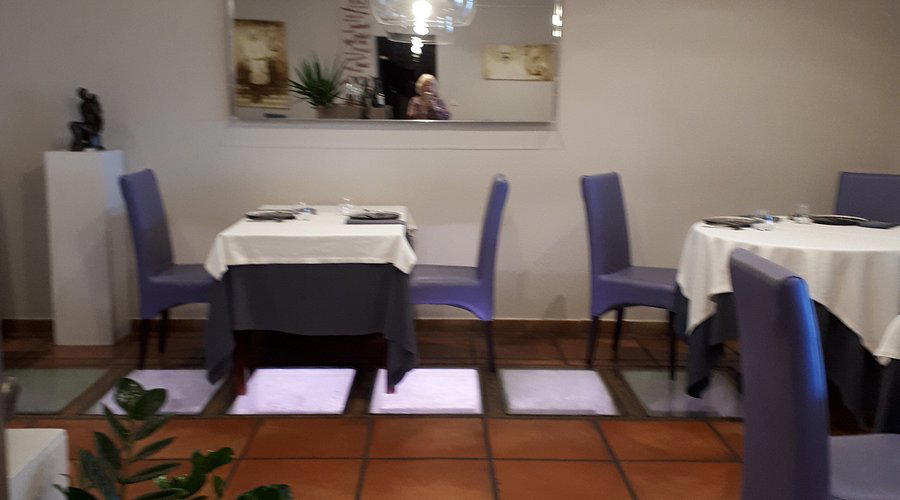
The setting is a converted château in a narrow river gorge outside Molitg-les-Bains, with the Castellane valley and Canigou massif providing the backdrop. Château dining in this region tends toward formal-but-regional: stone interiors, slower service rhythms, and an emphasis on place over spectacle. It sits in a category between the grand hotel dining room and the serious country-house restaurant.
Is Le Château de Riell worth visiting as a day trip from Perpignan?
Perpignan to Molitg-les-Bains is under an hour by car via the D116 through the Conflent valley, making a day visit logistically plausible. The château is also close to Prades, the market town that supplies much of this area's produce, so combining both can give the trip additional weight. Given the property's setting and format, arriving for lunch and staying through the afternoon makes better use of the journey than a single meal and return.
What's the best thing to order at Le Château de Riell?
What the surrounding Conflent region does reliably supply is lamb from the Pyrenean plateau, Roussillon market vegetables, and proximity to both Catalan and broader southern French culinary traditions. The produce argument in this corner of France is geographical as much as it is a kitchen choice, so seasonal dishes rooted in local sourcing are where the kitchen's logic tends to concentrate.
What part of town is Le Château de Riell in?
Le Château de Riell is located at Rte des Bains, 66500 Molitg-les-Bains, France, Molitg-les-Bains.
How hard is it to get a table at Le Château de Riell?
Molitg-les-Bains is genuinely inconvenient to reach without a car, which keeps overall visitor volume lower than at destination restaurants in Perpignan or Collioure. That said, summer months in the Pyrénées-Orientales attract cross-border Spanish visitors and Roussillon coast holidaymakers, and château properties with limited covers can fill faster than their location suggests. Booking ahead, particularly for weekend dinners, is the practical approach.
What's the standout thing about Le Château de Riell?
The location is the argument: a château in a river gorge in the Conflent valley, with the Canigou — the Catalans' symbolic peak — as the regional reference point. Very few dining properties in southern France operate at this altitude with this degree of geographical enclosure, and the format places it outside the coastal Roussillon circuit that most visitors default to. The combination of spa village, mountain terrain, and château hospitality is specific to this small corner of the Pyrénées-Orientales.
A Quick Peer Check
Comparable venues nearby, for context on price, style, and recognition.
| Venue | Cuisine | Price | Awards | Notes |
|---|---|---|---|---|
| Le Château de RiellThis venue — the venue you are viewing | Modern Catalan Fine Dining | $100–150 | Not listed | Not listed |
| Òliba | Refined French Farm-to-Table | $50–100 | Michelin Plate · Relais Chateaux Award | Molitg-les-Bains |
| Bistro Casals | French Bistro with Catalan Influences | $30–50 | Relais Chateaux Award | Molitg-les-Bains |
| Le restaurant Bernard Rigaudis | Regional French Gastronomic | $50–100 | Relais Chateaux Award | Domaine d'Auriac, near Carcassonne medieval city |
| Mets et Plaisirs | French Gastronomic Cuisine | $30–50 | Not listed | Mazamet center |
| Le Petit Canard | Traditional French Duck Bistro | Not listed | Not listed | 9th arrondissement |
Continue exploring
More in Molitg-les-Bains
Restaurants in Molitg-les-Bains
Browse all →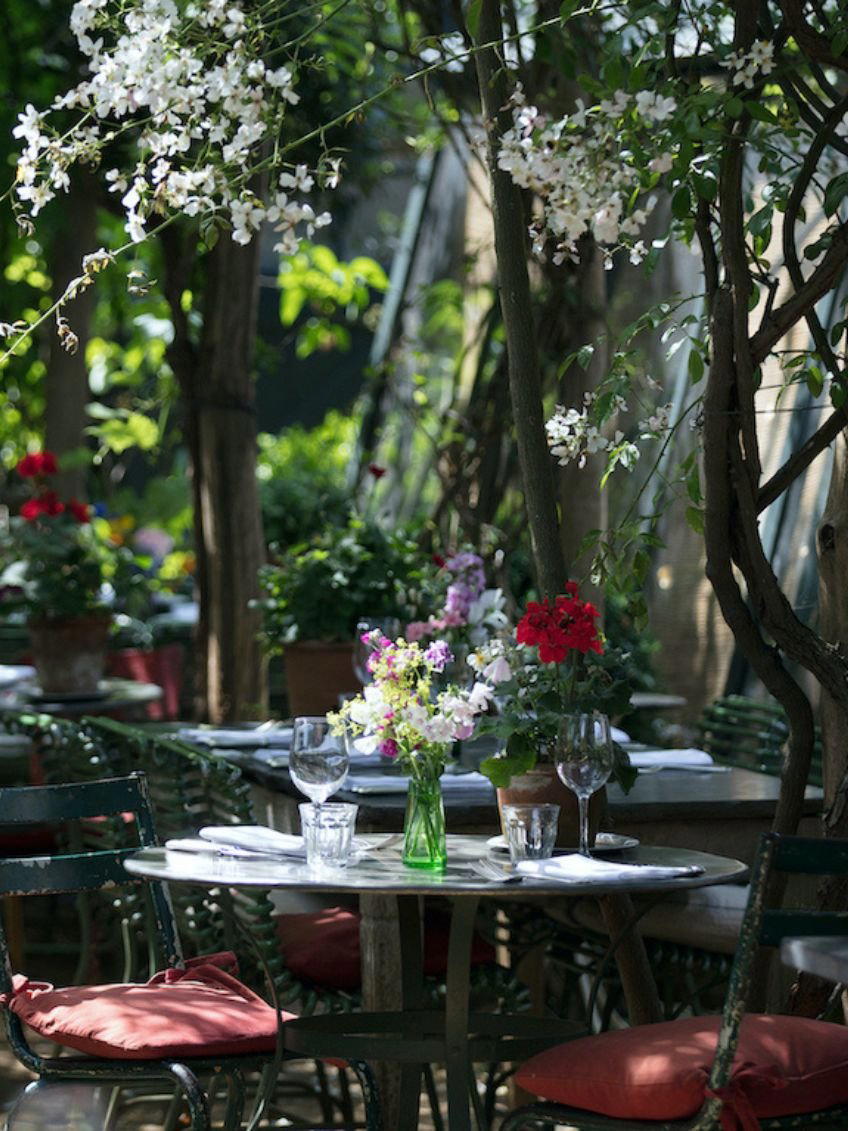
Hotels in Molitg-les-Bains
Browse all →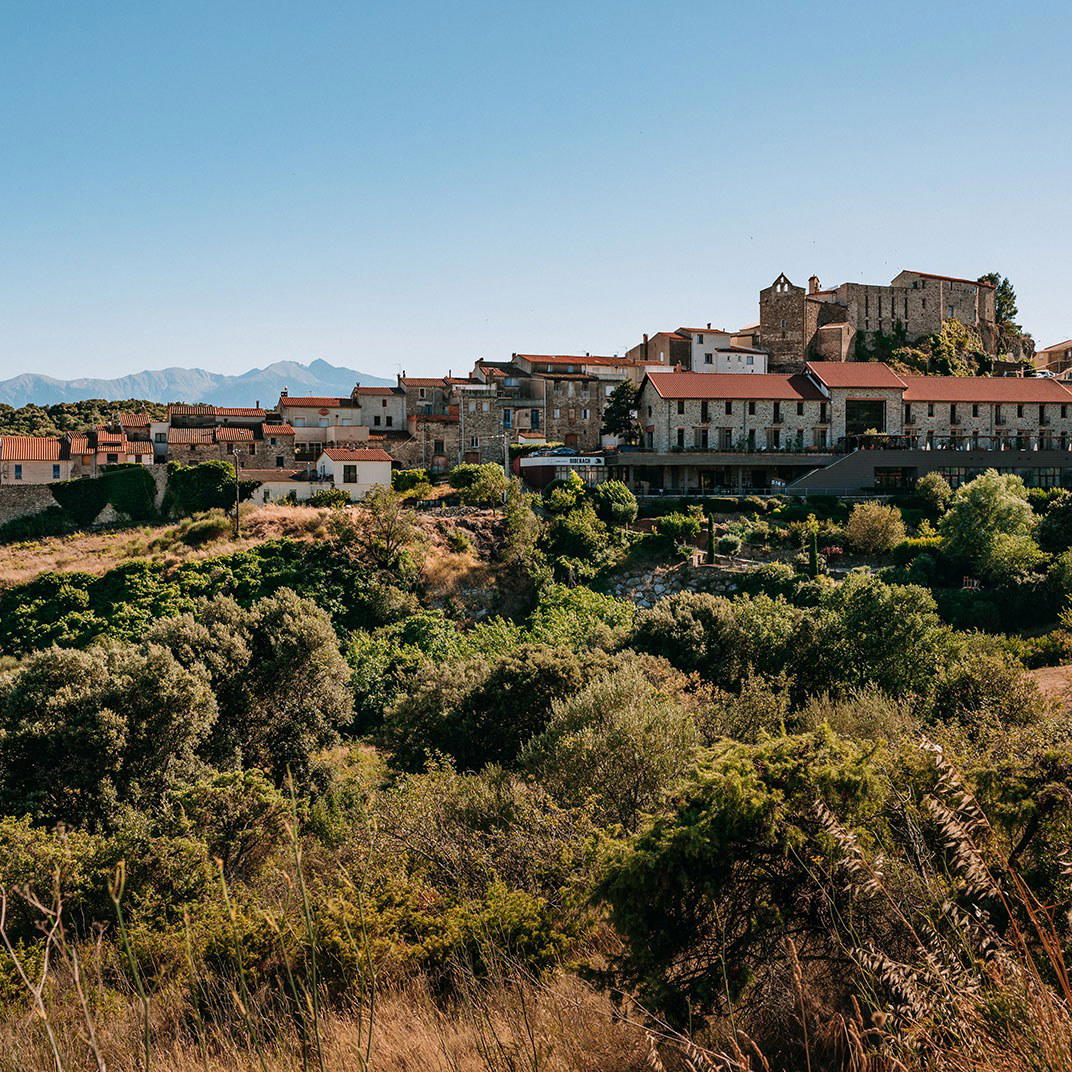

Details
- Romantic
- Elegant
- Scenic
- Cozy
- Sophisticated
- Date Night
- Special Occasion
- Historic Building
- Terrace
- Hotel Restaurant
- Local Sourcing
- Farm To Table
- Mountain
- Garden
- Tasting Menu
- Set Menu
Warm golden lighting from a vast open fireplace illuminates patinated plaster walls, antique furniture, and copper accents in an unusual hacienda-style setting.