Google: 4.7 · 540 reviews
Restaurant Quinta da Luz
Restaurant Quinta da Luz sits on Hauptstraße in Edingen-Neckarhausen, a small Rhine-Neckar municipality positioned between Heidelberg and Mannheim. The name signals Portuguese or Iberian sensibility in a town where independent restaurants operate at some remove from Germany's high-profile dining corridors. For travellers moving through the Heidelberg region, it represents a locally rooted alternative to the city-centre circuit.
 Discover on Pearl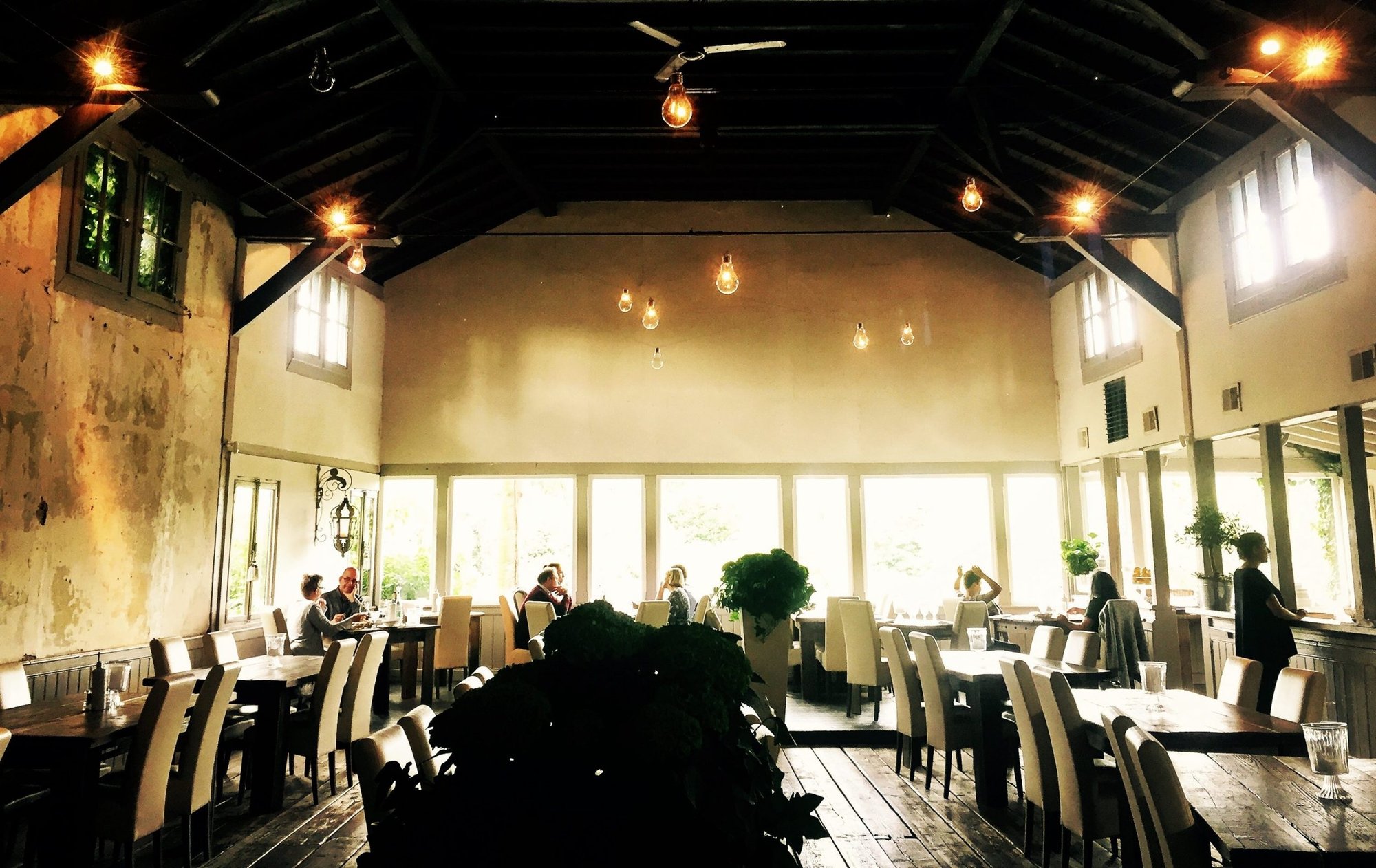
Edingen-Neckarhausen and the Question of Where Food Comes From
Small municipalities in the Rhine-Neckar metropolitan region rarely attract the dining attention that flows to Heidelberg or Mannheim, yet that distance from the main circuit is precisely what shapes the character of restaurants that survive in them. A restaurant on Hauptstraße in Edingen-Neckarhausen is not competing for the tourist euro or the conference-hotel overflow. Its regulars are local, returning, and generally more demanding of consistency than novelty. That context matters when reading any venue in this postcode.
Restaurant Quinta da Luz, addressed at Hauptstraße 332, operates within this frame. The name carries a clear Iberian register, pointing toward Portuguese culinary tradition in a corner of Baden-Württemberg where that reference is unusual enough to function as a genuine positioning choice rather than a trend-following one. In a region where the dominant dining idiom runs from Swabian-inflected German cooking toward the Franco-German classical register favoured by Michelin-decorated tables such as Schwarzwaldstube in Baiersbronn or Vendôme in Bergisch Gladbach, an Iberian-named independent represents a different set of sourcing logic entirely.
The Sourcing Logic Behind a Portuguese Name in Baden-Württemberg
Portuguese cooking, at its structural core, is ingredient-driven in a way that diverges from the French classical tradition. The emphasis falls on preserving and presenting primary product rather than transforming it through elaborate sauce architecture. Salt cod, grilled fish, slow-roasted meats, and seasonal vegetables prepared with restraint rather than elaboration are the genre's load-bearing elements. When that tradition travels to southern Germany, what arrives in the kitchen becomes the editorial question. Does the sourcing follow the flag, drawing on Iberian product and producers? Or does the Iberian frame become a culinary language applied to local Baden-Württemberg and Rhine-Neckar materials?
The most persuasive version of this kind of restaurant answers both demands simultaneously: regional produce interpreted through a sourcing philosophy that prizes quality and provenance over category convention. Comparable moves have been made at very different price points across Germany. Aqua in Wolfsburg imports product logic from multiple international traditions while maintaining rigorous product standards. At the neighbourhood level, the challenge is smaller in scale but not simpler in execution: the supplier relationships, the seasonal discipline, and the consistency of product handling matter just as much at a local restaurant as at a Michelin-decorated one.
For readers planning a visit to Quinta da Luz, the sourcing question is worth raising directly with the kitchen or front-of-house. In restaurants operating in this register, the answer to where the fish, the olive oil, and the seasonal vegetables originate tells you more about the restaurant's seriousness than any single dish description could.
The Physical Setting and What It Signals
Hauptstraße is a main-road address rather than a discovered-lane one. In towns of Edingen-Neckarhausen's scale, the main street carries the practical life of the community: the pharmacy, the bakery, the local butcher if one survives, and the restaurants that serve the surrounding residential neighbourhoods. A restaurant at number 332 on that axis is not positioned as an event destination reached by deliberate detour. It is a neighbourhood anchor, which implies a certain kind of service culture: direct, familiar, oriented toward making the evening easy rather than theatrical.
That setting places Quinta da Luz at some structural distance from the high-production-value dining formats that have come to define Germany's premium tier. Tables such as CODA Dessert Dining in Berlin or JAN in Munich operate with stage-managed environments and multi-course formats that require the diner to commit the full evening. A Hauptstraße restaurant in a Rhine-Neckar suburb invites a different kind of visit: more relaxed in format, more grounded in familiar hospitality codes, less oriented toward the singular-occasion logic of destination dining.
This is not a deficit. For travellers who have spent an afternoon in Heidelberg and want a dinner that sits outside the tourist-facing restaurant strip of the Altstadt, the short drive to Edingen-Neckarhausen produces exactly the kind of local-restaurant experience that guidebook circuits consistently miss. The comparison is not with Restaurant Haerlin in Hamburg or Victor's Fine Dining by Christian Bau in Perl. It is with the question of what a confident, independently operated restaurant in a small German town can do when it commits to a clear culinary identity.
Planning a Visit
Edingen-Neckarhausen sits roughly eight kilometres northeast of central Heidelberg, reachable by regional S-Bahn or by car along the B37 river road. For visitors based in Heidelberg, it is an accessible evening excursion rather than a dedicated journey. The address at Hauptstraße 332 is central to the township and walkable from the local train stop. Given the absence of confirmed booking data in EP Club's current record, confirming reservation availability directly with the restaurant before visiting is advisable, particularly on weekends when local demand tends to concentrate. Current hours, pricing, and any seasonal menu changes are leading verified at the point of planning. For a broader orientation to dining in the area, see our full Edingen-Neckarhausen restaurants guide.
Readers whose interests extend toward Germany's more formally recognised dining addresses will find relevant context in the EP Club coverage of Schanz in Piesport, ES:SENZ in Grassau, Waldhotel Sonnora in Dreis, Bagatelle in Trier, ammolite in Rust, ATAMA by Martin Stopp in Sankt Ingbert, AUGUST in Augsburg, and AURA by Alexander Herrmann and Tobias Bätz in Wirsberg. For international reference points in fine dining with strong sourcing philosophies, Le Bernardin in New York City and Atomix in New York City represent the kind of ingredient-focused commitment that the leading independent restaurants, at every price tier, orient themselves toward.
Comparable Spots, Quickly
These are the closest comparables we have in our database for quick context.
| Venue | Cuisine | Price | Awards | Notes |
|---|---|---|---|---|
| Restaurant Quinta da Luz | This venue | |||
| Aqua | Contemporary German, Italian/Japanese, Creative | €€€€ | Michelin 3 Star | Contemporary German, Italian/Japanese, Creative, €€€€ |
| Schwarzwaldstube | French, Classic French | €€€€ | Michelin 3 Star | French, Classic French, €€€€ |
| CODA Dessert Dining | Creative | €€€€ | Michelin 2 Star | Creative, €€€€ |
| Vendôme | Modern European, Creative | €€€€ | Michelin 2 Star | Modern European, Creative, €€€€ |
| Tantris | Modern French, French Contemporary | €€€€ | Michelin 2 Star | Modern French, French Contemporary, €€€€ |
Continue exploring
More in Edingen Neckarhausen
Restaurants in Edingen Neckarhausen
Browse all →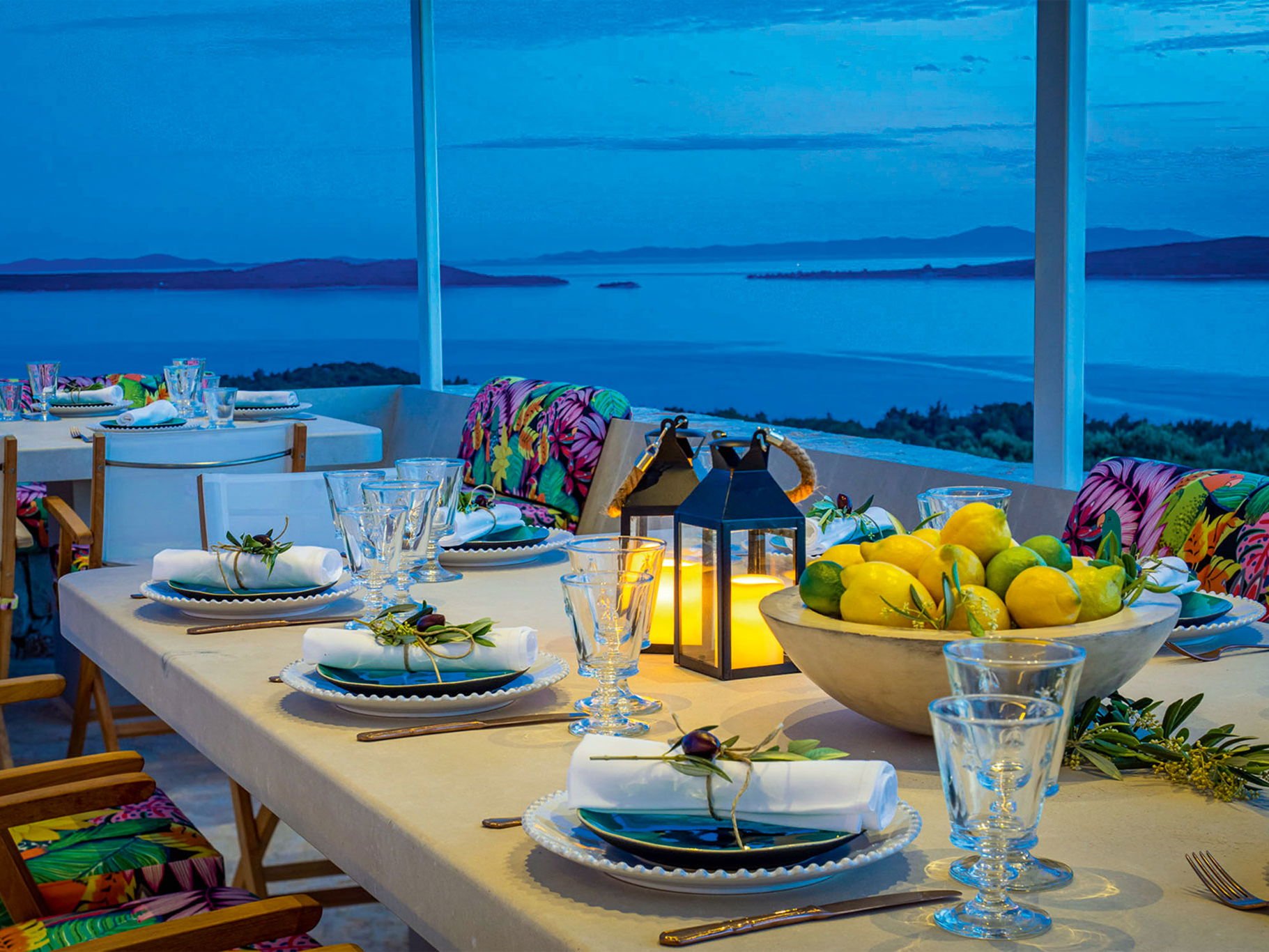
Hotels in Edingen Neckarhausen
Browse all →
At a Glance
- Cozy
- Rustic
- Scenic
- Elegant
- Date Night
- Family
- Special Occasion
- Terrace
- Waterfront
- Garden
- Extensive Wine List
- Local Sourcing
- Waterfront
- Garden
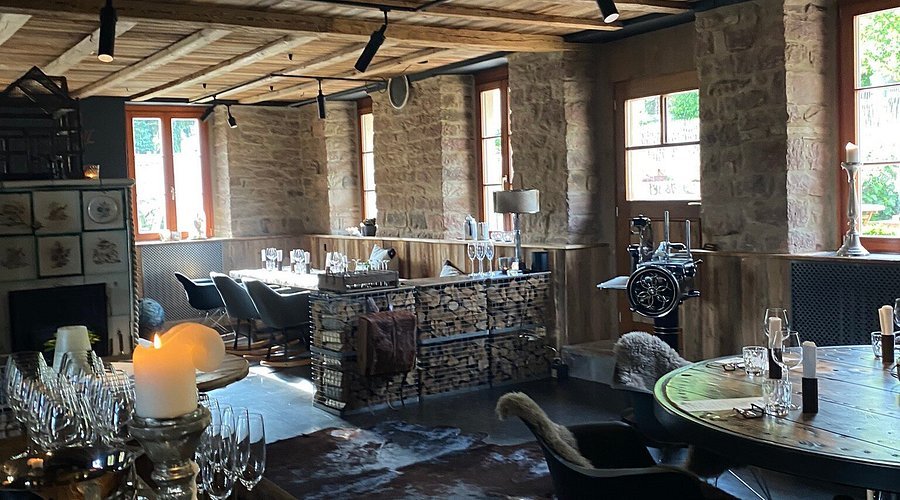
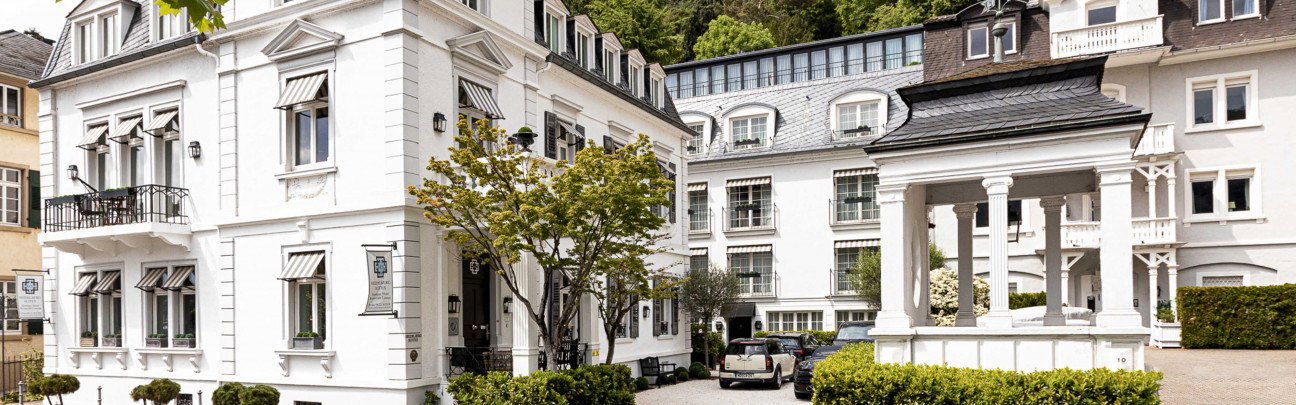
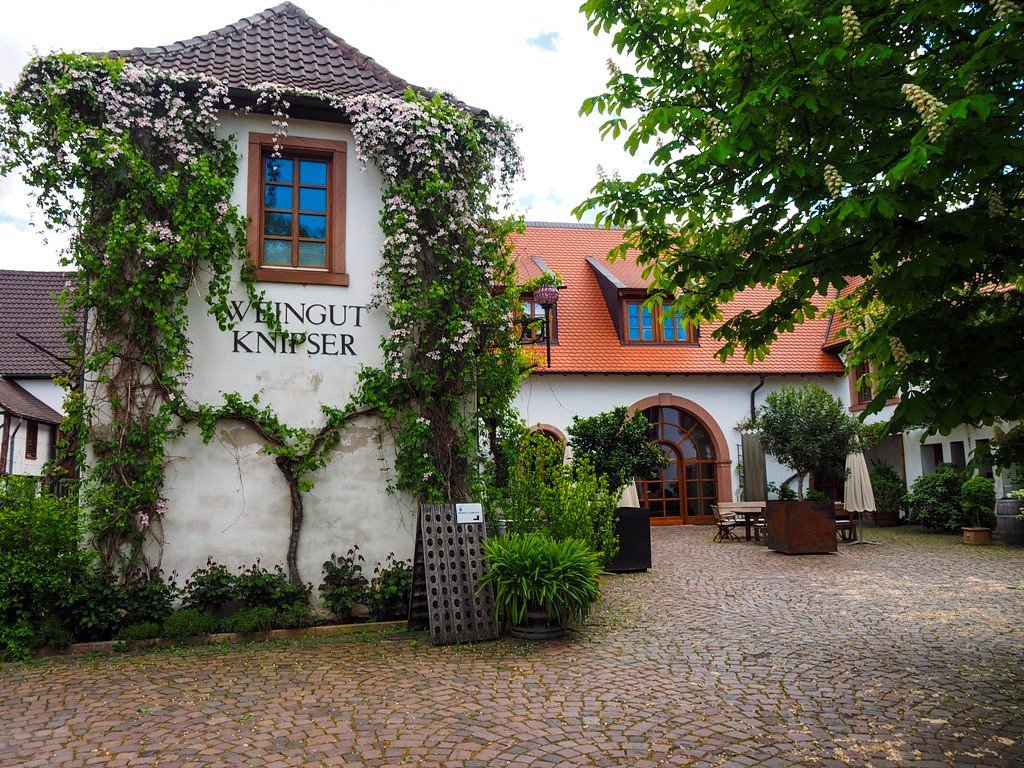
Warm and inviting with dark furniture, stone floors, whitewashed walls, and a cozy fireplace in winter; opens to airy summer spaces with river views and citrus trees.