On Fujin Street in Songshan District, Restaurant Pinecone occupies one of Taipei's most characterful dining neighbourhoods, where independent restaurants have replaced the area's older residential quietude. The address places it within a comparable set of format-driven dining rooms that reward advance planning, and the name alone has built enough word-of-mouth to make reservations a genuine consideration before any Taipei trip.
Pearl is the En Primeur Club membership app — saves, bookings, and concierge access live there. Same editors, same standards.
- Address
- No. 449號, Fujin St, Songshan District, Taipei City, Taiwan 105
- Phone
- +886 2 2765 0386
- Website
- r-pinecone.com
- Directions
- Get directions
 Saves & bookings on Pearl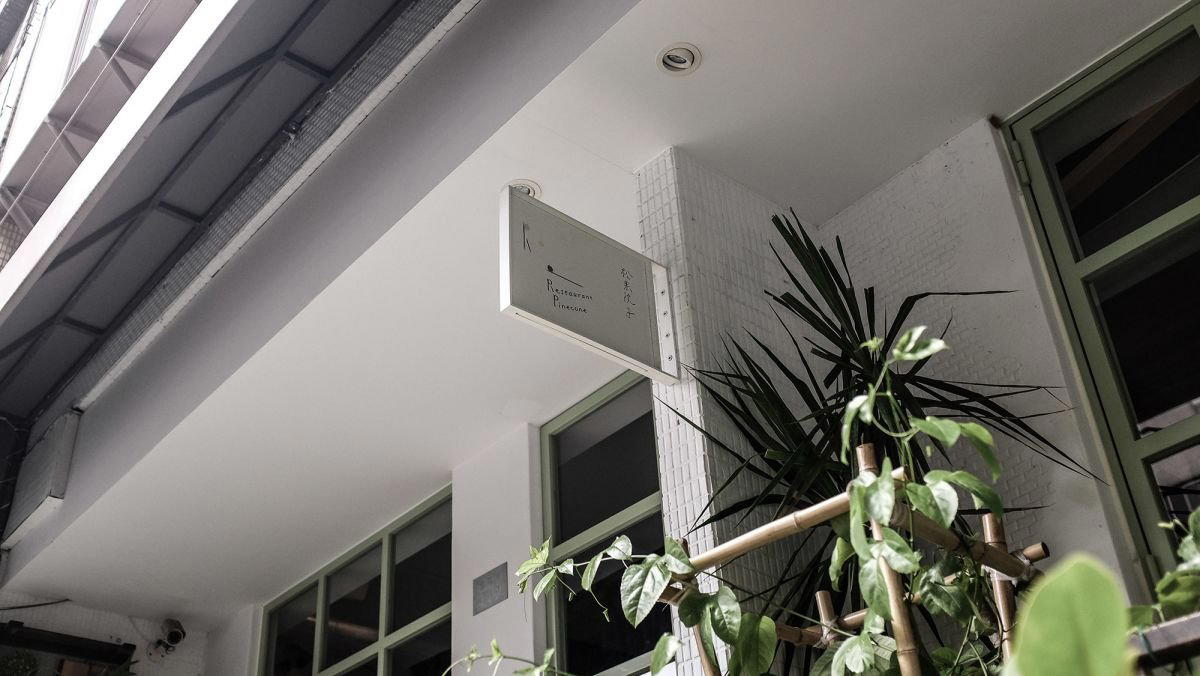
Fujin Street and the Neighbourhood That Shaped It
Restaurant Pinecone is a Modern Taiwanese Bistro in Taipei's Songshan District, with a casual dress code, recommended reservations, and an average price of about US$25 per person. Songshan District's Fujin Street corridor has, over the past decade, become one of Taipei's more quietly serious dining addresses. The street itself is low-rise and residential in character, lined with independent operators rather than mall anchors or hotel dining rooms. It is the kind of neighbourhood where the absence of obvious signage is a design choice, where the question of whether a restaurant takes walk-ins is worth answering before you leave your hotel. Restaurant Pinecone sits on this street at No. 449, Fujin Street, and the address carries its own shorthand among the city's attentive diners.
Fujin Street belongs to a broader pattern visible across Taipei's mid-century residential zones: as the city's serious dining scene expanded beyond Xinyi and Da'an, it colonised quieter streets where rent allowed for smaller, more format-focused rooms. The venues that have established themselves here tend to operate with deliberate capacity, where the quality of each service is more consequential than throughput.
Where Pinecone Sits in Taipei's Dining Tier
Taipei's fine-dining tier has matured considerably since the early 2010s, when international coverage of the city focused almost exclusively on its night markets and beef noodle shops. The city now runs a credible list of destination restaurants across multiple cuisines and price points. At the leading end, venues like logy (Modern European and Asian Contemporary) and Taïrroir (Taiwanese-French contemporary) have attracted sustained international attention, while long-established operators like Le Palais (Cantonese) anchor the traditional fine-dining bracket. Spanish contemporary is represented by Molino de Urdániz, and French classicism by L'Atelier de Joël Robuchon Taipei. Each of these operates within a defined competitive set, priced and formatted accordingly.
Restaurant Pinecone, positioned on Fujin Street rather than within the dense Xinyi dining cluster, occupies a slightly different register: close enough to the city's serious dining conversation to be considered in the same breath, but with a neighbourhood identity that shapes the experience before a guest even opens the door. In a city where the distinction between a hotel dining room and a chef-driven independent carries real meaning, the Fujin Street address signals the latter.
The Team Dynamic at the Centre of the Room
One consistent differentiator between restaurants that sustain long-term attention and those that fade after an opening flush is rarely a single signature dish or a celebrated chef name. It is the coherence of the team operating the room: the alignment between kitchen output, floor pacing, and the beverage program that either reinforces or undermines what arrives on the plate.
At the level of dining that Fujin Street's better operators aspire to, the sommelier function is not decorative. Wine and beverage pairing in this tier of Taipei dining tends to reflect the same hybrid logic as the food: a combination of European training standards and a practical attentiveness to the specific preferences of Taiwanese guests, who often bring their own reference points to a meal. The front-of-house pacing question is equally consequential. A service team that reads the room well can sustain the rhythm of a longer tasting format without the meal feeling either rushed or stalled. Restaurants in this category live or die on that calibration.
Comparable team-driven formats, from Le Bernardin in New York City to Lazy Bear in San Francisco, demonstrate that sustained reputations of destination restaurants almost always reflect collaborative execution rather than individual genius. The kitchen, the floor, and the cellar have to be operating toward the same outcome. At venues that hold this standard, the team becomes the product as much as the menu.
Taiwan's Wider Dining Geography
A Taipei restaurant exists within a national dining scene that has grown in ambition and visibility. Beyond the capital, Taiwan's serious dining options have expanded into other cities and regions. JL Studio in Taichung has drawn sustained attention for its Singapore-rooted approach to Taiwanese ingredients. GEN in Kaohsiung and Amei in Tainan each reflect the regional character of their cities. Further afield, Akame in Wutai Township has become a reference point for indigenous ingredient-led cooking, and Shen Yen in Yilan attracts visitors willing to travel from Taipei for a single meal. For accommodation with a culinary dimension outside the city, Volando Urai Spring Spa and Resort in Wulai District offers an alternative frame for the Taiwan dining trip.
Closer to Taipei, Chi Yuan in New Taipei and Bebu in Hsinchu County represent the growing density of serious operators outside the capital proper. Even a functional stop like Dongmen Rice Noodle Soup in Hsinchu City or Abura Yakiniku in Taichung City points to the depth of Taiwan's food culture beyond its headline venues. Our full Taipei restaurants guide maps this landscape in detail.
Planning a Visit
The restaurant is located at No. 449, Fujin Street, Songshan District, Taipei City 105. The Fujin Street area is walkable from Songshan station on the Wenhu Line, placing the restaurant within reasonable reach of central Taipei without requiring a dedicated taxi ride, though most visitors arriving from Xinyi or Da'an will find ride-hailing the more practical option. Reservations are recommended. Songshan's better independents operate at capacities where a same-day walk-in is rarely a viable strategy, and the restaurants that attract out-of-town visitors are the last to have flexibility on short notice.
A Pricing-First Comparison
Comparable venues nearby, for context on price, style, and recognition.
| Venue | Cuisine | Price | Notes |
|---|---|---|---|
| Restaurant PineconeThis venue — the venue you are viewing | Fujin, Modern Taiwanese Bistro | $$ | Not listed |
| Wistaria Tea House | Longpo, Traditional Taiwanese Tea House | $$ | Not listed |
| ååé åº-é¢å®« | Jianming, Taiwanese Izakaya | Not listed | Not listed |
| 養心殿精緻鍋物 | Not listed | $$$ | Da'an District, Refined Taiwanese Hot Pot |
| å°é ä¹å®¶ | Not listed | Not listed | Xinzhuang, Taiwanese Home-Style Restaurant |
| Chan Chi Hot Pots Lab (詹記麻辣鍋) | Huxiao, Sichuan Hot Pot | $$ | Not listed |
Continue exploring
More in Taipei
Restaurants in Taipei
Browse all →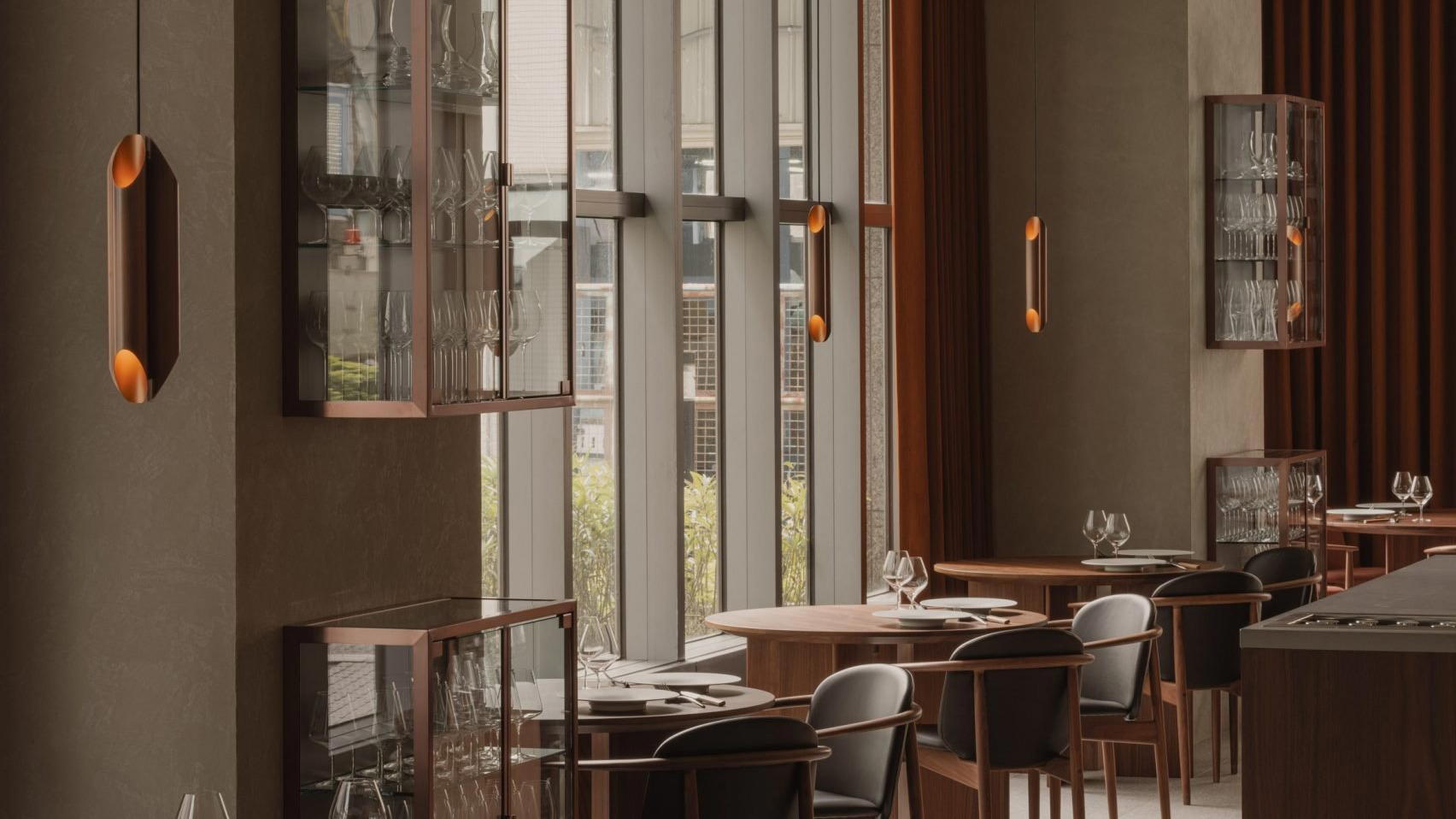
Bars in Taipei
Browse all →
Hotels in Taipei
Browse all →
Wineries in Taipei
Browse all →
At a Glance
- Cozy
- Trendy
- Casual Hangout
- Organic
Current opening hours
- Monday
- 11:30 AM–9 PM
- Tuesday
- 11:30 AM–9 PM
- Wednesday
- 11:30 AM–9 PM
- Thursday
- 11:30 AM–9 PM
- Friday
- 11:30 AM–9 PM
- Saturday
- 11:30 AM–9 PM
- Sunday
- 11:30 AM–9 PM
Hours can change for holidays and private events. Last verified .
Warm and relaxed atmosphere with comfortable dining.