Chan Chi Hot Pots Lab (詹記麻辣鍋) on He Ping East Road in Da'an District is one of Taipei's most discussed addresses for Sichuan-style mala hot pot. The format centers on communal cooking at the table, with broth depth and spice calibration as the main measures of quality. It sits in a neighborhood better known for its café culture and fine-dining rooms, which makes the format choice a deliberate statement.
Pearl is the En Primeur Club membership app — saves, bookings, and concierge access live there. Same editors, same standards.
- Address
- 106, Taiwan, Taipei City, Da’an District, 和平東路三段60號
- Phone
- +886 2 2377 7799
- Website
- facebook.com
- Directions
- Get directions
 Saves & bookings on Pearl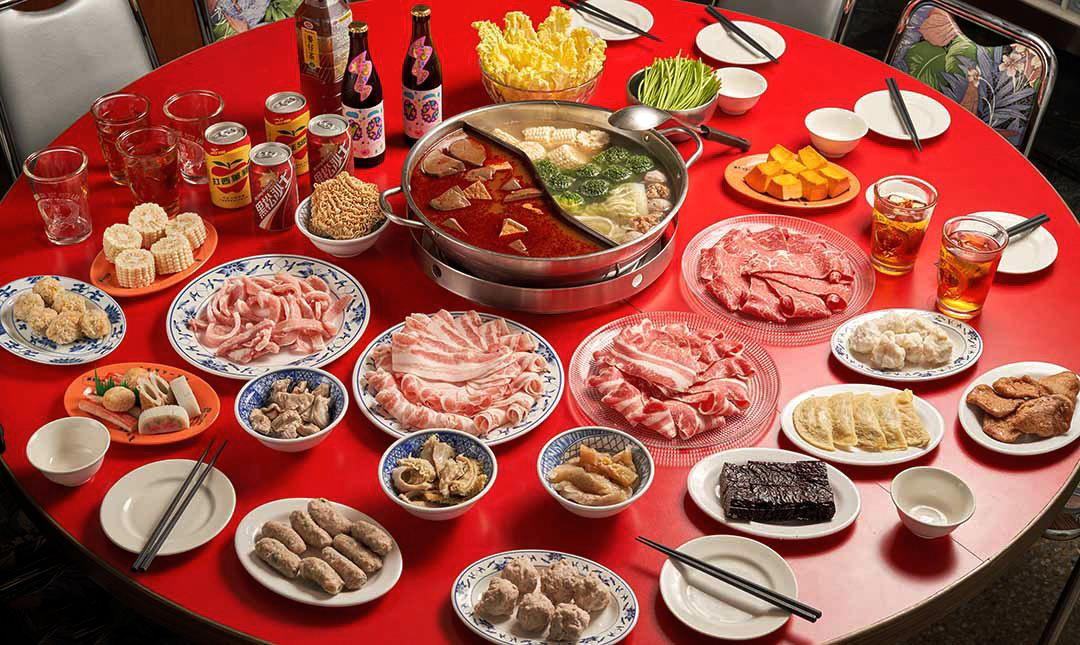
Mala at the Counter: Hot Pot as a Serious Proposition in Da'an
He Ping East Road in Da'an District runs through one of Taipei's denser residential and commercial corridors, a stretch where Japanese-influenced cafés, noodle houses, and mid-century apartment blocks share pavement with the occasional fine-dining sign. Chan Chi Hot Pots Lab (詹記麻辣鍋) has built a strong following from this location. The room signals its intentions before the broth arrives: the name carries the word "Lab," and in Taipei's dining shorthand, that framing sets an expectation of precision over informality.
Mala hot pot belongs to a tradition rooted in Sichuan and Chongqing, where the pairing of Sichuan peppercorn (huā jiāo) and dried chili produces the numbing-heat sensation the name describes. The cuisine arrived in Taiwan through migration and culinary exchange over decades, eventually developing a local character that distinguishes Taiwanese mala from its mainland counterparts, lighter in some respects, adapted to local ingredient sourcing, and shaped by a clientele that treats heat tolerance as a personal benchmark rather than a cultural baseline. Taipei's better hot pot addresses compete primarily on broth quality, ingredient freshness, and the calibration of spice tiers, rather than on theatrical presentation or tasting-menu architecture.
The Format and What It Demands of the Table
Hot pot is inherently communal, and that social contract shapes everything about how a specialist room like Chan Chi operates. The table is the kitchen, the broth is the constant, and the sequence of ingredients introduced by the diners themselves becomes a form of collective decision-making. In more ambitious hot pot contexts, the base broth is treated with the same seriousness a French kitchen might apply to a stock: long reduction, fat management, spice bloom timing. The question at any serious mala address is whether the broth holds complexity across a two-hour meal or flattens into single-note heat by the midpoint.
Da'an's dining demographic skews toward residents who eat out frequently and make comparisons quickly. For that audience, the "Lab" framing at Chan Chi is either a promise or a provocation, depending on execution. The address on He Ping East Road Section 3 places it in the southern reaches of the district, a few blocks from the cultural institutions and school campuses that give Da'an its particular mix of students, academics, and longer-term residents. This is not the tourist-facing part of Taipei's dining scene, it functions for a local repeat clientele, which tends to produce more consistent kitchen discipline than venues built around first-impression traffic.
Taipei's Hot Pot Tier and Where Chan Chi Sits
Taipei's hot pot market runs across a wide price and format spectrum. At the entry level, conveyor-belt and set-menu chains provide standardized broths and pre-portioned ingredient plates. In the middle tier, single-location specialists differentiate on broth recipes and premium protein sourcing. At the upper end, a smaller number of addresses treat the format with the kind of ingredient specificity, Wagyu cuts, aged seafood, hand-cut vegetables, that pushes ticket prices toward the range of a mid-range tasting menu. Chan Chi's Da'an positioning and its "Lab" identity signal an orientation toward that more considered middle-to-upper segment.
This places it in a different competitive set from Taipei's fine-dining rooms: venues like logy, Taïrroir, or Le Palais operate in a tasting-menu format where the chef controls every variable. At a hot pot specialist, control is shared with the diner, and the kitchen's achievement is in creating the conditions for a good meal rather than delivering one prescriptively. L'Atelier de Joël Robuchon and Molino de Urdániz represent the formal European end of Taipei's dining ambitions; Chan Chi represents something structurally different, a format rooted in collective participation rather than individual presentation.
For context across Taiwan's broader dining scene, JL Studio in Taichung and GEN in Kaohsiung illustrate how different cities have developed distinct fine-dining identities, while addresses like Amei in Tainan show how tradition-led formats can anchor serious reputations without adopting Western tasting-menu conventions. Chan Chi belongs to that second tradition: format-committed, ingredient-led, and measured against the internal standards of its own genre rather than against cross-category comparisons.
Planning a Visit
Chan Chi Hot Pots Lab sits at 和平東路三段60號 in Da'an District, a direct address to reach via the MRT Brown Line or by taxi from central Taipei. Da'an is well-served by public transport, and the He Ping East Road corridor is navigable on foot from several station exits. Reservations are essential, particularly for weekend evenings when Taipei's hot pot rooms fill early. Groups of four tend to be the natural hot pot unit, but the format accommodates pairs without structural awkwardness.
Elsewhere in the region, Chi Yuan in New Taipei and Volando Urai Spring Spa & Resort in Wulai District offer contrasting format experiences worth considering as part of a longer Taiwan itinerary. Further afield, Bebu in Hsinchu County, Akame in Wutai Township, Shen Yen in Yilan, Abura Yakiniku in Taichung City, and Dongmen Rice Noodle Soup in Hsinchu City each represent distinct points on Taiwan's dining map.
Le Bernardin in New York City represents the opposite end of the control spectrum, useful context for understanding why the hot pot format's intentional surrender of kitchen control is a feature rather than a limitation.
Comparable Spots, Quickly
Comparable venues nearby, for context on price, style, and recognition.
| Venue | Cuisine | Price | Notes |
|---|---|---|---|
| Chan Chi Hot Pots Lab (詹記麻辣鍋)This venue — the venue you are viewing | Sichuan Hot Pot | $$ | Not listed |
| 京星港式飲茶二 | Hong Kong-style Dim Sum | $$ | Da_an |
| 鮨 嘉仁 | Hong Kong Chinese | $$$ | Zhongji |
| Shengred Hotpot | Shantou Seafood Hotpot | $$$ | Minfu |
| 施家鮮肉湯圓 | Chinese Dim Sum | $$ | Guoshun |
| Hawker Chan | Hong Kong Soya Sauce Chicken Rice & Noodle | $ | Mingde |
Continue exploring
More in Taipei
Restaurants in Taipei
Browse all →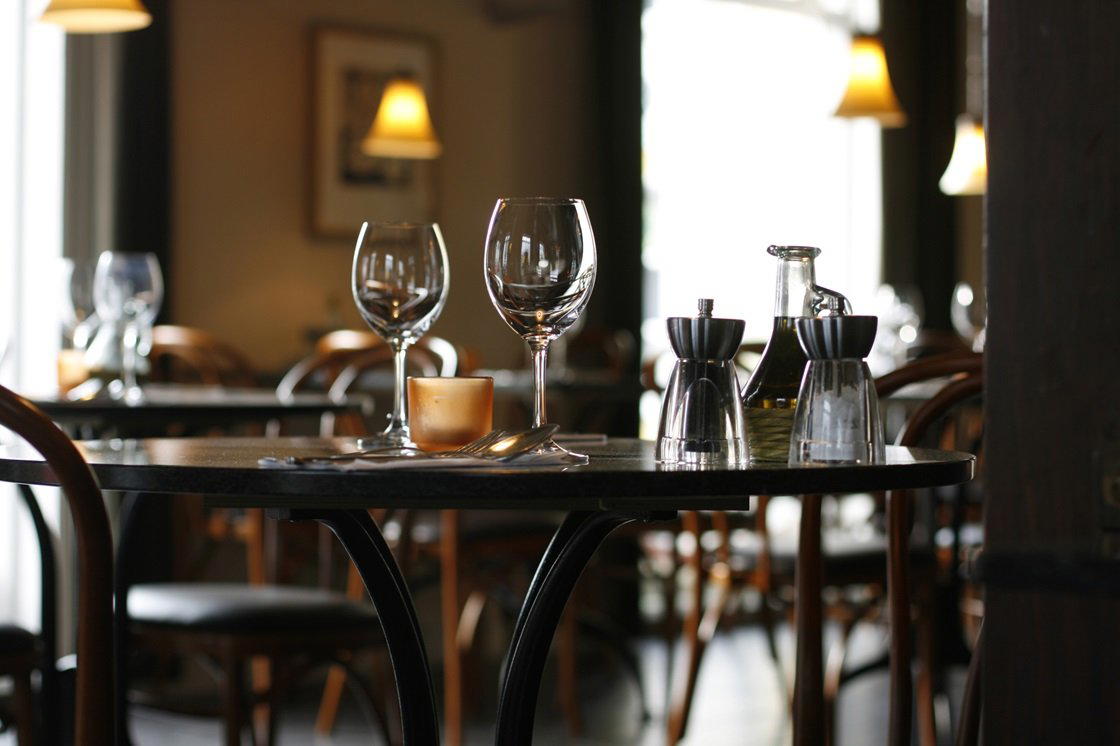
Bars in Taipei
Browse all →
Hotels in Taipei
Browse all →
Wineries in Taipei
Browse all →
At a Glance
- Trendy
- Lively
- Well Known
- Group Dining
- Casual Hangout
- Late Night
- Open Kitchen
Current opening hours
- Monday
- 12 PM–1 AM
- Tuesday
- 12 PM–1 AM
- Wednesday
- 12 PM–1 AM
- Thursday
- 12 PM–1 AM
- Friday
- 12 PM–1 AM
- Saturday
- 12 PM–1 AM
- Sunday
- 12 PM–1 AM
Hours can change for holidays and private events. Last verified .
Grim, utilitarian decor with fiery red interior; casual and energetic atmosphere typical of a popular hot pot establishment.