Restaurant Pfeffermühle
A village restaurant on Kirchberg in Tirol's Lendstraße, Restaurant Pfeffermühle sits within the quiet residential grain of an alpine town better known for ski slopes than dinner tables. The address places it away from the resort strip, suggesting a local-first orientation that distinguishes it from the après-ski dining circuit serving the same valley.
Pearl is the En Primeur Club membership app — saves, bookings, and concierge access live there. Same editors, same standards.
- Address
- Lendstraße 4, 6365 Kirchberg in Tirol, Austria
- Phone
- +435357222257
- Website
- pfeffermuehle-kirchberg.at
- Directions
- Get directions
 Saves & bookings on Pearl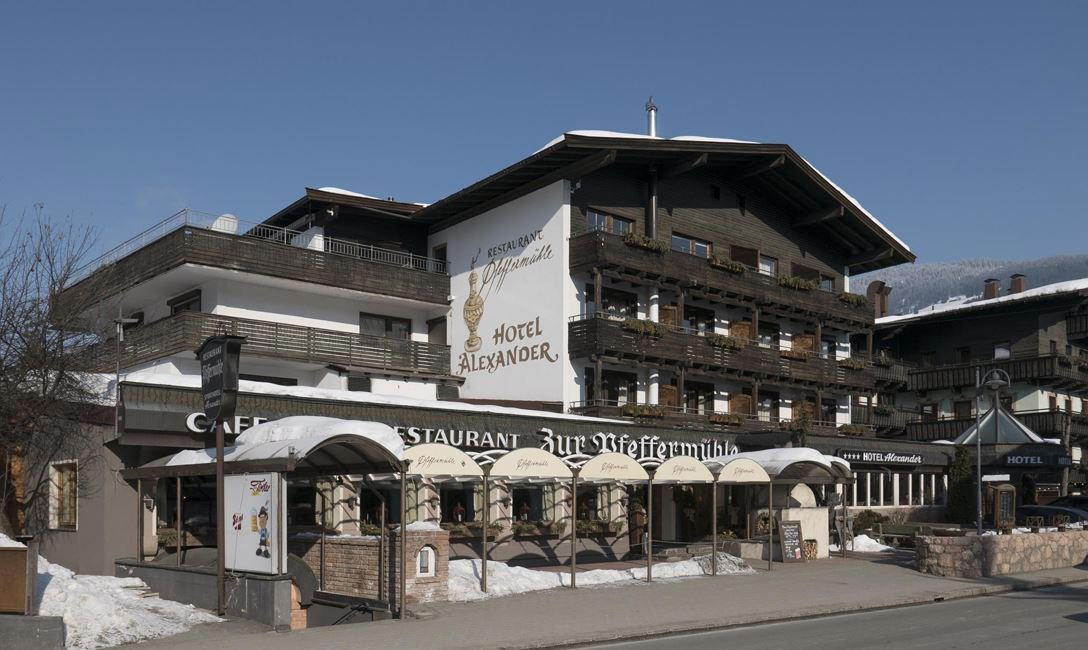
Where Alpine Villages Keep Their Tables
The dining culture of Austria's Tirolean valleys has always operated on two registers: the high-visibility mountain hut or hotel restaurant built for seasonal ski traffic, and the quieter village table that earns its reputation almost entirely through word of mouth. Kirchberg in Tirol sits in the Brixental, a valley shared with Kitzbühel but carrying a noticeably different social temperature, less celebrity, more working alpine town. It is in this second register that Restaurant Pfeffermühle on Lendstraße 4 occupies its position, away from the resort-hotel corridor and embedded in the residential fabric of the village itself.
That geography matters. Austrian alpine gastronomy at its most interesting rarely happens in the places that market themselves hardest. The Tirolean tradition of Wirtshausküche, the cooking of the inn rather than the grand hotel, prizes directness: a dish of Tafelspitz or a plate of Tiroler Gröstl calibrated to satisfy rather than impress. Whether Pfeffermühle anchors itself to that tradition or moves toward a more contemporary register, the village address signals a certain kind of hospitality, one that doesn't need the ski season crowd to validate itself.
The Broader Context: Austrian Alpine Dining and Its Tiers
To understand where a restaurant like Pfeffermühle fits, it helps to map the broader Austrian alpine dining scene. At one end sit the destination kitchens that have drawn international attention: Steirereck im Stadtpark in Vienna and Obauer in Werfen operate with the kind of sustained critical recognition that generates multi-month booking windows. In the alpine resort tier, Griggeler Stuba in Lech and Gourmetrestaurant Tannenhof in Sankt Anton am Arlberg demonstrate how Vorarlberg and Tirol's wealthier resort addresses have developed a distinct fine-dining tier designed to match international ski clientele expectations.
Kirchberg sits in a different bracket. It shares a lift system with Kitzbühel, one of the Alps' most recognised ski addresses, but has not developed the same density of destination restaurants. That gap has been filled partly by local Gasthäuser and partly by establishments like Stubn 1972 (Classic Cuisine), which occupies the classic cuisine tier at the €€€ price point and gives the town a more polished reference point. Pfeffermühle's positioning within this same town invites the question of differentiation: where one restaurant does classic Austrian cookery at a certain price and formality, a neighbouring address must find its own lane.
Elsewhere in Tirol and the broader Austrian alpine corridor, Schwarzer Adler in Hall in Tirol and Restaurant 141 by Joachim Jaud in Mieming represent the kind of chef-driven projects that have emerged in smaller Tirolean towns, drawing on local produce and alpine seasonality to build something beyond the Gasthaus format. Döllerer in Golling an der Salzach has made the argument most forcefully that alpine Austria can produce cooking with genuine creative ambition while remaining tethered to mountain tradition.
The Cultural Logic of Tirolean Cooking
Austrian alpine cuisine carries specific cultural weight that any serious restaurant in the region either works with or works against. The pantry is defined by the calendar: spring herbs from mountain meadows, summer dairy from high pastures, game and root vegetables through autumn, preserved and cured traditions carrying larders through winter. The grain of the cooking is hearty and fat-forward by historical necessity, generations of physical labour in cold conditions shaped a cuisine that delivers energy efficiently. That history doesn't disappear when a kitchen turns contemporary, and the leading Tirolean cooking acknowledges it directly.
The spice reference in the name Pfeffermühle (literally, pepper mill) connects to a long European tradition of seasoning as a marker of distinction. Black pepper was once expensive enough to matter symbolically; today the name functions as a signal of flavour attentiveness rather than historical literalism. In an alpine village context, that signal, a willingness to season confidently, can read as a small promise about the kitchen's intentions.
Restaurants in this region navigating the space between tradition and modernity often look to what Ikarus in Salzburg or Kräuterreich by Vitus Winkler in Sankt Veit im Pongau have demonstrated: that Austrian alpine ingredients can sustain a genuinely contemporary vocabulary without abandoning their regional logic. Ois in Neufelden and Landhaus Bacher in Mautern an der Donau extend this further, showing how Austrian regional cooking has developed serious critical credibility well beyond the ski resort circuit.
Kirchberg's Local Table: Where Pfeffermühle Sits
Within Kirchberg itself, the dining options cluster into identifiable categories. The mountain-hut experience is well served by Bärstattalm, which carries the altitude and informality of the traditional alm format. Maierl-Alm occupies a similar position in the mountain-dining register. For visitors oriented toward the village rather than the slopes, the choice between Pfeffermühle and Stubn 1972 becomes the relevant comparison, a question of format, price point, and what kind of evening makes sense against the alpine backdrop.
The Lendstraße address keeps Pfeffermühle inside the village logic rather than the resort logic. That distinction is not trivial: restaurant audiences in Austrian village settings often skew heavily local and repeat-visit rather than one-time tourist. A kitchen that reads this dynamic correctly builds a menu around reliability and seasonal honesty rather than novelty. For the full picture of what Kirchberg's dining scene offers, our full Kirchberg in Tirol restaurants guide maps the options across categories.
Planning Your Visit
Kirchberg in Tirol operates on two distinct seasonal peaks, winter ski season (roughly December through March) and summer walking season (late June through September), with shoulder months considerably quieter. Any restaurant in the village calibrates its rhythm around this pattern, and Pfeffermühle at Lendstraße 4 is no exception. Visitors arriving outside peak season should confirm current hours and availability directly before making plans, as alpine village restaurants frequently adjust their schedules based on seasonal demand.
Booking and Cost Snapshot
Comparable venues nearby, for context on price, style, and recognition.
| Venue | Cuisine | Price | Awards | Notes |
|---|---|---|---|---|
| Restaurant PfeffermühleThis venue — the venue you are viewing | Not listed | $$$ | Not listed | Not listed |
| Maierl-Alm | Not listed | $$$ | Not listed | Kirchberg in Tirol, Modern Tyrolean Alpine Cuisine |
| Bärstattalm | Gaisberg, Traditional Tyrolean | $$ | Not listed | Not listed |
| Stubn 1972 | Kirchberg in Tirol, Contemporary Alpine | $$$ | Michelin Plate | Not listed |
| DieMarie | Zell am Ziller, Modern Austrian | $$$ | Not listed | Not listed |
| Wiegalm | Sonnberg, Austrian Mountain Hut | $$$ | Not listed | Not listed |
Continue exploring
More in Kirchberg in Tirol
Restaurants in Kirchberg in Tirol
Browse all →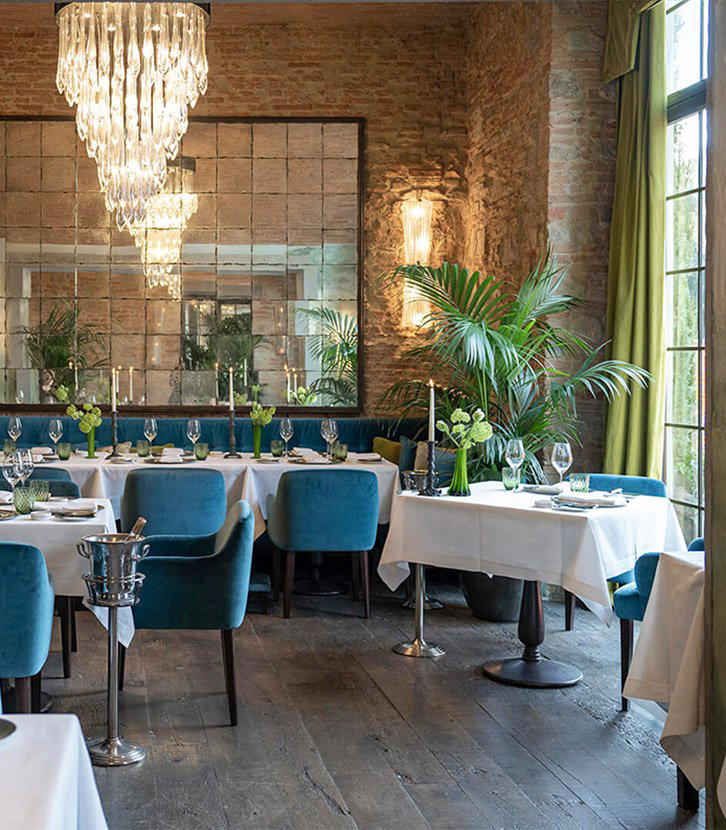
Bars in Kirchberg in Tirol
Browse all →


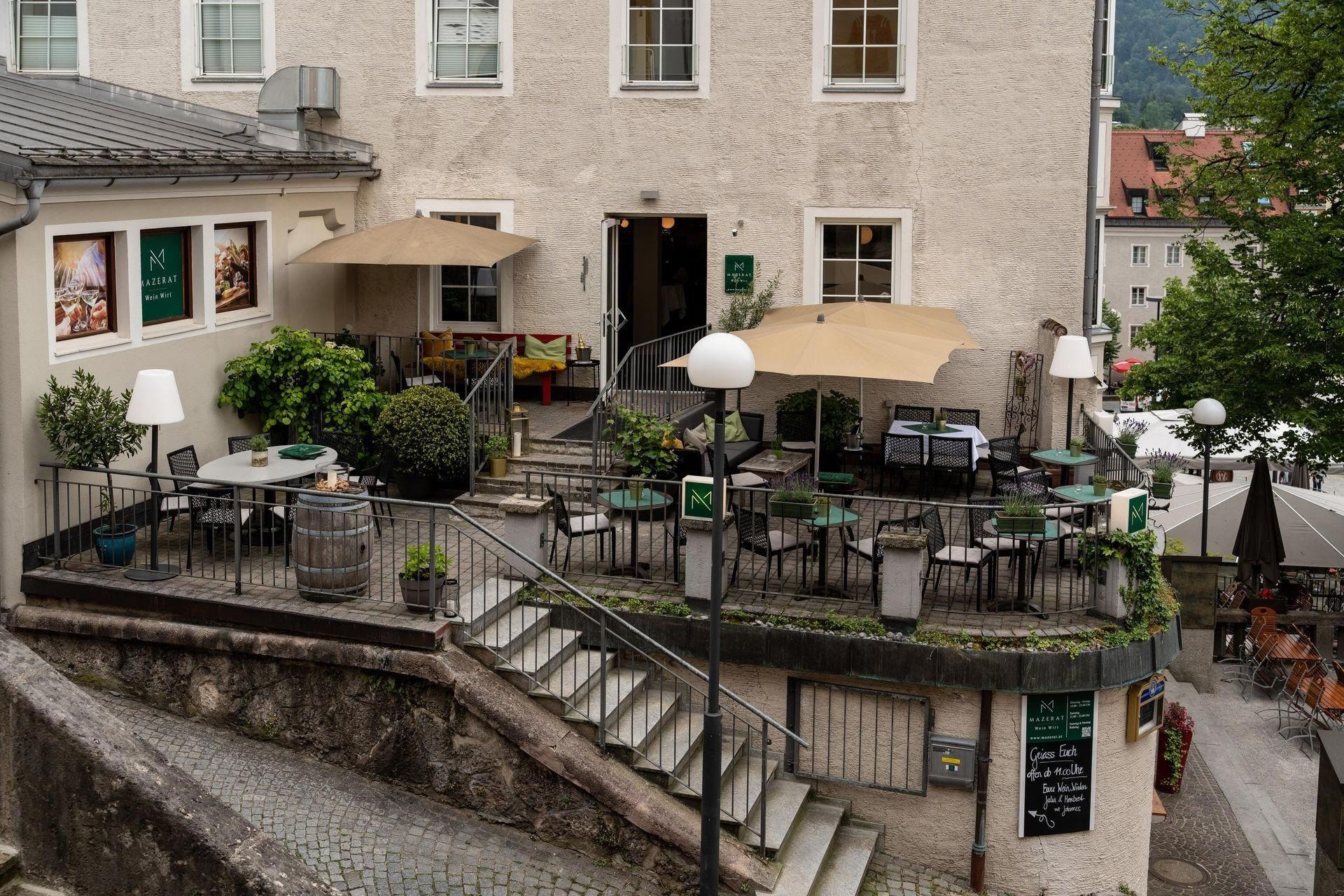
Hotels in Kirchberg in Tirol
Browse all →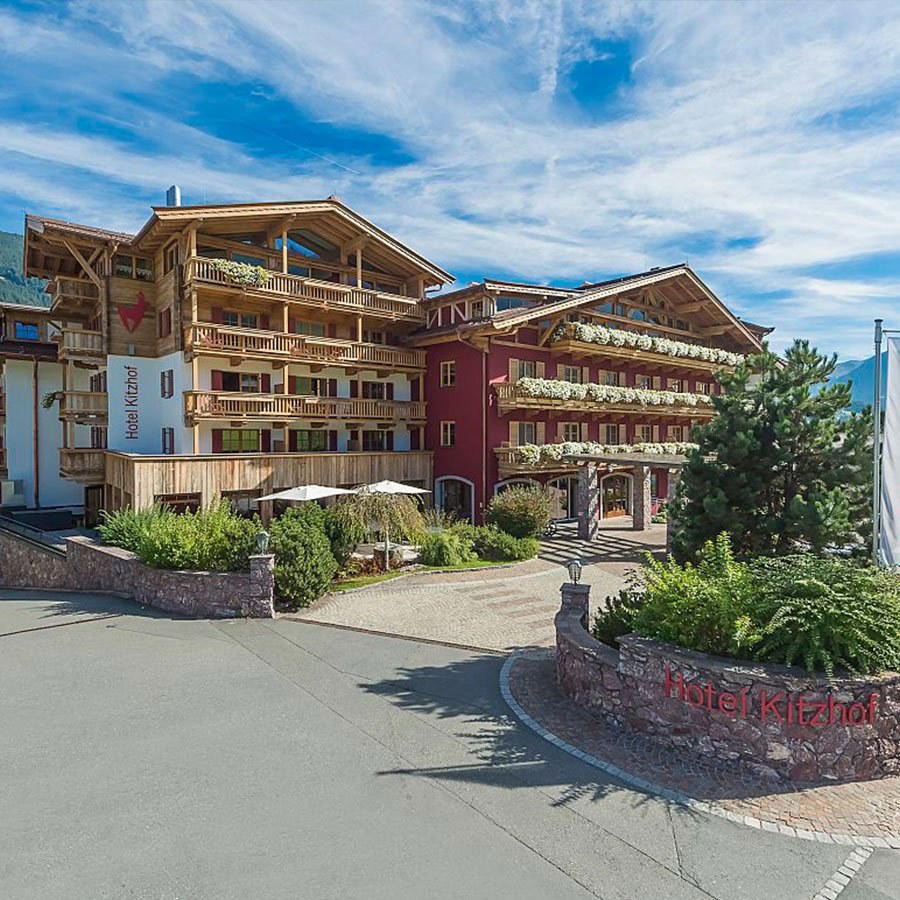
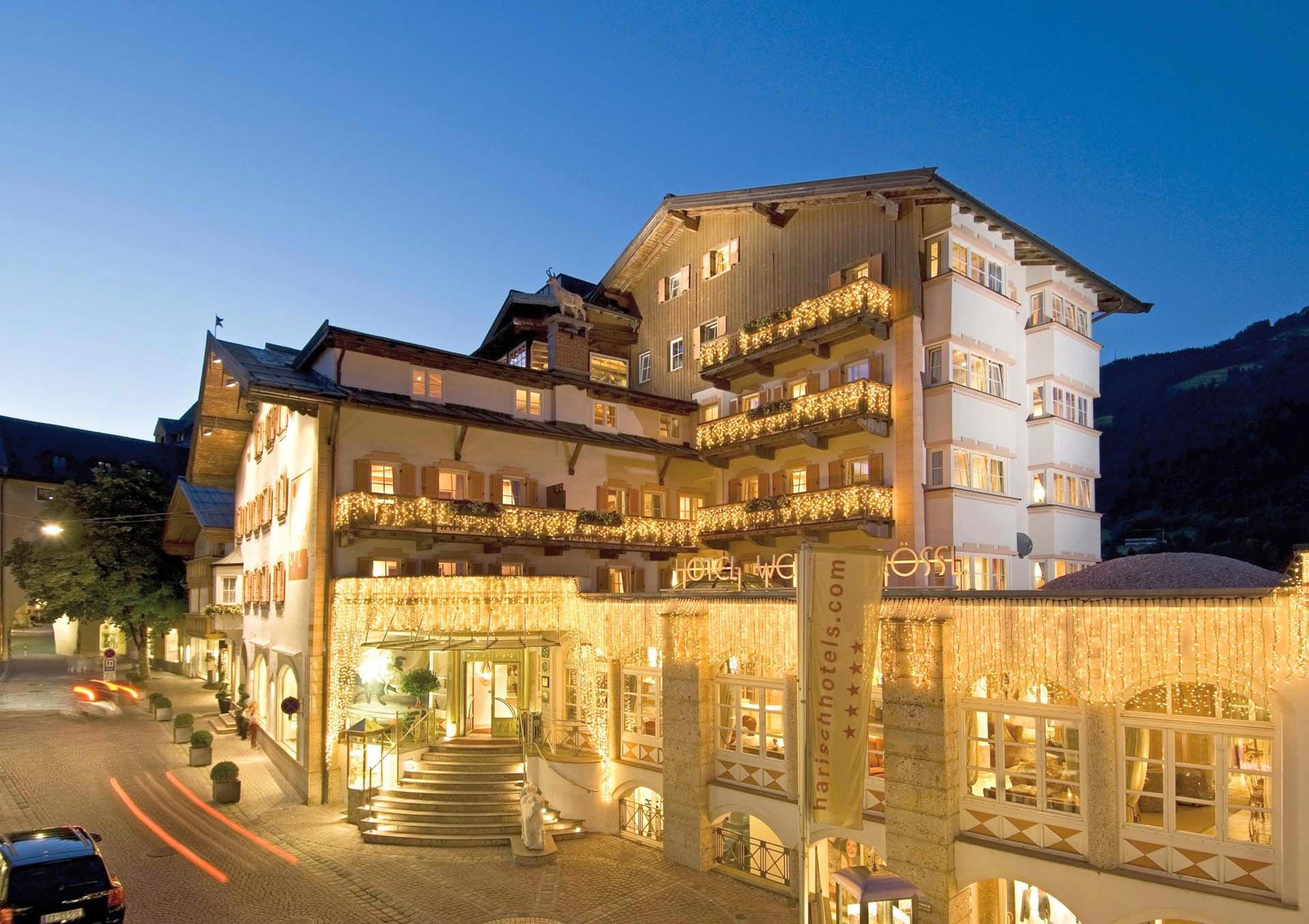
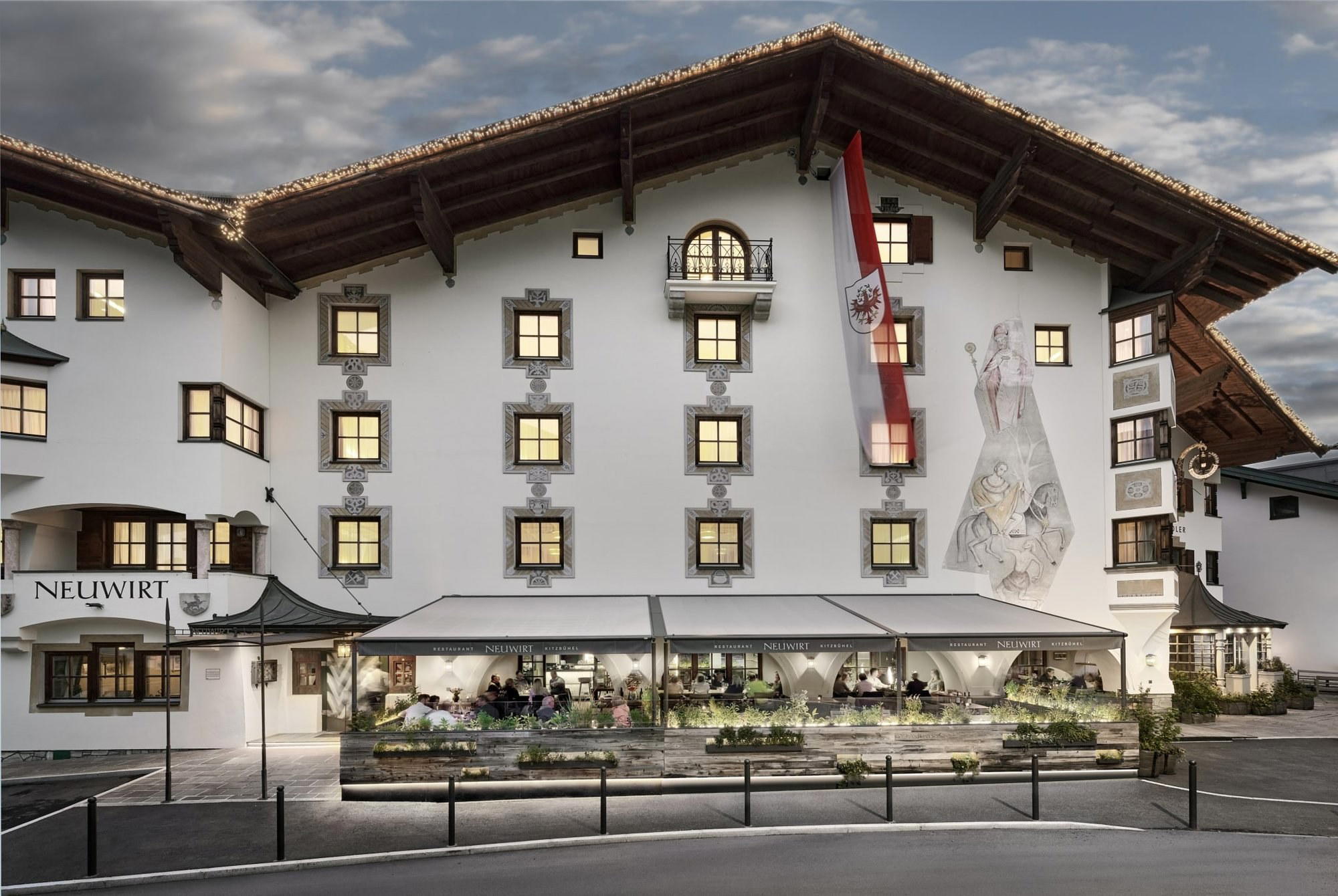
Wineries in Kirchberg in Tirol
Browse all →
At a Glance
- Cozy
- Rustic
- Elegant
- Date Night
- Special Occasion
- Open Kitchen
- Terrace
- Private Dining
- Craft Cocktails
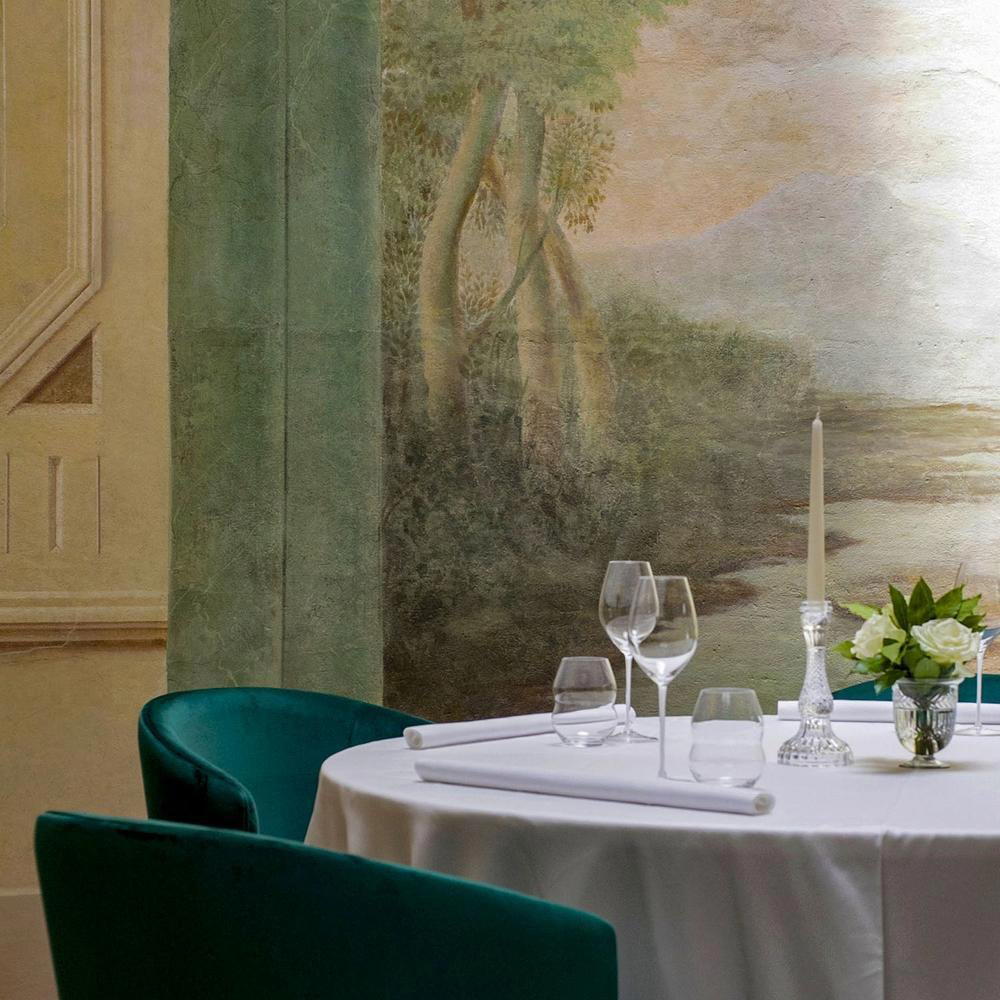
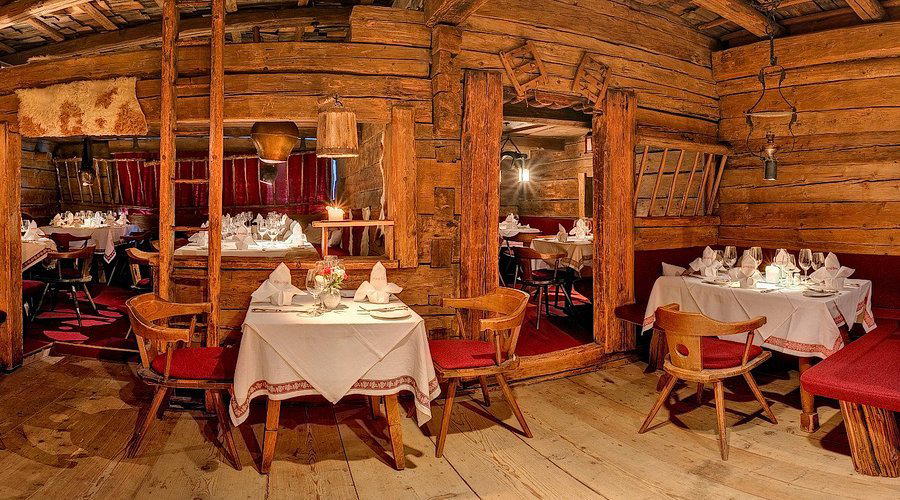
Cozy rustic atmosphere with wood elements, terrace with flames, and stylish interior praised for grandeur and comfort.