Bärstattalm
A traditional Tyrolean alm above Kirchberg in Tirol, Bärstattalm sits in the broader tradition of Alpine mountain huts where proximity to the source, grazing pastures, wild herbs, local dairies, shapes everything on the table. For visitors moving through the Kitzbühel Alps, it represents the kind of mountain dining that the region's agricultural heritage makes possible.
Pearl is the En Primeur Club membership app — saves, bookings, and concierge access live there. Same editors, same standards.
- Address
- Gaisberg 5, 6365 Kirchberg in Tirol, Austria
- Phone
- +43 664 9209220
- Website
- kitzbueheler-alpen.com
- Directions
- Get directions
 Saves & bookings on Pearl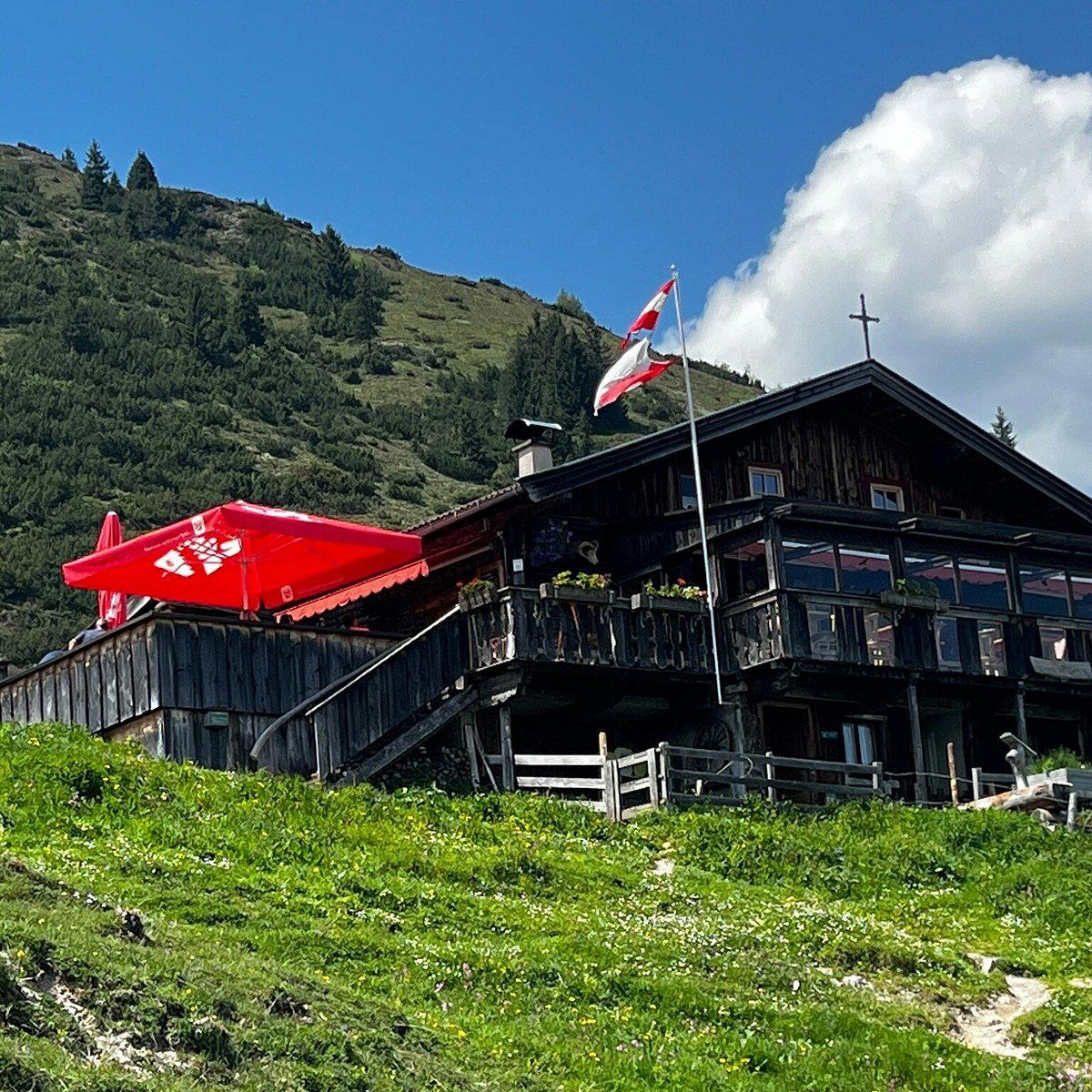
Where the Mountain Is Also the Larder
The Tyrolean alm is not a restaurant that happens to sit on a hillside. It is an agricultural institution that has, over generations, developed a secondary identity as a place to eat. At elevations where cattle graze through summer months and alpine herbs grow between the rocks, the food on the table is a direct function of what the land immediately around the building produces or can source within a short radius. Bärstattalm, a Traditional Tyrolean restaurant in Kirchberg in Tirol at Gaisberg 5, operates within this tradition, a setting where the ingredient supply chain is measured in metres rather than logistics contracts.
Kirchberg sits in the Kitzbühel Alps, a range that has long supported both dairy farming and a mountain tourism economy that, at its better end, expects the food to reflect the place. The valley floor holds the town; the alms occupy the higher slopes, and the culinary logic runs accordingly. Guests who arrive at a venue like this after spending time at lowland Austrian restaurants, say, the wine-country sophistication of Taubenkobel in Schützen am Gebirge or the river-adjacent refinement of Landhaus Bacher in Mautern an der Donau, will recognise a different set of culinary priorities at work. The alm tradition is not about technique applied to imported produce. It is about terrain made edible.
The Alm Tradition in the Kitzbühel Alps
Austria's mountain hut dining sits in a category that resists easy classification against conventional restaurant tiers. The alm operates seasonally, shaped by the agricultural calendar: summer brings the cattle up from the valley, autumn sends them back down, and the kitchen reflects that rhythm. In the Kitzbühel region, the density of working alms within hiking and skiing distance of major resort towns has produced a dining culture where the format, rustic indoor dining, outdoor terrace seating with valley views, hearty portions built for physical activity, is as consistent as the menu logic.
What varies between alms is largely provenance: which dairy supplies the butter and cheese, whether the meat comes from the hut's own or a neighbouring farm's herd, how much wild-gathered material (herbs, mushrooms, berries, depending on season) makes it onto the plate. This is where the ingredient sourcing angle, which defines the better end of alm dining across Tirol, becomes the real story. A Tiroler Gröstl made with potatoes and beef from immediately around the building is a different proposition from the same dish assembled from distributed supply. The same principle holds for the smoked and cured products that typically anchor an alm cheese and charcuterie board.
Kirchberg's alm dining scene sits within a wider Tyrolean tradition that the region's most recognised restaurants have drawn from and refined. Places like Gourmetrestaurant Tannenhof in Sankt Anton am Arlberg and Stüva in Ischgl represent the fine dining end of that tradition, Michelin-recognised kitchens that translate Alpine ingredient culture into structured tasting formats. The alm operates at the other end of the same spectrum: less formal, more immediate, but no less dependent on the quality of what grows and grazes nearby.
Bärstattalm in Its Local Context
Kirchberg in Tirol has a small but considered dining scene for a resort town of its scale. Stubn 1972 (Classic Cuisine) in town operates at the €€€ price point with a classical kitchen, offering a reference point for what structured dining looks like at this altitude. Maierl-Alm and Restaurant Pfeffermühle complete the picture of venues the town's visitors tend to circulate between. Within that set, Bärstattalm occupies the alm position: a destination that requires some effort to reach, rewards that effort with physical context, the walk or ride up, the air, the view, and delivers food whose meaning is inseparable from its location.
The broader Austrian fine dining reference points are further afield. Steirereck im Stadtpark in Vienna has set the national benchmark for ingredient-led cooking at the highest level. In the Alpine corridor, Döllerer in Golling an der Salzach has built its reputation on Alpine produce channelled through a technically ambitious kitchen, and Obauer in Werfen has operated at the intersection of regional sourcing and fine dining for decades. These venues contextualise what serious Alpine cooking can become when given a structured kitchen and full-year operation. The alm is a different expression of the same underlying logic: less elaborate in execution, more direct in its relationship to terrain.
Internationally, the principle of place-as-larder has driven particularly discussed restaurants of the past decade. Lazy Bear in San Francisco built its format around communal dining and producer relationships; Le Bernardin in New York City has maintained its focus on a single ingredient category, fish, sourced with near-obsessive specificity. The Tyrolean alm is a much older, less self-conscious version of the same instinct: cook what is close, cook it honestly, let the setting do the rest of the work.
Getting There and Planning a Visit
Bärstattalm is located at Gaisberg 5, above the Kirchberg in Tirol valley. Access is on foot via the hiking trail network that connects the resort town to its surrounding alms, or by gondola or lift depending on the season and current infrastructure. The Kirchberg-Kitzbühel area is served by the Brixentalbahn rail line, with Kirchberg station connecting to the broader Tyrolean network; driving from Innsbruck takes under an hour via the Inn Valley autobahn. For context on how the broader Tyrolean alpine dining scene connects to the region's herb-forward kitchens, Kräuterreich by Vitus Winkler in Sankt Veit im Pongau and Schwarzer Adler in Hall in Tirol are worth adding to a longer Tyrolean itinerary. Ois in Neufelden and Restaurant 141 by Joachim Jaud in Mieming extend the picture further, and Griggeler Stuba in Lech shows what the alm-adjacent fine dining format looks like at its most polished within the Western Austrian Alps.
At-a-Glance Comparison
Comparable venues nearby, for context on price, style, and recognition.
| Venue | Cuisine | Price | Awards | Notes |
|---|---|---|---|---|
| BärstattalmThis venue — the venue you are viewing | Traditional Tyrolean | $$ | Not listed | Not listed |
| Maierl-Alm | Modern Tyrolean Alpine Cuisine | $$$ | Not listed | Kirchberg in Tirol |
| Restaurant Pfeffermühle | Modern Austrian with International Influences | $$$ | Not listed | Kirchberg |
| Stubn 1972 | Contemporary Alpine | $$$ | Michelin Plate | Kirchberg in Tirol |
| Wimmertalalm | Traditional Austrian Mountain Hut | $$ | Not listed | Gerlos |
| Fischerwirt | Traditional Tyrolean | $$ | Not listed | Walchsee |
Continue exploring
More in Kirchberg in Tirol
Restaurants in Kirchberg in Tirol
Browse all →
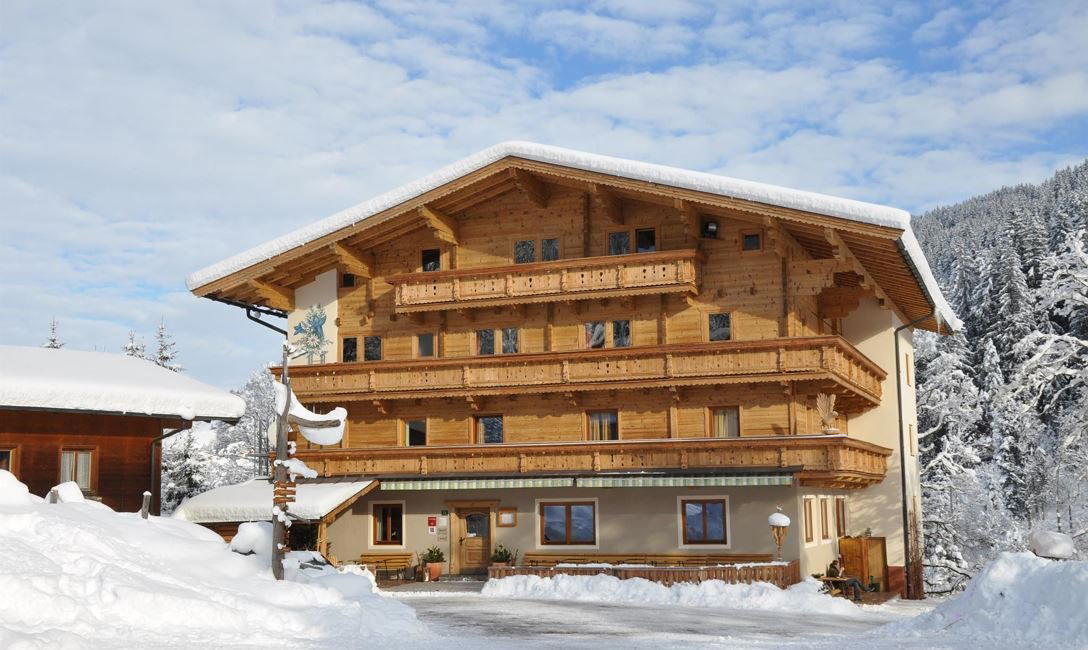
Bars in Kirchberg in Tirol
Browse all →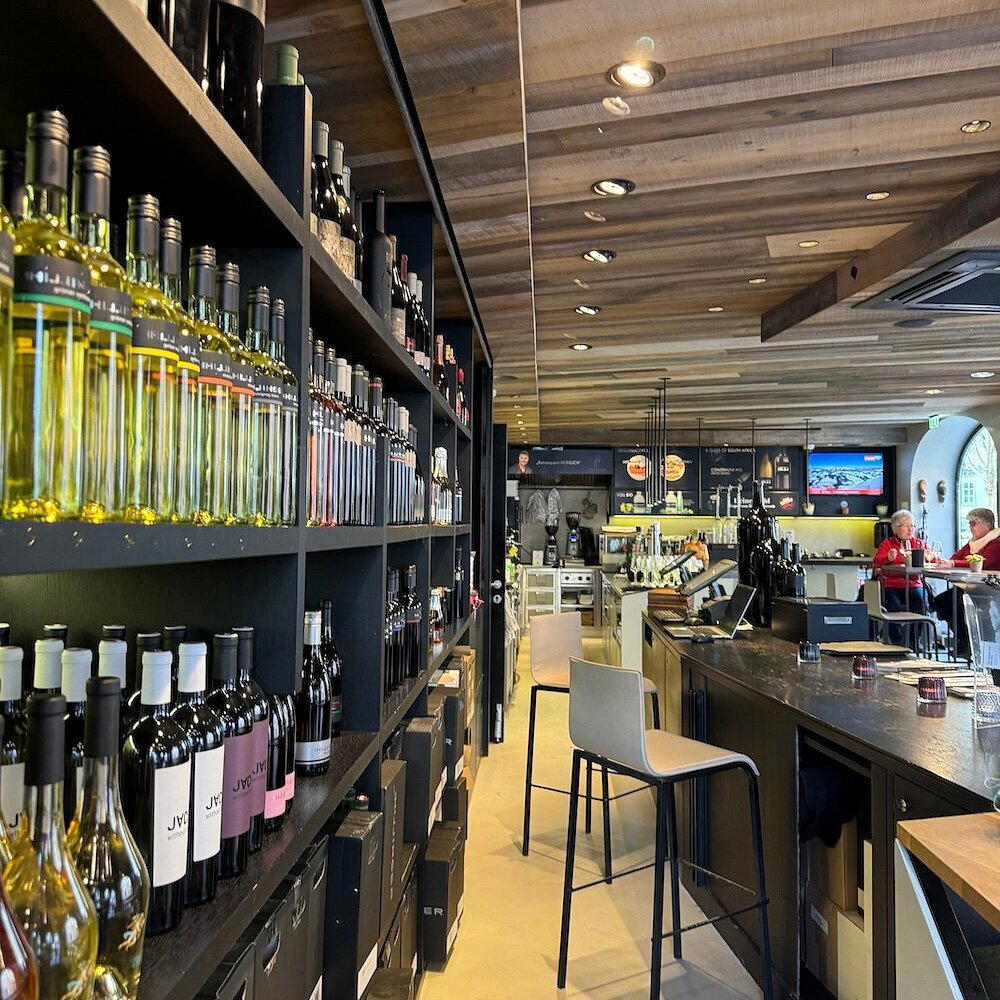


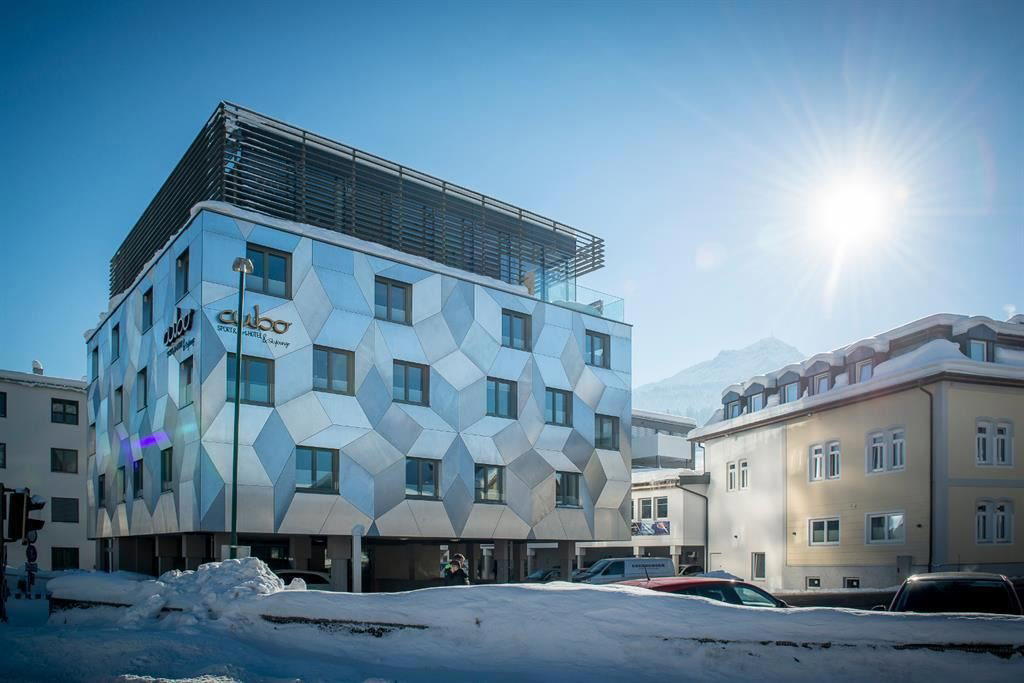

Hotels in Kirchberg in Tirol
Browse all →
Wineries in Kirchberg in Tirol
Browse all →
At a Glance
- Rustic
- Cozy
- Scenic
- Family
- Casual Hangout
- Terrace
- Panoramic View
- Local Sourcing
- Mountain
Current opening hours
- Monday
- Closed
- Tuesday
- Closed
- Wednesday
- 10 AM–5 PM
- Thursday
- 10 AM–5 PM
- Friday
- 10 AM–5 PM
- Saturday
- 10 AM–5 PM
- Sunday
- 10 AM–5 PM
Hours can change for holidays and private events. Last verified .
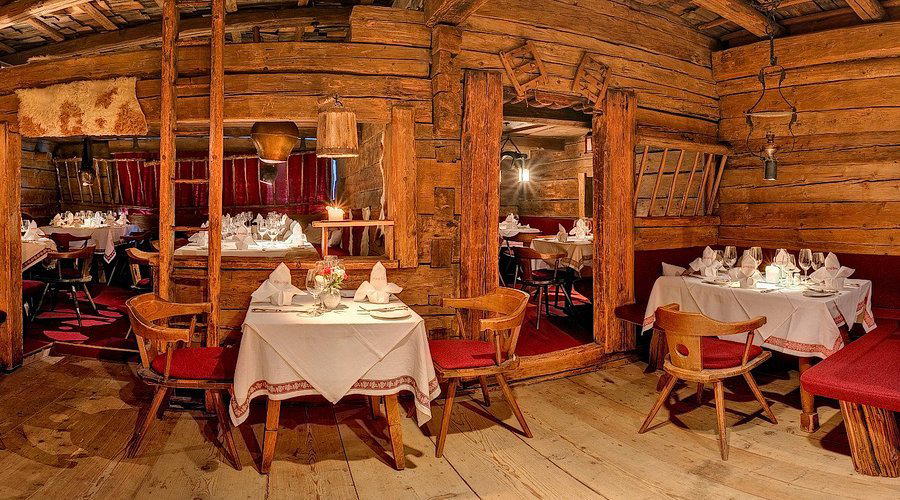
Cozy alpine atmosphere with rustic charm and beautiful mountain views from the partly covered terrace.