Stubn 1972


Michelin Plate · Falstaff Restaurant - 94 Falstaff Points
Our verdict
A four-table restaurant inside Minglers Sportalm hotel, Stubn 1972 holds a Michelin Plate (2025) for a set menu that draws on modern culinary trends while staying rooted in the Alpine context of Kirchberg in Tirol. The dining room, clad floor to ceiling in warm light wood, seats a handful of guests at a time. An Austrian-led wine list rounds out a format built for careful, unhurried eating.

Pearl is the En Primeur Club membership app, where members save venues, book tables and use the concierge.
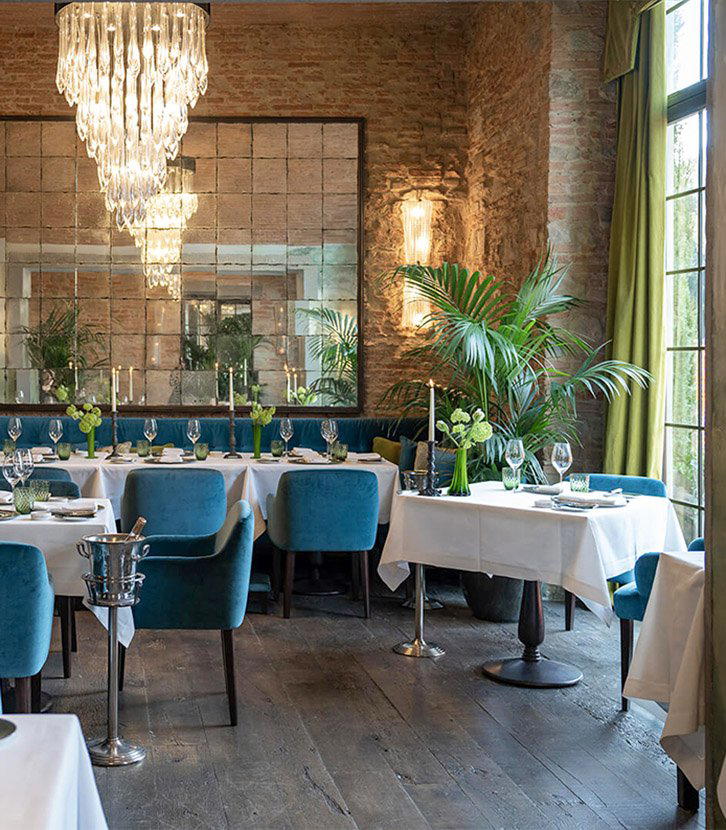
Four Tables, One Room, and the Logic of Small-Scale Alpine Dining
Kirchberg in Tirol sits in the Kitzbühel Alps at an altitude where the short growing season shapes every plate, and where the leading restaurants tend to be small rooms attached to family-run hotels rather than standalone destination addresses. That pattern holds at Stubn 1972, a four-table restaurant inside Minglers Sportalm hotel on Brandseitweg 26. The dining room is lined floor to ceiling in light, warm wood, the kind of interior that reads as a deliberate material choice rather than generic Alpine decoration. At this scale, the room functions more like a private dining space than a conventional restaurant, and the atmosphere reflects that: unhurried, close, and specific to its setting in ways that a larger operation rarely achieves.
The Fleckalmbahn cable car is a short walk away, which positions Stubn 1972 inside the skiing infrastructure of the Kitzbühel region rather than apart from it. Yet the restaurant does not behave like a ski-town crowd-pleaser. A Michelin Plate recognition in the 2025 guide places it in a tier where kitchen seriousness is a given, and where the comparison set shifts from resort convenience dining toward the smaller, focused rooms that define quality eating in the Austrian Alps. For context on how that tier sits relative to the wider regional scene, our full Kirchberg in Tirol restaurants guide maps the local options across price points and formats.
Where the Food Comes From and Why It Matters Here
Classic Cuisine at this altitude in Tirol carries specific sourcing implications. The Austrian Alps produce dairy of a particular character, grass-fed, short-season, mineral in tone, along with game, freshwater fish from cold mountain streams, and root vegetables that develop density in cooler soils. The kitchen at Stubn 1972 works within a set menu format that draws on modern culinary trends, but the ingredient logic of the region exerts pressure on what those trends actually look like on the plate. In the Austrian Alps, farm-to-table is less a marketing position and more a structural reality: supply chains are short because geography makes them short, and seasonal availability is non-negotiable.
This sourcing context distinguishes Tirolean classic cuisine from its counterparts in cities further from the source. A comparable Classic Cuisine format at Maison Rostang in Paris or KOMU in Munich operates within a different supply logic, where ingredient provenance is curated rather than geographically imposed. At Stubn 1972, the Alpine location does a significant share of the editorial work on the menu before the kitchen makes a single decision. That is not a limitation, it is a defining characteristic of serious cooking in mountain regions, and one of the reasons Michelin recognizes small Alpine rooms that might otherwise be invisible in a city-focused guide cycle.
The Set Menu Format and What the Course Structure Signals
The kitchen offers a set menu from which guests choose the number of courses, a format that balances kitchen discipline with diner flexibility. This structure has become a reliable marker of intent at the Michelin Plate level in Austria: it allows the kitchen team to source and prepare precisely, reduces waste, and creates a dining rhythm that suits a small room with limited covers. The alternative, an à la carte format across four tables, would demand a broader larder and a different kind of service, and would likely dilute the focus that the Michelin recognition implies.
Among Austrian Alpine peers, this set-menu-with-course-flexibility approach appears at several recognized addresses. Griggeler Stuba in Lech and Gourmetrestaurant Tannenhof in Sankt Anton am Arlberg both operate in the hotel-attached, small-room format with similar structural logic. The difference at this end of the Tirolean dining map, east of the Arlberg, closer to Kitzbühel, is that the visitor base skews toward the Kitzbühel ski circuit rather than the Arlberg one, which means a somewhat different pace of service and a guest profile that includes both serious diners and well-travelled skiers eating their way through a week in the mountains.
The Wine List and Austrian Viticulture in Context
The wine list at Stubn 1972 draws predominantly from Austrian producers, and the Michelin notes describe the recommendations as excellent, a specific endorsement worth taking seriously at a four-table room where the sommelier function is likely handled by a small team or a single person with genuine knowledge. Austrian wine at this price tier (€€€) tends to favor Grüner Veltliner and Riesling from the Wachau and Kamptal, alongside Blaufränkisch from Burgenland and increasingly, Pinot Noir from Styria.
The choice to build the list around domestic producers rather than international references is consistent with how serious Alpine restaurants have been approaching wine programs in recent years. It also reflects a broader trend in Austrian dining: the country's wine culture has matured sufficiently that an Austrian-led list is no longer a concession to nationalism but a coherent critical position. For comparable approaches to Austrian wine programs in the regional restaurant scene, Döllerer in Golling an der Salzach and Obauer in Werfen both operate at the intersection of classic Austrian cuisine and deep domestic wine knowledge, though at the €€€€ price tier. Further afield in the Austrian restaurant circuit, Steirereck im Stadtpark in Vienna and Ikarus in Salzburg represent the upper bracket of Austrian dining ambition for those building a wider itinerary.
Planning a Visit
Stubn 1972 sits within Minglers Sportalm hotel at Brandseitweg 26, Kirchberg in Tirol, placing it inside a working ski hotel rather than as a standalone address. Given the four-table capacity, reservations should be treated as essential rather than optional, a room this small fills quickly during peak ski season (December through March) and again in summer when the hiking season draws a second wave of visitors to the Kitzbühel Alps. The €€€ price positioning makes it one of the more accessible Michelin Plate addresses in the Austrian Alps, sitting below the €€€€ tier occupied by the region's most decorated rooms. For planning the broader trip, our guides to hotels in Kirchberg in Tirol, bars in Kirchberg in Tirol, wineries near Kirchberg in Tirol, and experiences in Kirchberg in Tirol cover the full range of options in the area. Additional recognized addresses worth considering in the wider Tirolean and Salzburg region include Schwarzer Adler in Hall in Tirol, Stüva in Ischgl, Restaurant 141 by Joachim Jaud in Mieming, Kräuterreich by Vitus Winkler in Sankt Veit im Pongau, and Ois in Neufelden.
Frequently asked questions
How much does it cost to eat at Stubn 1972?
Pricing at Stubn 1972 is listed as €€€.
What part of town is Stubn 1972 in?
Stubn 1972 is located at Brandseitweg 26, 6365 Kirchberg in Tirol, Austria, Kirchberg in Tirol.
In Context: Similar Options
| Venue | Cuisine | Price | Awards | Notes |
|---|---|---|---|---|
| Stubn 1972This venue (the venue you are viewing) | Contemporary Alpine | Not listed | Michelin Plate · Falstaff Restaurant - 94 Falstaff Points | Not listed |
| Steirereck im Stadtpark | Modern Austrian Fine Dining | $200–300 | 3 Michelin Stars · World's 50 Best #33 | Creative |
| Döllerer | Modern Alpine Cuisine | $100–150 | 2 Michelin Stars · La Liste Top Restaurants | Contemporary Austrian, Innovative |
| Ikarus | Guest Chef Fine Dining | $200–300 | 2 Michelin Stars · La Liste Top Restaurants | Modern European, Creative |
| Mraz & Sohn | Contemporary Austrian Fusion | $150–200 | 2 Michelin Stars · La Liste Top Restaurants | Modern Austrian, Creative |
| Obauer | Modern Austrian Fine Dining | $50–100 | 2 Michelin Stars · La Liste Top Restaurants | Classic Cuisine |
Recognition history
Dated appearances from independent guides and award organizations, with the underlying list record or original source where available.
Michelin Plate
Michelin
Falstaff Restaurant - 94 Falstaff Points
Falstaff
Full recognition history (4 entries)
Michelin Plate
Michelin
Michelin Plate
Michelin
Continue exploring
More in Kirchberg in Tirol
Restaurants in Kirchberg in Tirol
All restaurants in Kirchberg in Tirol →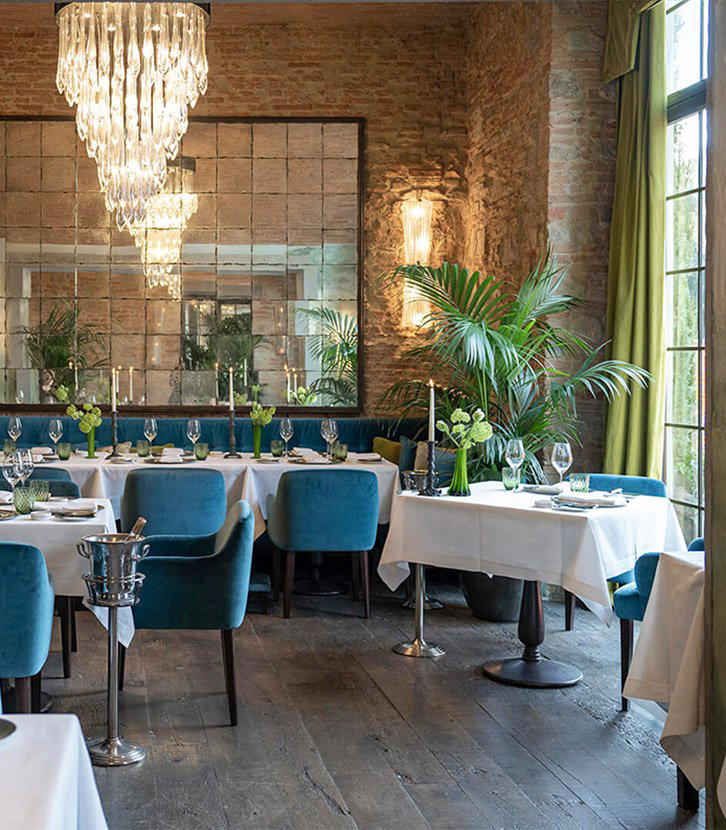
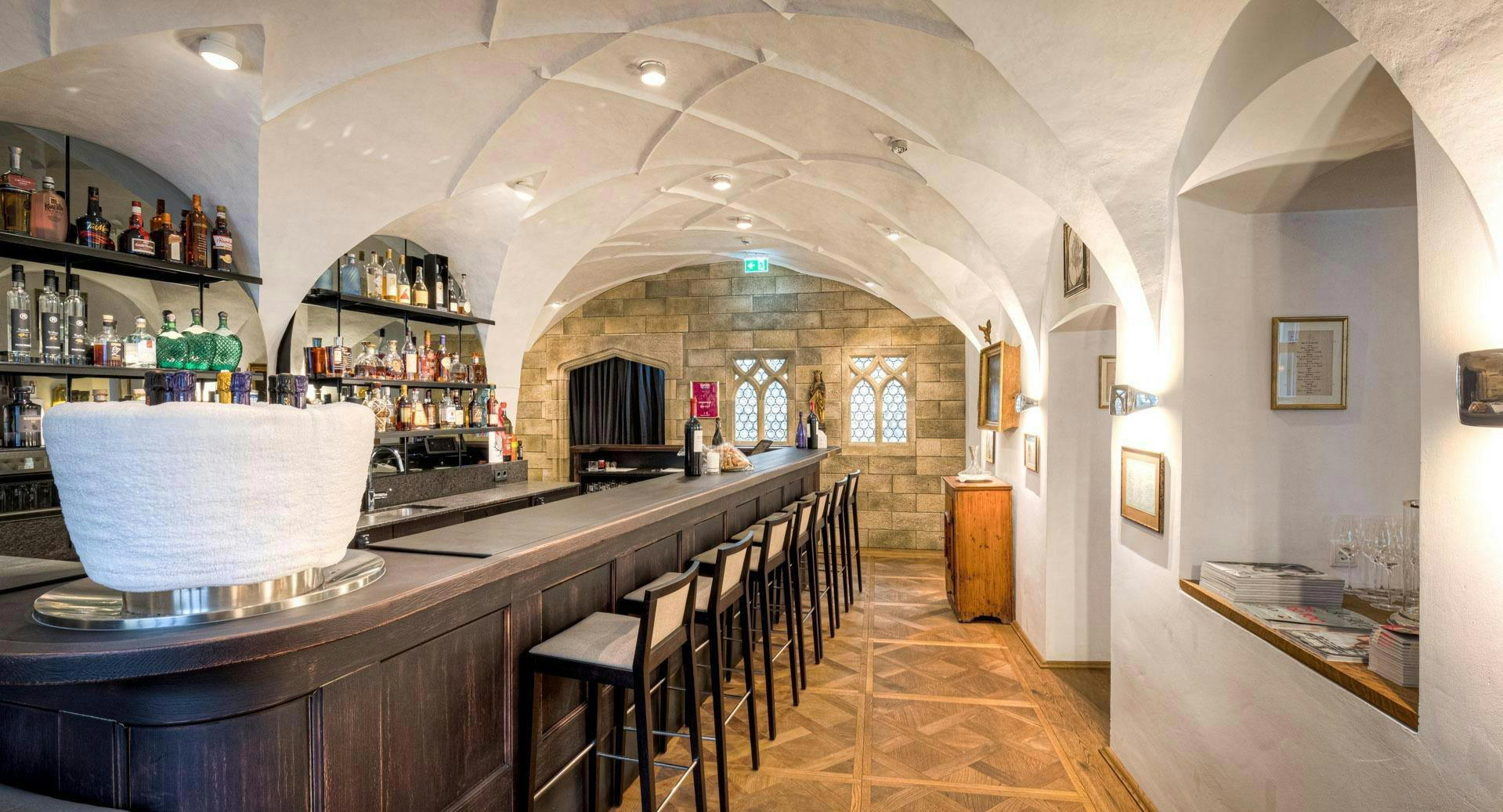
Bars in Kirchberg in Tirol
Browse all →
Hotels in Kirchberg in Tirol
Browse all →
Wineries in Kirchberg in Tirol
Browse all →
Details
- Intimate
- Cozy
- Elegant
- Rustic
- Special Occasion
- Date Night
- Hotel Restaurant
- Extensive Wine List
- Local Sourcing
- Organic
- Mountain
- Set Menu
- A La Carte
- Vegetarian Friendly
Current opening hours
- Monday
- Closed
- Tuesday
- Closed
- Wednesday
- 6:30–9 PM
- Thursday
- 6:30–9 PM
- Friday
- 6:30–9 PM
- Saturday
- 6:30–9 PM
- Sunday
- Closed
Hours can change for holidays and private events. Hours as of .
Pale grained wood walls and ceiling create a sound-absorbing cocoon of calm with soft lighting and unhurried service.