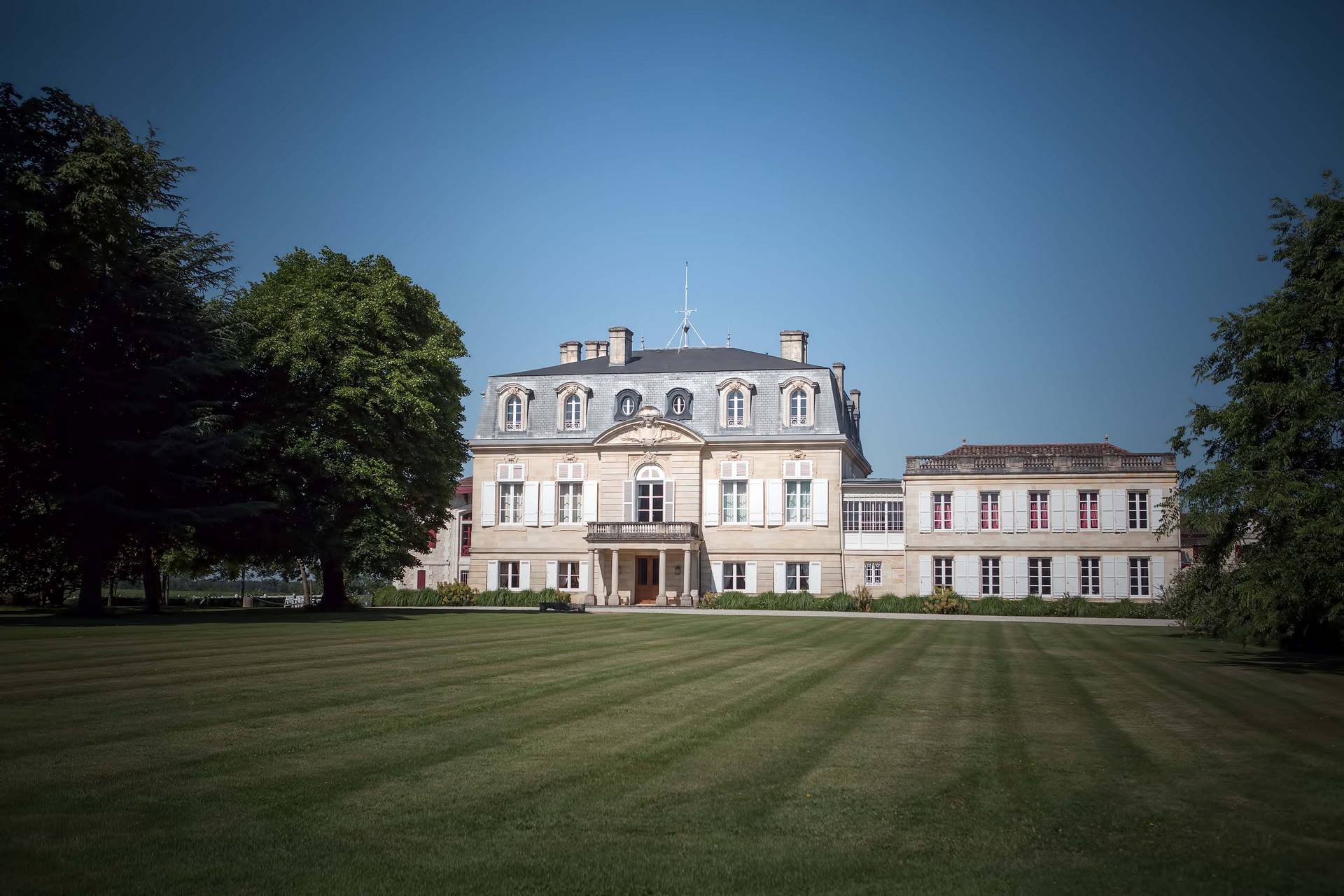
Situated in Saint-Julien-Beychevelle at the heart of the Médoc, Restaurant Le Saint Julien operates in one of France's most storied wine-producing communes, where the provenance of what arrives on the plate carries as much weight as what fills the glass. Dining here places you directly inside a tradition where terroir is not a marketing concept but a geographic fact, and the surrounding châteaux set the standard of expectation before you even sit down.
Pearl is the En Primeur Club membership app — saves, bookings, and concierge access live there. Same editors, same standards.
- Address
- 11 Rue de Saint-Julien, 33250 Saint-Julien-Beychevelle, France
- Phone
- +33 5 56 59 63 87
- Directions
- Get directions
 Saves & bookings on Pearl
Dining in the Médoc: Where the Address Is Already an Argument
Saint-Julien-Beychevelle is not a dining destination in the conventional sense. There are no Michelin-starred clusters here, no chefs competing for column inches in the French food press. What the commune does have is a concentration of classified-growth châteaux — Léoville-Las Cases, Ducru-Beaucaillou, Beychevelle among them — that makes the land itself the reference point for everything that happens nearby. A restaurant operating at this address inherits a context that few urban tables can manufacture: the expectation that what you eat and drink reflects where you are, not where the chef trained or which distributor supplies the kitchen.
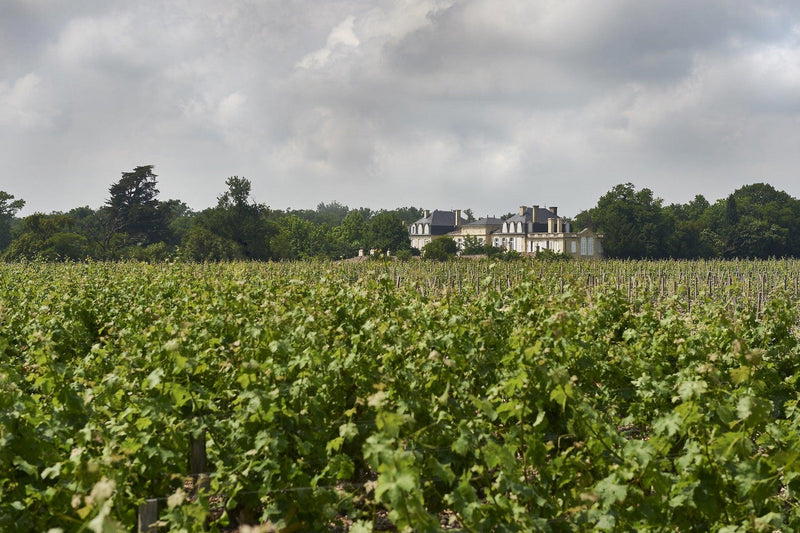
Restaurant Le Saint Julien sits within that framework. Its position on Rue de Saint-Julien places it inside a commune that produces some of the Médoc's most structured Cabernets, where the gravel soils and maritime climate that define appellation character are visible from the road. For French provincial dining, geography of this specificity tends to anchor a kitchen's sourcing philosophy before any menu is written. The most coherent tables in wine country, across Burgundy, the Rhône, and here in the Gironde, draw their ingredient logic from the same radius that defines their wine identity. That discipline, when it holds, produces a coherence that urban restaurants spend considerable effort trying to approximate.
The Scene in Wine Country: Sourcing as Structure
The broader pattern across France's premier appellations is instructive. Restaurants in Burgundy's Côte de Nuits, the Loire's Sancerre country, and the Rhône's northern corridor have spent decades refining what it means to cook in a place where agricultural identity is legally protected and geographically precise. The Médoc operates under the same logic. Classified-growth châteaux here do not simply produce wine; they maintain estate farming practices, employ vineyard workers year-round, and in many cases have maintained the same land under vine for over a century. A kitchen that takes that context seriously draws from a supply chain shaped by the same values: slow production, defined geography, seasonal rhythm.
Across France, the restaurants that have built the most durable reputations in wine regions share a tendency to treat ingredient sourcing as a structural decision rather than a marketing one. Bras in Laguiole built its identity on the Aubrac plateau's specific flora. Flocons de Sel in Megève draws from Alpine producers whose elevation and microclimate are as specific as any appellation boundary. Auberge de l'Ill in Illhaeusern has maintained Alsatian provenance as its anchor across generations. The Médoc's candidate for that kind of rooted coherence has always been a harder pitch to make, the region's reputation is wine-first, food-second, but the ingredient quality available to a kitchen here is considerable: Arcachon oysters an hour south, Pauillac lamb from the peninsula's own farms, seasonal produce from the Gironde's market gardens.
Approaching the Table
The physical approach to a restaurant in this part of the Médoc tends to condition the meal before it begins. The D2, the wine road that runs north through the appellation villages, is lined with château gates, vine rows, and the occasional stone chai. Arriving in Saint-Julien-Beychevelle means passing signage for estates that appear on auction lists and cellar inventories across four continents. That context does not soften by the time you reach a restaurant table, it sharpens the question of what, exactly, is being served alongside those wines.
For visitors travelling from Bordeaux city, the drive north through the Médoc takes roughly 45 to 50 minutes depending on the route. The D2 is the considered choice: slower than the motorway, but it passes the classified châteaux and gives the landscape time to register. Booking ahead is the sensible approach for any table in a commune this small, where walk-in options are limited by the area's low year-round population and the concentration of visitors during the spring en primeur campaign and summer château visits.
The Broader Bordeaux Table
For those spending time in the city itself, the contrast between Médoc village dining and Bordeaux's urban restaurant offer is worth mapping. The city's leading end runs from Le Pressoir d'Argent - Gordon Ramsay, a €€€€ Modern Cuisine address with international recognition, through L'Observatoire du Gabriel and L'Oiseau Bleu in the modern cuisine tier, to creative addresses like Amicis and Maison Nouvelle. The full picture of what Bordeaux's dining scene offers at each price point is covered in our full Bordeaux restaurants guide.
What a Médoc village table offers that none of those city addresses can replicate is immediacy of place. The wine in the glass was made within walking distance. The landscape that shaped the vintage is the same one you drove through to get here. That compression of geography and plate is the Médoc's specific contribution to French dining, and it is available to anyone willing to make the drive north from the Chartrons or the Quai des Marques.
For context on what French fine dining looks like at its most ambitious, the comparison set extends well beyond Bordeaux: Le Cinq at the Four Seasons George V in Paris, Mirazur in Menton, Troisgros in Ouches, Paul Bocuse in Collonges-au-Mont-d'Or, L'Oustau de Baumanière in Les Baux, La Table du Castellet, and La Vague d'Or in Saint-Tropez each represent a different register of what regional French cooking can achieve. Internationally, Le Bernardin in New York and Lazy Bear in San Francisco show how French-influenced technique travels when separated from its source geography, which is precisely what makes the Médoc version of that tradition worth seeking out in situ.
How Restaurant Le Saint Julien Bordeaux compares with similar nearby venues.
| Venue | Cuisine | Price |
|---|---|---|
| Château Cordeillan-Bages | French | Not listed |
| Café Lavinal | French | Not listed |
| Au Marquis de Terme | Modern Cuisine | €€€ |
| Nomade | Creative | €€€ |
Continue exploring
More in Bordeaux
Restaurants in Bordeaux
Browse all →
Bars in Bordeaux
Browse all →
Hotels in Bordeaux
Browse all →
At a Glance
- Elegant
- Classic
- Intimate
- Date Night
- Special Occasion
- Business Dinner
- Terrace
- Historic Building
- Private Dining
- Extensive Wine List
- Local Sourcing
Current opening hours
- Monday
- 12–2 PM, 7:30–9:30 PM
- Tuesday
- Closed
- Wednesday
- Closed
- Thursday
- 12–2 PM, 7:30–9:30 PM
- Friday
- 12–2 PM, 7:30–9:30 PM
- Saturday
- 12–2 PM, 7:30–9:30 PM
- Sunday
- 12–2 PM, 7:30–9:30 PM
Hours can change for holidays and private events. Last verified .
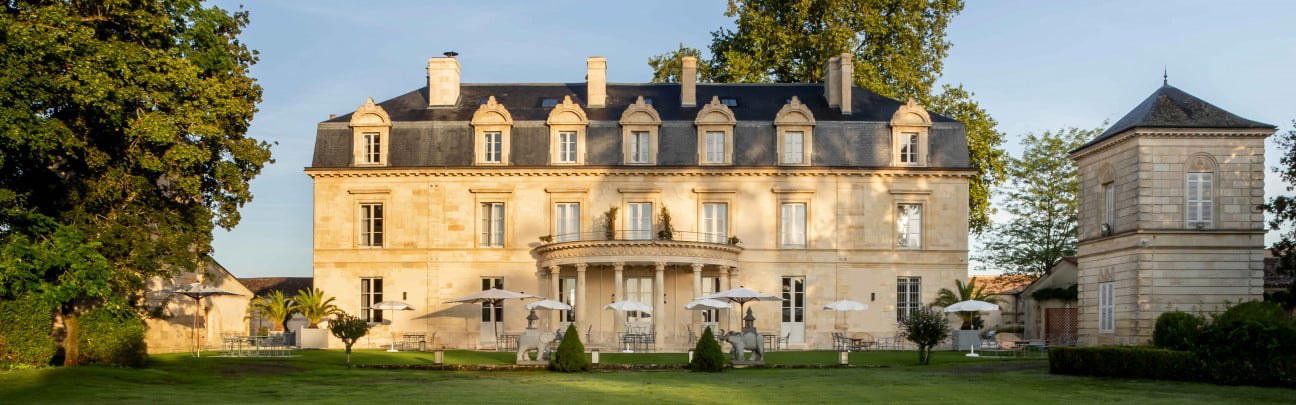
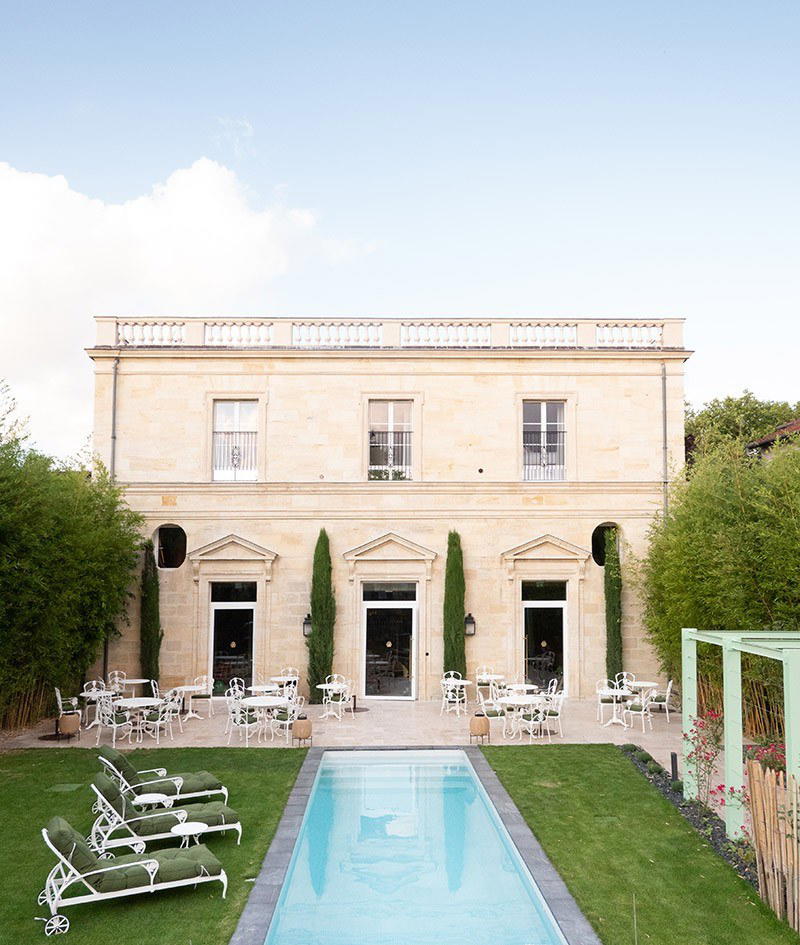
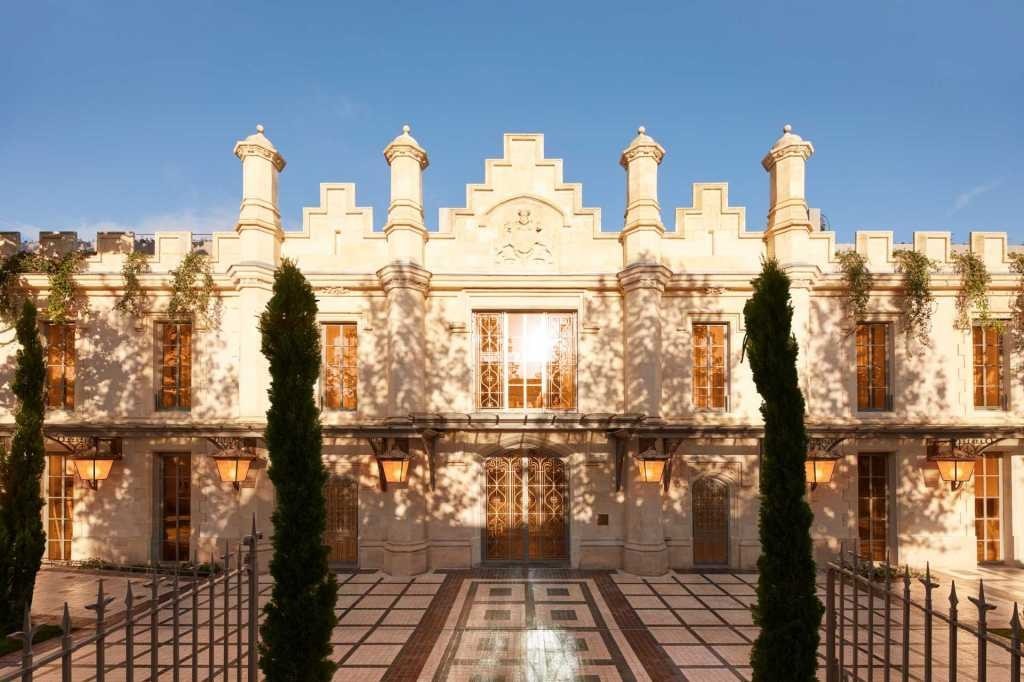
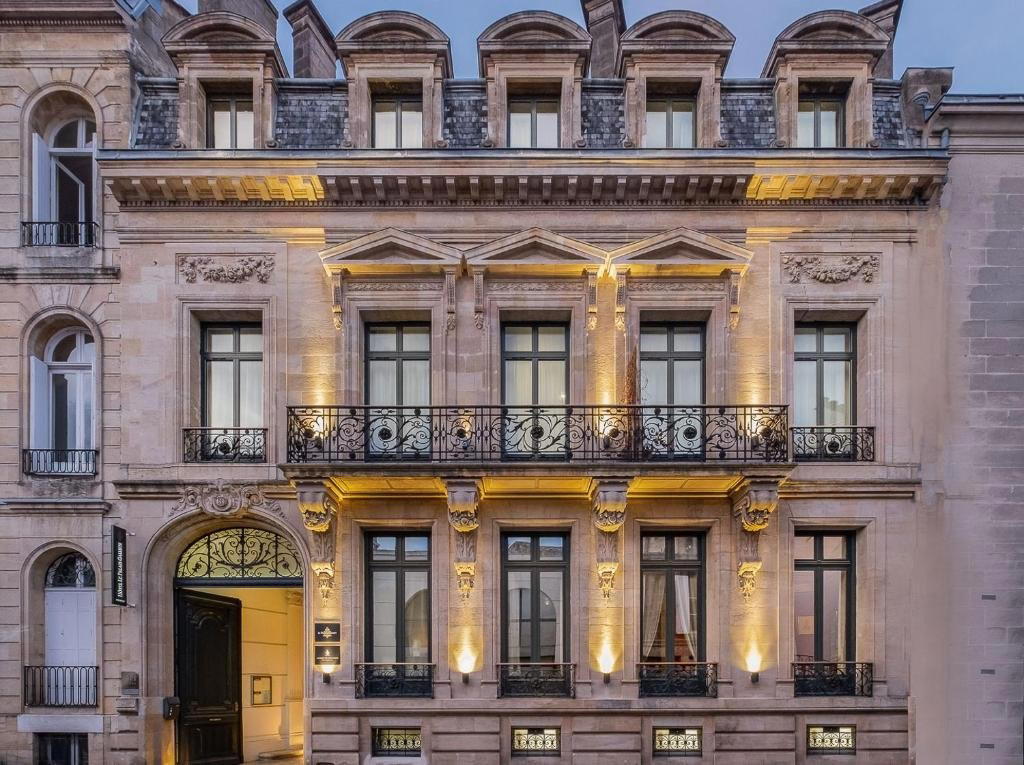
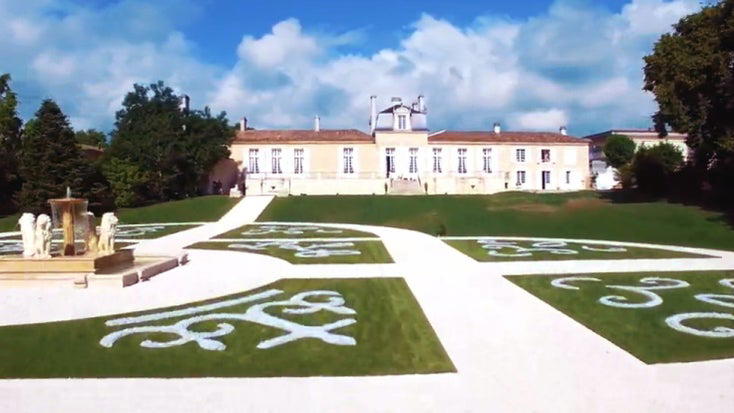
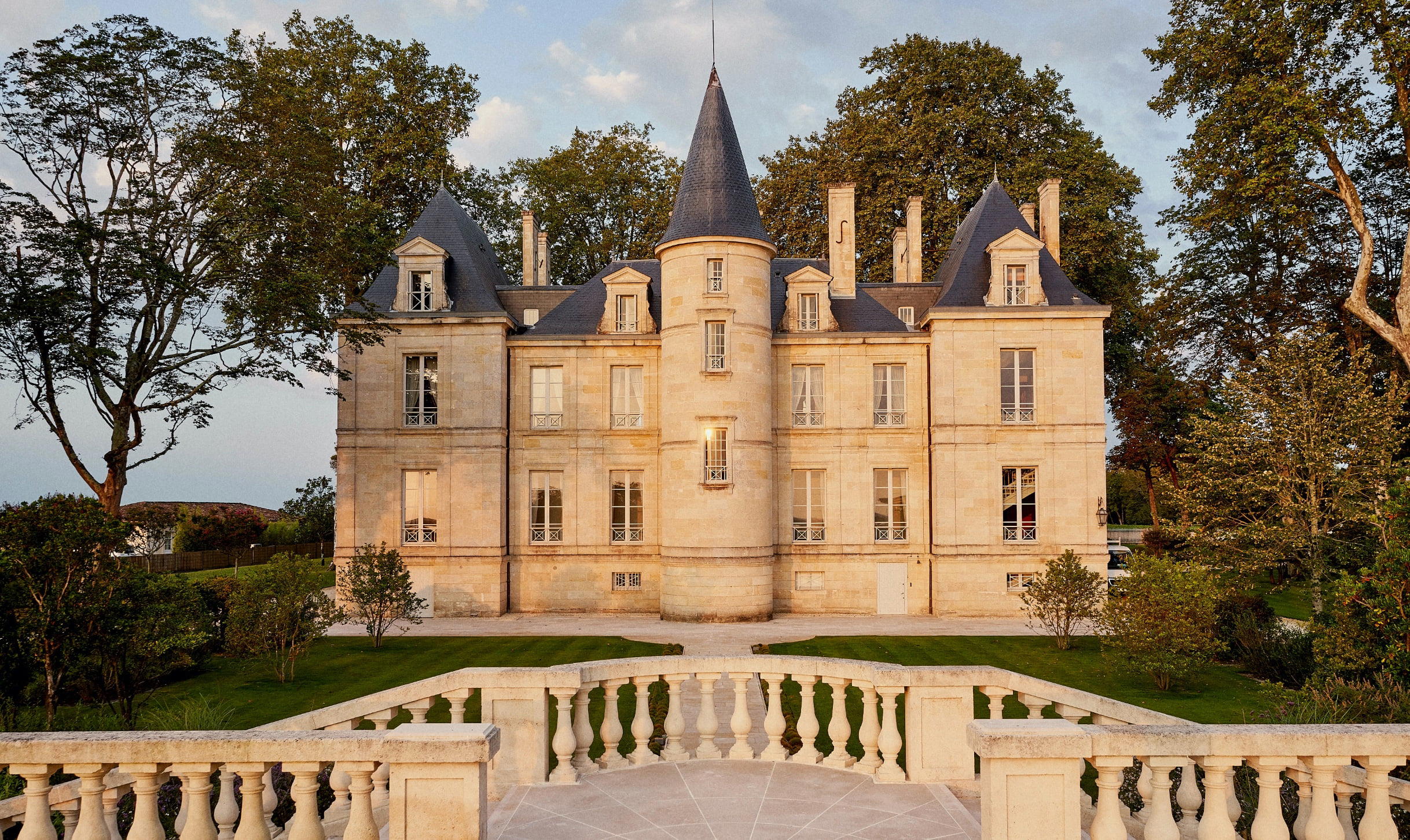
Elegant dining room in historic building with pleasant terrace atmosphere.
Know Before You Go
- Getting there
- 11 Rue de Saint-Julien, 33250 Saint-Julien-Beychevelle, France