Our verdict
On Rue Ausone in central Bordeaux, Demeter occupies a street named after one of antiquity's most celebrated wine writers — an address that signals something about the city's appetite for layered reference. The restaurant positions itself within Bordeaux's emerging wave of kitchens that treat local Aquitaine produce as the fixed point and imported technique as the variable, placing it in a distinct tier of the city's contemporary dining scene.

Pearl is the En Primeur Club membership app — saves, bookings, and concierge access live there. Same editors, same standards.
The menu
What to order
- Korean-style pork
- Crudo de thon
- Raw pollack with persimmon
A Street Named After a Wine Critic, a Restaurant Thinking About What Comes Next
Rue Ausone runs through the old heart of Bordeaux, named for the fourth-century poet and consul whose verses about the Garonne's vineyards remain among the earliest written accounts of wine in the region. That the address carries that much freight is not incidental to understanding what kind of restaurant Demeter is. Bordeaux's central arrondissement has spent the better part of a decade sorting itself into two recognisable camps: the grand, wine-forward dining rooms built around the city's négociant identity, and a smaller, more restless cohort of kitchens running harder at technique while staying anchored to the Aquitaine larder. Demeter sits in the second camp.
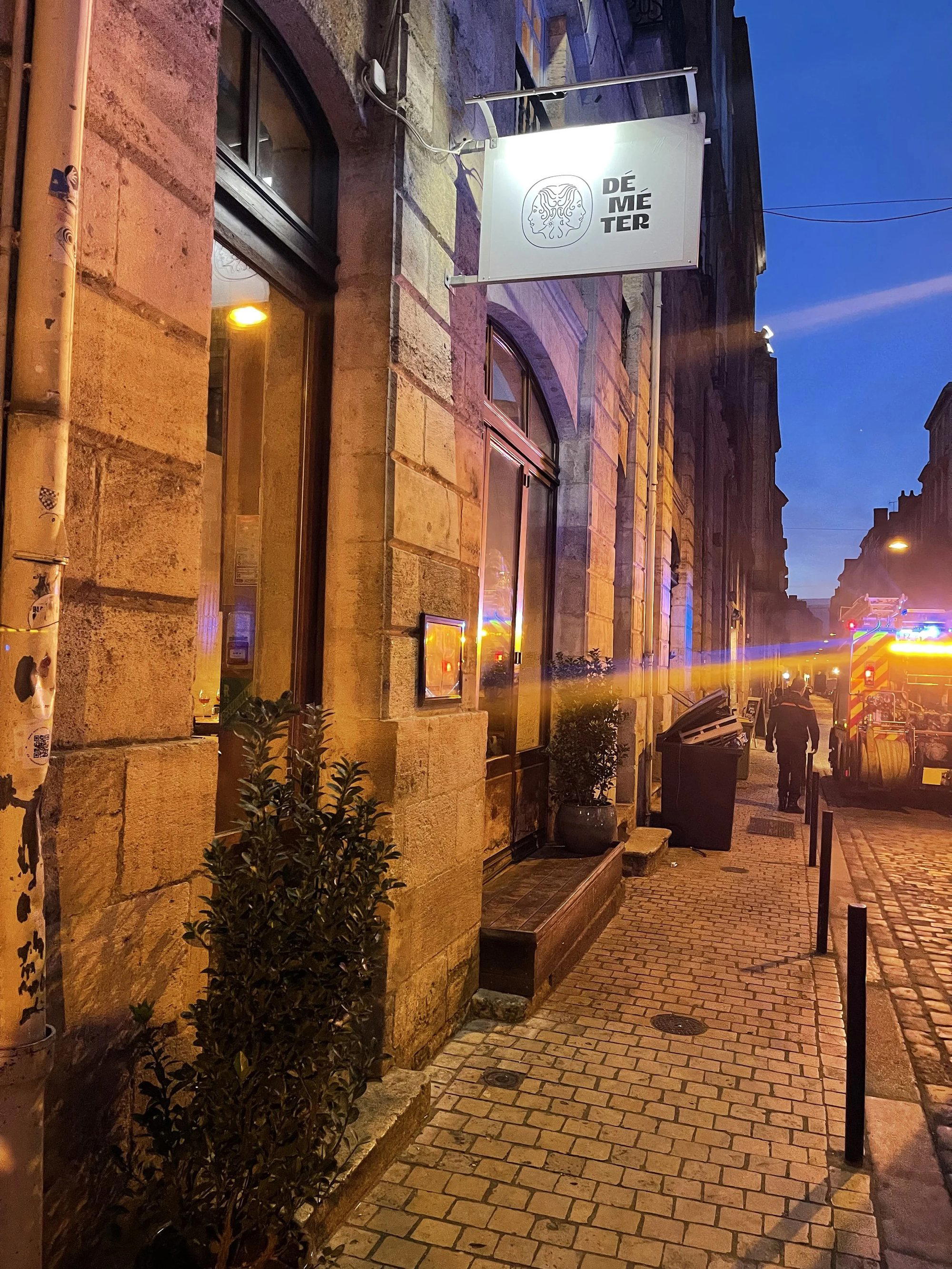
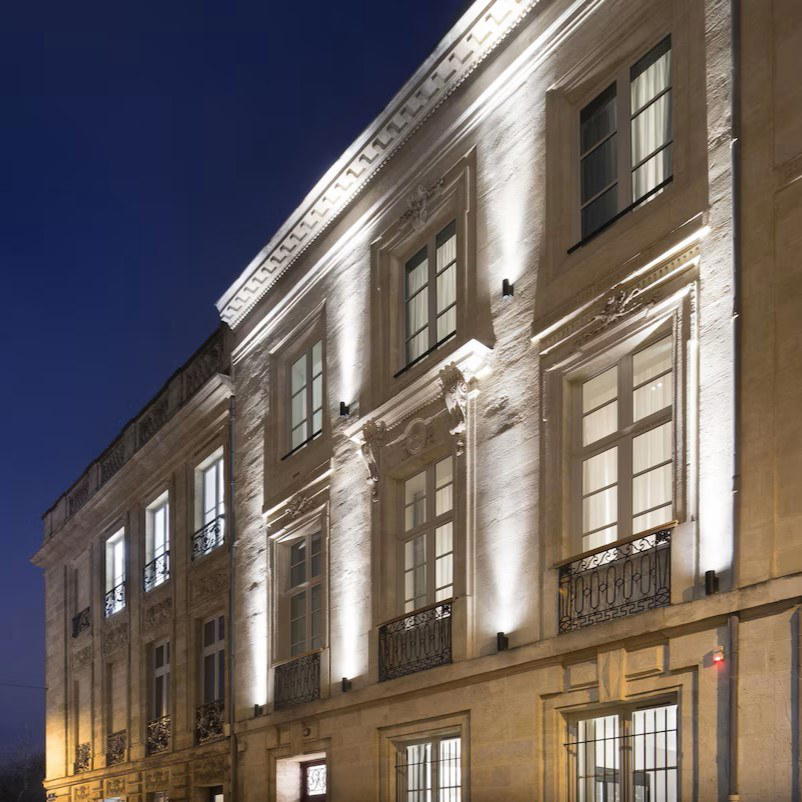
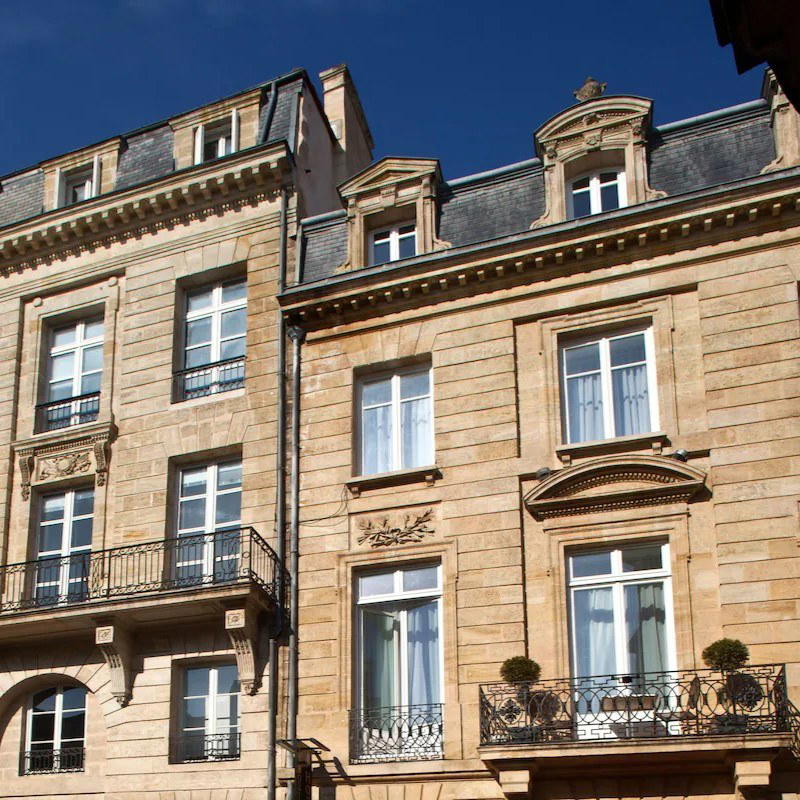
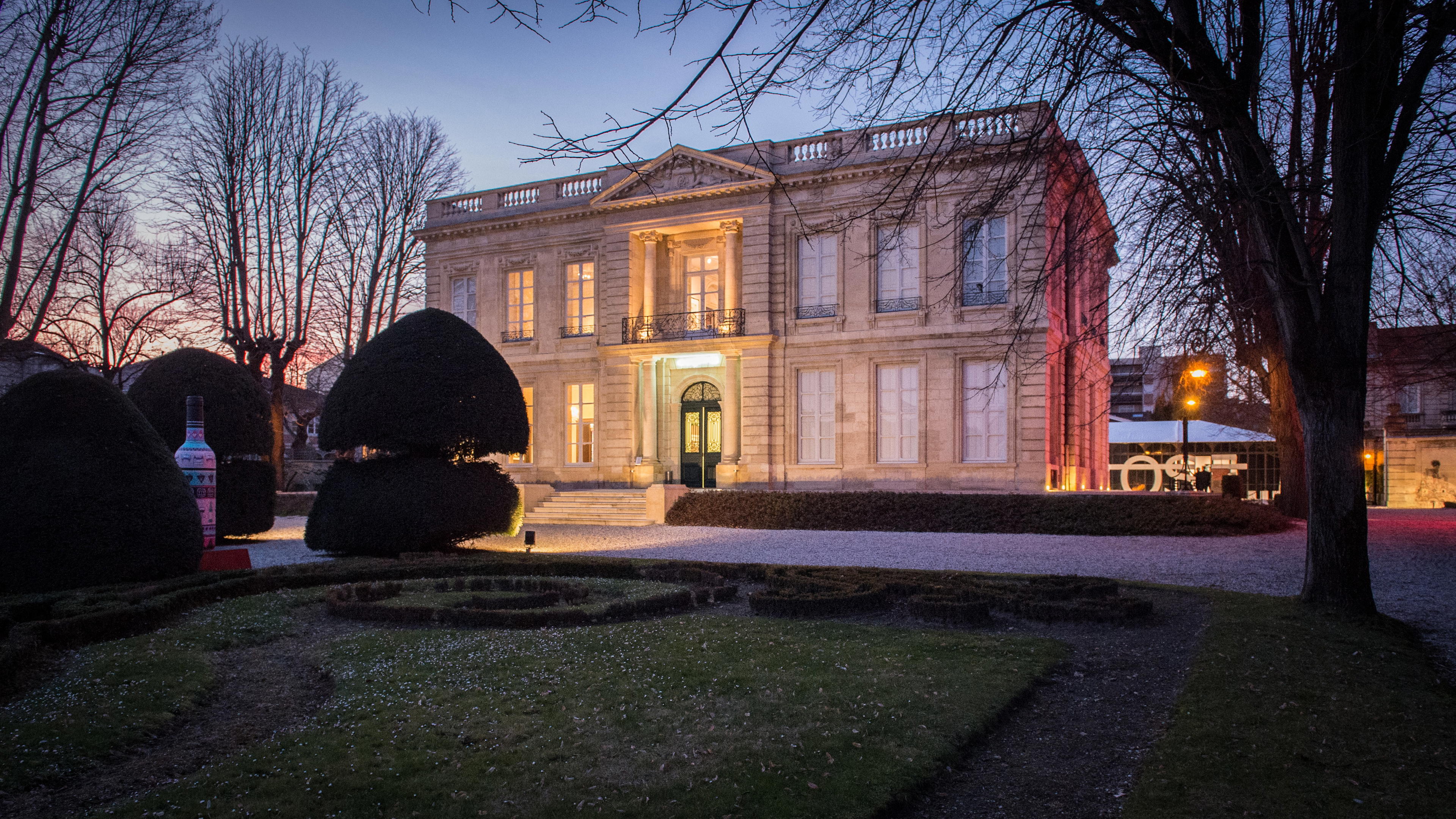
The building itself is on a compact block between the medieval church quarter and the Palais Gallien ruins, which means the approach on foot has the layered quality that older French city centres tend to offer: stone facades, narrow pavements, the occasional smell of a boulangerie exhaust vent. It is not a dining room that announces itself from a distance. The scale reads as deliberate rather than modest — a format choice that places Demeter alongside venues where the room size is calibrated to allow a particular quality of service rather than to maximise revenue per sitting.
Where Aquitaine Produce Meets Imported Method
The editorial tension worth following in contemporary Bordeaux dining is not between French and international cuisine — that argument resolved years ago, but between kitchens that use global technique as a flavour modifier and those that let it restructure the dish entirely. The most interesting work happening in the city's mid-to-upper tier comes from chefs who have trained under pressure in Paris, Tokyo, or Copenhagen and then returned to a region that happens to have Pauillac lamb, Arcachon oysters, Périgord truffle, and the Atlantic coast's full complement of fish within a few hours' reach. The combination creates a specific kind of opportunity that restaurants like Demeter are positioned to act on.
That intersection, local ingredients, global technique, has a longer French genealogy than the current wave of coverage implies. Bras in Laguiole spent decades demonstrating that Aubrac terroir could carry a three-Michelin-star argument without imitating Paris. Les Prés d'Eugénie in Eugénie-les-Bains, roughly 130 kilometres south of Bordeaux, built Michel Guérard's reputation on exactly the same proposition: rigorous method, regional matter. What has changed in Bordeaux specifically is the density of kitchens now attempting the same synthesis at a range of price points. Maison Nouvelle and L'Oiseau Bleu are both working in adjacent territory, which means the competitive set for a restaurant like Demeter is tighter than it would have been five years ago.
How Bordeaux's Fine Dining Tier Is Currently Structured
For context: Bordeaux currently sits below Lyon and Paris in the density of Michelin recognition but above most other French provincial cities. The upper end is occupied by a small number of rooms that price into the €€€€ bracket and draw heavily on the city's wine tourism infrastructure, Le Pressoir d'Argent under Gordon Ramsay's banner and L'Observatoire du Gabriel are the clearest examples. Below that, in the €€€ range, sits a cluster of kitchens with serious ambition and more flexibility in format. Demeter's address on Rue Ausone puts it physically and conceptually inside that second tier.
For comparison across France's wider territory, the restaurants that have most successfully executed the local-produce, global-technique argument at the highest level include Mirazur in Menton, Flocons de Sel in Megève, and Alléno Paris au Pavillon Ledoyen, each operating at a national scale that Bordeaux's mid-tier is not yet matching. The regional benchmark remains Auberge de l'Ill in Illhaeusern for longevity and Paul Bocuse's Auberge du Pont de Collonges for the historical weight of the Lyonnais tradition from which so much of provincial French fine dining descends. Troisgros in Ouches and Georges Blanc in Vonnas mark the outer edge of what intergenerational French restaurant-keeping looks like at its most sustained. Demeter, operating in a city still building its non-wine dining credentials, is working within a different set of pressures and a different timeframe.
The Creative Tier in Context
Among Bordeaux's openly creative kitchens, Amicis is the most direct peer in terms of ambition and price register. Both operate in the space between classical French structure and something more improvisational, though the angle each takes on that gap differs. The creative tier in Bordeaux is small enough that each restaurant in it operates with a degree of visibility that would be harder to achieve in Paris, a structural advantage for kitchens willing to do the editorial work of establishing a point of view.
For international reference, the format of technically intensive, ingredient-forward dining rooms has parallels well beyond France. Le Bernardin in New York represents the high end of that argument applied to seafood; Lazy Bear in San Francisco shows what happens when the same instinct operates in a more communal, less formal register. Bordeaux's version of this conversation is younger, less codified, and still finding its own terms.
Planning a Visit
Demeter sits at 9 Rue Ausone, 33000 Bordeaux, in the city's central historic district and is accessible on foot from both the Bordeaux-Saint-Jean railway station (approximately twenty minutes) and the main tram network via the Hôtel de Ville stop. The central location means no particular transport complexity, though parking in the immediate area requires patience. Bordeaux is leading approached by high-speed rail from Paris, with the journey currently running at just over two hours on the TGV, a practical argument for combining the restaurant with an overnight stay rather than a day trip. For the surrounding dining scene across price points and formats, the EP Club Bordeaux restaurant guide maps the full spread.
Frequently asked questions
Where exactly is Demeter?
Demeter is located at 9 Rue Ausone, 33000 Bordeaux, France, Bordeaux.
Is Demeter in Bordeaux a good option for a wine-focused dinner?
Given its position in central Bordeaux — one of the world's primary wine-producing cities — Demeter at 9 Rue Ausone is naturally situated within a dining culture where wine pairing is a baseline expectation rather than an add-on. Bordeaux's fine dining tier, which sits above most French provincial cities in Michelin density, generally supports serious wine programs. Specific list details for Demeter are not published, so confirming the wine offer directly before visiting is advisable.
What should I order at Demeter?
Specific menu details for Demeter are not published in advance, which is consistent with kitchens at this level in Bordeaux that adjust their offering by season and market availability. The kitchen's editorial identity, as established on Rue Ausone, centres on Aquitaine produce interpreted through contemporary technique. Arriving with an open brief rather than fixed expectations is the practical approach here.
Can I walk in to Demeter?
Demeter sits at 9 Rue Ausone in Bordeaux's central historic district, which is accessible on foot from Bordeaux-Saint-Jean rail terminus. Whether walk-ins are accepted depends on reservation policy, which is not publicly listed. For a restaurant operating in Bordeaux's creative fine dining tier, securing a booking in advance is the safer approach.
What's the standout thing about Demeter?
The address itself carries weight: Rue Ausone is named for the fourth-century poet whose verses documented the Garonne's vine-growing culture, which gives Demeter an unusually apt location for a kitchen engaging with Bordeaux's agricultural identity. Among Bordeaux's openly creative kitchens, Demeter occupies the space between classical French structure and imported contemporary method, a position that puts it alongside peers such as Amicis in terms of ambition and price register.
Comparable Options
Comparable venues nearby, for context on price, style, and recognition.
| Venue | Cuisine | Price | Awards | Notes |
|---|---|---|---|---|
| DemeterThis venue — the venue you are viewing | Modern Global Fusion | $50–100 | Not listed | Not listed |
| Le Comptoir de Sèze | Modern French Bistronomic | $30–50 | Not listed | Chartrons - Grand Parc - Jardin Public |
| L’univerre | French Bistro with Wine Focus | $50–100 | Star Wine List | Saint Augustin - Tauzin - Alphonse Dupeux |
| Restaurant Le Saint Julien | Traditional French | $50–100 | Not listed | Saint-Julien-Beychevelle |
| L'Entrecôte | Classic French Steak Frites | $30–50 | Not listed | Centre ville |
| Bouchon Bordelais | French Bistro | $30–50 | Not listed | Centre ville |
Continue exploring
More in Bordeaux
Restaurants in Bordeaux
All restaurants in Bordeaux →
Bars in Bordeaux
All bars in Bordeaux →
Hotels in Bordeaux
All hotels in Bordeaux →
Details
- Modern
- Cozy
- Intimate
- Sophisticated
- Date Night
- Special Occasion
- Group Dining
- Open Kitchen
- Extensive Wine List
- Local Sourcing
- Small Plates
- Wine
- Vegetarian Friendly
Current opening hours
- Monday
- Closed
- Tuesday
- 12–2 PM, 7–10 PM
- Wednesday
- 12–2 PM, 7–10 PM
- Thursday
- 12–2 PM, 7–10 PM
- Friday
- 12–2 PM, 7–10 PM
- Saturday
- 12–2 PM, 7–10 PM
- Sunday
- Closed
Hours can change for holidays and private events. Last verified .
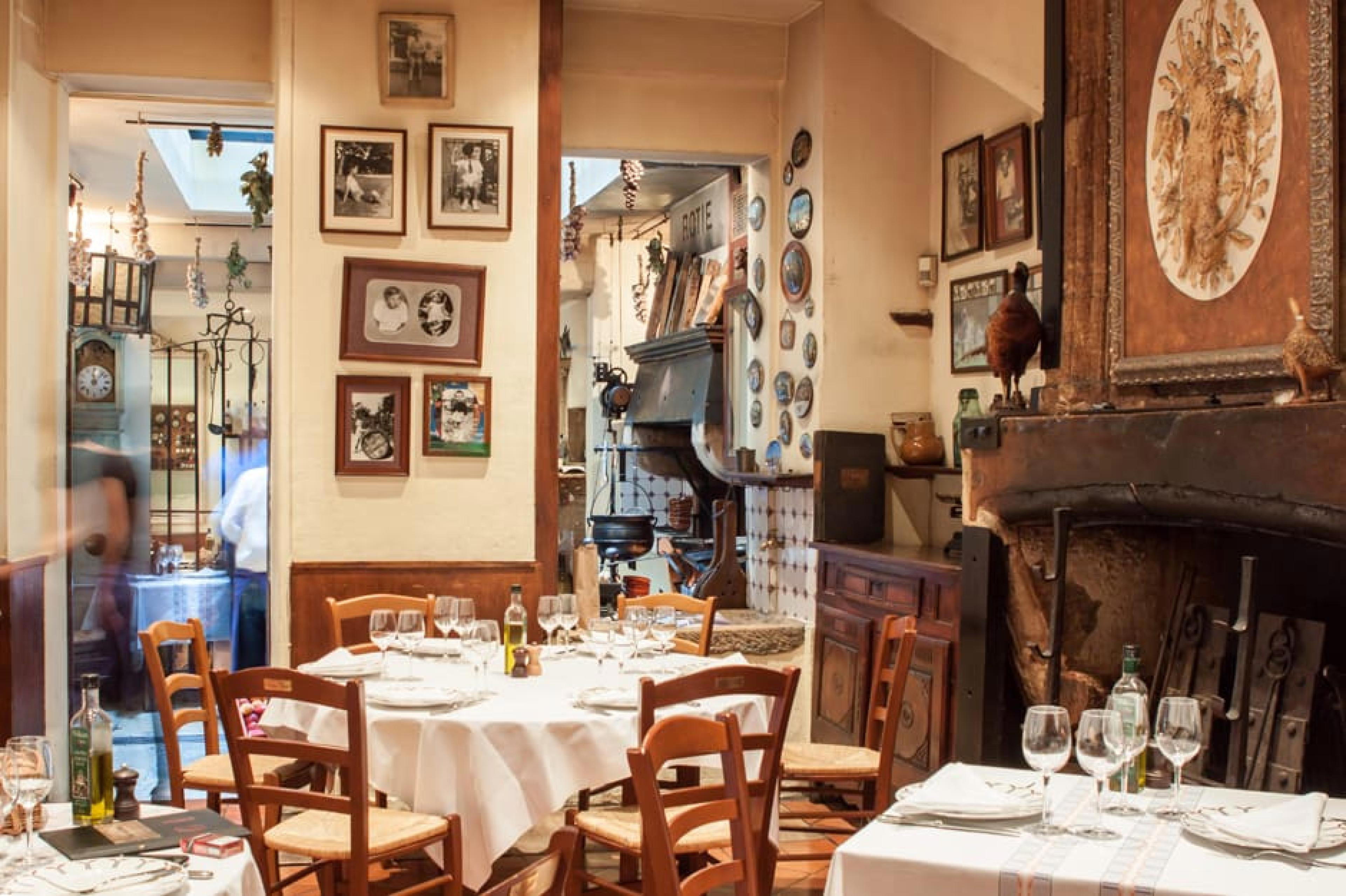
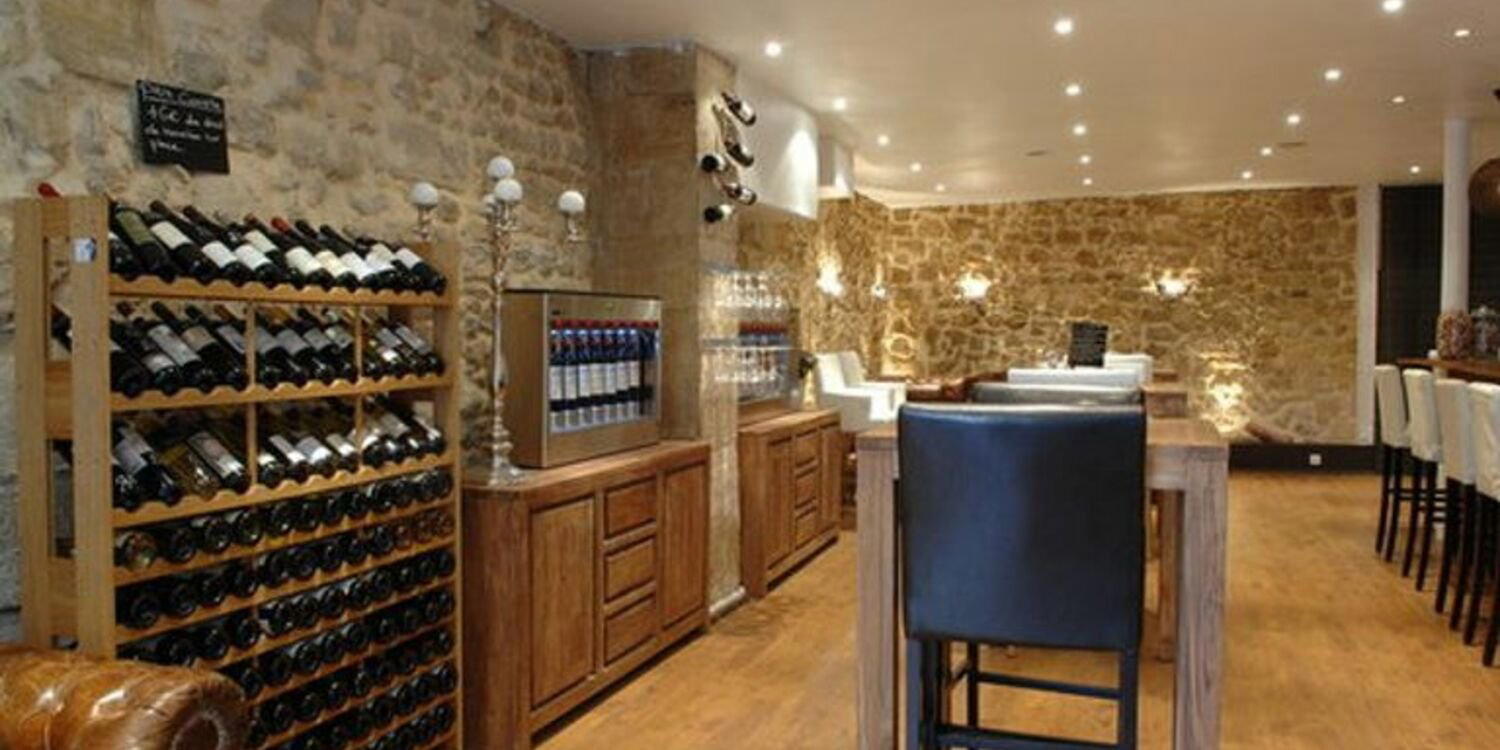
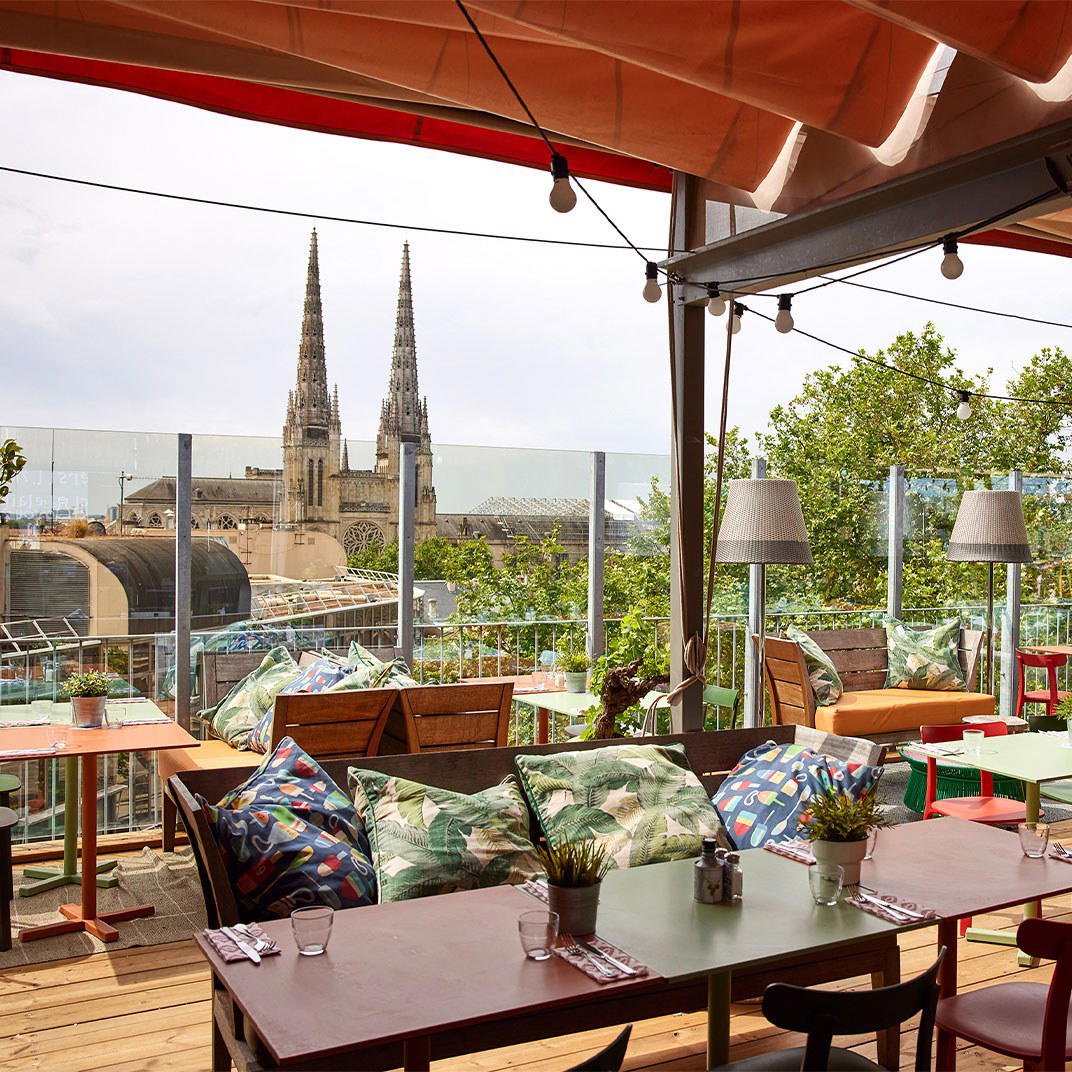
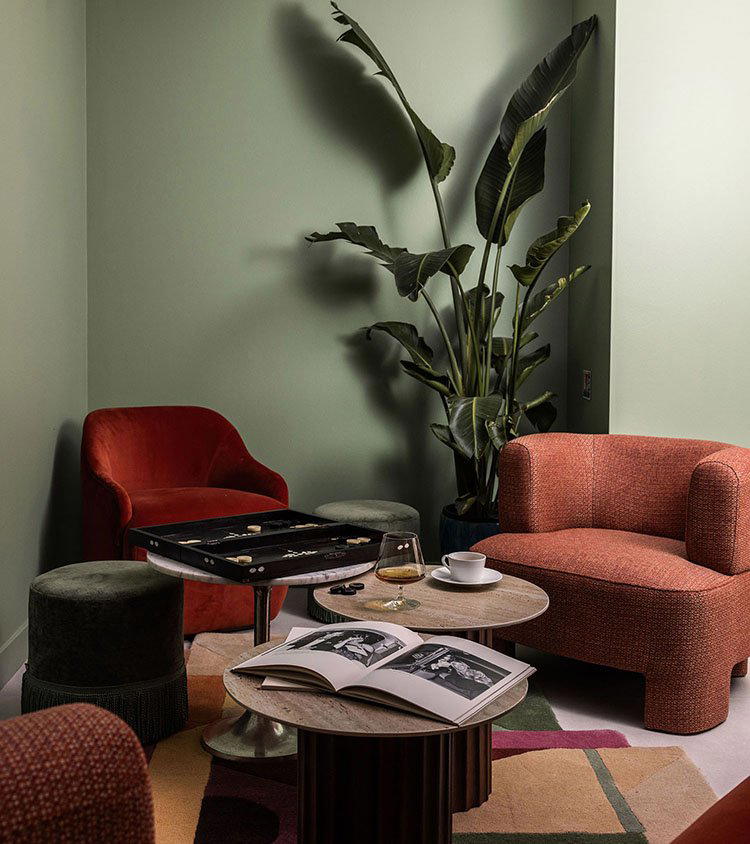
Warm and refined atmosphere with curved wood and old stone, open kitchen, quiet and comfortable setting praised for its welcoming vibe.