Københavner Cafeen
Our verdict
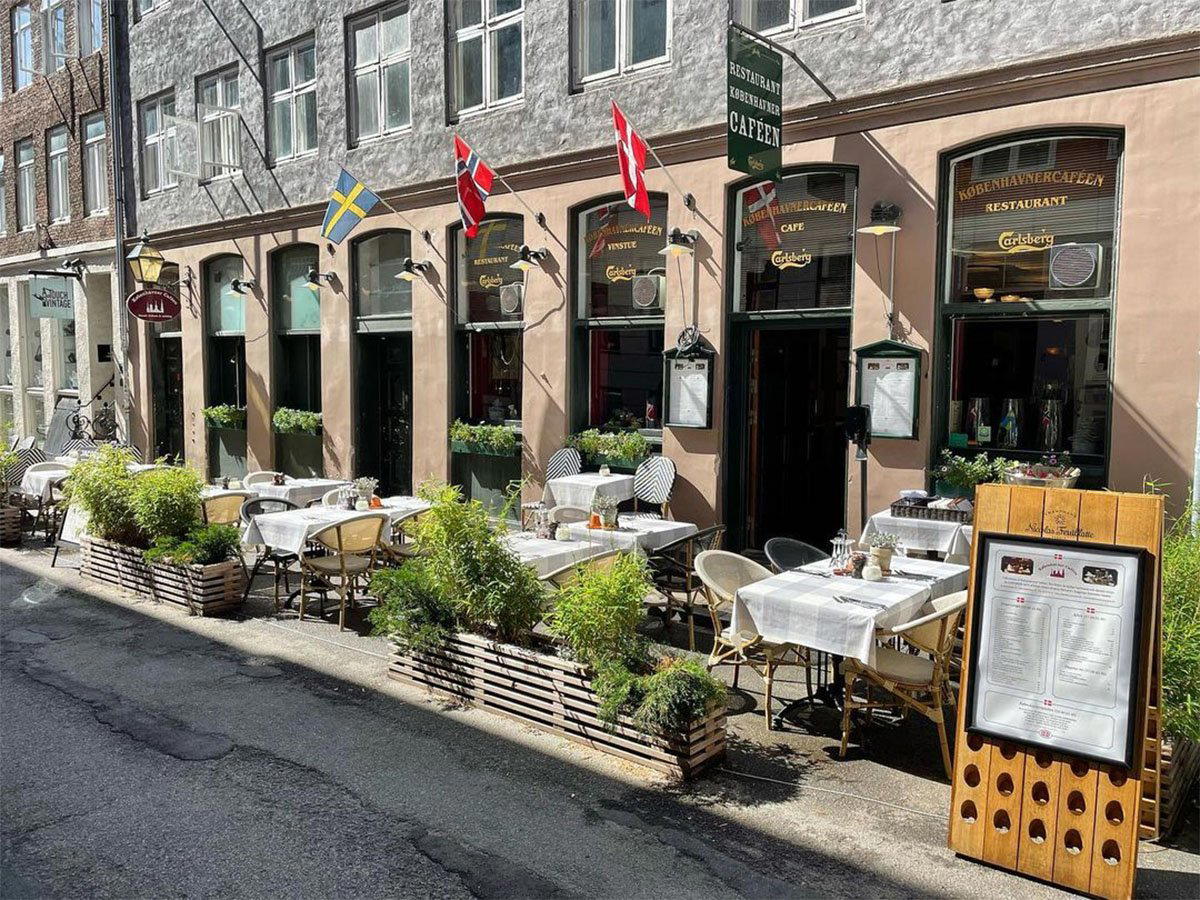
Københavner Cafeen on Badstuestræde sits inside Copenhagen's old town as one of the city's enduring traditional cafes, the kind of place regulars return to not for novelty but for consistency. It represents a different register from the New Nordic fine-dining circuit, rooted in Danish everyday hospitality rather than tasting-menu ambition. For visitors seeking the city on its own unhurried terms, it belongs on the itinerary alongside the headline addresses.

Pearl is the En Primeur Club membership app, where members save venues, book tables and use the concierge.
The menu
What to order
- Smørrebrod
- Stegt Flæsk med Persillesovs
- Karrysild
The Other Side of Copenhagen's Table
Copenhagen's dining reputation is built almost entirely on a particular kind of ambition: foraged ingredients, precise technique, tasting menus that run to twenty courses and as many wine pairings. Restaurants like Geranium, Noma, and Alchemist have made the city a reference point for progressive cooking globally, and the wave they generated has produced a second tier of accomplished kitchens Kadeau, Koan, that operate at comparable seriousness. What this conversation tends to crowd out is the other tradition: the Danish café and lunch house that existed long before New Nordic became an export category, and that a certain kind of Copenhagener has never stopped frequenting.
Københavner Cafeen on Badstuestræde 10 belongs to that quieter lineage. The address places it in the oldest fabric of the inner city, away from the tourist corridors of Nyhavn and the design-hotel stretch of Vesterbro. The streets here narrow, the buildings compress, and the light arrives at odd angles depending on the season. Approaching the café in the way that regulars do, on foot, cutting through from Gammeltorv or arriving from the direction of the Latin Quarter, sets an expectation that has nothing to do with innovation and everything to do with continuity.
What the Regulars Are Actually There For
The loyal clientele of traditional Copenhagen cafes does not operate on the logic of occasion dining. They are not celebrating milestones or ticking off a list. They return because a specific kind of experience has proven reliable: a room that feels the same as it did last time, a menu that does not require interpretation, service that recognises the difference between warmth and performance. In Danish café culture, this reliability is itself a form of craft. The smørrebrød tradition, open-faced rye bread layered with herring, roast beef, egg, or leverpostej, is not a simplified lunch option but a specific culinary form with its own internal hierarchy of quality. How the bread is sliced, how the toppings are balanced, whether the rye has the right density: these are the criteria that matter to the person who eats here twice a week, not the creativity of the composition.
Copenhagen's café regulars also tend to develop relationships with a place's rhythm across the day. The mid-morning coffee crowd is different from the lunch rush, which is different again from the afternoon slowdown. A café that has survived across decades in the inner city has learned to serve all three without losing its character in any of them. That kind of institutional patience is harder to build than a praised tasting menu, and it produces a different form of loyalty, one measured in years rather than reservations.
Where Københavner Cafeen Sits in the Broader Scene
The Danish dining scene outside Copenhagen has developed its own serious nodes in recent years. Jordnær in Gentofte operates at the top of the Michelin tier just outside the capital. Further afield, Frederikshøj in Aarhus, Henne Kirkeby Kro in Henne, Alimentum in Aalborg, ARO in Odense, Domæne in Herning, Dragsholm Slot Gourmet in Hørve, Frederiksminde in Præstø, LYST in Vejle, and MOTA in Nykøbing Sjælland all represent the ambition-led end of the country's restaurant spectrum. None of them are competing for the same table as Københavner Cafeen, because they are answering a different question entirely. The fine-dining circuit in Denmark asks what Danish ingredients and technique can achieve at their limit. The traditional café circuit asks what Danish hospitality looks like when it is simply being itself, without the pressure of international recognition.
That distinction matters for visitors building an itinerary. A trip to Copenhagen that runs only from one tasting menu to the next misses something about how the city actually eats. The café lunch, rye bread, cold cuts, a glass of pilsner or a cup of coffee, is as much a part of the city's food identity as anything produced in a Michelin-starred kitchen. Internationally, comparisons can be drawn to the way New Yorkers treat their neighbourhood institutions, places like Le Bernardin or Atomix represent one register of the city's dining, while the coffee shop on the corner represents another, and both are real. Copenhagen operates on the same spectrum.
The Inner City Address
Badstuestræde is one of the shorter streets in the medieval core of Copenhagen, the kind of address that does not appear on most tourist maps but that locals reference without thinking. The inner city around it contains some of the densest concentration of pre-19th-century architecture in Scandinavia, and eating here carries a low-level awareness of that accumulated time. Traditional cafes in this part of Copenhagen have historically served as gathering points for the neighbourhood's working and professional populations, a function that pre-dates the city's current reputation as a design and gastronomy destination by several generations.
For a full sense of where Københavner Cafeen sits relative to the rest of the city's dining options, across all price points and formats, the EP Club Copenhagen restaurants guide maps the scene from traditional lunch houses through to the progressive tasting-menu tier.
Planning a Visit
The inner city location is reachable on foot from most of Copenhagen's central hotels and from the Kongens Nytorv metro station in roughly ten to fifteen minutes. Weekday lunches tend to draw the regular crowd; weekends shift toward a more visitor-mixed clientele, which is a meaningful difference in atmosphere if the regulars' experience is what you are after.
Frequently asked questions
What part of town is Københavner Cafeen in?
Københavner Cafeen is located at Badstuestræde 10, 1209 København, Denmark, Copenhagen.
Is Københavner Cafeen worth visiting if you have already eaten at Noma or Geranium?
For visitors who have experienced Copenhagen's progressive side, Københavner Cafeen on Badstuestræde 10 offers a direct reference point for what Danish food looked like before foraged ingredients and fermentation redefined the city's reputation. The smørrebrød tradition these cafes carry is the foundation that the Michelin-starred generation explicitly departed from, eating at both makes the contrast legible. It is one of the shorter streets in the medieval core, which means the address is quieter and less tourist-facing than the Nyhavn corridor.
What should I eat at Københavner Cafeen?
Traditional Danish café menus in Copenhagen's medieval core are built around smørrebrød, open-faced rye bread with toppings that follow established combinations: cured herring, roast beef with remoulade, liver paté with bacon, and pickled vegetables. The rye bread itself is the structural foundation; its density and sourness are what make or break the dish. At a café on Badstuestræde 10 operating in this tradition, ordering the herring and a second piece of smørrebrød is the standard approach for a proper lunch.
How far ahead should I plan for Københavner Cafeen?
Traditional Copenhagen cafes at this level of the market do not typically require advance booking months ahead the way the city's tasting-menu restaurants do. Walk-ins are common at lunch, though arriving early secures a table in the inner medieval quarter where foot traffic picks up through midday. Because confirmed booking data for Københavner Cafeen is not currently in the EP Club record, contacting the venue directly at Badstuestræde 10, 1209 København is the safest step before visiting.
What's the signature at Københavner Cafeen?
In Copenhagen café tradition, the signature is rarely a single dish but a consistent approach to smørrebrød: the quality of the rye bread, the sourcing of the herring, and the fidelity to established topping combinations rather than novelty. At a café on Badstuestræde in the city's medieval core, that consistency over time is itself the point.
Is Københavner Cafeen allergy-friendly?
check the venue's official channels at Badstuestræde 10, 1209 København for allergy and dietary information. Traditional Danish café menus rely heavily on rye bread, dairy, fish, and cured meats, which means gluten, lactose, and fish allergies will limit options significantly. This is not a format designed around dietary substitution, and it is worth confirming with the kitchen before arrival.
Does Københavner Cafeen justify its prices?
As a reference point, traditional Copenhagen cafes serving proper smørrebrød typically sit well below the city's tasting-menu tier, with lunch for two usually running under what a single cover costs at the progressive restaurants in Vesterbro or the harbour. The value calculation at a café on Badstuestræde 10 is different: you are paying for a specific tradition, not a progression of courses.
Style and Standing
Comparable venues nearby, for context on price, style, and recognition.
| Venue | Cuisine | Price | Awards | Notes |
|---|---|---|---|---|
| Københavner CafeenThis venue (the venue you are viewing) | Traditional Danish Smørrebrød | $20–30 | Not listed | Not listed |
| Manfreds & Vin | Vegetable-focused small plates with natural wines | Not listed | Not listed | Nørrebro |
| Restaurant Kronborg | Traditional Danish Smørrebrød | $30–50 | Not listed | Indre By |
| Restaurant 1733 | Traditional Danish | $20–30 | Not listed | Indre By |
| Brønnum | Cocktail Bar | Not listed | Falstaff Bar - 92 Falstaff Points | Indre By |
| 1105 Copenhagen | Cocktail Bar | $20–30 | Not listed | Indre By |
Continue exploring
More in Copenhagen
Restaurants in Copenhagen
All restaurants in Copenhagen →
Bars in Copenhagen
All bars in Copenhagen →

Details
- Cozy
- Classic
- Rustic
- Casual Hangout
- Historic Building
- Beer Program
- Local Sourcing
- A La Carte
- Vegetarian Friendly
- Gluten Free Options
Current opening hours
- Monday
- 11:30 AM–10 PM
- Tuesday
- 11:30 AM–10 PM
- Wednesday
- 11:30 AM–10 PM
- Thursday
- 11:30 AM–10 PM
- Friday
- 11:30 AM–11 PM
- Saturday
- 11:30 AM–11 PM
- Sunday
- 11:30 AM–5 PM
Hours can change for holidays and private events. Hours as of .
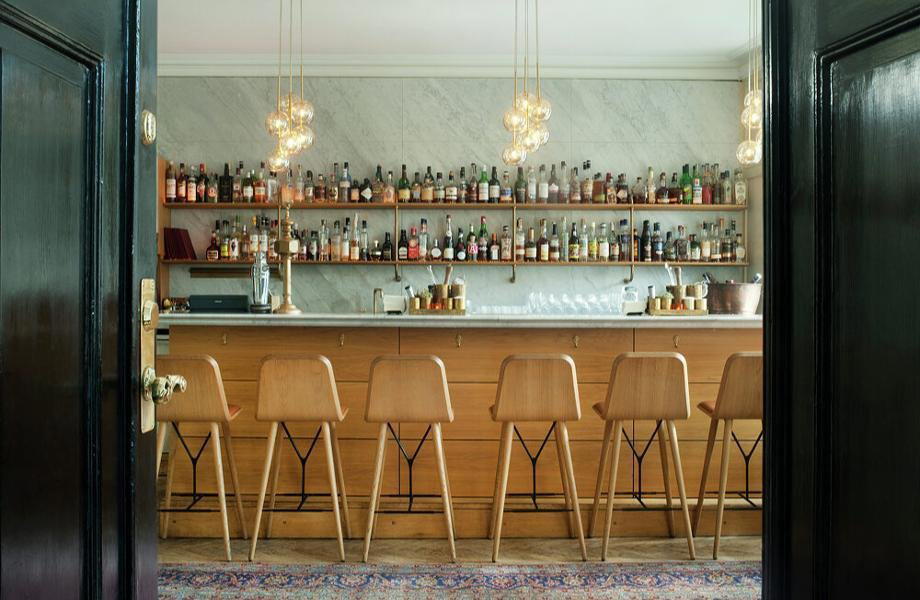
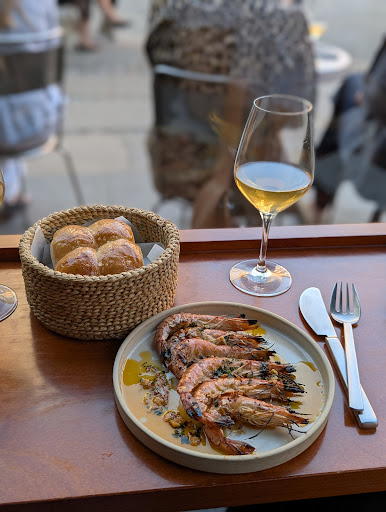
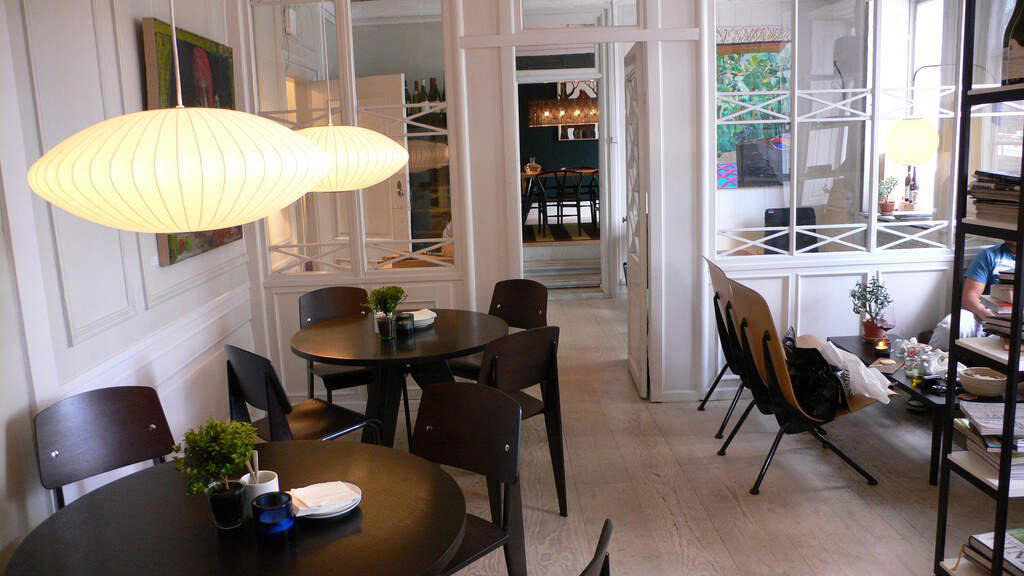
Warm, inviting, and rustic with dark wood interiors, nips on the walls, and a hygge atmosphere that feels like home.