
Restaurant Katayama Higashimukoujima honten sits in Tokyo’s yoshoku tradition: Japanese-style Western cooking shaped for local appetites rather than imported nostalgia. Its Tabelog 100 Yoshoku EAST 2025 selection, 44-seat format, no-reservation policy, and Higashi Mukojima address place it closer to a neighbourhood institution than a polished central Tokyo dining room.
Pearl is the En Primeur Club membership app — saves, bookings, and concierge access live there. Same editors, same standards.
- Address
- 東京都墨田区東向島4-2-6
- Phone
- +81336101500
- Website
- dabintyo.jp
 Saves & bookings on Pearl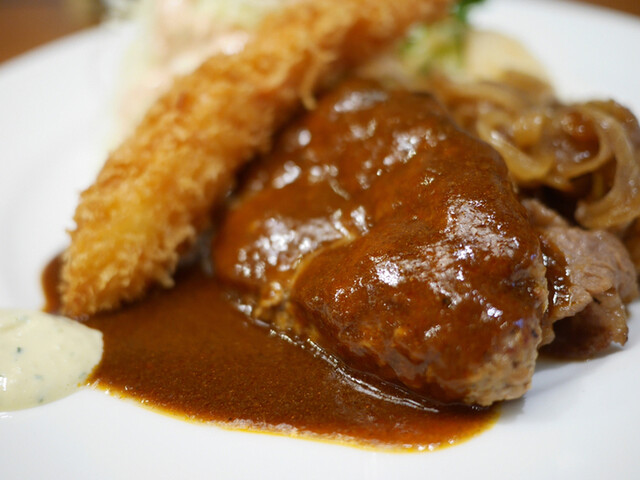
Approaching Higashi Mukojima, Tokyo’s restaurant map changes texture. The city’s luxury narrative points to Ginza counters, Aoyama tasting menus, and hotel dining rooms, but yoshoku has long lived in everyday neighbourhoods: tables rather than theatre, knives and saucepans rather than ceremony, Western forms translated through Japanese habits. Restaurant Katayama Higashimukoujima honten belongs to that older, democratic Tokyo dining strain, where steak, omurice, and Japanese-style Western cooking share a register with family meals, lunch sets, and post-work dinners.
Yoshoku is not simply Western food in Japan. It is adaptation, built from late 19th- and 20th-century encounters with cutlets, omelettes, demi-glace, curry, hamburg steak, and steakhouse culture, then standardized into something recognizably Japanese. In Tokyo, that distinction matters. A French restaurant signals one expectation; a yoshoku room signals another: rice as a natural companion, sauces with deeper sweetness and savor, and formats that welcome children, regulars, and solo diners without turning the meal into occasion dining. Katayama’s categories, yoshoku, steak, and omurice, place it directly in that lineage.
Yoshoku in eastern Tokyo is about translation, not imitation
Tokyo’s eastern wards preserve a dining culture less dependent on international prestige signals than central restaurant districts. Sumida has craft history, working neighbourhoods, and family dining patterns that suit yoshoku. The cuisine’s appeal is fluency: it can absorb steakhouse ambition, coffee-shop comfort, and family-restaurant ease without confusion. That makes Restaurant Katayama Higashimukoujima honten useful for understanding Tokyo beyond sushi and ramen shorthand.
Recognition matters because it comes in a category often overshadowed by glossier genres. Selection for Tabelog 100 Yoshoku EAST 2025 places the restaurant within a curated group for Japanese-style Western cuisine, not the broader fine-dining circuit. The same public listing notes selections in 2022 and 2020, suggesting repeated visibility in this field. This is a different trust signal from Michelin-star dining: less global luxury grammar, more category authority inside Japan’s own restaurant culture.
The price band tells part of the story. Dinner at JPY 5,000 to JPY 5,999 puts the meal above casual chain yoshoku but below Tokyo’s expensive steak and tasting-menu tiers. Compared with Uwo Toku’s JPY 15,000 to JPY 19,999 bracket, Katayama is more accessible; compared with a low-cost sweet stop such as Jiman Kusamochi, it is a full-meal restaurant rather than a snack or confectionery address. The decision is clear: this is for a proper yoshoku dinner in eastern Tokyo, not a prestige splurge or quick bite.
The room favors families, regulars, and diners who accept a queue
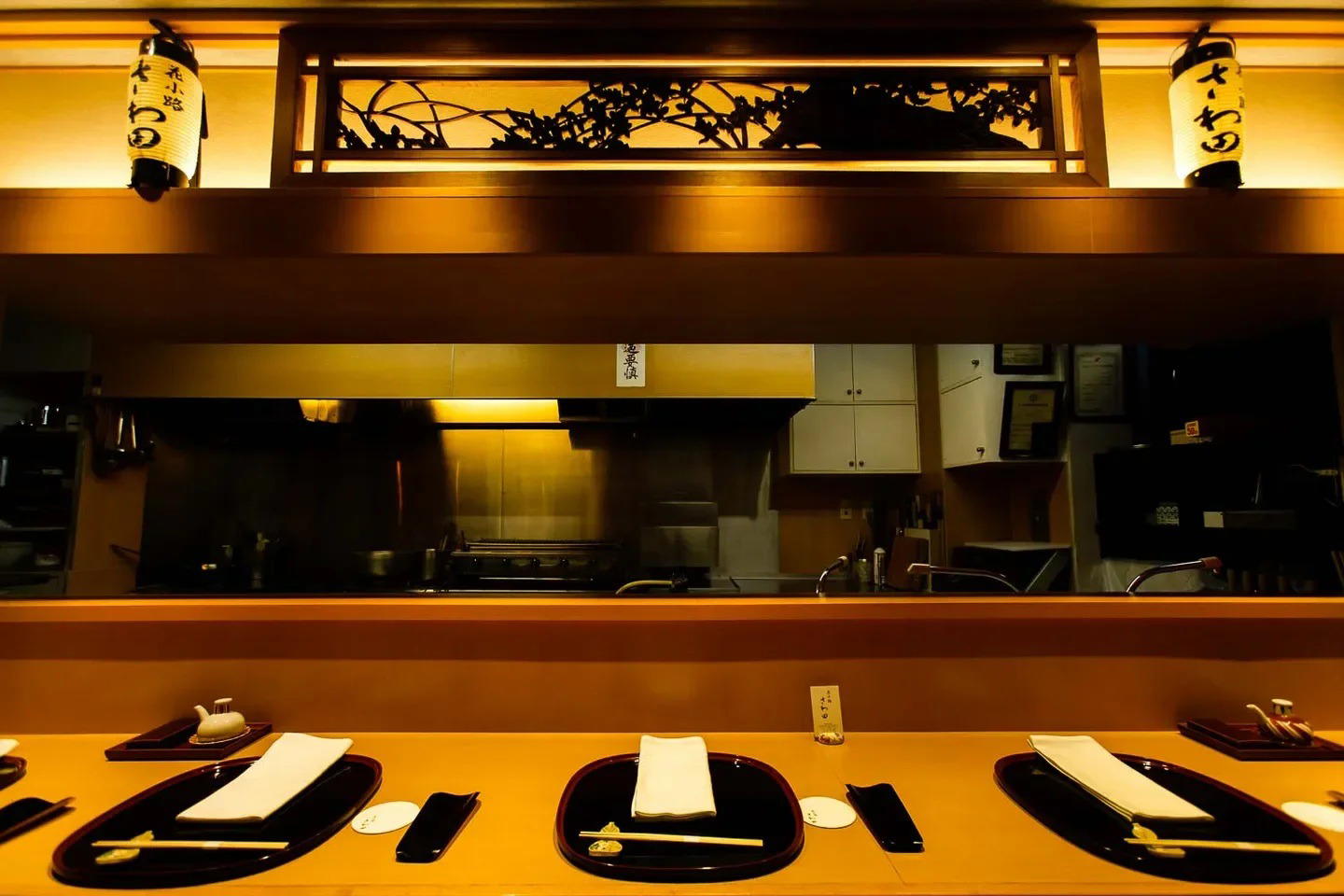
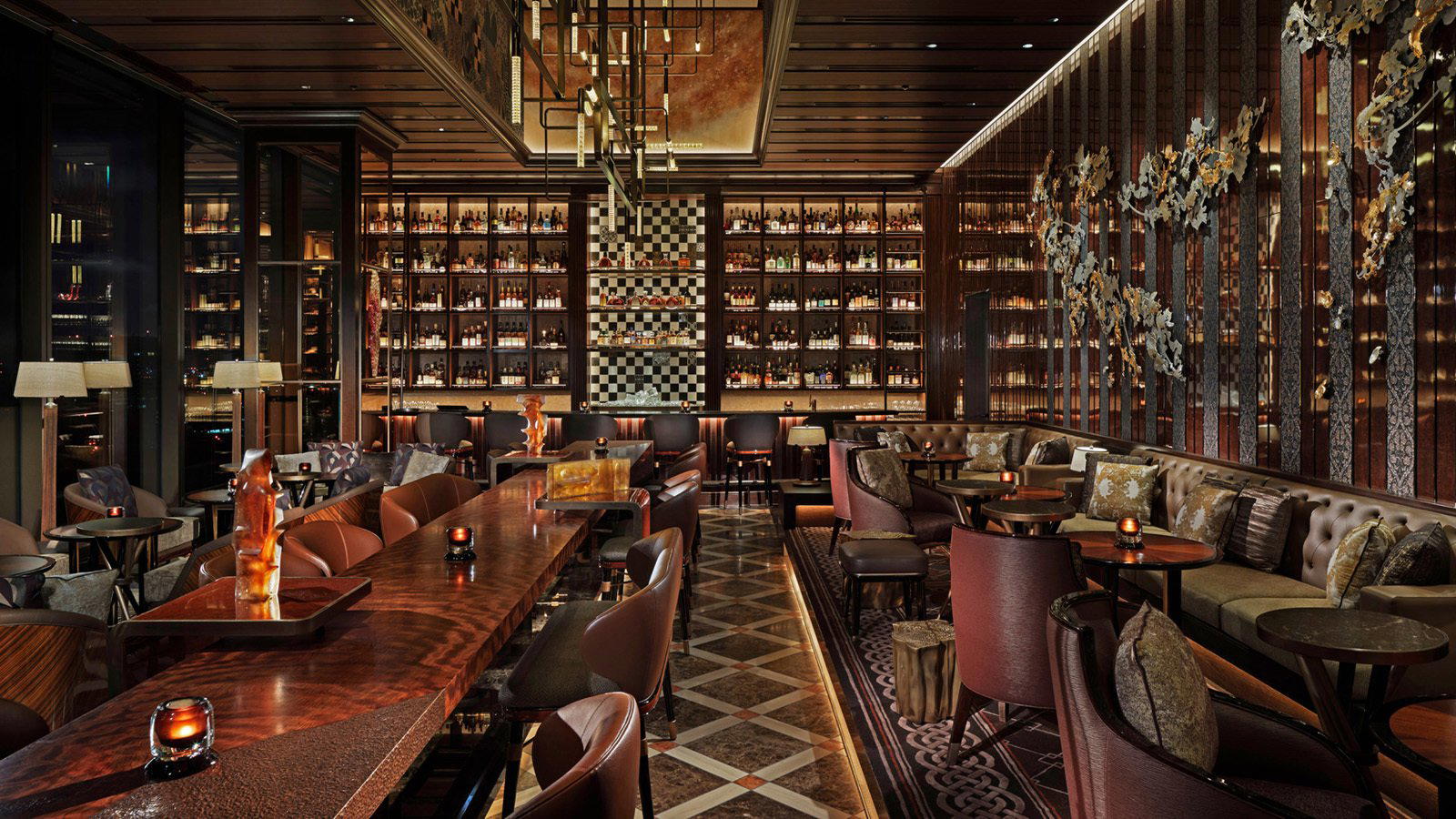
The format is practical. The restaurant lists 44 seats, including 5 counter seats and 39 table seats, giving families and groups more comfort than Tokyo’s tiny counter restaurants. Children are explicitly welcome, including preschool and school-age diners, and a kids menu is listed. In Tokyo, where many serious dining rooms are physically tight or socially unsuited to young children, that matters.
Reservations are unavailable, and the restaurant notes chairs in the waiting room and outside. This is not a concierge-driven booking problem; it is a timing problem. Diners trade certainty for access to a recognized yoshoku address without advance-reservation performance. In a city dominated by hard-to-book counters, the no-reservation model feels refreshingly direct, though not effortless.
The operating rhythm suits lunch and dinner, with service listed across midday and evening periods on most days and Thursday as the regular closure. Hours can change, so treat Katayama as a planned stop rather than an improvised detour. The nearest station is Higashi Mukojima, listed as a 9-minute walk away on the Tobu Isesaki Line. Parking is unavailable, with coin parking nearby, reinforcing the local, rail-oriented pattern typical of many Tokyo neighbourhood restaurants.
Payment is easier than at many old-school rooms: major credit cards are accepted, PayPay is listed, and electronic money is not. The restaurant is non-smoking, private rooms are unavailable, and take-out is listed. Drinks lean into sake and wine, fitting yoshoku’s hybrid identity. Steak and omurice can sit comfortably with either, which is the point: the cuisine refuses a single imported rulebook.
How to place Katayama in a Tokyo dining itinerary
For visitors building a Tokyo itinerary, Katayama makes sense when the aim is cultural breadth rather than trophy dining. A sushi counter explains one form of discipline; yakitori another; yoshoku explains how Japan absorbed Western dining and made it domestic. This kind of meal can be more revealing than another luxury reservation because it shows how Tokyo eats when a dining room is useful, familiar, and technically serious at once.
It also pairs well with a wider view of the city’s range. For central Tokyo contrasts, EP Club’s listings include . 鮪と炭火焼き うお炭 秋葉原店, 12/10 Shinjuku ten, 124. KAGURAZAKA (Yakitori), 2D Cafe, and 3 Chome no Curry Ya San. For broader planning, use Our full Tokyo restaurants guide, alongside Our full Tokyo hotels guide, Our full Tokyo bars guide, Our full Tokyo wineries guide, and Our full Tokyo experiences guide.
Japan’s regional and overseas Japanese dining references sharpen the point. -Grilled beef Sukiyaki- KAMAKURA TANUKIAN 鎌倉 たぬき庵 in Kamakura frames beef through sukiyaki, while.cafe in Osaka.know in Kumamoto, (Shoku) Vietnam in Kawasaki, [Curry Senmon Ten] Maruyama Kyoju. in Sapporo, and [ki:] in Kyoto show how local context changes casual and specialist dining. Abroad, Jōdo Saké Bar in Los Angeles and Onigiri Time in Pasadena show Japanese formats translated again for another audience.
The editorial case is clear: Katayama is not where to chase Tokyo’s international fine-dining mythology. It is where yoshoku’s durable appeal becomes legible: a recognized eastern Tokyo room, a mid-range dinner spend, a family-capable setup, and a menu category rooted in Japan’s long habit of making foreign forms feel domestic.
Where It Fits
Comparable venues side-by-side for orientation.
| Venue | Cuisine | Price | Notes |
|---|---|---|---|
| Restaurant Katayama Higashimukoujima hontenThis venue — the venue you are viewing | Classic yoshoku steak & omurice | $$ | Not listed |
| たんたん亭 本店 | Traditional Japanese Ramen | $$ | Hamadayama |
| Wee Nam Kee Chicken Rice (威南記 海南鶏飯) | Singaporean Hainanese Chicken Rice | $$ | Shibaura |
| PIZZA SLICE 2 | New York-Style Pizza | $$ | Minami-Aoyama |
| Ramen 1/20 | Ramen shop | $$ | Arakawa |
| Himitsu Do | Japanese Shaved Ice / Kakigori Café | $$ | Taitō |
Recognition history
Dated appearances from independent guides and award organizations, with the underlying list record or original source where available.
Tabelog 100 #17 · No. 17
Tabelog · Tabelog 100 - Yoshoku - EAST - 2025







At a Glance
- Classic
- Lively
- Well Known
- Family
- Group Dining
- Casual Hangout
- Solo
- Standalone
- Historic Building
- Organic
A classic neighborhood yoshoku house-restaurant with a bustling, family-friendly atmosphere, simple retro interiors, and the feel of a well-loved local institution rather than a polished modern steakhouse.