
Tabelog 100 #75
Our verdict
Tokyo’s yoshoku tradition is often treated as comfort food, but Restaurant Kamiya sits in the more serious register: a Negishi house restaurant selected for Tabelog 100 Yoshoku EAST 2025, with omurice and demi-glace-led Western-style cooking as its anchor. The appeal is the progression of a meal built around old-school sauce work, family-scale hospitality, and a dining room larger than the city’s counter-dominated luxury scene.

Pearl is the En Primeur Club membership app, where members save venues, book tables and use the concierge.
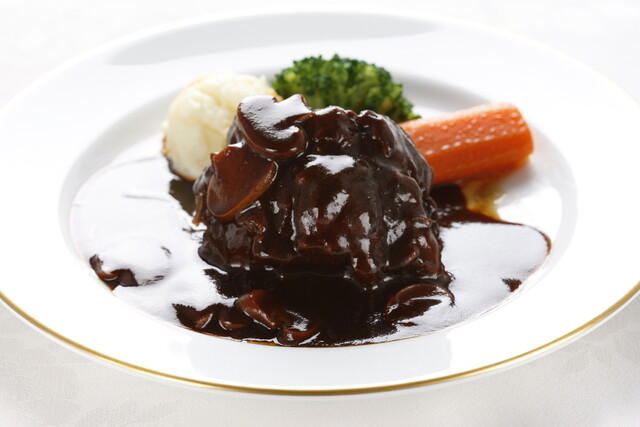
Tokyo changes the tempo before the meal begins. Across the city, older rhythms remain: local shops, long-running dining habits, and restaurants that feel connected to everyday use rather than designed only for spectacle. In that setting, yoshoku makes sense. It is not French food with luxury cues, nor diner food stripped for speed, but Japan’s Western-style cooking tradition: sauces, rice, cutlets, omelettes, stews, and a domestic formality newer Tokyo dining rooms often avoid.
Restaurant Kamiya sits within that tradition. Its listing in Tabelog 100 Yoshoku EAST 2025 gives it a clear credential in a category that rarely travels abroad with the prestige of sushi, tempura, or kaiseki. Yoshoku is easy to underestimate from a distance: omurice can read as casual; sauce-led cooking as nostalgic. In Tokyo, these dishes form a lineage often judged on consistency, timing, and the ability to make familiar food feel composed rather than merely hearty.
Yoshoku as a sequence, not a single comfort plate
The useful way to read a yoshoku meal is through progression. The style rarely uses the rigid theatre of a tasting menu, but a properly ordered table can move with similar logic: something fried or omelette-based, something rice-led, then a deeper sauce-focused main. The arc comes from texture and sauce, not rare ingredients. Restaurant Kamiya’s listed categories, yoshoku and omurice, place it in that classic Tokyo conversation rather than in the fast, single-dish lunch-counter image that defines much everyday Western-style cooking.
The category’s identity is tied to the sauce work and careful composition that separate serious yoshoku from simple retro cooking. Tokyo yoshoku kitchens have long treated sauces as a test of patience: reduction, balance, and continuity become part of a restaurant’s authority. The point is not novelty, but whether the cooking can carry rice, egg, fried elements, and richer dishes without flattening them into sweetness or weight. At this level, rhythm depends on contrast: crisp before soft, rice before richness, brightness before depth.
That sequence also explains why omurice endures as a category marker, not only a children’s dish. In casual settings, it is nostalgia. In stronger yoshoku rooms, it becomes proportion: egg, rice, sauce, and garnish must land in balance. The same applies to fried and stewed dishes. The ingredients are familiar; the judgment lies in handling. Tokyo’s Western-style cooking differs from Western dining imported wholesale because the grammar is foreign in origin, but the discipline is Japanese.
A room built for the yoshoku pace
Tokyo luxury dining has spent years shrinking into counters, chef-facing stages, and limited-seat formats. Yoshoku preserves another social contract. The format can support repeat local use, straightforward meals, and visitors who want a restaurant experience that does not depend on the tension of a once-a-year reservation. That does not make it less serious; it makes the seriousness less performative.
The scale of expectation changes how the cooking is perceived. At a tiny counter, precision becomes spectacle. In yoshoku, consistency is the test. A kitchen serving the category has to preserve structure across familiar dishes and repeated orders. For travellers used to Tokyo as a city of tiny destination counters, this is a useful corrective: durable food culture also lives in meals where familiarity, comfort, and old-fashioned Western-style cooking coexist without ceremony.
Price places it in a middle-to-upper yoshoku bracket, not the luxury tasting-menu economy. Dinner is listed at JPY 8,000 to JPY 9,999, and lunch at JPY 4,000 to JPY 4,999. That is above quick everyday formats and below many more formal special-occasion restaurants. For visitors, the category is useful: serious enough to plan around, not so formal that the meal becomes the evening’s whole performance.
Where it fits in Tokyo's broader eating map
Tokyo’s restaurant conversation often privileges scarcity: sushi counters with narrow booking windows, yakitori rooms defined by smoke and sequence, kaiseki houses organized around seasonality. Yoshoku is less exportable but equally revealing. It shows how the city absorbs foreign forms, domesticates them, and holds them to local standards for decades. Restaurant Kamiya gives that tradition a clear place in the city’s dining map.
For a wider itinerary, it pairs with the city’s other category-specific dining rather than competing with them. A Tokyo trip might move from yoshoku at Restaurant Kamiya to other seafood, grill, skewer, curry, cafe, or casual dining rooms elsewhere in the city. More casual stops and more formal restaurants show the range between theme, curry, grill, and old-school Western-style cooking. For the wider city edit, use Our full Tokyo restaurants guide, alongside Our full Tokyo hotels guide, Our full Tokyo bars guide, Our full Tokyo wineries guide, and Our full Tokyo experiences guide.
Beyond Tokyo, the comparison is less about similarity than how Japanese dining formats travel across setting and purpose. Beef-focused cooking, cafe culture, regional cooking, curry specialists, and Japanese-inflected dining abroad each show different local structures. The point is consistent: format shapes expectation before the first plate arrives, whether the meal is casual, highly specialized, or built around a long-running domestic tradition.
The editorial case for Restaurant Kamiya is not that yoshoku needs dressing up for international attention. It is that the category rewards attention on its own terms. A meal in this genre is cumulative satisfaction: sauce work, rice, egg, stewed or fried dishes, and a pace that can feel both familiar and composed. In a city often reduced to rarity and reservation pressure, that steadier confidence is part of the appeal.
Cuisine and Recognition
Comparable venues at a similar level for quick context.
| Venue | Cuisine | Price | Awards | Notes |
|---|---|---|---|---|
| Restaurant KamiyaThis venue (the venue you are viewing) | Japanese-Western Yoshoku | $20–30 | Tabelog 100 #75 | Not listed |
| Tenfusa (天房) | Tempura | $20–30 | Not listed | Toyosu |
| Re:s Cafe Bar & Sweets | Japanese Dessert Cafe | $20–30 | Not listed | Nishi Waseda |
| Shibata | Classic Tokyo Ramen | $10–20 | Not listed | Komae |
| Coffee Tengoku | Retro Japanese Pancake Cafe | $10–20 | Tabelog 100 | Asakusa |
| Grill Sakura | Classic Yoshoku (Japanese‑style Western) | $20–30 | Tabelog 100 #18 | Taitō |
Recognition history
Dated appearances from independent guides and award organizations, with the underlying list record or original source where available.
Tabelog 100 #75 · No. 75
Tabelog · Tabelog 100 - Yoshoku - EAST - 2025
Continue exploring
More in Tokyo
Restaurants in Tokyo
All restaurants in Tokyo →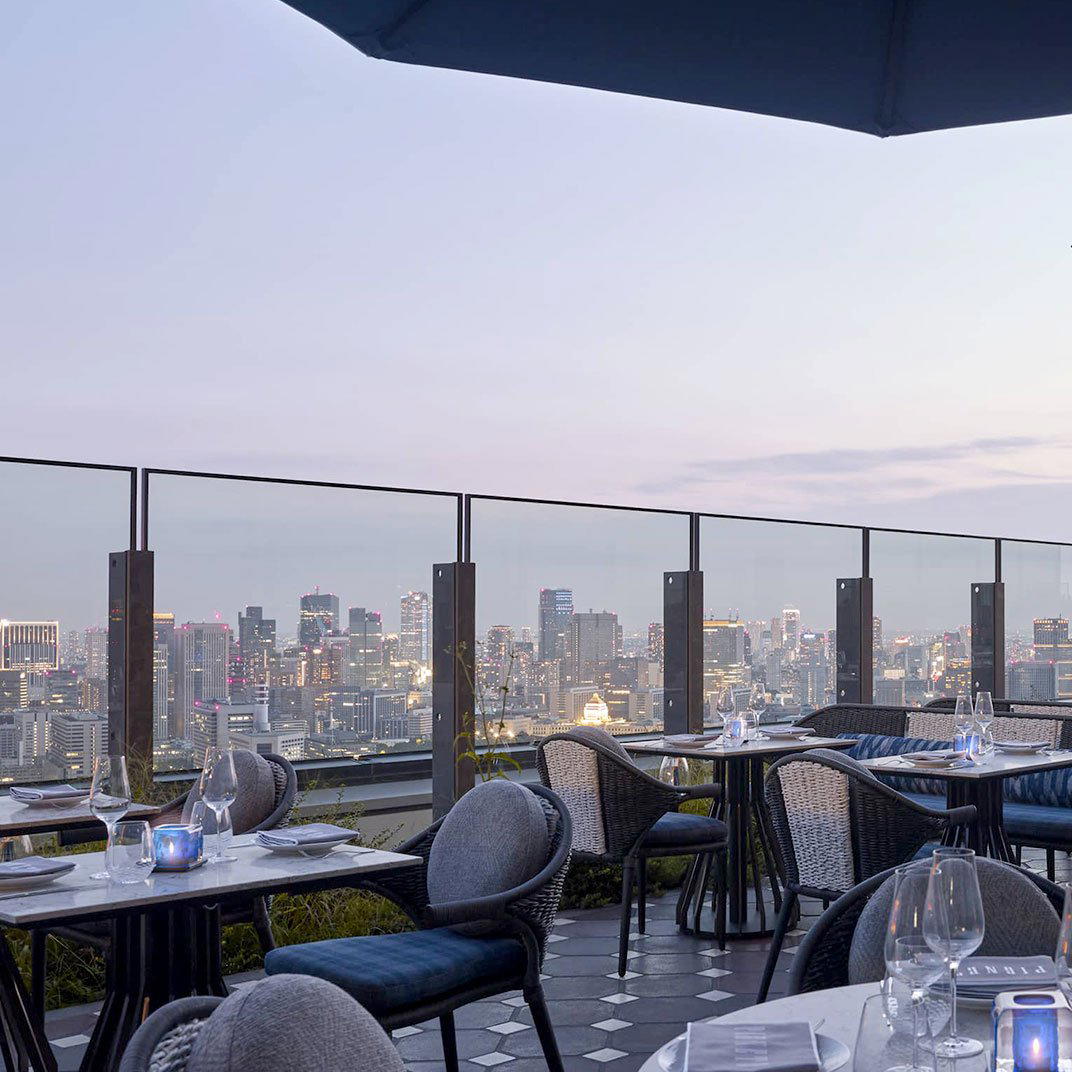
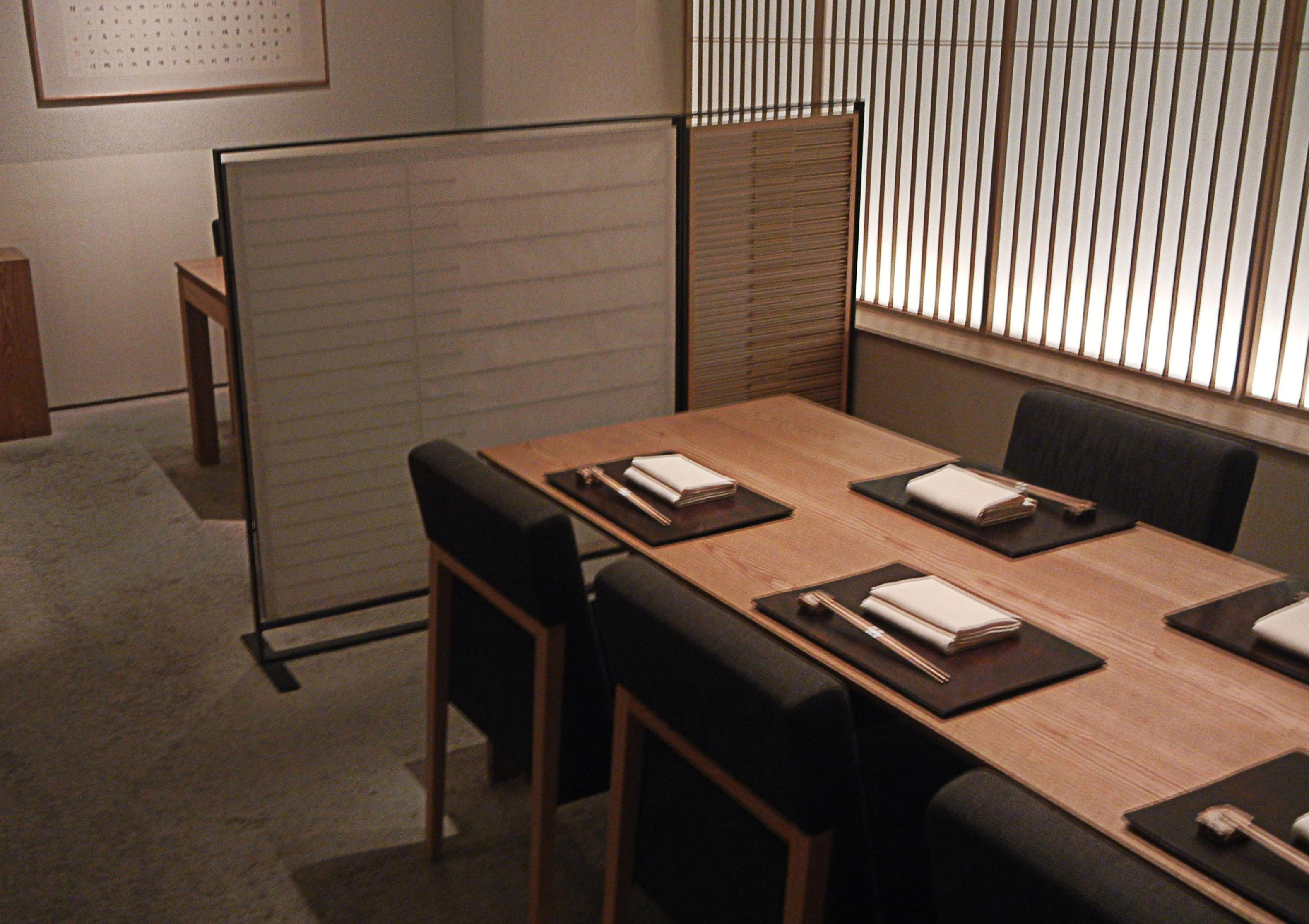


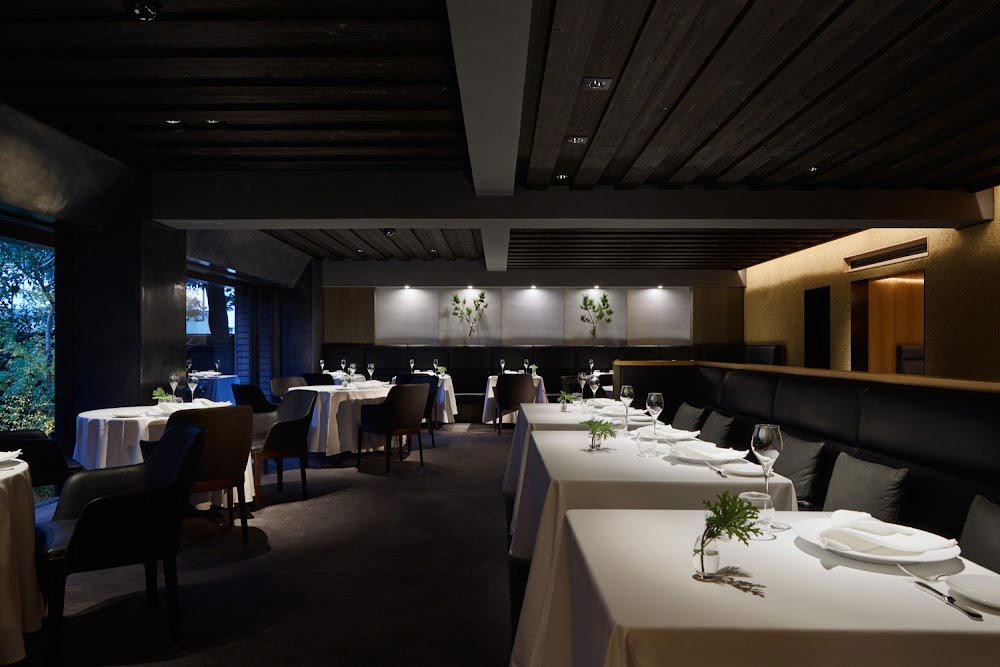



Details
- Classic
- Cozy
- Well Known
- Family
- Group Dining
- Celebration
- Special Occasion
- Casual Hangout
- Historic Building
- Standalone
- Beer Program
- Street Scene
- A La Carte
- Set Menu
- Beer
Current opening hours
- Monday
- 11:30 AM–8 PM
- Tuesday
- 11:30 AM–8 PM
- Wednesday
- Closed
- Thursday
- Closed
- Friday
- 11:30 AM–8 PM
- Saturday
- 11:30 AM–8 PM
- Sunday
- 11:30 AM–8 PM
Hours can change for holidays and private events. Hours as of .
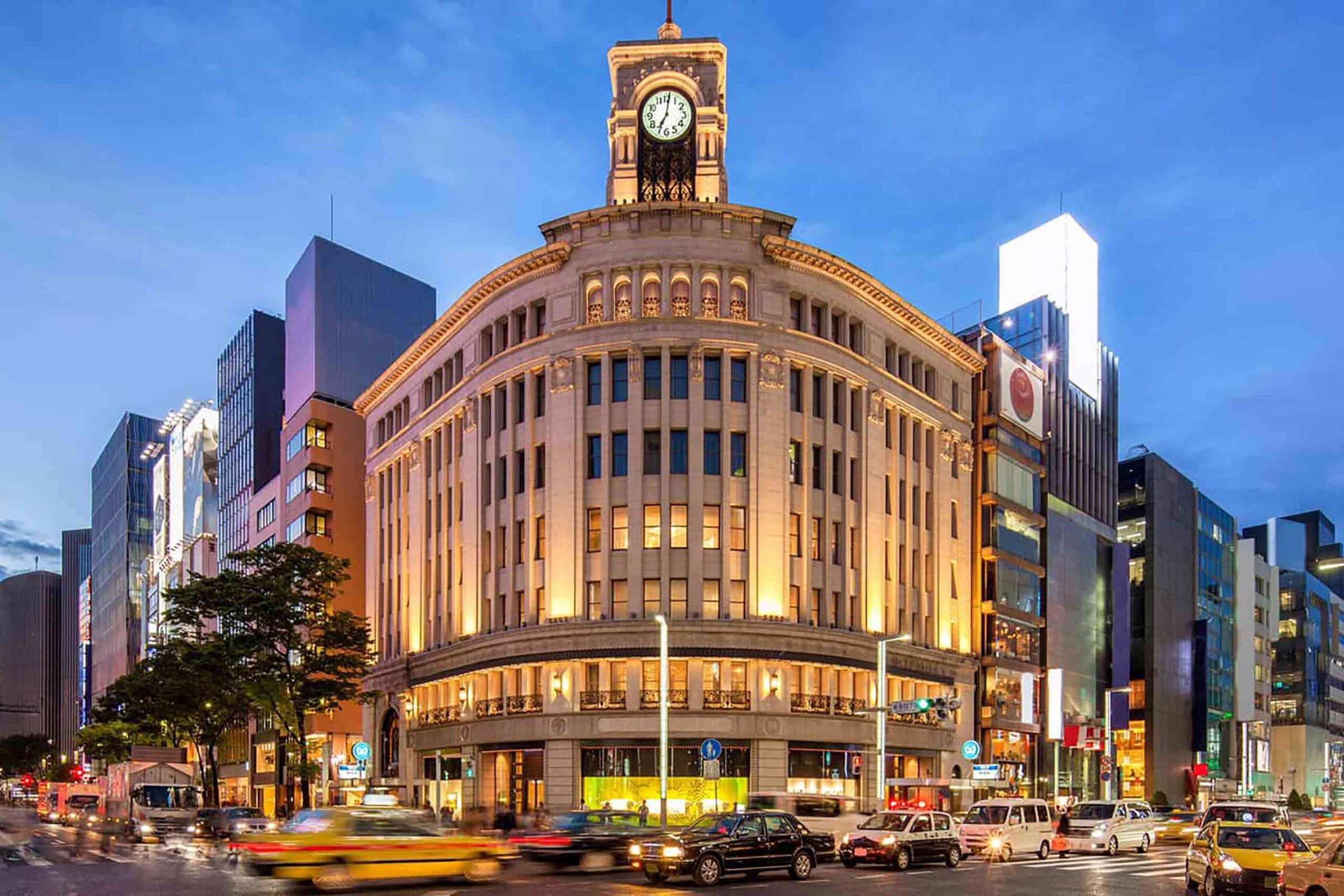
A long-standing, old-school dining room with a traditional, neighborhood feel and a comforting retro Japanese-Western atmosphere.