Restaurant des Bains
Restaurant des Bains sits in the centre of Salins-les-Bains, a small Jura town whose salt-production heritage stretches back to Roman times. The restaurant occupies a setting shaped by that industrial and agricultural history, placing it inside a broader French provincial dining tradition where local sourcing is less a marketing position than a structural reality. For visitors exploring the Franche-Comté region, it offers a grounded alternative to the destination restaurants of the wider area.
Pearl is the En Primeur Club membership app — saves, bookings, and concierge access live there. Same editors, same standards.
- Address
- 1 Pl. des Alliés et de la Résistance, 39110 Salins-les-Bains, France
- Phone
- +33 3 84 73 07 54
- Website
- hotel-des-bains.fr
- Directions
- Get directions
 Saves & bookings on Pearl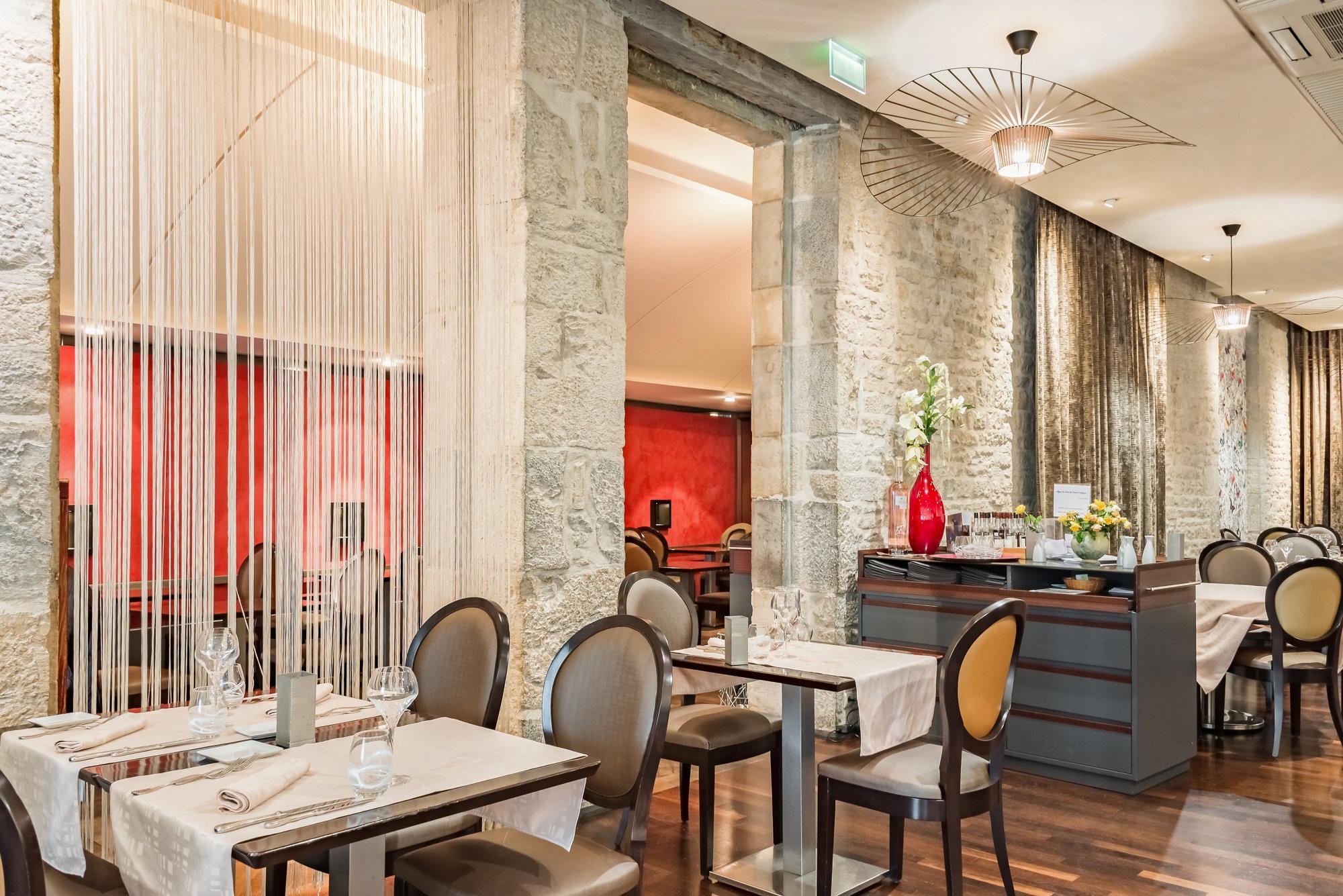
A Jura Town Built on Salt, and the Table That Reflects It
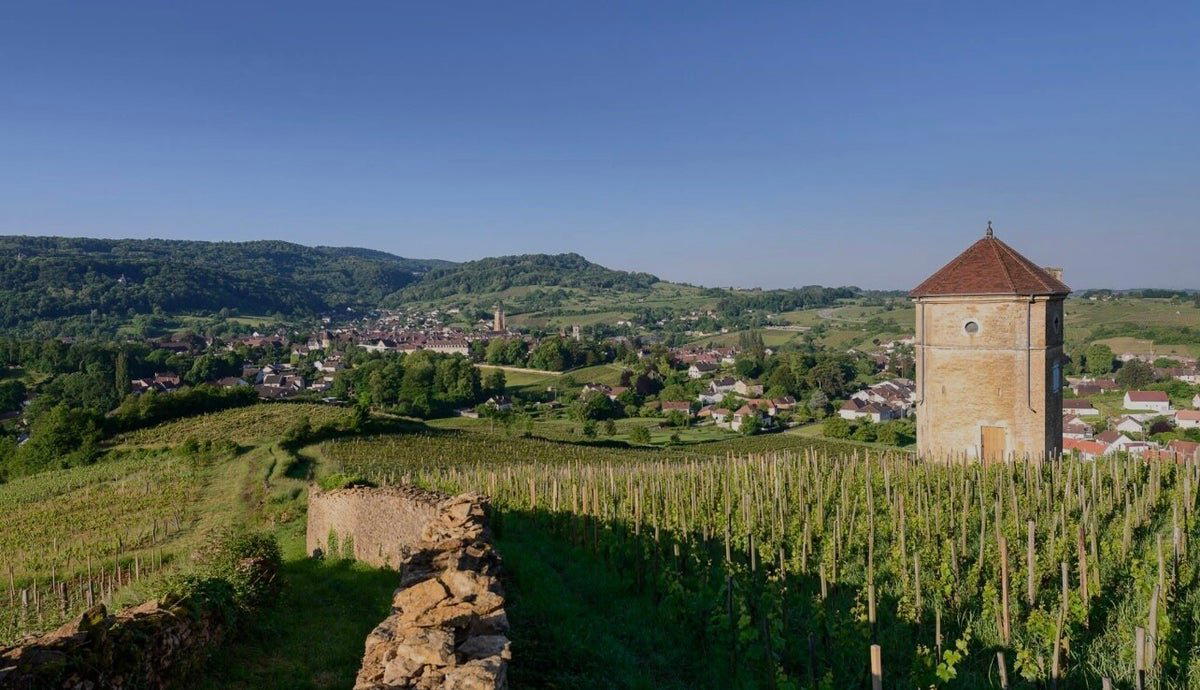
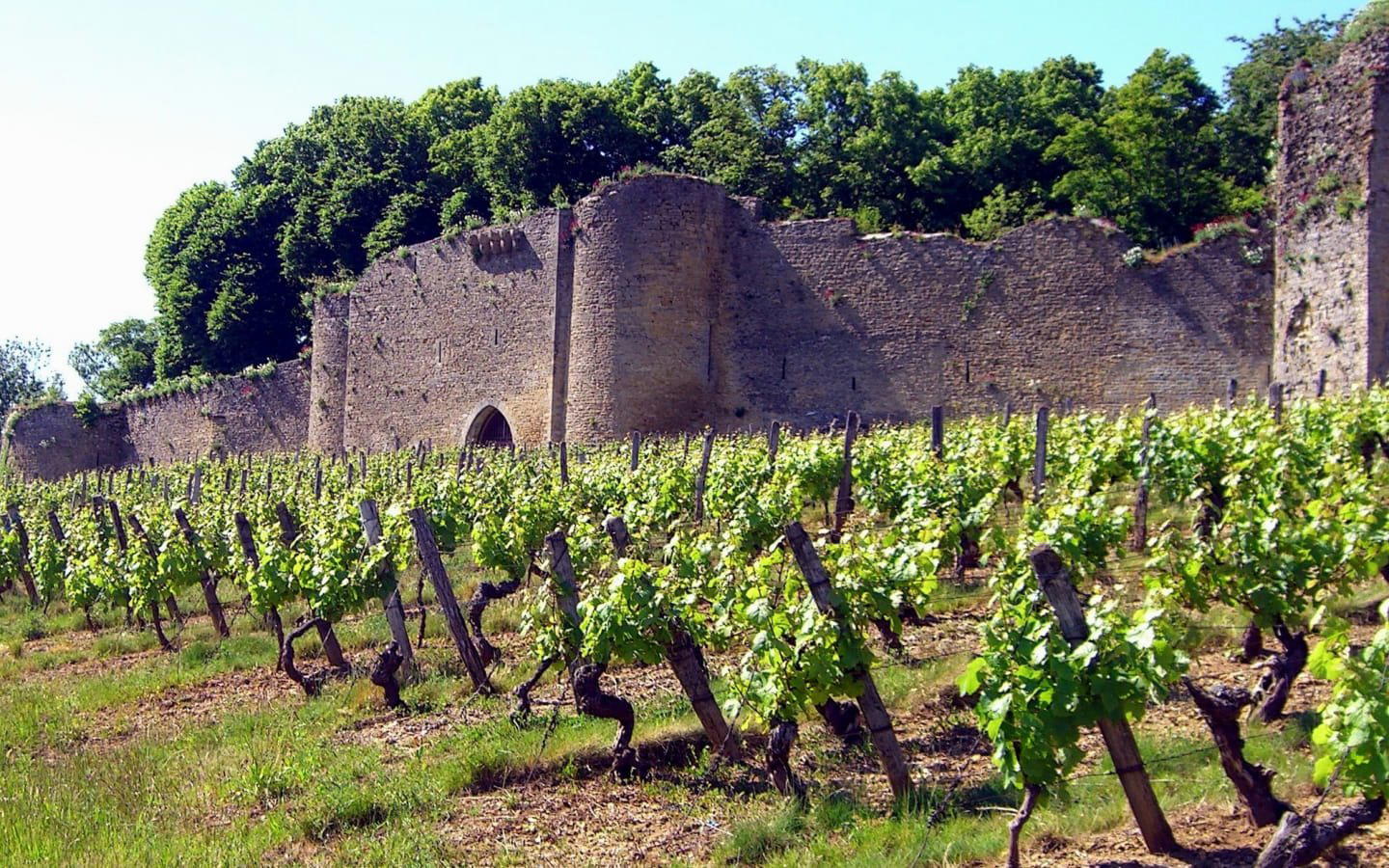
Salins-les-Bains does not announce itself. The town sits in a narrow valley carved by the Furieuse river, its grey-stone facades and church spire framed by forested ridgelines that drop steeply toward the valley floor. The salines — the historic salt works — still anchor the centre of town, a UNESCO World Heritage site whose brine extraction tunnels run beneath the streets. It is the kind of place where geography has always dictated what ends up on the plate, and Restaurant des Bains, located on the Place des Alliés et de la Résistance, occupies that context directly. Visiting this part of the Jura means accepting that the region's produce is not a curated selection but a function of what the land and climate here actually yield.
This matters because Franche-Comté is one of France's most ingredient-defined regions. The Jura plateau produces cheeses, Comté, Morbier, Bleu de Gex, whose flavour profiles are legally tied to the altitude, pasture, and seasonal grazing patterns of specific zones. The local wines, from appellations like Arbois and Château-Chalon, are made from varieties, Savagnin, Poulsard, Trousseau, that barely appear elsewhere in France, fermented under conditions that produce oxidative, walnut-edged profiles unlike anything from Burgundy or the Rhône. Smoked meats, river fish from the Loue and Doubs, and foraged products from the surrounding forests complete a pantry that is genuinely specific to place. A restaurant positioned in this town inherits that pantry whether it chooses to or not.
The Sourcing Argument That Franche-Comté Makes for Itself
The broader conversation in French regional dining has shifted decisively toward provenance over the past two decades. Houses like Bras in Laguiole built their identity on the Aubrac plateau's wild plants and grassland animals long before terroir became a standard talking point. Flocons de Sel in Megève operates on a similar logic in the Alps, where altitude and climate create a different but equally specific ingredient base. What distinguishes Franche-Comté from those better-publicised territories is that its produce traditions are less mediated by the restaurant industry. The Comté affinage cycle, the vin jaune harvest, the transhumance patterns that shape dairy quality, these run on their own schedules, independent of dining trends.
For provincial restaurants in towns like Salins-les-Bains, that independence is an asset. Supply chains are short by default. The producers are neighbours, often operating at scales that preclude the kind of volume agreements that larger city restaurants require. The result, at its leading, is cooking that reflects seasonal reality rather than seasonal marketing: Comté served at stages of affinage determined by the caves rather than the menu calendar, river fish appearing when water temperatures and river conditions make them available, and the dried sausages and smoked hams of the region present as structure rather than garnish.
This places the dining room at Restaurant des Bains within a French provincial tradition that operates at a different register from the destination-restaurant circuit. Houses like Auberge de l'Ill in Illhaeusern or Troisgros in Ouches represent the apex of that tradition, where sourcing has been refined over generations into something more deliberate and documented. Salins-les-Bains operates several tiers below that, in a register where proximity to the supply rather than the prestige of the supply is the relevant credential. That is not a limitation so much as a different kind of coherence.
Franche-Comté as a Dining Region: Context for the Visitor
France's most decorated tables, Mirazur in Menton, Alléno Paris au Pavillon Ledoyen, Paul Bocuse in Collonges-au-Mont-d'Or, tend to concentrate around major cities or established resort areas. The Jura sits outside those gravitational fields, which is precisely why it rewards a different kind of travel. Pontarlier, Arbois, and Salins-les-Bains form a rough corridor of towns where the gastronomic pitch is quieter, more embedded in everyday provincial life, and where the quality of the underlying ingredients often exceeds what the restaurant's profile would suggest.
The salines themselves are worth half a day. The UNESCO designation reflects the scale and completeness of the underground salt-extraction system, which ran continuously from the thirteenth century until the late twentieth. The town around them retains an architectural coherence that feels unvarnished, not prettified for tourism in the way that Alsace villages or Provençal market towns sometimes are. This is, in practical terms, a working Jura town, and Restaurant des Bains sits at its civic centre, on the main square, in the way that a restaurant in this kind of place typically does: as an institution of the town rather than a destination built for visitors arriving from outside it.
For context on what high-end regional French dining can achieve when it has access to notable local produce, the comparisons worth making reach across the country: Georges Blanc in Vonnas, Auberge du Vieux Puits in Fontjoncouse, L'Oustau de Baumanière in Les Baux. Each of those operates in a region where the local supply has been cultivated and documented over decades into something that sustains serious cooking. The Jura has equivalent raw material, stronger in dairy and wine than most, but fewer restaurants that have drawn sustained critical attention to it. That gap is not a flaw in the region; it reflects the relative quietness of Franche-Comté's culinary reputation compared to Burgundy or the Rhône Valley, a quietness that is increasingly difficult to justify on the merits.
Planning Your Visit
Salins-les-Bains sits roughly 45 minutes from Besançon by road, and around 25 minutes from Arbois, making it a natural stop on a Jura wine and food circuit that might also include Poligny and the Comté caves at Fort des Rousses. The town is accessible by rail via the Dole-Pontarlier line, with a station a short walk from the central square. Restaurant des Bains is located directly on the Place des Alliés et de la Résistance, the main square, which means finding it requires no navigation beyond reaching the town centre. Booking in advance is advisable, particularly in summer and during periods when the salines see heavier visitor traffic; as with most provincial restaurants of this type in France, contact should be made directly. For a broader orientation to what the town's restaurant scene offers, see our full Salins-les-Bains restaurants guide.
Visitors with an appetite for the wider French dining circuit might use this area as a base from which to explore the Jura before or after more formal restaurant bookings elsewhere: Assiette Champenoise in Reims, Au Crocodile in Strasbourg, or further afield, AM par Alexandre Mazzia in Marseille and Christopher Coutanceau in La Rochelle. The Jura occupies a useful geographic position between Alsace, Burgundy, and the Alps, and Restaurant des Bains, at the heart of Salins-les-Bains, sits at the centre of a region whose culinary coherence is considerably stronger than its international profile suggests.
How Restaurant des Bains Salins Les Bains compares with similar nearby venues.
| Venue | Cuisine | Price |
|---|---|---|
| Le Comptoir Kokagué | Modern Cuisine | €€ |
| Restaurant Château de Germigney | French Gastronomic | Not listed |
| Bistrot de Port-Lesney | Traditional Cuisine | €€ |
Continue exploring
More in Salins Les Bains
Restaurants in Salins Les Bains
Browse all →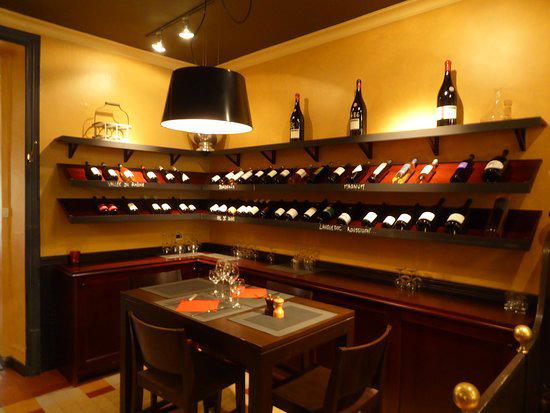
Hotels in Salins Les Bains
Browse all →

At a Glance
- Elegant
- Classic
- Special Occasion
- Family
- Hotel Restaurant
- Terrace
- Extensive Wine List
- Local Sourcing
Current opening hours
- Monday
- Closed
- Tuesday
- 8 AM–9 PM
- Wednesday
- 8 AM–9 PM
- Thursday
- 8 AM–9 PM
- Friday
- 8 AM–9 PM
- Saturday
- 8 AM–9 PM
- Sunday
- 9 AM–6 PM
Hours can change for holidays and private events. Last verified .
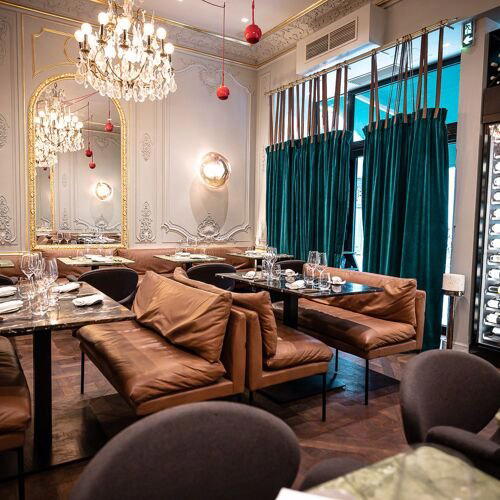
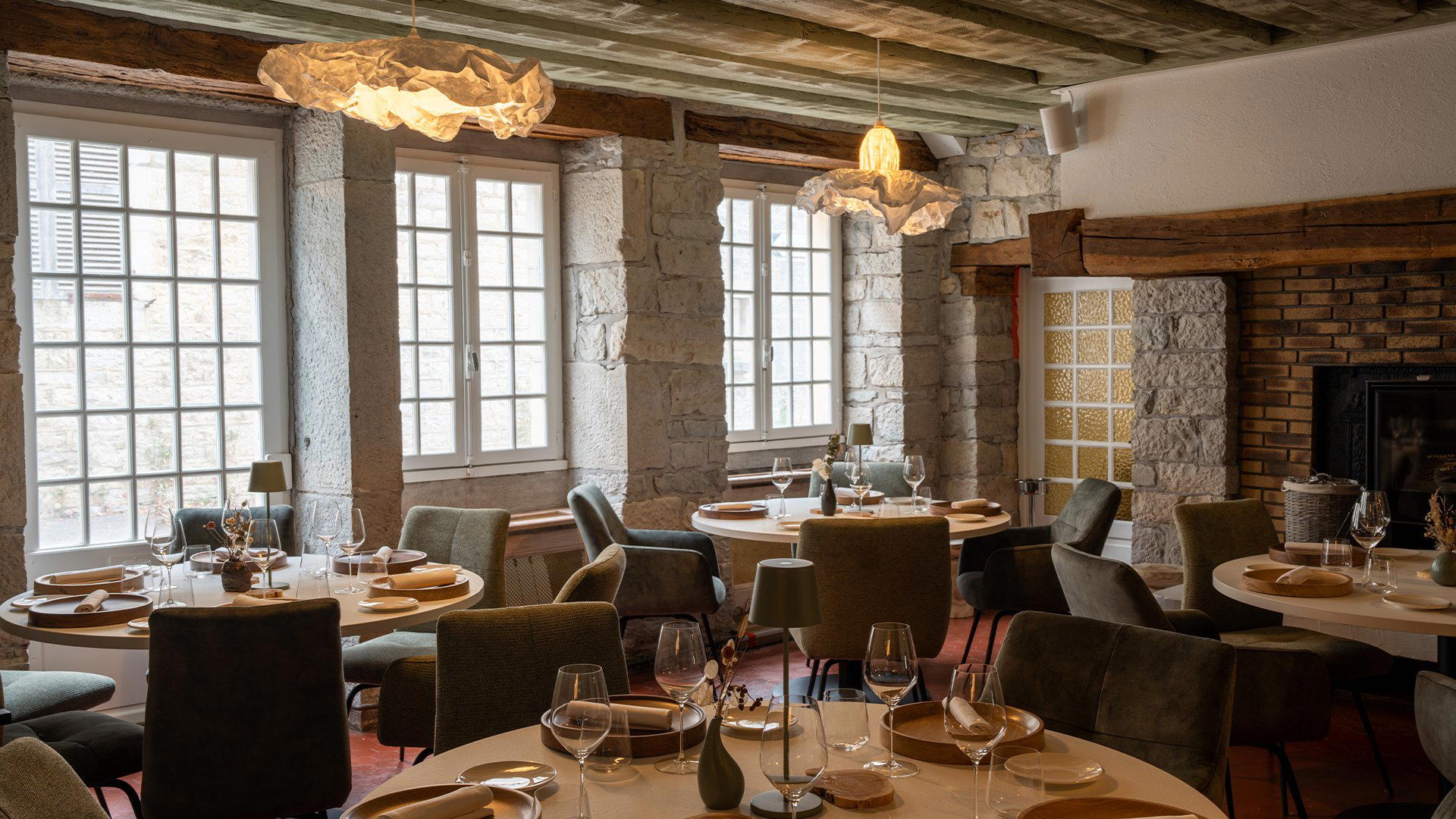
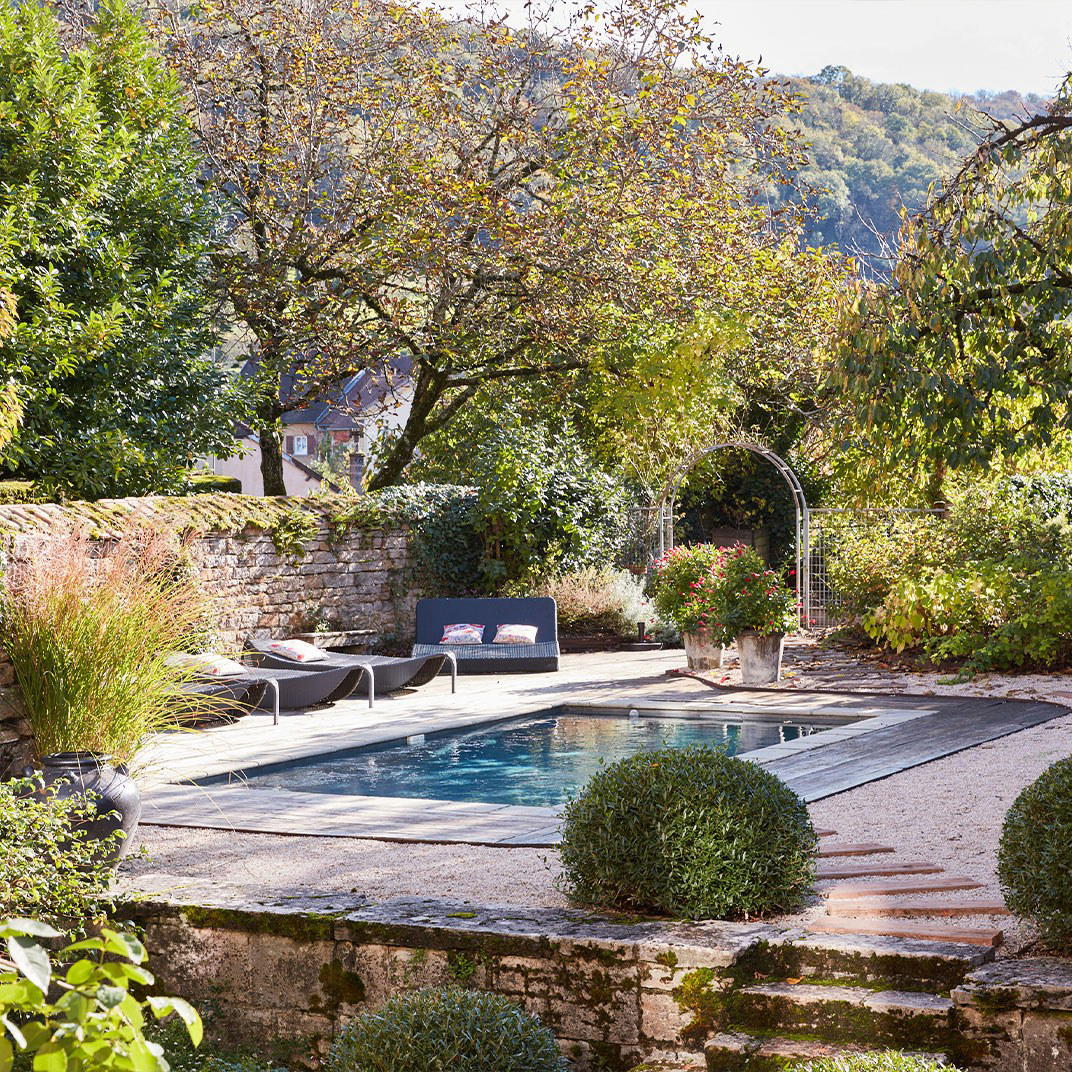
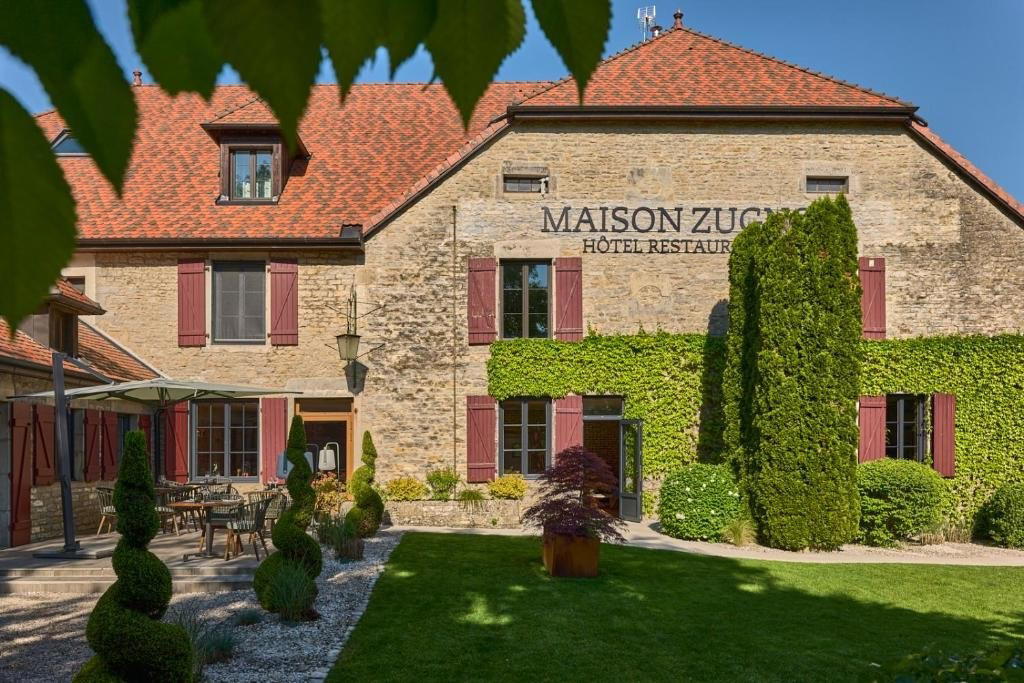
Elegant setting combining vieille pierre and contemporary lines, warm welcome in a spacious sunlit terrace during nice weather.