Restaurant Café de la Paix occupies a historic address on Rue Buirette in central Reims, placing it within walking distance of the city's cathedral quarter and its champagne house cellars. As one of the established dining names in a city that draws visitors for both its Gothic architecture and its sparkling wine heritage, it represents the more traditional end of the Reims restaurant spectrum.
Pearl is the En Primeur Club membership app — saves, bookings, and concierge access live there. Same editors, same standards.
- Address
- 9 Rue Buirette, 51100 Reims, France
- Phone
- +33326470045
- Directions
- Get directions
 Saves & bookings on Pearl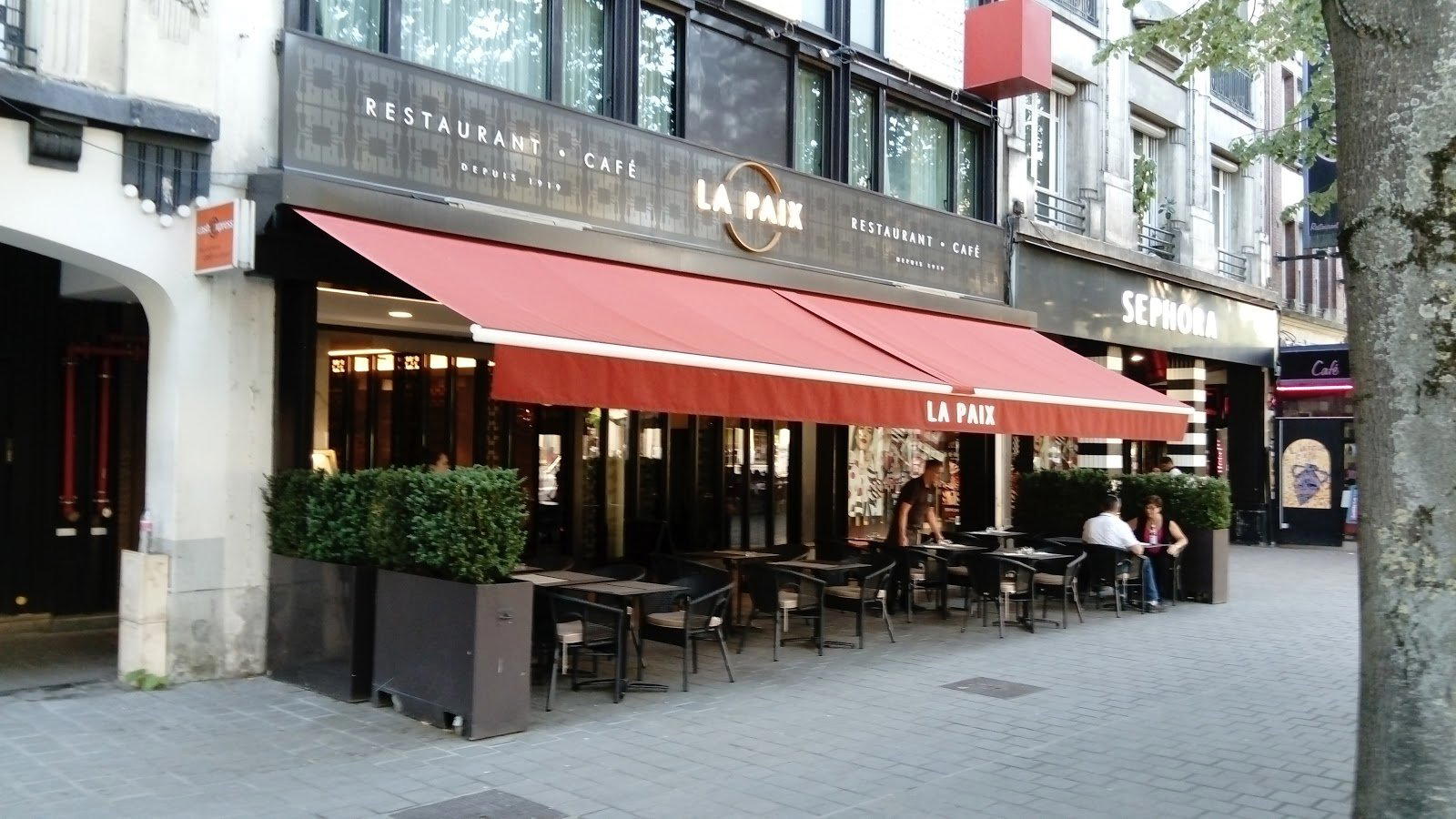
Dining in the Shadow of the Cathedral: Reims and Its Table Culture
Reims occupies an unusual position in French dining. It is a city of pilgrimage for champagne, with houses like Taittinger, Mumm, and Ruinart operating vast chalk cellars beneath its streets, yet its restaurant scene has historically operated in the shadow of that industry rather than alongside it as an equal partner. The cathedral quarter pulls visitors upward toward the Gothic spires; the dining rooms pull them inward, toward rooms that have been feeding clergy, royalty, and négociants for generations. Restaurant Café de la Paix, at 9 Rue Buirette, sits within this tradition, a few minutes on foot from the Notre-Dame de Reims and well within the city's historic core.
That address matters. Rue Buirette connects the commercial centre to the cathedral district, which means the Café de la Paix draws on two distinct currents of Reims life: the visitor traffic that the cathedral and the champagne houses generate, and the local custom that sustains any serious dining room across the quieter months. In a city where tourism peaks sharply in summer and during the harvest season, proximity to the cathedral square is both an asset and a pressure, demanding a level of reliability that pure destination restaurants are not required to maintain.
Where It Sits in the Reims Dining Spectrum
The Reims restaurant scene has sharpened considerably in recent years. At the upper end, Assiette Champenoise operates at the three-Michelin-star level, with a creative tasting format that positions it against the French haute cuisine canon rather than against local competition alone. Le Parc Les Crayères, set within a Belle Époque domain southeast of the centre, offers the full country-house experience at the €€€€ tier, drawing on its estate setting as much as its kitchen. These are destination restaurants in the strictest sense: guests plan trips around them.
Below that apex, the city supports a more diverse middle tier. Racine and Arbane occupy the creative bracket, bringing a more contemporary sensibility to local produce. Au Petit Comptoir operates at a more accessible price point, offering the kind of daily bistro cooking that keeps a neighbourhood honest. The Café de la Paix sits within this wider picture, at a central address that gives it visibility and footfall that more tucked-away rooms must work harder to generate.
The Team Dynamic in a Classic French Dining Room
In French restaurants of this profile and vintage, the division of labour between kitchen, floor, and cave is not merely organisational; it is the mechanism through which the dining experience either coheres or fragments. Particularly accomplished rooms in this register, from Auberge de l'Ill in Alsace to Troisgros in the Loire, have sustained themselves across decades precisely because the relationship between chef, sommelier, and front-of-house operates as a practiced ensemble rather than three separate departments working in parallel.
For a room on Rue Buirette in Reims, the sommelier's role carries particular weight. The city is surrounded by champagne, and any serious dining room here must have a position on how to deploy it. Does the list lead with prestige cuvées from the major houses, or does it give space to récoltants-manipulants, the smaller grower-producers whose wines rarely appear on international lists? Does champagne appear only as an aperitif or does the sommelier build pairings that carry it through to the cheese course? These are not decorative questions; they are what separates a restaurant that happens to be in Reims from one that is genuinely of it. The front-of-house team carries the tone of the room, particularly in French provincial dining, where formality and accessibility must be calibrated carefully for an audience that includes first-time visitors alongside regulars who have been eating in the same chair for twenty years.
This kind of institutional coherence is harder to achieve than a single brilliant dish. It is what distinguishes the long-running rooms from those that spike and fade. Restaurants like Bras in Laguiole or Auberge du Vieux Puits in Fontjoncouse have built their reputations on exactly this kind of sustained, coordinated effort, where the team rather than any single personality becomes the point of continuity.
The French Dining Room as Cultural Artefact
Across France, the traditional dining room with a long address history occupies a specific cultural position that has no real equivalent elsewhere. These rooms have survived because they serve a social function as much as a gastronomic one: they are where deals were made, where families marked significant occasions, where the same table has been held by the same family for a generation. That social weight does not guarantee quality, but it does create a particular kind of accountability that purely commercial restaurants do not face in the same way.
The challenge for any such room in the current period is maintaining relevance without abandoning identity. Particularly interesting contemporary French restaurants, from AM par Alexandre Mazzia in Marseille to Alléno Paris au Pavillon Ledoyen, have resolved this tension through technical ambition. Others, like Paul Bocuse's Auberge du Pont de Collonges, have held their position through the weight of documented history. The middle path, cooking that is neither provocatively avant-garde nor frozen in amber, is the one most French provincial rooms must walk, and it is the hardest to execute well.
Reims also connects outward to a broader geography of serious French dining. Visitors who are building an itinerary around the region might weigh the Café de la Paix against day trips that reach as far as Flocons de Sel in Megève or drive south toward Mirazur in Menton. Internationally, those calibrating their dining at the highest levels often use French provincial rooms as a reference point against which they measure city restaurants elsewhere, whether Le Bernardin in New York or Atomix in the same city, and the Au Crocodile in Strasbourg tradition remains a touchstone for what an Alsatian dining room can aspire to. Understanding where a room like the Café de la Paix sits within this wider field is the right starting point for any serious traveller assessing their options in the Champagne region.
Planning a Visit
The restaurant is located at 9 Rue Buirette, in central Reims, within comfortable walking distance of the cathedral and the main champagne house visitor centres. Reims is 45 minutes from Paris by TGV, which makes it a direct day trip from the capital, though the density of what the city offers, cellars, cathedral, and dining, argues for at least one overnight stay. Booking in advance is advisable, particularly during summer and the autumn harvest season when the city's visitor numbers peak. The restaurant is priced at about $43 per person and reservations are recommended.
A Pricing-First Comparison
Comparable venues nearby, for context on price, style, and recognition.
| Venue | Cuisine | Price | Notes |
|---|---|---|---|
| Restaurant Café de la PaixThis venue — the venue you are viewing | Not listed | $$$ | Not listed |
| La Vigneraie | central Reims, Modern French Bistro | $$$ | Not listed |
| Sacré Brunch | center, French Brunch | $$$ | Not listed |
| Bistro des anges | Not listed | $$ | Chanzy, French Bistro with Champagne Focus |
| Version Originale | Not listed | $$$ | heart of Reims, French Bistro with Fusion Influences |
| Brasserie le Boulingrin | Boulingrin, Classic French Brasserie | $$ | Not listed |
Continue exploring
More in Reims
Restaurants in Reims
Browse all →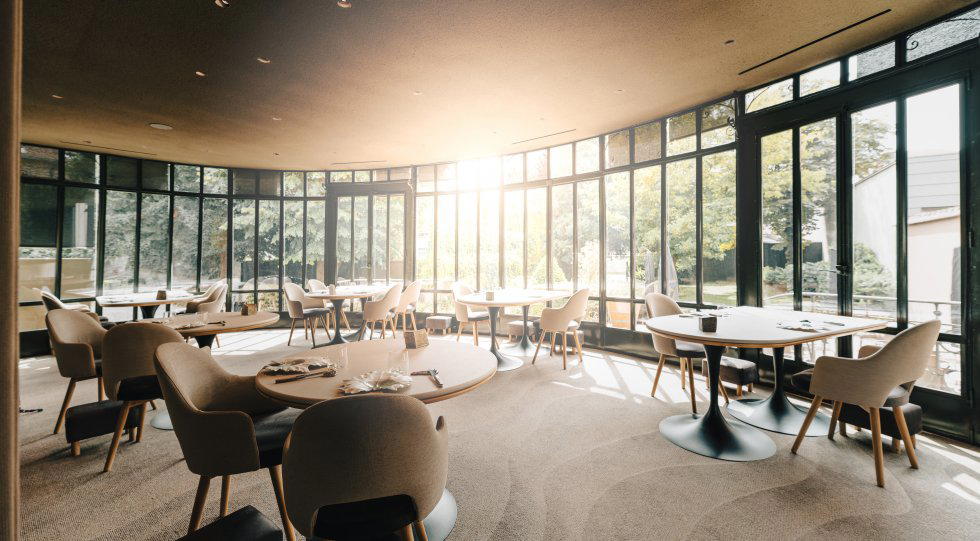
Bars in Reims
Browse all →
Hotels in Reims
Browse all →
At a Glance
- Lively
- Classic
- Elegant
- Business Dinner
- Family
- Casual Hangout
- Terrace
- Hotel Restaurant
- Extensive Wine List
- Street Scene
Current opening hours
- Monday
- 12–2 PM, 7–9:30 PM
- Tuesday
- 12–2 PM, 7–9:30 PM
- Wednesday
- 12–2 PM, 7–9:30 PM
- Thursday
- 12–2 PM, 7–9:30 PM
- Friday
- 12–2 PM, 7–9:30 PM
- Saturday
- 12–2 PM, 7–9:30 PM
- Sunday
- 12–2 PM, 7–9:30 PM
Hours can change for holidays and private events. Last verified .
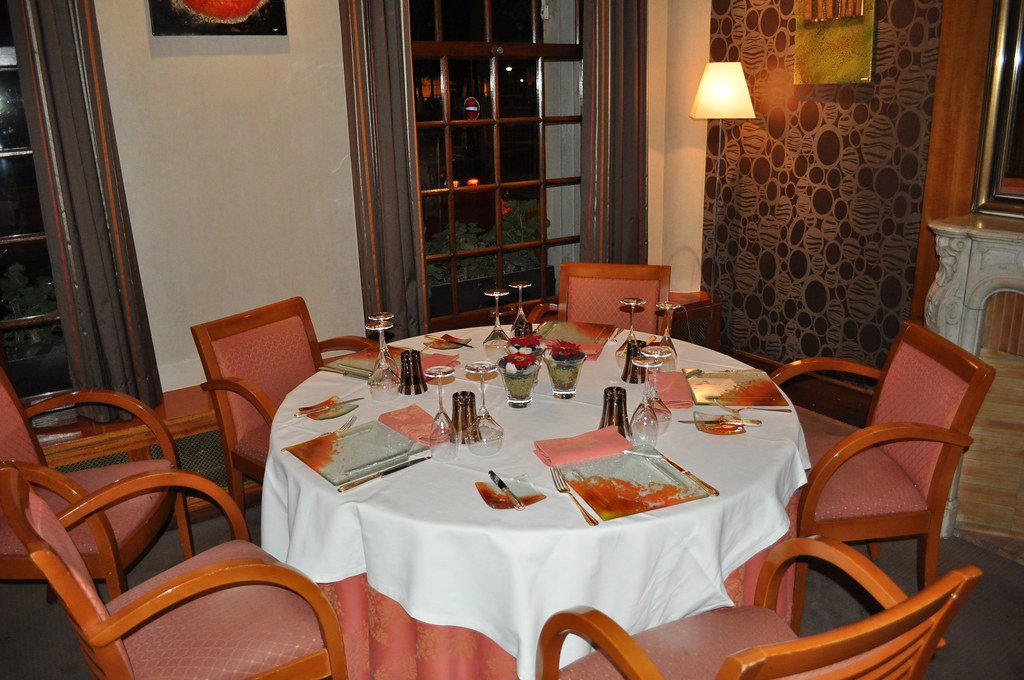
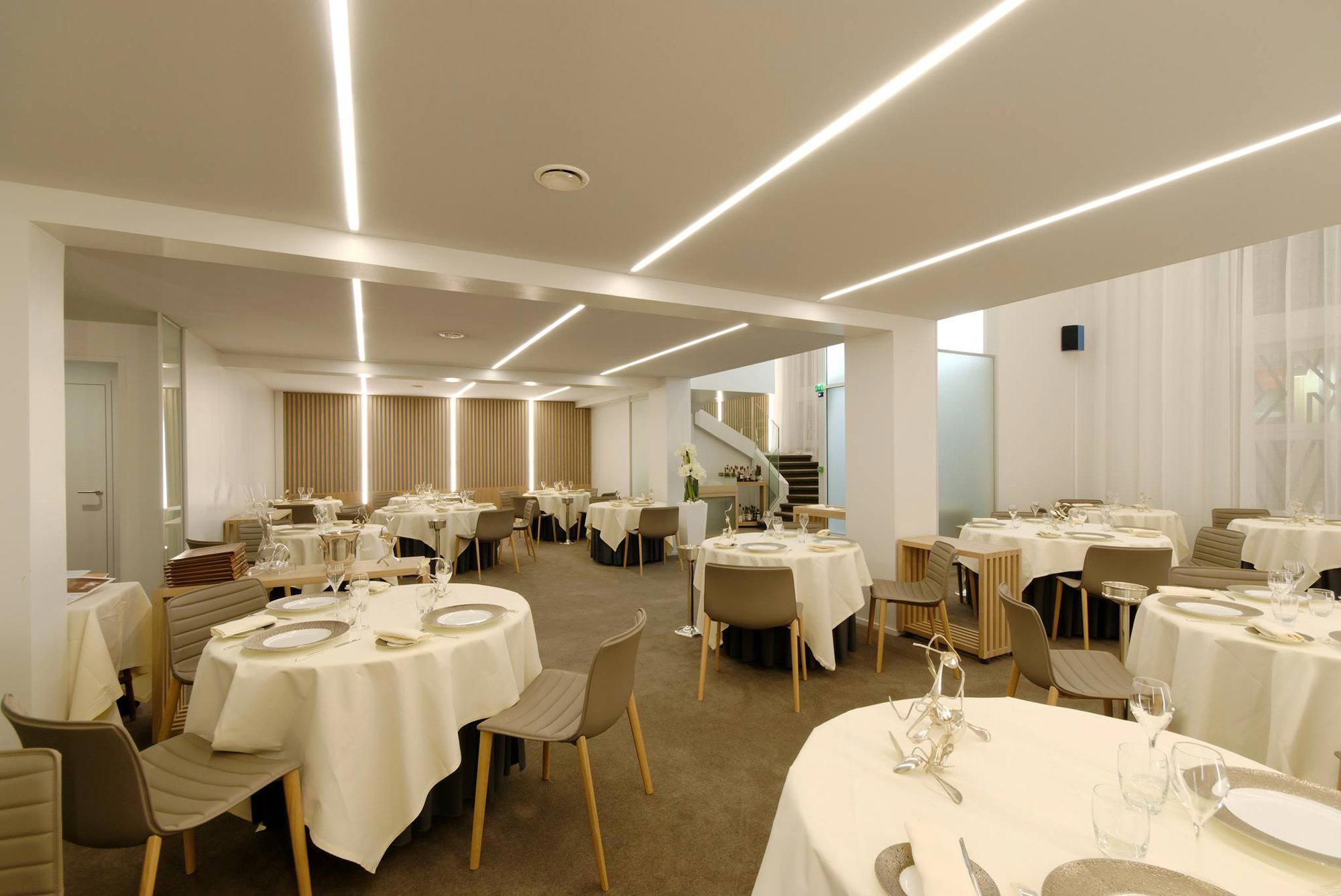
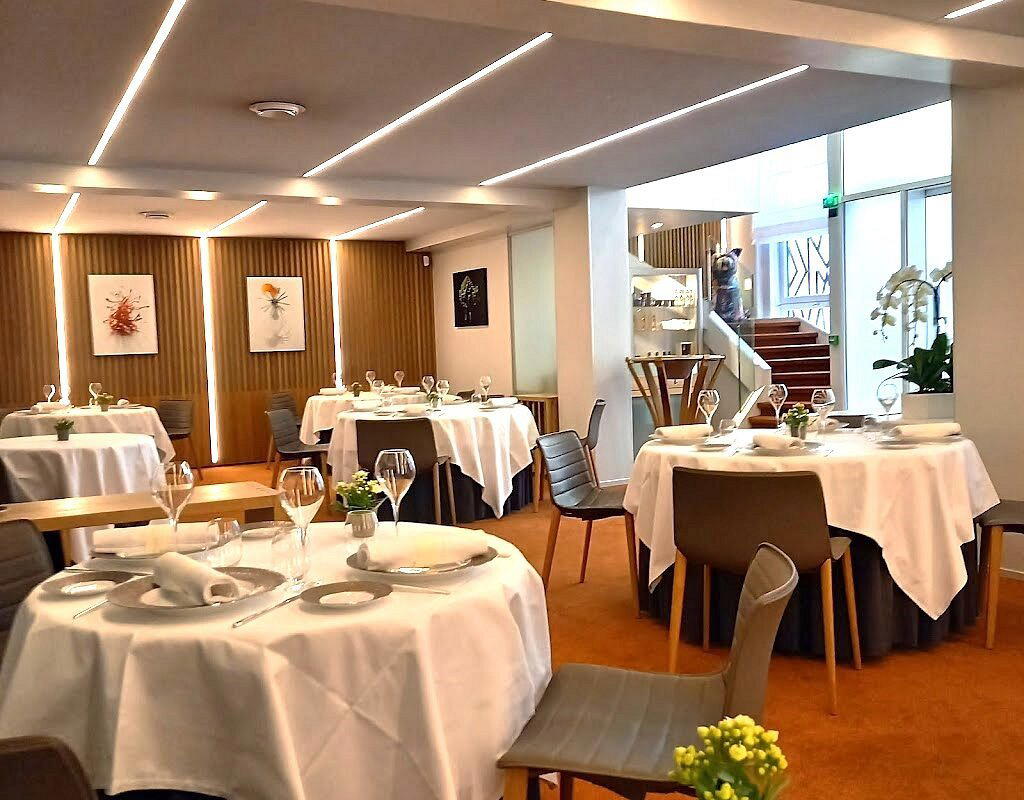
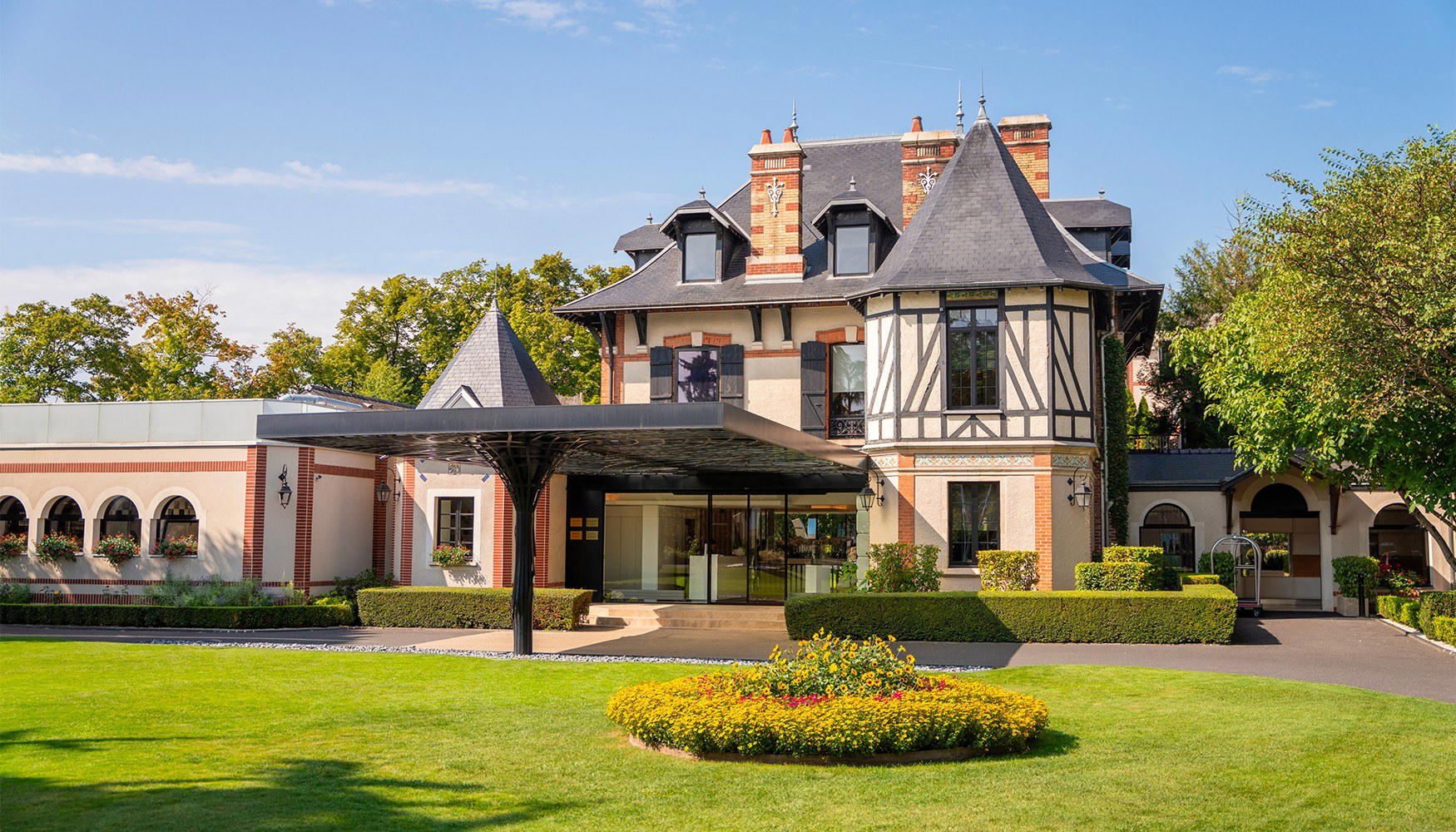
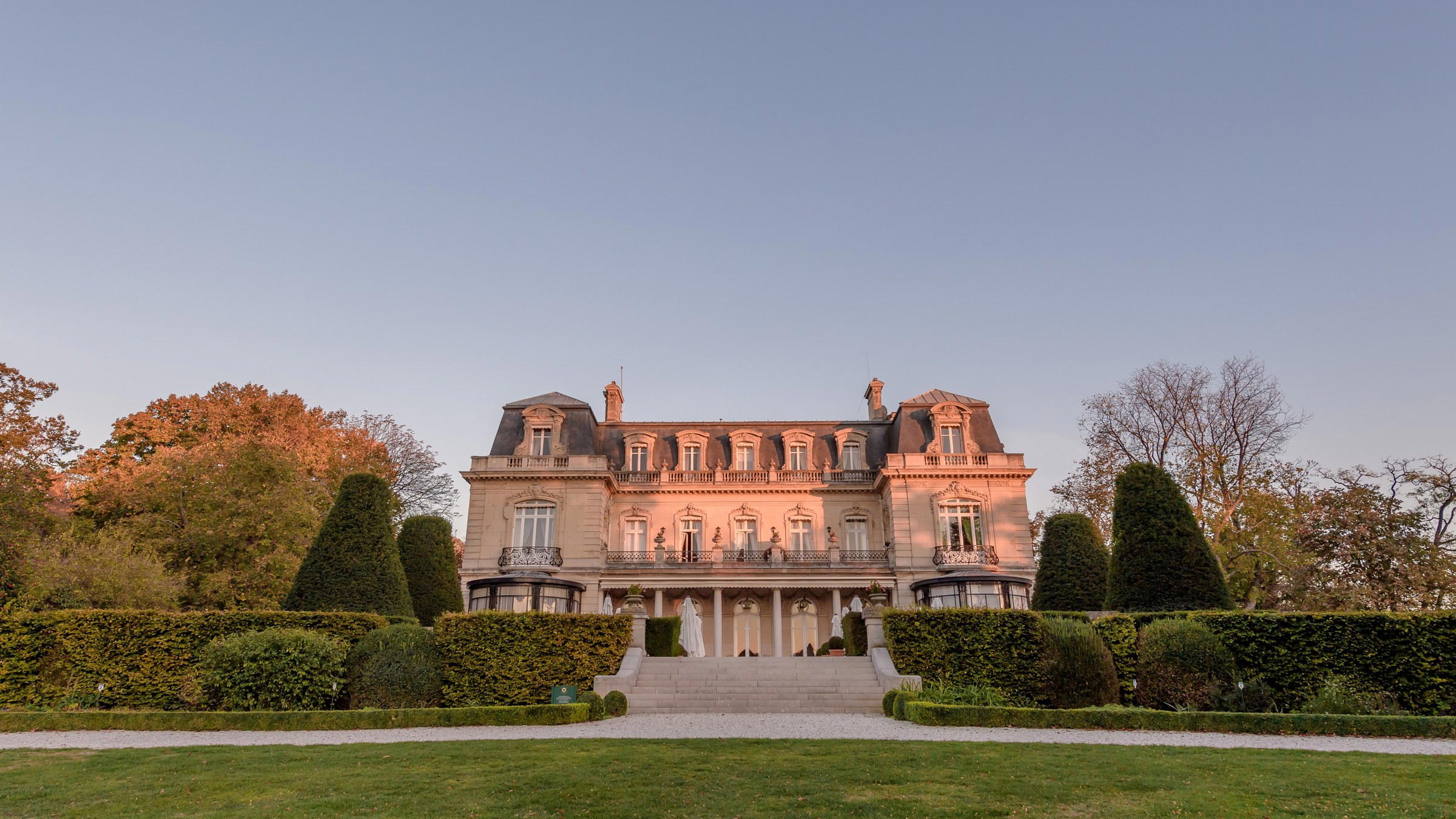
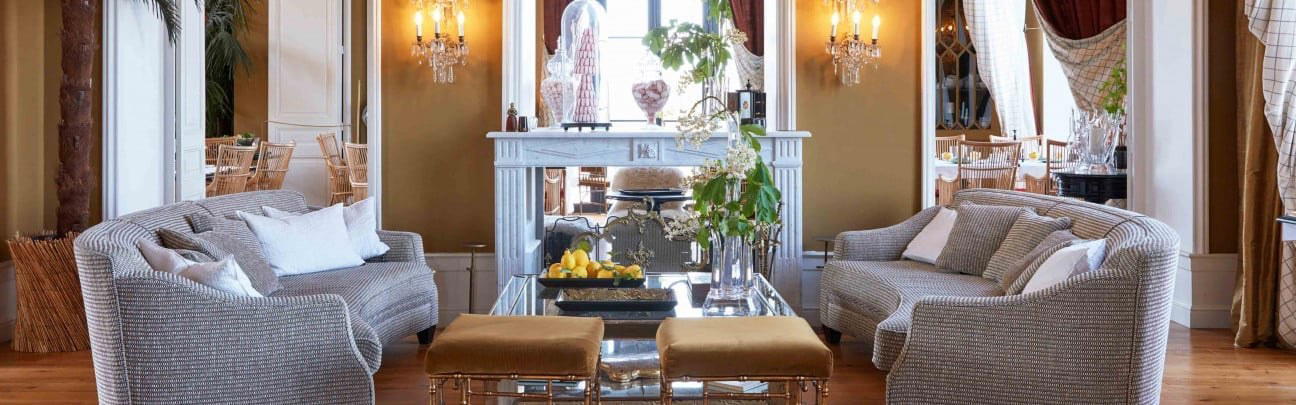
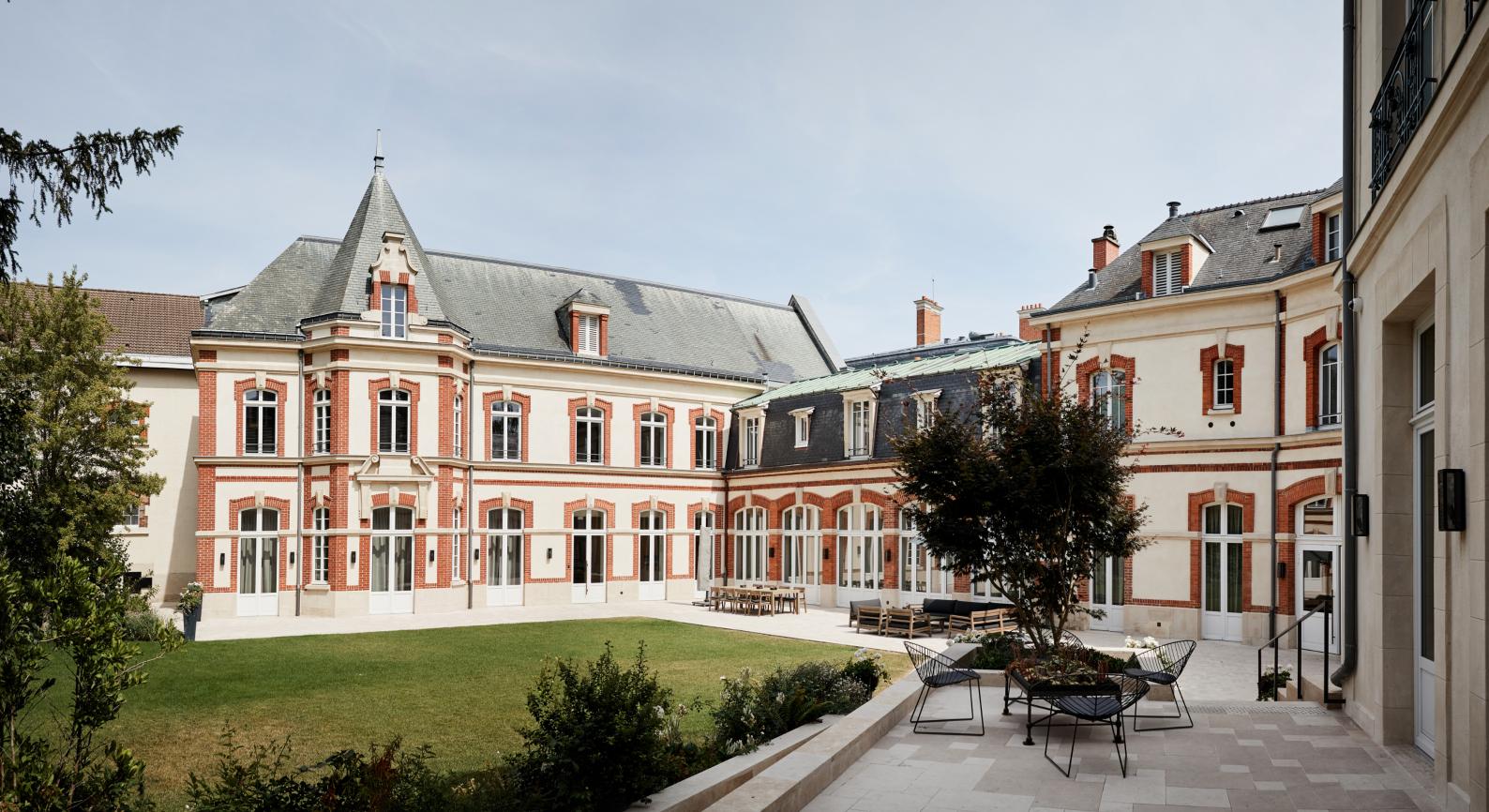
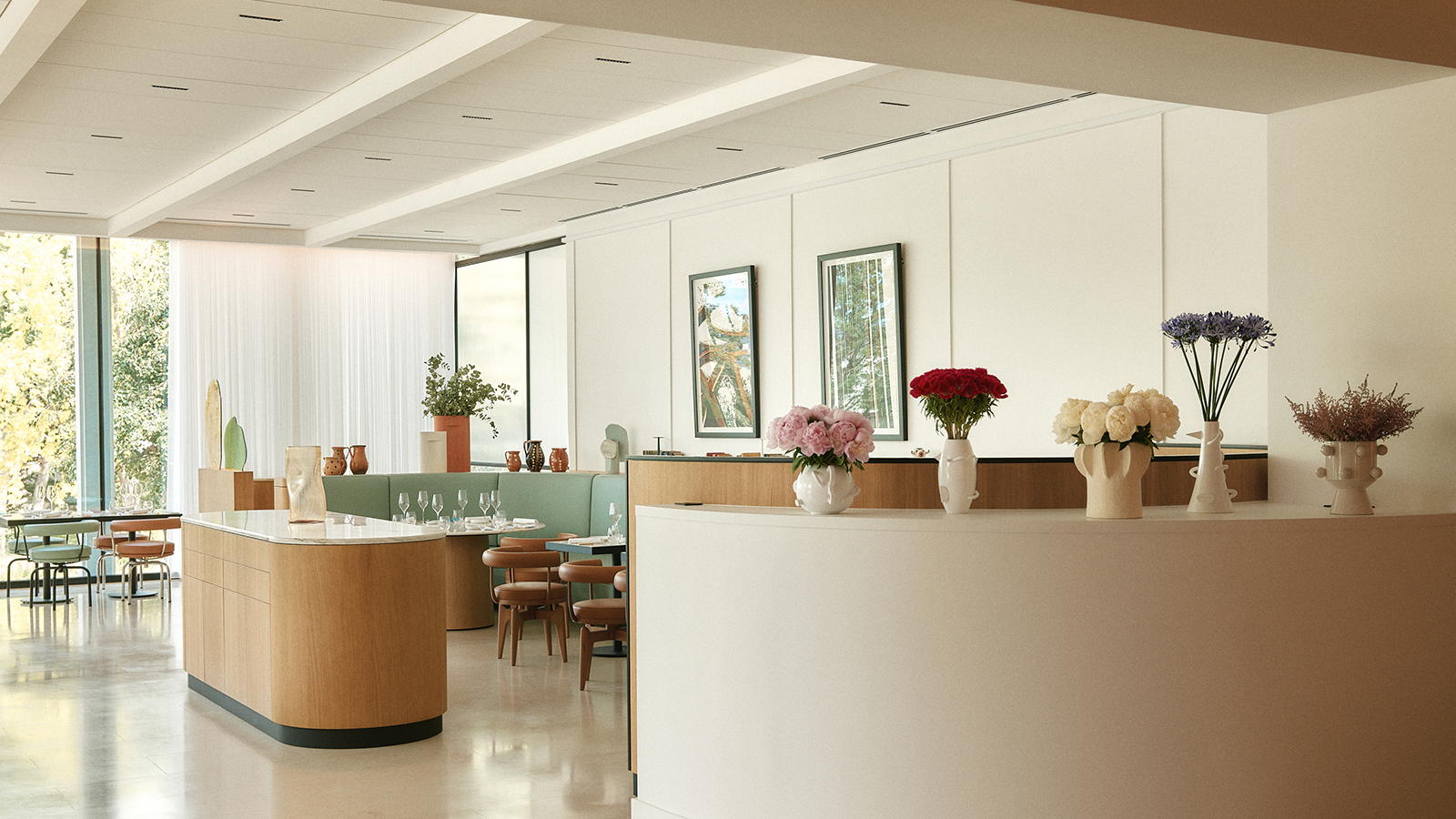
Warm tones and soft materials indoors with a lively terrace overlooking the pedestrian square during good weather.