Our verdict
Au Petit Comptoir on Rue de Mars is one of Reims's most reliable addresses for market-driven French cooking at a scale that the city's grander dining rooms cannot match. The format is compact and direct: a short menu built around what the region produces, served without ceremony but with genuine attention. For visitors already planning time around the Champagne houses, it offers a grounded counterpoint to the area's more formal tables.

Pearl is the En Primeur Club membership app, where members save venues, book tables and use the concierge.

The menu
What to order
- Foie gras de canard
- Pâté en croûte
- Tartare de Saint Jacques
A Corner of Reims Where the Cooking Speaks for the Region
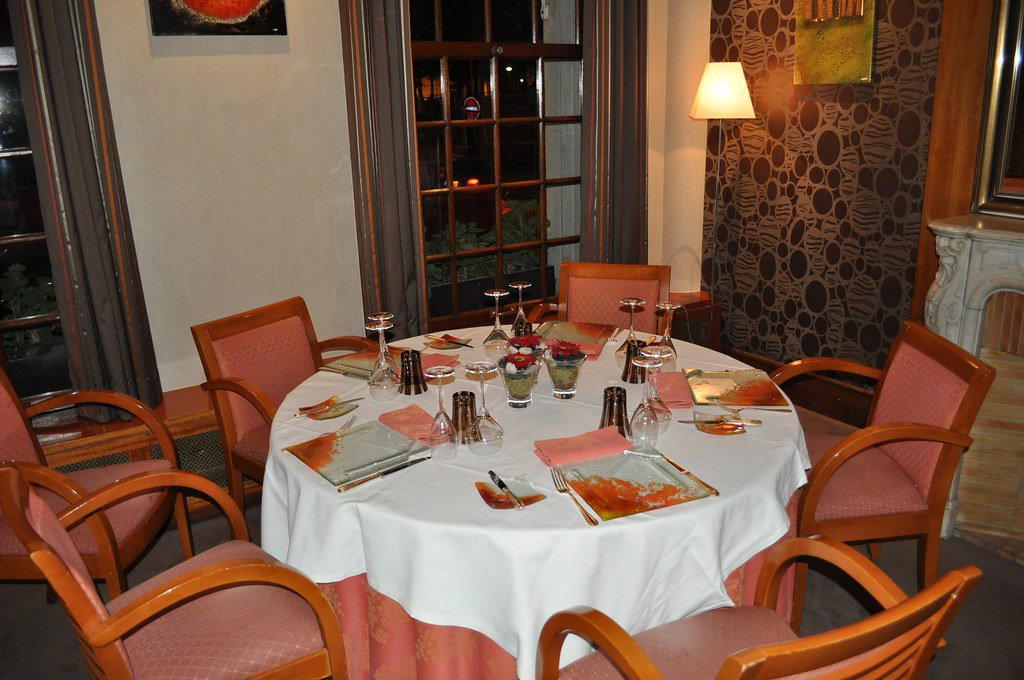
Rue de Mars sits within a short walk of Reims's cathedral quarter, a street that moves at a different pace from the broad avenues that carry tourists toward the Champagne cellars. Au Petit Comptoir operates from number 17 with the discretion typical of neighbourhood bistros that have no particular interest in advertising themselves beyond their immediate regulars. The room, from what the address implies, is small. The name alone, the little counter, signals a format built for proximity rather than spectacle: a place where what arrives on the plate is the primary event, and the setting does not compete with it.
In the broader map of Reims dining, Au Petit Comptoir occupies a tier that the city's most-discussed restaurants have largely vacated. Assiette Champenoise and Le Parc Les Crayères anchor the best of the local market, with formal service, extensive wine programmes, and price structures that reflect their Michelin positioning. Creative mid-range addresses like Racine and Arbane sit between those grand tables and the city's more casual options. Au Petit Comptoir draws comparison more naturally to Bistro des Anges, tables where the logic is market availability rather than tasting-menu architecture, and where the measure of success is whether the cooking reflects what the Champagne region actually produces rather than what a hotel dining room expects visitors to want.
Ingredient Logic in a Region That Grows More Than Grapes
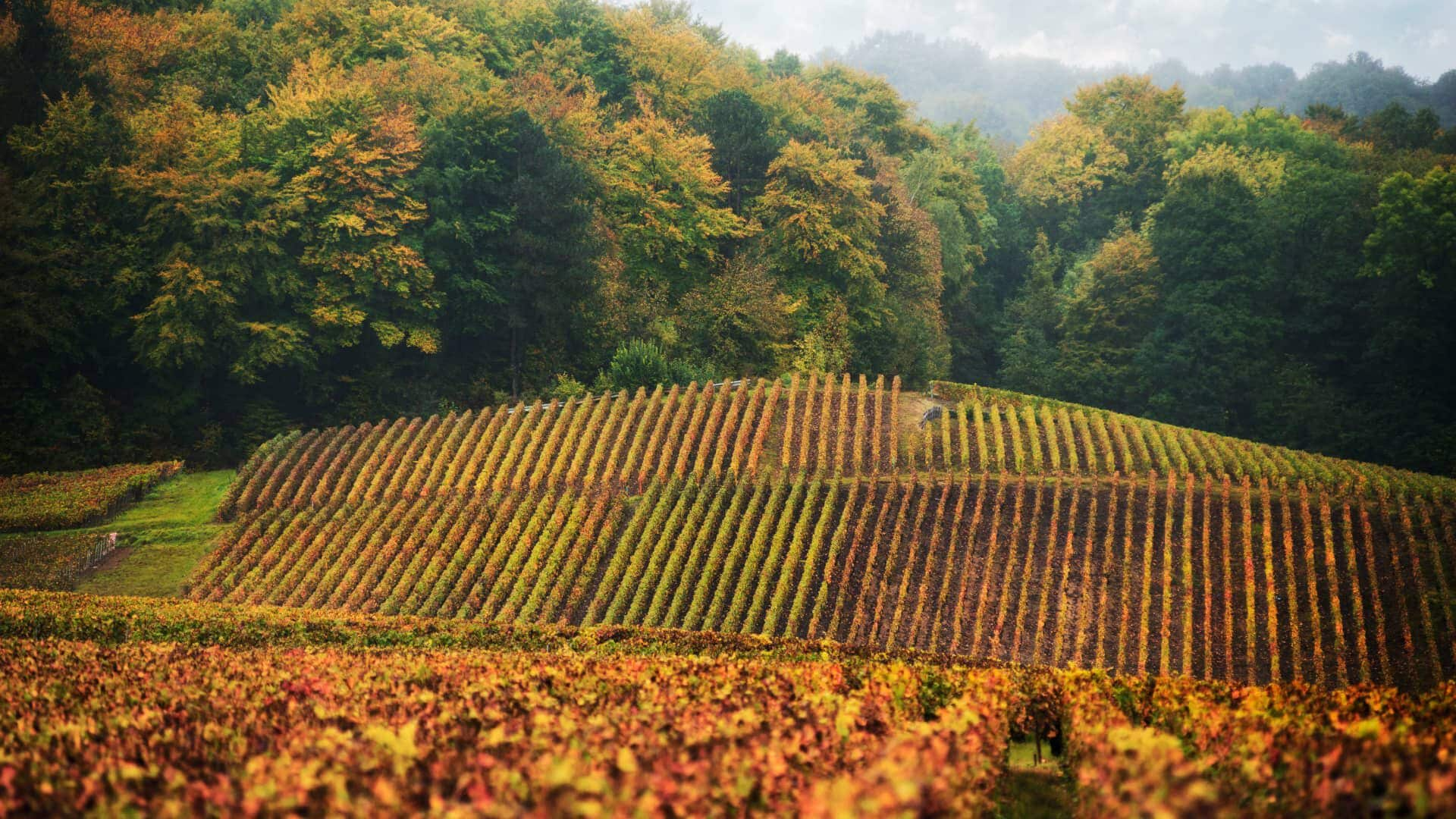
The Champagne region is routinely reduced to its sparkling wine, which obscures how productive the surrounding terrain genuinely is. The Marne valley and its neighbouring departments supply vegetables, dairy, freshwater fish, and game that have fed the area's kitchens long before Champagne tourism became the dominant industry. The cooking tradition here predates the Grand Marques, and restaurants that work from that agricultural base, sourcing close, buying what is in season, building menus that shift with the month, are operating from a more honest premise than those that import prestige ingredients to match the expectations of wine-house visitors.
This is the frame in which a restaurant like Au Petit Comptoir makes most sense. Bistros of this format across northeastern France typically operate short, handwritten or weekly-changing menus precisely because their sourcing depends on what the local market yields. The discipline of a small menu is itself an ingredient signal: it implies commitment to a specific supply chain rather than the flexibility of a kitchen that can pull from a broad national distributor. For a diner trained to read menus, a short list at a small address in a regional city is often more informative than a ten-course tasting menu at a hotel attached to a Champagne house.
France's most respected regional kitchens, from Bras in Laguiole with its Aubrac plateau sourcing, to Auberge de l'Ill in Illhaeusern with its Alsace river produce, have built their reputations on exactly this kind of territorial loyalty. The logic scales down perfectly to neighbourhood format: a restaurant does not need three stars to practise genuine terroir thinking. What it needs is a kitchen that knows its suppliers and a menu short enough that nothing sits around waiting to be used.
Where Au Petit Comptoir Sits in the French Bistro Tradition
The French bistro as a category has been under pressure for decades, squeezed between the rise of casual international concepts and the upward migration of ambitious chefs into more formal formats. What survives, and what addresses like Au Petit Comptoir represent, is a model that resists both directions. It does not simplify into a burger-and-wine bar, and it does not complexify into an eight-course tasting sequence. The compact counter bistro holds a middle ground that French dining culture has preserved in provincial cities better than in Paris, where real estate and tourism economics have distorted the form almost beyond recognition.
Reims, with a population large enough to sustain genuine neighbourhood restaurants but not so large that every table becomes a tourist-facing proposition, is well suited to this kind of address. The city's residents eat out regularly, and the demand for honest mid-week cooking at honest prices is what keeps a place like this functioning. That regularity, the fact that a table here is not a special-occasion destination but a recurring choice, is its own form of endorsement, one that no award can fully replicate.
For comparison, the formal upper tier of French regional dining, houses like Les Prés d'Eugénie in Eugénie-les-Bains, Georges Blanc in Vonnas, or Paul Bocuse in Collonges-au-Mont-d'Or, operate at a scale and formality that makes them destination events rather than neighbourhood fixtures. The same applies, at different price points and ambitions, to restaurants like Flocons de Sel in Megève, Mirazur in Menton, or Alléno Paris au Pavillon Ledoyen. Au Petit Comptoir is not competing in that space. It occupies a different function in its city's dining ecology: the reliable, ingredient-driven neighbourhood table that visitors often miss because they are following the Champagne-house itinerary rather than eating where the locals actually eat.
Planning a Visit: What to Know Before You Go
Au Petit Comptoir is located at 17 Rue de Mars, 51100 Reims, a central address accessible from the cathedral quarter on foot. Given the format and scale implied by the name and location, booking ahead is advisable, particularly for midweek lunches when local demand can fill a small room quickly. Visitors arriving from Paris via TGV, Reims is under 50 minutes from Gare de l'Est, will find the address within reasonable walking distance of the station.
As with most neighbourhood bistros of this type across France, the lunch service tends to offer the most direct expression of the kitchen's daily sourcing. Arriving early in a service, before the menu's more popular dishes sell out, is sound practice at any small room with a short, market-dependent list. For those spending several days in the region, pairing a lunch here with an afternoon cellar visit to one of the Champagne houses provides a more complete picture of what the Marne produces than either experience alone.
Frequently asked questions
How do I find Au Petit Comptoir?
Au Petit Comptoir is located at 17 Rue de Mars, 51100 Reims, France, Reims.
Is Au Petit Comptoir suitable for a solo lunch in Reims?
A counter-format or small bistro on Rue de Mars in central Reims is well suited to solo dining, the table-to-kitchen proximity typical of rooms this size means the meal moves at a natural pace without the awkwardness of a large formal setting. The address at 17 Rue de Mars places it within easy reach of the cathedral quarter, making it a practical midday stop between sights. Solo diners in French regional bistros of this type are a standard part of the daily service, not an exception.
What do regulars order at Au Petit Comptoir?
The menu follows market availability rather than fixed signatures, so what regulars return for is the cooking's consistency rather than a specific dish. At a bistro of this format in a region as agriculturally productive as the Marne valley, the kitchen's output shifts with the season. Arriving with flexibility rather than a fixed expectation is the approach that suits the format.
Do they take walk-ins at Au Petit Comptoir?
Walk-ins are plausible in principle at a neighbourhood bistro on Rue de Mars, but Reims draws a steady flow of visitors, particularly around the cathedral quarter, which is within walking distance of the address at 17 Rue de Mars. A small room fills quickly at peak meal times, and contacting the venue directly ahead of a visit is the more reliable approach than arriving unannounced.
What has Au Petit Comptoir built its reputation on?
The reputation rests on consistent, ingredient-driven French cooking delivered without the formality or price point of Reims's higher-end tables. In a city where the dining conversation is often dominated by Champagne houses and Michelin-starred rooms, Au Petit Comptoir holds a different position: a bistro where the food carries the occasion rather than the occasion carrying the food. That clarity of purpose is what keeps it in regular local rotation.
A Quick Peer Check
Comparable venues nearby, for context on price, style, and recognition.
| Venue | Cuisine | Price | Notes |
|---|---|---|---|
| Au Petit ComptoirThis venue (the venue you are viewing) | French Bistronomique | $30–50 | Not listed |
| L'Atelier Entrecôte et Volaille - Reims | Classic French Brasserie | $30–50 | Centre-ville (Downtown Reims) |
| La Vigneraie | Modern French Bistro | $50–100 | central Reims |
| Le Continental | Seasonal French Brasserie | $30–50 | Centre Erlon-Ouest |
| Brasserie le Boulingrin | Classic French Brasserie | $30–50 | Boulingrin |
| Da Nello | Authentic Italian Pizza | $20–30 | Center of Reims |
Continue exploring
More in Reims
Restaurants in Reims
All restaurants in Reims →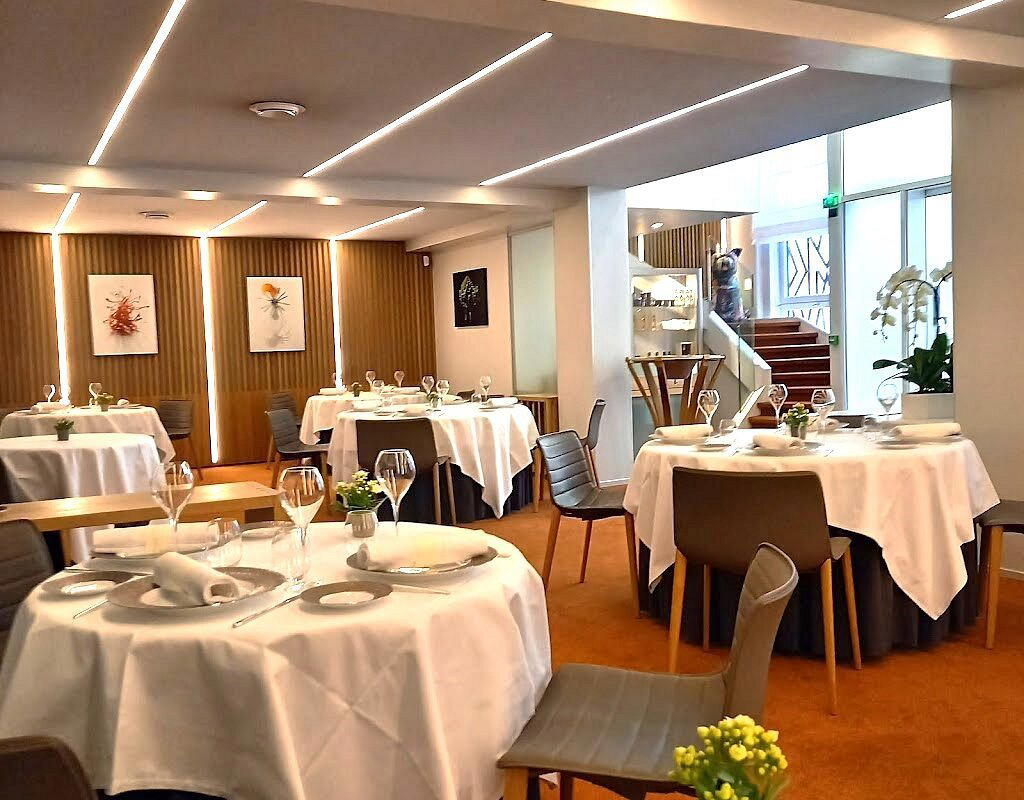

Bars in Reims
All bars in Reims →
Details
- Cozy
- Classic
- Intimate
- Elegant
- Date Night
- Special Occasion
- Terrace
- Extensive Wine List
- Local Sourcing
- A La Carte
- Set Menu
- Vegetarian Friendly
Current opening hours
- Monday
- 12–2 PM, 7–10 PM
- Tuesday
- 12–2 PM, 7–10 PM
- Wednesday
- 12–2 PM, 7–10 PM
- Thursday
- 12–2 PM, 7–10 PM
- Friday
- 12–2 PM, 7–10:30 PM
- Saturday
- 12–2 PM, 7–10:30 PM
- Sunday
- Closed
Hours can change for holidays and private events. Hours as of .
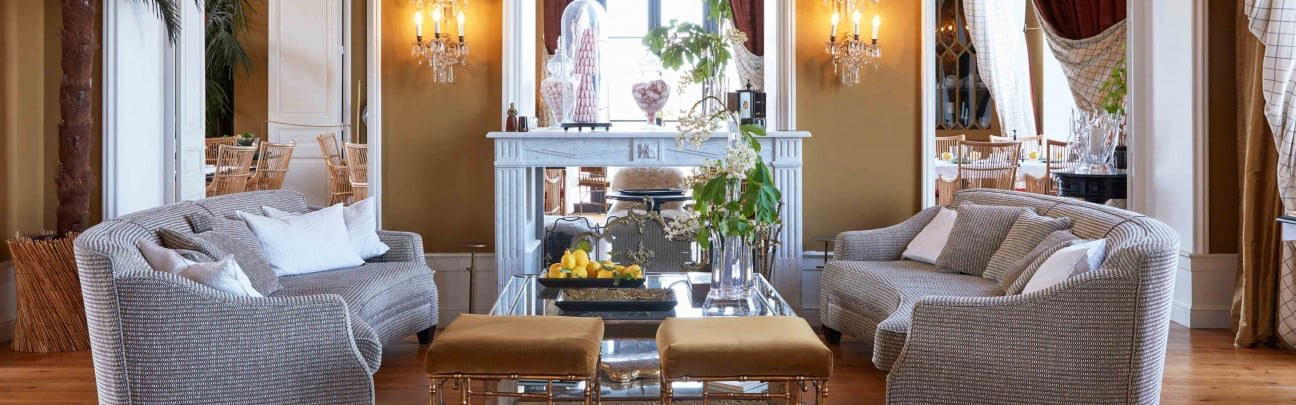
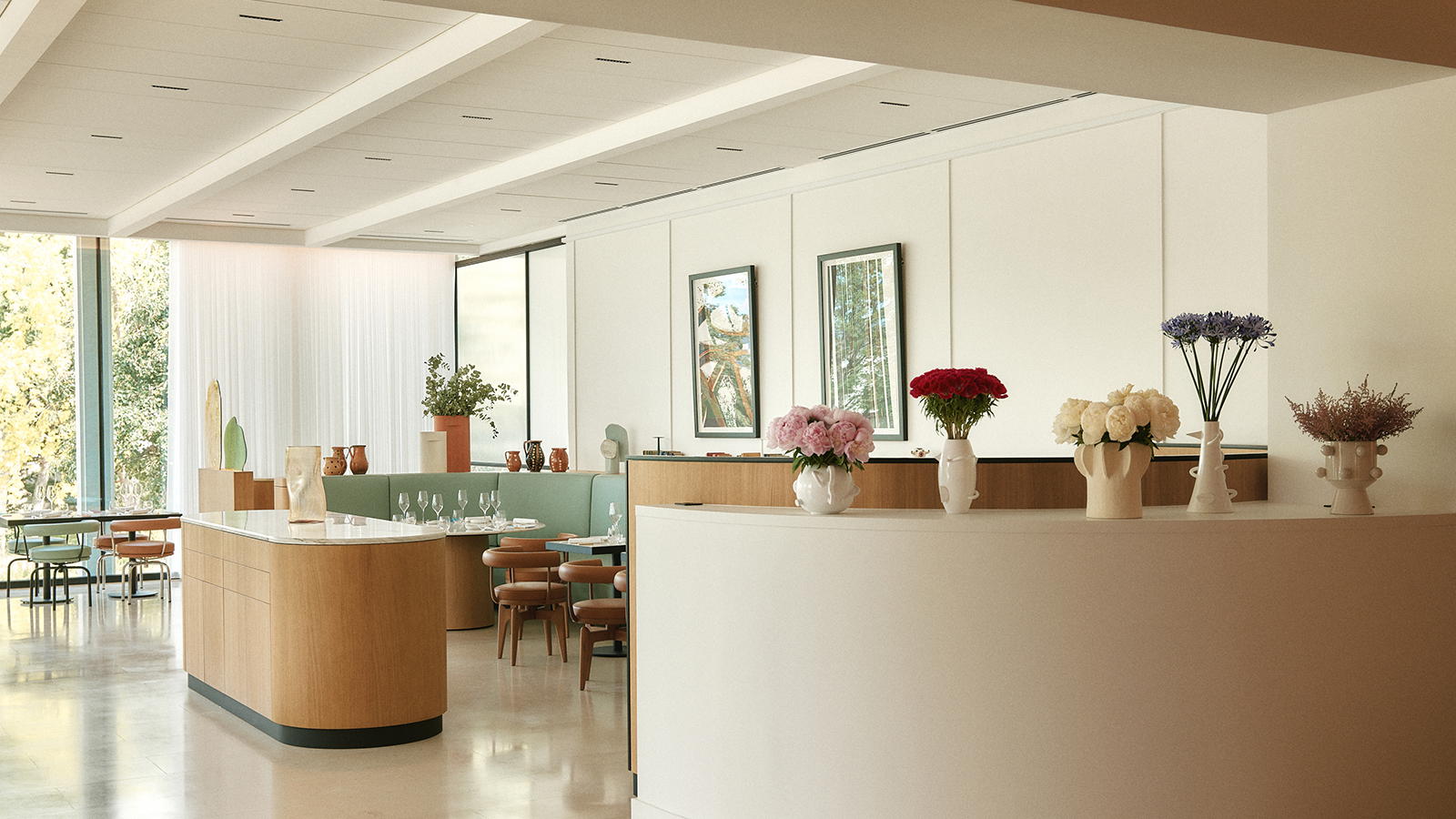
Cozy and calm with spaced tables, pleasant interior lighting, and terrace option.