Our verdict
Restaurant Bun sits on Strada Ion Ionescu de la Brad in Timișoara, operating within a dining scene that has grown considerably more demanding in recent years. The address places it in a city where Central European culinary traditions meet a modernising local appetite, making it a useful reference point for understanding how Romanian restaurants are repositioning their menus and formats for a post-pandemic dining public.

Pearl is the En Primeur Club membership app — saves, bookings, and concierge access live there. Same editors, same standards.
- Address
- Strada Eugeniu de Savoya 13, 300079 Timișoara, Romania
- Phone
- +40 775 267 539
- Hours
- Mon ClosedTue–Sun 12–10:30 PM
- Website
- instagram.com
- Directions
- Get directions
- Booking
- Book on the venue's website
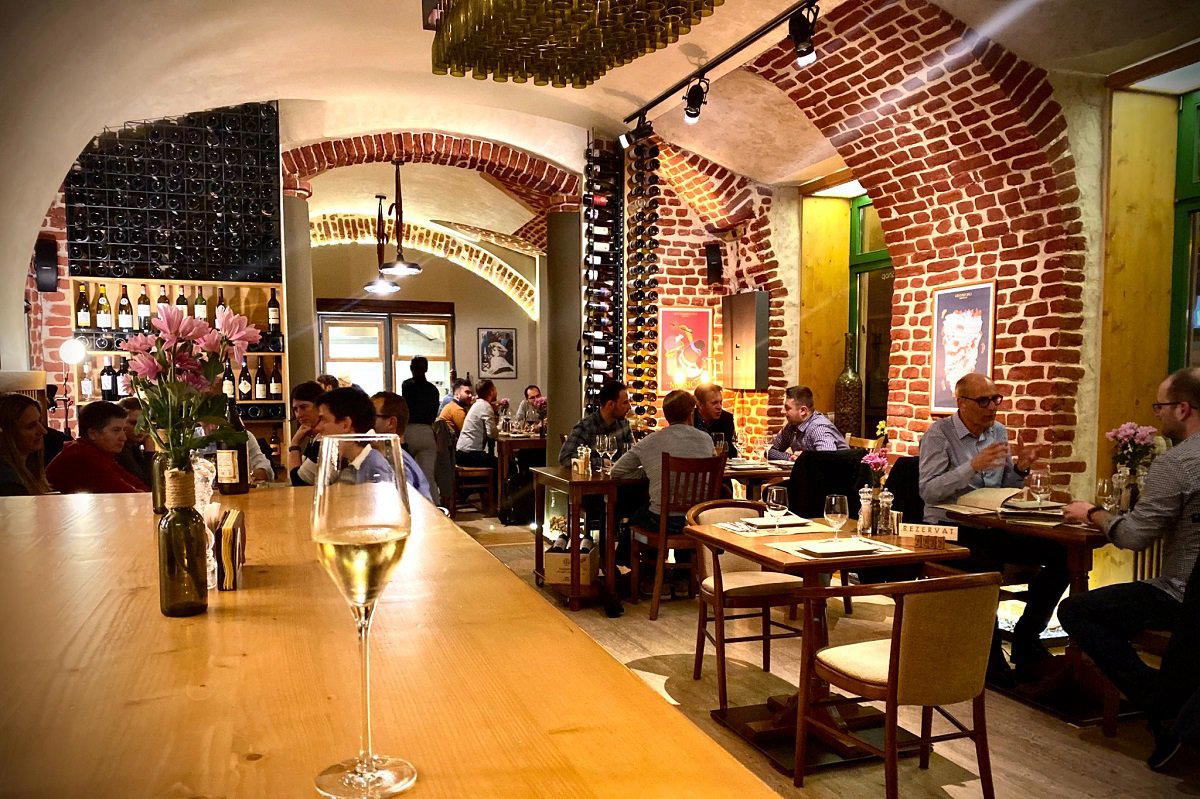
A Street Address That Says Something About the Scene
Timișoara's restaurant culture does not announce itself the way Bucharest's does. The capital pulls the headline chefs, the international press, and the award nominations. Timișoara, Romania's western-most major city and a long-standing cultural corridor between Central Europe and the Balkans, has developed a dining identity that is quieter but no less considered. Strada Ion Ionescu de la Brad, where Restaurant Bun occupies its address, sits within a city that received the European Capital of Culture designation in 2023, an event that accelerated both visitor traffic and local ambition across the hospitality sector. That context matters when reading any restaurant operating here: the audience has grown, expectations have shifted, and kitchens have had to respond.
For a broader orientation to where Bun sits relative to the rest of the city's tables, our full Timișoara restaurants guide maps the range from casual to formal across the city's neighbourhoods.
What Menu Architecture Reveals
In Romanian restaurants of this generation, menu structure has become one of the clearest signals of a kitchen's ambitions and its self-awareness. The old model, a long list spanning soups, salads, grills, pasta, and desserts in equal proportion, has given way in many mid-tier and upper-tier rooms to tighter, more deliberate editing. A shorter menu signals sourcing confidence: the kitchen is not hedging across thirty dishes because it cannot hold quality across thirty dishes.
How a Romanian kitchen handles its protein anchors also tells a story. The question is whether pork-forward tradition is presented as a point of pride, treated with the same attention given to imported ingredients, or quietly sidelined in favour of more internationally legible proteins. The most interesting rooms in Timișoara are those that do not apologise for local ingredients but frame them with technique. That tension between local identity and cosmopolitan aspiration is visible across the city's better addresses, from the more relaxed format at Cartofisserie to the wine-led approach at Merlot.
Comparable dynamics play out elsewhere in Romania. In Bucharest, Bogdania Bistro and Caru' cu Bere represent opposite ends of the same question: how much of a Romanian restaurant's identity should be rooted in tradition versus reshaped for contemporary dining expectations? In Oradea, Eat IT casual gourmet kitchen has found a middle register that resonates with a younger professional audience. Timișoara's better rooms are working through the same calculus.
The Neighbourhood and Its Dining Habits
Timișoara operates on a different tempo from Bucharest. Lunch is taken seriously here in a way that the capital, increasingly dominated by desk-lunch culture, has partly abandoned. The evening service skews earlier by Central European standards, reflecting the city's geographic and cultural proximity to Hungary and Austria. That rhythm shapes what a kitchen needs to deliver across service: a menu structured around a strong midday offer, not just a dinner set, has a practical advantage in this market.
The café culture running through addresses like Coffeerize Botanic is part of the same ecosystem, a city that eats and drinks throughout the day rather than concentrating all its hospitality energy into a two-hour dinner window. Restaurants that understand this, and structure their offer accordingly, tend to build more consistent traffic than those operating on a purely evening-focused model.
For seafood-led alternatives in the city, Pescada represents a more narrowly specialised proposition. The more traditional end of the market still anchors around historic formats, leading represented by La Calul Alb. Bun occupies a position somewhere between these poles, serving a city that now contains a dining public with genuine range in its expectations.
Where Timișoara Sits in the Romanian Restaurant Hierarchy
Romania's restaurant industry remains heavily Bucharest-centric when it comes to international recognition. The award pipelines, the food media attention, and the visiting critic traffic all funnel through the capital. Second-tier cities, Timișoara, Cluj-Napoca, Iași, have been building credibility quietly, producing rooms that punch above what the external press acknowledges. In Cluj-Napoca, Cofeels has developed a following that extends beyond the city's student population. In Târgu Mureș, Lo Sfizio runs an Italian-inflected programme that shows how regional Romanian cities absorb and localise outside culinary traditions.
Timișoara's 2023 European Capital of Culture year brought a sustained influx of visitors who were not the usual tourist profile, arts-educated, internationally mobile, with reference points that extended beyond Romanian cuisine. That audience has left a mark on what local restaurants now feel they need to provide. The bar for presentation, for the quality of the wine list, and for service literacy has moved. Restaurants operating in Timișoara today are calibrating against a more demanding and more varied dining public than they were five years ago.
For international reference points on how top-tier restaurant experiences are structured at the highest level, the programmes at Le Bernardin in New York City and Atomix in New York City represent benchmarks in menu curation and service discipline that have influenced how serious kitchens globally think about format. The gap between those rooms and what is achievable in a city the size of Timișoara is real, but the direction of travel in Romania's secondary cities is narrowing it incrementally.
Elsewhere in Romania's hospitality geography, rooms like Vatos Restaurant in Agigea on the Black Sea coast, Butterfly Events in Chișcani, Cafeneaua Nației in Ploiești, Cartofisserie in Suceava, and Cocteleria Urban Garden in Florești all reflect how diverse the country's hospitality formats have become outside the capital. Timișoara belongs to that expanding story.
Planning Your Visit
Restaurant Bun is located at Strada Ion Ionescu de la Brad 1, Timișoara 300254. Given the scarcity of current booking data in public channels, contacting the restaurant directly before visiting is advisable, particularly for evening service during weekends, when Timișoara's dining rooms fill faster than their low public profile might suggest. The city is served by Timișoara Traian Vuia International Airport, with connections to several European hubs, and is reachable by rail from Bucharest in approximately eight hours or from Budapest in around five. If you are building a broader itinerary around the city's dining scene, our Timișoara guide covers the full range of current options across formats and price points.
Frequently asked questions
Where is Restaurant Bun Timișoara in Timisoara?
Restaurant Bun Timișoara is located at Strada Ion Ionescu de la Brad 1, Timișoara 300254, Romania, Timisoara.
How does Restaurant Bun fit into Timișoara's dining scene compared to Bucharest restaurants?
Timișoara operates outside the Bucharest-centric award pipelines and international food media circuits that dominate Romanian restaurant coverage. Restaurant Bun, at Strada Ion Ionescu de la Brad 1, sits within a city that takes its local dining culture seriously — lunch in particular carries genuine weight here in a way that the capital's desk-lunch habits have eroded. That relative distance from the headline scene means kitchens in Timișoara tend to build their reputation through repeat local trade rather than press cycles.
What's the must-try dish at Restaurant Bun Timișoara?
No current menu data is published through traceable channels for Restaurant Bun, located at Strada Ion Ionescu de la Brad 1, Timișoara. Romanian restaurants of this address tier in the city tend to anchor their menus in regionally sourced produce and local preparations rather than imported concepts. check the venue's official channels for current menu details before visiting.
Should I book Restaurant Bun Timișoara in advance?
Booking data for Restaurant Bun is not currently circulating through major reservation platforms. Given that Timișoara's serious dining addresses draw a committed local clientele, reaching out directly to the restaurant at Strada Ion Ionescu de la Brad 1 before your visit is the safest approach. Walk-in availability will depend on the day and service period.
A Credentials Check
Comparable venues nearby, for context on price, style, and recognition.
| Venue | Cuisine | Price | Notes |
|---|---|---|---|
| Restaurant Bun TimișoaraThis venue — the venue you are viewing | Modern Romanian | Not listed | Not listed |
| Pescada | Mediterranean Seafood | $20–30 | Iulius Mall area |
| La Calul Alb | Modern Banat Regional European Grill | $30–50 | Cetate |
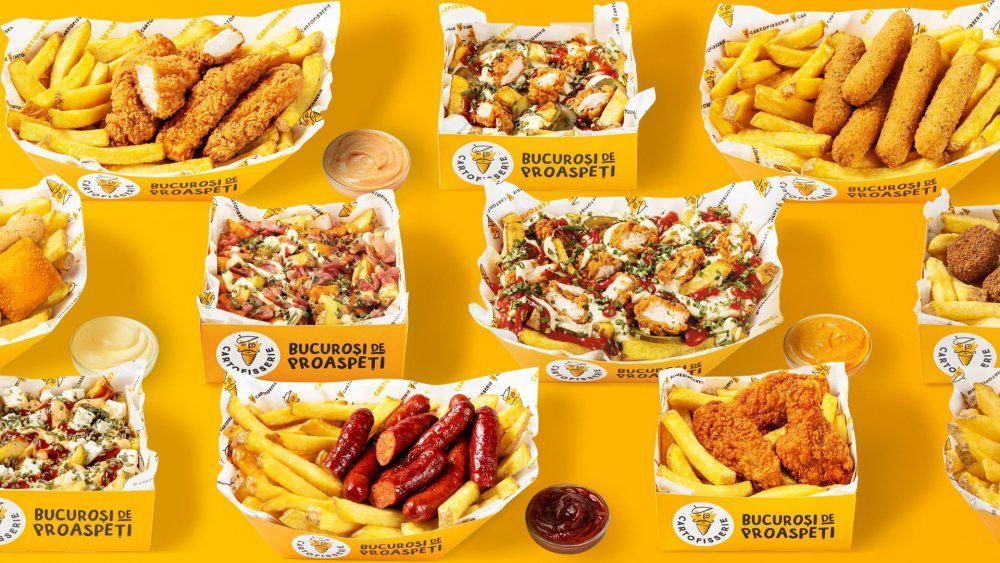
| Cartofisserie | Loaded Fries Fast Food | Not listed | Old Town |
| Restaurant Sabres | Mediterranean Fine Dining with Fresh Seafood | $50–100 | Timisoara |
| Merlot | Mediterranean Fine Dining with French and Italian Influences | $30–50 | .NULL |
Continue exploring
More in Timisoara
Restaurants in Timisoara
Browse all →
Wineries in Timisoara
Browse all →
Details
- Modern
- Cozy
- A La Carte
Current opening hours
- Monday
- Closed
- Tuesday
- 12–10:30 PM
- Wednesday
- 12–10:30 PM
- Thursday
- 12–10:30 PM
- Friday
- 12–10:30 PM
- Saturday
- 12–10:30 PM
- Sunday
- 12–10:30 PM
Hours can change for holidays and private events. Last verified .
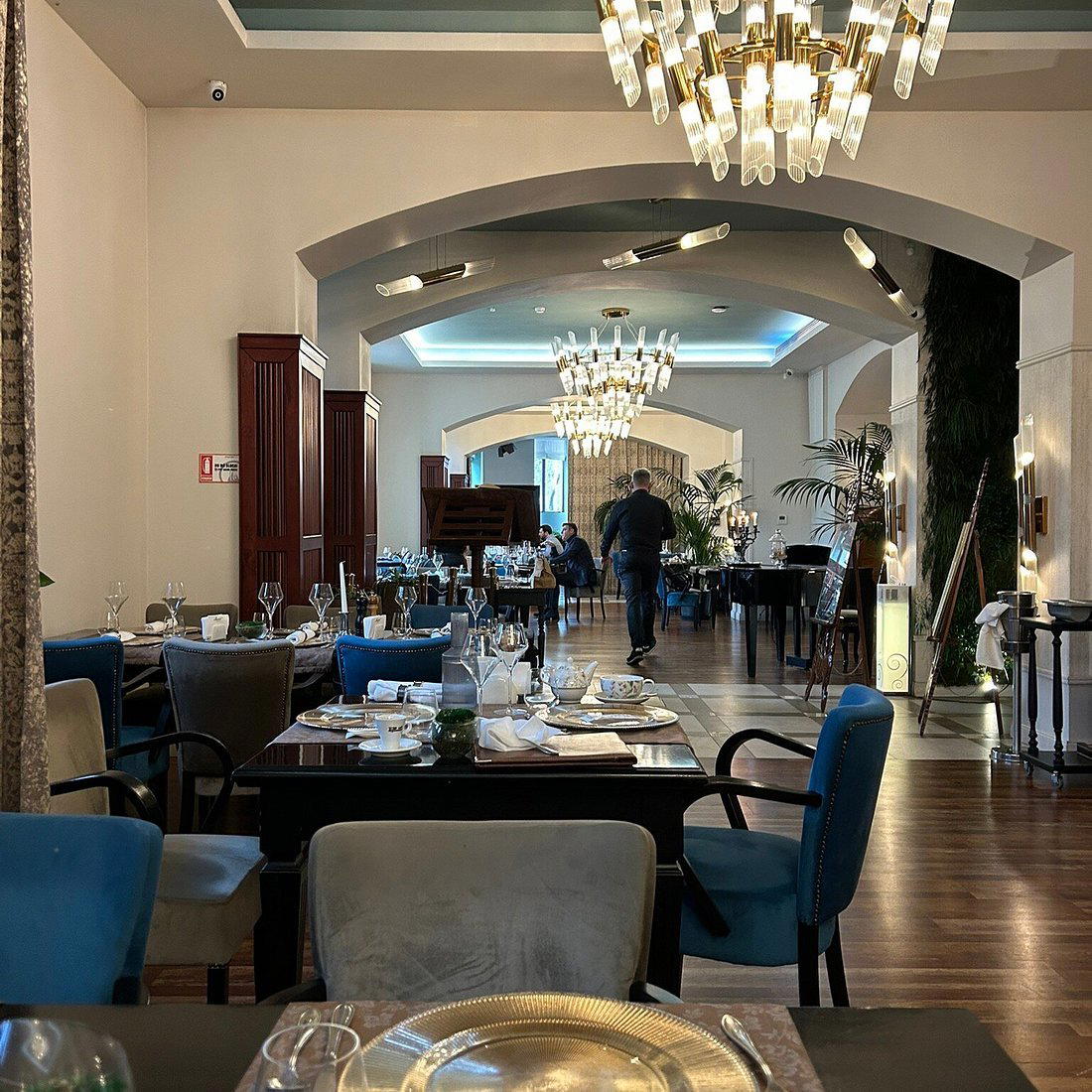
Clean interior with cozy inviting atmosphere and great music playlist.