Our verdict
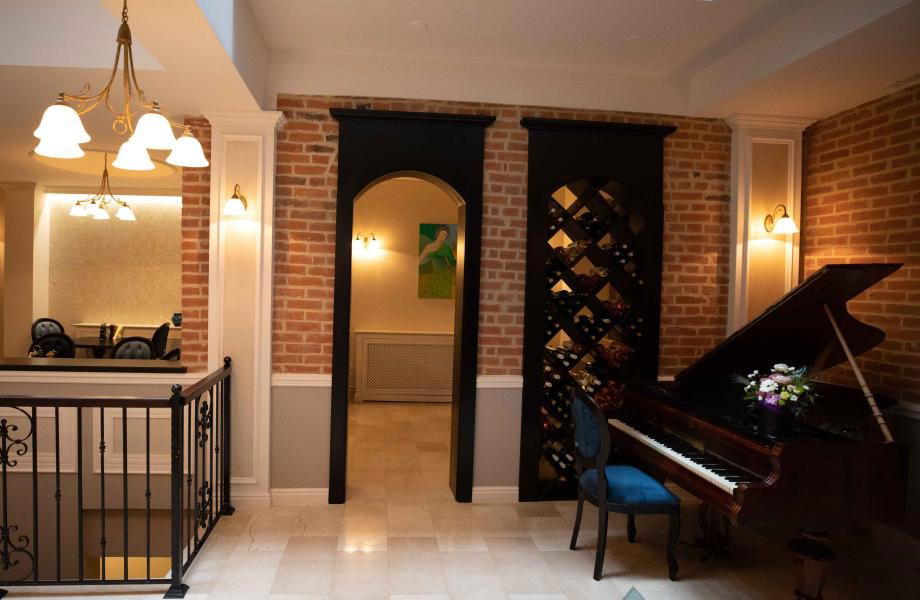
On Strada Eugeniu de Savoya in central Timișoara, La Calul Alb occupies a corner of the city where Habsburg-era architecture and Romanian culinary tradition meet. The address puts it within the older residential and commercial fabric of the city, and the restaurant draws on that rootedness in its approach to ingredients and hospitality. For anyone tracing Timișoara's dining scene beyond the obvious tourist circuit, this is a consistent reference point.

Pearl is the En Primeur Club membership app — saves, bookings, and concierge access live there. Same editors, same standards.
- Address
- Strada Eugeniu de Savoya Nr. 14, Timișoara, Romania
- Phone
- +40356178713
- Hours
- Mon–Fri 9 AM–11:30 PMSat–Sun 10 AM–11:30 PM
- Website
- lacalulalb.ro
- Directions
- Get directions
The menu
What to order
- Grilled octopus
- Veal cheeks
- Chocolate globe
- Floating island
Where the Street Meets the Table
Strada Eugeniu de Savoya runs through one of Timișoara's older quarters, a part of the city where the architecture still carries the layered memory of Austro-Hungarian administration and subsequent Romanian identity. Arriving on foot, you move past ornate façades and iron-railed balconies before the restaurant comes into view. That physical context is not incidental: much of Timișoara's more grounded dining happens in exactly these settings, where the room itself carries a kind of historical weight that newer venues in the city's commercial corridors cannot replicate.
La Calul Alb — the name translates loosely as "The White Horse," a traditional Romanian tavern designation with roots in the 19th-century inn culture of the region — occupies a place in Timișoara's dining spectrum that sits closer to the city's older hospitality traditions than to its more recent wave of modern bistros and concept-driven kitchens. The room, the approach, and the regulars all point toward a venue that has settled into its identity rather than performing one.
Ingredient Sourcing and the Romanian Kitchen
Romanian cuisine at its most coherent is a regional-ingredients tradition long before it is a technique tradition. The Banat region, of which Timișoara is the capital, sits at a crossroads where Central European agricultural abundance, Ottoman culinary influence, and Serbian border culture have all left marks on what ends up on the plate. Slow-cooked meats, pork preparations in multiple registers, bean and vegetable stews with paprika threads from Hungarian proximity, and dairy from small producers in the surrounding countryside: these are the structural elements of the cuisine, and they depend entirely on supply chains that are still, in Banat, largely local.
Venues that take this ingredient provenance seriously tend to cluster around seasonal menus that shift without announcement rather than formal tasting formats with printed notes. The cue that sourcing matters is usually in the details: house-made preserves, bread baked on site or sourced from a named local baker, meat that lists the cut and preparation rather than a brand. Romania's accession to the EU brought supermarket consolidation to its cities, but Timișoara's market culture, anchored by Piața Badea Cârțan and other covered halls, has remained a working supply network for kitchens that choose to use it. La Calul Alb's address and positioning within the city's older residential fabric places it logically within reach of those supply lines.
For context, the broader shift in Romanian restaurant culture over the past decade has been from Soviet-era institutional food service toward kitchens that reassert regional identity. Bucharest has led that conversation, with venues like Bogdania Bistro in Bucharest and the long-established Caru' cu bere in Bucuresti sitting at different ends of that spectrum. But the conversation in Timișoara has its own character, shaped by the city's western-facing identity and its particular proximity to the Banat agricultural hinterland.
Timișoara's Dining Scene in Useful Terms
Timișoara designated a European Capital of Culture in 2023, which accelerated investment in its hospitality infrastructure. The result was a wave of new openings, some of which have since found their footing and some of which are still calibrating. The city's more established dining addresses tend to sit in two categories: venues with deep local roots that predate the cultural-capital surge, and newer entrants that positioned themselves to capture the attention that came with it.
La Calul Alb belongs to the first category. That positioning has both advantages and limitations. The advantage is authenticity of context, a room and a menu that have not been dressed up for external audiences. The limitation, common to older venues in mid-sized Romanian cities, is that digital presence and booking infrastructure sometimes lag behind the quality of the food and hospitality on offer. Visitors used to reservation platforms and online menus may find the experience requires more direct engagement.
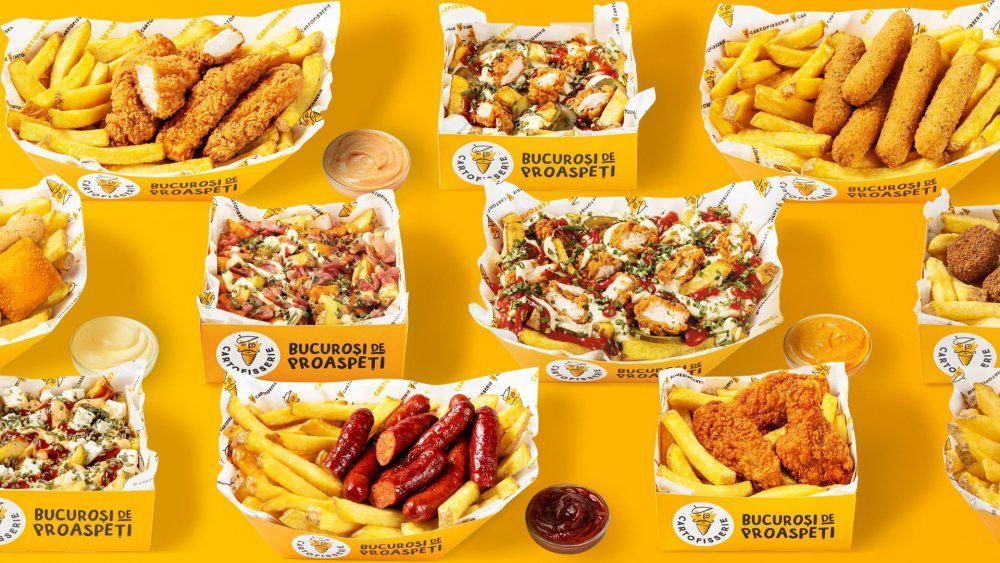
Within Timișoara specifically, the dining scene has grown more differentiated in recent years. Cartofisserie operates in an entirely different register, focused on a single-ingredient concept with modern casual execution. Merlot addresses the wine-forward dining bracket. Pescada concentrates on seafood in a landlocked city, which in itself signals a certain ambition. Coffeerize Botanic occupies the specialty coffee and light food space. Restaurant Bun Timișoara sits closer to the contemporary Romanian bistro format. La Calul Alb maps onto none of these categories neatly, which is itself a useful signal about where it sits: older, more settled, and less concerned with category positioning than with the specific hospitality it has always delivered.
For broader Romanian context elsewhere in the country, Eat IT casual gourmet kitchen in Oradea, Lo Sfizio in Targu Mures, and Cofeels in Cluj-Napoca each represent different city-specific approaches to the same broader question of how mid-sized Romanian cities build a dining identity. The full picture of Timișoara's offer is leading understood through our full Timisoara restaurants guide.
Planning a Visit
Strada Eugeniu de Savoya 14 is walkable from Timișoara's central piața and from the main hotel concentration around Piața Victoriei, making La Calul Alb a reasonable choice for anyone based centrally who wants to move slightly off the main tourist circuit for a meal. The venue's older positioning in the city's dining hierarchy means that walk-in availability is more likely here than at venues with strong online profiles and pre-booking demand, though for weekend evenings in particular, confirming availability ahead of arrival is the more practical approach. Pricing, in line with established Romanian dining at this address tier, sits meaningfully below what comparable food and setting would cost in Western European cities, which is a structural feature of Timișoara dining rather than a signal about quality.
For visitors who have already covered the more prominent names on Timișoara's restaurant list, La Calul Alb represents the kind of address that rewards the extra few minutes of navigation away from the obvious tourist flow. Other venues worth considering in the city and further afield include Vatos Restaurant in Agigea, Cafeneaua Nației in Ploiesti, Cartofisserie in Suceava, Butterfly Events in Chiscani, and Cocteleria Urban Garden in Floresti. For those approaching from an international reference frame, the contrast between a venue like this and precision-driven tasting formats such as Le Bernardin in New York City or Atomix in New York City is instructive: different traditions, different measures of quality, equally valid on their own terms.
Frequently asked questions
Does La Calul Alb work for a family meal?
La Calul Alb's address on Strada Eugeniu de Savoya 14 puts it in a walkable, low-pressure part of Timișoara, which suits multigenerational groups who want a neighbourhood setting rather than a formal dining room. Romanian cuisine in the Banat tradition runs toward shared plates and hearty portions, formats that generally work well across age groups. For specific arrangements or larger group bookings, check the venue's official channels to confirm availability.
What's the vibe at La Calul Alb?
The address sits on Strada Eugeniu de Savoya in one of Timișoara's older quarters, where the architecture still carries the layered character of a city that has passed through several cultural eras. Expect a setting that reads as neighbourhood rather than destination-dining, grounded in the everyday rhythms of local Romanian hospitality rather than any performance of it.
How does La Calul Alb fit into Timișoara's wider dining scene after the 2023 Capital of Culture designation?
Timișoara's 2023 European Capital of Culture status brought a wave of new hospitality investment and outside attention to the city's restaurant scene, which sharpened the contrast between newcomers chasing the moment and places with longer roots in the neighbourhood. La Calul Alb on Strada Eugeniu de Savoya 14 sits in the older fabric of the city, which positions it as a reference point for visitors trying to understand what Timișoara ate before the spotlight arrived. For travellers moving through Romania's western corridor, that kind of continuity is often more instructive than the newest opening.
What do regulars order at La Calul Alb?
The Banat region has a well-defined pantry: cured meats, fresh dairy, river fish, and slow-cooked pork preparations that form the backbone of the Romanian kitchen here. Without a published menu on record, the clearest guidance is to lean toward whatever the kitchen presents as house dishes, which in this regional context typically means something braised, smoked, or fermented rather than anything imported or trend-driven.
What's La Calul Alb's location?
La Calul Alb is located at Strada Eugeniu de Savoya Nr. 14, Timișoara, Romania, Timisoara.
Can I walk in to La Calul Alb?
La Calul Alb is walkable from Piața Victoriei and the main hotel concentration in central Timișoara, which makes a spontaneous visit geographically practical. Whether the kitchen accepts walk-ins on a given evening depends on covers and demand — Timișoara's hospitality infrastructure has seen increased pressure since its 2023 European Capital of Culture designation. Calling ahead is the safer approach, particularly on weekends.
What's the defining dish or idea at La Calul Alb?
The defining idea is the Banat regional table itself: a cuisine built on provenance and preservation rather than technique-forward cooking. Romania's western Banat region has its own distinct food culture, shaped by Hungarian, Serbian, and Austro-Hungarian influences, and a restaurant on this street in Timișoara is well-positioned to reflect that specificity. The dish that captures it best is whichever one changes with the season and the local supplier.
Comparable Venues
Comparable venues nearby, for context on price, style, and recognition.
| Venue | Cuisine | Price | Notes |
|---|---|---|---|
| La Calul AlbThis venue — the venue you are viewing | Modern Banat Regional European Grill | $30–50 | Not listed |
| Coffeerize Botanic | Specialty Coffee and Brunch | $10–20 | near Botanic Parc |
| Pescada | Mediterranean Seafood | $20–30 | Iulius Mall area |
| Merlot | Mediterranean Fine Dining with French and Italian Influences | $30–50 | .NULL |
| Restaurant Bun Timișoara | Modern Romanian | Not listed | Central Timisoara |
| Cartofisserie | Loaded Fries Fast Food | Not listed | Old Town |
Continue exploring
More in Timisoara
Restaurants in Timisoara
Browse all →
Wineries in Timisoara
Browse all →
Details
- Cozy
- Elegant
- Historic
- Intimate
- Date Night
- Business Dinner
- Family
- Celebration
- Historic Building
- Local Sourcing
- A La Carte
- Vegetarian Friendly
- Gluten Free Options
Current opening hours
- Monday
- 9 AM–11:30 PM
- Tuesday
- 9 AM–11:30 PM
- Wednesday
- 9 AM–11:30 PM
- Thursday
- 9 AM–11:30 PM
- Friday
- 9 AM–11:30 PM
- Saturday
- 10 AM–11:30 PM
- Sunday
- 10 AM–11:30 PM
Hours can change for holidays and private events. Last verified .
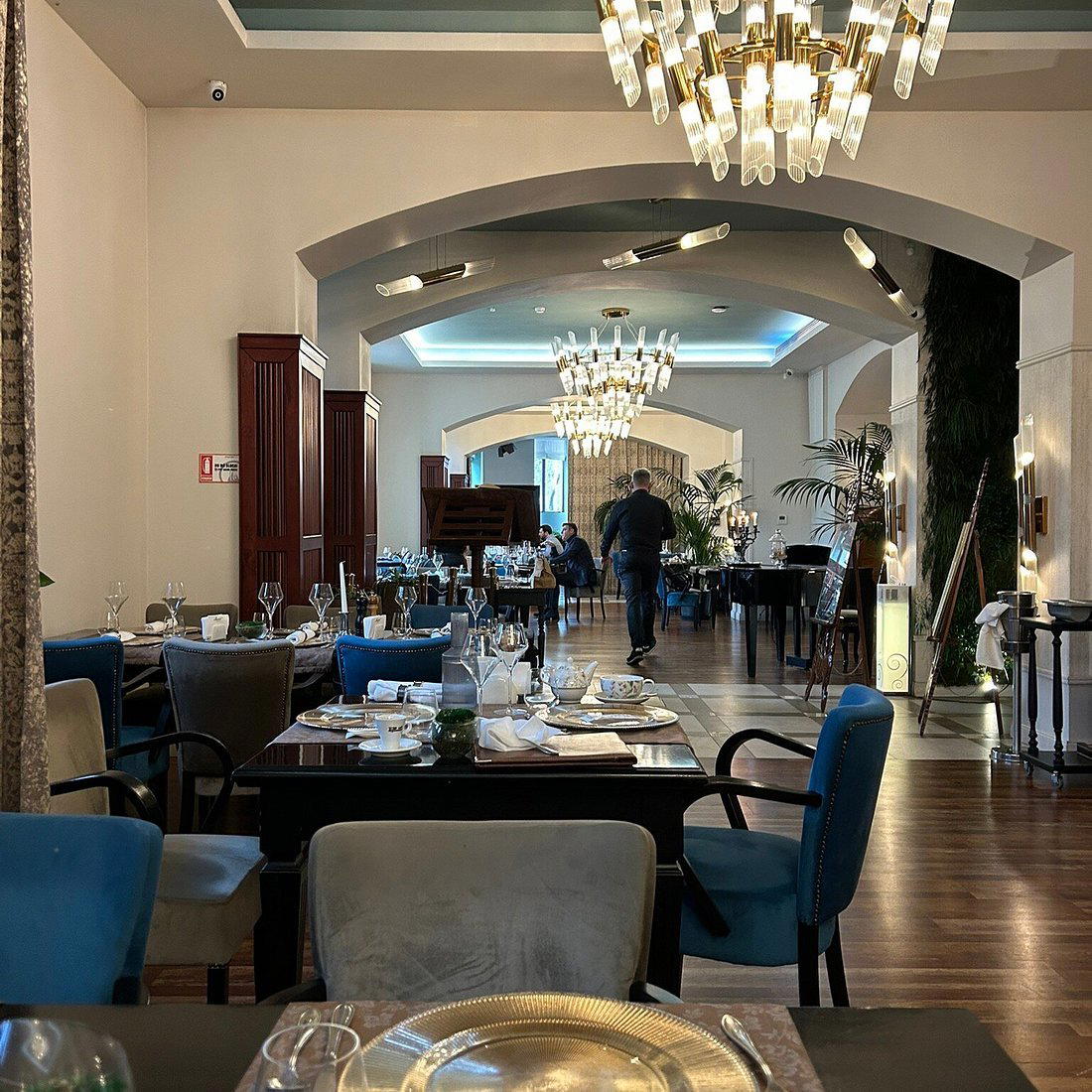
Relaxed and cozy atmosphere in a historic building with elegant plating, lively when busy, simple but comfortable interior.